
Osaka’s love hotels have a reputation that doesn’t quite match the reality — walk into most of them and you’ll find spacious rooms, oversized jacuzzi tubs, free breakfast delivered to your door, and more toiletries than a five-star spa. For first-time visitors, the check-in process takes a little getting used to (touchscreens, vending machines, minimal human contact), but that’s half the charm, and the rooms are almost always bigger and better equipped than a standard business hotel at the same price. Here are eight that welcome foreign tourists without any fuss.
Quick answer: Book Hotel Bali An Resort Shinsaibashi. It’s a three-minute walk to the Glico sign, with soundproofed rooms and a free lobby bar.
Table of Contents
Osaka Love Hotels
Best Location
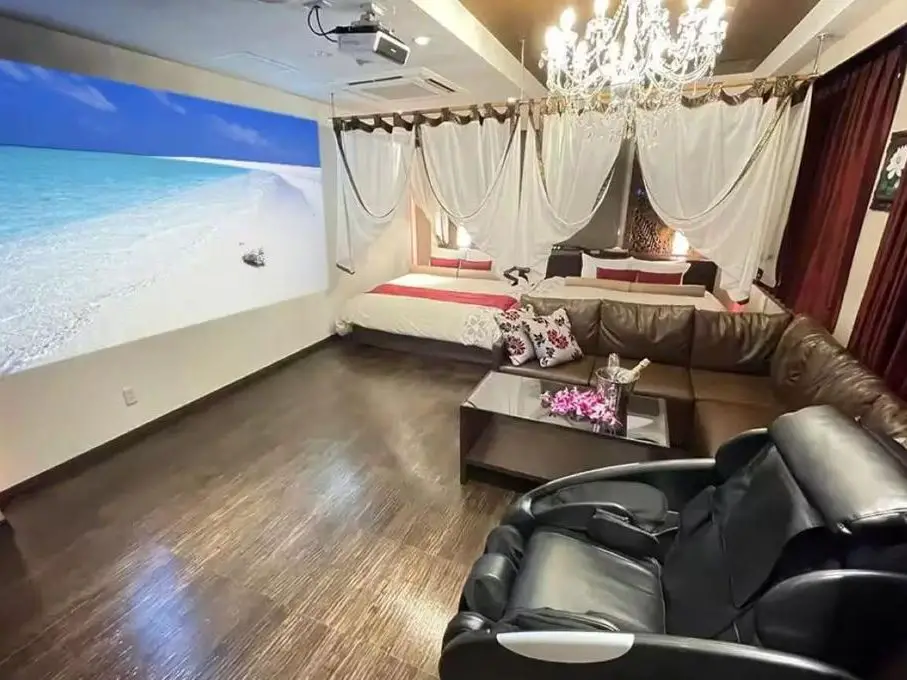
1. Hotel Bali An Resort Shinsaibashi
Rating: ⭐⭐⭐
Location: 3-minute walk to Dotonbori Glico Sign
Highlights: Soundproofed rooms despite Dotonbori location, free lobby bar with alcohol and curry rice, rooftop hand-drip coffee station, spacious spa bath
Best Room: Deluxe Twin Room
From USD $100 – $160 per night
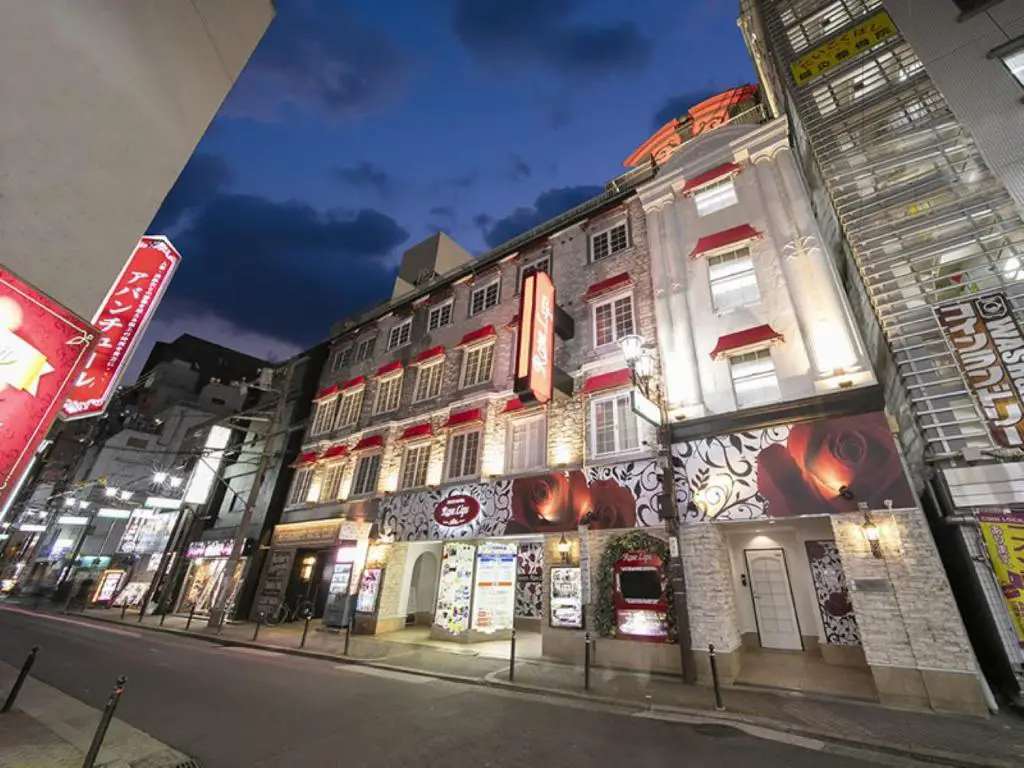
2. Rose Lips Shinsaibashi
Rating: ⭐⭐⭐
Location: 5-minute walk to Dotonbori Glico Sign
Highlights: Oversized jetted tub with separate shower, spacious rooms at 30sqm, 50-inch TV with surround sound, staff use Google Translate fluently with foreign guests
Best Room: Design Room
From USD $100 – $150 per night
Best View
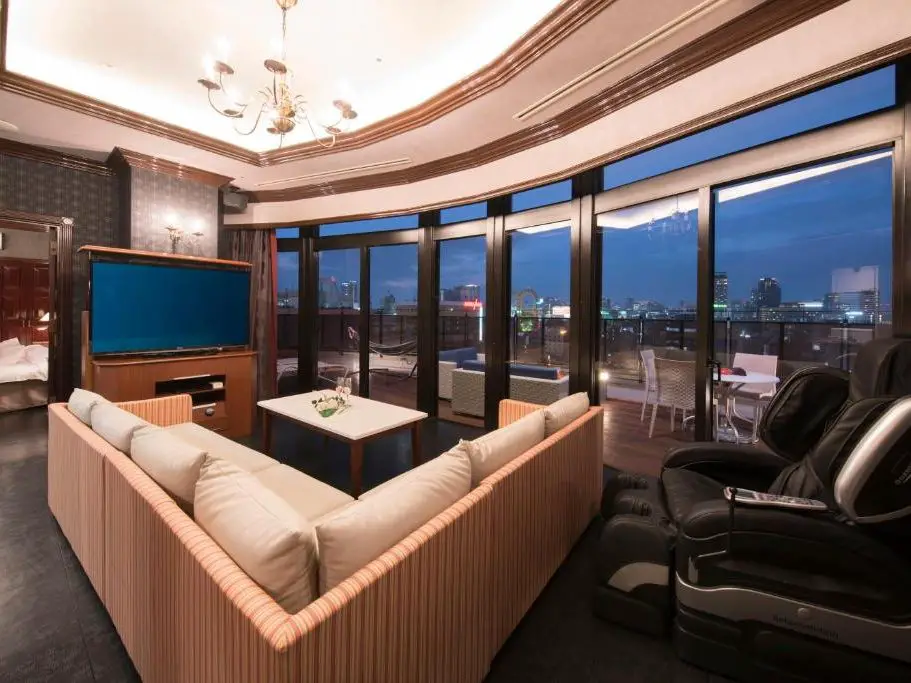
3. Hotel Alps
Rating: ⭐⭐⭐
Location: 5-minute walk to Namba Station, 6-minute walk to Dotonbori
Highlights: Rooms up to 44sqm with massage chair, jacuzzi with free bath salts, multilingual staff with translator devices, pajamas and designer toiletries refreshed daily
Best Room: King Suite with Rooftop Terrace
From USD $90 – $190 per night
Best Value
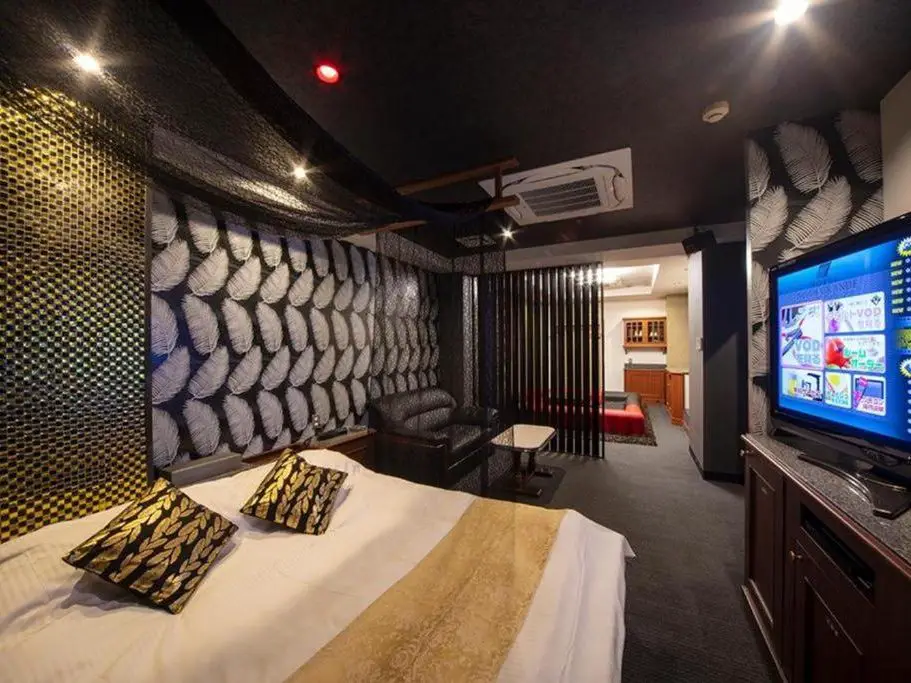
4. Noah Grande
Rating: ⭐
Location: 9-minute walk to Sakuranomiya Station (Osaka Loop Line), 10-minute walk to Osaka Castle
Highlights: River-view rooms overlooking Kema Sakuranomiya Park, jacuzzi big enough for two, free drinks in the lobby, breakfast and dinner delivered to the room
Best Room: Deluxe Double Room
From USD $75 – $130 per night
Most Unique Stay
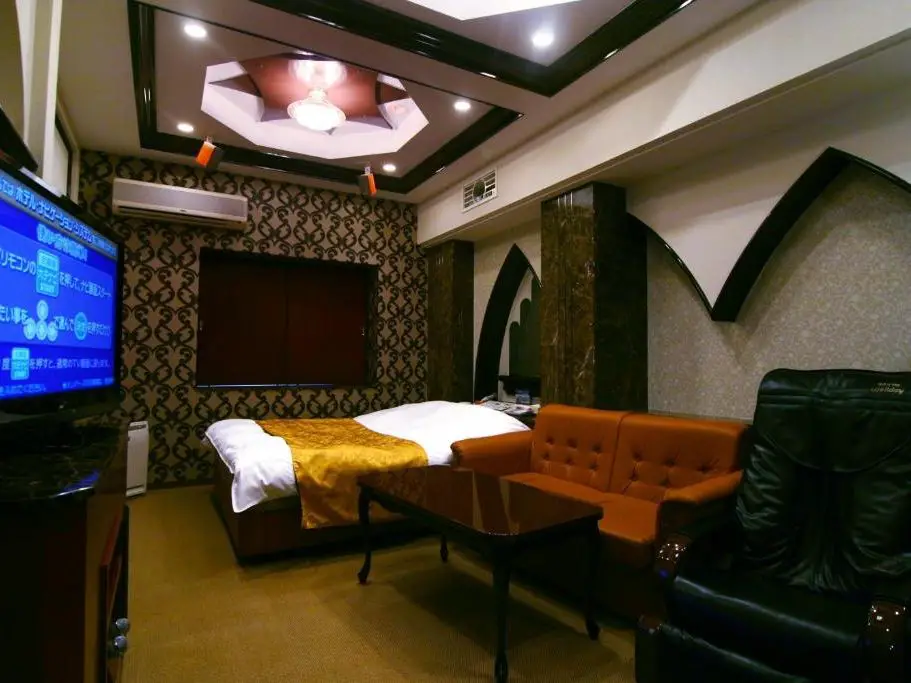
5. Hotel Hyper
Rating: ⭐⭐
Location: 5-minute walk to Namba Station, 6-minute walk to Dotonbori
Highlights: Exceptionally spacious rooms by Japanese standards, jacuzzi and massage chair in every room, cooked-to-order breakfast delivered to the door, in-room karaoke and streaming movies included
Best Room: Deluxe Double Room
From USD $130 – $200 per night
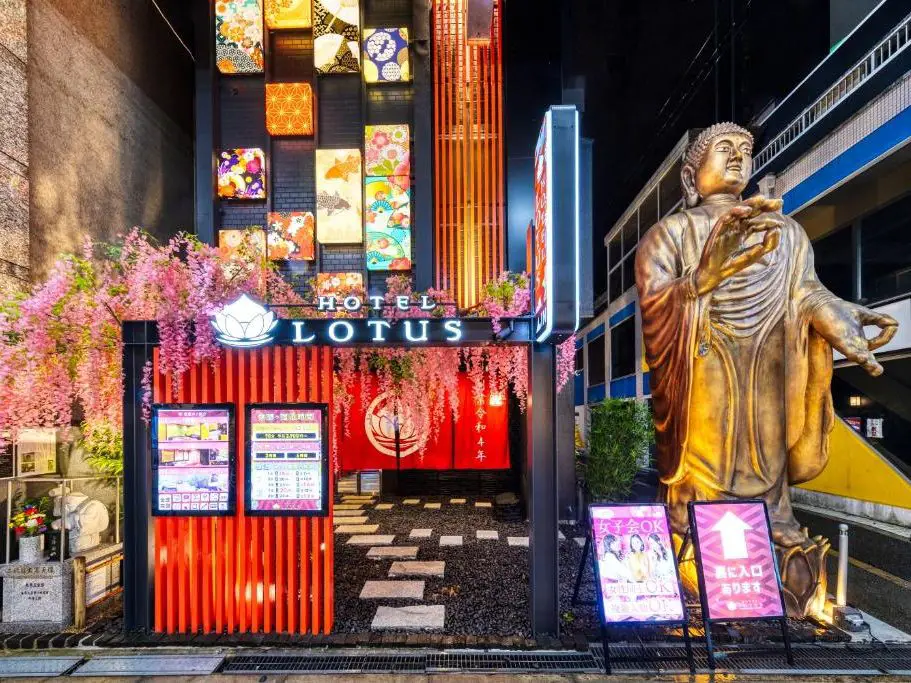
6. Hotel Lotus Umeda
Rating: ⭐⭐
Location: 2-minute walk to Higashi-Umeda Station, 7-minute walk to Osaka Station City
Highlights: Jetted bathtub with complimentary bubble bath and bath salts, optional karaoke and pool table rooms bookable during your stay, spacious rooms cleaner than equivalent Tokyo hotels, cosplay rentals available at front desk
Best Room: Deluxe Room
From USD $65 – $135 per night
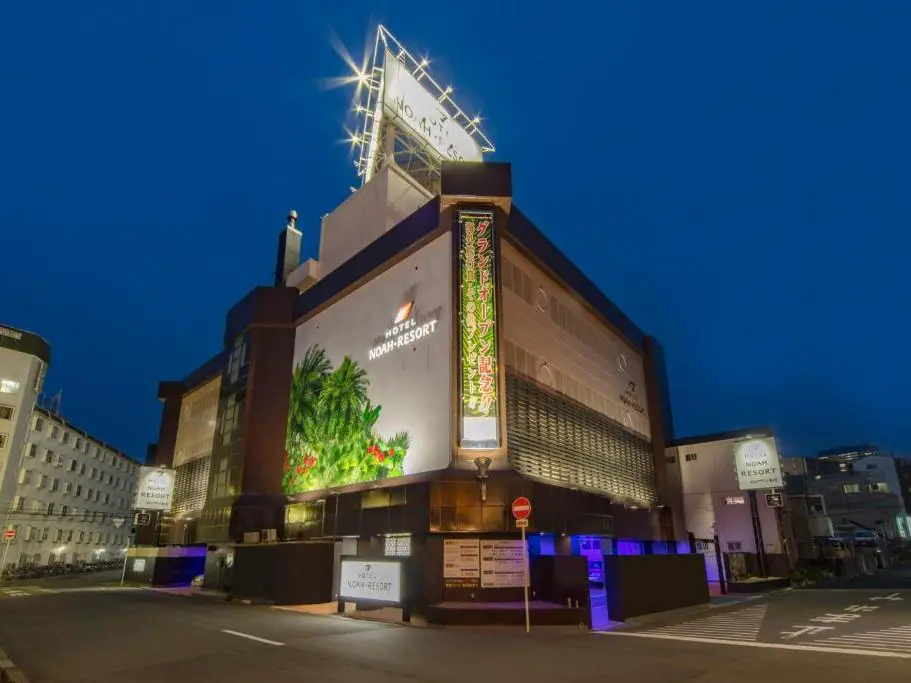
7. Hotel Noah Resort Sakuranomiya
Rating: ⭐
Location: 9-minute walk to Sakuranomiya Station (JR Osaka Loop Line), 5-minute drive to Osaka Castle
Highlights: Rooms double standard size, built-in jacuzzi, massage chair, staff translator devices, complimentary yukata
Best Room: Standard Double Room
From USD $60 – $115 per night
What Makes an Osaka Love Hotel Different from a Regular Hotel
Walk into a love hotel room and the first thing you notice is the space. Where a standard Osaka business hotel gives you maybe 16 square metres and a shower cubicle, a love hotel room typically starts at 25 and often reaches 40 or more. The bathroom alone is usually bigger than the entire room at a comparably priced city hotel — a deep jetted tub, separate shower, heated toilet seat, and enough toiletries to open a small pharmacy.
The amenity list is what really separates them. Massage chairs, in-room karaoke machines, 50-inch TVs with streaming, bath salts, yukata robes, facial masks — these come with the room, not as chargeable extras. Some hotels add pool tables, themed décor, or a free bar in the lobby. Breakfast is often delivered to your door. At most love hotels, the room rate is per room rather than per person, which means two people sharing typically pay less per head than they would at a standard hotel of equivalent quality.
The trade-offs are real too. Front desk interaction is minimal by design — some properties use touchscreen kiosks or a privacy screen rather than face-to-face check-in, which can feel disorienting the first time. English signage varies, though staff at the hotels on this list all have translation devices or multilingual support. Rooms at older properties can feel dated despite being clean. And check-in times tend to be later in the evening than a standard hotel — typically 3pm at the earliest, often 5pm or later.
For a tourist staying a few nights in Osaka, the calculation is straightforward: more room, more amenities, comparable or lower price. The experience is unusual in the best sense — there is genuinely nothing quite like it outside Japan.
How to Book and Check In Without Speaking Japanese
All the hotels on this page can be booked online in English with standard cancellation policies, room photos, and confirmed prices. A few properties have limited room numbers, so booking a week or more ahead during busy periods is worth it.
- Arrival is where first-timers sometimes hesitate. Most modern love hotels in Osaka use one of two check-in systems. The more common is a touchscreen panel near the entrance — available rooms are displayed, you select yours, and a key or access code is issued automatically. There is no queue, no small talk, and no one watching. The second system involves a front desk with a frosted or opaque privacy screen — you slide your documents under, payment is processed, and your key comes back the same way. Either way, the process takes about two minutes.
- Japanese law requires all foreign guests to show their passport at check-in, and staff will photocopy or photograph it for their records. This applies to every hotel in Japan, love hotels included — it is routine and nothing to be concerned about. Bring your passport, not just a photo of it.
- If something isn’t clear on arrival, most properties have a call button or intercom connected to staff. Hotel Bali An Resort Shinsaibashi, Hotel Alps, and Hotel Hyper all have 24-hour front desks where staff use translation apps fluently. Noah Grande and Hotel Noah Resort Sakuranomiya are slightly quieter operations where the same applies but response may take a moment longer.
- Checkout is straightforward. Most love hotels ask you to leave your key in a drop box and settle any room service charges either through the in-room TV system or at the front desk. Credit cards are accepted at every property on this list.
Rest vs Stay: Understanding the Pricing System
- Two booking options. Most love hotels offer a “rest” — a short stay of two to three hours, typically booked during the day or early evening — and a “stay,” which is an overnight booking running from around 10pm to 10 or 11am the next morning. The hotels on this page are all bookable online as overnight stays, which is the option most tourists use.
- Prices are per room, not per person. Two people sharing pay the same rate as one person alone. This makes love hotels genuinely good value for couples — at Hotel Alps, for example, a room that costs around $90 per night works out to $45 per person, with a massage chair, jacuzzi, and breakfast included. A business hotel at the same per-person price would give you a fraction of the space and none of the amenities.
- Know what’s free and what isn’t. Room service, in-room vending machines, and optional extras like cosplay rentals at Hotel Lotus Umeda are charged separately and settled at checkout. Most properties list these prices clearly in the room, often through the TV menu. Free items — bath salts, toiletries, drinks at the lobby bar at Hotel Bali An Resort Shinsaibashi — are genuinely free and restocked daily.
- Rates vary by day. Weekends and public holidays cost more than weekdays, and peak seasons like cherry blossom in late March and Golden Week in early May push prices up further. If your dates are flexible, a Tuesday or Wednesday stay at any of these properties will cost noticeably less than the same room on a Friday night.
Which Part of Osaka Should You Stay In
Osaka’s love hotels cluster in a few distinct areas, and where you stay shapes the experience as much as the hotel itself.
- Namba and Shinsaibashi is where most first-time visitors end up, and for good reason. The area puts you within walking distance of Dotonbori, Kuromon Market, Shinsaibashi shopping street, and the best concentration of restaurants in the city. Hotel Bali An Resort Shinsaibashi, Rose Lips Shinsaibashi, Hotel Alps, and Hotel Hyper are all here. Late nights out don’t require a taxi — you walk back. The trade-off is noise. Namba doesn’t quiet down until the early hours, and lighter sleepers should confirm soundproofing when booking. The good news is that most love hotels in this area are built with exactly that in mind.
- Umeda sits at the northern end of the city, around Osaka Station. It has a different character — bigger department stores, slightly less chaotic, and better transport links for day trips to Kyoto and Kobe. Hotel Lotus Umeda is the love hotel option here, two minutes from Higashi-Umeda Station. If your itinerary involves a lot of day trips or you prefer a slightly calmer base without sacrificing central access, Umeda is worth considering.
- Sakuranomiya is a quieter neighbourhood along the Okawa River, about 15 minutes from Namba by train. It lacks the immediate buzz of Minami but offers something the central areas don’t — greenery, riverside walks, and proximity to Osaka Castle. Noah Grande and Hotel Noah Resort Sakuranomiya are both here. Spring visits coincide with some of the best cherry blossom viewing in the city, right outside the hotel door. It suits visitors who want a calmer atmosphere and don’t mind a short train ride into the thick of things.
What to Expect Inside the Room
- The bathroom is usually the centrepiece. Expect a deep jetted tub big enough for two, a separate walk-in shower, a heated toilet seat with bidet, and a vanity stocked with shampoo, conditioner, body wash, facial cleanser, cotton pads, and often a hair straightener. Bath salts and bubble bath are typically free. Hotel Hyper and Hotel Alps guests note a full set of branded cosmetics restocked daily.
- The bedroom comes well equipped as standard. Large bed with quality bedding, 42 to 50-inch TV with streaming, massage chair, in-room karaoke, mini fridge with some complimentary drinks, electric kettle, and a yukata robe. Hotel Lotus Umeda offers an optional pool table and karaoke room bookable separately. Hotel Bali An Resort Shinsaibashi has a free lobby bar with alcohol, curry rice, and ice cream available around the clock.
- Vending machines are common — inside the room or just outside. They sell drinks, snacks, and adult items.
- The TV usually doubles as a room service ordering system, with food delivered directly to the door.
- Windows are not guaranteed. Some rooms have none, by design. If natural light matters, check the room description — Rose Lips Shinsaibashi and Hotel Alps both have windowed rooms.
- Breakfast, where offered, is delivered to the room at a time you set the night before. At Noah Grande and Hotel Noah Resort Sakuranomiya this covers Japanese and Western options. At Hotel Hyper it is cooked to order. Breakfast is not always included in the base rate — check your confirmation.
When to Book and How Far in Advance
Osaka is busy year-round, but a few periods put real pressure on love hotel availability — particularly the smaller properties on this list.
- Cherry blossom season (late March to early April) is the tightest window of the year. Noah Grande and Hotel Noah Resort Sakuranomiya sit directly alongside Kema Sakuranomiya Park, one of Osaka’s best blossom spots, and rooms at both fill weeks in advance. Book two to three months ahead if your dates fall in this window.
- Golden Week (late April to early May) brings the highest domestic travel volumes of the year. Every hotel on this list sees a spike, and prices reflect it. If Golden Week is unavoidable, book as early as your dates are confirmed.
- Summer (July to August) is busy but more manageable than the above two periods. Osaka’s summer festivals, including the Tenjin Matsuri in late July, draw large crowds to the central areas. Properties near Namba and Shinsaibashi — Hotel Bali An Resort Shinsaibashi, Rose Lips, Hotel Alps, and Hotel Hyper — book out faster than those further from the action.
- Autumn (October to November) is increasingly popular as a travel season and worth booking early, though availability is generally easier than spring.
- Low season (January, February, June) offers the best combination of price and availability. January and February are the coldest months but also the cheapest, with weekday rates at some properties dropping significantly. June brings the rainy season, which puts some visitors off — but the hotels are quieter and the rates are lower.
As a general rule, smaller properties fill faster. Noah Grande has just 15 rooms and Hotel Hyper has limited capacity — both warrant earlier booking than the larger Hotel Alps or Hotel Bali An Resort Shinsaibashi, which have more inventory to absorb late demand.
FAQs
1. Can solo travellers stay in Osaka love hotels?
Yes, though it varies by property. Most hotels on this list accept solo guests without issue — Hotel Alps, Hotel Lotus Umeda, and Hotel Hyper are all confirmed solo-friendly. A handful of traditional love hotels in Osaka still restrict entry to couples, but none of the properties here operate that policy. When in doubt, the room listing will specify if there are restrictions.
2. Are same-sex couples welcome?
All the hotels on this list accept same-sex couples. Osaka is one of the more LGBTQ-inclusive cities in Japan, and the love hotels here operate accordingly. Some older independent love hotels elsewhere in the city may have different policies, but that is not a concern for any property on this page.
3. Do I need to speak Japanese to check in?
No. Every hotel on this list has either multilingual staff, translation devices, or automated kiosks that require no verbal communication. Hotel Bali An Resort Shinsaibashi, Hotel Alps, and Hotel Hyper are the most straightforward for non-Japanese speakers. Bring your passport and your booking confirmation and you will be fine.
4. Is it safe to stay in a love hotel as a tourist?
Yes. Love hotels in Japan are safe, clean, and well-maintained. Japanese law requires all guests to register with a valid passport, which creates a clear record of occupancy. The hotels on this list are all bookable through mainstream travel platforms, have guest reviews, and operate to the same legal standards as any other licensed accommodation in Osaka.
5. What time is check-in?
Later than a standard hotel. Most properties on this list open check-in between 3pm and 5pm, with some not accepting guests until 7pm or later. Hotel Bali An Resort Shinsaibashi and Rose Lips Shinsaibashi both allow check-in from 3pm. Noah Grande and Hotel Noah Resort Sakuranomiya tend toward later check-in windows — confirm when booking. Checkout is typically 10am to 11am.
6. Do love hotels accept credit cards?
All the hotels on this list accept major credit cards including Visa and Mastercard. Some also accept mobile payment options such as PayPay and IC cards. A small number of love hotels in Osaka are still cash-only — Hotel ZEN Hirano was one example — but that applies to none of the properties here.
7. Can I store luggage if I arrive before check-in?
Most properties offer luggage storage, though the arrangement varies. Hotel Alps, Hotel Bali An Resort Shinsaibashi, and Hotel Hyper all have confirmed luggage storage. At smaller properties like Noah Grande, it is worth contacting the hotel directly in advance to confirm. Arriving with large suitcases during morning hours when check-in is still hours away is worth planning around.
8. Is there a minimum age to stay?
Yes. All love hotels in Japan are adults-only, and the minimum age is 18 everywhere. Some properties set the threshold at 20, in line with Japan’s traditional adult age. This is enforced at check-in when your passport is checked.