
Yokohama handles more cruise traffic than most visitors expect — Osanbashi pier sits right in the heart of the city, which means your hotel and your embarkation point are a short walk apart rather than a taxi transfer away. The waterfront here is genuinely worth a day of your own, with Chinatown, Yamashita Park, and the Red Brick Warehouse all in easy reach before you even think about boarding. The hotels below are within walking distance or a quick ride to Osanbashi, and well suited to that pre- or post-cruise night (or two) when you actually want to arrive rested.
Quick answer: Book Hotel New Grand. It’s a ten-minute walk to the Osanbashi terminal, opposite Yamashita Park, with harbour views from Le Normandie.
Table of Contents
Yokohama Hotels
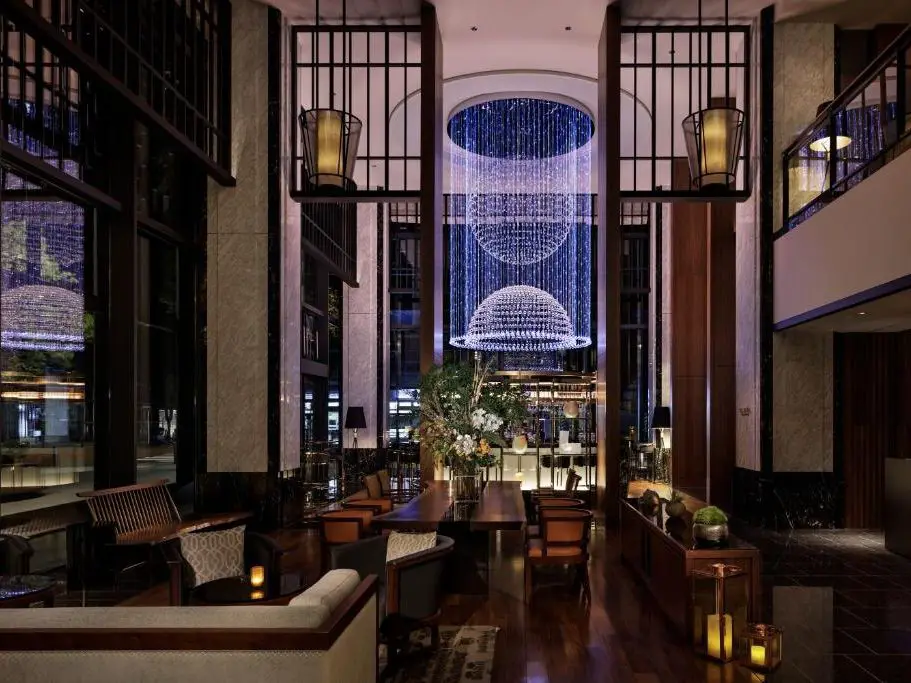
1. Hyatt Regency Yokohama
Rating: ⭐⭐⭐⭐⭐
Location: 12-minute walk to Osanbashi cruise terminal, 5-minute walk to Chinatown
Highlights: Spacious rooms with deep soaking tub, Italian restaurant with live jazz, immaculate housekeeping, breakfast buffet with Japanese and Western spread
Best Room: Club King Room
From USD $130 – $300 per night
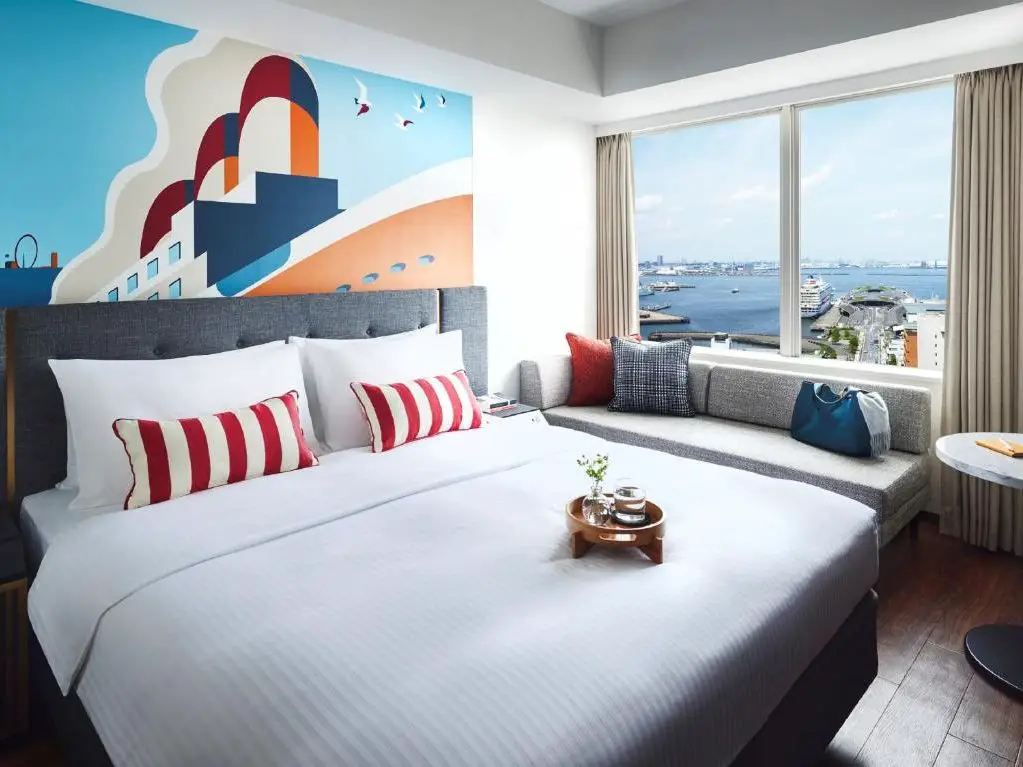
Best for Long Stays
2. Citadines Harbour Front Yokohama
Rating: ⭐⭐⭐⭐
Location: 10-minute walk to Osanbashi cruise terminal, directly above Nihon-Odori subway station
Highlights: Harbour views from upper floors, kitchenette and washer/dryer in room, rooftop terrace lounge, subway station accessible via in-building elevator
Best Room: Executive Harbour View Studio
From USD $95 – $200 per night
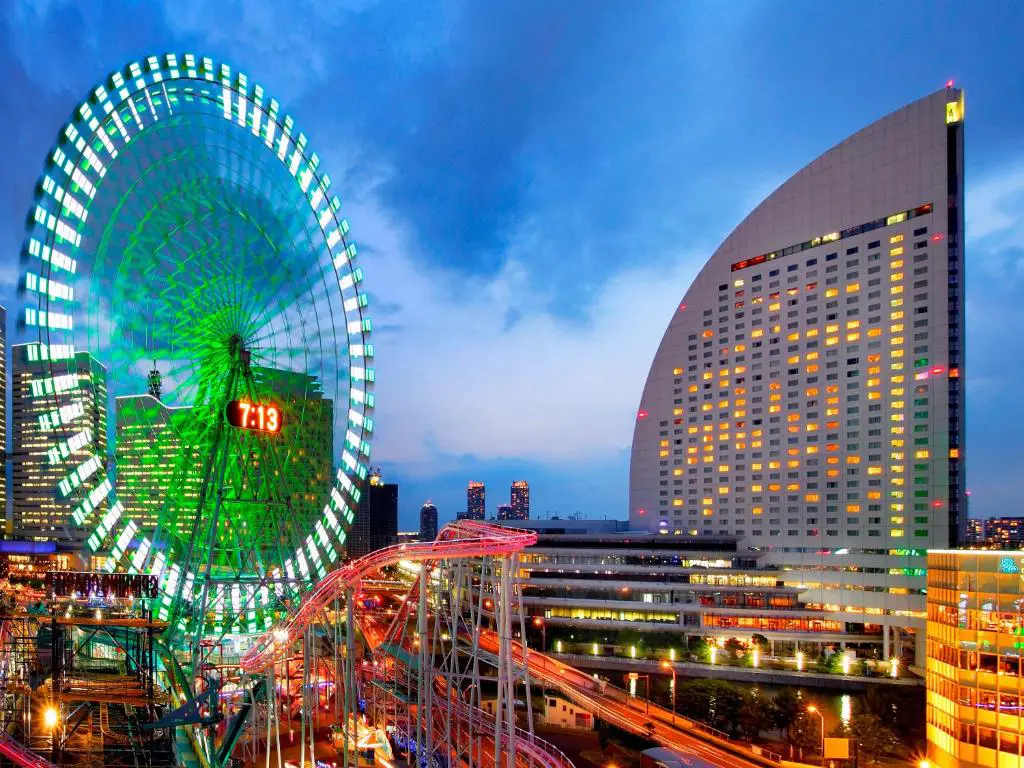
Best for Points Travelers
3. InterContinental Yokohama Grand by IHG
Rating: ⭐⭐⭐⭐⭐
Location: 20-minute walk to Osanbashi cruise terminal, 7-minute walk to Minatomirai Station
Highlights: Spacious rooms exceptional by Japan standards, indoor pool and spa overlooking the bay, 31st-floor Chinese restaurant, own bay cruise boat departing from hotel pier
Best Room: Premium King Room with Harbour View
From USD $115 – $310 per night
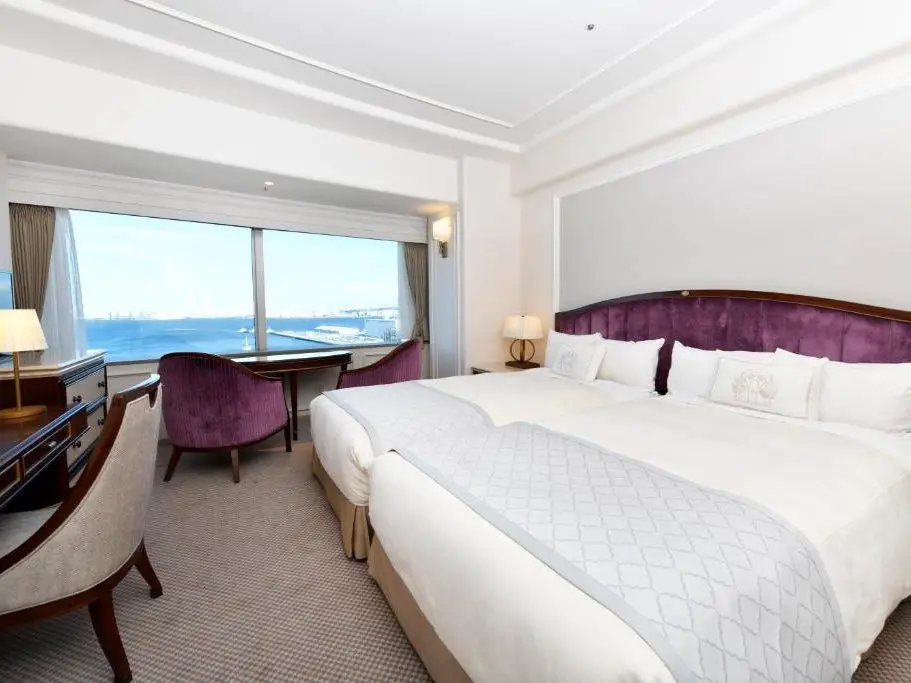
Most Historic Hotel
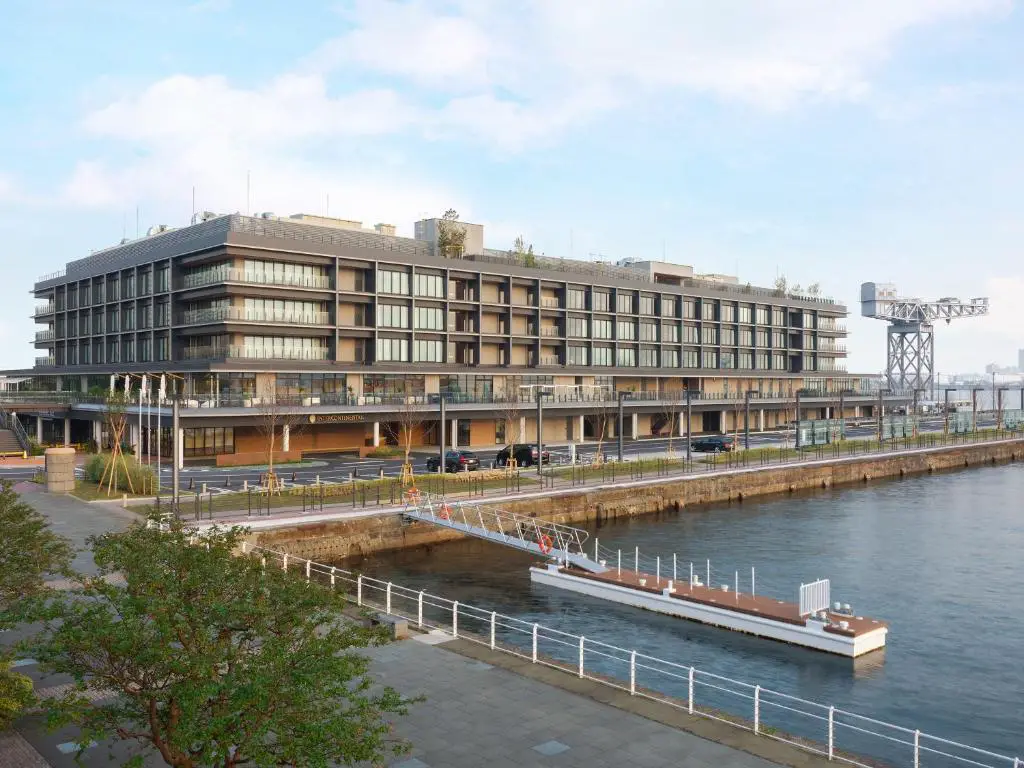
4. Hotel New Grand
Rating: ⭐⭐⭐⭐⭐
Location: 10-minute walk to Osanbashi cruise terminal, opposite Yamashita Park
Highlights: Egyptian cotton sheets on generous-sized beds, Le Normandie French restaurant with direct harbour views, bellstaff carry luggage directly to room, 1927 heritage lobby with original antique interiors
Best Room: Bay View Corner Double Room
From USD $110 – $300 per night
Most Luxurious
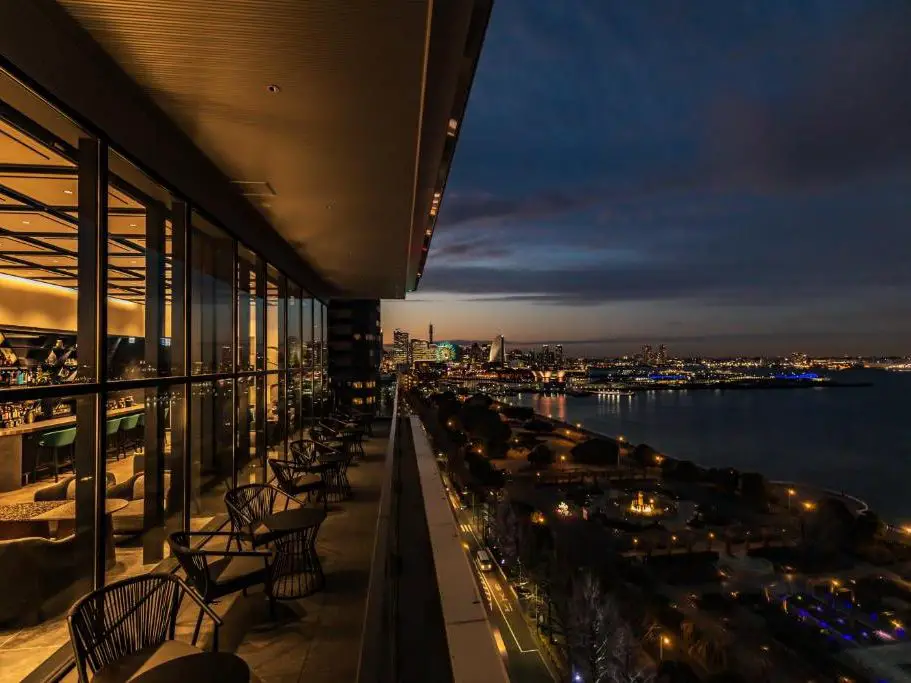
5. InterContinental Yokohama Pier 8 by IHG
Rating: ⭐⭐⭐⭐⭐
Location: 25-minute walk to Osanbashi, 5-minute walk to Shinko Pier cruise terminal, 10-minute walk to Minatomirai Station
Highlights: Largest standard rooms on this list at 46 sqm, rooftop bar with 360-degree bay views, farm-to-table restaurant Larboard with ocean-facing terrace, bags taken directly to room on arrival
Best Room: Yokohama Harbour View King Room
From USD $200 – $420 per night
6. The Gate Hotel Yokohama by Hulic
Rating: ⭐⭐⭐⭐
Location: 12-minute walk to Osanbashi cruise terminal, 4-minute walk to Motomachi-Chukagai Station
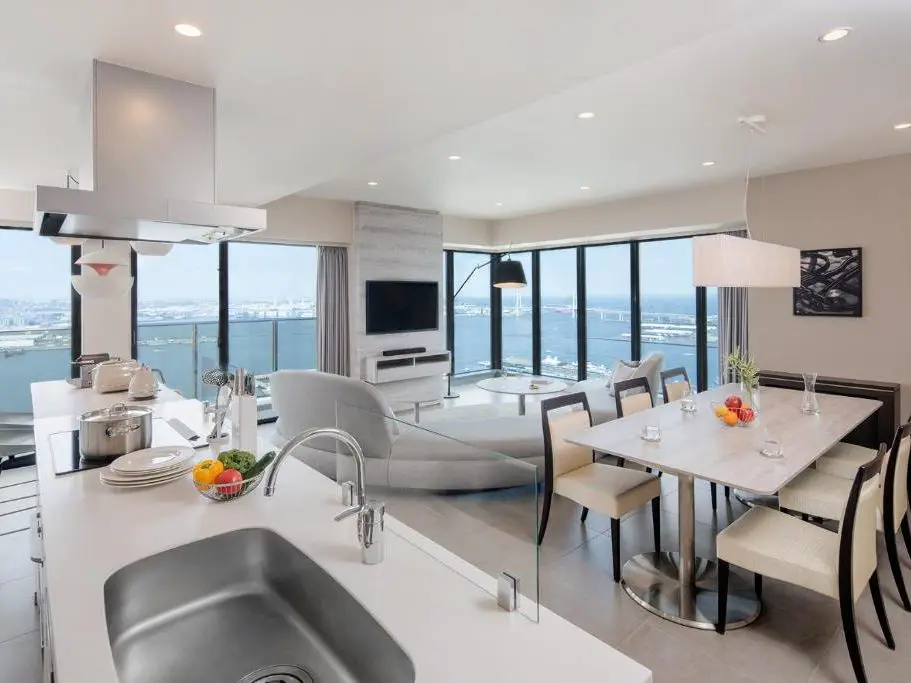
Highlights: Art Deco rooms with rain shower and separate deep bathtub, 12th-floor lobby lounge with floor-to-ceiling harbour views, rooftop terrace overlooking Yamashita Park, Nespresso and Darjeeling toiletries in every room
Best Room: THE GATE Suite
From USD $105 – $220 per night
Best Views
7. OMO5 Yokohama Bashamichi by Hoshino Resorts
Rating: ⭐⭐⭐⭐⭐
Location: One train stop to Osanbashi cruise terminal, directly connected to Bashamichi Station
Highlights: Rooms on floors 46–51 with floor-to-ceiling harbour views, full kitchen and washer-dryer in every room, 360° OMO Base viewing corridor at 154 metres, ship cabin-themed interiors with brass-rail detailing
Best Room: OMO House Corner Suite
From USD $165 – $320 per night
Best Value
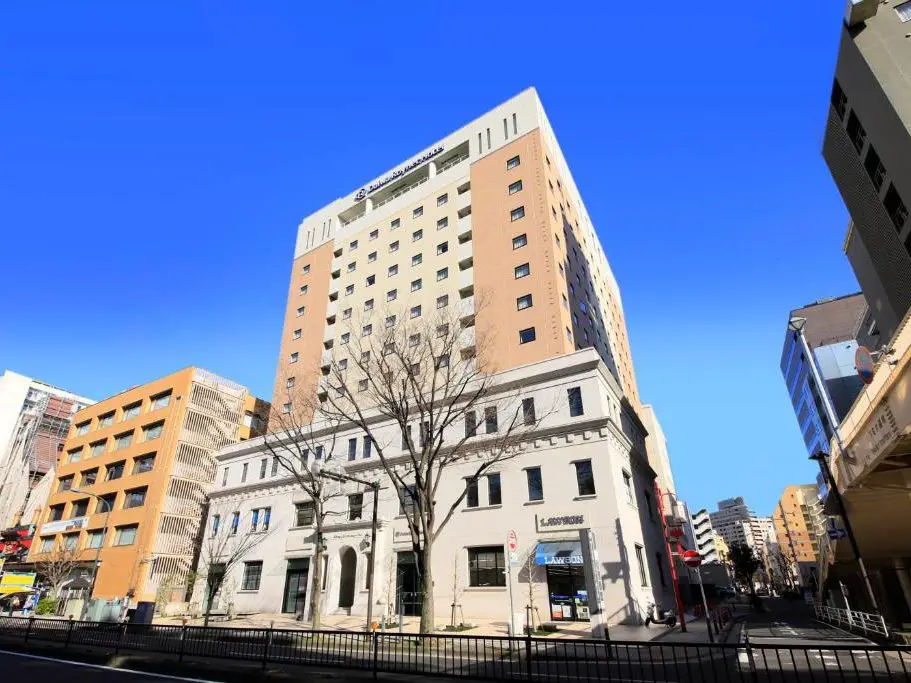
8. Daiwa Roynet Hotel Yokohama-Koen
Rating: ⭐⭐⭐
Location: 15-minute walk to Osanbashi cruise terminal, 3-minute walk to Yokohama Stadium
Highlights: Fully renovated 2024, soundproofed rooms with pillow menu, Theater Twin room with large projector screen, breakfast buffet with Japanese and Western spread
Best Room: Junior Suite with Tatami Space
From USD $50 – $110 per night
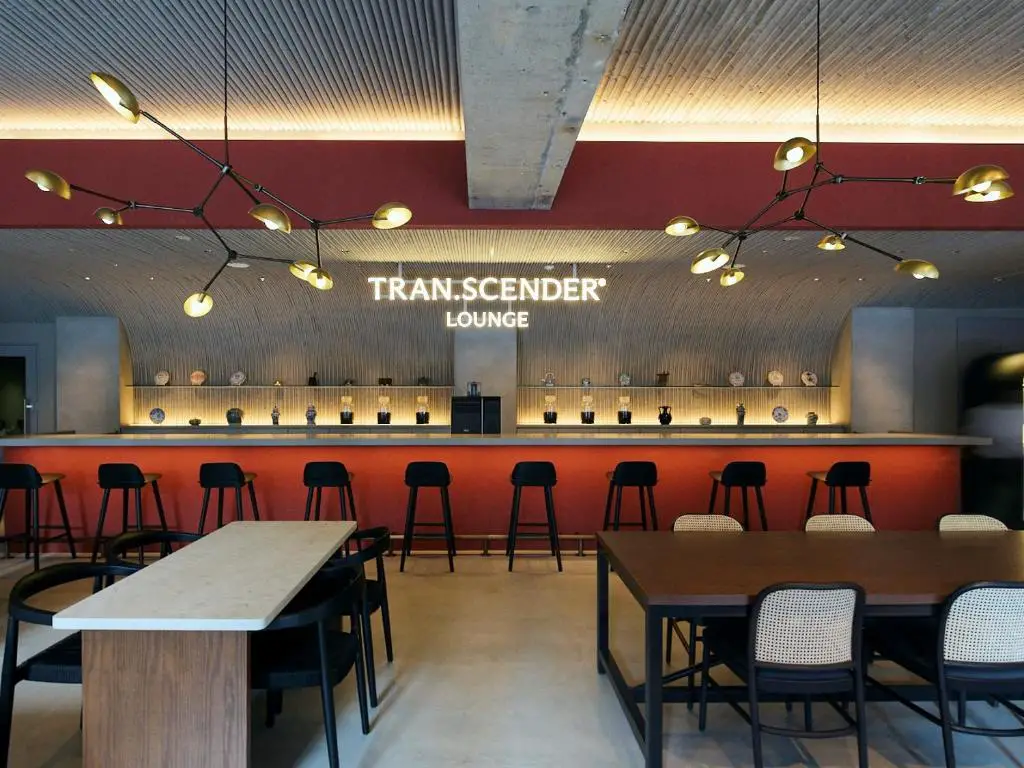
9. Transcender Hotels Yokohama
Rating: ⭐⭐⭐
Location: 14-minute walk to Osanbashi cruise terminal, 4-minute walk to Motomachi-Chukagai Station
Highlights: Private TOJI SAUNA rooms with hot spring mist technology in basement, Taiwanese breakfast made with local Chinatown char siu shop, neon art-adorned facade, standalone annex with its own private sauna
Best Room: THE HOUSE (standalone annex, exclusive use)
From USD $135 – $260 per night
Osanbashi or Daikoku: Which Terminal Is Your Ship Using
This is the question that determines everything else about your hotel choice, and it’s the one most pre-cruise guides skip entirely. Yokohama has three cruise terminals, and they are not interchangeable — the difference between Osanbashi and Daikoku is the difference between walking off your ship into the city and waiting 20 minutes for a port shuttle before your day even starts.
Osanbashi (Yokohama International Passenger Terminal) The main terminal, sitting between Yamashita Park and the Minatomirai waterfront. Ships that fit under the Yokohama Bay Bridge dock here — most mid-sized vessels and a large share of Japan cruise itineraries. From Osanbashi you can walk straight off the pier and reach Chinatown in 10 minutes, Yamashita Park in 5, or the Red Brick Warehouse in about 20. The nearest station is Nihon-Odori, a 10-minute walk. Most hotels on this list are targeting Osanbashi passengers specifically.
Daikoku Pier Built in 2019 to handle mega-ships that are too large to pass under the Bay Bridge — Royal Caribbean’s Spectrum and Ovation of the Seas, Cunard’s Queen Elizabeth, and MSC Bellissima all dock here. Daikoku sits on a restricted cargo island with no walkable access to the city. Most cruise lines run a free shuttle to Sakuragicho Station or Yamashita Park, but that adds 20–30 minutes to every journey. If your ship uses Daikoku, the hotel still matters — you want easy access to the shuttle pickup point, not the pier itself.
Shinko Pier A smaller terminal near the Red Brick Warehouse and the InterContinental Yokohama Pier 8. Handles boutique and smaller luxury ships. Well connected to the Bashamichi and Minatomirai areas on foot.
- How to find out which terminal your ship uses: Check your cruise line’s embarkation documentation or the Port of Yokohama’s published schedule (translated versions are available online). Your terminal is usually confirmed 4–6 weeks before sailing.
- Diamond Princess, Holland America, Celebrity Millennium: Typically Osanbashi, though Celebrity has used both — always verify.
- Royal Caribbean (Spectrum, Ovation, Anthem), Cunard Queen Elizabeth: Daikoku. Plan for the shuttle.
- Silversea, Azamara, smaller luxury lines: Often Shinko or Osanbashi.
- Rule of thumb: If your ship holds more than 4,000 passengers, assume Daikoku unless confirmed otherwise.
How Far Is “Near the Cruise Port” with Luggage
Walk times quoted on hotel listing pages assume you’re travelling light. On embarkation day, you’re not. Factor in two large suitcases, possibly a carry-on, and the fact that Yokohama’s waterfront footpaths — while flat and pleasant — are long. Here’s what the distances on this list actually mean when you’re heading to the ship.
- Citadines Harbour Front Yokohama — 10 minutes on foot. The most practical walk on this list: flat, mostly along a main road, and the hotel sits directly above Nihon-Odori Station if you’d rather take the one-stop train for ¥230.
- Hotel New Grand — 10 minutes. Directly opposite Yamashita Park with the pier visible from the upper floors. One of the cleanest walks on the list.
- Hyatt Regency Yokohama — 12 minutes. Flat route via Yamashita Park. The bellstaff will arrange luggage transfers to the port on request — worth asking at check-in.
- THE GATE HOTEL YOKOHAMA by HULIC — 12 minutes. Passes through the edge of Chinatown, which adds colour but can slow you down if the market streets are busy. Allow extra time on weekends.
- TRANSCENDER HOTEL Yokohama — 14 minutes. Similar route to THE GATE HOTEL, through Chinatown toward the waterfront.
- Daiwa Roynet Hotel Yokohama-Koen — 15 minutes. Flat and direct.
- OMO5 Yokohama Bashamichi — One stop on the Minatomirai Line to Nihon-Odori (3 minutes, ¥230), then 5 minutes on foot. The train is the smarter move with luggage over the 20-minute walk.
- InterContinental Yokohama Grand by IHG — 20 minutes on foot or a 3-minute taxi (around $8–10). The taxi is the right call on embarkation day.
- InterContinental Yokohama Pier 8 by IHG — 25 minutes to Osanbashi on foot, but 5 minutes to Shinko Pier. If your ship docks at Shinko, this is the closest hotel on the list. For Osanbashi, take a taxi.
A few things worth knowing before embarkation day. Taxis in Yokohama are clean, metered, and reliable — a ride from any hotel on this list to Osanbashi will cost $5–12 depending on distance, and they queue outside every hotel without needing a booking. Most hotels allow luggage drop-off from 8am even if check-in is at 3pm, and on disembarkation day most will store bags until late afternoon so you can spend a final few hours in the city. If your ship is at Daikoku, skip the walk entirely — take a taxi to the shuttle pickup point near Yamashita Park, or directly to Daikoku itself (around $15–20 from the central hotels). Rolling suitcases handle Yokohama’s footpaths well, but the cobbled stretch through Chinatown can slow you down if your route passes through it.
How Long Should You Stay in Yokohama
The default pre-cruise strategy is one night — arrive the day before, sleep near the port, board the next morning. That works, but it sells Yokohama short. If your itinerary and budget allow, two nights is the better call, especially if you’re flying in from Europe, Australia, or the US West Coast.
Here’s how to think about it depending on your situation:
- Flying long-haul from Europe or Australia: Two nights minimum. One night is barely enough to recover from the flight, let alone explore. You’ll spend your first evening horizontal, and your embarkation day tired. Two nights means you arrive rested, see the city properly, and board feeling human.
- Flying from the US West Coast or connecting through Tokyo: One night is workable if your flight arrives in the morning and you get a full day in the city before your evening.
- Already spending time in Japan before the cruise: One night is fine. You’re adjusted, you’ve seen Tokyo, and Yokohama is a pleasant final stop rather than your main event.
- Travelling with heavy luggage or elderly family members: Add a night. The logistics of moving bags between cities in Japan are manageable, but they take energy. A rest day in Yokohama before boarding makes the whole departure smoother.
The city rewards time. Chinatown alone is worth two to three hours — it’s the largest in Japan and the food quality is genuinely high, not a tourist trap version. Yamashita Park along the waterfront is one of the better urban parks in the country, especially in cherry blossom season. The Cup Noodles Museum requires advance ticket booking and fills a happy couple of hours. The Red Brick Warehouse has good dining and a waterfront promenade that’s particularly good at dusk. None of these rush — and trying to cram them all into one afternoon after a long-haul flight is a waste of a good city.
One practical note: hotel rates in Yokohama during cherry blossom season (late March to mid-April) and Golden Week (late April to early May) jump significantly and availability tightens fast. If your cruise falls in either window, book your pre and post-cruise nights as early as you book the cruise itself — not as an afterthought.
Getting to Yokohama from Haneda and Narita
Most cruise guides mention trains exist. What they don’t cover is that you’re arriving with large luggage, possibly jet-lagged, possibly travelling with children or older family members — and the right transfer option changes completely depending on those factors. Here’s what actually works.
From Haneda Airport
Haneda is the closer airport, and the transfer to Yokohama is straightforward whichever way you go.
- Limousine Bus (recommended with luggage): A direct bus service runs from Haneda to Yokohama’s Minatomirai and Yamashita Park areas. Journey time is around 30–40 minutes depending on traffic. Your bags go in the luggage hold underneath — no lifting, no stairs, no navigating train platforms with a trolley. Buy tickets at the bus counter in the arrivals hall. Costs around ¥750–¥900 per person.
- Keikyu Line + Minatomirai Line: Take the Keikyu Airport Express from Haneda to Yokohama Station (about 30 minutes, ¥450), then transfer to the Minatomirai Line toward Nihon-Odori (6 minutes, ¥230). Fast and cheap, but involves one transfer with bags — manageable if you’re travelling light or have a compact suitcase.
- Taxi or private transfer: Door to door from Haneda takes around 30–40 minutes and costs approximately $45–60. Worth it if you’re travelling as a group of three or four, arriving late at night, or just want zero hassle after a long flight.
From Narita Airport
Narita is further — about 80–90 kilometres — and requires more planning.
- Airport Limousine Bus (recommended): A direct bus runs from Narita to Yokohama’s YCAT (Yokohama City Air Terminal) at Yokohama Station, then onward to the Minatomirai area. Journey time is around 90–100 minutes. Same luggage-hold advantage as the Haneda bus. Book tickets at the Narita Limousine Bus counter in arrivals. Costs around ¥3,600 per person.
- Narita Express (N’EX) + Minatomirai Line: Take the N’EX from Narita to Yokohama Station (about 90 minutes, ¥4,090 one way), then transfer to the Minatomirai Line. The N’EX has luggage space at the end of each car — use it rather than blocking the aisle. A good option if you’re comfortable with Japanese rail.
- Taxi or private transfer: From Narita to central Yokohama, expect $150–200 and around 75–90 minutes depending on traffic. Only worth it if you’re travelling in a large group splitting the cost.
A note on IC cards
If you’re taking trains at any point, a Suica or Pasmo IC card makes every tap-and-go journey seamless — no buying individual tickets, works on virtually every train, bus, and subway in the greater Tokyo and Yokohama area, and can be loaded at any station machine. Pick one up on arrival at Haneda or Narita before you do anything else.
When to Book: Seasons and Cruise Demand
Yokohama is a year-round destination, but the gap between a straightforward booking and a stressful scramble for rooms comes down almost entirely to when your cruise departs. Two periods in particular require early action — not just for hotels, but for everything.
Cherry blossom season (late March to mid-April) This is Japan’s peak travel period, full stop. Hotels near the waterfront fill up months in advance, rates climb sharply, and the city is genuinely busy in a way that affects everything from restaurant queues to taxi availability. Yamashita Park during peak bloom is spectacular, and if your cruise falls in this window you’re getting one of the best versions of Yokohama. But book your pre and post-cruise nights the moment your cruise is confirmed — treating them as an afterthought is how people end up paying double for a hotel three kilometres from the port.
- Peak bloom in Yokohama typically falls between late March and early April, though exact timing shifts year to year.
- Cruise ships sailing sakura season itineraries fill up a year or more in advance. Hotel availability follows the same pattern.
- Golden Week (late April to early May) follows directly and creates a second surge — domestic Japanese travellers flood the city, and prices stay elevated through early May.
Autumn (October to November) The underrated window. Autumn foliage — known as koyo — transforms Yokohama’s parks and gardens into something genuinely beautiful, the weather is mild and dry, and crowds are meaningfully lighter than spring. Hotels are easier to book, rates are more reasonable, and the city feels more relaxed. For first-time visitors who aren’t fixed on cherry blossoms, this is arguably the better season to cruise Japan.
- October and November bring clear skies, comfortable temperatures, and good visibility of Mount Fuji from the upper floors of waterfront hotels.
- Autumn is also when the Yokohama port farewell ceremony — volunteers waving yellow handkerchiefs as ships depart — is at its most atmospheric.
Summer (July to August) Hot, humid, and the rainy season runs through mid-July. Typhoon risk increases from August onward. Hotel availability is generally fine and rates are reasonable outside of school holiday weeks, but the heat makes walking with luggage genuinely uncomfortable. Factor that into your embarkation day planning.
Winter (December to February) The quietest period. Rates are at their lowest, the city is uncrowded, and Yokohama’s waterfront illuminations in December make it one of the more atmospheric times to be in the city. Cold but rarely severe. A good option if your priority is value and a peaceful pre-cruise stay rather than peak sightseeing conditions.
- Book at least 3–4 months out for any spring sailing, and 6+ months out if your cruise falls in the cherry blossom window.
- Book 6–8 weeks out for summer, autumn, and winter sailings — availability is generally more forgiving outside the spring peak.
What to Do in Yokohama Before You Board
One day in Yokohama is enough to cover the highlights if you’re focused. Two days lets you breathe. Either way, the waterfront area between Chinatown and Minatomirai is compact and walkable — you don’t need to go far to fill a pre-cruise day well.
- Yamashita Park: The obvious starting point. A long waterfront promenade running directly in front of several hotels on this list, with the Hikawa Maru ocean liner moored permanently alongside it. The views across the bay toward the port are best in the morning. In cherry blossom season it’s one of the better spots in the city — lined with trees and relaxed compared to the crowds at Sankeien. Free to enter, good for an early morning walk before the rest of the city wakes up.
- Yokohama Chinatown: The largest Chinatown in Japan and genuinely worth two to three hours rather than a quick walk-through. The food is the point — char siu buns, Taiwanese beef noodles, roast duck, and an overwhelming number of bakeries selling custard-filled everything. Go for lunch rather than dinner when it’s slightly less crowded, and eat at the stalls and small restaurants rather than the large tourist-facing ones on the main strip. A 5-minute walk from most hotels on this list.
- Red Brick Warehouse (Akarenga Soko): Two converted Meiji-era brick warehouses sitting on the waterfront between the hotels and Minatomirai. Good for a browse — craft shops, decent restaurants, a small food market on weekends — and the outdoor plaza has some of the best unobstructed views of the bay. Better as a late afternoon stop than a midday one, when the waterfront promenade is at its best.
- Cup Noodles Museum: A genuine highlight, not just a novelty. You design and fill your own instant noodle cup to take home, and the exhibition on how Momofuku Ando invented instant noodles is more interesting than it has any right to be. Tickets sell out — book online in advance for a specific time slot before you arrive. A 15-minute walk from the central hotels or a short taxi from the outer ones.
- Marine Tower observation deck: 106 metres up, with clear-day views stretching to Mount Fuji. Worth an hour if you’re spending two days in the city. The tower sits at the edge of Yamashita Park and the views at dusk over the port and Minatomirai are hard to beat.
- Bashamichi district: The historic 19th-century bank and trading district running inland from the waterfront, lined with gas lamps and well-preserved Western-style buildings. A pleasant 20-minute walk in either direction from most hotels. Quiet, photogenic, and a good reminder that Yokohama has more history than most port cities on a Japan cruise itinerary.
A practical note on timing: if you’re spending just one day pre-cruise, do the Cup Noodles Museum in the morning (your booked time slot determines this), Chinatown at lunch, Yamashita Park in the afternoon, and the Red Brick Warehouse at dusk. That’s a full, unhurried day that ends with you back near your hotel in time for a reasonable dinner and an early night before boarding.
How to Choose the Right Hotel for Your Cruise
The hotels on this list cover a wide range of budgets, styles, and distances from the port. Here’s how to match your situation to the right pick.
- Closest walk to Osanbashi: Citadines Harbour Front Yokohama and Hotel New Grand at 10 minutes, Hyatt Regency Yokohama and THE GATE HOTEL YOKOHAMA by HULIC at 12 minutes. All four are realistic on embarkation morning even with luggage, though a taxi is always the sensible call if you’re carrying a lot.
- Ship docking at Shinko Pier: InterContinental Yokohama Pier 8 by IHG is the only hotel on this list within walking distance of Shinko — under 5 minutes through the Hammerhead development. No other option here comes close for that terminal.
- Staying two nights or more: Citadines Harbour Front Yokohama has full kitchens, washer-dryers, and a guest lounge — it works like a serviced apartment, which matters on a longer stay. OMO5 Yokohama Bashamichi offers the same setup across all 175 rooms, though it’s one train stop from the port rather than walking distance.
- Best views: OMO5 Yokohama Bashamichi at 154 metres across floors 46–51, with a 360° corridor overlooking the bay, the port, and the Ferris wheel. InterContinental Yokohama Pier 8 and InterContinental Yokohama Grand deliver strong harbour views from premium rooms. Hotel New Grand has direct bay views from upper floors with the Hikawa Maru ocean liner in the foreground.
- Most character: Hotel New Grand opened in 1927, hosted General MacArthur after the war, and the lobby and dining rooms still carry that history. At the other end, TRANSCENDER HOTEL Yokohama has 34 rooms, neon art on the facade, a private hot spring mist sauna in the basement, and a Taiwanese char siu breakfast unlike anything else near the port.
- Travelling with family: Citadines is the most practical setup — kitchen, laundry, and larger room configurations make a multi-night stay with children manageable. OMO5 has multi-bedroom OMO House rooms up to 136 square metres, ideal for groups of three or four.
- Best value: Daiwa Roynet Hotel Yokohama-Koen from $50 per night, renovated and 15 minutes from the port. The rooms are compact but the price gap versus mid-range options is significant — especially worth considering when booking two nights.
- Redeeming points: Both InterContinental Yokohama Grand and InterContinental Yokohama Pier 8 are IHG properties. Pier 8 is frequently cited as one of the stronger IHG redemptions in Japan — large rooms at point costs well below comparable Tokyo IHG hotels.
FAQs
1. Do I need to stay in Yokohama the night before my cruise, or can I travel from Tokyo on the day?
Technically possible, but risky. The journey from central Tokyo to Osanbashi takes 40–60 minutes by train depending on where you’re staying, and that’s before you factor in platform changes with luggage, potential delays, and the check-in window at the terminal. A missed embarkation is a missed cruise. One night in Yokohama removes that risk entirely and gives you a relaxed morning rather than a stressed one.
2. What time do cruise ships typically start boarding at Osanbashi?
Boarding usually opens 3–4 hours before departure, with departure times typically falling between 4pm and 8pm for most Japan cruise itineraries. That means you’ll have most of the day free in Yokohama before you need to be at the terminal — enough time for Chinatown, Yamashita Park, and a proper lunch.
3. Can I store luggage at my hotel after check-out on disembarkation day?
Yes — every hotel on this list offers luggage storage, and most will hold bags until late afternoon at no charge. This is worth using. Disembarkation typically happens in the morning, and you don’t need to head to the airport or your next destination immediately. Leave your bags, spend a few hours in the city, and collect them before you leave.
4. Is it worth staying in Yokohama after the cruise, or should I go straight to Tokyo?
Worth considering, particularly if you have a late flight. Tokyo hotels near the airport or in central areas like Shinjuku and Shibuya fill up fast after a cruise turnaround day when hundreds of passengers are all making the same move. Staying an extra night in Yokohama is often cheaper, calmer, and lets you see the parts of the city you missed before boarding.
5. Which terminal do Royal Caribbean ships use in Yokohama?
Royal Caribbean’s larger ships — Spectrum of the Seas, Ovation of the Seas, and Anthem of the Seas — dock at Daikoku Pier, not Osanbashi. Daikoku has no walkable city access; most sailings provide a free shuttle to Sakuragicho Station or Yamashita Park. Always confirm your terminal directly with Royal Caribbean before arrival, as scheduling can change.
6. Can I walk to the cruise terminal with large suitcases?
From the closest hotels on this list — Citadines, Hotel New Grand, Hyatt Regency, and THE GATE HOTEL — yes, the walk to Osanbashi is flat and manageable at 10–12 minutes. That said, a taxi costs $5–10 and takes 3 minutes. On embarkation morning with a full cruise wardrobe packed, the taxi is usually worth it.
7. Are there left luggage facilities at Osanbashi terminal itself?
The terminal has coin lockers and a staffed luggage area, but capacity is limited and they fill up on busy embarkation days. Storing bags at your hotel the night before and travelling to the terminal with everything you need is the more reliable approach. Do not count on terminal storage as a primary plan.
8. How far in advance should I book a hotel near Yokohama cruise port?
For spring sailings during cherry blossom season and Golden Week, book at the same time as the cruise — the best rooms within walking distance of Osanbashi go early. For autumn and winter sailings, 6–8 weeks out is generally sufficient, though boutique properties like TRANSCENDER HOTEL with only 34 rooms can sell out faster than their size suggests.
9. Do Yokohama hotels offer early check-in for cruise passengers arriving from overseas?
Most hotels on this list will not guarantee early check-in, but will store luggage from around 8am. Some properties — including Hyatt Regency and InterContinental Pier 8 — offer early check-in as a paid upgrade or for loyalty members. It’s always worth calling ahead and asking, particularly if your flight lands early in the morning and you need a few hours to rest before boarding.