
Yokohama has one of Japan’s most underrated urban onsen scenes — a city famous for its harbour and Chinatown also sits on genuine hot spring sources that feed everything from resort-style bath complexes to rooftop open-air soaks. Whether you’re after a full ryokan experience or just want to unwind after a day exploring Minato Mirai, the hotels below have the real thing. Here’s where to find the best onsen stays in the city.
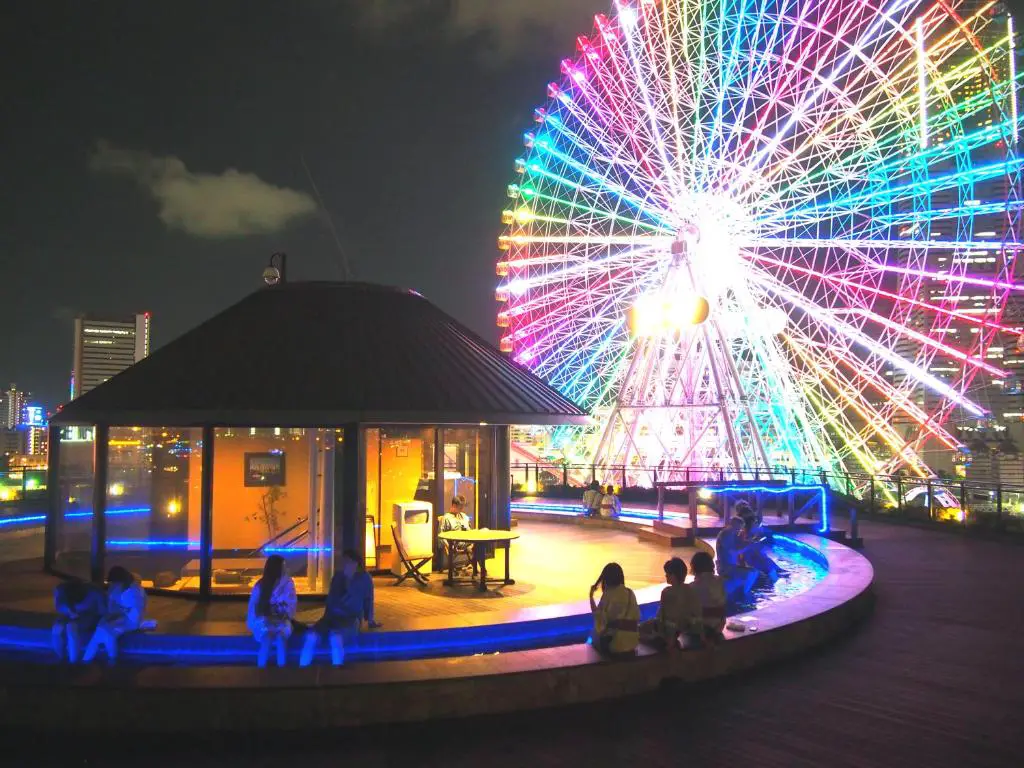
Quick answer: Book Yokohama Minatomirai Manyo Club. It has 13 natural hot spring baths and a rooftop foot bath looking at the Ferris wheel.
Table of Contents
Yokohama Onsen Hotels
Best Onsen Experience
1. Yokohama Minatomirai Manyo Club
Rating: ⭐⭐⭐⭐
Location: 5-minute walk from Minatomirai Station
Guest Reviews: 13 natural hot spring baths, rooftop foot bath with Ferris wheel views, 24-hour buffet, nine massage options
Best Room: Japanese-Style Room
From USD $80 – $215 per night
Most Luxurious
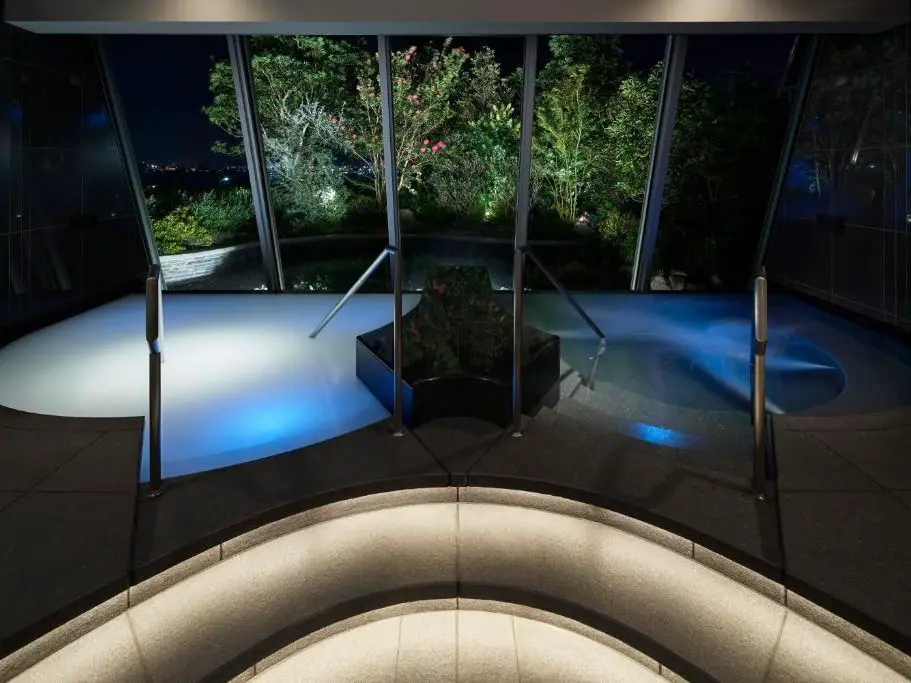
2. The Kahala Hotel & Resort Yokohama
Rating: ⭐⭐⭐⭐⭐
Location: 5-minute walk from Minatomirai Station
Guest Reviews: Harbour and Ferris wheel views, Hawaiian-style spa treatments, teppanyaki restaurant, chef remembers your breakfast order each morning
Best Room: Kahala Grand King
From USD $300 – $600 per night
Best Location
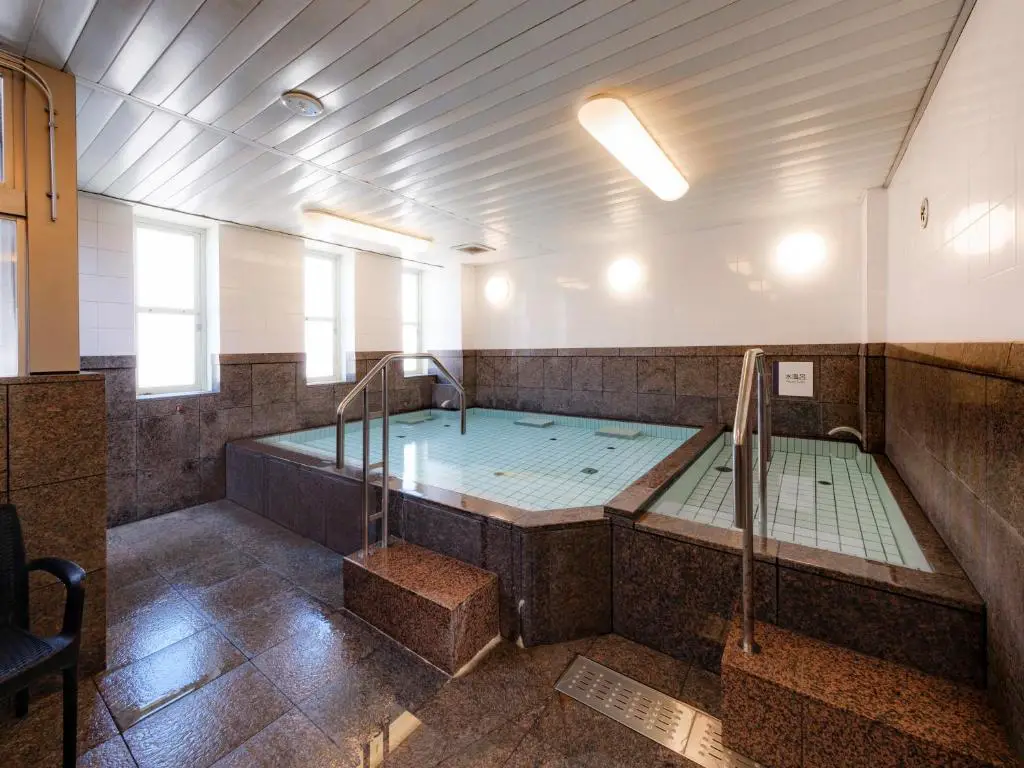
3. APA Hotel Yokohama Kannai
Rating: ⭐⭐⭐
Location: 1-minute walk from Kannai Subway Station, 3 minutes from JR Kannai Station
Guest Reviews: Rooftop open-air bath with night sky views, sauna, 10-minute walk to Chinatown, yukata provided for bath
Best Room: Double Room
From USD $55 – $120 per night
Love Hotel – Adults Only
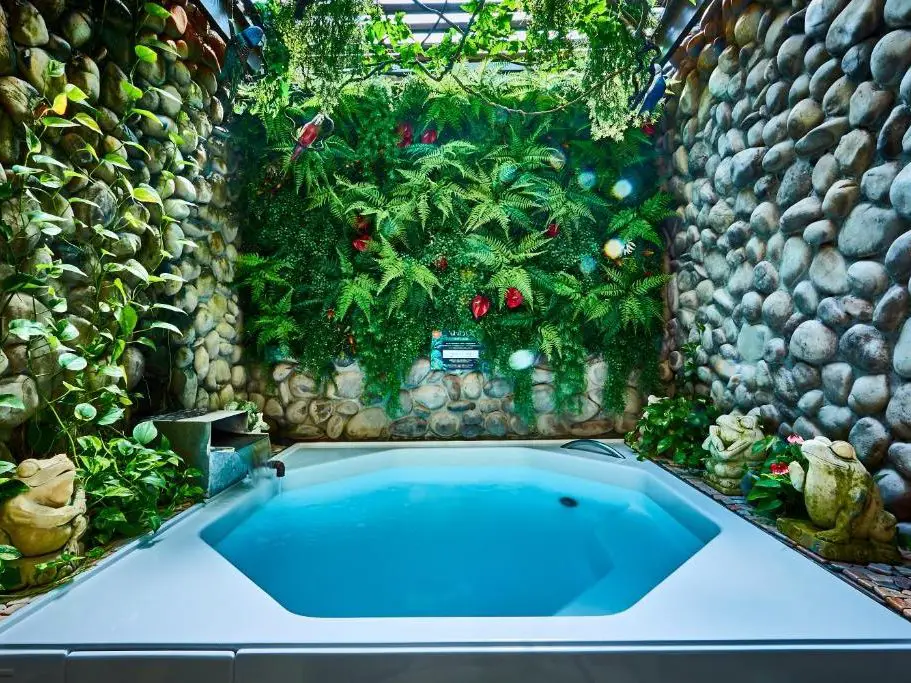
4. Hotel BaliAn Resort Yokohama Kannai
Rating: ⭐⭐⭐
Location: 9-minute walk from JR Kannai Station
Guest Reviews: Private outdoor onsen, complimentary bar with wine and desserts, karaoke room available, Bali-inspired rooms with canopy beds
Best Room: Deluxe Double Room
From USD $50 – $135 per night
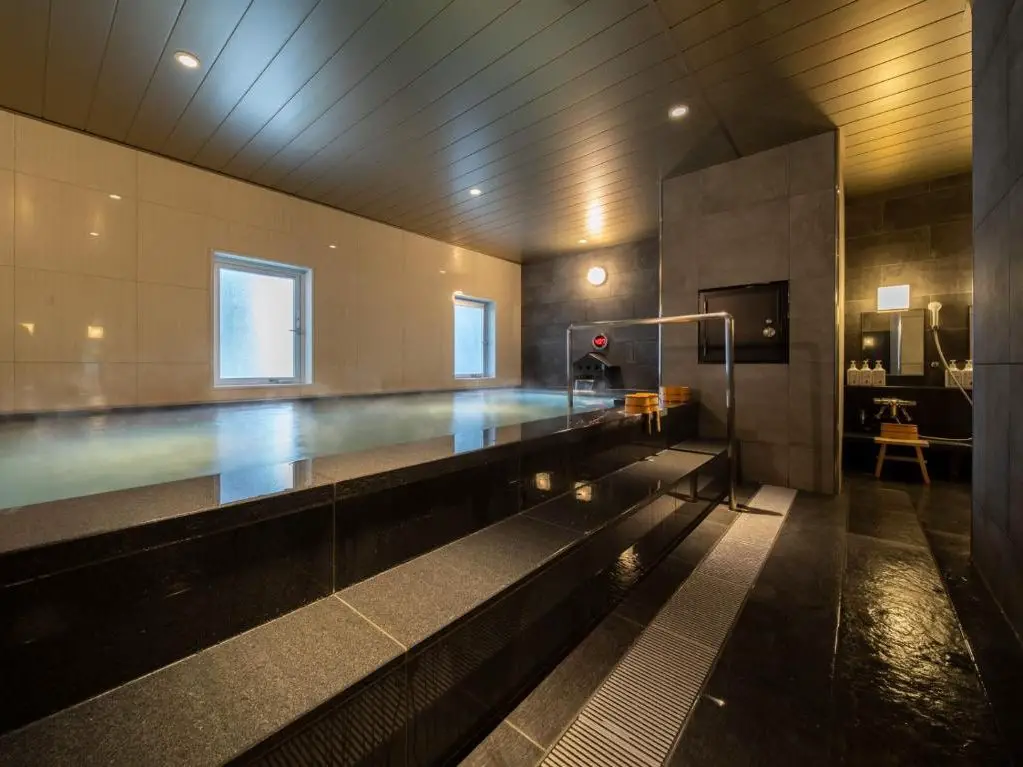
5. Super Hotel Shinyokohama
Rating: ⭐⭐⭐
Best Value
Location: 3-minute walk from Shin-Yokohama Station
Guest Reviews: Carbonated water onsen, complimentary breakfast with Japanese and Western options, coin laundry, bathrobes provided
Best Room: Triple Room
From USD $60 – $130 per night
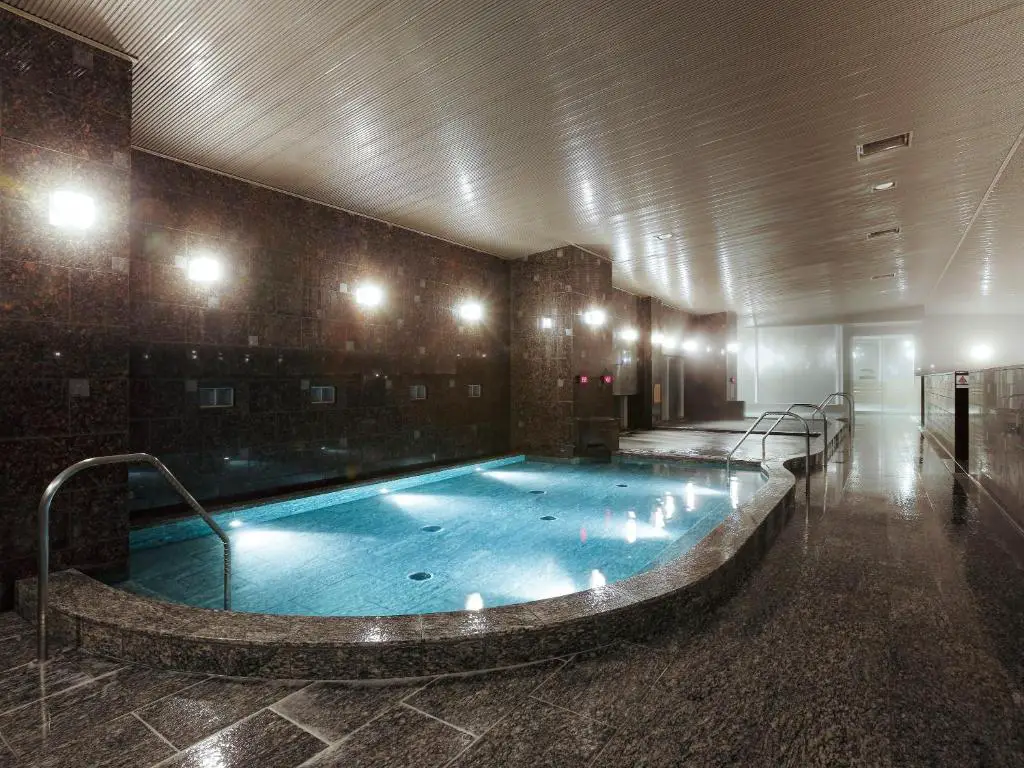
Best View
6. APA Hotel & Resort Yokohama Bay Tower
Rating: ⭐⭐⭐
Location: 5-minute walk from Bashamichi Station
Guest Reviews: Large outdoor rooftop bath, Mt Fuji views from upper floors, three on-site restaurants, in-room TV shows live onsen crowd levels
Best Room: Superior Twin Room Highest Floor
From USD $70 – $150 per night
Why Stay in Yokohama for an Onsen Experience
Yokohama surprises most visitors who expect to find onsen only in the mountains or in traditional hot spring towns like Hakone. The city sits on a geothermal corridor that stretches along Kanagawa Prefecture, and several properties pipe in genuine natural spring water from sources in Atami and Yugawara daily. What you get is a proper onsen soak with all the mineral benefits, but with Yokohama’s harbour, Chinatown, and the Minato Mirai skyline waiting outside the door.
The practical case for staying here rather than making a day trip to a traditional onsen town is straightforward. Yokohama is 30 minutes from central Tokyo by train, making it a natural first or last night for anyone transiting through Japan. It is also far more affordable than Tokyo while offering a comparable range of hotels. Choosing a property with onsen means you arrive, check in, soak, sleep well, and explore a genuinely interesting city the next day — without the expense of a full ryokan package or the crowds of Hakone on a weekend.
The onsen scene here spans everything from the resort-scale complex at Yokohama Minatomirai Manyo Club with its 13 natural spring baths, to the rooftop open-air bath at APA Hotel Yokohama Kannai with city views at night, to the five-star spa facilities at The Kahala Hotel & Resort Yokohama. That range – budget to luxury, communal resort to private spa — makes Yokohama more flexible as an onsen destination than it gets credit for.
Overview of Accommodation Options
The hotels on this page split into three clear tiers, and which one suits you depends on what you want from the onsen experience as much as from the room itself.
- Resort-style onsen is led by Yokohama Minatomirai Manyo Club, the only property in the city that operates as a full onsen resort. Thirteen natural spring baths, a rooftop foot bath overlooking the harbour, rock sauna rooms, massage options, and a 24-hour buffet — you could spend an entire day here without leaving the building. Rooms are secondary to the facilities, which is worth knowing before you book.
- Luxury hotel with spa onsen is where The Kahala Hotel & Resort Yokohama sits alone. This is a five-star Minato Mirai property with harbour views, Bvlgari amenities in the suites, and a spa complex that includes hot spring baths, indoor pool, and treatment rooms. The onsen here is a premium spa experience rather than a communal bathing culture — a different register entirely from Manyo Club, and the highest affiliate value on the list.
- Mid-range hotels with public baths cover the practical middle ground. APA Hotel & Resort Yokohama Bay Tower has a large public bath and outdoor rooftop soak with Mt Fuji views from upper floors. APA Hotel Yokohama Kannai has a rooftop open-air onsen with night sky views, in a central location a short walk from Chinatown. Super Hotel Shinyokohama rounds out this tier with a carbonated water onsen and complimentary breakfast near Shin-Yokohama Station.
- Adults-only boutique is its own category, occupied by Hotel BaliAn Resort Yokohama Kannai — Bali-themed rooms, private onsen baths, complimentary bar with wine and desserts, and karaoke. It draws a couples and date-night crowd rather than a wellness traveller, and sits in a different lane from every other hotel on the list.
Best Areas to Stay
- Minato Mirai — This is Yokohama’s waterfront showpiece and the strongest base for onsen travellers who also want to sightsee. The harbour, the Cosmo Clock 21 Ferris wheel, the Red Brick Warehouse, and the Cup Noodles Museum are all within walking distance. Yokohama Minatomirai Manyo Club and The Kahala Hotel & Resort Yokohama both sit here, making it the only area where you can combine a genuine onsen stay with a premium location. First-time visitors to Yokohama should base themselves here without much deliberation.
- Kannai — The historic commercial heart of Yokohama, with Chinatown a ten-minute walk away and Yokohama Stadium nearby. APA Hotel Yokohama Kannai and Hotel BaliAn Resort Yokohama Kannai are both here, giving the area good onsen coverage at the mid-range and boutique end. It suits travellers who want to be embedded in the city rather than on the waterfront, and the subway connections make getting around easy.
- Minatomirai Bay Area — APA Hotel & Resort Yokohama Bay Tower sits in this zone, close to Bashamichi Station and within walking distance of the cruise terminal, Chinatown, and the bay. It overlaps slightly with Minato Mirai but has a slightly more workaday feel — practical, well-connected, and good value relative to the harbour-front properties.
- Shin-Yokohama — Further from central Yokohama but directly on the Shinkansen line, making it the logical choice for travellers arriving from Kyoto, Osaka, or Hiroshima who want to drop bags and soak without navigating across the city. Super Hotel Shinyokohama covers this niche cleanly. The Ramen Museum is a one-minute walk, which is a bonus most visitors appreciate.
How to Choose the Right Hotel
The decision comes down to what the onsen means to you on this trip – centrepiece or bonus.
- If the onsen is the main reason you’re booking, Yokohama Minatomirai Manyo Club is the only property that delivers it at resort scale. Thirteen baths, multiple sauna types, massage bookings, a 24-hour buffet, and a rooftop foot bath with harbour views. The rooms are functional rather than luxurious, so go in with that expectation. Book early for weekend stays — this property fills quickly.
- Spending more per night is worth it when the overall experience matters as much as the bath. The Kahala Hotel & Resort Yokohama costs significantly more than anything else on the list, but the gap in room quality, service, and location is real. The spa onsen here is an added luxury rather than the hotel’s whole identity, which suits travellers who want a premium Yokohama base and happen to value hot spring access.
- Location within the city should drive the decision more than the onsen facilities for most travellers. APA Hotel Yokohama Kannai wins on central access — Chinatown, the stadium district, and the subway are all on the doorstep, and the rooftop open-air bath at night is a genuine highlight for the price. APA Hotel & Resort Yokohama Bay Tower is the pick if being near the cruise terminal or the bay matters, with the added draw of Mt Fuji views from upper floors.
- Couples looking for something outside the standard hotel format should look at Hotel BaliAn Resort Yokohama Kannai first. The Bali-themed rooms, complimentary bar, private onsen baths, and adults-only policy create a stay that feels distinct from anything else in Yokohama. It is not a wellness retreat — it is closer to an indulgent date-night hotel that happens to have hot spring facilities.
- Arriving by Shinkansen from western Japan points directly to Super Hotel Shinyokohama. The carbonated water onsen, free breakfast, and location steps from the bullet train station make it the most practical entry point to Yokohama for anyone coming from Kyoto or Osaka.
When to Book
- Peak season (October to April) brings the highest demand and prices across all six hotels. Cherry blossom season in late March and early April is particularly competitive — the Minato Mirai waterfront draws large crowds and weekend availability at Yokohama Minatomirai Manyo Club and The Kahala Hotel & Resort Yokohama can disappear weeks in advance. Book at least four to six weeks ahead for this window, longer if you have fixed dates.
- Golden Week (late April to early May) is one of Japan’s busiest domestic travel periods. Hotels across all price tiers fill fast and prices spike. If your dates fall here, book two to three months ahead and expect limited cancellation flexibility.
- Shoulder season (May to June and September) offers the best balance of availability and price. Late May is particularly good — spring crowds have dispersed, weather is mild, and rates at mid-range properties like APA Hotel Yokohama Kannai and Super Hotel Shinyokohama drop noticeably. This is the window to target if you have flexibility.
- Low season (July to August) brings heat and humidity but lower hotel rates, particularly on weekdays. Onsen are less appealing in midsummer for some travellers, though the indoor and air-conditioned facilities at Yokohama Minatomirai Manyo Club and The Kahala remain comfortable year-round.
- Event blackout periods to watch: Yokohama holds large events at Pacifico Yokohama and K-Arena throughout the year. Concert dates at K-Arena in particular drive up rates at nearby hotels with little warning. Check the event calendar before assuming a midweek date will be quiet.
- Last-minute risk is highest at Yokohama Minatomirai Manyo Club, which books out on weekends regardless of season. The Kahala carries last-minute premium pricing that makes advance booking significantly better value.
Insider Tips for a Better Stay
- Tattoo policy varies by hotel. All six properties have some restrictions on tattooed guests using public bath areas — this is standard across Japan. Yokohama Minatomirai Manyo Club has specific rules around tattoo size and cover requirements, spelled out clearly at the entrance. Check the policy before booking if this applies to you, as it affects which facilities you can access.
- Timing your soak makes a real difference. At Yokohama Minatomirai Manyo Club, the rooftop foot bath and outdoor baths are significantly more atmospheric after dark when the Minato Mirai skyline lights up. The in-room TV at APA Hotel & Resort Yokohama Bay Tower shows a live onsen crowd monitor so you can pick a quieter window — genuinely useful on busy weekends.
- Free shuttles are worth using. Yokohama Minatomirai Manyo Club runs a free shuttle from Yokohama Station West Exit, which saves time and luggage effort if you’re arriving by JR rather than the Minatomirai Line. Confirm the shuttle schedule when you book as times vary seasonally.
- Yukata etiquette matters. Properties like APA Hotel Yokohama Kannai and Hotel BaliAn Resort Yokohama Kannai provide yukata robes for moving between your room and the bath. Wear yours with the left side over the right — the reverse is reserved for funeral dress and will draw attention.
- The Kahala spa fee is separate. Room rates at The Kahala Hotel & Resort Yokohama do not automatically include spa access. The flat fee of 3,000 yen per visit applies to guests and non-guests alike. Factor this into your total cost if you plan to use the facilities daily.
- Book massages early at Manyo Club. The nine massage options at Yokohama Minatomirai Manyo Club fill up quickly on weekends, particularly in the evening after the onsen. Reserve your slot when you check in rather than waiting until after your bath.
- Shin-Yokohama is further than it sounds. Super Hotel Shinyokohama is excellent value and the Ramen Museum is steps away, but central Yokohama sights like Chinatown and the waterfront require a train connection. Build that into your itinerary rather than assuming you can walk everywhere.
Frequently Asked Questions
1. Do all the hotels on this list have genuine onsen water?
Not all use natural mineral spring water from the ground. Yokohama Minatomirai Manyo Club is the clearest example of a genuine onsen, with water trucked daily from the Atami and Yugawara hot spring sources. APA Hotel Yokohama Kannai and Super Hotel Shinyokohama have confirmed natural hot spring facilities. APA Hotel & Resort Yokohama Bay Tower operates a large public bath that guests consistently praise but is not classified as a mineral spring. Always check the property’s own description if the water source matters to you.
2. Are the onsen facilities included in the room rate?
At most properties on this list, the public bath is included for hotel guests. The main exception is The Kahala Hotel & Resort Yokohama, where The Spa carries a separate entry fee of 3,000 yen per visit regardless of whether you are staying at the hotel.
3. Can visitors with tattoos use the onsen?
Tattoo policies vary by property and are enforced inconsistently across Japan. All six hotels have some level of restriction on tattooed guests in communal bathing areas, which is standard practice. Yokohama Minatomirai Manyo Club has specific size and coverage rules displayed at the entrance. Contact your chosen hotel directly before booking if this is a concern.
4. Which hotel is best for a couple’s onsen stay?
It depends on the kind of experience you want. The Kahala Hotel & Resort Yokohama delivers the most polished romantic stay overall, with harbour views, premium dining, and a refined spa. Hotel BaliAn Resort Yokohama Kannai suits couples looking for something more playful — private baths, a complimentary bar, karaoke, and Bali-themed rooms create a very different but equally memorable night.
5. Is Yokohama worth visiting just for onsen?
Yokohama is not a traditional onsen destination, so visiting solely for the baths would be a stretch. The city earns its place because the onsen experience sits alongside genuinely excellent sightseeing — Chinatown, the Minato Mirai waterfront, the Red Brick Warehouse, and easy access to Kamakura all make it a full destination. The onsen is the ideal way to end a day of exploring rather than the sole reason to come.
6. How far are these hotels from Tokyo?
Yokohama is well connected to Tokyo, with journey times of 25 to 45 minutes depending on your departure station and line. The Tokyu Toyoko Line runs directly between Shibuya and Yokohama in around 25 minutes. All six hotels are accessible from Yokohama Station or Minatomirai Station within a short walk or taxi ride.
7. Can I use the onsen facilities without staying overnight?
At Yokohama Minatomirai Manyo Club, day use is available — the entry fee covers access to all onsen and common facilities, making it a viable option for non-guests who want to experience Japan’s best urban onsen without booking a room. The Kahala spa is also open to non-guests at the standard 3,000 yen fee. The public baths at APA and Super Hotel properties are reserved for hotel guests only.
8. When does the onsen close for cleaning?
Most properties close their baths for cleaning in the early hours of the morning, typically between 2am and 5am. Yokohama Minatomirai Manyo Club follows this schedule and displays cleaning hours clearly on site. If a late-night soak after dinner is important to your plans, confirm the specific hours with your hotel at check-in.