
Public onsens in Tokyo are worth experiencing once, but if you’ve ever had to shuffle past strangers in a shared bath after a 14-hour flight, you’ll understand why a private one changes everything. Tokyo has a surprisingly good range of hotels where you can soak in your own hinoki cypress tub or open-air bath, from converted ryokans in Asakusa to high-rise suites in Shibuya. The options span every budget, and the best rooms combine traditional Japanese design with the kind of quiet that’s hard to find anywhere else in this city. Here are the hotels worth booking if a private onsen is non-negotiable.
Table of Contents
Tokyo Hotels
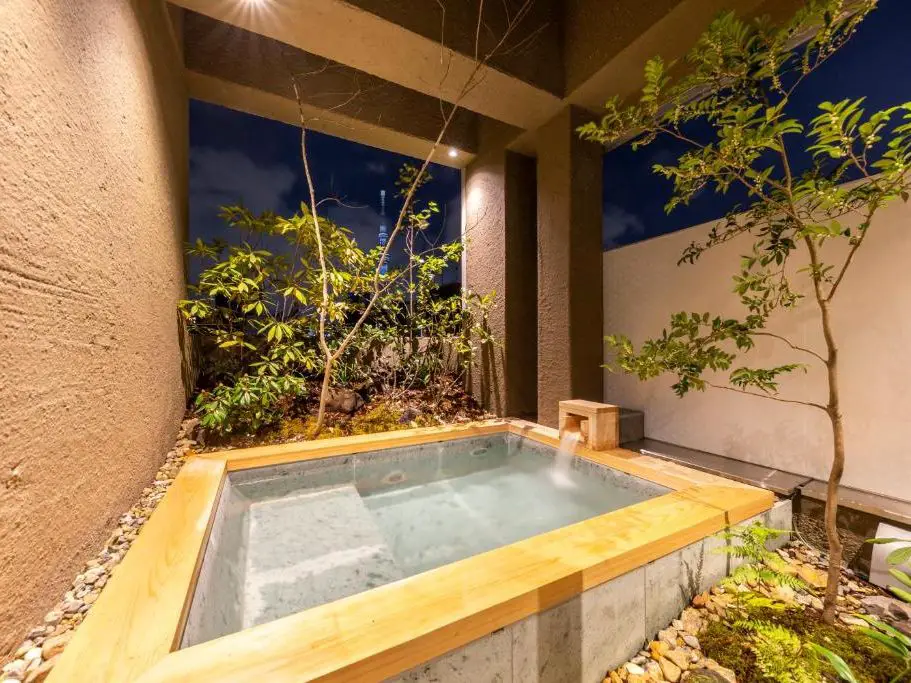
| 1. Cyashitsu Ryokan Asakusa Rating: ⭐⭐⭐ Location: 5 min walk to Sensoji Temple Guest Reviews: Attentive staff, delicious Japanese breakfast, cozy authentic rooms, open-air bath with Skytree views Best Room: Japanese-Style Twin Room with Open Air Bath Price: From USD $430 – $530 per night |
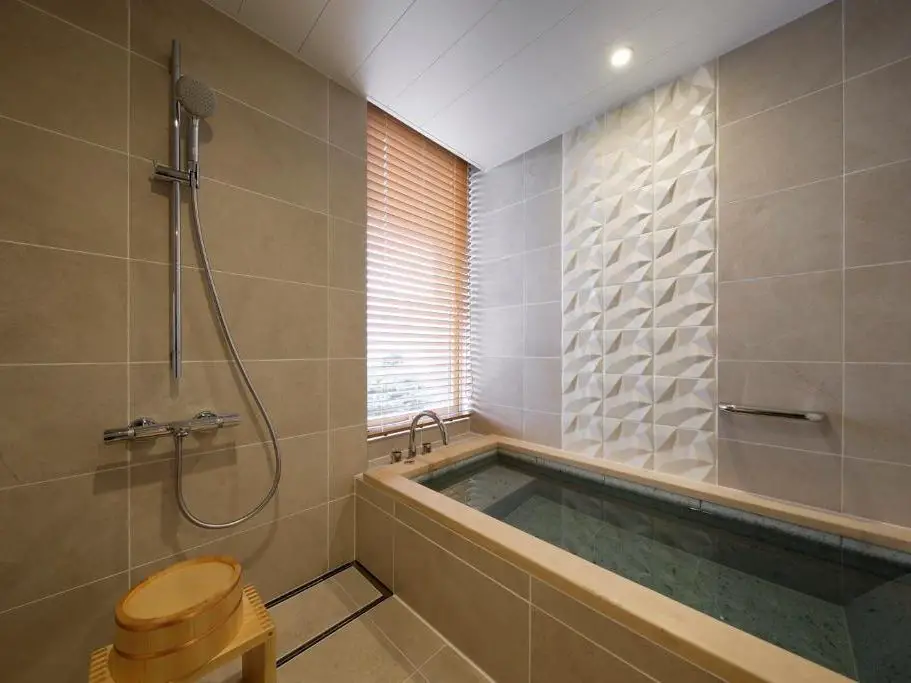
| 2. Grand Prince Hotel Takanawa Hanakohro Most Luxurious Rating: ⭐⭐⭐⭐⭐ Location: 10 min walk to Shinagawa Station Guest Reviews: Spacious Japanese-style rooms, exceptional staff, beautiful garden, outstanding breakfast Best Room: Japanese Grand Suite with tatami floor Price: From USD $770 – $1,100 per night |
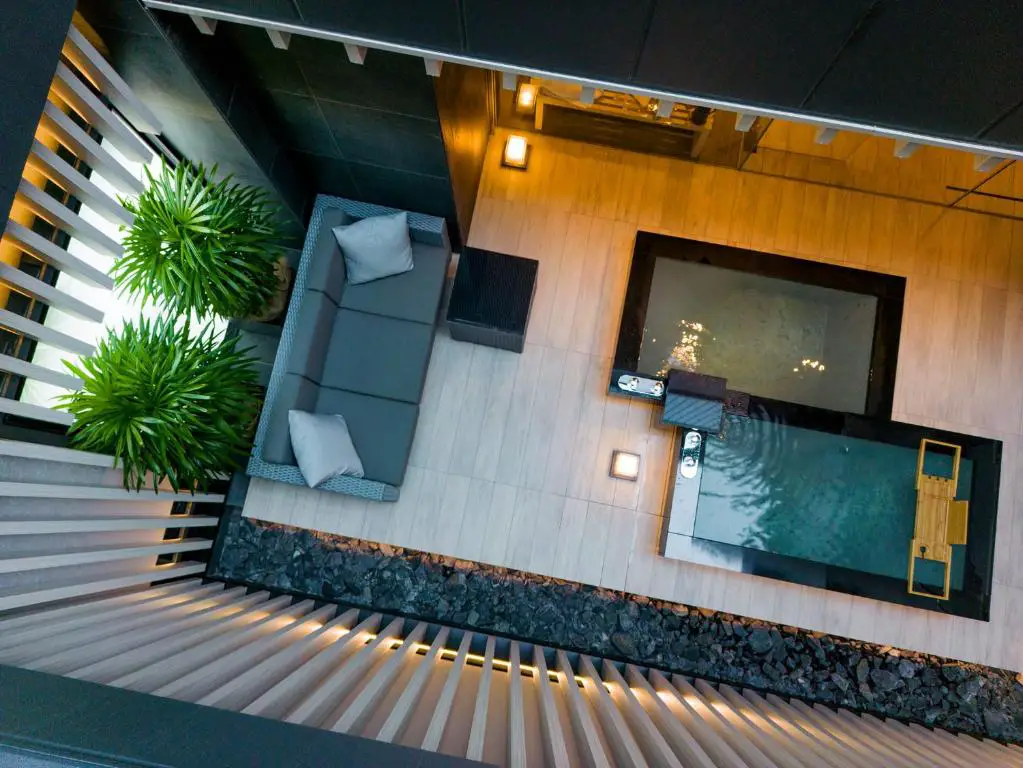
| 3. Hotel Minato Best for Couples Rating: ⭐⭐⭐⭐ Location: 7 min walk to Roppongi Station Guest Reviews: In-room sauna a standout, luxurious bathroom, attentive staff, delicious breakfast delivered to room Best Room: King Suite with private open-air bath and sauna Price: From USD $250 – $450 per night |
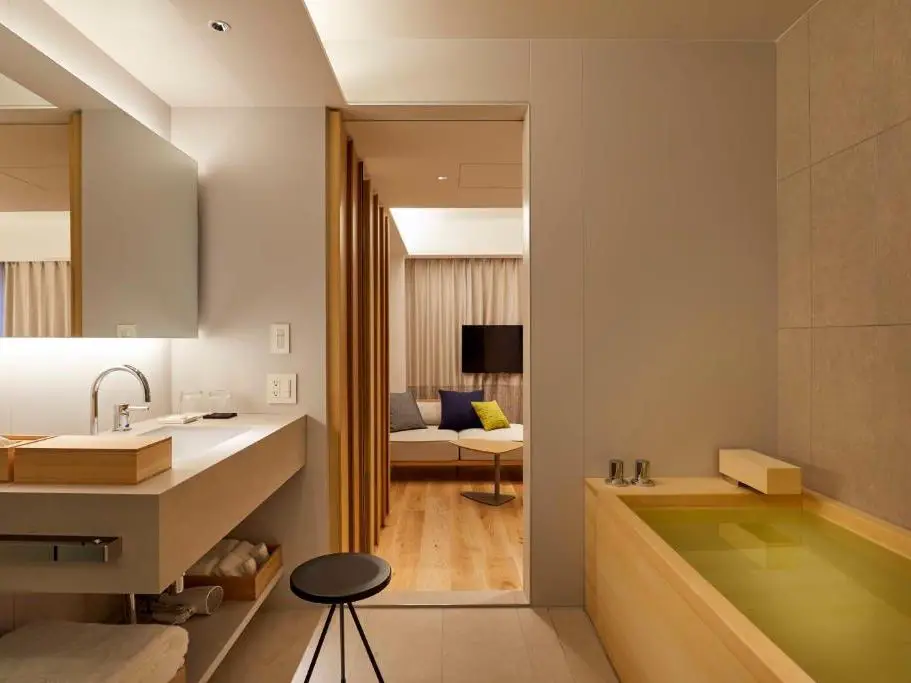
| 4. Tsuki Tokyo Rating: ⭐⭐⭐⭐ Location: 3 min walk to Tsukiji Station, 15 min walk to Ginza Guest Reviews: Spotless rooms, knowledgeable and friendly staff, beautiful hinoki bath, quiet neighborhood Best Room: Premier Room with hinoki bath Price: From USD $167 – $420 per night |
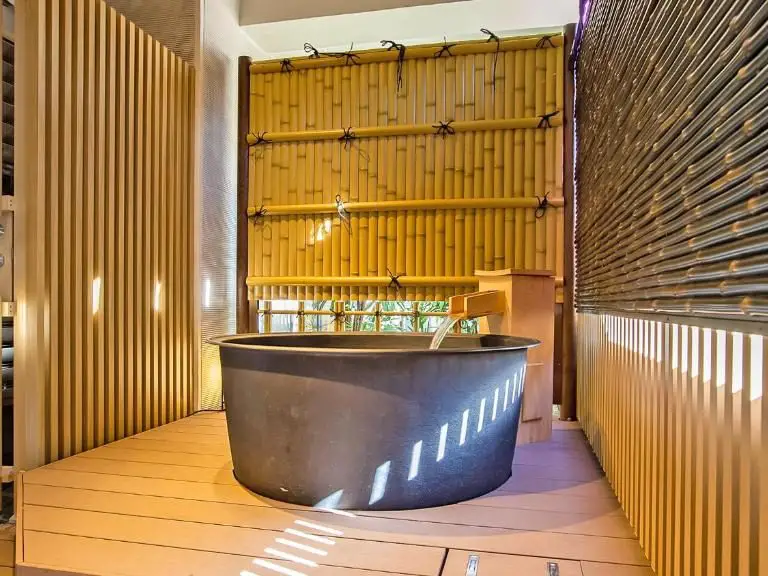
| 5. Stay Sakura Tokyo Asakusa Yokozuna Hotel Best Value Rating: ⭐⭐⭐ Location: 5 min walk to Sensoji Temple, 10 min walk to Asakusa Station Guest Reviews: Spacious rooms, Skytree terrace views, complimentary drinks, friendly English-speaking staff Best Room: Deluxe Suite with Spa Bath Price: From USD $110 – $250 per night |
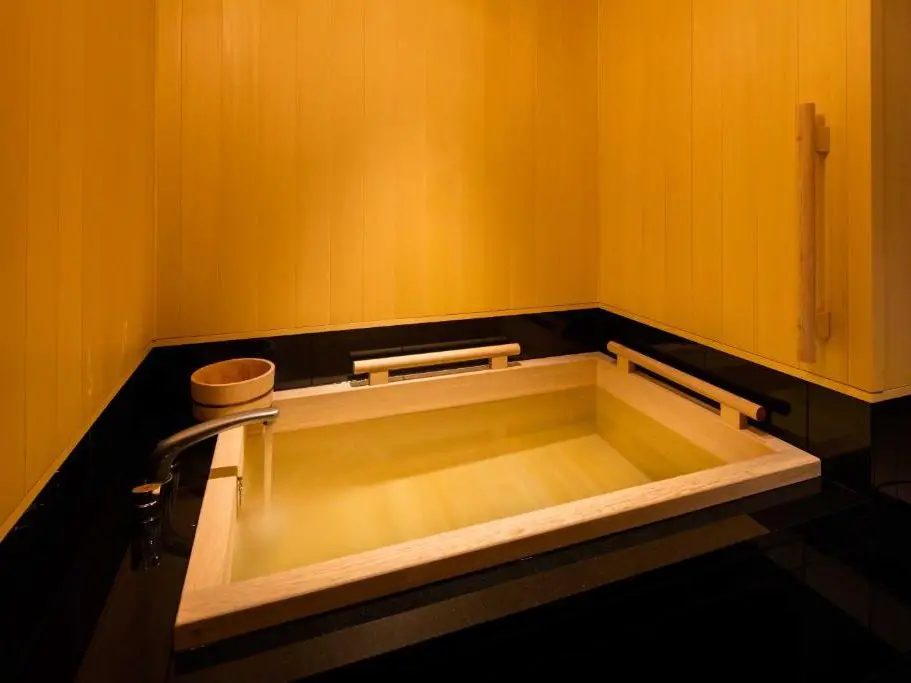
| 6. Cerulean Tower Tokyu Hotel Best Location Rating: ⭐⭐⭐⭐⭐ Location: 5 min walk to Shibuya Station Guest Reviews: Unobstructed city views from every room, spacious bathrooms, attentive staff, excellent range of restaurants Best Room: Japanese-style room with private hinoki cypress bath Price: From USD $400 – $600 per night |
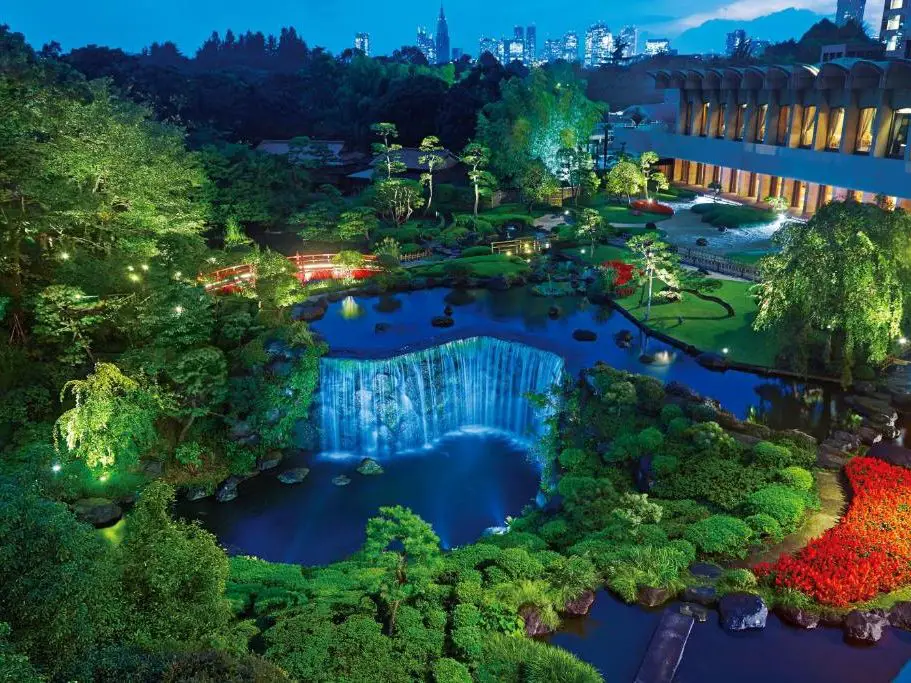
| 7. Hotel New Otani Tokyo The Main Rating: ⭐⭐⭐⭐⭐ Location: 10 min walk to Akasaka-Mitsuke Station, 5 subway lines accessible Guest Reviews: Stunning 400-year-old Japanese garden, spacious rooms, wide dining range, helpful and friendly staff Best Room: Main Shin-Edo Suite with Cypress Bath Price: From USD $360 – $450 per night |
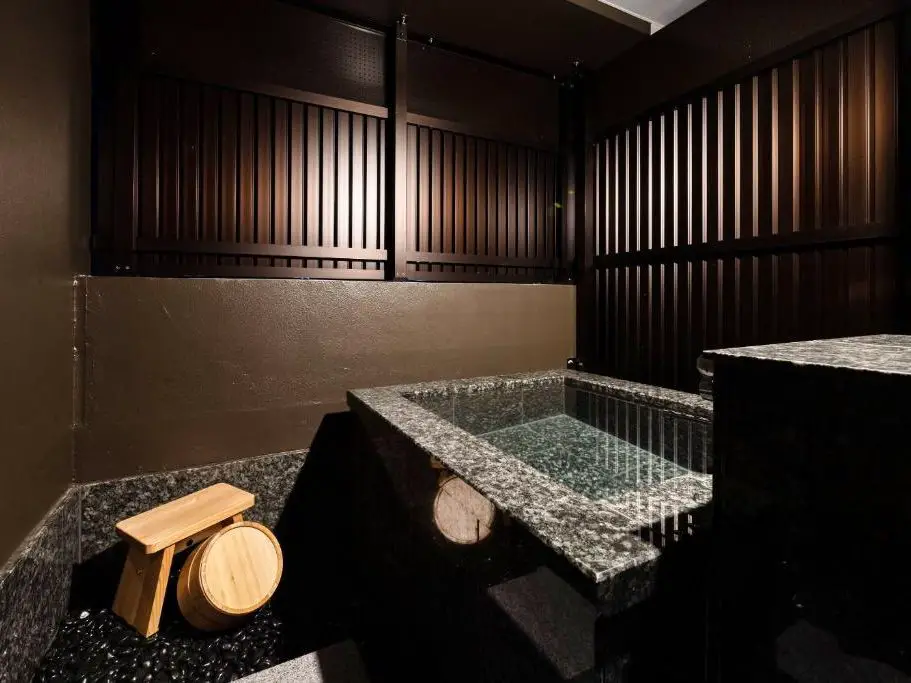
| 8. Prostyle Ryokan Tokyo Asakusa Rating: ⭐⭐⭐⭐ Location: 5 min walk to Sensoji Temple, 8 min walk to Asakusa Station Guest Reviews: Private open-air bath with Skytree views, outstanding Japanese breakfast, clean and quiet, helpful English-speaking staff Best Room: Japanese Style Suite with open-air bath Price: From USD $170 – $280 per night |
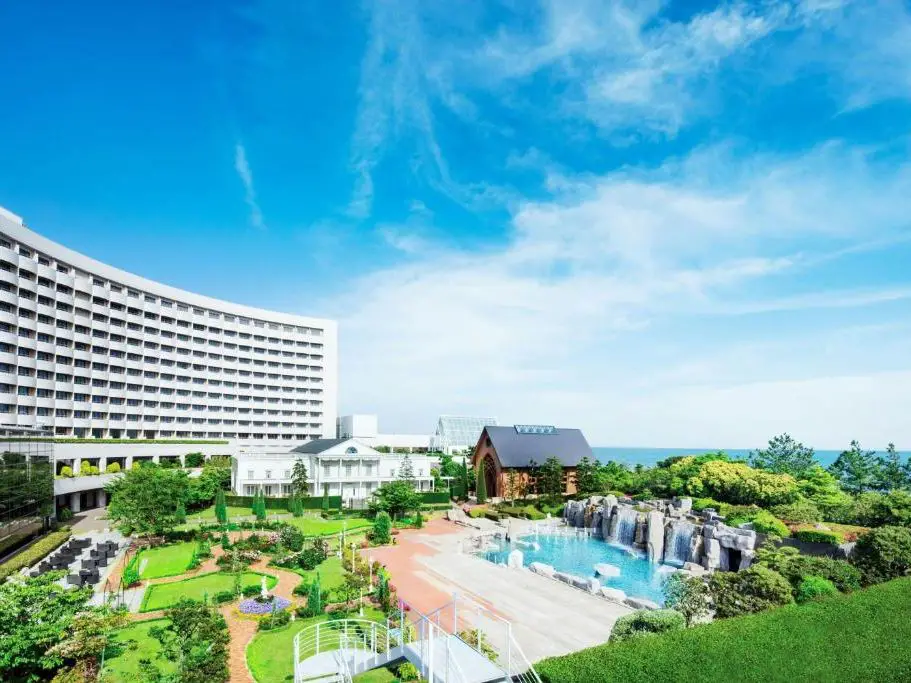
| 9. Sheraton Grande Tokyo Bay Hotel Best for Families Rating: ⭐⭐⭐⭐⭐ Location: 4 min walk to Bayside Station, direct monorail to Tokyo Disney Resort Guest Reviews: Ideal for families, spacious rooms with Disney Resort views, outstanding staff, great kids facilities and play areas Best Room: Japanese Suite with private onsen and Disney Resort views Price: From USD $180 – $400 per night |
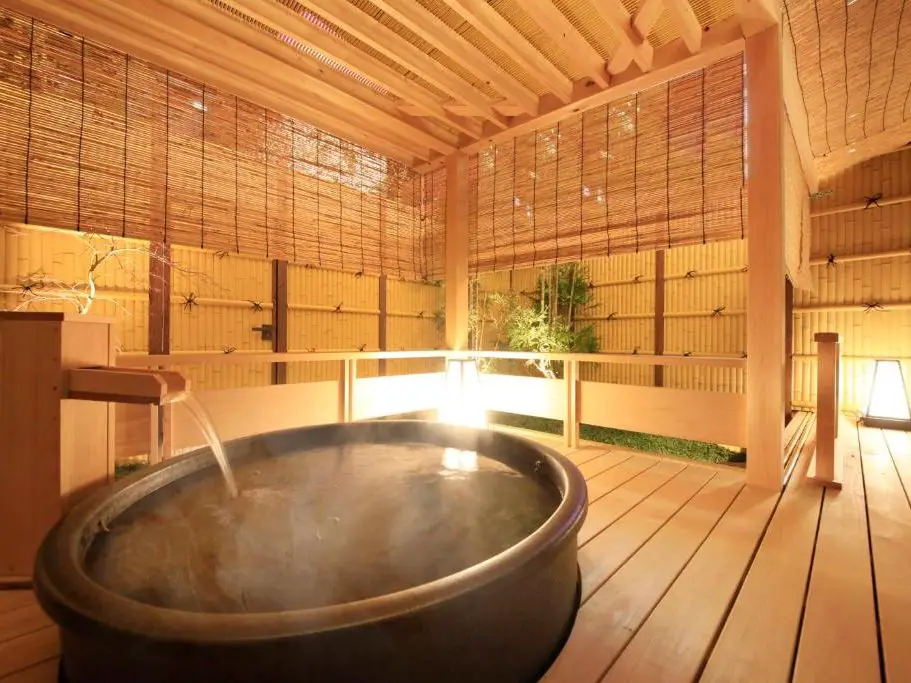
| 10. Centurion Hotel Ueno Rating: ⭐⭐⭐ Location: 4 min walk to Ueno Park, 5 min walk to Ueno Station Guest Reviews: Excellent location near stations and Ameyoko market, friendly English-speaking staff, private open-air hinoki bath, rooms on the smaller side Best Room: Japanese Style Family Room Sakura Fuji with open-air bath Price: From USD $51 – $150 per night |
Why Stay in a Tokyo Hotel with a Private Onsen
Tokyo’s public onsens are worth trying at least once, but sharing a bath with strangers after a long day of sightseeing is a different experience entirely. A private onsen in your room means you can soak at 2am after a night out in Shinjuku, or ease into a slow morning without a queue or a clock. It’s yours for the duration of your stay.
The other thing people underestimate is the quality of the water itself. Several hotels on this list — including Yuen Bettei Daita and the ryokans in Asakusa — pipe in genuine hot spring water sourced from places like Hakone, meaning you’re getting the real mineral-rich onsen experience without leaving the city. That’s not something you find everywhere.
For couples, a private onsen adds a layer of intimacy that a standard hotel room simply can’t match. For solo travelers, it’s one of the better ways to decompress in a city that never really stops. And for families, having your own bath on your own schedule — with no tattoo policies or communal bath rules to navigate — makes the whole experience easier and more relaxed.
Tokyo hotels with private onsens also tend to skew toward traditional Japanese design, which means tatami floors, shoji screens, hinoki cypress tubs, and yukata robes. That combination of aesthetics and ritual is a big part of what makes the stay feel different from a regular hotel night.
Overview of Accommodation Options
Tokyo’s private onsen hotels fall into a few distinct categories, and knowing which type suits you best makes the booking decision a lot easier.
At the luxury end, Grand Prince Hotel Takanawa Hanakohro and Cerulean Tower Tokyu Hotel offer the full five-star treatment. Think panoramic city views, multiple restaurants, spa facilities, and rooms that feel like a genuine event. Hotel New Otani Tokyo The Main sits in this bracket too, with the added draw of a 400-year-old Japanese garden on its doorstep. These are the hotels where the onsen is one highlight among many.
Boutique ryokans are a different proposition entirely. Cyashitsu Ryokan Asakusa, Prostyle Ryokan Tokyo Asakusa, and Tsuki Tokyo are smaller, quieter, and more focused on the traditional Japanese experience. Tatami floors, yukata robes, Japanese breakfast delivered to your room, and a hinoki bath as the centerpiece of your stay. The price point is lower but the experience often feels more personal.
Hotel Minato sits in its own lane as a modern boutique with an onsen twist. It opened in 2023 and combines sleek contemporary design with an in-room sauna and private open-air bath. It appeals to travelers who want the onsen experience without the full ryokan aesthetic.
For families, Sheraton Grande Tokyo Bay is the only hotel on this list built with kids genuinely in mind, sitting right next to Tokyo Disney Resort with pools, play areas, and large rooms that actually fit a family.
At the budget-friendly end, Stay Sakura Tokyo Asakusa Yokozuna Hotel delivers a private spa bath suite and Skytree terrace views at a price well below the rest of the list.
Best Areas to Stay
- Asakusa — This is the most popular area on this list for private onsen hotels, and for good reason. It is Tokyo’s oldest neighbourhood, with Sensoji Temple, riverside walks, street food, and an atmosphere that feels distinct from the modern city around it. Cyashitsu Ryokan Asakusa, Prostyle Ryokan Tokyo Asakusa, and Stay Sakura Tokyo Asakusa Yokozuna Hotel are all here. It suits first-timers who want a traditional Tokyo feel, couples after a quieter base, and anyone who wants to be close to temples and local culture without paying Shibuya prices.
- Shibuya — Staying here puts you at the centre of everything. The scramble crossing, shopping, nightlife, and some of Tokyo’s best restaurants are all within walking distance. Cerulean Tower Tokyu Hotel is the standout option, sitting five minutes from the station on floors 19 and above. It suits travellers who want easy access to the whole city and do not mind a busier, more urban environment outside the door.
- Takanawa — A quieter, more residential pocket of central Tokyo close to Shinagawa Station. Grand Prince Hotel Takanawa Hanakohro is here, tucked inside a beautiful Japanese garden. It suits couples or business travellers who want luxury and calm without the tourist foot traffic of Asakusa or Shibuya.
- Roppongi/Nishiazabu — Known for its nightlife, international restaurants, and art museums, this area also has a surprisingly calm residential side. Hotel Minato is based here, a short walk from Roppongi Station. It suits couples and solo travellers who want to be close to good food and culture while keeping the hotel itself as a private retreat.
- Chiyoda/Akasaka — Home to the Imperial Palace gardens and some of Tokyo’s most important political and cultural institutions. Hotel New Otani Tokyo The Main is here, surrounded by its own garden and connected to five subway lines. It suits travellers who want central access without staying in a busy tourist district.
- Maihama/Tokyo Bay — This is essentially the Disney zone. Sheraton Grande Tokyo Bay is the only hotel on this list in this area, and it is almost exclusively suited to families visiting Tokyo Disney Resort or DisneySea. The monorail connects directly to the parks, and the hotel is designed around family stays.
- Tsukiji/Chuo — A quieter central neighbourhood best known for its famous fish market and proximity to Ginza. Tsuki Tokyo is here, a short walk from the outer market and about 15 minutes on foot to Ginza. It suits couples and solo travellers who want a calm, local feel with easy city access.
How to Choose the Right Hotel (for First-Timers, Couples, Families, Solo Travelers)
First-Timers: If this is your first trip to Tokyo, location and ease of access matter more than anything else. Asakusa is the most forgiving base, with plenty of sightseeing on foot and good subway connections. Prostyle Ryokan Tokyo Asakusa and Cyashitsu Ryokan Asakusa both deliver a genuine ryokan experience close to the city’s most iconic sights, without the overwhelm of staying in a busier district. If you want a bigger hotel with more amenities and a central location, Cerulean Tower Tokyu Hotel in Shibuya gives you direct access to multiple train lines and a room with city views from the 19th floor up.
Couples: The private onsen is already a romantic feature, but the setting around it matters. Hotel Minato is the best pick for couples who want something intimate and modern, with an in-room sauna, open-air bath, and a location in one of Tokyo’s quieter upscale neighbourhoods. For a more traditional romantic stay, Cyashitsu Ryokan Asakusa rates 9.6 for couples on Booking.com and the open-air bath with Skytree views is hard to beat at that price. If budget is less of a concern, Grand Prince Hotel Takanawa Hanakohro is in a league of its own, with just 16 rooms, a dedicated lounge, and a Japanese garden setting that feels genuinely removed from the city.
Families: This one is straightforward. Sheraton Grande Tokyo Bay is the only hotel on this list built with families in mind. Large rooms that sleep up to six, a kids play area, pools, a flight simulator, and a monorail to Tokyo Disney Resort right across the street. The private Japanese suite with onsen means the adults get their soak at the end of a long day at the parks. No other hotel on this list comes close for families with young children.
Solo Travelers: Solo travelers tend to prioritise value, location, and atmosphere over space. Tsuki Tokyo in Tsukiji is a strong pick, with knowledgeable staff who genuinely know the neighbourhood, a calm and local feel, and a hinoki bath that makes a solo night in feel worthwhile. Prostyle Ryokan Tokyo Asakusa is another good option, with smaller room configurations at a lower price point and easy access to Asakusa’s restaurants and temples. For solo travelers who want a bit more luxury, Hotel New Otani Tokyo The Main offers one of the best garden settings in central Tokyo and connects easily to five subway lines.
When to Book
- Cherry blossom season (late March to early April) is the busiest and most expensive period. Hotels across Tokyo fill up months in advance and prices spike significantly. For smaller ryokans with limited room counts, book at least four to six months ahead. The onsen rooms go first.
- Autumn foliage season (mid-November to early December) is the second peak period. Prices are high but slightly more manageable than cherry blossom season. Book two to three months ahead to get the room type you want.
- Golden Week (late April to early May) is a Japanese public holiday period when domestic travel surges. Hotels near tourist areas fill quickly and prices reflect it. Avoid this window if possible, or book very early if your dates are fixed.
- Shoulder seasons (June to early July, and September to October) offer the best balance of availability and price. June brings humidity and occasional rain, but crowds thin out noticeably and rates drop. September and October offer comfortable temperatures and some of the best sightseeing conditions in the city.
- Winter (January to February) is the quietest and cheapest period. You will find the most competitive rates and availability is rarely an issue outside of New Year. This is also when a private onsen earns its keep most, soaking in hot water on a cold Tokyo night is a genuinely different experience.
- Book premium onsen rooms early regardless of season. Private bath rooms are a small subset of any hotel’s inventory and tend to go well before standard rooms. If the onsen is the reason you are booking, do not leave it late.
- Last-minute bookings are risky. Small ryokans have very few rooms, a last-minute deal is unlikely, and you may end up in a standard room without a private bath.
- New Year (December 28 to January 3) is effectively a blackout period for good rates. Most Tokyo hotels charge peak prices across the board, and some dining options operate on reduced hours or close entirely.
6. Insider Tips for a Better Stay
- Book the onsen room directly. Many smaller ryokans offer better rates or added inclusions like breakfast when you book through their official site rather than a third-party platform. It is worth checking both before committing.
- Ask about onsen water source before booking. Not all private baths use genuine hot spring water. Some hotels use heated tap water in a hinoki or stone tub, which is a pleasant soak but a different experience from mineral-rich onsen water piped in from places like Hakone. If the source matters to you, check the hotel’s website or contact them directly.
- Reserve your onsen time if required. Some hotels, particularly smaller ryokans, require advance reservations for private bath use. Others operate on a first-come basis. Check the policy when you book and if reservations are needed, sort it before you arrive rather than at check-in.
- Pack light on toiletries. Most onsen hotels provide high-quality shampoo, conditioner, body wash, and skincare. Bringing your own adds bag weight for no reason. Check the hotel’s amenity list beforehand.
- Wear the yukata. Most ryokans and onsen hotels provide a yukata robe for use during your stay. Guests who wear it around the property, to dinner, or to the communal areas tend to get more out of the experience. It sounds small but it shifts the mood of the stay noticeably.
- Soak before bed, not just after sightseeing. The temptation is to use the onsen the moment you get back from a long day out. That is fine, but a soak just before sleep in slightly cooler water is genuinely one of the better ways to sleep in a new time zone. Worth trying on your first night.
- Tattoo policies are still common. Many onsen facilities in Tokyo, including communal baths at some hotels on this list, do not permit guests with visible tattoos. Private in-room onsens are almost always fine, but if you plan to use shared facilities, check the policy before booking.
- Try the Japanese breakfast at least once. Several hotels on this list offer a traditional Japanese breakfast, grilled fish, miso soup, pickles, rice, and tamagoyaki. It is worth doing at least one morning even if it is outside your usual routine. Most guests who try it rate it as a highlight of the stay.
- Check in early if you can. Standard check-in across most Tokyo hotels is 3pm. If you have arrived on a long-haul flight, contact the hotel in advance and ask about early check-in availability. Many will accommodate it for a small fee or if the room is ready, at no charge.
FAQs
Do all private onsen hotels in Tokyo use real hot spring water? No, and this is worth checking before you book. Some hotels heat and filter tap water in a traditional tub, which is a comfortable soak but not a true onsen experience. Hotels that use genuine hot spring water will typically say so prominently on their website, often citing the source. Yuen Bettei Daita, for example, pipes in water from Hakone’s Ashinoko spring.
What is the difference between a ryokan and a regular hotel with an onsen? A ryokan is a traditional Japanese inn built around a specific set of hospitality customs, tatami floors, futon beds, yukata robes, multi-course kaiseki meals, and communal or private bathing. A regular hotel with an onsen room is essentially a Western-style hotel that happens to have a Japanese bath in the room. Both are worth experiencing, but they offer very different stays. If you want the full cultural immersion, lean toward a ryokan.
Can I visit a Tokyo onsen hotel just for a day soak without staying overnight? Some hotels offer day-use plans that include access to onsen facilities and sometimes a meal. Yuen Bettei Daita, for instance, has day-trip onsen packages. However, private in-room baths are almost exclusively reserved for overnight guests. Check each hotel’s website directly as day-use availability varies and advance booking is usually required.
Are private onsens suitable for children? In-room private onsens are generally fine for children since you control the water temperature and there are no communal bathing rules to navigate. However, some hotels restrict children from shared onsen facilities or have minimum age requirements. The Sheraton Grande Tokyo Bay is the most family-friendly option on this list with its private Japanese suite and extensive kids facilities.
What should I do before getting into an onsen? Always shower and wash thoroughly before entering the bath. This is a firm cultural expectation in Japan, not a suggestion. Most onsen rooms and communal facilities have a shower station for exactly this purpose. Do not use soap or shampoo inside the onsen itself, and keep your towel out of the water.
How far in advance should I book an onsen room in Tokyo? For peak seasons like cherry blossom and autumn foliage, four to six months ahead is sensible for smaller ryokans. For larger hotels like Cerulean Tower or Sheraton Grande, six to eight weeks is usually sufficient outside of peak periods. The key thing to remember is that onsen rooms are a limited subset of any hotel’s inventory and go before standard rooms do.
Is it true that tattoos are not allowed in Japanese onsens? This policy is common across Japan and still applies at many Tokyo onsen facilities, including some communal baths at hotels on this list. The rule stems from historical associations between tattoos and organised crime in Japan. Private in-room onsens are not affected since you are bathing alone. If you have visible tattoos and plan to use shared facilities, check the hotel’s policy before booking.
Do Tokyo onsen hotels include breakfast? It varies. Many ryokans include or offer Japanese breakfast as an add-on, and it is generally worth taking. Larger hotels like Cerulean Tower and Hotel New Otani charge separately for breakfast. Check at the time of booking as breakfast inclusions can affect the overall value of the rate significantly.
What is a hinoki bath and why do people rate it so highly? Hinoki is a type of Japanese cypress wood used to make traditional bathtubs. The wood has a distinctive warm, clean scent that becomes stronger with steam, and the natural oils in the wood are said to have mild relaxing properties. A soak in a hinoki bath feels and smells noticeably different from a standard tub, which is why guests consistently mention it in reviews. Several hotels on this list feature hinoki baths, including Tsuki Tokyo and Cerulean Tower Tokyu Hotel.