
Tokyo Station isn’t just where your train stops — it’s also one of the best addresses in the city, with Ginza a ten-minute walk, the Imperial Palace a fifteen-minute stroll, and the Shinkansen platforms a matter of minutes from your pillow. The area splits neatly into two sides: the Marunouchi exit faces the palace and the old brick facade of the station building, while the Yaesu side puts you in the thick of Nihonbashi and the underground shopping warrens. Whether you’re in town for two nights between bullet trains or using the station as your base for all of Japan, the hotels here range from some of the most iconic addresses in Tokyo to sharp mid-range options that punch well above their price. Here are the best of them.
Table of Contents
Tokyo Central Station Hotels
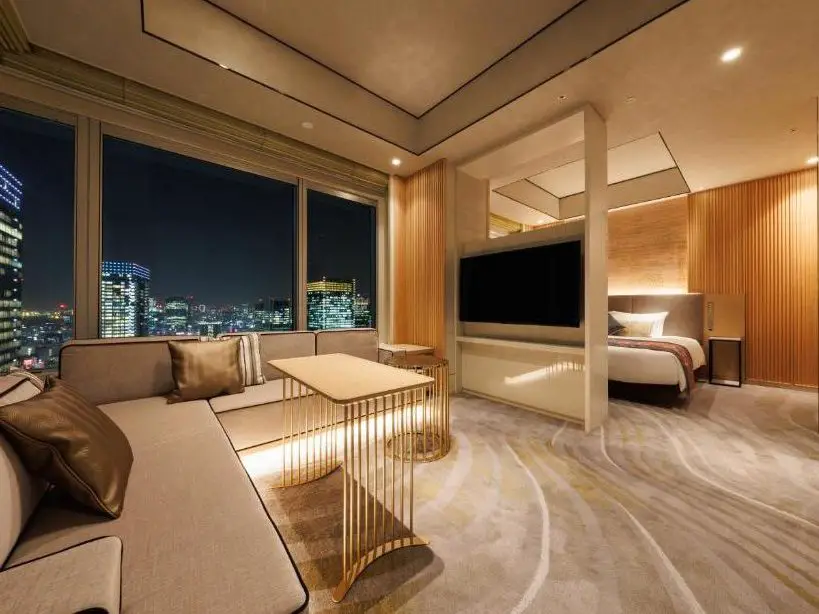
| 1. Hotel Metropolitan Tokyo Marunouchi Best for Train Spotters Rating: ⭐⭐⭐⭐ Location: 1-minute walk from Tokyo Station (Nihonbashi Exit, covered passage) Guest Reviews: Shinkansen-platform walk under five minutes, 27th-floor TENQOO breakfast, track views from the bath Best Room: Train View 1 Queen 20sqm Non smoking Price: From USD $190 – $450 per night |
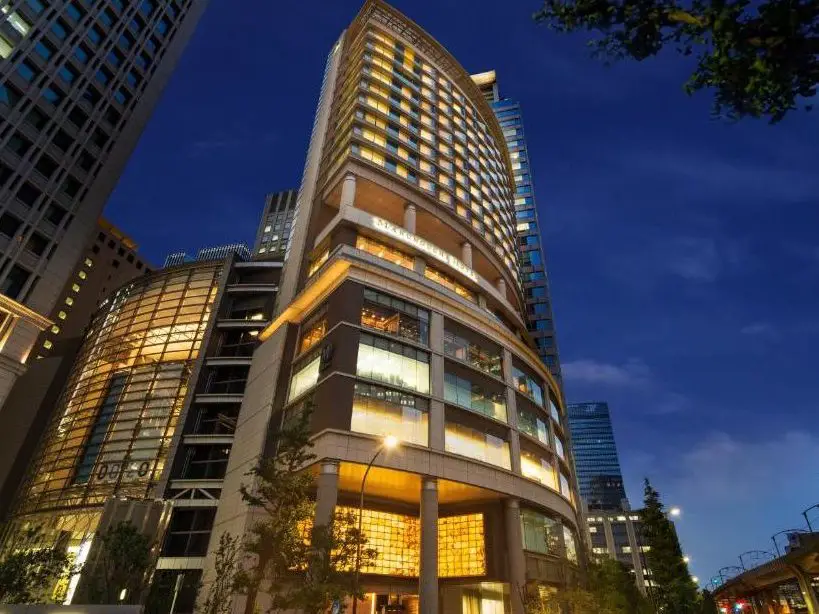
| 2. Marunouchi Hotel Rating: ⭐⭐⭐⭐ Location: 1-minute walk from Tokyo Station (Marunouchi North Exit, underground connection via Oazo) Guest Reviews: Red-brick station facade views, Pomme d’aDam buffet breakfast, Salon Rin reflexology Best Room: Grand Corner Twin – Non-Smoking Price: From USD $270 – $700 per night |
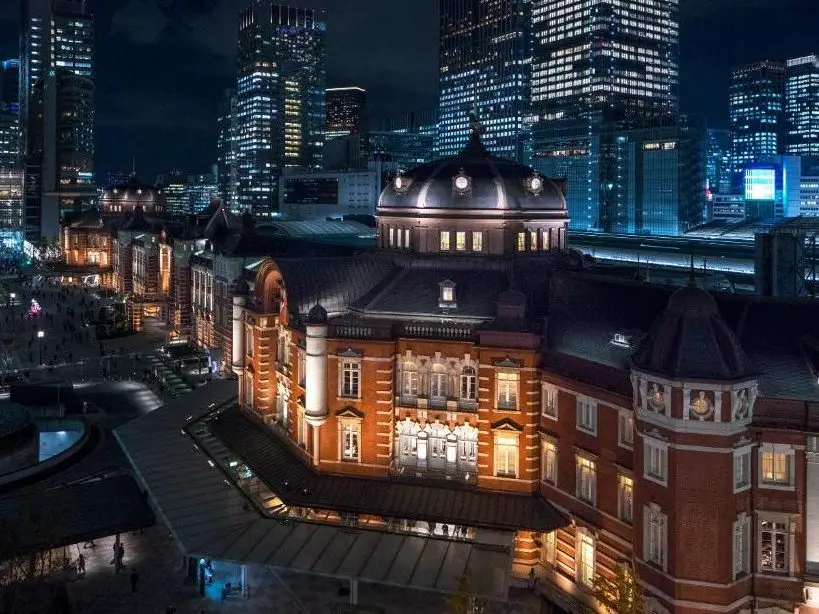
| 3. The Tokyo Station Hotel Most Historic Stay Rating: ⭐⭐⭐⭐⭐ Location: Directly inside Tokyo Station (Marunouchi Building, no walk required) Guest Reviews: White-gloved porter escort to bullet train platform, Atrium breakfast buffet, dome-side cupola views Best Room: Junior Suite King, Non Smoking Price: From USD $550 – $1,100 per night |
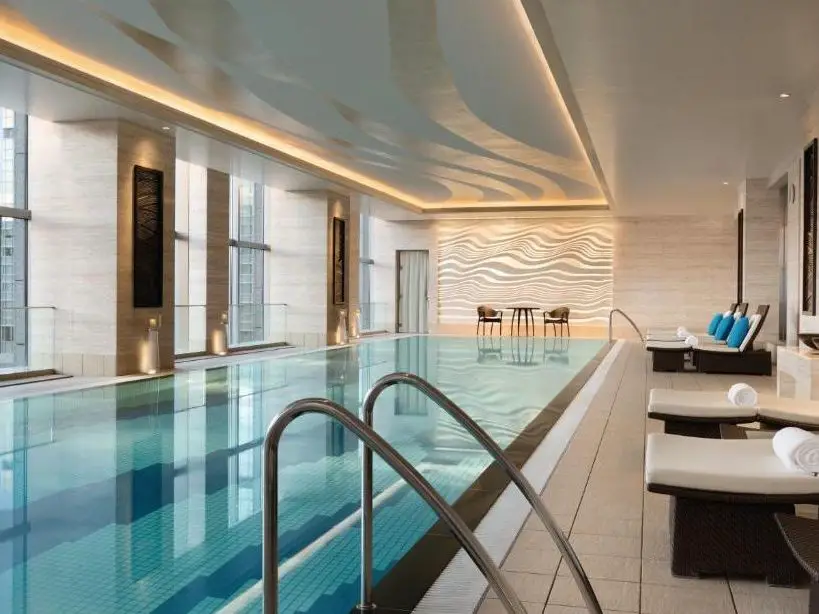
| 4. Shangri-La Tokyo Best Spa Rating: ⭐⭐⭐⭐⭐ Location: 2-minute walk from Tokyo Station (Marunouchi Trust Tower, Otemachi Station directly below) Guest Reviews: CHI Spa on-site, 29th-floor heated pool, platform meet-and-greet from Tokyo Station Best Room: Horizon Club Deluxe Room Price: From USD $500 – $1,200 per night |
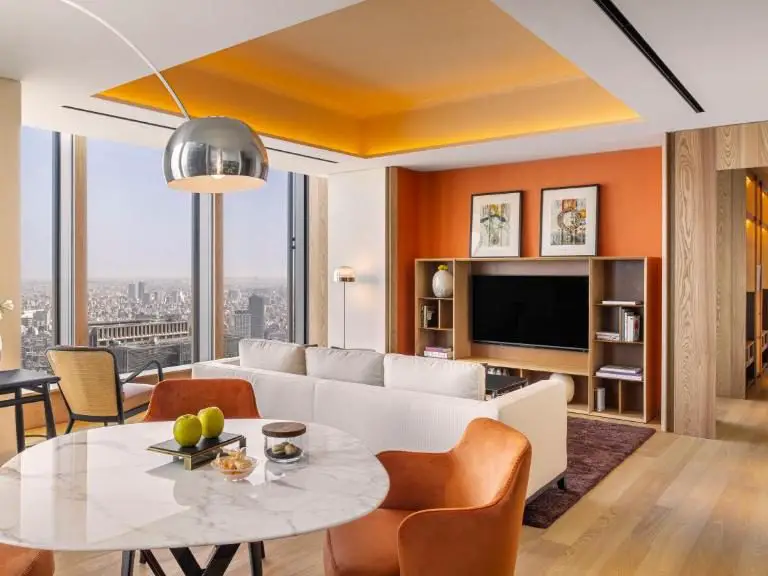
| 5. Bvlgari Hotel Tokyo Most Luxurious Rating: ⭐⭐⭐⭐⭐ Location: 4-minute walk from Tokyo Station (Yaesu exit, floors 40–45 of Tokyo Midtown Yaesu) Guest Reviews: Michelin-starred Il Ristorante, eight-seat Sushi Hōseki omakase, Hosoo kimono-textile room furnishings Best Room: Deluxe Room, 1 King Bed (View) Price: From USD $1,300 – $2,500 per night |
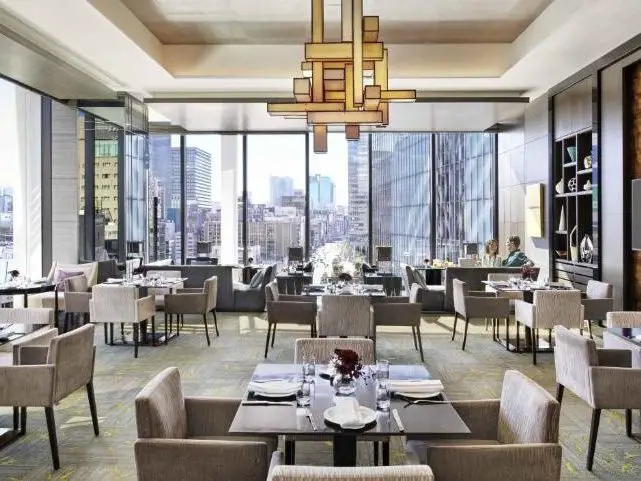
| 6. Oakwood Premier Tokyo Best for Extended Stays Rating: ⭐⭐⭐⭐⭐ Location: 2-minute walk from Tokyo Station (Yaesu North Exit) Guest Reviews: In-room washer/dryer, airport limousine from ground floor, Jexer gym complimentary access Best Room: Executive Room, 1 Bedroom Price: From USD $350 – $650 per night |
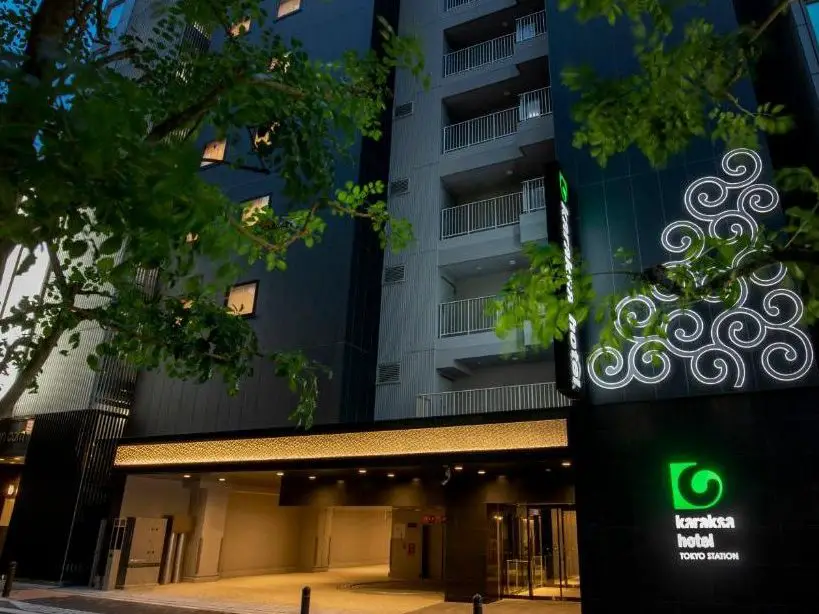
| 7. karaksa hotel TOKYO STATION Best for Families Rating: ⭐⭐⭐⭐ Location: 5-minute walk from Tokyo Station (Yaesu North Exit) Guest Reviews: Lobby popsicles on hot days, free umbrella loans, tatami floors with chabudai dining tables Best Room: Japanese Family Room for 4 people Price: From USD $110 – $320 per night |
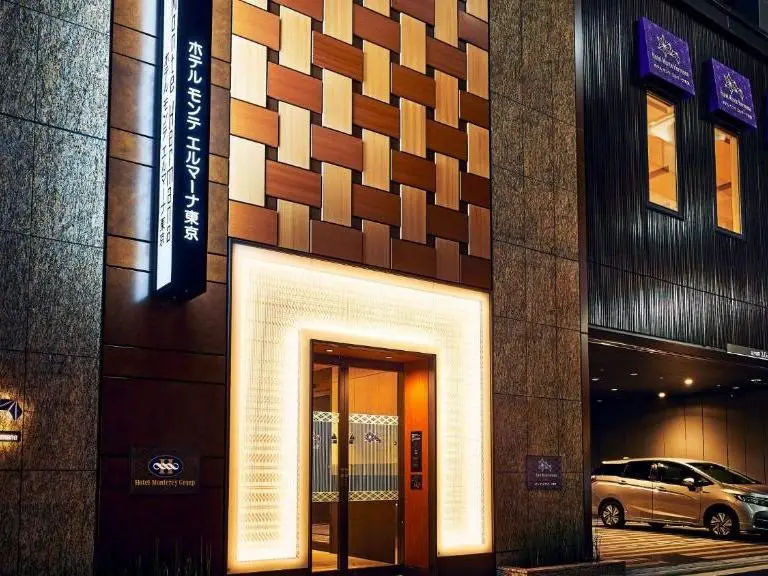
| 8. Hotel Monte Hermana Tokyo Rating: ⭐⭐⭐⭐ Location: 3-minute walk from Tokyo Station (Yaesu Central Exit) Guest Reviews: Simmons pocket-coil mattresses, underground Yaesu shopping street access, complimentary welcome beer Best Room: Twin Room, Non Smoking Price: From USD $130 – $280 per night |
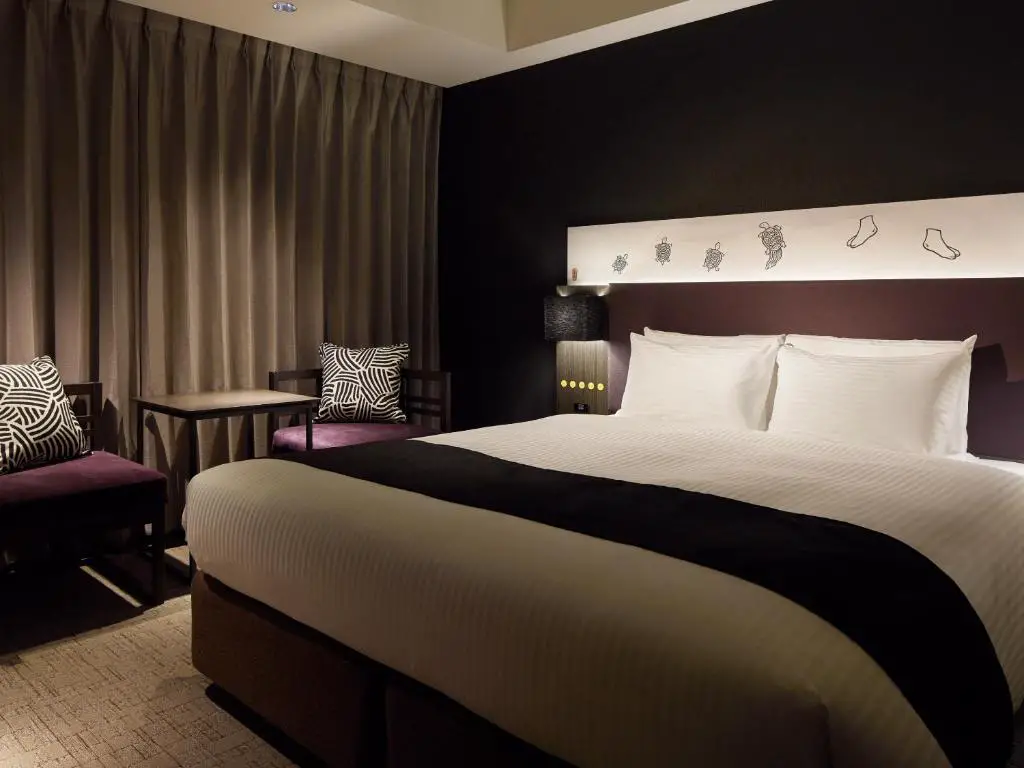
| 9. Mitsui Garden Hotel Kyobashi Best Value Rating: ⭐⭐⭐⭐ Location: 5-minute walk from Tokyo Station (Yaesu Central Exit; Kyobashi metro station 1-minute walk) Guest Reviews: Yaechika underground passage to station, Hiroshige ukiyo-e design, top-rated breakfast buffet Best Room: Superior Twin Room Price: From USD $160 – $400 per night |
Marunouchi or Yaesu: Which Side Should You Stay On?
Tokyo Station has two faces, and they are genuinely different. Knowing which side suits your trip is worth more than any list of amenities.
- Marunouchi (west side) — The historic face of the station, fronted by the 1914 red-brick building and a wide boulevard aimed at the Imperial Palace. Hotels here — including The Tokyo Station Hotel, Marunouchi Hotel, Hotel Metropolitan Tokyo Marunouchi, and Shangri-La Tokyo — sit in a quieter, more upscale district. The streets around Marunouchi are broad, lightly trafficked in the evenings, and pleasant to walk after dark. The trade-off is that the Shinkansen platforms are on the Yaesu side, meaning a cross-station walk is necessary before catching a bullet train — allow an extra 10–15 minutes during busy periods.
- Yaesu (east side) — The modern, livelier face of the station, with department stores, bus terminals for Narita and Haneda, and the underground Yaesu shopping arcade stretching south. Oakwood Premier Tokyo, Bvlgari Hotel Tokyo, karaksa hotel TOKYO STATION, Hotel Monte Hermana Tokyo, and Mitsui Garden Hotel Kyobashi are all on this side or within a short walk. The Yaesu North Exit is the closest point to the Tokaido Shinkansen platforms, which matters considerably if you have an early departure with luggage.
- The underground passage — A free connecting passage runs between both sides without requiring a train ticket. It takes around 10 minutes to walk end-to-end and is signposted in English throughout, so staying on the Marunouchi side does not cut you off from the Yaesu side’s transport options — it just adds time.
- The practical decision — Stay Marunouchi if you want quieter evenings, open city views, and are not catching frequent Shinkansen departures. Stay Yaesu if you’re moving between cities regularly, arriving with heavy luggage from the airport bus, or want the widest range of mid-range dining within walking distance.
Getting Here: Airport Connections and What to Expect on Arrival
Tokyo Station sits at the centre of two airport rail links, and which one you use depends almost entirely on where you land.
- From Narita Airport — The Narita Express (N’EX) runs directly to Tokyo Station and takes approximately 60 minutes, with trains every 30 minutes during peak hours. It costs around ¥3,000 one-way (confirm current fare before travel). The JR Sobu Rapid is cheaper but considerably slower; use the N’EX if time matters. Both arrive on the B1 level at the station’s Yaesu side.
- From Haneda Airport — The airport limousine bus is the most convenient option for most hotels near the station, stopping at specific drop-off points on the Yaesu side. Journey times run approximately 30–50 minutes depending on traffic. The Oakwood Premier Tokyo has a ground-floor limousine bus stop in the building itself. Alternatively, the Tokyo Monorail to Hamamatsucho Station followed by the JR Yamanote Line to Tokyo Station is cheaper and traffic-independent, taking around 35–40 minutes total.
- Arrival day with luggage — If your room is not ready before standard check-in time (typically 3:00 PM), all hotels on this list will store bags at the front desk at no charge. You can also use the staffed luggage counters inside Tokyo Station — the JR EAST Travel Service Center near the Marunouchi North Exit accepts items and can arrange same-day delivery to hotels in central Tokyo for an additional fee, confirmed around ¥1,000 per bag at time of writing (confirm current rates on arrival). This matters if you want to explore Ginza or the Imperial Palace immediately after landing without dragging a suitcase.
- On departure — Several of the hotels featured here, including The Tokyo Station Hotel and Shangri-La Tokyo, offer platform meet-and-greet services with advance notice, escorting guests to the correct Shinkansen carriage position. This is not a standard feature at every hotel — request it when booking if you want it.
What You Can Walk to from Tokyo Station
The station’s location gives it a walkable radius that covers some of Tokyo’s most significant addresses. Times below are from the station’s main exits and are honest walking estimates, not optimistic ones.
- Imperial Palace East Gardens — Around 15 minutes from the Marunouchi North Exit along Gyoko-dori, the broad avenue that runs directly between the station and the palace grounds. The gardens are free to enter and open most days. The walk itself — tree-lined, low-traffic, with the station’s red-brick facade behind you — is one of the finer strolls in central Tokyo.
- Ginza — 12–15 minutes on foot from the Yaesu Central Exit heading south. Tokyo’s premier shopping district has department stores at every price point, the Kabuki-za theatre on its eastern edge, and some of the city’s most concentrated fine dining on and around Chuo-dori.
- KITTE Marunouchi — 2 minutes from the Marunouchi South Exit. The postal-ministry-building conversion houses a rooftop observation deck with a direct view across the station’s red-brick roofline, and a basement dining floor with a ramen bar sourcing from Chiba’s Tomita, which consistently draws queues for its tsukemen.
- Nihonbashi — 8–10 minutes east on foot from the Yaesu exit. One of Edo’s oldest commercial districts, with Coredo Muromachi, Nihonbashi Takashimaya, and the Mitsui Memorial Museum within a compact area. The Nihonbashi bridge itself — the historical zero-kilometre marker for Japan’s old highway system — sits in the middle of a traffic intersection and is easy to miss; look for it as you cross the canal.
- Artizon Museum — 8 minutes from the Yaesu Central Exit. A collection-based private museum (Bridgestone family) with strong holdings in Western Impressionism and modern Japanese art. No permanent crowds and a relaxed visiting pace — a reliable option for a quiet morning between travel days.
Eating Around Tokyo Station
The station’s immediate area contains some of the densest dining in Japan, concentrated across a few distinct zones that are worth distinguishing from each other.
- Tokyo Ramen Street — Eight ramen shops on the B1 level of First Avenue Tokyo Station, reached from inside the station concourse on the Yaesu side without going outside. Each shop represents a different regional style — Rokurinsha for tsukemen, Soranoiro for lighter and vegetarian-friendly broths. Queues form by noon most days and are longest on weekends; arriving before 11:30 AM or after 2:00 PM avoids the worst of them.
- GRANSTA — The in-station shopping and food complex, divided into GRANSTA Tokyo (souvenirs and bento inside the ticket gates), GRANSTA Marunouchi (coffee and lifestyle goods on the west side), and GRANSTA Yaesu (dining on the east). The bento selection inside the gates is particularly strong — regional ekiben from across Japan, including Hokkaido crab, Akita chicken, and Kyushu wagyu, all available from the same concourse.
- KITTE basement — Directly connected to the station via the Marunouchi South Exit underground. The restaurant floor runs from sushi to wagyu to izakaya. Matsudo Tomita, producing broth from the same kitchen as one of Japan’s most awarded ramen shops, occupies the basement ramen battle zone. Lines are shorter here than on Ramen Street and the quality is comparable.
- Marunouchi Brick Square — A five-minute walk from the Marunouchi South Exit, built around a preserved brick facade from the original Mitsubishi estate. Ippudo’s Tokyo branch is here, along with a quieter mix of cafes and wine bars that fills up with after-work crowds from the surrounding office towers. Better for an evening than a quick lunch.
- Nihonbashi Takashimaya — 10 minutes east. The basement food hall (depachika) is one of the finest in Tokyo, covering prepared bento, seasonal wagashi, pastries, and seafood. Worth a visit on any day you are not eating somewhere with a reservation.
Luggage and Hands-Free Travel
One practical advantage of staying near Tokyo Station that competing pages consistently overlook is how much easier this location makes multi-city travel.
- Takkyubin (luggage forwarding) — Yamato Transport and Sagawa Express both operate forwarding counters at Tokyo Station. You can send luggage directly to your next hotel in Kyoto, Osaka, or anywhere else in Japan, with next-day delivery on most routes if the parcel is submitted before the cut-off time (typically around 12:00 PM for next-day). Prices run approximately ¥1,500–¥2,000 per bag depending on size and destination — confirm current rates at the counter. Several hotels on this list, including Oakwood Premier Tokyo and The Tokyo Station Hotel, can arrange forwarding from the front desk.
- Coin lockers — Tokyo Station has over 100 locker banks distributed across both sides. The large lockers near the Yaesu North and Central Gates fill by mid-morning on busy days; a less-known bank near the Nihonbashi Exit on the opposite side of the station is quieter. Prices run ¥400–¥1,300 per day depending on size, with up to three days of storage available. The TOKYO STATION NAVI app shows real-time locker availability.
- Staffed luggage counters — The JR EAST Travel Service Center near the Marunouchi North Exit accepts items for ¥500–¥2,000 depending on size, and can arrange same-day delivery to hotels in the central area. The Yaesu South Exit counter has the same service. Useful on arrival day when you want to walk to Ginza or the Imperial Palace before check-in without carrying bags.
- Hotel storage — Every hotel on this list stores bags before check-in and after check-out at no additional charge. On a two-city trip, this is often the simplest option: leave bags at the hotel on your final morning, take the Shinkansen to your next destination luggage-free, and have your bags forwarded to meet you there.
When to Book (and When to Avoid)
Timing matters considerably more near Tokyo Station than in most parts of the city, because this is where a disproportionate share of the accommodation crunch concentrates during peak periods.
- Cherry blossom season (late March–early April) — The most expensive and most booked-out window of the year. Bloom timing fluctuates by approximately 10 days annually depending on winter temperatures, with peak bloom in Tokyo typically falling in the last week of March or first week of April. Hotels here — particularly the luxury tier — can sell out four to six months ahead. If you want to travel during this period, set a booking date target of October–November the previous year for the hotels on the higher end of this list.
- Golden Week (late April–early May) — The cluster of national holidays from approximately April 29 to May 5 is Japan’s biggest domestic travel period. Shinkansen seat reservations fill weeks in advance, hotel prices spike, and the station itself becomes congested at peak times. If your dates are flexible, the two weeks after Golden Week — mid-May — offer warm weather, blossom remnants in some parks, and significantly lower prices.
- Obon (mid-August) — The second major domestic travel surge of the year, less severe than Golden Week for international visitors but still worth accounting for when booking Shinkansen seats.
- Best value windows — January and February (outside the New Year week) are the cheapest months across all hotel tiers. June, despite being the rainy season, is also quiet and affordable. Autumn — October and November — offers reliable weather and autumn foliage without the price spikes of cherry blossom season, and is widely regarded as the most pleasant time to visit Tokyo.
- How far ahead to book — For cherry blossom and Golden Week: four to six months minimum for anything above the mid-range tier. For autumn: two to three months is usually sufficient. For January, February, and June: a few weeks is generally fine, though specific rooms at the most popular properties fill regardless of season.
FAQs
1. Which exit should I use for the Shinkansen from Tokyo Station?
All Shinkansen platforms are on the Yaesu side of the station. For the Tokaido Shinkansen toward Kyoto and Osaka, aim for the Yaesu North Exit, which is the closest point to those platforms. For Tohoku, Hokkaido, Joetsu, and Hokuriku Shinkansen lines, follow signs for the Yaesu North Exit ticket gate area as well. If you are staying on the Marunouchi side, allow an extra 10–15 minutes to cross the station, particularly during morning and evening rush hours when the central passage is crowded.
2. Is it noisy sleeping near Tokyo Station?
Less than you would expect. The hotels on this list are set back from the main platforms, and Tokyo Station itself runs no overnight services after around 1:00 AM. The Tokyo Station Hotel sits inside the station building and its rooms are notably well-insulated despite the address — multiple guests specifically comment on the quiet. Hotels on upper floors of high-rise towers, including Hotel Metropolitan Tokyo Marunouchi and Shangri-La Tokyo, are effectively isolated from street and rail noise by height.
3. How long does it take to reach central Tokyo attractions from this area?
The Imperial Palace East Gardens are a 15-minute walk from the Marunouchi exit. Ginza takes 12–15 minutes on foot from the Yaesu side. Shibuya and Shinjuku are around 20–25 minutes by train. Asakusa and Ueno run 15–20 minutes on the Yamanote or Keihin-Tohoku line. The station’s connectivity to the JR network, Tokyo Metro, and Toei Subway lines means most of the city is within 30 minutes.
4. Can I store luggage at the station if I arrive before check-in?
Coin lockers throughout the station accept bags for ¥400–¥1,300 per day depending on size. Staffed counters near both the Marunouchi North Exit and Yaesu South Exit accept oversized items and can arrange same-day hotel delivery. All hotels on this list hold bags at the front desk before check-in at no charge — this is the simplest option for most travellers.
5. Is the area around Tokyo Station walkable and safe at night?
The Marunouchi district quiets considerably after 9:00 PM as the office towers empty. The streets are clean, well-lit, and safe, but restaurant options thin out later in the evening. The Yaesu side stays livelier later, with the underground shopping streets and Nihonbashi area offering dining past 10:00 PM. Neither side has the nightlife density of Shinjuku or Roppongi, which suits travellers using the station primarily as a transit base.
6. Is Tokyo Station area a good base for a first visit to Japan?
It is one of the best. The Narita Express arrives here directly, the Tokaido Shinkansen departs from here for Kyoto and beyond, and the JR Yamanote Line gives access to every major district on the loop. For anyone planning to combine Tokyo with other cities — Kyoto, Osaka, Hiroshima, Hakone — staying near Tokyo Station eliminates one transfer at the start and end of the trip and makes departure days significantly simpler.
7. When is the cheapest time to book hotels near Tokyo Station?
January and February outside the New Year holiday period offer the lowest rates across all tiers. June (rainy season) and the weeks immediately after Golden Week (mid-May) are also notably cheaper than the surrounding weeks. The most expensive windows are cherry blossom season (late March–early April), Golden Week (late April–early May), and the December–January holiday cluster.