Want a proper soak after a day in Nagoya? Check the water first. Plenty of hotel baths in the city are filled with heated tap water, and only a few pipe in a real hot spring. By law, a bath using spring water has to post its lab analysis by the changing room, so no sheet means no onsen. Here’s where I’d book, from a rooftop bath near Sakae to a castle-side spa.
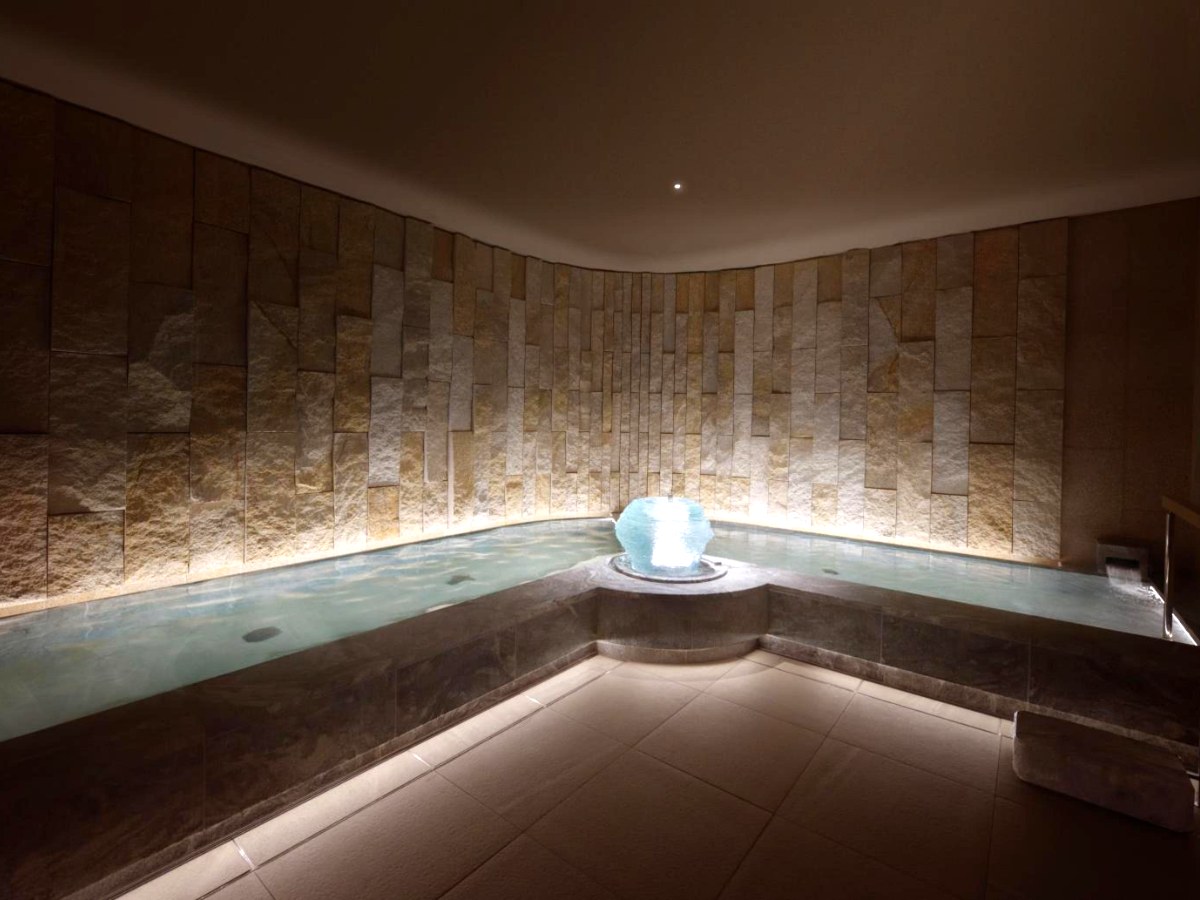
Quick answer: Book ESPACIO Nagoya Castle. Its spring rises from beneath the hotel itself and feeds the basement spa, a short walk from the castle grounds.
Table of Contents
Nagoya Hotels with Public Baths
Natural Hot Spring Spa
1. ESPACIO Nagoya Castle
Rating: ⭐⭐⭐⭐⭐
Location: 6-minute drive to Nagoya Station; Nagoya Castle
Guest Reviews: Carbonated bath, Finnish kelo-wood sauna, aroma steam sauna, mosaic-tiled indoor pool, Nagoya Castle views, Japanese breakfast at Owari Iki Inaba
Best Room: Onsen Luxury Castle View King
Good to Know: City View rooms miss the castle; book a Castle View category to see it.
From USD $1,265 – $1,390 per night
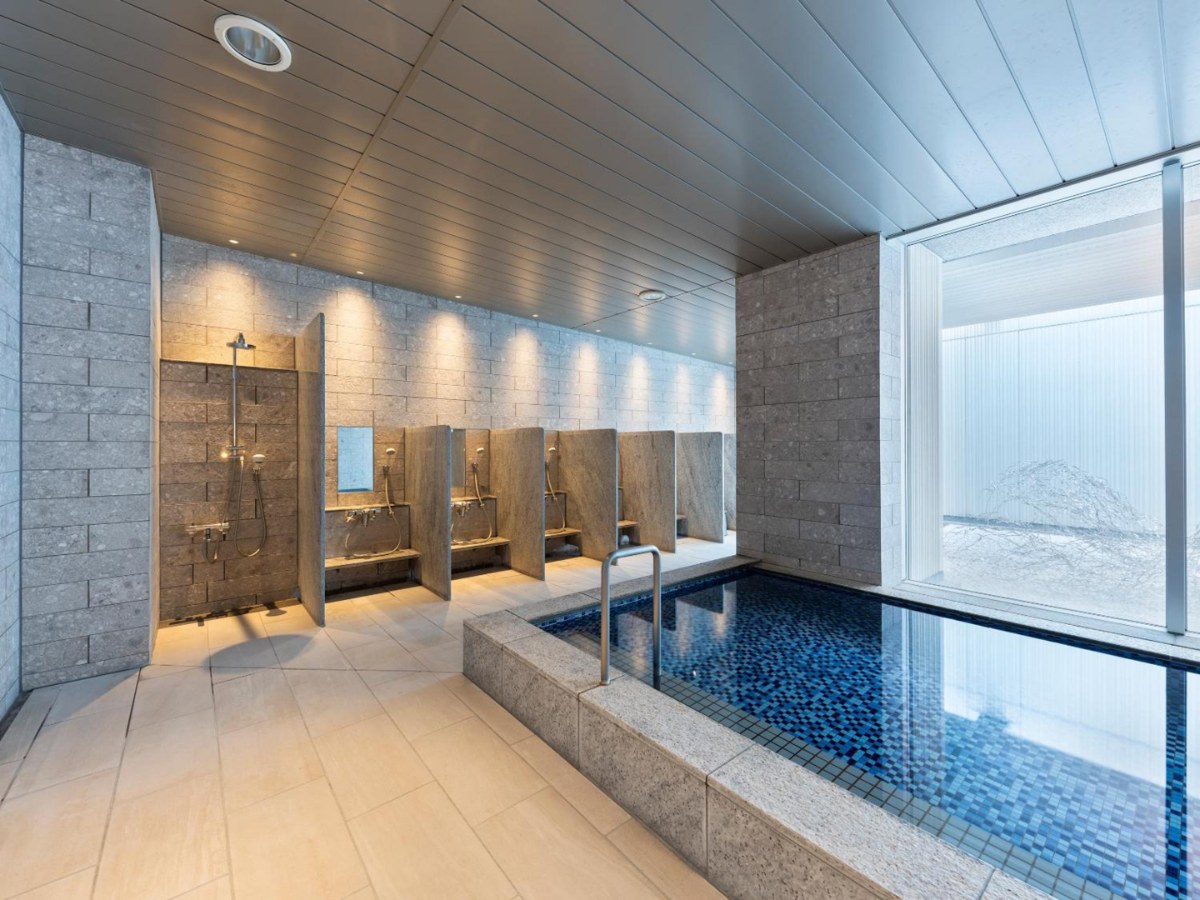
18th-Floor Bath and Art Courtyard
2. Mitsui Garden Hotel Nagoya Premier
Rating: ⭐⭐⭐⭐
Location: 9-minute walk to Nagoya Station
Guest Reviews: Hitsumabushi eel breakfast, kishimen noodles, uiro mochi, capsule coffee machine, Sky Bar city views
Best Room: Deluxe Room View Bath 1 bed Wide King – Non-Smoking
Good to Know: Evening baths get busy: check the crowding on the in-room TV before you go.
From USD $135 – $690 per night
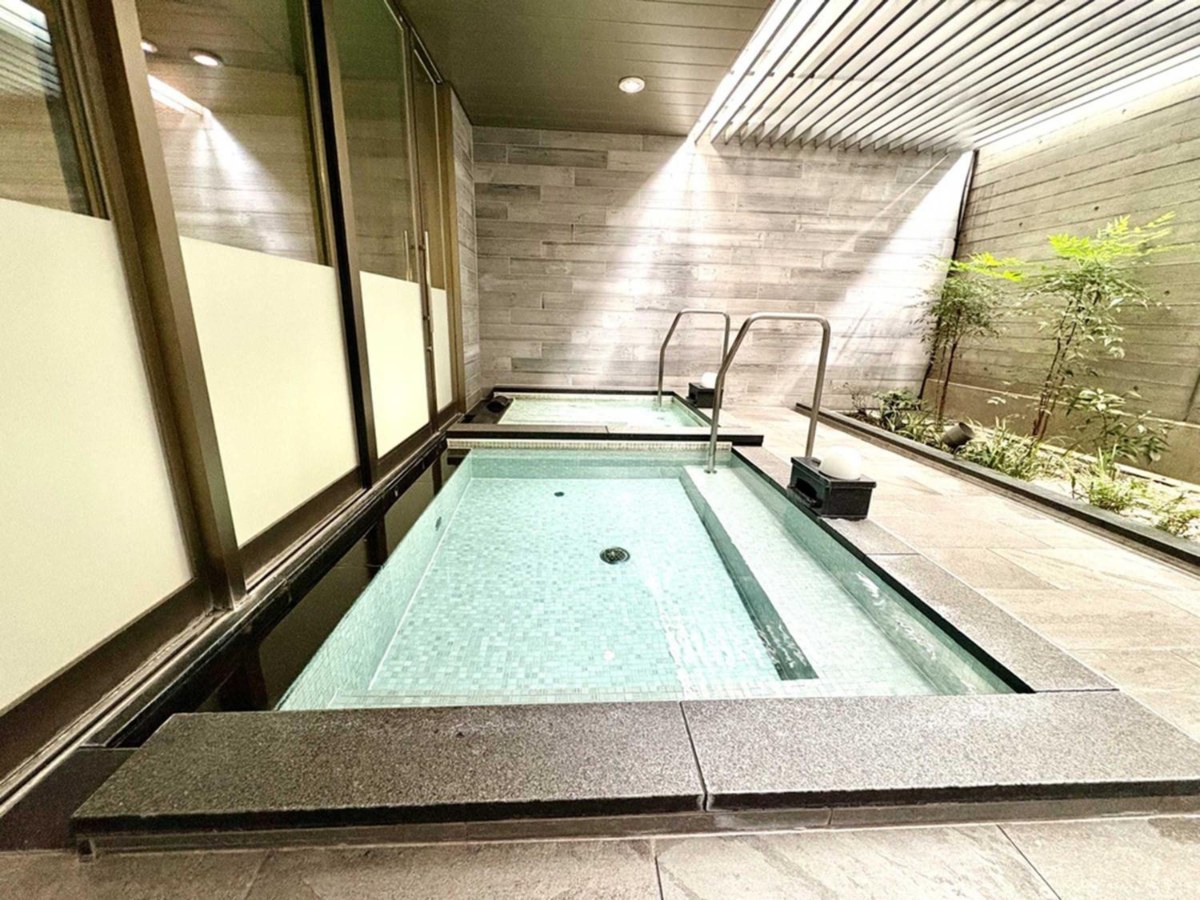
Rooftop Open-Air Bath
3. Nishitetsu Hotel Croom Nagoya
Rating: ⭐⭐⭐
Location: 5-minute drive to Nagoya Station; Sakae
Guest Reviews: Reclining bath, breakfast buffet with kishimen and hitsumabushi, ice machine and microwave beside the bath
Best Room: Comfort Twin Room – Non-Smoking
Good to Know: The bath runs morning and evening sessions only; plan around the midday closure.
From USD $85 – $185 per night
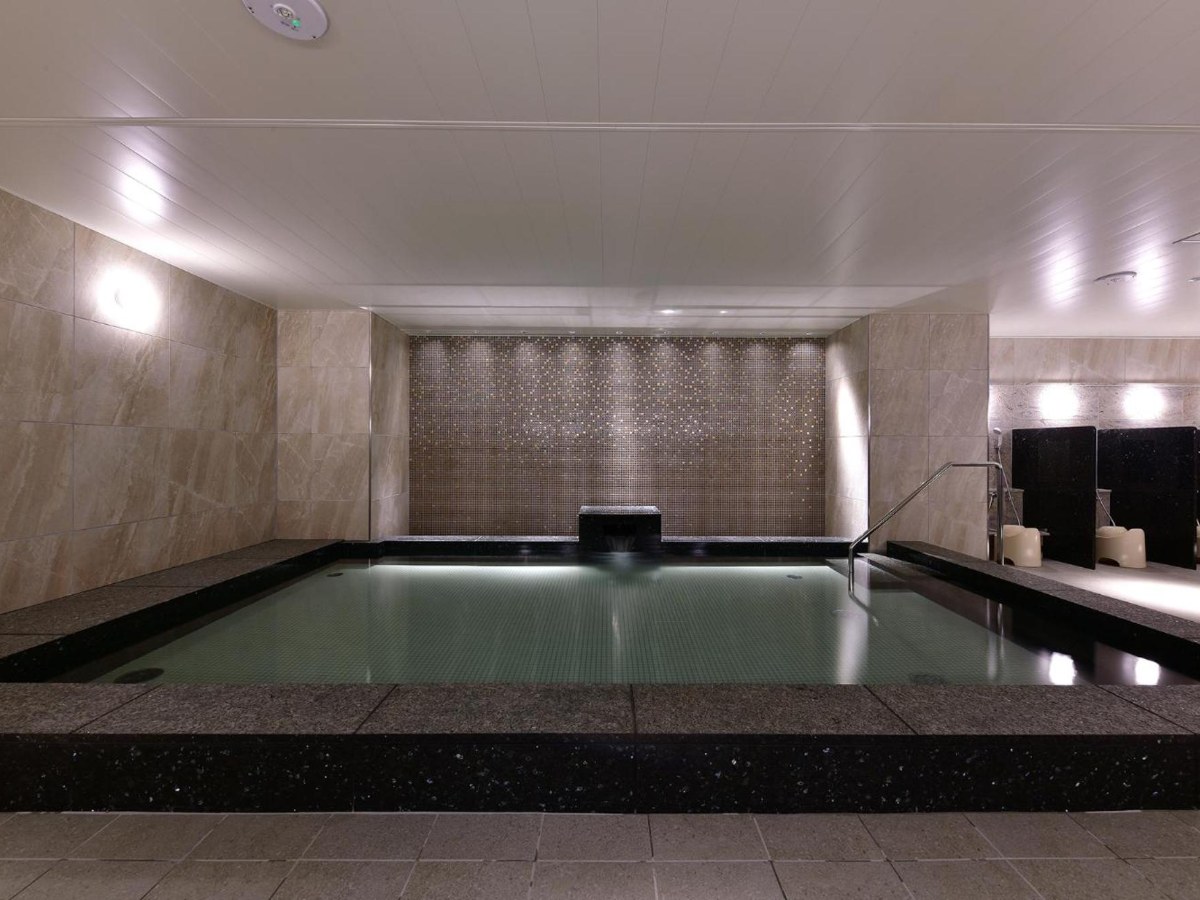
Saunas in Both Public Baths
4. Vessel Hotel Campana Nagoya
Rating: ⭐⭐⭐⭐
Location: 13-minute walk to Nagoya Station
Guest Reviews: Men’s cold plunge, breakfast buffet with miso katsu, ogura toast and hitsumabushi rice bowls
Best Room: Superior Twin Room – Non-Smoking
Good to Know: The bath closes from mid-morning to mid-afternoon; soak before checkout or after check-in.
From USD $90 – $205 per night
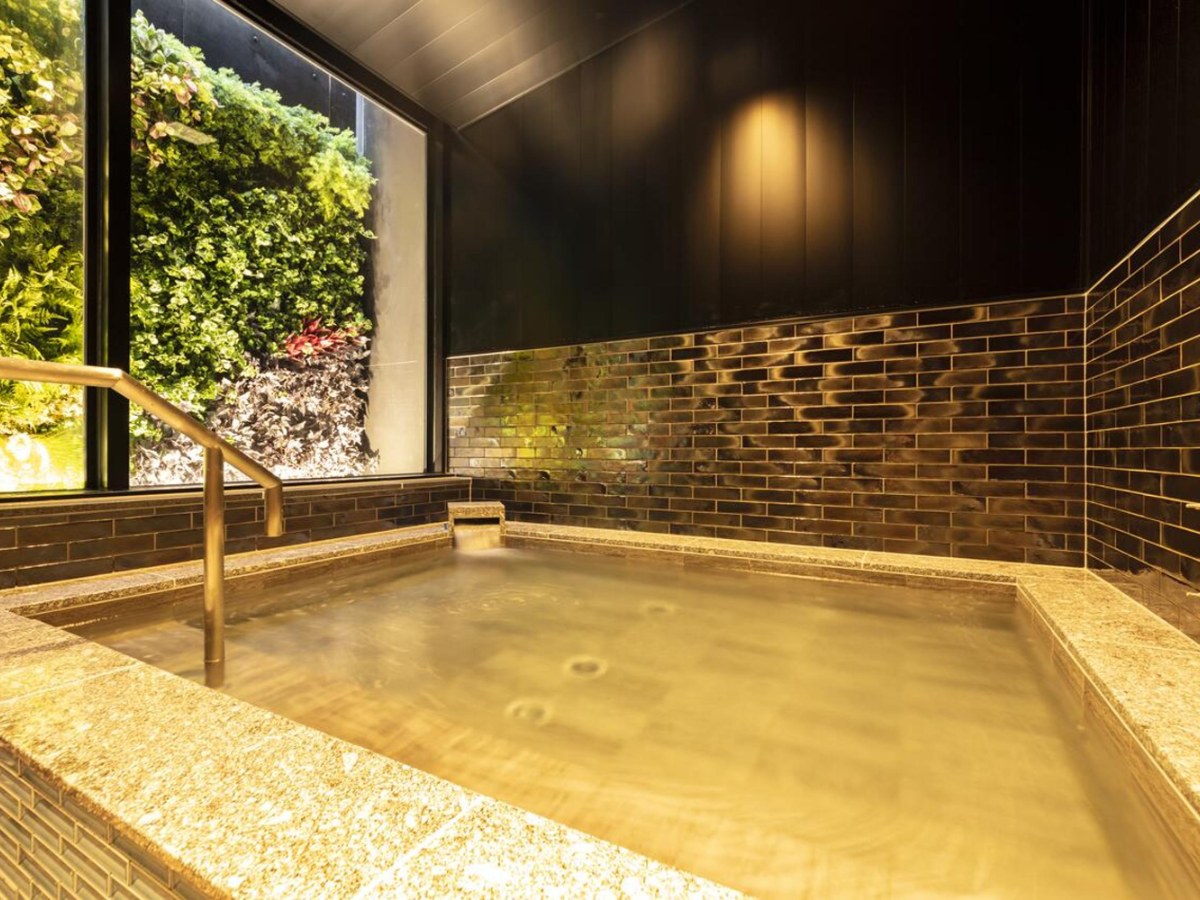
5. Sanco Inn Grande Nagoya -HOTEL & SPA-
Rating: ⭐⭐⭐
Location: 11-minute walk to Nagoya Station
Guest Reviews: Free ice cream after bathing, grilled eel at the breakfast buffet, amenity bar with bath salts, pillow bar
Best Room: Deluxe Double Room – Non-Smoking
Good to Know: Every room is on the ninth floor or higher; the bath is on the eighth.
From USD $105 – $255 per night
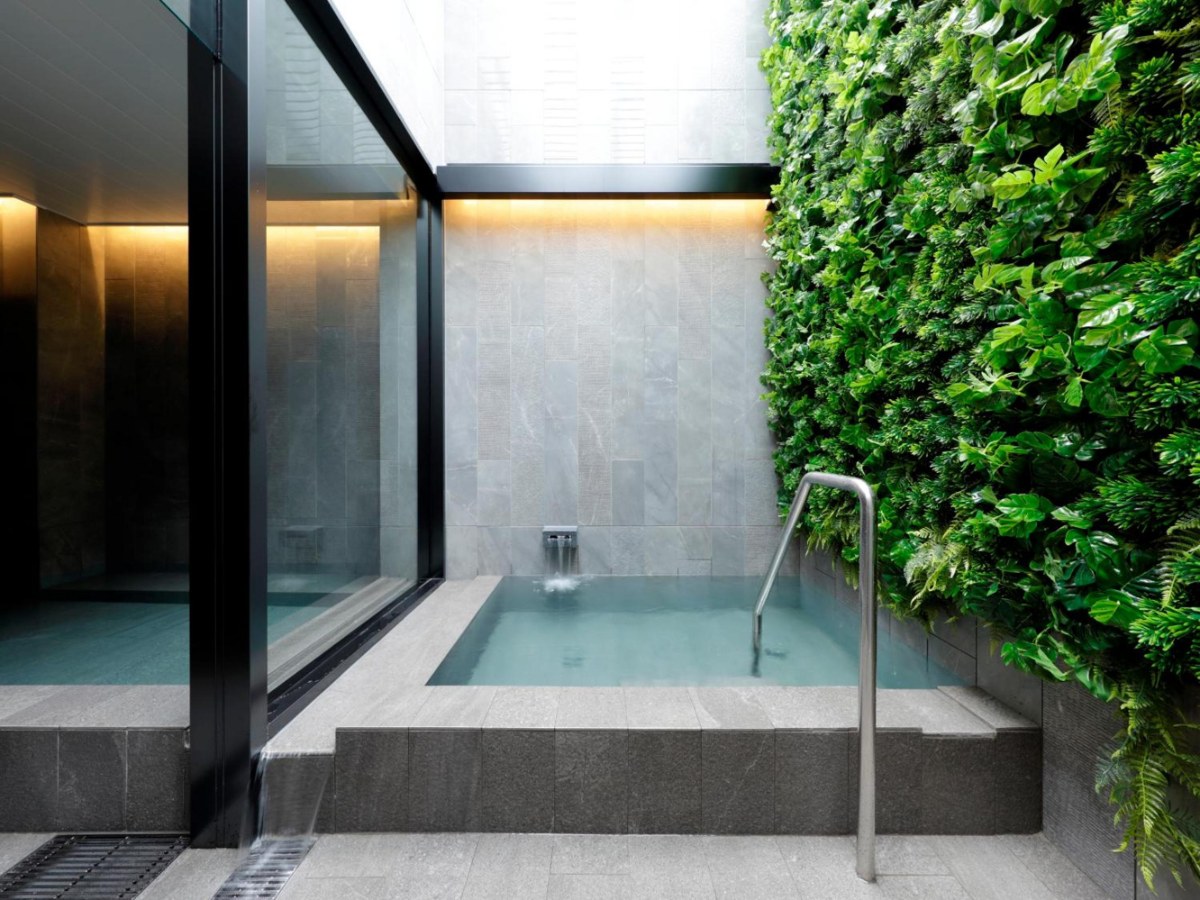
12th-Floor Open-Air Bath
6. hotel androoms Nagoya Sakae
Rating: ⭐⭐⭐
Location: 6-minute drive to Nagoya Station; Hisaya-odori
Guest Reviews: House-baked baguette and bagel sandwiches, Nagoya anko butter, breakfast delivery to the room, evening smoothie lounge, ice candies
Best Room: Superior Twin Room – Non-Smoking
Good to Know: The sauna is on the men’s side only; women get indoor and open-air baths.
From USD $65 – $345 per night
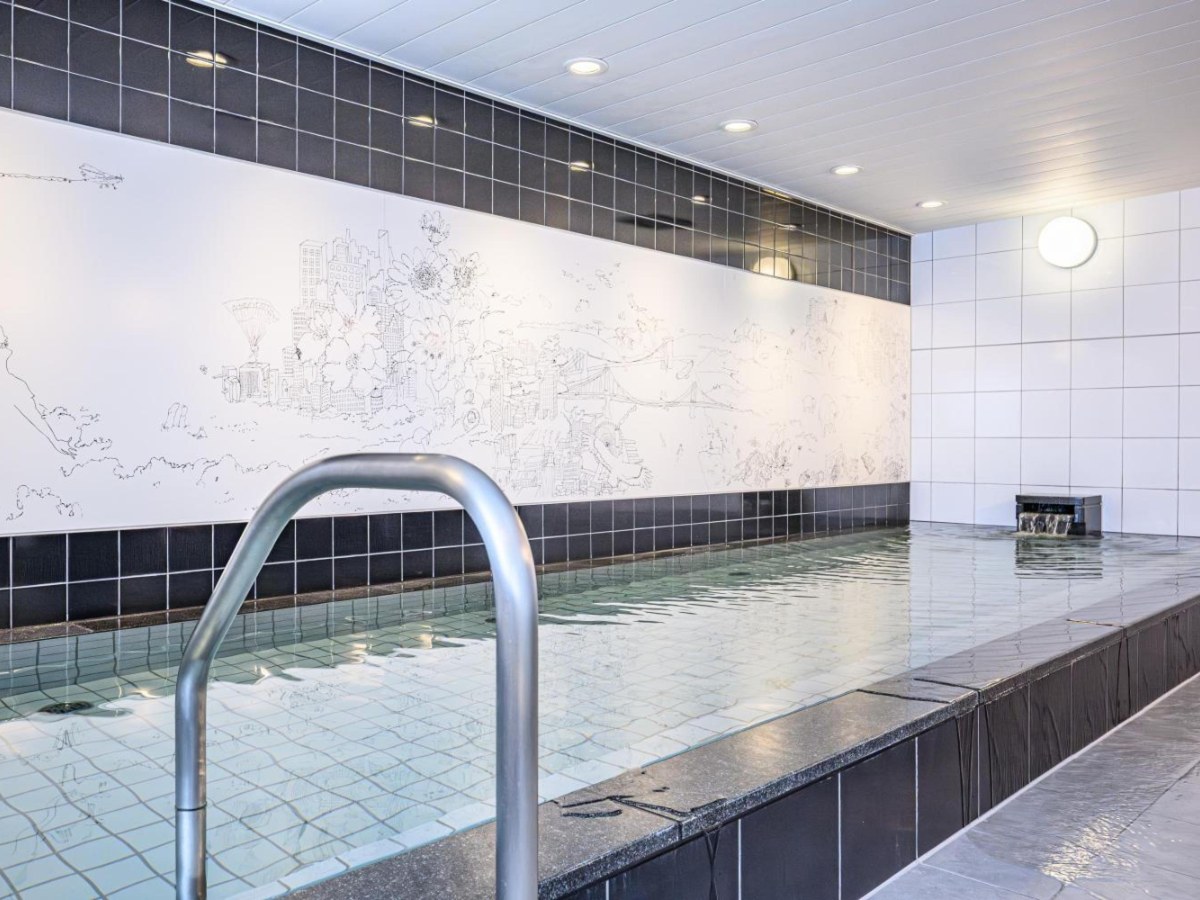
7. The Royal Park Canvas Nagoya
Rating: ⭐⭐⭐⭐
Location: 10-minute walk to Nagoya Station
Guest Reviews: Third-floor public bath, hitsumabushi roll, Ogura French toast, kishimen, miso dote stew, hand-drip coffee, coin laundry
Best Room: Suite – Non-Smoking
Good to Know: Bring your room’s towels to the bath; room wear and slippers are fine there.
From USD $85 – $215 per night
Natural Hot Spring or Heated Tap Water? Nagoya Hotel Baths
A big bath and an onsen aren’t the same thing. Here’s what the city’s hotel baths actually use.
- Own Spring on the Grounds: Nagoya Crown Hotel in Fushimi draws its own spring, drilled on the hotel grounds. It’s heated and free-flowing, with one indoor bath each for men and women.
- Trucked-In Spring Water: At Dormy Inn Premium Nagoya Sakae, only the indoor bath uses spring water, and it arrives by truck rather than from the hotel’s own source. A spring name on the sign doesn’t promise an on-site spring.
- Artificial Spring: Sanco Inn Grande Nagoya -HOTEL & SPA- runs its bath water over Komyoseki mineral stone. The water doesn’t come from underground: it’s an artificial spring.
- Plain Heated Water: The baths at Mitsui Garden Hotel Nagoya Premier, Nishitetsu Hotel Croom Nagoya, Vessel Hotel Campana Nagoya, hotel androoms Nagoya Sakae and The Royal Park Canvas Nagoya use regular heated water. They’re made for a long soak, not for spring minerals.
Want spring water on a budget? Book a big-bath hotel near the station and spend an afternoon at a day-use spa.
How to Read the Onsen Sign by the Bath
The posted analysis sheet tells you more than any booking page.
- What Counts as Onsen: Under Japan’s Hot Springs Act, water is onsen if it’s at least 25°C at the source or carries enough of certain listed substances. Water with added minerals or bath salts doesn’t qualify.
- Re-Tested Every 10 Years: The analysis comes from a registered lab and is repeated every 10 years. The posting sits in the changing room or on a wall facing the bath.
- Heated, Topped Up or Recirculated? Heating, added water, recirculation and disinfection are declared only when they’re used, with the reason. A blank field means none of them.
- Kakenagashi: Kakenagashi means the water flows through the bath and out instead of being filtered and pumped back in. It’s the label to look for if you want water straight from the spring.
Before you strip off, read the sheet. Thirty seconds tells you what you’re bathing in.
Nagoya Station, Fushimi, Sakae or Nagoya Castle: Where to Stay
Central Nagoya runs east from the station to Sakae, with the castle to the north.
- Nagoya Station: Meitetsu’s station sits in the basement below JR Nagoya Station, and trains to the airport start there. It’s the base for early trains and day trips.
- Fushimi: Fushimi sits between Nagoya Station and Sakae on the Higashiyama and Tsurumai subway lines. It’s one subway stop from Sakae.
- Why Sakae? Sakae is Nagoya’s downtown, about 2 kilometres east of the station. The Higashiyama and Meijo subway lines cross there.
- Around Nagoya Castle: The rebuilt Honmaru Palace is the main sight in the north of the centre. Nagoyajo Station on the Meijo Line is a 3-minute walk from the castle’s east gate.
One night with a train to catch? I’d sleep by the station. Two nights for eating out? Sakae.
Day-Use Hot Springs Near Central Nagoya
No spring in your hotel? These spas sell a soak to non-guests.
- Urban Quar Spa & Living: This spa draws a simple spring from 800 metres underground. It’s a 5 to 7 minute walk from Higashi Betsuin Station on the Meijo Line.
- Two Waters, One Address: Sanno Onsen Kitanoyu, an artificial spring, and Miya no Yu, a natural one, share an address near Meitetsu Sanno Station. Try both and feel the difference.
- Canal Resort: Canal Resort fills its baths with sodium chloride spring water. The open-air bath has its own waterfall.
Staying in Sakae or Fushimi? Urban Quar is a short subway ride away.
Saunas and Cold Plunges in Nagoya
Nagoya’s sauna scene sits in its spas as much as its hotels.
- Finnish Sauna at Urban Quar: Urban Quar has two saunas, one of them Finnish, among its baths. Go after a day of sightseeing.
- Salt Sauna at Canal Resort: Canal Resort runs a Finnish sauna and a salt sauna next to its spring baths. Plan a half-day there.
- Hotel Sauna in Sakae: Dormy Inn Premium Nagoya Sakae adds a sauna to its spring bath. It sits right beside the bath, on the same floor.
Sauna fans can do Urban Quar in an evening and Canal Resort on a free half-day.
Onsen Day Trips From Nagoya: Gero, Nagashima and Yunoyama
For a real hot spring town, take a day out of the city.
- Gero Onsen: Gero is one of Japan’s three famous springs, with Kusatsu and Arima, and its alkaline simple spring rises at 84°C. The town has three public bathhouses and foot baths along the river.
- Nagashima: Yuami no Shima at Nagashima has 17 kinds of indoor and open-air baths. Buses leave from the Meitetsu Bus Center at Nagoya Station.
- Yunoyama Onsen: This old spring town in the Mie hills is nicknamed Shika-no-yu, the deer’s bath. Reach it by bus from the Meitetsu Bus Center, or by the Kintetsu Yunoyama Line and a short bus.
One free day? I’d pick Gero for the town, or Nagashima for the biggest bath. Staying longer, compare onsen hotels across Japan.
FAQs
1. Are Nagoya hotel public baths separate for men and women?
Yes. Nagoya Crown Hotel keeps separate men’s and women’s indoor baths, Mitsui Garden Hotel Nagoya Premier splits its 18th-floor bath into two sides, and Nishitetsu Hotel Croom Nagoya does the same on its rooftop. Check the curtain colour and the kanji 男 for men and 女 for women before walking in.
2. What should you do before getting into a hotel bath?
Wash first, sitting at the shower stools, and rinse off all the soap. Keep the small towel out of the water: rest it on your head or the edge of the bath. Tie up long hair so it stays out of the water. Leave your phone and camera in the changing room, out of everyone’s way.
3. How far is Sakae from Nagoya Station?
About 2 kilometres east. The subway gets you there in about 5 minutes, on the Higashiyama Line to Sakae or the Sakura-dori Line to Hisaya-odori. Walking takes 20 to 30 minutes along the main avenues. Fushimi sits in between, one stop before Sakae on the Higashiyama Line. Hotels there suit evenings out; the station suits early trains.
4. How do you get from Nagoya Station to Nagoya Castle?
Take the subway: about 10 minutes with a change at Hisaya-odori onto the Meijo Line. Get off at Nagoyajo Station and walk to the east gate. From Sakae, the Meijo Line runs straight there without a change. Hotels by the castle save the trip every morning, which matters if you want the grounds before the tour groups.
5. How do you get from Chubu Centrair Airport to Nagoya Station?
Ride the Meitetsu train. The μSKY limited express is fastest, at about 28 to 30 minutes, and needs a reserved seat ticket on top of the fare. Express and local trains take about 45 minutes. All arrive at Meitetsu Nagoya, directly below JR Nagoya Station, where you change to the subway for Fushimi and Sakae.
6. What is a carbonated spring bath?
It’s spring water that carries dissolved carbon dioxide. Japan’s Hot Springs Act counts water with at least 250 mg of free carbon dioxide per kilogram as a spring, whatever its temperature. Tenku Spa Hills Ryusenji no Yu in Moriyama has an open-air carbonated bath among its 15 or so baths. Ask whether a hotel’s carbonated bath uses spring water or added gas before you count it as an onsen.
7. Do Nagoya hotel baths supply towels?
Not always, so check before you head down. Mitsui Garden Hotel Nagoya Premier stocks shampoo, conditioner, body soap and hair dryers at its bath, but no towels, so carry your room’s set with you. Nagoya Crown Hotel asks guests to do the same. The small towel is for washing and resting on your head, never for dipping in the water.