
First onsen trip? Book Hakone. It’s under 90 minutes from Tokyo by train, and the outdoor baths look straight at Mt Fuji. Shy about bathing naked with strangers, or have a tattoo? Pay for a room with its own private onsen and skip the communal bath. Here’s how the regions and hotel types compare.
Quick answer: Pick by the trip you’re planning:
- First onsen trip: Best onsen ryokans near Hakone
- Couples: Kyoto ryokans with private onsen
- Families: Kyoto family hotels
- Onsen town: Kusatsu onsen hotels
- City break: Tokyo private onsens
Table of Contents
What Is an Onsen Hotel?
An onsen hotel is any hotel or inn built around access to natural geothermal hot spring water: the key word is natural. What separates a real onsen from a regular hotel bath or jacuzzi is the mineral content of the water, which varies by region and is what gives each onsen its distinct colour, smell, and therapeutic properties.
Most onsen hotels offer one of two setups. The first is a communal bath: separate baths for men and women, many with both indoor and outdoor pools. The second is a private in-room onsen, where geothermal water is piped directly to a bath on your balcony or inside your room. Private onsens cost more but suit couples, families with young children, or anyone uncomfortable with communal bathing.
The other distinction worth knowing is between a ryokan and a western-style onsen hotel. A ryokan is a traditional Japanese inn: tatami floors, futon bedding, yukata robes, and multi-course kaiseki meals included in the rate. A western-style onsen hotel has standard beds and room service, with onsen access through communal baths. Book the ryokan for the full ritual, the hotel if you want a bed and room service.
Types of Onsen Hotel: Which Is Right for You?
Onsen hotels come in three kinds. Know which one you’re booking before you pick a town.
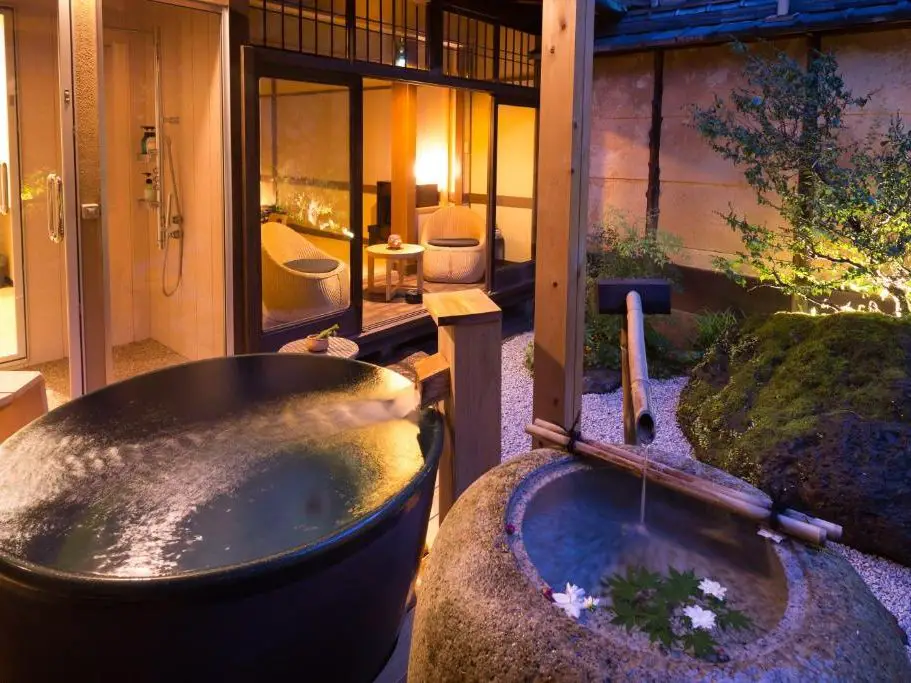
Private In-Room Onsen
Geothermal water piped straight to a bath in your room or on your private balcony. No shared facilities, no set bathing times: you soak when you want. The premium pick for couples and anyone who wants the onsen without communal bathing. Expect to pay well above a standard room at the same hotel.
Best for: Couples, first-timers, privacy
Top destinations: Kyoto, Hakone, Arima
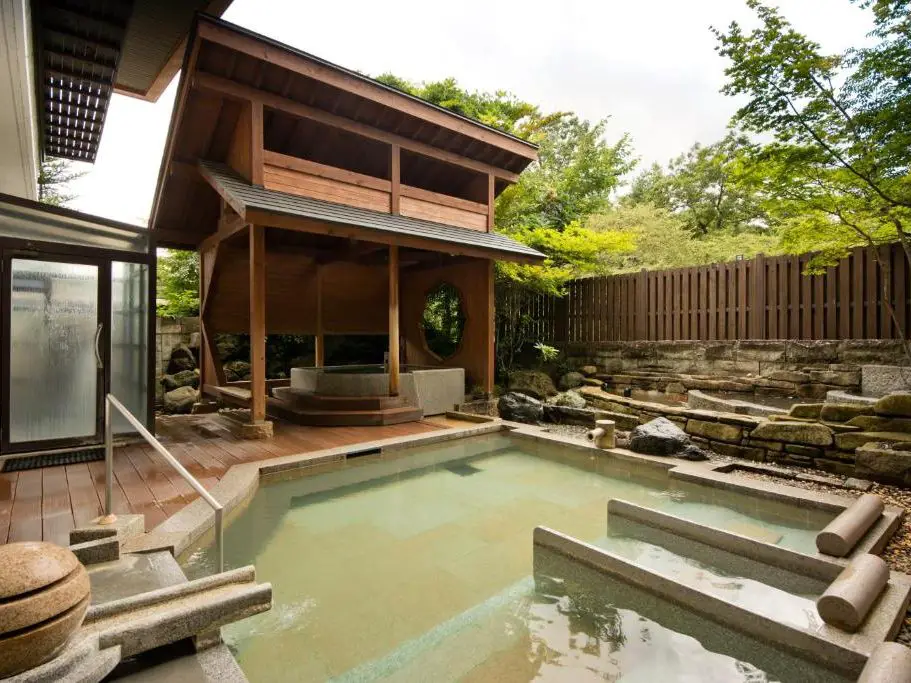
Communal Rotenburo
The classic onsen: large outdoor pools fed by natural hot spring water, surrounded by forest, mountain or coastline, with separate baths for men and women. This is what most onsen towns are built around, and what most travellers picture as a Japanese hot spring.
Best for: Solo travellers, cultural immersion, onsen enthusiasts
Top destinations: Kusatsu, Beppu, Hakone
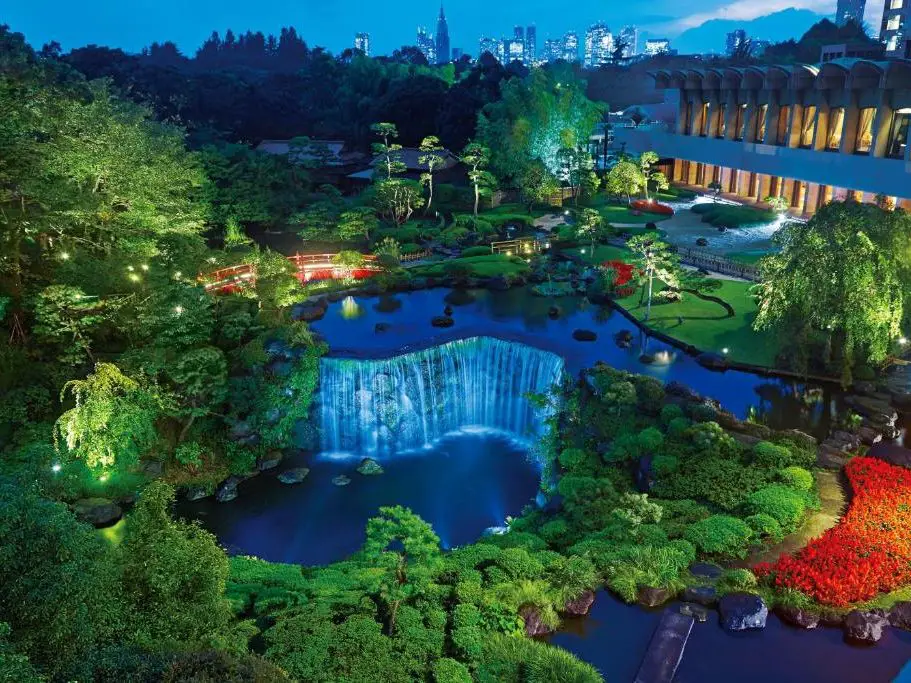
City Onsen Hotel
A full onsen without leaving a major city. These hotels pipe geothermal water to on-site baths, communal and sometimes private in-room, in the middle of Tokyo, Osaka or Fukuoka. The surroundings are urban rather than scenic, but the water is the real thing.
Best for: Short city stays, travellers combining onsen with sightseeing
Top destinations: Tokyo, Osaka, Fukuoka
Best Onsen Regions in Japan
Each onsen town has its own water, its own setting and its own crowd.
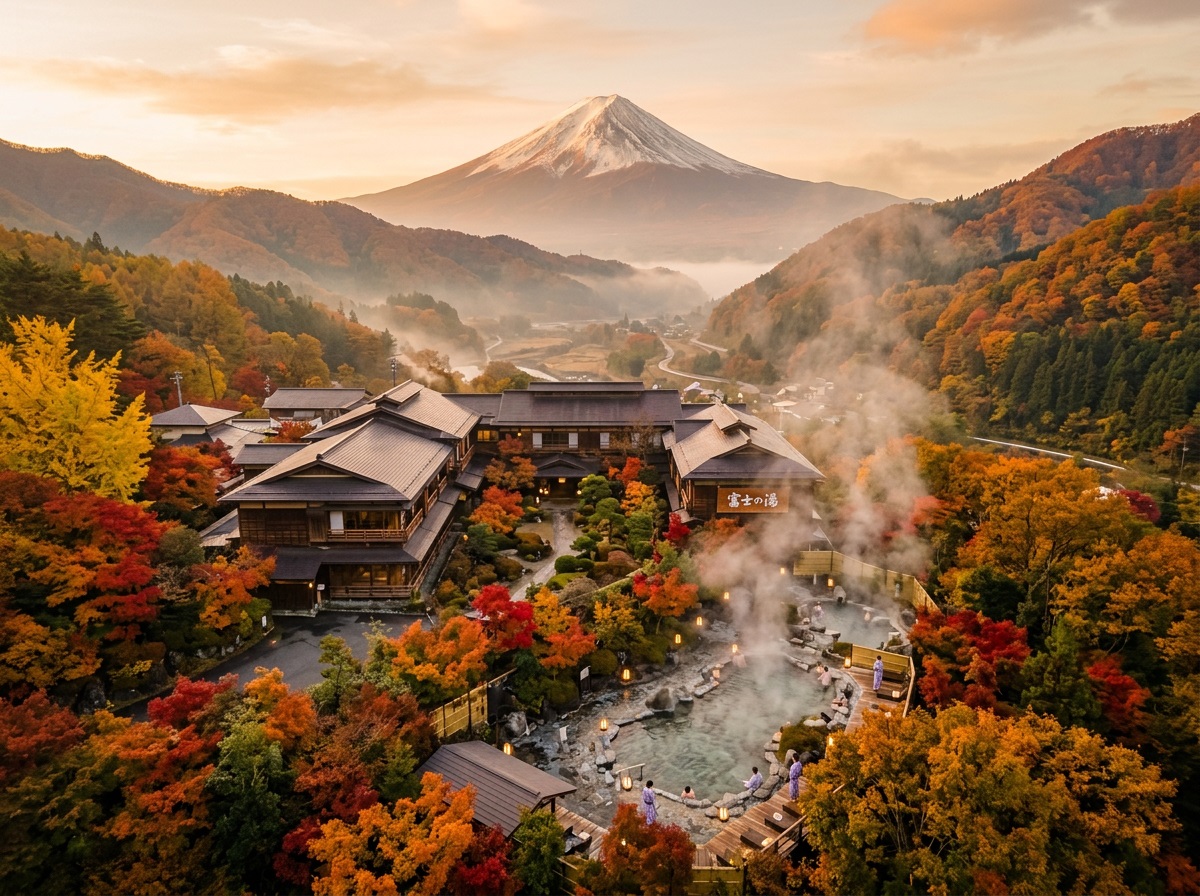
Hakone
The easiest onsen trip from Tokyo: under 90 minutes by train. The draw is Mt Fuji views from outdoor rotenburo, a mix of luxury ryokans and western-style hotels, and an easy day trip from the capital.
Best for: First-timers and couples
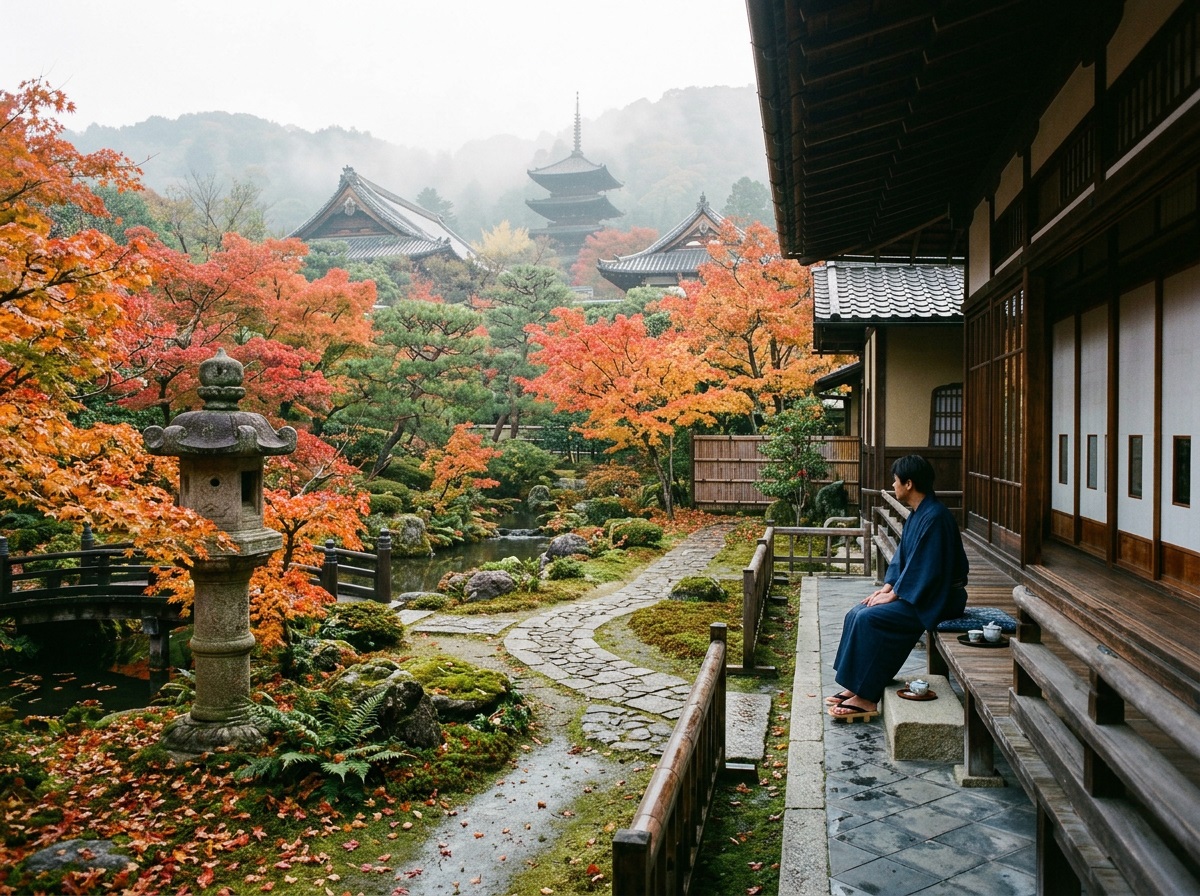
Kyoto
Private in-room onsens in traditional ryokans, set against Kyoto’s temples and bamboo groves. A gentle first step into ryokan culture.
Best for: Couples and first-time Japan visitors
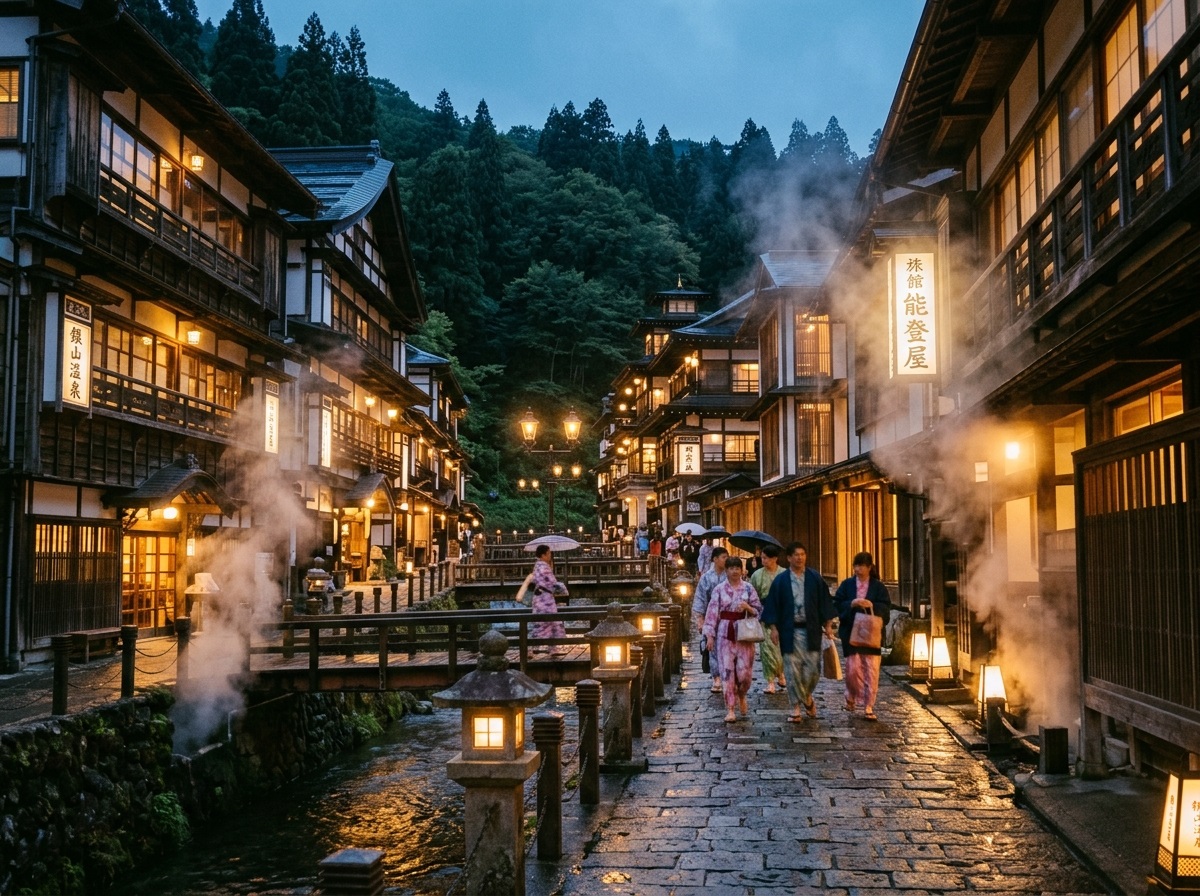
Arima Onsen
One of Japan’s oldest hot spring towns, under an hour by direct bus from Osaka and 20 to 40 minutes from Kobe. Known for two spring types: gold (iron-rich, rust-coloured) and silver (clear, carbonated). Compact and walkable.
Best for: A real onsen town on a short trip
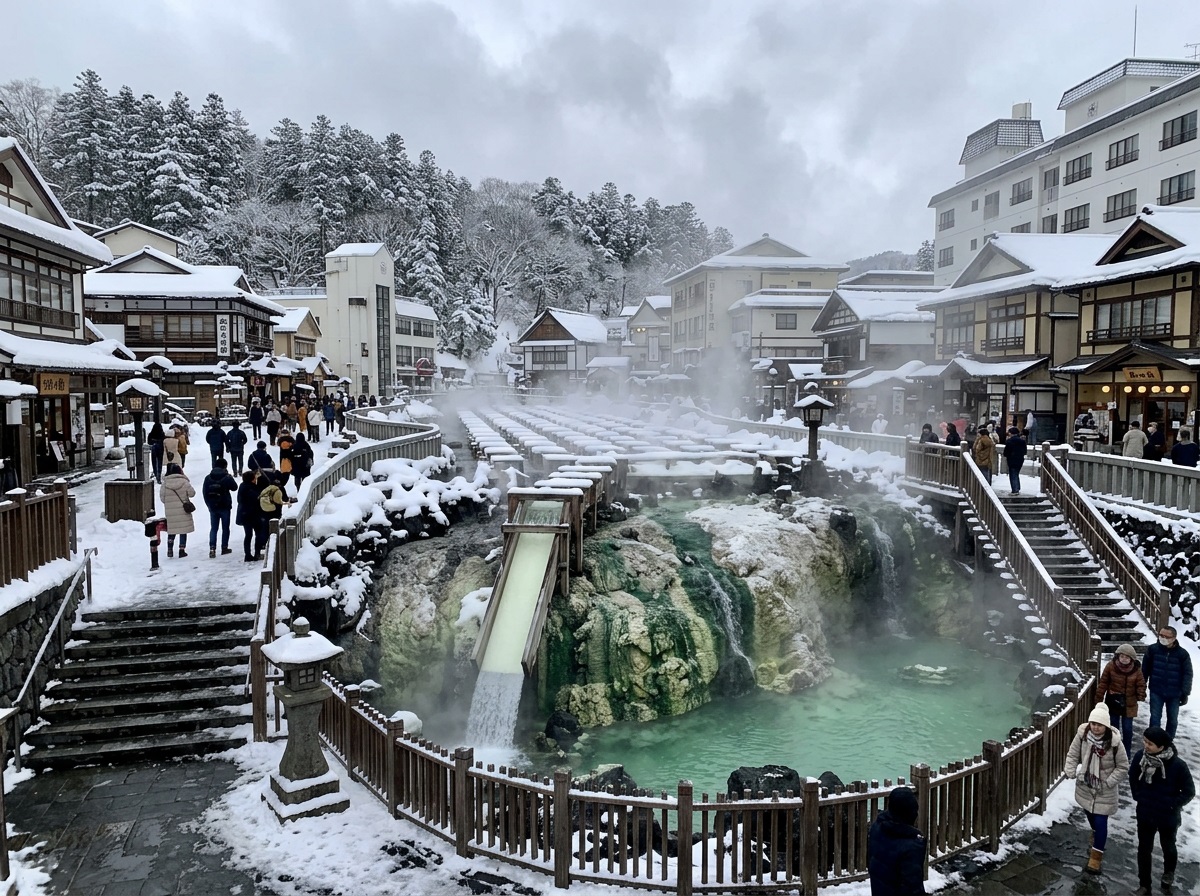
Kusatsu
A high-altitude mountain town with some of the strongest mineral water in Japan, known for the yumomi ceremony: a traditional way of cooling the water by hand. Quieter and more traditional than Hakone.
Best for: Return visitors and serious onsen enthusiasts
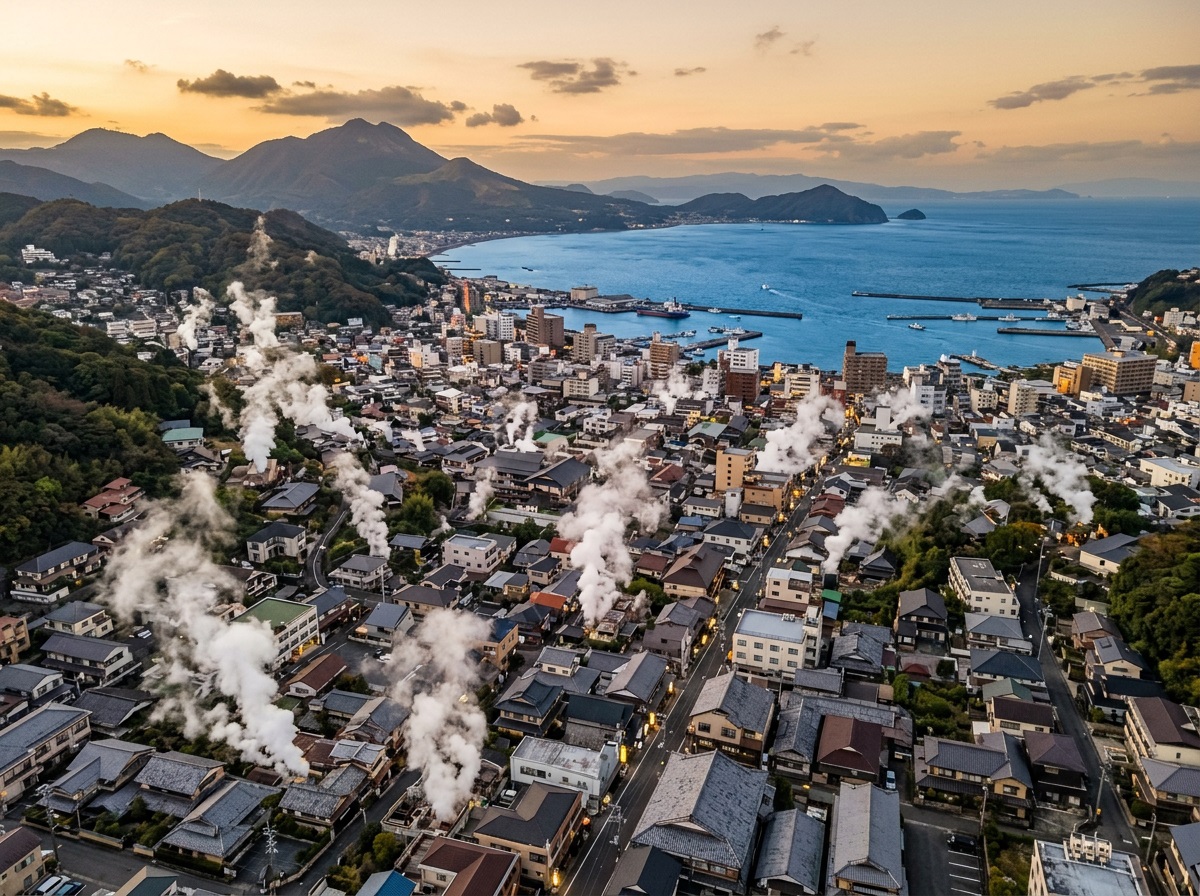
Beppu
Japan’s biggest hot spring city by volume, with eight spring areas and the famous jigoku (boiling hell) steam vents. A wide range of hotels and price points.
Best for: Exploring onsen culture over several days
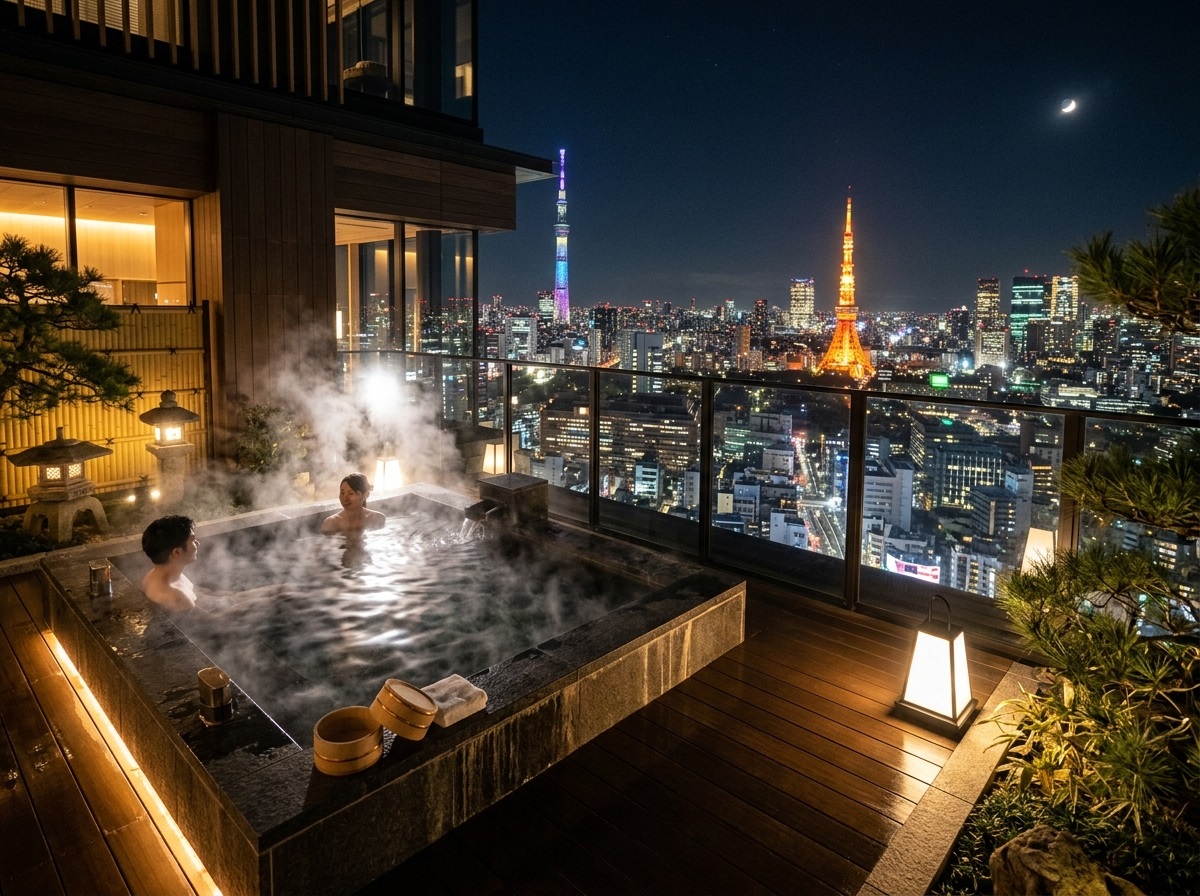
Tokyo
Geothermal water in the middle of the city, piped to private in-room baths or to on-site communal baths. No scenic surroundings, but easy to fit around a Tokyo itinerary.
Best for: City stays with onsen access
→ Tokyo hotels with soaking tubs
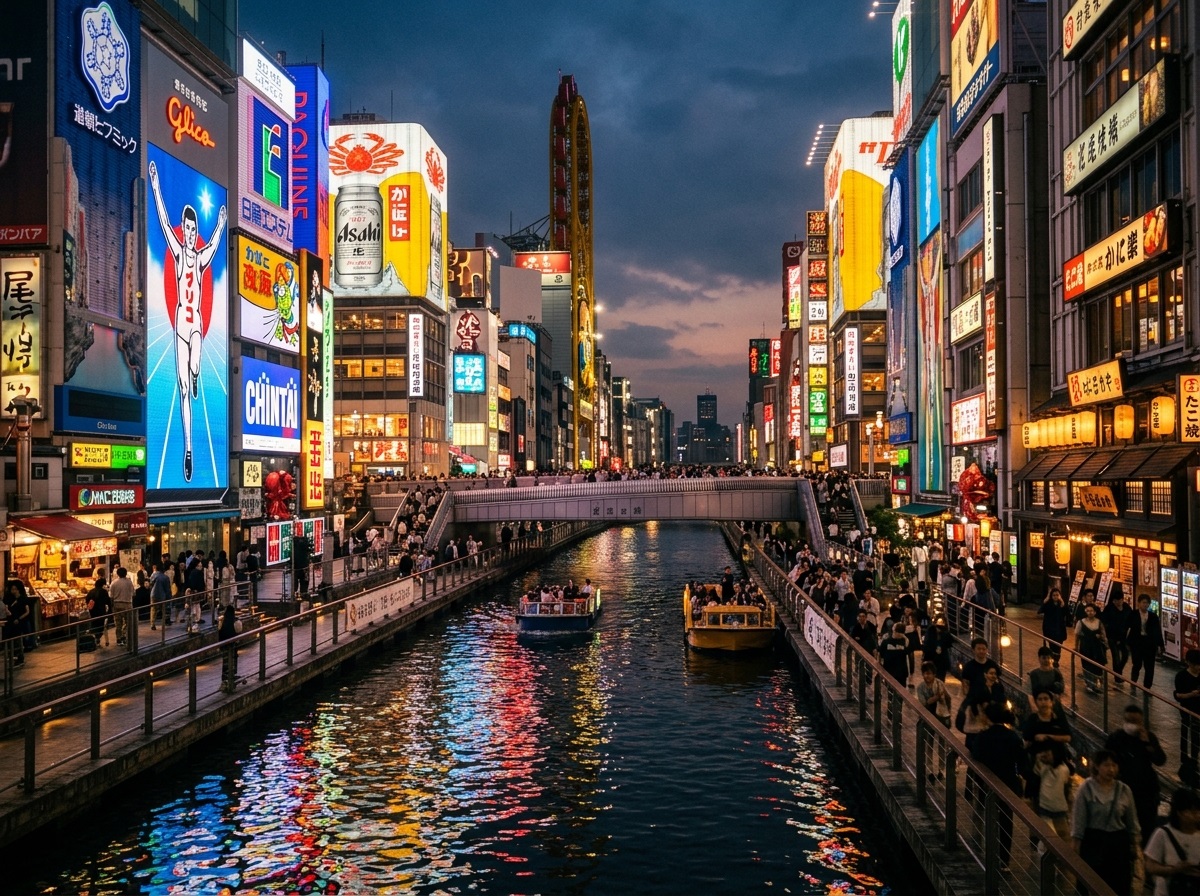
Osaka
City onsen hotels with easy access to Arima, which makes Osaka a natural base for city sightseeing plus a dedicated onsen night. Arima is under an hour by direct bus.
Best for: Combining city and onsen in one trip
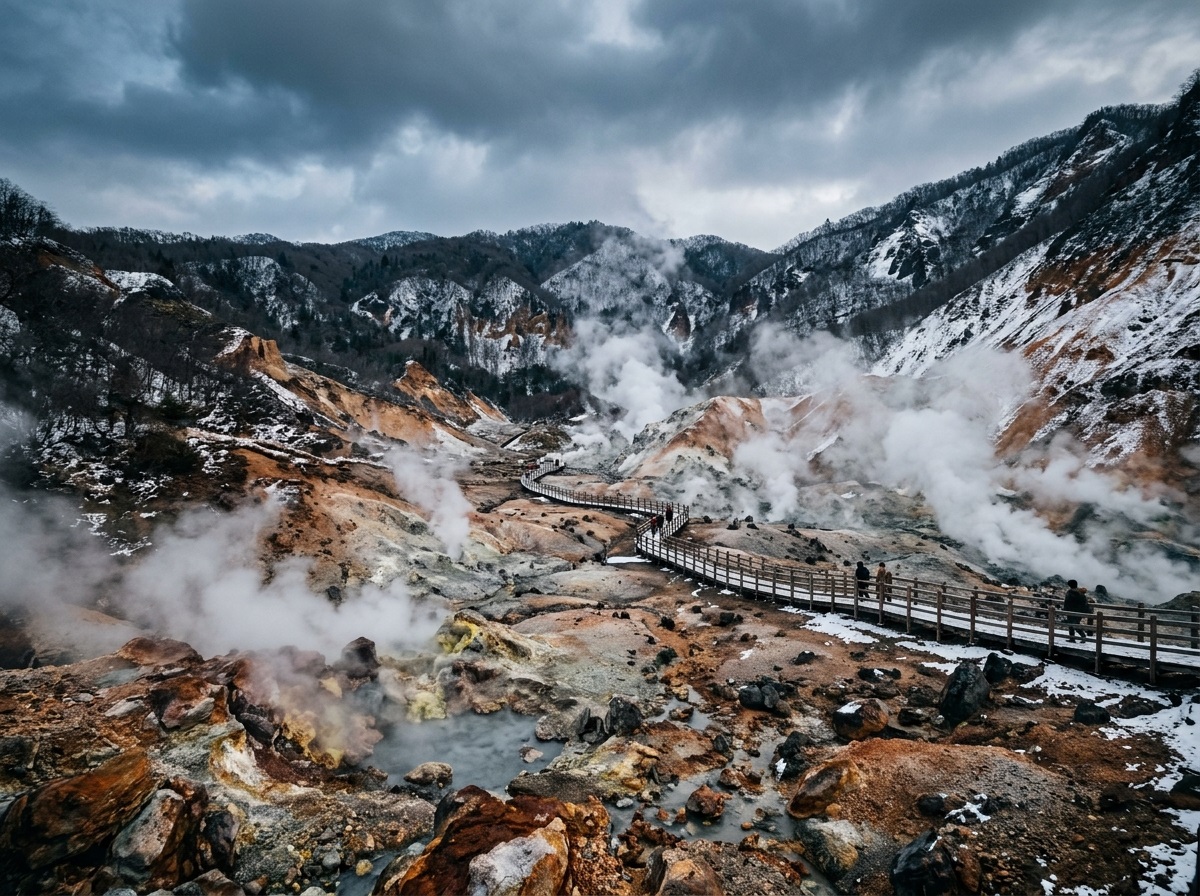
Noboribetsu
A volcanic-valley onsen town about 90 minutes from Sapporo by train and bus. The springs come in several water types (sulphur, salt, iron and more), each with different mineral properties.
Best for: Return visitors, winter onsen in the snow, serious onsen enthusiasts
Not sure where to start? Hakone for first-timers, Kyoto for couples, Kusatsu for authenticity, Arima for an onsen town without the crowds, Beppu for variety, Noboribetsu for winter.
Onsen Hotels by Traveller Type
Not sure which destination suits you? Start here.
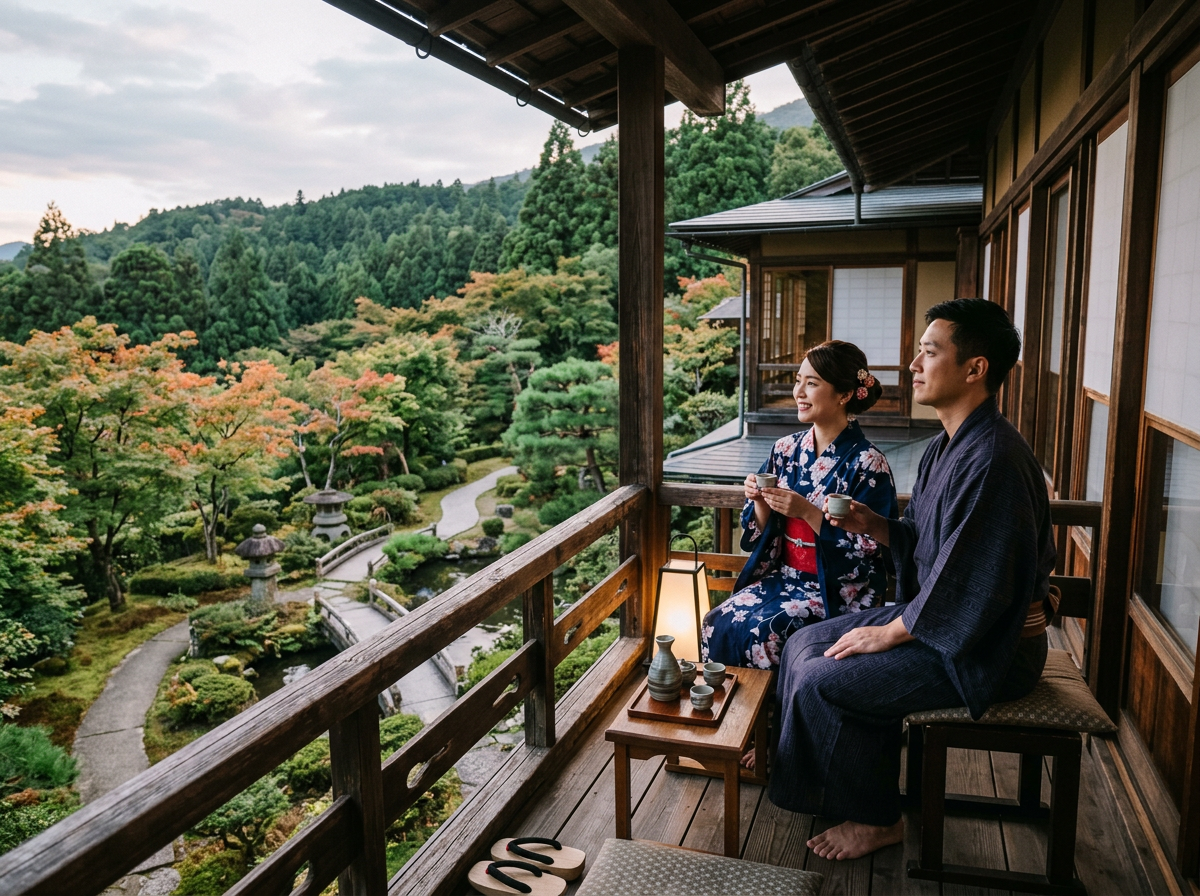
Couples
Private in-room onsens, kaiseki dinners for two and ryokans built for privacy. Kyoto is the best base: traditional surroundings, deep ryokan stock, and temples and gardens on the doorstep during the day.
Best destinations: Kyoto, Hakone, Arima
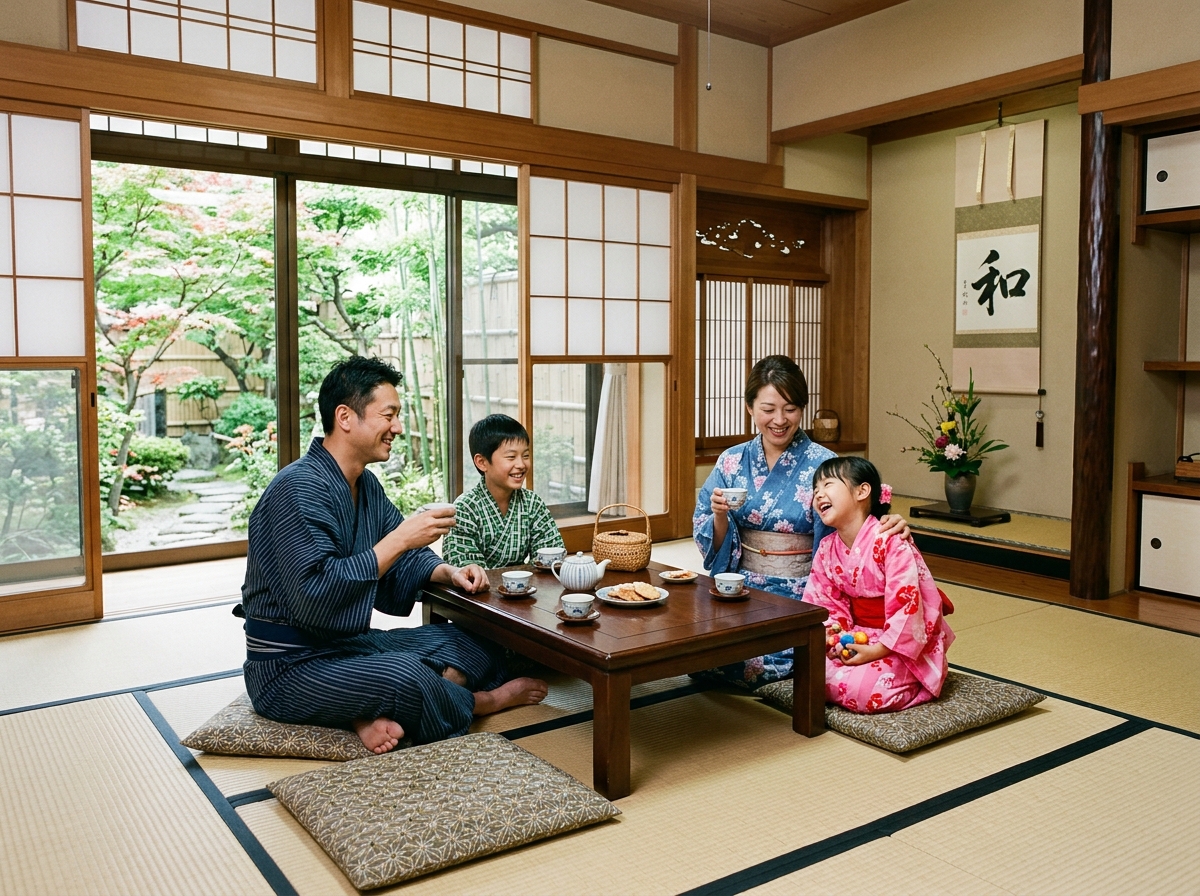
Families
Look for ryokans with large suites, private onsens (no communal bathing with children) and included meals. Kyoto has the strongest family ryokan stock, close to the cultural sights.
Best destinations: Kyoto, Hakone
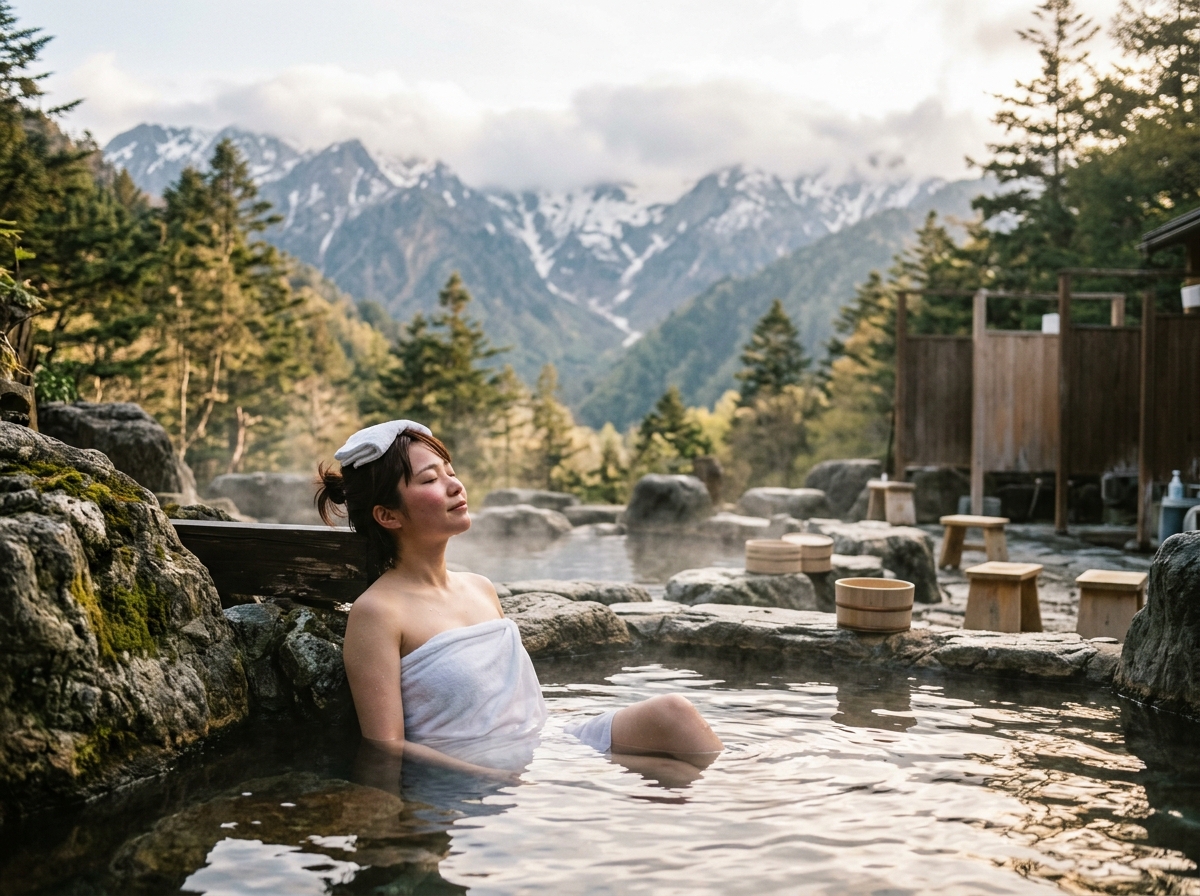
Solo Travellers
Communal rotenburo is the natural fit: the social, meditative side of onsen culture. Kusatsu and Noboribetsu both have strong communal bath traditions and welcome solo guests without the couples pricing of private ryokans.
Best destinations: Kusatsu, Noboribetsu, Beppu
Top Onsen Hotel Picks
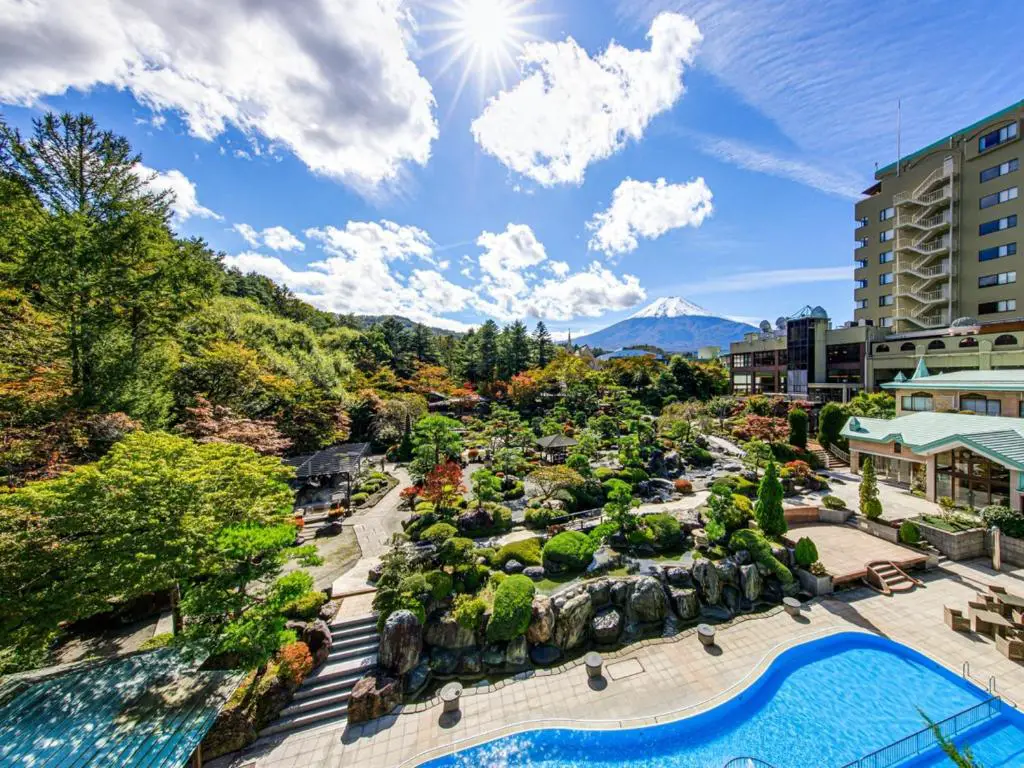
Luxury Rotenburo with Mt Fuji Views
1. Kaneyamaen
Rating: ⭐⭐⭐⭐⭐
Location: Fujiyoshida, Fuji Five Lakes
Why: Private open-air hot spring baths in select rooms, Mt Fuji directly in view, traditional ryokan setting
→ See onsen ryokans with Mt Fuji views
From USD $515 – $555 per night
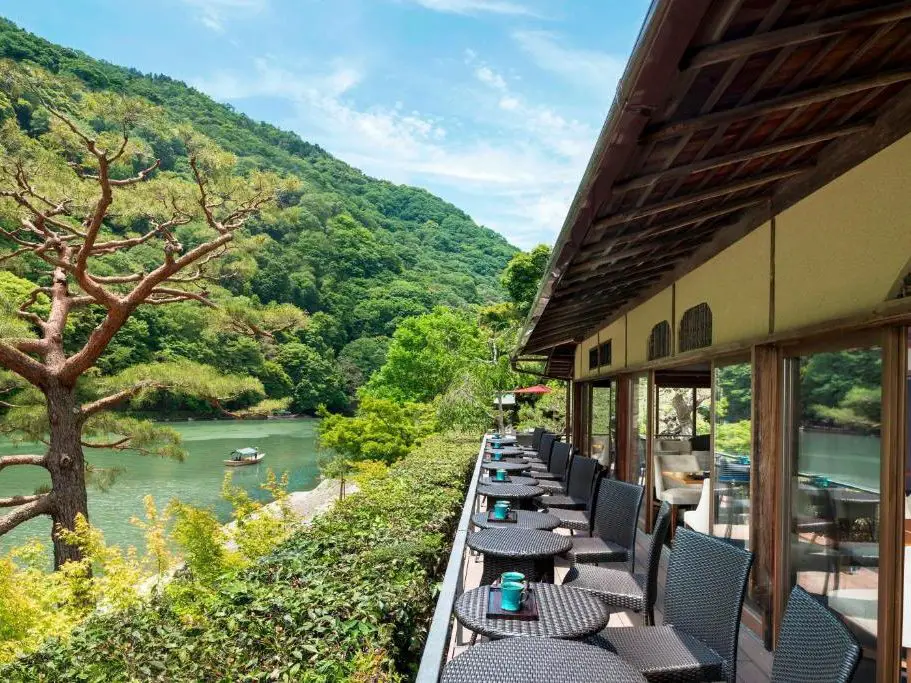
Couples, Private Onsen in Kyoto
2. Suiran, a Luxury Collection Hotel, Kyoto
Rating: ⭐⭐⭐⭐⭐
Location: Arashiyama, Kyoto
Why: Riverfront setting, Japanese garden, private in-room onsen in king suites, French-inspired kaiseki dining
→ See Kyoto ryokans with private onsen
From USD $695 – $2,390 per night
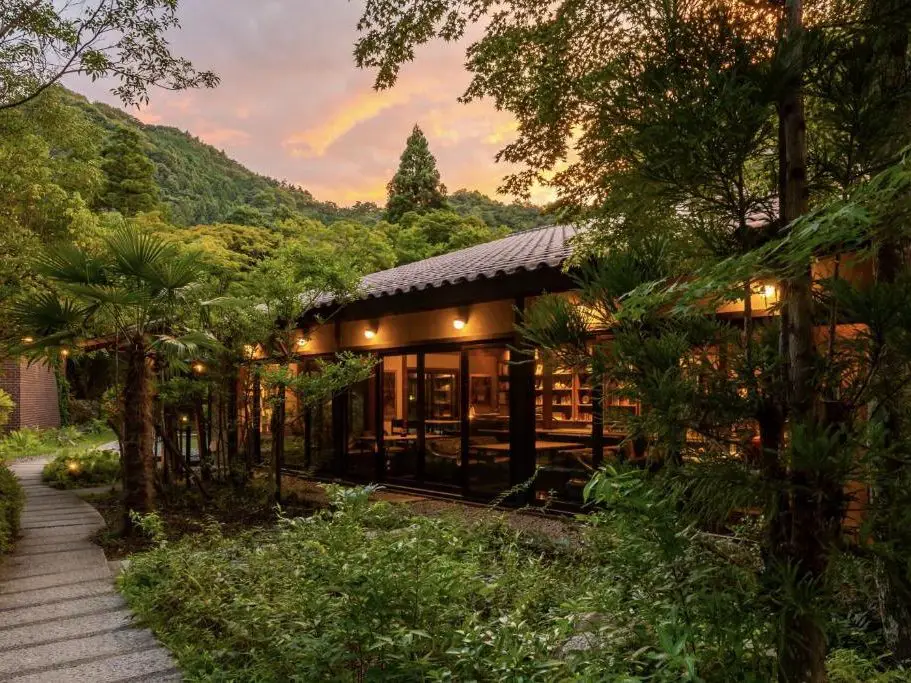
Treehouse Onsen Tub in Arima
3. Arimasansoh Goshobessho
Rating: ⭐⭐⭐⭐⭐
Location: Arima Onsen, Kobe
Why: Treehouse onsen tub, in-room kinsen (gold spring) bath, private kaiseki dining, wooded villa seclusion
→ See Arima onsen ryokans
From USD $780 – $1,025 per night
What to Expect at a Japanese Onsen Hotel
A few things worth knowing before you arrive.
- Tattoo policy: Many traditional ryokans and public bath facilities prohibit tattoos in communal areas. If you have visible tattoos, book a room with a private in-room onsen to avoid any issues.
- What to bring: Most ryokans provide a yukata (cotton robe), small towel, and toiletries. You wash thoroughly at the shower station before entering the bath: this is mandatory, not optional.
- Communal bathing: Traditional onsens are gender-separated and swimwear-free. Private in-room onsens have no such rules. If communal bathing is a concern, filter specifically for private onsen rooms when booking.
- Ryokan meals: Most ryokans include breakfast and dinner (kaiseki, a multi-course Japanese meal) in the room rate. Confirm this at booking as it significantly affects the overall cost.
- When to go: Onsens are open year-round, but winter is the best season: soaking in hot mineral water while snow falls around you is hard to beat. Book at least 2–3 months ahead for peak winter dates.
FAQs
1. What is the difference between an onsen and a sentō?
An onsen uses natural geothermal hot spring water with measurable mineral content. A sentō is a public bathhouse that uses heated tap water. Both are communal bathing facilities, but only an onsen has the therapeutic mineral properties Japan’s hot springs are known for.
2. What is a rotenburo?
A rotenburo is an outdoor hot spring bath surrounded by forest, mountain or coastline. It’s the most iconic onsen in Japan and what most travellers picture as a traditional Japanese hot spring. Most ryokans with outdoor facilities have at least one rotenburo.
3. What should I wear in an onsen?
Nothing: traditional onsens are swimwear-free. You wash thoroughly at a shower station before entering, then bathe without clothing. Communal facilities are gender-separated. If this is a concern, book a private in-room onsen where no such rules apply.
4. How long should you stay in an onsen?
10–15 minutes per session is the standard recommendation. The mineral content and heat of the water can cause light-headedness if you stay in too long, particularly on your first visit. Drink water before and after, and take breaks between sessions if using multiple baths.
5. Is onsen water safe during pregnancy?
Most ryokans advise against onsen bathing during pregnancy because of the high water temperature and mineral content. Ask your doctor first, then ask the hotel before you book: a private in-room bath lets you run the water cooler.
6. What is the difference between a ryokan and a regular hotel?
A ryokan is a traditional Japanese inn built around hospitality rituals: tatami floors, futon bedding, yukata robes, and multi-course kaiseki meals included in the rate. A western-style onsen hotel has standard beds and room service but adds onsen access. Ryokans are more immersive; western-style hotels are more familiar.
7. Are onsen hotels suitable for families with children?
Yes, with the right hotel. Look for ryokans with private onsens and large suite rooms that can accommodate families. Some communal facilities have minimum age requirements, so confirm before booking if you’re travelling with young children.
8. What is the best onsen destination for a first visit to Japan?
Hakone. It’s under 90 minutes from Tokyo, has ryokans and hotels at every price point, and the Mt Fuji views from outdoor rotenburo are difficult to match anywhere else in the country.
9. Can I visit an onsen hotel for the day without staying overnight?
Yes, many ryokans sell day-use onsen passes covering 1 to 3 hours in the bathing facilities with optional meal add-ons. Availability is limited and advance booking is essential, particularly at popular ryokans in Hakone and Kyoto.