
Fukuoka has more natural onsen hotels than most visitors expect, but the quality gap between them is real — a handful pump genuine mineral water from deep underground, while others transport it in from elsewhere in Kyushu. Both give you the hot spring experience, but knowing which is which helps you pick the right base. Whether you want to soak after a day of ramen-crawling in Hakata or escape the city entirely for a riverside ryokan, these hotels cover the full range.
Quick answer: Book Miyako Hotel Hakata. It connects underground to Hakata Station and has a rooftop pool and onsen.
Table of Contents
Fukuoka Onsen Hotels
Most Luxurious
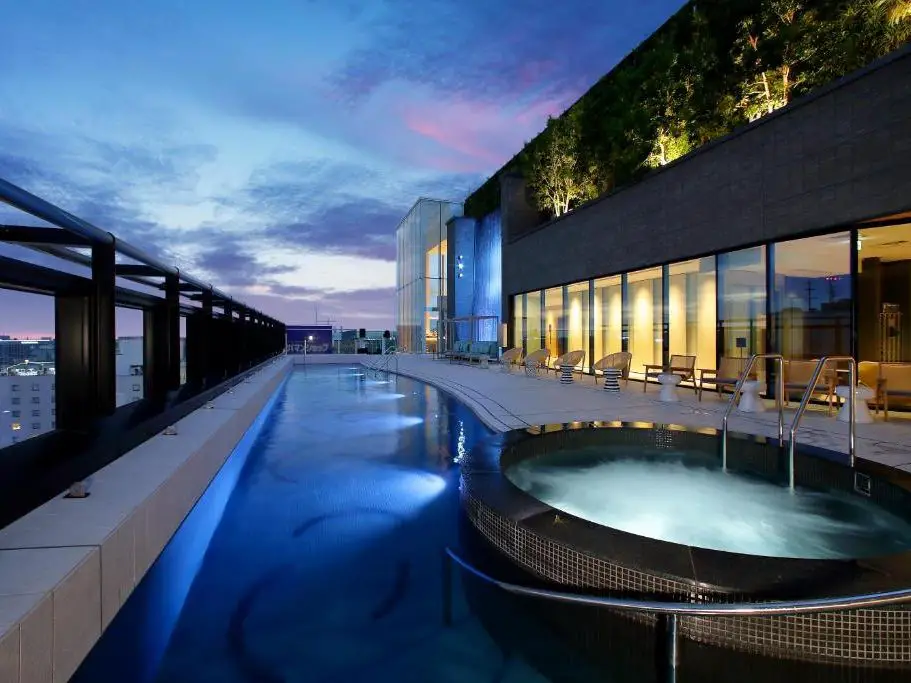
1. Miyako Hotel Hakata
Rating: ⭐⭐⭐⭐⭐
Location: Direct underground connection to Hakata Station
Highlights: Spacious modern rooms, rooftop pool and onsen, seamless station access, English-speaking staff
Best Room: Premium Luxury Room
From USD $150 – $280 per night
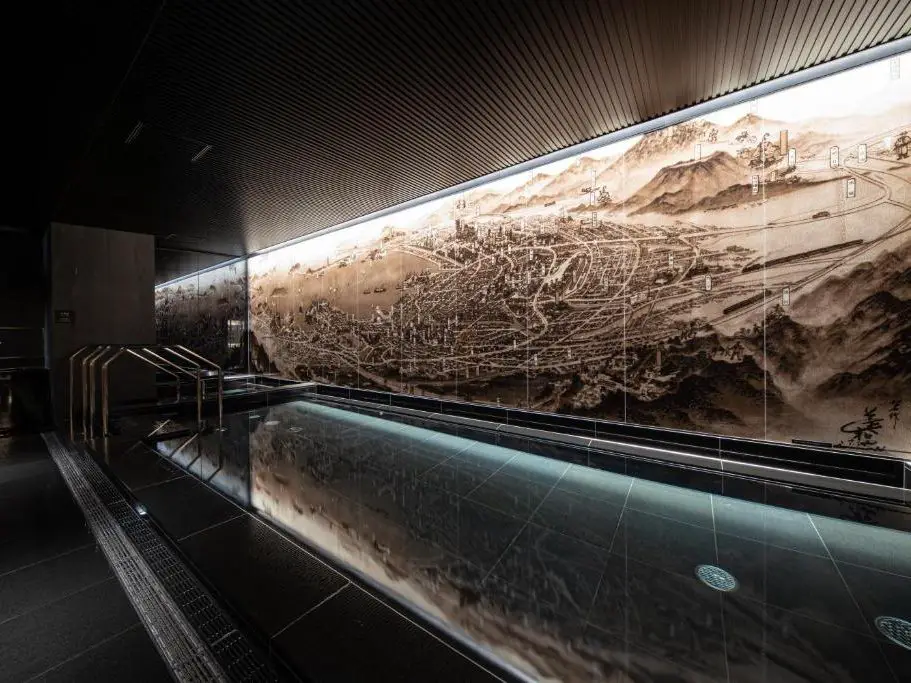
2. The Blossom Hakata Premier
Rating: ⭐⭐⭐⭐
Location: 7-minute walk to Hakata Station, steps from Canal City Hakata
Highlights: Beautifully designed public bath, spacious rooms for Japan, excellent breakfast, helpful staff
Best Room: HAKATA Suite Twin Room
From USD $155 – $310 per night
Best Location
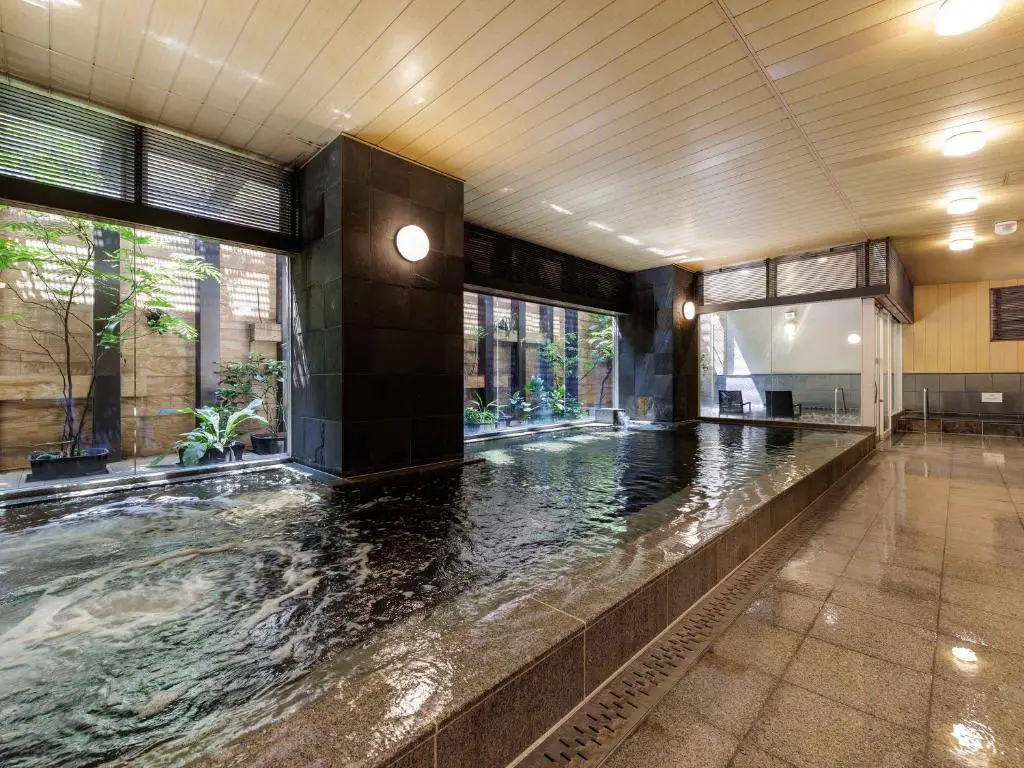
3. Nishitetsu Hotel Croom Hakata
Rating: ⭐⭐⭐⭐
Location: 5-minute walk to Hakata Station, Lawson convenience store on ground floor
Highlights: Spacious mineral onsen with cold plunge and sauna, L’OCCITANE toiletries, clean rooms, smooth tablet check-in
Best Room: Comfort Business Room
From USD $85 – $150 per night
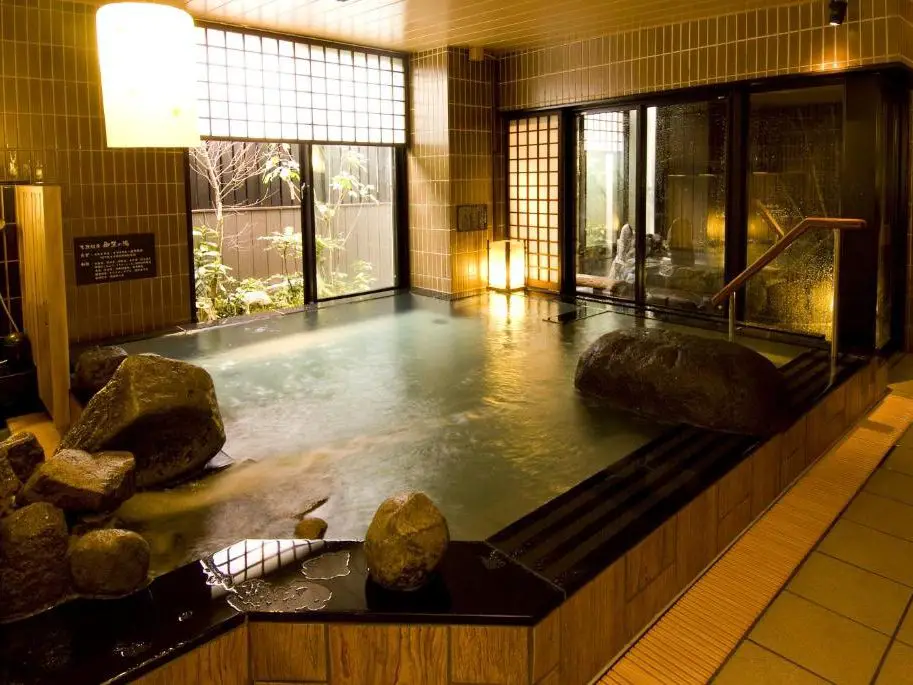
4. Dormy Inn Hakata Gion Natural Hot Spring
Rating: ⭐⭐⭐
Location: 1-minute walk to Gion Subway Station, 10-minute walk to Hakata Station
Highlights: Natural hot spring with outdoor air bath, cold plunge and sauna, free late-night ramen, complimentary ice bars post-soak
Best Room: Twin Room
From USD $100 – $190 per night
Best Value
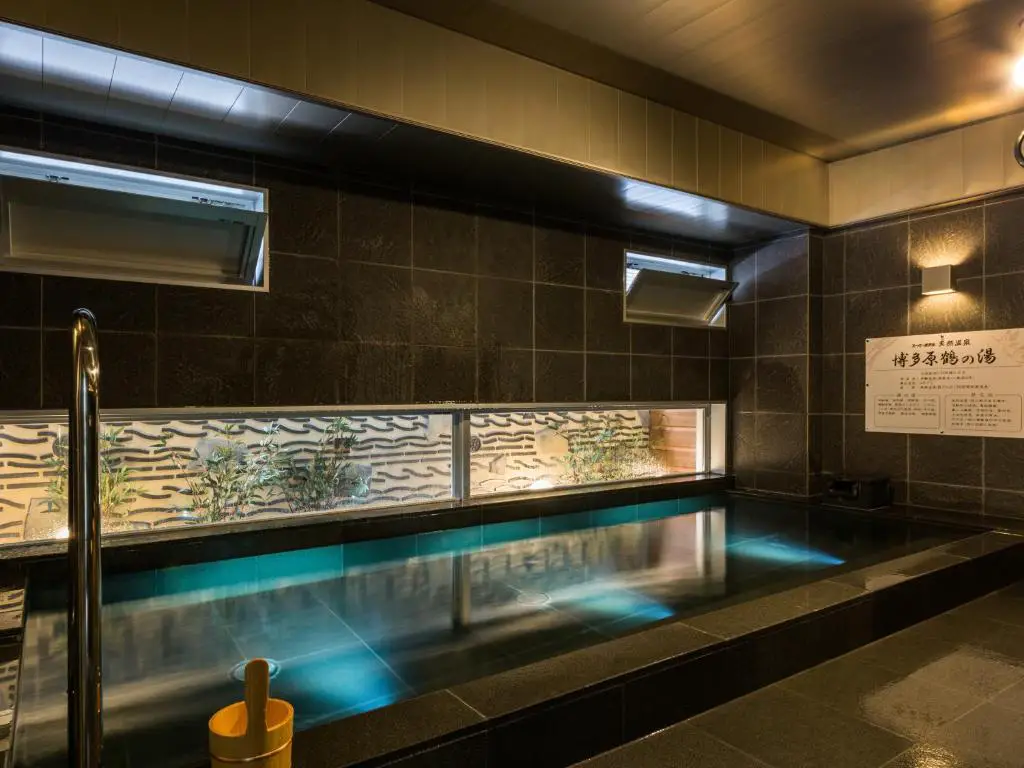
5. Super Hotel Premier Hakataeki
Rating: ⭐⭐⭐
Location: 9-minute walk to Hakata Station
Highlights: Natural Harazuru spring water, free welcome bar with homemade spirits, eight-pillow menu, in-room tablet shows live onsen busyness
Best Room: Hollywood Twin Room
From USD $70 – $130 per night
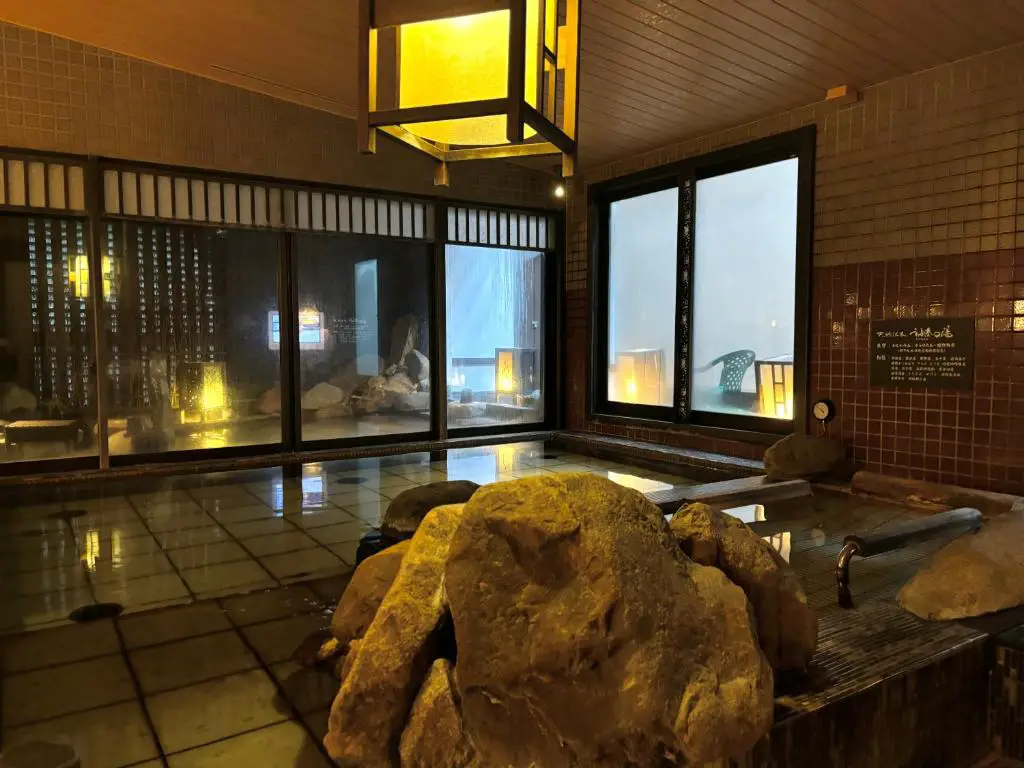
6. Dormy Inn Premium Hakata Canal City Mae
Rating: ⭐⭐⭐
Location: Steps from Canal City Hakata, 10-minute walk to Hakata Station
Highlights: Semi-outdoor natural hot spring and sauna, free late-night ramen, in-room screen shows live onsen occupancy, warm multilingual staff
Best Room: Queen Room
From USD $100 – $200 per night
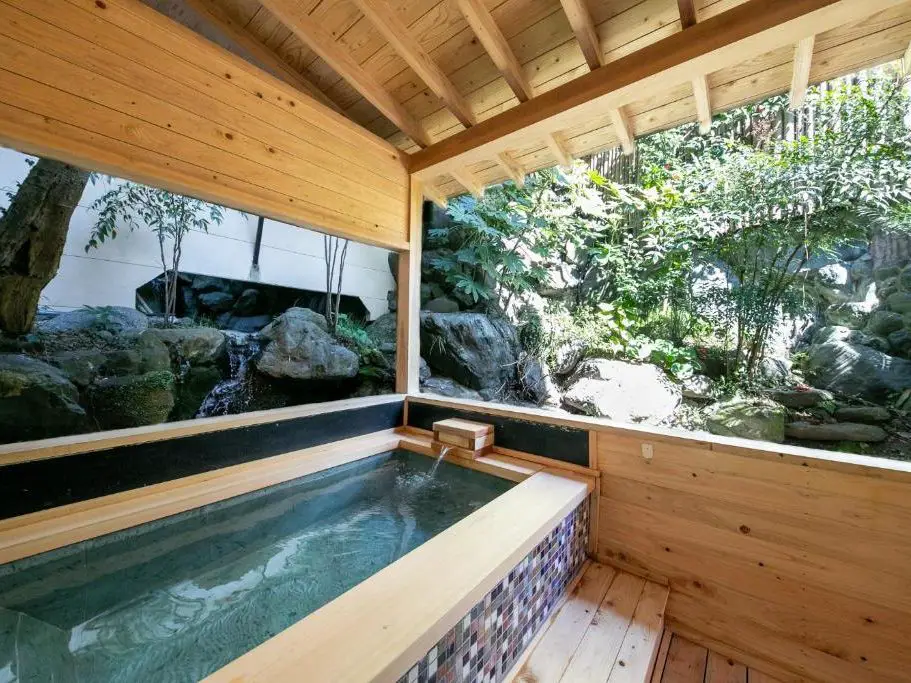
7. Nansuikaku
Rating: ⭐⭐⭐⭐
Location: 1-hour bus ride from Hakata Bus Terminal, direct stop in front of the ryokan
Highlights: Ten varieties of open-air public baths, exquisite multi-course kaiseki meals, spacious tatami rooms, attentive English-speaking staff
Best Room: Japanese Style Room with Open Air Bath
From USD $180 – $320 per night (meals typically included)
Best Boutique Stay
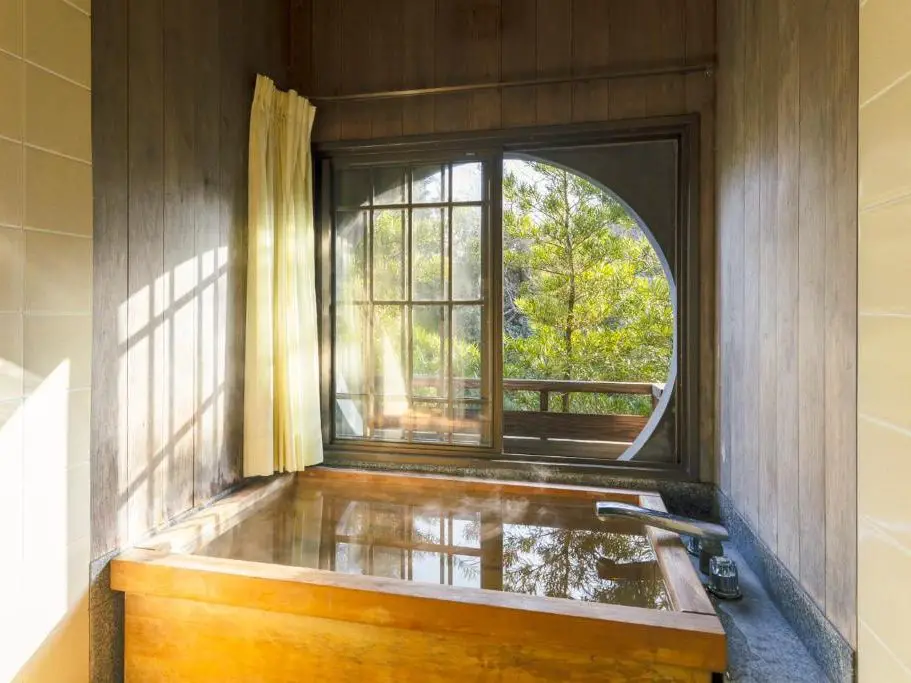
8. Futsukaichi Hot Spring – Daimaru Besso
Rating: ⭐⭐⭐⭐⭐
Location: 30-minute train from Hakata Station, 15-minute walk or 5-minute taxi from Futsukaichi Station
Highlights: 160-year-old imperial ryokan, vast stone-and-crystal public bath with garden forest views, exquisite kaiseki served in private dining rooms
Best Room: Standard Japanese Room
From USD $180 – $350 per night (meals typically included)
Best for Couples
9. Roppokan
Rating: ⭐⭐⭐
Location: 1-hour drive from Fukuoka, free shuttle from Chikugo Yoshii Station (book in advance)
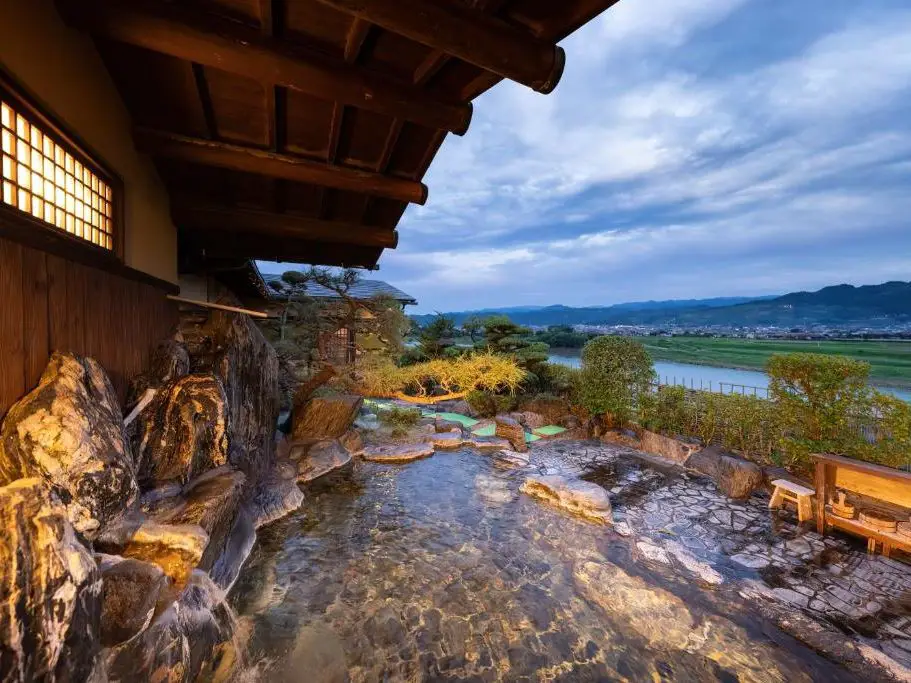
Highlights: Sulfur spring with river-facing rock outdoor bath, all rooms overlook the Chikugo River, seasonal kaiseki dinner served in room, matcha and wagashi on arrival
Best Room: Japanese-Western Mixed Room with Open-Air Bath
From USD $200 – $400 per night (meals typically included)
Most Unique Stay
10. Mercure Fukuoka Munakata Resort & Spa
Rating: ⭐⭐⭐⭐
Location: 1-hour drive from Fukuoka, free shuttle from Togo Station (book in advance), 1km from the Genkai Sea coast
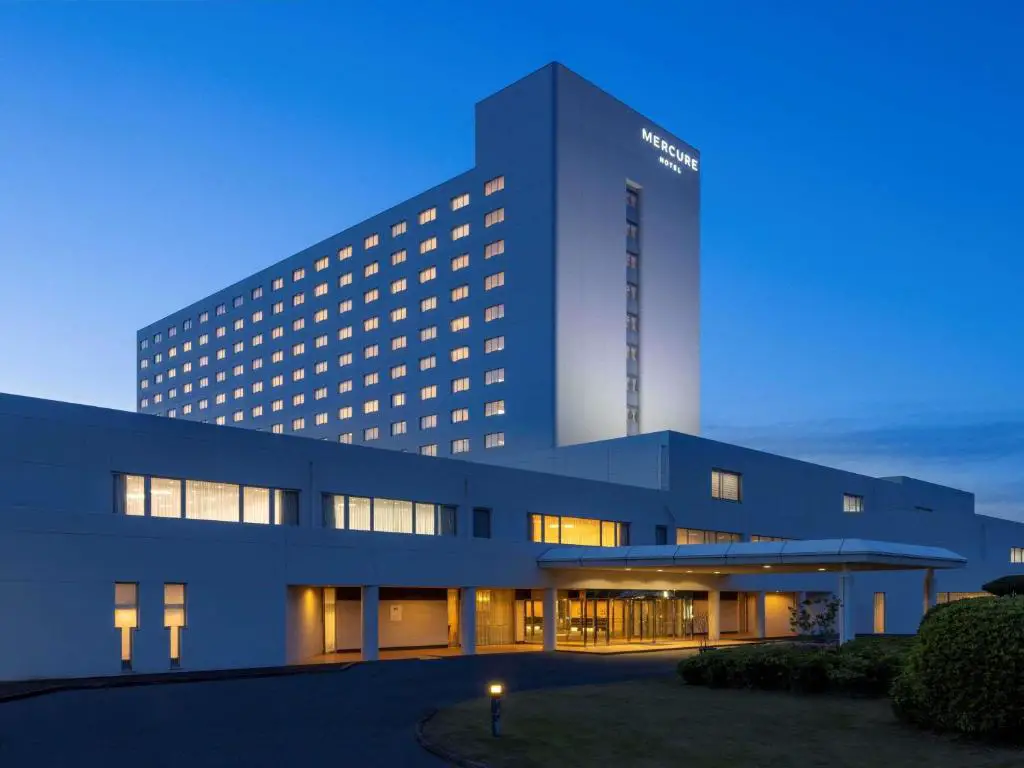
Highlights: Natural onsen sourced from 1,000m underground, spacious rooms with coastal atmosphere, all-inclusive lounge bar, seasonal buffet with Munakata local produce
Best Room: Japanese-Western Hybrid Room
From USD $70 – $160 per night
City Onsen vs Countryside Ryokan: How to Choose
Fukuoka splits neatly into two onsen experiences, and which one suits you depends less on budget than on what you want from your stay.
- City hotels with natural onsen are sightseeing bases that happen to have excellent hot spring facilities. You check in, explore Hakata or Tenjin during the day, and soak at night. The onsen is a reward at the end of a full day, not the reason you’re there. Rooms are compact, prices are reasonable, and you’re never more than ten minutes from a ramen shop or a subway station.
- Out-of-city ryokan flip that equation. The onsen is the destination. You’re paying for the full experience: the kaiseki dinner, the yukata, the unhurried morning soak, the scenery. Days are quieter, access requires planning, and you’ll need at least one night to get any value from the trip out.
A useful rule: if you have three or more days in Fukuoka, split them. Spend the first nights in the city with easy onsen access, then end with one night at a ryokan. If you only have two nights, stay in the city and soak well — you won’t feel shortchanged.
One thing worth knowing: several city hotels transport their spring water from nearby onsen towns rather than drawing it from directly below the building. This is common across Japan, entirely legal under the Onsen Law, and produces perfectly genuine mineral baths. The experience at the bath is the same; the geology just works differently.
The Onsen Towns Near Fukuoka
Fukuoka Prefecture has four main onsen districts outside the city, and each has a distinct character.
- Harazuru Onsen sits along the Chikugo River in Asakura, about an hour from Hakata by car or train. It’s the largest onsen town in the prefecture, with 14 ryokan and over 800,000 visitors a year. What makes it unusual is the water: Harazuru has both alkaline simple springs and sulfur springs in the same location, a combination rare enough that it’s earned the nickname “The Hot Spring of Double Beauty.” The sulfur water leaves skin noticeably smoother; the alkaline water gently removes dead skin cells. The surrounding area rewards a half-day of exploration — the Asakura Triple Water Wheels, the castle town of Akizuki, and cormorant fishing on the Chikugo River in summer are all within easy reach.
- Futsukaichi Onsen is the most historically significant spring in the prefecture, with a documented history stretching back over 1,300 years. A poet described it in the Manyoshu, Japan’s oldest poetry anthology. It sits about 30 minutes south of Hakata by JR — closer and more accessible than Harazuru — making it viable as an overnight trip without losing a full day of travel. The water is an alkaline simple spring, known for its skin-smoothing qualities and a mild, clean feel. Dazaifu Tenmangu, one of Japan’s most visited Shinto shrines, is just 20 minutes away by car, making Futsukaichi a natural overnight base for that day trip.
- Wakita Onsen is the quietest of the three. Located in the mountains of Miyawaka City, roughly an hour from Hakata by bus, it has a small-village atmosphere that the more famous onsen towns have largely lost. The spring is alkaline simple, colorless and slightly slippery. Each season brings something different — cherry blossoms in spring, fireflies in summer, fiery foliage in autumn, and a sea-of-clouds phenomenon in winter that draws photographers from across the prefecture.
- Hakata Onsen refers to the natural springs that surface within Fukuoka City itself — a less well-known designation, but a real one. Several city hotels draw from these urban sources, meaning you can soak in certified natural spring water without leaving central Hakata.
What Makes Fukuoka’s Spring Water Different
Not all onsen water feels or behaves the same, and Fukuoka’s springs cover a wider range than most prefectures.
The springs at Harazuru are the most distinctive. The sulfur water — a simple sulfur spring — has a faint eggy smell and a silky texture that coats the skin. The alkaline simple spring alongside it works differently, softening the outer layer of dead skin cells so the water absorbs more easily. Bathing in both on the same visit, which Harazuru’s layout allows, is the reason locals call it the “Double Beauty Bath.”
Futsukaichi and Wakita both produce alkaline simple springs — colorless, odorless, and notably slippery to the touch. This is the most common spring type in Fukuoka and the one most associated with the “bijin no yu” or beauty bath reputation. The slightly higher pH breaks down surface skin proteins gently, leaving that characteristic smooth feeling after you get out.
The city springs are predominantly calcium-sodium chloride type — a warmer-feeling water that retains heat well and is associated with fatigue recovery. It lacks the dramatic mineral scent of a sulfur spring but is no less effective as a soak.
One practical note: spring water that has been transported and reheated is still genuine onsen under Japanese law, provided the mineral content meets the legal threshold. What you lose is the freshness of water direct from the source — ryokan with flowing, non-recirculated baths are worth seeking out if the spring quality matters to you, and most good properties will state this openly.
Onsen Etiquette: What You Need to Know Before You Soak
Japanese onsen have a set of customs that look complicated from the outside but follow a single underlying principle: consideration for the people sharing the water with you. Once that clicks, the rest is obvious.
- Rinse before you enter. Every bath area has a row of shower stations along the wall. Sit down, wash thoroughly with soap, and rinse completely before stepping into the communal bath. This is the core rule — skipping it will draw looks.
- Go in without clothes. Swimsuits are not permitted. The small towel provided is for modesty while moving between areas and for washing at the shower station. Keep it out of the water once you’re soaking.
- Keep it quiet. Onsen are calm spaces. Loud conversation and anything that disrupts the atmosphere go against the grain. Most regulars sit in near-silence, which sounds austere but in practice is deeply relaxing.
- Tie your hair up. Long hair should be clipped or tied before entering the bath. Strands in the water are considered unclean by the same logic as swimsuits.
- Skip it after drinking. Soaking in hot mineral water while intoxicated raises blood pressure and risks fainting. Most facilities prohibit entry after alcohol — follow the signs.
Tattoo Policy at Fukuoka Onsen Hotels
This is the question Western visitors ask more than any other about Japanese onsen, and the honest answer is: it depends on the property, and the situation is more nuanced than a blanket ban.
The no-tattoo rule in Japanese public bathing dates back to the association between elaborate full-body tattoos and the yakuza. Many facilities still apply the restriction broadly, regardless of tattoo size or intent. That said, attitudes have been shifting, particularly at hotels catering to international guests, and the properties on this page fall across a range of policies.
A few practical categories to be aware of:
- Cover-up stickers permitted. Some hotels allow entry to the public bath if tattoos are covered with waterproof stickers provided at the front desk. Dormy Inn properties typically offer this, with stickers available on request. This works for small to medium tattoos; guests with large or multiple tattoos may find full coverage impractical.
- Private rental baths available. Several properties offer kashikiri-buro — bookable private baths where you soak alone or with your group. Nansuikaku has six rentable private baths, and Roppokan guests in rooms with private open-air baths have no shared space to navigate at all. This is the most reliable option for heavily tattooed guests.
- Public bath restrictions apply. Daimaru Besso, Miyako Hotel Hakata, and most city hotels with traditional communal baths maintain standard tattoo restrictions for the shared facilities. The position varies, so checking directly with the property before booking is always the safest approach.
One thing worth knowing: the rule is about the shared space, not about the hotel itself. A property that restricts tattoos in its public bath will still welcome you as a guest — the restriction applies only when you enter the communal bathing area.
When to Visit: Seasonal Onsen Experiences in Fukuoka
Fukuoka’s onsen can be enjoyed year-round, but each season brings a different experience — and some periods book out weeks in advance.
- Autumn (October to November) is the most sought-after time to visit the out-of-city ryokan. The foliage along the Chikugo River at Harazuru turns deep red and gold, and soaking in an open-air bath surrounded by autumn leaves is the kind of experience that fills Roppokan and similar properties on weekends from mid-October onward. Wakita Onsen is particularly striking in this season, and the sea-of-clouds phenomenon in the surrounding mountains peaks in November. Book at least three to four weeks ahead for weekend stays during peak foliage.
- Spring (March to April) brings cherry blossoms to Wakita Onsen and the grounds of Daimaru Besso in Futsukaichi. The combination of pink blossoms, quiet gardens, and a warm bath is a specific kind of Japanese pleasure that draws domestic travellers in large numbers. Cherry blossom season also coincides with spring break and Golden Week in early May — the busiest and most expensive booking period of the year across all properties.
- Summer (June to August) is low season for the ryokan, which makes it the best time for value. Harazuru Onsen hosts traditional cormorant fishing on the Chikugo River from June, and the surrounding orchards open for fruit picking. City onsen hotels stay busy year-round given Fukuoka’s role as a transit hub, but rates are generally softer in July and August outside of the Hakata Gion Yamakasa festival in mid-July, when the city fills up quickly.
- Winter (December to February) is arguably the best season for the onsen itself. Cold air makes the contrast between outdoor rock baths and the hot mineral water more vivid, and the ryokan crowds thin out after the New Year period. Nansuikaku in winter has a particular atmosphere — the river mist, the bare trees, the quiet — that’s hard to replicate in other seasons. Rates drop noticeably on weekdays from January onward.
For city onsen hotels, seasonality matters mainly around major events: Hakata Gion Yamakasa in July, the Fukuoka Marathon in November, and the cherry blossom period in late March and early April all put pressure on availability and pricing across the board.
FAQs
1. What is the difference between a natural onsen and a regular hotel bath in Fukuoka?
A natural onsen uses geothermally heated mineral water drawn from underground, certified under Japan’s Onsen Law based on temperature and mineral content. A standard hotel bath uses heated tap water. The difference is in the water itself — mineral composition, texture, and the therapeutic effects associated with soaking. Several hotels in Fukuoka city draw from natural springs either beneath the building or transported from nearby onsen towns.
2. Do Fukuoka city onsen hotels use the same quality water as the out-of-city ryokan?
The water meets the same legal definition of natural onsen regardless of whether it’s drawn on-site or transported. What differs is the mineral profile — city springs tend to be calcium-sodium chloride type, while Harazuru’s sulfur springs and Futsukaichi’s alkaline simple springs have distinct textures and scents. Neither is superior; they’re genuinely different bathing experiences.
3. Can I visit a ryokan onsen for the day without staying overnight?
Some properties offer day-use bathing plans, including Nansuikaku and Daimaru Besso, though availability is limited and advance booking is required. Day-use tends to be restricted to certain hours and may not include the full ryokan experience of meals and yukata. Check directly with the property before making the trip out.
4. Are children allowed at Fukuoka onsen hotels?
City onsen hotels generally welcome children of all ages. Several out-of-city ryokan are adults-only — Daimaru Besso is adults-only, while Roppokan does not accept children. Nansuikaku welcomes families. Always check the property’s age policy before booking, particularly for the rural properties.
5. What should I bring to an onsen hotel in Fukuoka?
Most hotels and ryokan provide towels, yukata, toiletries, and everything you need for the bath. A small waterproof bag for your watch and phone is useful. If you have tattoos, contact the property in advance about their cover-up policy and whether stickers are provided. Some people bring their own preferred shampoo or skincare, though the basics are always supplied.
6. How far in advance should I book the out-of-city ryokan?
For Roppokan and Nansuikaku, book at least two to three weeks ahead for weekday stays and four to six weeks for weekends. During peak foliage season in October and November, and cherry blossom season in late March and April, both properties can fill a month or more in advance. City onsen hotels have more availability but book up quickly during Hakata Gion Yamakasa in July and Golden Week in early May.
7. Is it safe to use the onsen if I have a health condition?
Hot mineral water raises body temperature and blood pressure, which can be a concern for people with cardiovascular conditions, low blood pressure, or skin sensitivities. Pregnant guests are generally advised to consult a doctor before using onsen. Most facilities post health guidance at the entrance — read it before entering, and if in doubt, start with a shorter soak at a lower temperature bath.
8. What happens if I arrive at the onsen and the baths are segregated by gender but I want to bathe with my partner?
Shared mixed-gender bathing (konyoku) is rare in modern Fukuoka onsen hotels and is not available at the properties on this page. The standard arrangement is separate men’s and women’s sections. For couples who want to bathe together, the solution is a private rental bath — kashikiri-buro — which most ryokan offer by the hour. Nansuikaku has six bookable private baths; Roppokan guests in rooms with private open-air baths have their own dedicated space.