
Tokyo is not an onsen city — at least, that’s what most people think until they stay in Asakusa. A handful of hotels here have genuine hot spring facilities, the sort of long, mineral-rich soak you’d normally have to leave the city for. After a day on your feet around Senso-ji and Nakamise, sliding into a steaming bath before bed makes the whole neighbourhood feel like it was designed for exactly this.
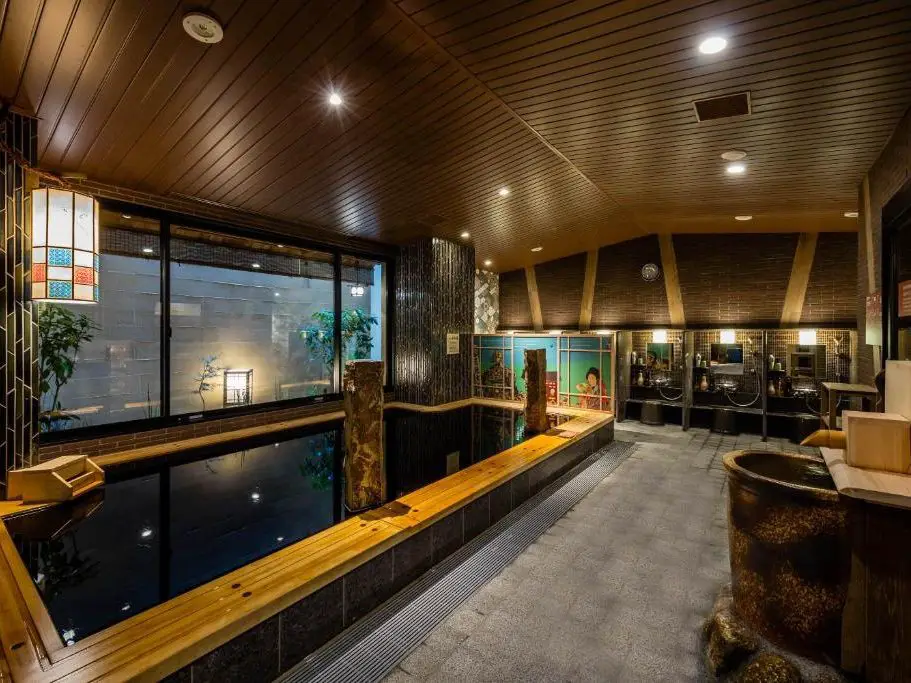
Quick answer: Book Onyado Nono Asakusa Natural Hot Spring. Its bath is a natural hot spring with black mineral water, five minutes’ walk from Senso-ji.
Table of Contents
Asakusa Hotels
Best Natural Hot Spring
1. Onyado Nono Asakusa Natural Hot Spring
Rating: ⭐⭐⭐⭐
Location: 5-minute walk to Senso-ji Temple
Guest Reviews: Black mineral water onsen open past midnight, tatami floors throughout, free nightly noodles, breakfast buffet praised for variety
Best Room: Twin Room, Non Smoking
From USD $125 – $190 per night
2. Onyado Nono Asakusa Bettei
Rating: ⭐⭐⭐⭐
Location: 2-minute walk to Senso-ji Temple
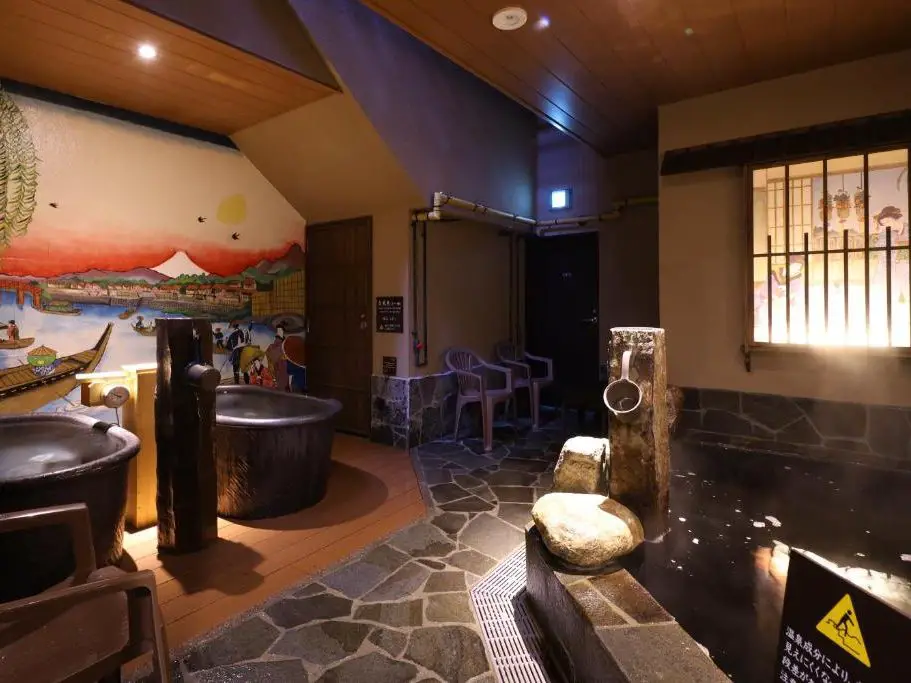
Guest Reviews: Kuroyu mineral spring baths, open-air bath, sauna and cold plunge, free late-night ramen
Best Room: Superior Room, Non Smoking
From USD $100 – $230 per night
Closest to Senso-ji
3. Ryokan Asakusa Shigetsu
Rating: ⭐⭐⭐
Location: 1-minute walk to Senso-ji Temple
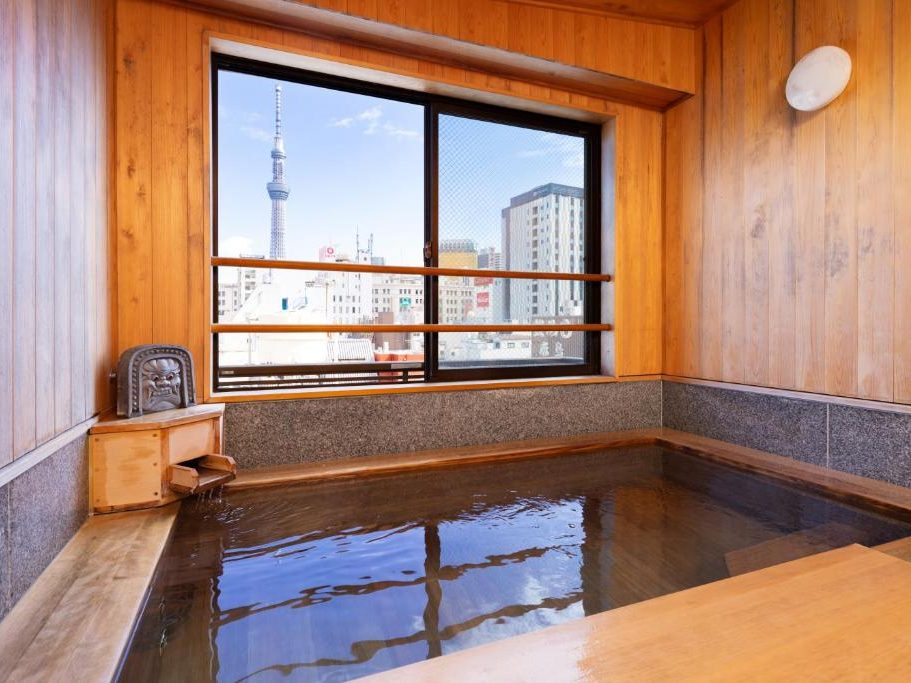
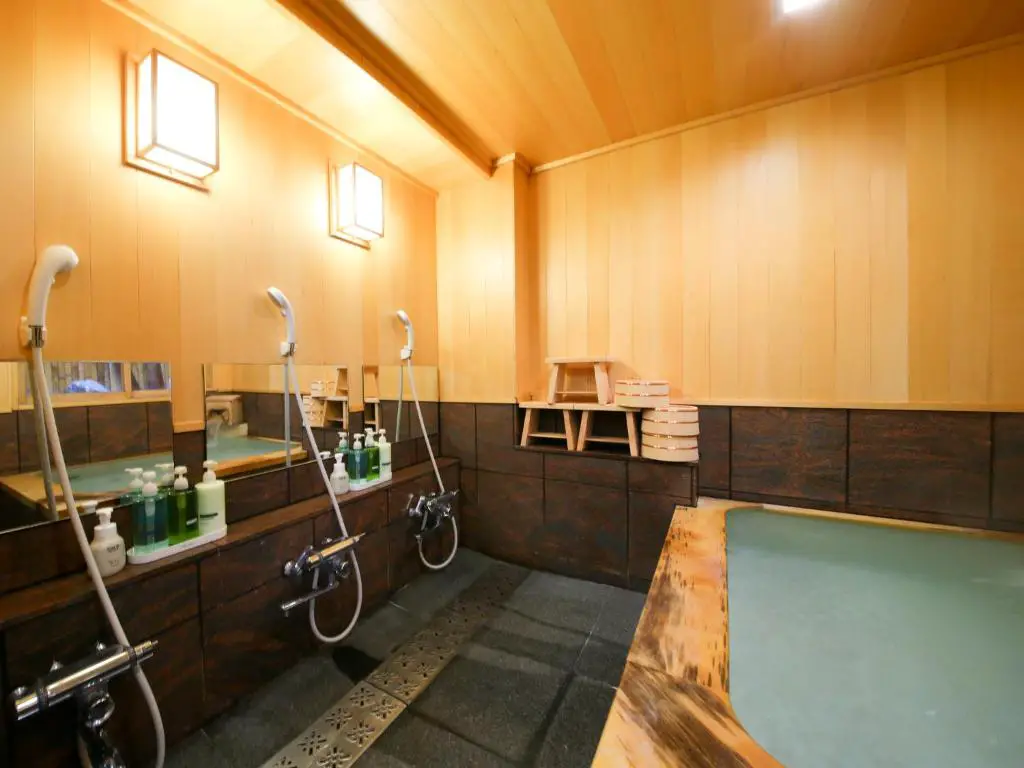
Guest Reviews: Sixth-floor hinoki cypress bath with pagoda views, yukata robes, tatami rooms, free lobby coffee
Best Room: [Non-Smoking] Suite Room
From USD $145 – $205 per night
Best Private Open-Air Bath
4. Prostyle Ryokan Tokyo Asakusa
Rating: ⭐⭐⭐⭐
Location: 5-minute walk to Senso-ji Temple, on the Sumida River
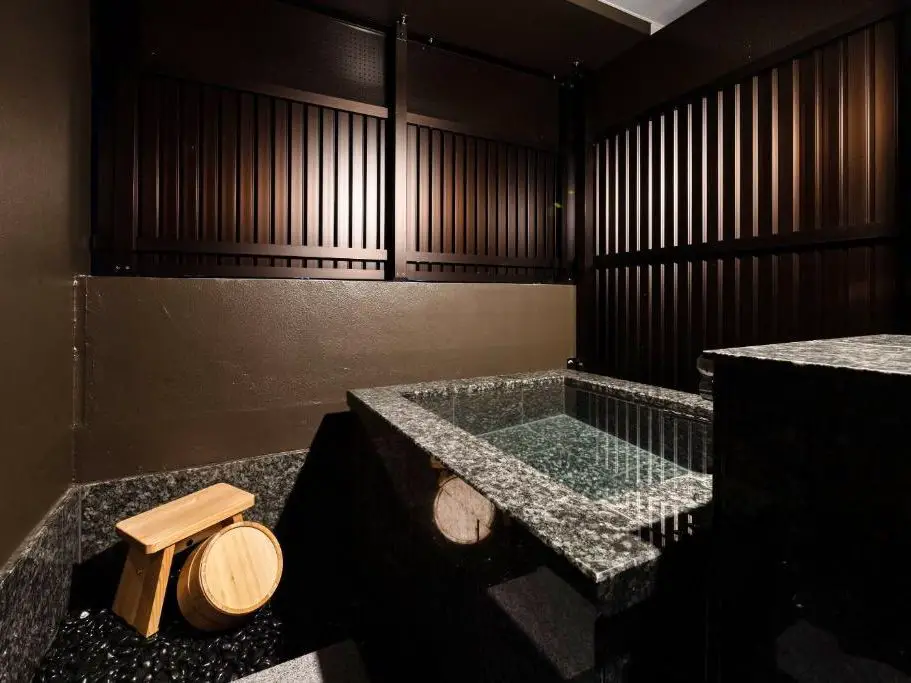
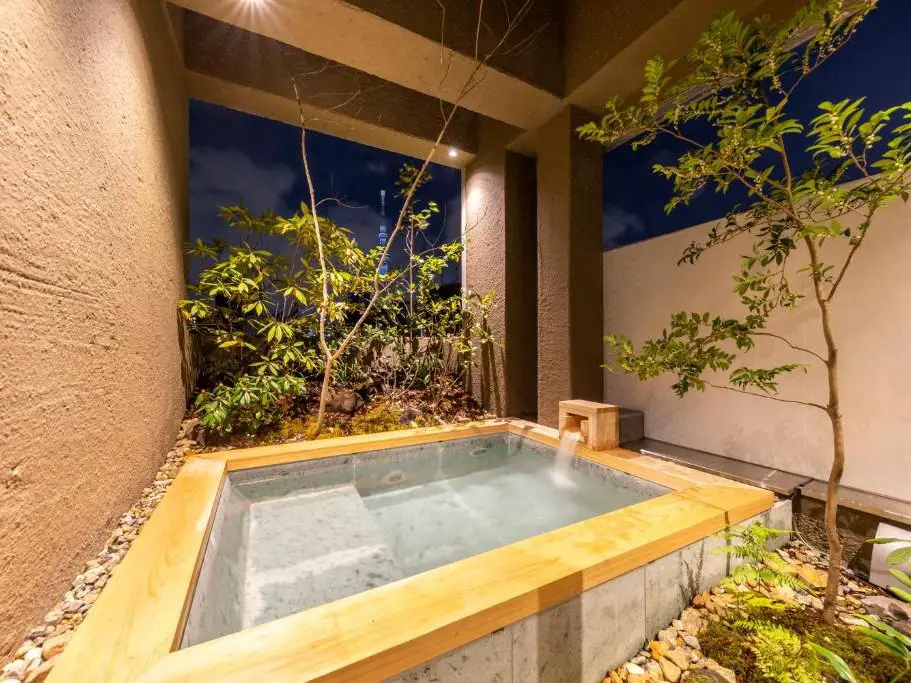
Guest Reviews: Private open-air baths on tatami-floored balconies, Skytree and river views, standout Japanese breakfast
Best Room: Corner Suite with Open-air Bath & Tokyo Skytree View (Japanese Style TATAMI), Non Smoking
From USD $145 – $400 per night
Most Intimate Stay
5. Cyashitsu Ryokan Asakusa
Rating: ⭐⭐⭐
Location: 5-minute walk to Senso-ji Temple
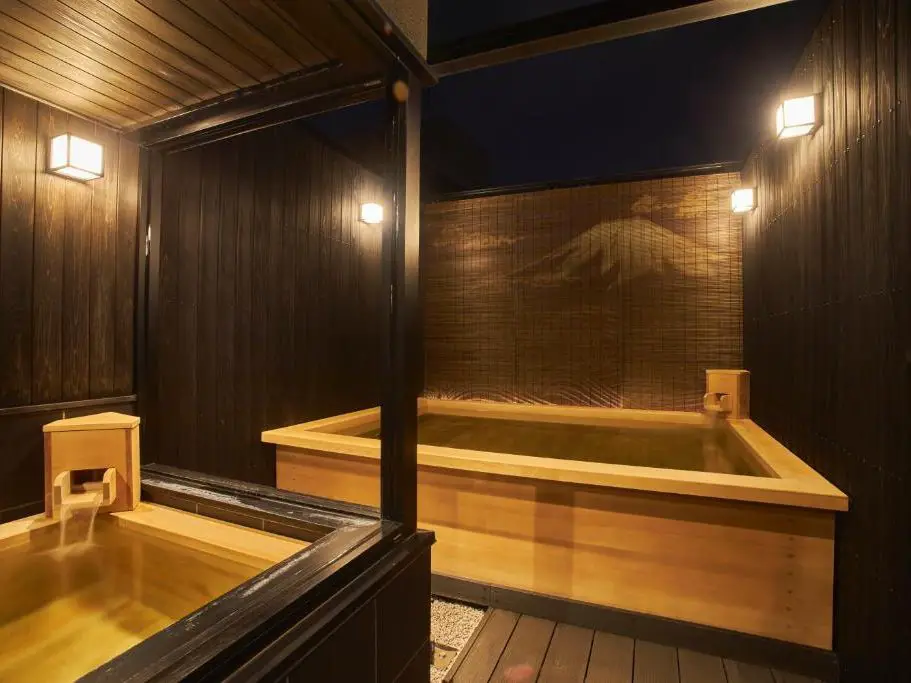
Guest Reviews: Private rooftop cypress bath with Skytree views, Tempur-Pedic futons, in-room traditional breakfast, art-designed interiors
Best Room: cyashitsu Gratte-ciel with open air bath (Skytree view)
From USD $350 – $435 per night
6. Ryokan Kamogawa Asakusa
Rating: ⭐⭐⭐
Location: 2-minute walk to Kaminarimon Gate, steps from Senso-ji Temple
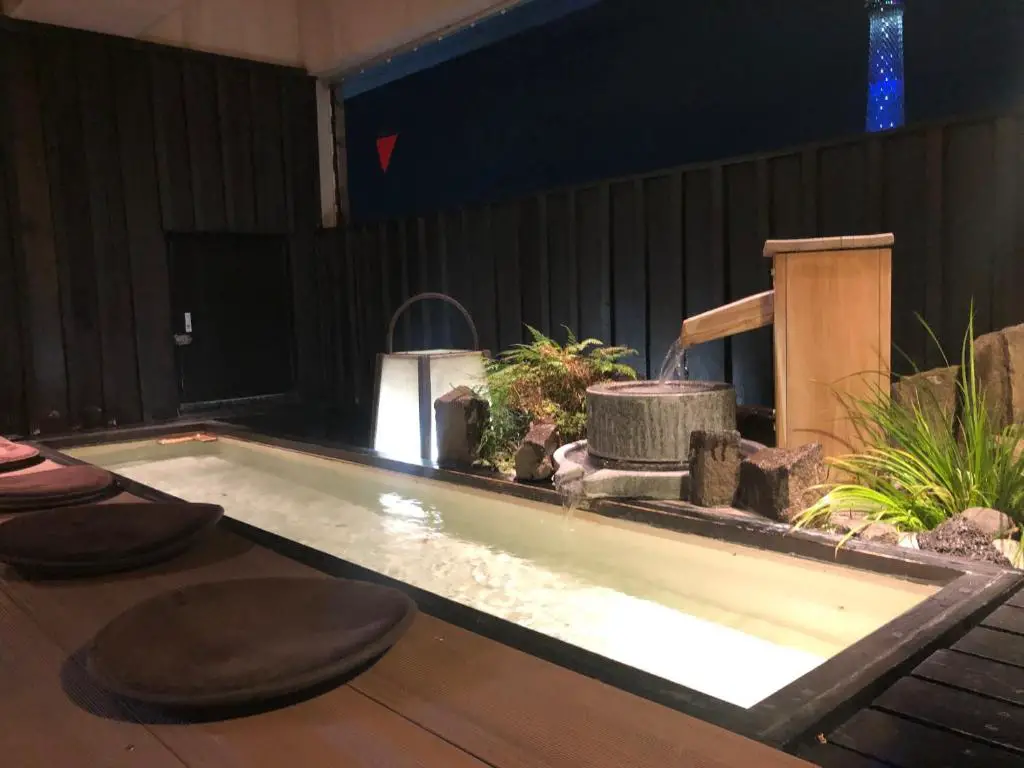
Guest Reviews: Free reservable private cypress bath, yukata and bathrobes, spacious tatami rooms, warm multilingual staff
Best Room: Deluxe Room
From USD $155 – $290 per night
Free Nightly Ramen
7. Dormy Inn Express Asakusa Hot Spring
Rating: ⭐⭐⭐
Location: 5-minute walk to Senso-ji Temple, steps from Asakusa Station
Guest Reviews: 10th-floor public bath with Skytree views, outdoor foot bath, free nightly ramen, post-bath ice cream
Best Room: Traditional Room, Non Smoking (Japanese-Western Style)
From USD $70 – $200 per night
Best for Sake Lovers
8. SAKE Bar Hotel Asakusa
Rating: ⭐⭐⭐⭐⭐
Location: 2-minute walk to Asakusa Station, 10-minute walk to Senso-ji Temple
Guest Reviews: Rooftop open-air bath with sauna and cold plunge, free-flow sake from check-in, free rooftop foot bath with skyline views
Best Room: Superior Twin Room
From USD $107 – $290 per night
9. APA Hotel Asakusa Kuramae
Rating: ⭐⭐⭐
Location: 10-minute walk to Senso-ji Temple, 3-minute walk to Kuramae Station
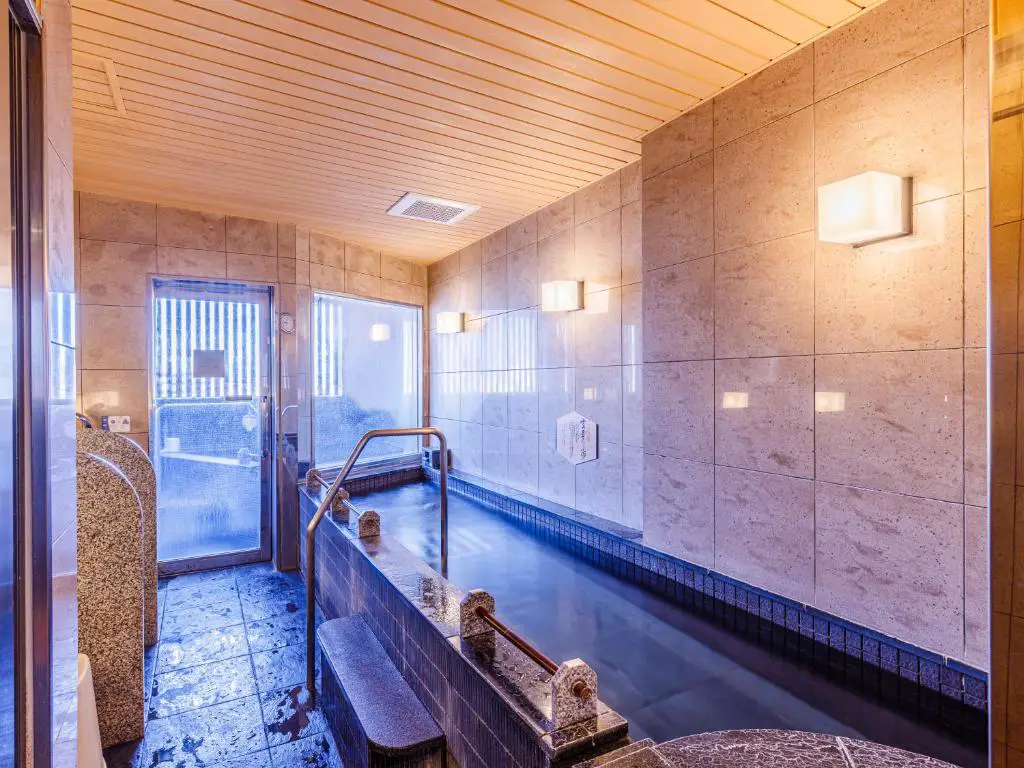
Guest Reviews: Rooftop indoor and open-air public bath with Sumida River and Skytree views, Japanese-Western breakfast buffet, river-view rooms
Best Room: Economy Double Room, Non Smoking, River View
From USD $50 – $100 per night
Natural Hot Spring vs Heated Public Bath
Most hotels that describe themselves as onsen hotels in Tokyo are not drawing from a natural hot spring. The bath is heated tap or municipal water, sometimes treated with minerals, sometimes not. That is a sento — a public bathhouse — not an onsen. Both are worth soaking in, but they are different things, and the distinction matters when you are choosing where to stay.
A genuine onsen must draw from a natural geothermal source and contain at least one of 19 designated minerals at a minimum temperature. In central Tokyo, that is rare. The ground beneath Asakusa does not sit over volcanic activity the way Hakone or Beppu does. What it does have, in a handful of locations, is deep artesian wells that tap into ancient organic-mineral deposits — producing kuroyu, the dark-tinted black water that guests at the Onyado Nono properties find waiting for them when they step off the elevator.
Here is how the hotels on this list break down:
- Natural mineral spring water (genuine onsen): Onyado Nono Asakusa Natural Hot Spring and Onyado Nono Asakusa Bettei — both draw from a certified kuroyu well. The water is visibly dark, iron-rich, and soft on the skin. This is the real thing, and it is genuinely unusual for a hotel this close to a major subway station.
- Heated water, communal bath: Ryokan Asakusa Shigetsu (6th-floor hinoki cypress bath), Dormy Inn Express Asakusa Hot Spring (10th-floor indoor and open-air baths), and APA Hotel Asakusa Kuramae (rooftop indoor and open-air tubs). The bathing experience is proper and the facilities are well-maintained — just not fed by spring water.
- Private open-air bath, heated water: Prostyle Ryokan Tokyo Asakusa (select rooms with balcony baths), Cyashitsu Ryokan Asakusa (reservable rooftop cypress bath with Skytree views), and Ryokan Kamogawa Asakusa (reservable private bath, 30-minute slots, free for guests).
- Rooftop open-air bath, heated water: SAKE Bar Hotel Asakusa — reservable, 60 minutes, includes sauna and cold plunge. The bath itself is shaped like a traditional masu sake cup, which is either charming or gimmicky depending on your outlook.
If soaking in authentic hot spring water is the specific reason you are coming to Asakusa, book one of the two Onyado Nono properties and stop there. If the experience of a communal bath, a private cedar tub, or a rooftop soak after a day on your feet is what you are after, the rest of the list gives you more variety at a wider range of prices.
Where to Stay in Asakusa: Location and the Dawn Advantage
Asakusa is not one neighbourhood — it stretches from the dense temple district around Kaminarimon down through quieter backstreets toward Kuramae and the Sumida River. Where you sleep inside it shapes what your mornings look like.
- Closest to Senso-ji (under 5 minutes on foot): Ryokan Asakusa Shigetsu, Onyado Nono Asakusa Natural Hot Spring, Onyado Nono Asakusa Bettei, and Ryokan Kamogawa Asakusa all sit within the temple district proper. You can be at the Kaminarimon gate before the souvenir stalls open, before the tour groups arrive, before anyone else. At 6am the lantern is lit, the incense smoke drifts through quiet stone courtyards, and the five-storey pagoda is yours. By 10am that same space holds thousands of people. Staying this close is the only way to see the first version.
- 5–10 minutes on foot: Cyashitsu Ryokan Asakusa, Prostyle Ryokan Tokyo Asakusa, and Dormy Inn Express Asakusa Hot Spring sit slightly further from the gate but still within easy walking distance of the main sights. Prostyle faces the Sumida River, which puts it a few blocks east of the busiest streets — quieter at night, with Skytree views from the balcony.
- 10–15 minutes on foot (Kuramae area): SAKE Bar Hotel Asakusa and APA Hotel Asakusa Kuramae are further from the temple but closer to Kuramae Station, a calmer pocket of the neighbourhood with good independent restaurants and direct train connections. Rates here are noticeably lower. The trade-off is that a spontaneous pre-dawn temple walk requires more commitment.
The closer you are to Senso-ji, the more you pay and the noisier the surrounding streets are during the day. The Kuramae end is genuinely pleasant — just different.
Tattoo Policies Across These Hotels
This is the question most foreign visitors search before booking an onsen hotel in Japan, and the answers here vary considerably from property to property.
- Cover-up stickers required, communal bath: Onyado Nono Asakusa Natural Hot Spring and Onyado Nono Asakusa Bettei both follow the Dormy Inn chain policy — stickers are available at reception, limited to two per guest in small sizes. This works for one or two small tattoos. Guests with larger tattoos, sleeves, or multiple visible pieces will not be able to cover adequately and cannot use the communal baths.
- Tattoos not permitted in communal bath, private bath available: Ryokan Asakusa Shigetsu does not formally publish a tattoo policy for the 6th-floor communal bath, but every room has a private bathroom. Guests with tattoos typically use their in-room facilities without issue. Ryokan Kamogawa Asakusa follows a similar approach — the reservable private bath on the ground floor is the practical solution for tattooed guests.
- Private bath only, tattoos welcome: Cyashitsu Ryokan Asakusa and Prostyle Ryokan Tokyo Asakusa both offer private open-air baths — reservable at Cyashitsu, in-room at Prostyle for the relevant room types. No communal bathing area means no policy conflict. SAKE Bar Hotel Asakusa is the same — the rooftop bath is private and reservation-only, and tattooed guests can use it freely.
- Communal bath, tattoos generally not permitted: Dormy Inn Express Asakusa Hot Spring and APA Hotel Asakusa Kuramae follow standard Japanese public bath rules. If tattoos are a consideration, the private room bathrooms at both properties are always available.
The practical takeaway: guests with small, coverable tattoos have the most options. Guests with larger or multiple tattoos are best served by Cyashitsu, Prostyle, or SAKE Bar, where private baths remove the question entirely.
What to Expect in a Japanese Public Bath
An onsen or public bath at a hotel works differently from a Western hotel spa, and knowing the sequence in advance makes the first visit considerably less stressful.
- Remove your shoes before entering the hotel. Properties like Onyado Nono and Ryokan Asakusa Shigetsu have tatami throughout — shoes go in lockers at the entrance and stay there.
- The baths are separated by gender. Men and women use different entrances and different bathing areas. At Dormy Inn Express, the timetable rotates — women can only use the bath Friday to Sunday from 3–8pm, men at other times. Check the schedule before you plan your evening.
- You wash before you get in. Every bathing area has a row of shower stations with stools, soap, and shampoo. Sit, wash thoroughly, rinse completely. This is not optional or informal — it is the expected sequence. Getting into the bath without washing first is the main etiquette failure to avoid.
- No swimwear. Communal baths are used without clothing. A small modesty towel is fine to carry to the bath edge, but it does not go in the water.
- What is usually provided: yukata robe, hand towel, toiletries, hair dryer. At Onyado Nono and Onyado Nono Bettei, free ice cream and cold drinks are available post-soak — a detail that sounds minor until you have been in a 42-degree bath for 20 minutes.
- Reserving a private bath: At Cyashitsu, book your 45-minute rooftop slot at check-in — slots fill quickly. At Ryokan Kamogawa, private bath reservations run 5pm–11pm in 30-minute slots and can be made on arrival. At SAKE Bar, the rooftop bath is bookable 7am–10am and 3pm–11pm; guests on the 5th floor and above get one complimentary session.
When to Book and What to Expect by Season
Asakusa is one of Tokyo’s most visited neighbourhoods year-round, which means timing affects both price and the quality of the early-morning temple experience that makes staying here worth it.
- Cherry blossom season (late March to early April): The busiest and most expensive period. Rates at the ryokans on this list can double or triple. Senso-ji draws enormous crowds from mid-morning onward, and the Sumida Park cherry trees along the river add a second wave of visitors. The dawn advantage is at its sharpest here — the gate at 6am during blossom season is one of the quieter moments available in central Tokyo. Book four to six months ahead for this window.
- Golden Week (late April to early May): Domestic travel peaks sharply. Hotels fill fast and prices spike. Unless you are already in Japan, this is not the window to plan around.
- Summer (June to September): Hot, humid, and occasionally rainy. The black mineral water at the Onyado Nono properties is particularly popular after sweaty sightseeing days, and the rooftop baths at Dormy Inn and APA feel different when the evening air has cooled. Rates drop from the spring peak. Senso-ji’s Sanja Matsuri festival falls in mid-May and draws enormous crowds to the streets immediately around the temple.
- Autumn (October to November): The best season for most visitors. Temperatures are comfortable, the light is good, and crowds at Senso-ji are manageable outside of autumn foliage weekends. Rates are lower than spring. The ryokans book up faster than the larger hotels during this window — reserve early.
- Winter (December to February): The quietest and cheapest period. Cold evenings make the onsen genuinely appealing rather than optional. Senso-ji at dawn in January is as close to empty as it ever gets. Rates at all nine properties are at their lowest, and last-minute availability is far more common.
FAQs
1. Is there a real natural hot spring in Asakusa?
Two hotels draw from a certified natural mineral spring: Onyado Nono Asakusa Natural Hot Spring and Onyado Nono Asakusa Bettei. Both use kuroyu — dark, iron-rich water from a deep artesian well. Every other onsen hotel in this area uses heated water, which offers a comparable bathing experience but is not technically an onsen under Japanese classification.
2. Can I use an onsen if I have tattoos?
It depends on the property. The two Onyado Nono hotels allow tattoos if covered with stickers provided at reception, but only small tattoos can be adequately concealed. Cyashitsu Ryokan Asakusa, Prostyle Ryokan Tokyo Asakusa, and SAKE Bar Hotel Asakusa all offer private baths where tattoo policies do not apply. Contact the property directly before booking if this is a concern.
3. Do I need to bring a towel to the onsen?
No. All hotels on this list provide towels, yukata robes, and toiletries. A small hand towel is typically given for modesty when walking to the bath. Body soap, shampoo, and conditioner are available at the shower stations in the bathing area.
4. Are the onsen baths mixed gender?
No. Communal baths at all properties on this list are gender-separated with separate entrances. Some properties, including Dormy Inn Express Asakusa, operate gender-specific bathing hours that rotate by day of the week — check the schedule before your stay.
5. How early can I access Senso-ji Temple if I stay in Asakusa?
The temple grounds are open around the clock and the Kaminarimon gate is lit from early morning. The area is at its quietest between 5am and 8am, before the first tour groups and day visitors arrive. Staying at one of the temple-adjacent ryokans — Ryokan Asakusa Shigetsu, Onyado Nono, or Ryokan Kamogawa — puts you under five minutes from the gate on foot.
6. How do I reserve a private bath at these hotels?
At Cyashitsu Ryokan Asakusa, ask at check-in to book your 45-minute rooftop session. At Ryokan Kamogawa Asakusa, private bath slots (30 minutes, free for guests) run 5pm–11pm and are reserved on arrival. At SAKE Bar Hotel Asakusa, the rooftop bath is bookable directly with staff; guests on the 5th floor and above receive one complimentary session per stay.
7. What is the difference between an onsen and a sento?
An onsen uses natural geothermal or mineral spring water and must meet government standards for water source and mineral content. A sento is a public bathhouse using heated tap or municipal water. Both are communal bathing experiences with similar etiquette, but the water itself and its therapeutic properties differ. Most hotel public baths in central Tokyo are sento-style, not true onsen.
8. Is Asakusa a good base for exploring the rest of Tokyo?
Asakusa sits on the Ginza Line with direct access to Shibuya and Ueno, and the Toei Asakusa Line connects to Asakusabashi and further south. The Tsukuba Express runs directly from Asakusa Station to Akihabara in four minutes. For day trips, the area is well connected. The main limitation is distance from Shinjuku and the west side of the city, which typically requires a transfer and 30–40 minutes.