
Tokyo is full of hotels, but only a handful of places will have staff folding your futon at dusk while you soak in a hinoki-wood bath down the hall. These are the ryokans — traditional Japanese inns that have been quietly coexisting with the city’s skyscrapers for decades, offering tatami floors, yukata robes, and a pace of hospitality that no international chain has managed to replicate. Some sit a short walk from Senso-ji, others are tucked into residential backstreets where the neighbourhood still feels like old Edo. What they share is a commitment to the small rituals that make a ryokan stay feel like something other than just a place to sleep. Here are the best ones in Tokyo.
Quick answer: Book Takanawa Hanakohro, a Member of Small Luxury Hotels of the World. It’s a Forbes five-star ryokan six years running, set inside a 20,000-square-metre Japanese garden by Shinagawa Station.
Table of Contents
Tokyo Ryokans
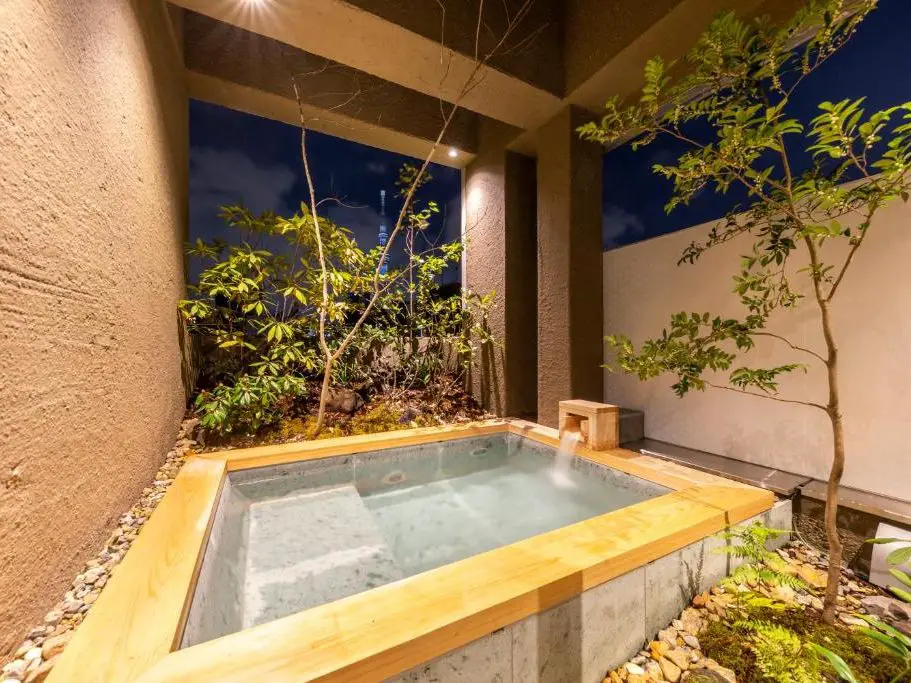
Most Distinctive Design
1. Cyashitsu Ryokan Asakusa
Rating: ⭐⭐⭐
Location: 5-minute walk to Senso-ji Temple, Asakusa
Guest Reviews: Rooftop cypress bath with Skytree views, in-room tea ceremony welcome, breakfast served in traditional lacquer boxes, pin-drop quiet despite central location
Best Room: cyashitsu Gratte-ciel with open air bath (Skytree view)
From USD $400 – $650 per night
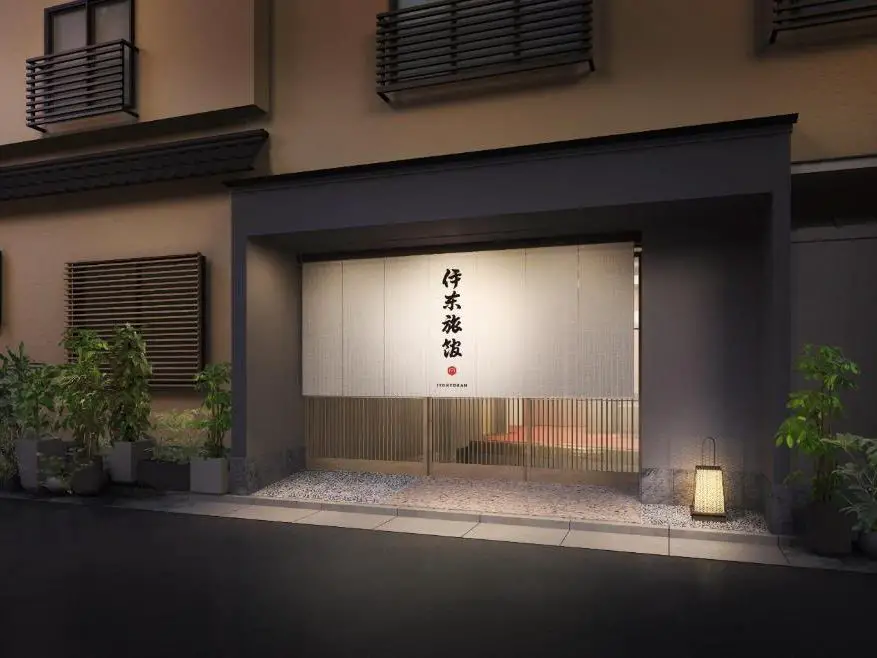
2. Ito Ryokan
Rating: ⭐⭐
Location: 2-minute walk to Ningyocho Station, Nihonbashi
Guest Reviews: Private en-suite bathrooms rare for this tier, courtyard views, cooked-to-order Japanese breakfast, staff help guests try on kimono
Best Room: Superior Room
From USD $95 – $220 per night
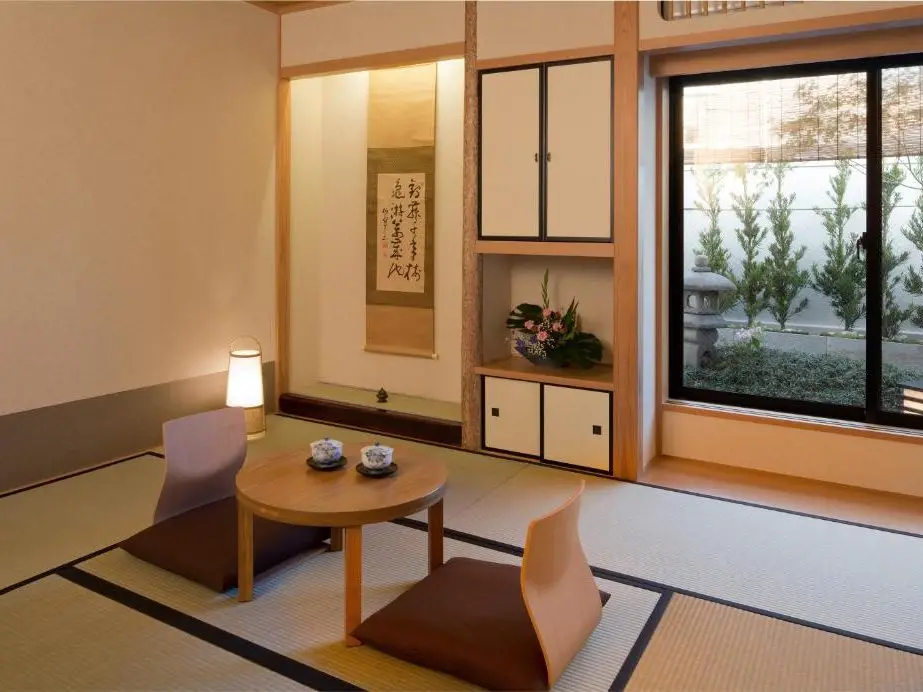
Best for Couples
3. The Edo Sakura
Rating: ⭐⭐⭐
Location: 6-minute walk to Iriya Station, Taito — 15-minute walk to Ueno Park
Guest Reviews: Traditional garden views, daily tea ceremony, reservable private bath, authentic machiya townhouse building
Best Room: Deluxe Japanese Room (Japanese Futon)
From USD $120 – $240 per night
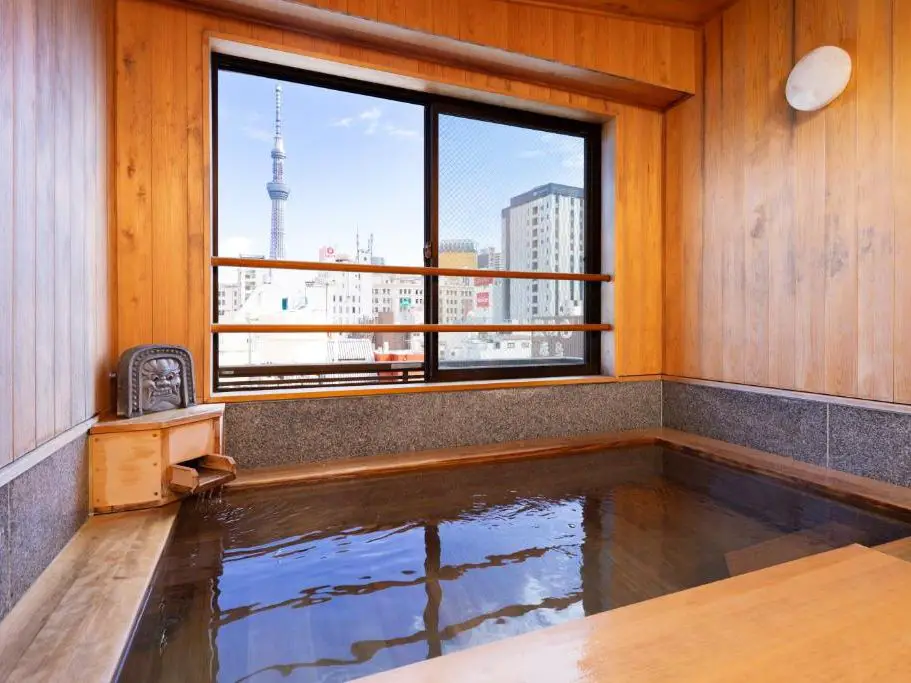
Best Rooftop Bath View
4. Ryokan Asakusa Shigetsu
Rating: ⭐⭐⭐
Location: 5-minute walk to Asakusa Station, steps from Senso-ji Temple
Guest Reviews: 6th-floor hinoki cypress bath with Senso-ji pagoda and Skytree views, Airweave mattress pads in all rooms, yukata and tea set included, lobby snacks and coffee on arrival
Best Room: Executive Japanese Room
From USD $180 – $340 per night
Best for Neighbourhood Exploring
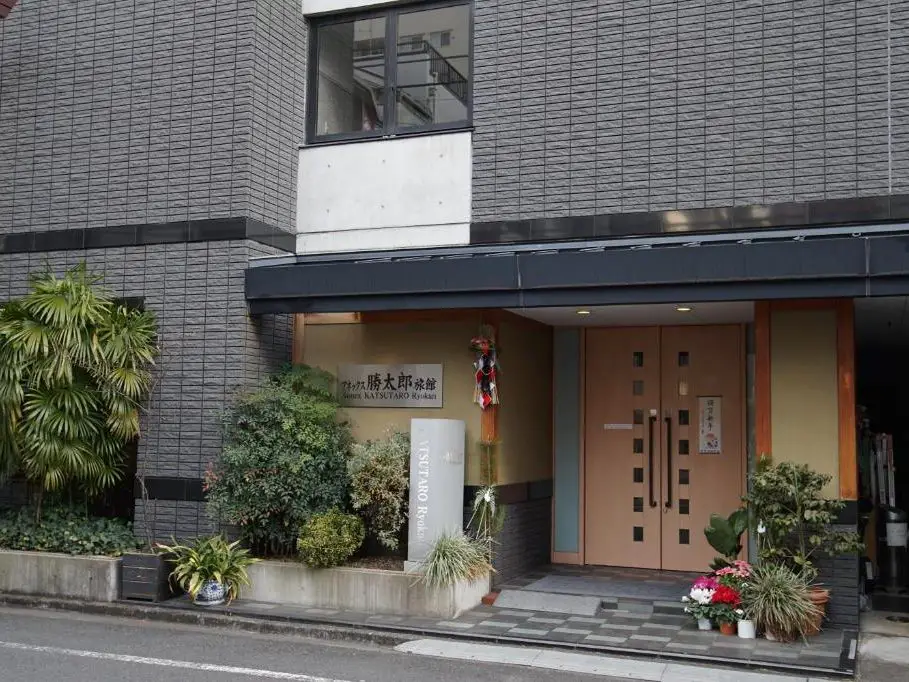
5. Annex Katsutaro Ryokan
Rating: ⭐⭐
Location: 2-minute walk to Sendagi Station, Yanaka — 10-minute walk to Nippori Station
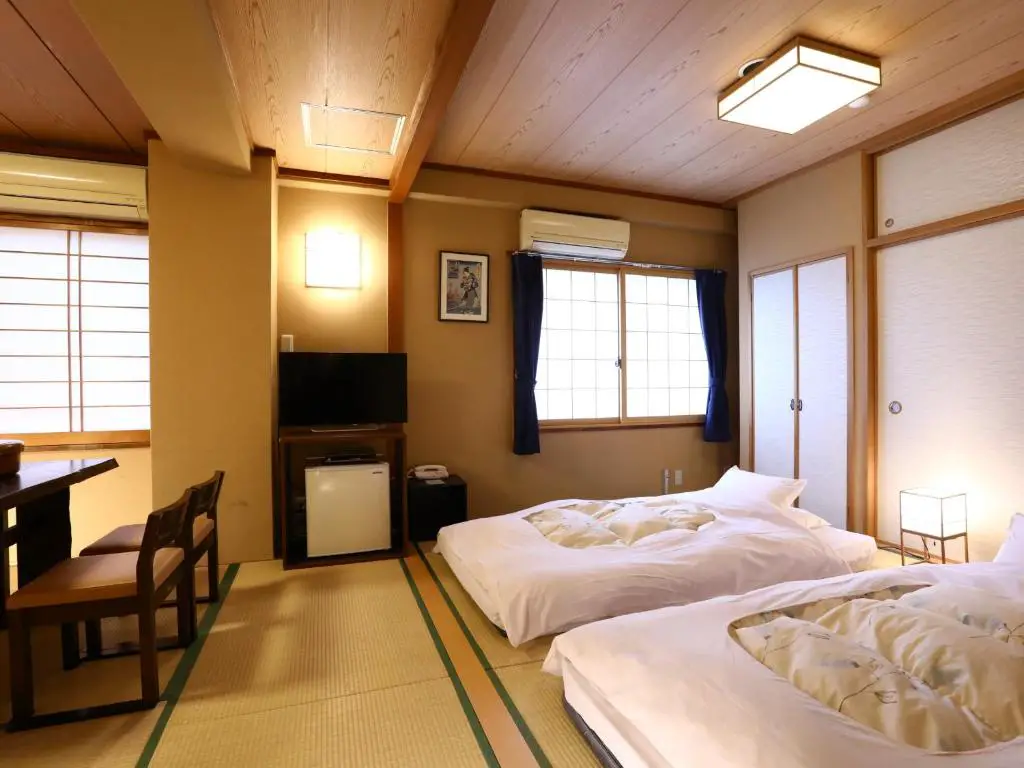
Guest Reviews: Yanaka Ginza shopping street on the doorstep, spacious rooms by Tokyo standards, complimentary tea and coffee in the lounge, yukata provided, family-run warmth repeated across hundreds of reviews
Best Room: Deluxe Room
From USD $100 – $260 per night
Best Location
6. Ryokan Kamogawa Asakusa
Rating: ⭐⭐⭐
Location: 2-minute walk to Asakusa Station, 3-minute walk to Senso-ji Temple
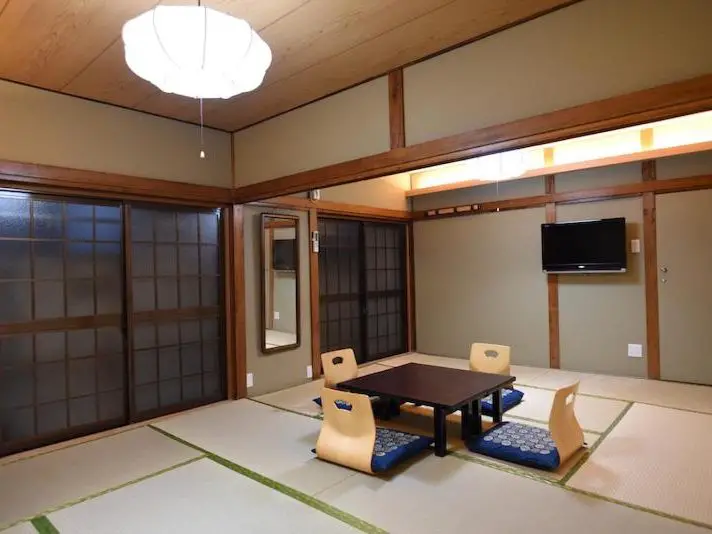
Guest Reviews: Reservable private bath on ground floor with complimentary toiletries, spacious rooms by Tokyo standards, down comforters on futons, yukata and bathrobes provided, Tokyo Skytree visible from the doorway
Best Room: [Non-Smoking] Japanese Style Deluxe Room
From USD $155 – $360 per night
Best Value
7. Ryokan Sansuiso
Rating: ⭐⭐
Location: 5-minute walk to Gotanda Station — direct Yamanote Line access to Shibuya, Shinjuku, Ueno
Guest Reviews: Spotless tatami rooms renovated in 2020, futons praised for comfort, owner and staff fluent in English and full of local restaurant tips, Meguro River a minute’s walk from the front door
Best Room: Japanese Style Twin Room, Non Smoking
From USD $70 – $130 per night
Best Onsen Experience
8. Onsen Ryokan Yuen Shinjuku
Rating: ⭐⭐⭐
Location: 8-minute walk to Shinjuku-Sanchome Station, Shinjuku
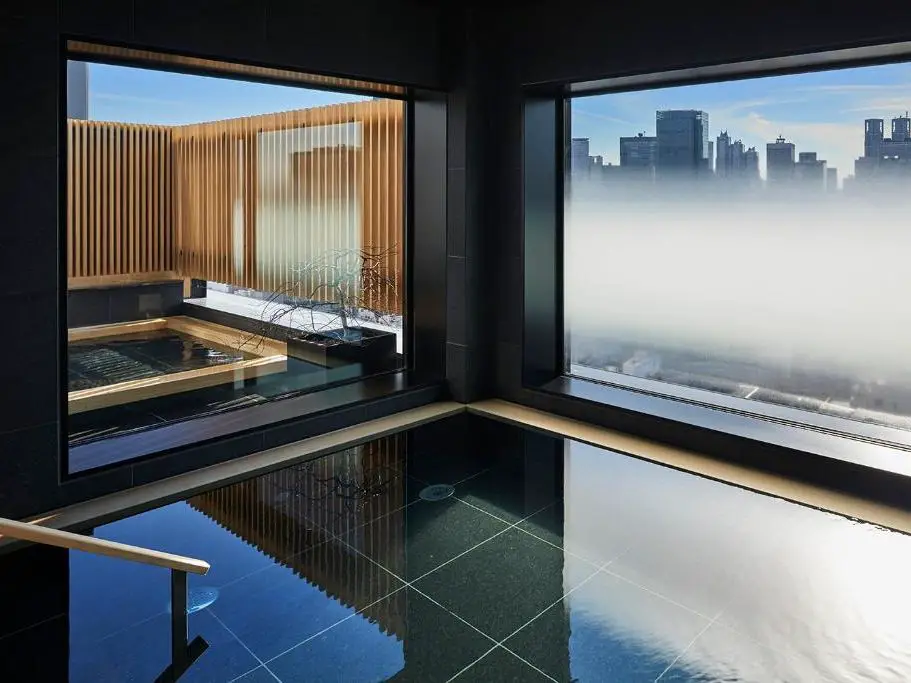
Guest Reviews: 18th-floor rooftop open-air onsen with Hakone hot spring water and Shinjuku skyline views, complimentary free ice cream at the onsen, lantern-lit bamboo walkway entrance, yukata provided, late-night soba noodle bar on site
Best Room: YUEN Suite, Non Smoking, City View
From USD $125 – $600 per night
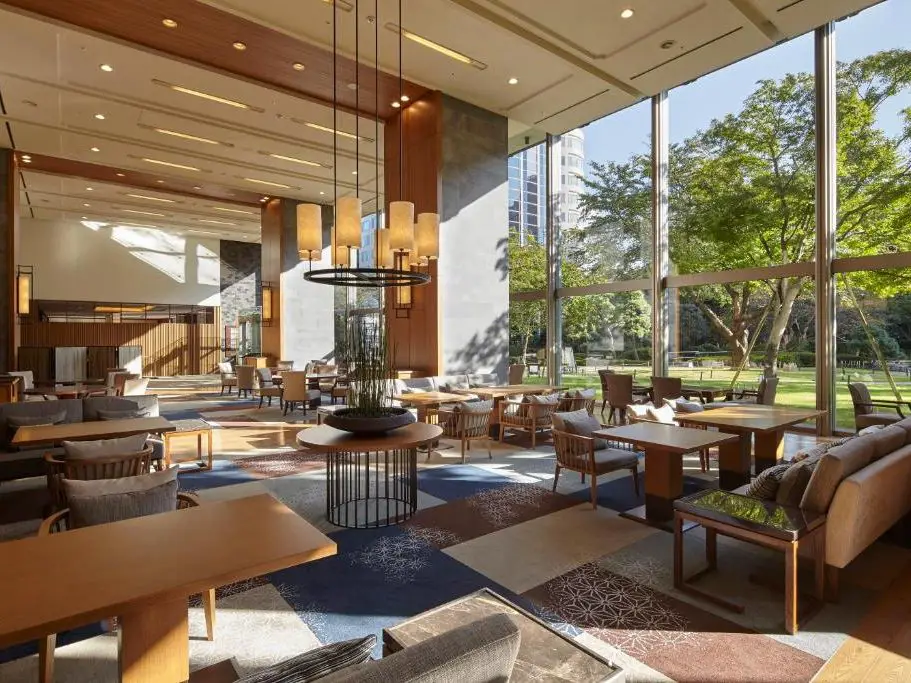
Most Luxurious
9. Takanawa Hanakohro, a Member of Small Luxury Hotels of the World
Rating: ⭐⭐⭐⭐⭐
Location: 8-minute walk to Shinagawa Station, Takanawa — direct Shinkansen access
Guest Reviews: Kimono-clad staff, washoku breakfast served in-room at a reserved time, exclusive OH-SAI Lounge with matcha grinding and origami classes, 20,000 sqm Japanese garden with 210 cherry trees and a koi pond
Best Room: Premier Japanese Garden Suite
From USD $565 – $1,100+ per night
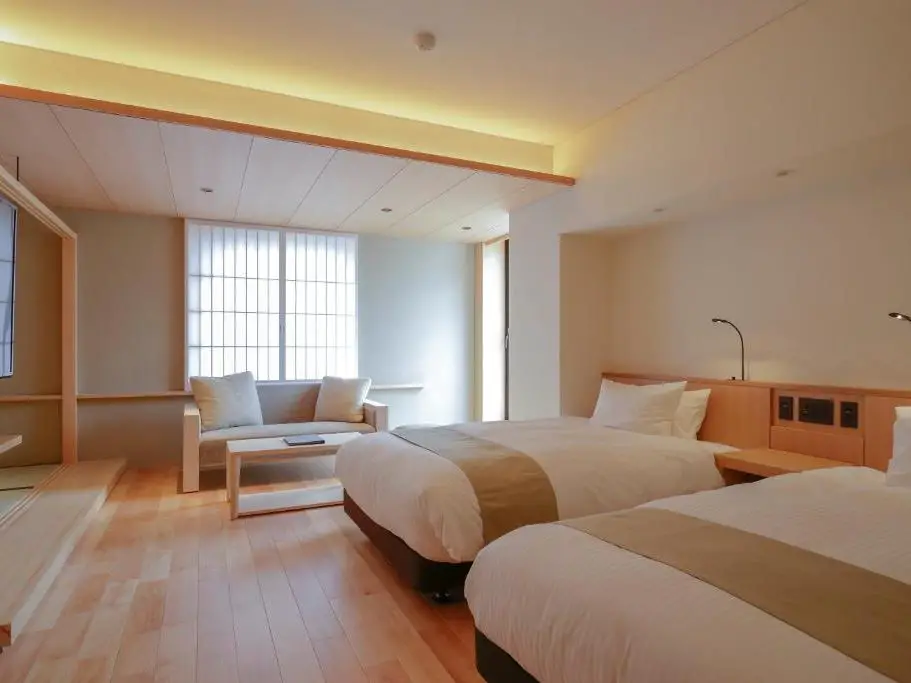
Best Views from the Room
10. Kaminarimon Ryokan
Rating: ⭐⭐⭐⭐
Location: 2-minute walk to Asakusa Station, directly overlooking Kaminarimon Gate
Guest Reviews: Top-floor Sakura room with wrap-around balcony, Senso-ji and Skytree views from select rooms, seasonal decor changed by the owner throughout the year, traditional Japanese breakfast served at the table
Best Room: Superior Room
From USD $145 – $430 per night
What “Traditional” Actually Means in a Tokyo Ryokan
Tokyo ryokans share the DNA of their rural counterparts — tatami floors, futon bedding, yukata robes, and a hospitality philosophy built around anticipating needs before you voice them — but they exist in a fundamentally different context. Understanding that difference before you book prevents disappointment and helps you choose the right property.
- Tatami rooms — Every property on this list has tatami-mat flooring in at least some rooms. Tatami is woven rush grass compressed into thick rectangular mats, and it gives a room its distinctive smell: faintly grassy, faintly earthy. You do not walk on tatami in shoes or roll luggage across it — both damage the surface. Slippers stay outside the room door.
- Futon bedding — In a traditional tatami room, your futon is laid directly on the floor by staff while you bathe or eat dinner, and cleared before breakfast. It is not a sofa bed. The mattress is firmer than most Western beds, and the pillow is often filled with buckwheat husks or beads. Most guests sleep well; those with serious back problems should check whether the property offers a raised platform or low bed option before booking.
- The onsen question — This is where Tokyo ryokans most visibly differ from the countryside. Central Tokyo sits on city water, not a geothermal field. Only Onsen Ryokan Yuen Shinjuku on this list pipes in genuine hot-spring mineral water — transported from Hakone. Every other property offers a regular heated bath, sometimes in a beautiful hinoki cypress tub. That bath is still worth having. It is just not technically an onsen, and no page should pretend otherwise.
- Room size — Tokyo real estate is expensive. Tatami rooms here run 9–20 square metres as a rule, which is compact by most international standards. The minimalism is intentional — a traditional ryokan room contains exactly what you need and nothing more — but if you need space to spread out, book a larger room category and check the square footage listed.
- Omotenashi — The hospitality philosophy of a ryokan is not transactional. Staff anticipate rather than react: your yukata is laid out before you ask, your tea is refreshed before it cools, seasonal sweets appear at check-in without being ordered. This is the part of a ryokan stay that genuinely has no equivalent in a standard hotel, and it is the thing guests most consistently describe as the highlight.
Is a Tokyo Ryokan Worth It?
The short answer is yes — but with a specific caveat. A Tokyo ryokan is worth it for the hospitality experience, the room format, and the ritual of the stay. It is not the right choice if what you primarily want is a natural hot-spring bath, because only one property on this list can genuinely deliver that. For the full onsen experience, a night in Hakone or Nikko does things a city inn cannot. What a Tokyo ryokan does better than anywhere else is put you inside Japanese hospitality at close quarters, in a city you are already visiting.
- What you get that a hotel cannot replicate — The room transformation is the thing most guests don’t expect: you arrive to a low table and floor cushions, and return from dinner to find the table moved aside and a futon laid out with quiet precision. Staff enter your room — this is normal and expected, not an intrusion. The pace of a ryokan evening is deliberately slower than a hotel. There is no bar to find, no lobby to linger in. You bathe, you eat, you sleep.
- The breakfast alone justifies one night — A traditional Japanese breakfast at a well-run ryokan — miso soup, grilled fish, pickled vegetables, tamagoyaki, rice, a small sweet — is a meal worth waking up for. Several properties on this list serve it in-room, which means you eat in your yukata at a low table while the city outside starts to move. It is one of those things that sounds minor and turns out to be a genuine highlight of a trip.
- Who might want to skip it — Light sleepers who find firm futons uncomfortable, travellers who prefer not to share bathroom facilities (most budget-tier properties have shared bathrooms — check before booking), and anyone whose primary accommodation priority is space. A ryokan is not the most efficient use of a Tokyo hotel budget purely on square footage. It is the most efficient use of a budget if what you want is a cultural experience woven into where you sleep.
- One night or two? — One night is enough to understand what a ryokan stay feels like. Two nights lets you settle into the rhythm: the first evening you are navigating the rituals, the second you are actually inside them. If budget allows, two nights at a mid-range property is more satisfying than one night at a luxury one.
Where to Stay: Tokyo’s Best Ryokan Neighbourhoods
The neighbourhood you choose shapes the ryokan experience as much as the property itself. Tokyo’s traditional inns cluster in a handful of distinct areas, each with a different character and a different relationship to the city around it.
- Asakusa — The most natural base for a traditional ryokan stay. Senso-ji, Nakamise shopping street, rickshaws, Edo-period streetscapes — the neighbourhood reinforces everything a ryokan is trying to do. Walking out in your yukata to the temple at dusk is possible here in a way it isn’t in Shinjuku. The trade-off is crowds during the day: Nakamise fills quickly with visitors, and the main drag around Kaminarimon can be loud until mid-evening. Side streets calm down fast. Ryokan Asakusa Shigetsu, Ryokan Kamogawa Asakusa, Kaminarimon Ryokan, and Cyashitsu Ryokan Asakusa all sit within easy walking distance of the temple.
- Yanaka — The quietest and most atmospheric option for a ryokan stay outside Asakusa. Yanaka retains an Edo-era residential feel that most of Tokyo has lost — narrow lanes, independent shotengai shopping streets, old wooden buildings, a famous cemetery that doubles as a cherry blossom spot. Annex Katsutaro Ryokan sits in this neighbourhood, two minutes from Sendagi Station. The area suits travellers who want old Tokyo without tourist density.
- Shinjuku — The opposite of Asakusa in atmosphere but the best transport base in the city. Onsen Ryokan Yuen Shinjuku is the clear anchor here — the only property in this area that delivers a genuine ryokan format with mineral water baths. Shinjuku suits travellers who want the ryokan experience without committing to an eastern-side base, or who are using Tokyo as a hub for day trips and need a central rail connection.
- Takanawa — The luxury end of the spectrum. Takanawa Hanakohro, a Member of Small Luxury Hotels of the World sits inside a 20,000-square-metre Japanese garden within a larger hotel complex near Shinagawa Station — direct Shinkansen access, eight minutes on foot. The neighbourhood is quieter and more residential than Asakusa or Shinjuku. It suits travellers who want five-star service and a traditional format without the Asakusa crowds.
- Nihonbashi and surrounding central wards — Ito Ryokan sits in Nihonbashi, close to Tokyo Station and the financial district. It adds geographic diversity to a stay that might otherwise be entirely eastern-side, and suits travellers arriving by Shinkansen who want to check in without a long transfer.
- Gotanda — Ryokan Sansuiso is the outlier on this list — south of the main cluster, near Gotanda Station on the Yamanote Line, beside the Meguro River. It is the budget pick for travellers who want a genuine tatami-and-futon stay without Asakusa prices, with direct access to Shibuya, Shinjuku, and Ueno on one train line.
Rooms, Baths and Meals: How to Choose the Right Property
The biggest source of booking confusion with Tokyo ryokans is that no two properties work the same way. Room format, bathroom access, bath type, and meal plans vary significantly across the list. Matching these variables to your preferences before you book saves a wasted night.
- Private en-suite bathroom vs shared facilities — Several properties on this list have shared bathroom arrangements, which is standard for budget-tier traditional inns. Ryokan Sansuiso and some room categories at Ryokan Asakusa Shigetsu offer shared facilities. Ito Ryokan, Kaminarimon Ryokan, Ryokan Kamogawa Asakusa, Takanawa Hanakohro and Onsen Ryokan Yuen Shinjuku have private bathrooms across all or most rooms. Check the specific room category rather than assuming — the same property often offers both.
- Communal bath vs reservable private bath vs in-room bath — A communal bath (daiyokujo) is gender-separated and open at set hours; you wash at a shower station, then soak. A reservable private bath (kashikiriburo) is booked by the hour for your exclusive use — the right option for couples or guests with tattoos who cannot use the communal bath. An in-room bath means a private tub in your room itself. Cyashitsu Ryokan Asakusa has both a reservable rooftop cypress bath and in-room bath options. Ryokan Kamogawa Asakusa has a reservable private bath on the ground floor. Takanawa Hanakohro has private in-room hinoki baths.
- Tattoo policy — Tokyo is more lenient than rural onsen towns, but communal baths at traditional properties still typically require tattoos to be covered with patches (available at the front desk). Properties with reservable private baths sidestep the issue entirely — Cyashitsu, Kamogawa, and Yuen Shinjuku all offer this option. Confirm current policy directly with any property before booking if this applies to you.
- Meal plans — Traditional ryokans price rooms per person and include dinner and breakfast (the 1-paku 2-shoku model). Several Tokyo properties break from this: Ito Ryokan, Annex Katsutaro, Ryokan Sansuiso, and Ryokan Asakusa Shigetsu offer room-only or breakfast-only rates, which suits travellers who want to eat out in the evenings. If kaiseki dinner in your room is part of why you’re booking a ryokan, confirm meal inclusion at the property level before booking.
- Per-person vs per-room pricing — This trips up almost every first-time booker. Many traditional ryokans list prices per person, not per room. A rate that looks expensive for one person may be reasonable when divided across two, especially when meals are included. Always check whether the listed price is per person or per room, and what the meal plan covers, before comparing against hotel rates.
When to Book and What It Will Cost You
Tokyo ryokan pricing moves considerably across the year, and availability at the better properties is tighter than most visitors expect. Getting the timing right has a direct effect on both what you pay and whether you get the room you want.
- Cherry blossom season (late March to early April) — The single busiest and most expensive window for Tokyo accommodation. Ryokans in Asakusa, where the streets and nearby Sumida Park fill with cherry trees, book out months in advance. Kaminarimon Ryokan’s Sakura room and Cyashitsu’s rooftop bath rooms are typically gone within days of their booking window opening. Book three to four months ahead minimum; six months is safer for specific room categories.
- Autumn foliage (November) — The second peak. Takanawa Hanakohro’s 20,000-square-metre garden with 210 cherry trees is equally spectacular with autumn maples, and the property’s 16 suites are finite. Two to three months ahead is the minimum for this period.
- Golden Week (late April to early May) — Domestic travel peaks sharply. Prices rise and availability tightens across all properties. Book alongside cherry blossom if your dates overlap.
- Summer (June to August) — Hot, humid, and less popular with international visitors. Prices drop noticeably at most properties and availability opens up. The rooftop baths at Cyashitsu and Ryokan Asakusa Shigetsu are particularly good in the early morning before the heat builds.
- Winter (December to February) — The quietest and cheapest window. Weekday rates at budget properties like Annex Katsutaro and Ryokan Sansuiso can be 20–30 per cent lower than peak season. Cold evenings make the hinoki bath experience better, not worse.
- Weekdays vs weekends — At almost every property on this list, a Monday-to-Thursday stay runs cheaper than the same room on a Friday or Saturday. If your dates are flexible, weekday stays are the simplest way to save on a mid-range budget.
- How far ahead to book — For cherry blossom and Golden Week: three to six months. For autumn foliage: two to three months. For summer and winter: four to six weeks is generally sufficient, though specific room types at smaller properties fill faster.
The Ryokan Rhythm: What to Expect from Arrival to Checkout
A ryokan stay follows a choreography that is worth understanding before you arrive. None of it is complicated, but knowing the flow in advance means you can move through it naturally rather than second-guessing every step.
- Arrival and the genkan — Check-in is typically between 3pm and 5pm. At the entrance, you remove your street shoes at the genkan (the recessed entry area) and step up into indoor slippers. This is not optional and not a suggestion — it is the threshold between outside and inside, and treating it as such is the first signal that you understand where you are. Most properties offer a welcome drink and a seasonal sweet at check-in; this is when staff will walk you through the room and explain the bath schedule.
- Yukata — Your yukata (a lightweight cotton robe) is provided in the room and is your uniform for the duration of the stay. Wear it to the bath, to dinner, through the corridors. The left panel wraps over the right — right over left is reserved for funeral dress, and staff will gently correct you if you get it wrong. The obi sash ties at the waist in a simple knot. Indoor slippers go on in hallways and come off before you step onto tatami.
- Toilet slippers — A separate pair of slippers sits at the entrance to the toilet room. Change into them on entry, change back on exit. Forgetting to switch back and walking onto tatami in toilet slippers is the most common etiquette mistake at a ryokan; it is embarrassing rather than catastrophic, but worth avoiding.
- The bath — At properties with a communal bath, wash thoroughly at the shower stations before entering the soaking tub. No soap or shampoo in the bath itself. Hair should be tied up or clipped away from the water. The bath is for soaking, not washing. Private baths at Ryokan Kamogawa Asakusa and Cyashitsu are bookable at reception — do this at check-in if it matters to you, because slots go early.
- Futon turndown — Staff will enter your room while you are at dinner or in the bath to lay out the futon. This is standard practice and not an intrusion. If you prefer privacy, let the front desk know at check-in and they will arrange an alternative arrangement. Do not drag luggage across the tatami — use the wooden flooring area near the entrance or a luggage rack if provided.
- Breakfast — Most properties serve breakfast between 7am and 9am, either in-room or in a dining area. At properties where it is in-room, a staff member will bring it at a time you agree the evening before. A traditional Japanese breakfast — miso soup, grilled fish or egg, pickled vegetables, rice, a small dessert — is one of the more underrated pleasures of a ryokan stay and worth not skipping.
- Checkout and tipping — Checkout is typically by 10am or 11am. Do not tip. Tipping in Japan disrupts the philosophy of service that underlies omotenashi — the hospitality is offered as its own complete gesture, and attaching money to it changes the nature of the exchange. A sincere verbal thank-you at checkout carries more weight than any gratuity.
FAQs
1. Is a traditional ryokan in Tokyo the same as a countryside ryokan?
The room format — tatami, futon, yukata, low table — is the same, and the hospitality philosophy is shared. What differs is the setting and the onsen. Most Tokyo ryokans use regular heated baths rather than natural hot-spring water, which is rare in central Tokyo. A countryside ryokan typically offers a genuine geothermal onsen, a garden or natural setting, and multi-course kaiseki dinner included as standard. Tokyo delivers the cultural experience with city convenience; the countryside delivers the full hot-spring ritual.
2. Do Tokyo ryokans have real onsen water?
Most do not. Central Tokyo sits on city water rather than a geothermal field. Onsen Ryokan Yuen Shinjuku is the exception on this list — it pipes in mineral water transported from Hakone, which is licensed as genuine hot-spring water. Other properties offer heated baths in beautiful hinoki cypress or stone tubs, which are relaxing and atmospheric but not technically onsen. If a real hot-spring soak is the priority, add a night in Hakone or Nikko to your itinerary.
3. Can I use the communal bath if I have tattoos?
At most traditional properties, communal baths require tattoos to be covered with skin-tone patches, which are usually available at the front desk. Properties with reservable private baths — Cyashitsu Ryokan Asakusa, Ryokan Kamogawa Asakusa, and Onsen Ryokan Yuen Shinjuku — sidestep the communal bath question entirely. Confirm current policy directly with the property before booking, as individual ryokan make their own decisions and policies do change.
4. Are Tokyo ryokan prices per person or per room?
It depends on the property. Traditional ryokans price per person and typically include breakfast and dinner — which means a rate that looks high is often covering two meals. Several properties on this list — including Ito Ryokan, Annex Katsutaro Ryokan, and Ryokan Sansuiso — use per-room pricing with optional breakfast. Always check what the listed rate includes before comparing it against a hotel price.
5. Will I sleep well on a futon?
Most guests do, though it takes an adjustment. The futon mattress is firmer than a standard Western bed and sits directly on the tatami floor. The room is unusually quiet — tatami absorbs footsteps, shoji paper screens diffuse sound, and a quality ryokan corridor is genuinely silent by 9pm. Guests with lower back conditions or hip pain should ask the property whether a raised platform bed or low Western bed is available before booking.
6. Do I have to eat the Japanese breakfast?
At properties where breakfast is included in the room rate, it is prepared for you at a reserved time and it would be impolite not to show up without notice. If you know you will not want it, inform the front desk the evening before. At properties offering room-only rates — Ito Ryokan, Ryokan Sansuiso, Annex Katsutaro — breakfast is optional and bookable separately. The traditional Japanese breakfast at a well-run ryokan is genuinely worth trying at least once.
7. How far in advance should I book a Tokyo ryokan?
For cherry blossom season (late March to early April) and Golden Week (late April to early May), book three to six months ahead. For autumn foliage (November), two to three months. For summer and winter, four to six weeks is usually sufficient for most properties, though smaller ryokans with only a handful of rooms — Cyashitsu has ten, Kaminarimon has ten — fill faster than the timeline suggests. Specific room categories with private baths or views are always the first to go.
8. Is one night enough to experience a ryokan?
One night captures the full arc: afternoon arrival, yukata, bath, dinner, futon turndown, morning bath, traditional breakfast, checkout. That is enough to understand what a ryokan stay feels like. Two nights is better if budget allows — the first evening you are navigating the rituals, the second you are actually inside them without the mental checklist.