
Ubud sits in the highlands of Bali where the air is cooler, the pace is slower, and the rice terraces spill down into river valleys that hotels have spent decades building around. Spa culture here draws on Balinese healing rituals passed down through generations of local therapists, which gives treatments a depth you won’t find at a beach resort with a wellness menu. Add yoga shalas perched above jungle canopies, organic restaurant menus, and rooms where the view is half the experience, and it becomes clear why people extend their stays here more than anywhere else in Indonesia. The resorts below are the ones that do all of it well.
Table of Contents
Ubud Resorts
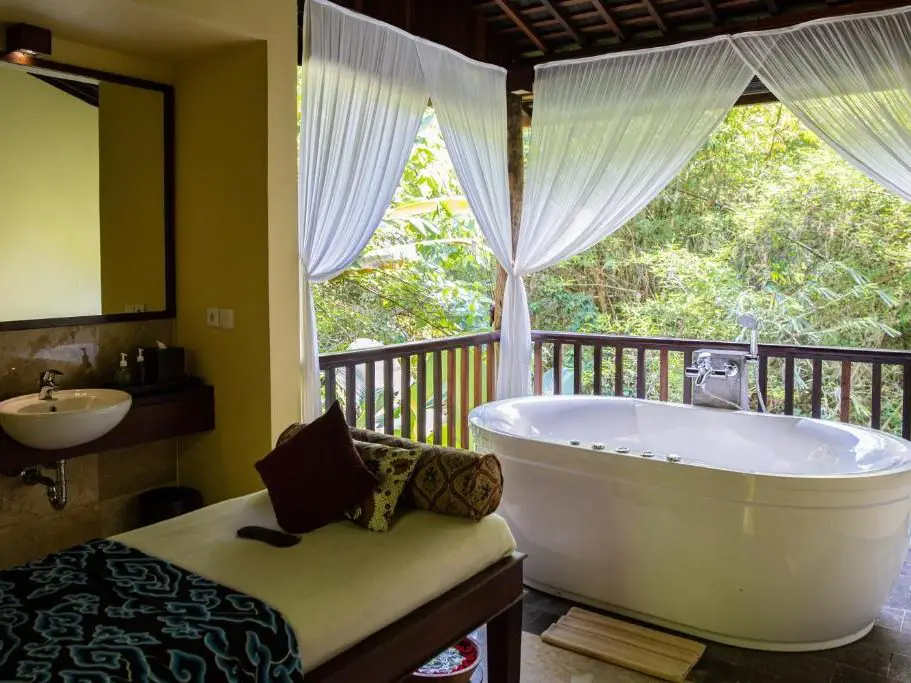
| 1. Komaneka at Bisma Best Spa Setting Rating: ⭐⭐⭐⭐⭐ Location: 10-minute walk to Ubud Palace and Ubud Traditional Art Market Guest Reviews: Wana Jiwa Spa riverbank villa, complimentary morning yoga, Campuhan river valley views, à la carte breakfast with fresh smoothies, two infinity pools with pool swing, Seneng Kitchen Indonesian fine dining, four-poster beds, spacious balconies overlooking rice fields and jungle canopy, afternoon tea daily Best Room: Villa, 1 Bedroom, Private Pool Price: From USD $250 – $365 per night |
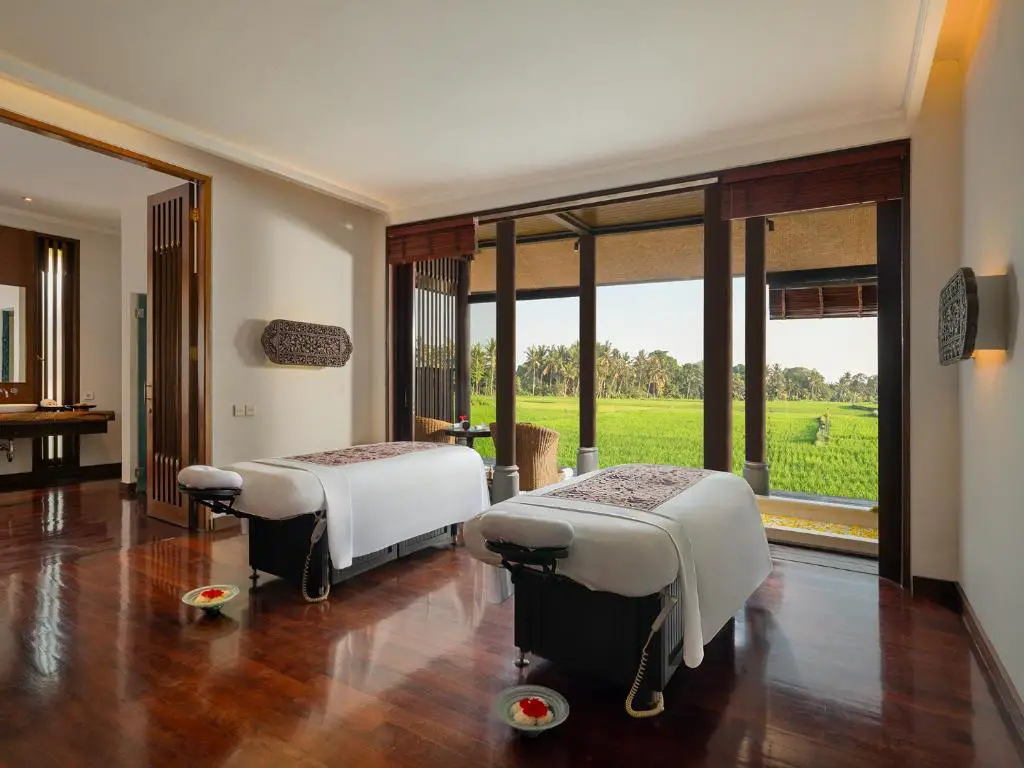
| 2. Tanah Gajah, a Resort by Hadiprana Best Rice Field Views Rating: ⭐⭐⭐⭐⭐ Location: 5-minute drive to Ubud centre, complimentary shuttle included; 11-minute walk to Goa Gajah temple Guest Reviews: Daily yoga at The Pavillion shala, rice field and Mount Agung views, butler service, Balinese hot air balloon at sunrise, guided rice paddy trek, afternoon tea at Bird Lounge, Hadiprana private art collection throughout, outdoor soaking tubs, The Tempayan restaurant open-air dining over rice fields Best Room: Premier One Bedroom Pool Villa with Club Benefits Price: From USD $290 – $450 per night |
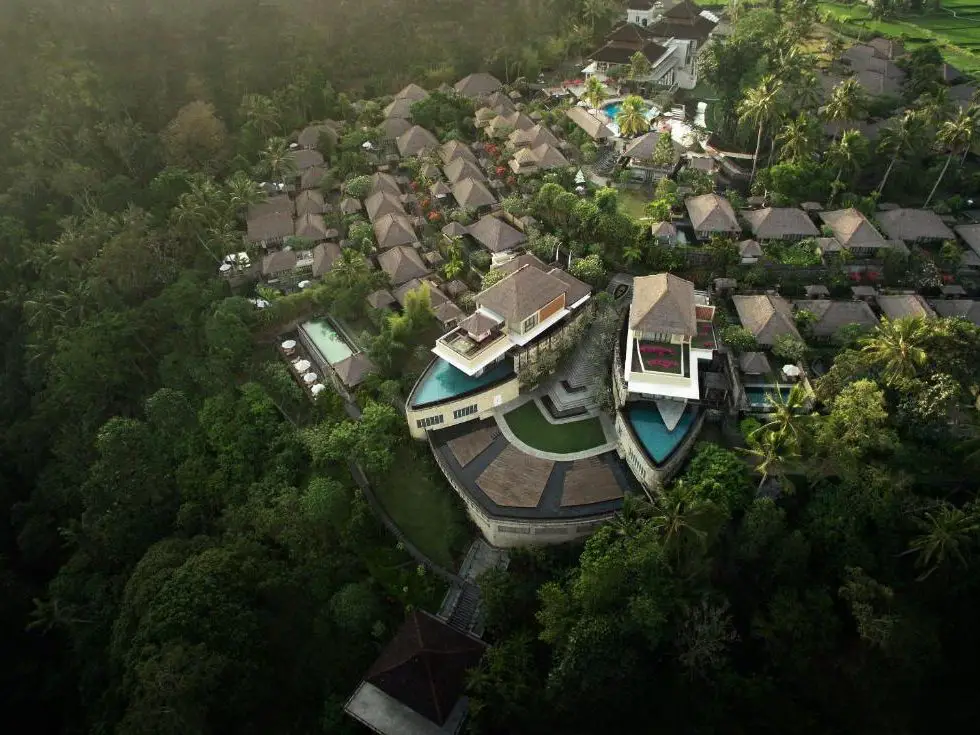
| 3. Kamandalu Ubud Rating: ⭐⭐⭐⭐⭐ Location: 10-minute drive to Ubud centre, complimentary shuttle runs six times daily Guest Reviews: Rumah Yoga shala overlooking jungle valley, complimentary morning yoga, Chaya Spa body scrubs and reflexology, Awana infinity pool with Petanu River valley views, swim-up bar, Petulu Restaurant Indonesian cuisine, rice paddy cycling tours, outdoor rainforest showers, Balinese thatched-roof villa design, deep soaking bathtubs, sauna Best Room: Valley Villa, Private Pool with Special Deal Price: From USD $160 – $245 per night |
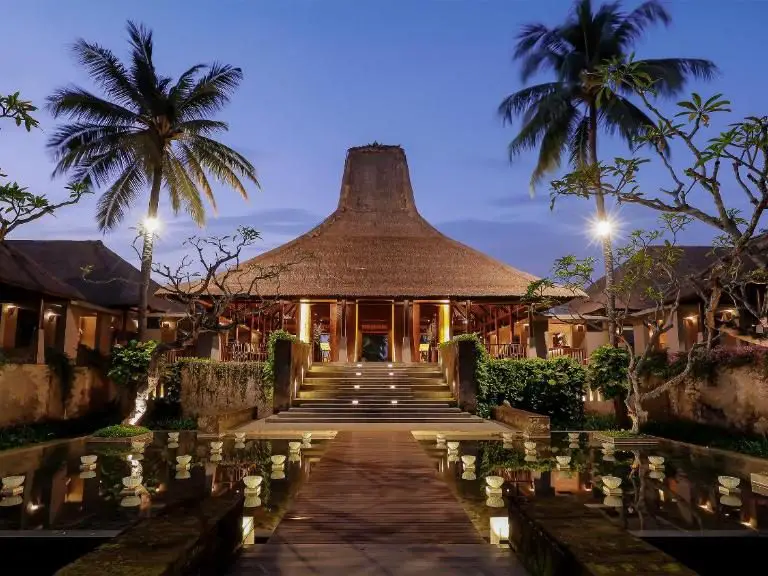
| 4. Maya Ubud Resort & Spa Best for Families Rating: ⭐⭐⭐⭐⭐ Location: 10-minute drive to Ubud centre, complimentary hourly shuttle included Guest Reviews: Bale Raga Yoga Studio open-air pavilion, Spa at Maya riverbank treatment rooms, two infinity pools overlooking Petanu River, Peliatan rice terrace views, complimentary rice paddy and forest treks, Growing Grounds kitchen garden and herb walk, Mayasari Restaurant nightly traditional dance performances, complimentary afternoon tea daily, butler service across all room categories Best Room: Heavenly Pool Villa King Bed with Butler Service Price: From USD $130 – $320 per night |
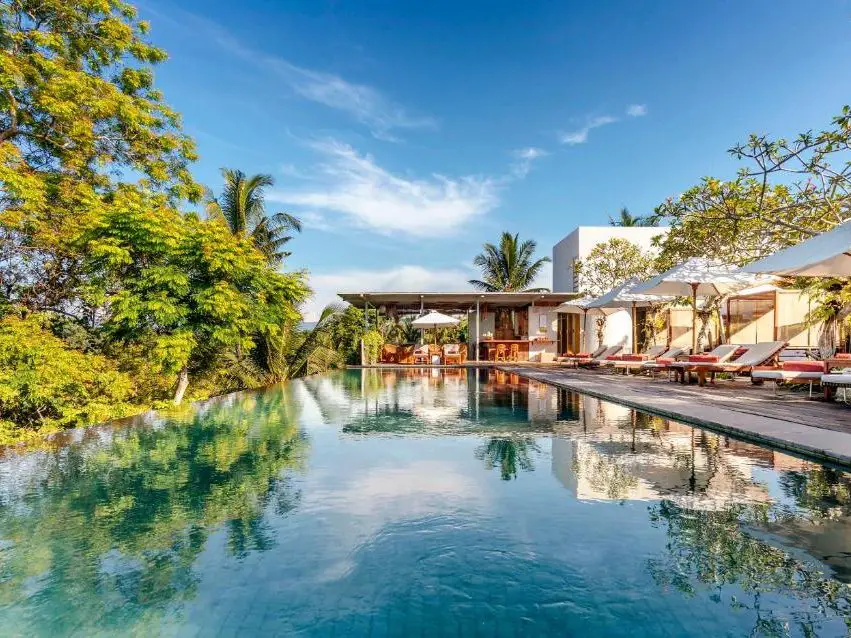
| 5. Bisma Eight Best Boutique Stay Rating: ⭐⭐⭐⭐⭐ Location: 10-minute walk to Ubud Palace and Ubud Traditional Art Market Guest Reviews: Mandala Spa aromatherapy and body wraps, free daily morning yoga, jungle valley views, Japanese soaking tub in every suite, Copper Kitchen rooftop restaurant, private hot tub, sound healing sessions, Balinese cooking classes Best Room: The Forest Suite Price: From USD $200 – $370 per night |
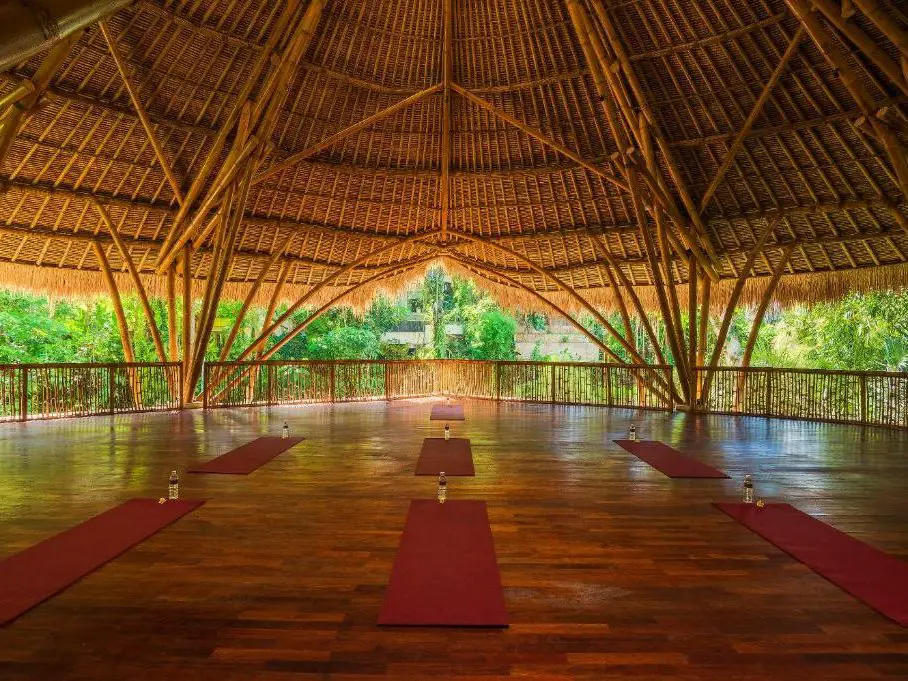
| 6. The Udaya Resorts & Spa Best Value for Wellness Rating: ⭐⭐⭐⭐ Location: 5-minute drive to Ubud centre, complimentary shuttle included Guest Reviews: Kaveri Spa Balinese flower bath, Vyoma bamboo yoga hut, two on-site yoga shalas, private pool villa, Deeva Restaurant organic menu, floating breakfast, rooftop sky hut, sound healing, afternoon tea daily, Balinese cooking class Best Room: Villa, 1 Bedroom, Private Pool Price: From USD $135 – $290 per night |
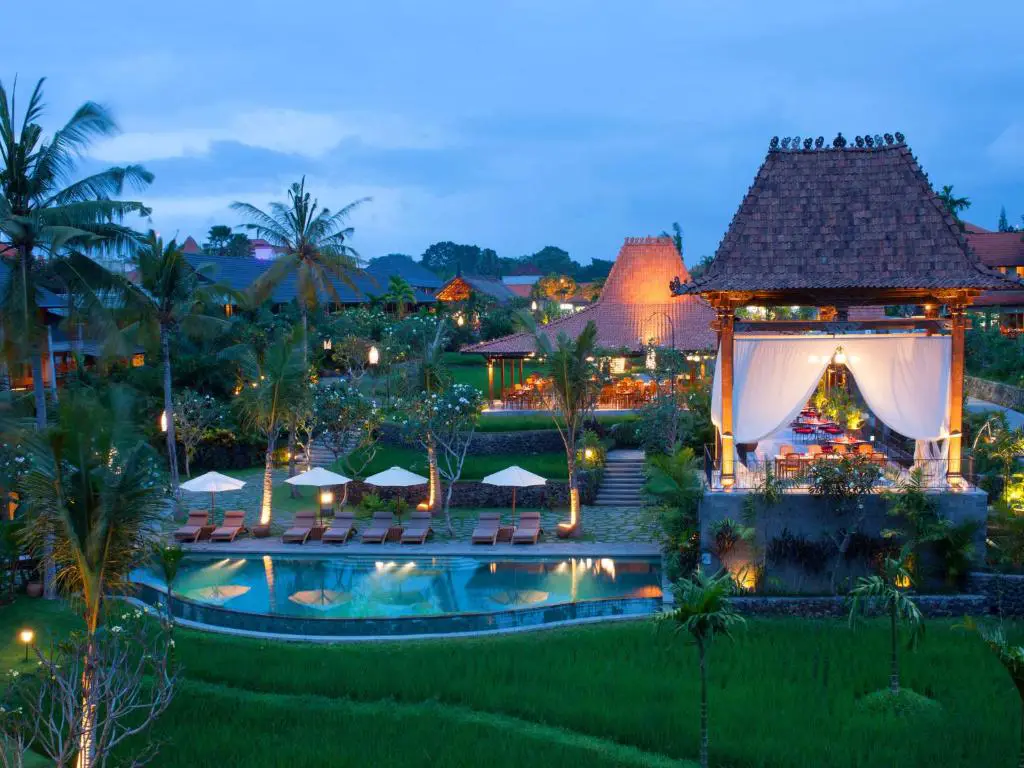
| 7. Alaya Resort Ubud Rating: ⭐⭐⭐⭐⭐ Location: Walking distance to Yoga Barn, Monkey Forest and Ubud Market Guest Reviews: DaLa Spa six flower-themed treatment rooms, thatched yoga pavilion, working rice paddy on-site, two outdoor pools, Petani Restaurant Indonesian cuisine, Bamboo Bar, balcony rice field views, Balinese cooking class, afternoon tea daily Best Room: Suite Price: From USD $115 – $220 per night |
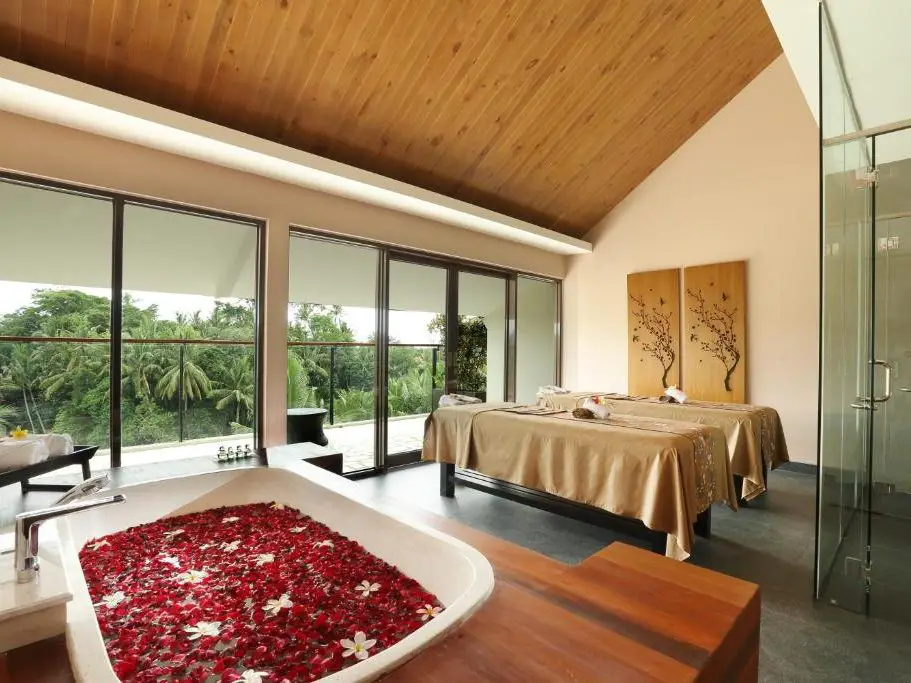
| 8. Plataran Ubud Hotel & Spa Rating: ⭐⭐⭐⭐⭐ Location: 5-minute walk to Ubud Monkey Forest, 2-minute drive to Ubud Palace Guest Reviews: Complimentary yoga and village temple walk, Plataran Spa hot stone massage, two infinity pools, Teras Restaurant rice paddy views, deep soaking tub, afternoon tea daily, on-site art gallery, private balcony jungle and pool views, Balinese cooking class Best Room: Suite, 1 Bedroom Price: From USD $110 – $220 per night |
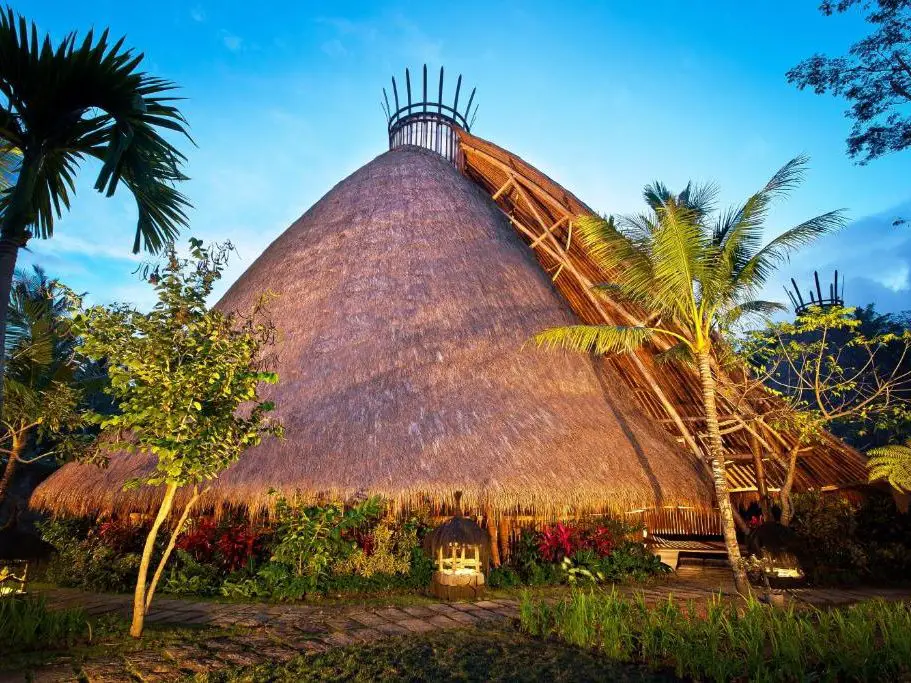
| 9. Fivelements Retreat Bali Most Immersive Wellness Retreat Rating: ⭐⭐⭐⭐ Location: 20-minute drive to Ubud centre, 10-minute drive to Ubud Monkey Forest; free shuttle available Guest Reviews: Bidadari Beauty Sanctuary spa, Ayung River bamboo treatment pavilions, daily morning yoga, Sakti Dining Room plant-based menu, six outdoor hot tubs, sound healing and meditation, couples massage rooms overlooking the river, private plunge pools, fruit provided daily in-room Best Room: Suite River Front Price: From USD $250 – $450 per night |
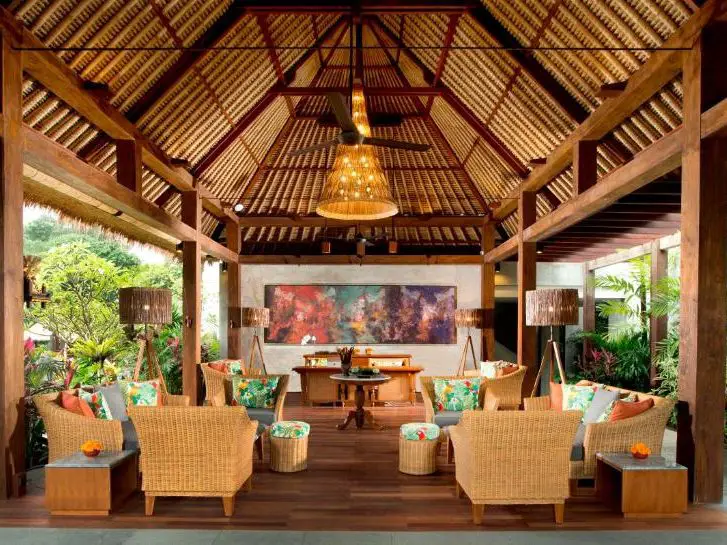
| 10. Adiwana Resort Jembawan Best Central Location Rating: ⭐⭐⭐⭐ Location: 9-minute walk to Ubud Palace and Ubud Traditional Art Market; Radiantly Alive yoga studio immediately adjacent Guest Reviews: Tejas Spa Ayurvedic treatments and reflexology, two outdoor pools and steam room, Herb Library restaurant, afternoon tea with Balinese cakes, yoga and Ayurvedic workshops on-site, river view balconies, hypoallergenic bedding, children’s pool, Balinese cooking class Best Room: Premier Suite Room Price: From USD $120 – $220 per night |
Why Ubud Specifically
Bali has no shortage of spas, but the conditions that make a spa treatment genuinely restorative — cool air, birdsong, no traffic noise, a view that slows your breathing — exist in the highlands, not on the coast. Ubud sits between 200 and 300 metres above sea level, which brings temperatures down by several degrees compared to Seminyak or Canggu, and places it inside a landscape of river gorges, coconut groves and terraced rice fields that beach resorts cannot replicate. The wellness industry arrived here for a reason, and the reasons compound over a stay.
- Balinese healing traditions are rooted here, not imported. Ubud sits at the cultural centre of Bali, where the Hindu-Balinese spiritual framework that underlies local healing practices — massage, flower baths, Ayurvedic treatments and sacred water rituals — is embedded in daily life. Hotel spa programmes draw on practitioners trained within this tradition rather than on imported wellness trends.
- The landscape does active work. Rice terraces, jungle canopy and river valleys visible from yoga shalas and spa treatment rooms are not decorative. Guests consistently report that the setting accelerates the transition into genuine rest in a way that a hotel pool in a city cannot.
- Ubud has the deepest concentration of serious yoga infrastructure outside India. The Yoga Barn alone runs multiple classes daily across several studios and is one of the largest yoga centres in Southeast Asia. Independent studios including Radiantly Alive, Intuitive Flow and Ubud Yoga House operate within walking distance of the central hotels. In-hotel shalas at the resorts here complement rather than replace this wider ecosystem.
- The cooler climate suits extended outdoor practice. Morning yoga at altitude feels physically different from a heated studio session at sea level. Open-air shalas with valley views at properties like Kamandalu Ubud and Tanah Gajah work specifically because the temperature and air quality support sustained outdoor practice.
Where to Stay in Ubud for Spa and Yoga
Location shapes a wellness stay more than almost any other variable. The trade-off is consistent: the closer you are to central Ubud, the more you can walk to independent studios, restaurants and cultural sites; the further out you go, the more expansive the rice field and valley views, and the more self-contained the resort experience becomes. Neither is objectively better — they suit different trips.
- Central Ubud and Jalan Bisma — walkable, quieter than Monkey Forest Road, still close. Bisma Eight, Komaneka at Bisma, Alaya Resort Ubud, Adiwana Resort Jembawan and Plataran Ubud Hotel & Spa all sit within ten to fifteen minutes’ walk of Ubud Palace, the Art Market and the Yoga Barn. Guests can attend a morning class at Radiantly Alive and be back at the hotel pool by 9am. Rice field views at this level are limited or partial — Alaya has a working paddy within its grounds, while Bisma Eight and Komaneka overlook jungle valley rather than open terraces.
- Peliatan — transition zone between centre and countryside. Maya Ubud Resort & Spa sits in this band, roughly a five-minute drive from central Ubud with a complimentary shuttle. Its 10 hectares of riverside grounds include working rice terraces, kitchen gardens and two infinity pools. Access to independent studios requires the shuttle or a Grab ride, but the property’s own yoga pavilion and riverside spa cover most wellness needs without leaving the grounds.
- Andong and Tengkulak — full rice field immersion, shuttle-dependent. Kamandalu Ubud, Tanah Gajah and The Udaya Resorts & Spa sit between five and fifteen minutes by car from Ubud town. All three offer complimentary shuttle services with fixed daily schedules. The payoff is unobstructed rice field and valley views, genuine quiet, and grounds large enough that the resort itself functions as the primary destination.
- Mambal — Ayung River, furthest out, fully self-contained. Fivelements Retreat Bali sits approximately twenty minutes from Ubud town in Mambal by the Ayung River. It functions as a standalone healing environment where leaving to explore Ubud is optional rather than necessary. Guests who want flexibility to visit town regularly may find the distance a friction point; guests who want full immersion will find it an asset.
- Practical note on shuttles. Properties outside central Ubud typically run shuttles between four and eight times daily on fixed schedules. If your plan involves evening classes at the Yoga Barn or late dinners in town, check the last shuttle time before booking, or budget for Grab rides back.
Yoga Shalas, Studios and In-Hotel Classes: What the Difference Means for Your Stay
The word shala comes from Sanskrit, meaning a place of learning or a sacred hall. In Ubud it has come to mean specifically an open-air or semi-open pavilion designed for yoga practice, typically elevated above a natural feature — a river, a valley, a rice field — so that the landscape forms the backdrop to practice. The distinction matters for booking decisions because not every hotel that offers yoga has a shala, and not every shala delivers the same experience.
- Open-air valley shalas — the defining Ubud experience. Kamandalu Ubud’s Rumah Yoga shala and Tanah Gajah’s Pavillion yoga space both sit above their respective valley and rice field settings with open views during practice. Komaneka at Bisma offers complimentary morning yoga with Campuhan river valley views. These sessions are worth scheduling around — they deliver something architecturally and experientially specific to Ubud that no indoor studio replicates.
- Bamboo and riverside pavilions. Fivelements Retreat Bali conducts daily morning yoga in bamboo riverside pavilions with the Ayung River audible throughout. The Udaya Resorts & Spa runs sessions in its Vyoma bamboo yoga hut. The material quality of bamboo construction — absorbing sound, maintaining temperature — is part of what makes these spaces work.
- In-hotel pavilions and thatched spaces. Alaya Resort Ubud’s thatched yoga pavilion, Maya Ubud’s Bale Raga Yoga Studio and Plataran Ubud’s open yoga area all offer structured sessions within the resort grounds. These work well for guests who want convenience and don’t want to factor in travel between hotel and studio.
- Proximity to Ubud’s independent studios as an alternative or supplement. Adiwana Resort Jembawan sits immediately next to Radiantly Alive, one of Ubud’s most respected independent studios, with semi-open jungle shalas and a schedule ranging from Ashtanga and Vinyasa to Yin and breathwork. Alaya Resort Ubud is steps from the Yoga Barn. For guests who want access to the widest range of yoga styles and teachers, a centrally located hotel combined with the town’s studio ecosystem gives more flexibility than any single hotel programme.
- Complimentary versus paid yoga — check before arrival. Komaneka at Bisma, Kamandalu Ubud, Tanah Gajah, The Udaya Resorts & Spa, Bisma Eight, Maya Ubud Resort & Spa and Fivelements Retreat Bali all include yoga sessions in the standard rate. Alaya Resort Ubud and Plataran Ubud offer yoga as part of their daily activities schedule — confirm with the hotel directly whether there is a surcharge, as this can change seasonally.
What to Expect from a Balinese Spa Treatment
Balinese massage is a full-body treatment that combines long effleurage strokes, acupressure along energy meridians, gentle stretching and skin rolling. Unlike Swedish massage, which focuses primarily on muscle relaxation, Balinese massage draws on a tradition that views the body’s energy flow as the central concern, incorporating reflexology alongside the physical work. Understanding what a treatment involves helps calibrate what to book and for how long.
- The core treatment. A 60-minute session covers the full body and uses warmed coconut or frangipani oil. Pressure is firm by default and adjusted on request — most resort spa therapists ask about preferences at the start. A 90-minute session adds extended work on the feet, scalp and face. At 60 minutes the body is often only beginning to release; 90 minutes is the minimum most guests who have experienced both recommend.
- Flower baths and herbal treatments. Most Ubud resort spas offer flower baths — a deep soaking tub filled with frangipani, rose petals and local herbs — either as standalone treatments or as additions to massage packages. The Udaya Resorts & Spa’s Kaveri flower bath and Fivelements Retreat Bali’s Ayurvedic herbal baths are among the most requested. These work best as the final element of a treatment sequence rather than as standalone options.
- What resort spa treatments deliver beyond town spas. The difference between a resort spa and a street-level massage in Ubud town is primarily setting and therapist access rather than technique. Wana Jiwa Spa at Komaneka at Bisma is a standalone spa villa on the Campuhan riverbank with individual treatment rooms, open to outside guests as well as hotel guests. The Spa at Maya Ubud conducts treatments in an open-air riverside pavilion where the sounds of the Petanu River run throughout the session. Fivelements’ Bidadari Beauty Sanctuary treatment rooms overlook the Ayung River directly. These settings are materially different from a shopfront massage and justify the premium.
- Ayurvedic treatments and specialist programmes. Adiwana Resort Jembawan’s Tejas Spa offers Ayurvedic treatments including Shirodhara — warm herbal oil applied continuously to the forehead — alongside reflexology and detox wraps. Fivelements runs structured multi-day Ayurvedic programmes with in-house practitioners. For guests with a specific therapeutic goal rather than general relaxation, identifying which properties have Ayurvedic practitioners on staff before booking is worth the research.
- Booking logistics. At resort spas with strong reputations — particularly Wana Jiwa at Komaneka, the Spa at Maya Ubud and Bidadari at Fivelements — treatment slots during peak season fill days or a week in advance. Email the spa directly after booking the hotel rather than requesting on arrival.
What the Price Difference Actually Buys You
The resorts and hotels here from around $115 to $450 per night. That spread is wide enough to warrant a direct explanation of what changes at each level in wellness terms specifically — not just room size or thread count.
- $115–$180 (Adiwana Resort Jembawan, Alaya Resort Ubud, Plataran Ubud Hotel & Spa). At this level you get a full-service spa, yoga sessions either on-site or immediately adjacent, two outdoor pools and a central Ubud location that puts the town’s independent studio ecosystem within walking distance. The trade-off is grounds scale — these are compact urban properties where the retreat feeling comes from design and greenery rather than acreage. Adiwana and Plataran punch above their price on wellness depth: Tejas Spa at Adiwana is a legitimate Ayurvedic destination, and Plataran’s yoga and village walk programme is complimentary with every room.
- $135–$250 (The Udaya Resorts & Spa, Kamandalu Ubud, Maya Ubud Resort & Spa, Bisma Eight). This band delivers dedicated yoga shalas with meaningful views, larger grounds, complimentary morning yoga and spa programmes with broader treatment menus. Kamandalu adds Chaya Spa, a swim-up bar and Rumah Yoga shala above the Petanu valley. Maya Ubud adds 10 hectares of riverside grounds, a kitchen garden, rice paddy treks and evening cultural performances. Bisma Eight is the most design-considered property in central Ubud at this price point — Michelin Key, Mandala Spa, Japanese soaking tubs in every suite. The Udaya offers two yoga shalas, a Kaveri flower bath and private pool villas, making it one of the strongest value propositions for wellness in Ubud.
- $250–$370 (Komaneka at Bisma, Tanah Gajah). At this level the spa becomes a destination in itself. Wana Jiwa Spa at Komaneka is a standalone riverbank spa-villa open to outside visitors — not a hotel amenity but an independent operation with individual treatment villas on the Campuhan River. Tanah Gajah adds butler service, the only licensed hot air balloon in Ubud, Mount Agung views from the spa suites and a private art collection throughout the property. Both include complimentary yoga with rice field and valley backdrops. The price increase here buys setting quality and service personalisation more than additional wellness programming.
- $250–$450 (Fivelements Retreat Bali). Fivelements operates on a different model from every other property here. It is exclusively plant-based, runs structured Ayurvedic and healing-arts programmes, and is designed around multi-night immersion rather than flexible resort use. The premium reflects the specialist nature of the operation — bamboo riverside pavilions, daily yoga, Bidadari Beauty Sanctuary treatments, Sakti Dining Room plant-based cuisine, sound healing and meditation — rather than conventional luxury amenities. It suits a guest who wants a dedicated healing programme; it does not suit a guest who wants flexibility and a varied dining scene nearby.
When to Book: Seasonality and What It Means for Wellness
Ubud’s seasons are genuinely consequential for a wellness stay, but not in the direction most visitors assume. Rain is not the problem here that it is at a beach resort.
- Dry season: May to October — the default recommendation, with caveats. Reliable sunshine, lower humidity and conditions well-suited to outdoor yoga, rice paddy treks and the Campuhan Ridge Walk. July and August are peak months: hotel rates at this level climb significantly, spa slots are harder to secure and Ubud’s streets fill considerably. For wellness-focused stays, the edges of dry season — May to June and September to October — deliver the same conditions with fewer crowds and more competitive rates.
- Wet season: November to March — underrated for this trip type specifically. Short, sharp afternoon showers are the norm rather than all-day rain. Morning yoga sessions and outdoor activities are rarely disrupted. The rice terraces are at their most vivid green from December through April — precisely the backdrop that defines the visual appeal of these properties. Hotel rates drop, spa slots open up and the slower pace of low season suits genuine rest. Guests staying at out-of-town properties like Kamandalu, Fivelements or Tanah Gajah are least affected, since the resort grounds become the primary environment regardless of weather.
- Shoulder months: April–June and September–October — the insider choice. Weather is stable, the rice fields are green or approaching harvest depending on the month, crowds are manageable and rates sit below peak without reaching low-season minimums. April or May typically brings the Bali Spirit Festival — an annual week-long yoga and music event centred on the Yoga Barn that draws practitioners from across the world. Worth knowing about whether you plan to attend or avoid it; check the current year’s dates before booking, as timing shifts annually.
- Nyepi — the Balinese Day of Silence. Falling in March or April (dates change each year based on the Balinese calendar), Nyepi requires all visitors to remain within their accommodation for 24 hours. The airport closes and the island goes quiet. For a wellness stay this is not an inconvenience — several properties describe it as among the most memorable experiences guests have. Check the date when planning and build around it rather than away from it.
How Many Nights You Actually Need
Three nights is the functional minimum. Four to five nights is where a wellness stay genuinely becomes one.
- Two nights: enough to use the pool, not enough to use the spa meaningfully. With a two-night stay, check-in afternoon and check-out morning consume most of the functional time. A single spa treatment is possible, but guests consistently report arriving in a state of transit stress that takes a full day to metabolise. Two nights is the check-in experience, not the wellness experience.
- Three nights: the minimum for genuine benefit. Day one is arrival and decompression. Day two is when the body catches up — the point at which morning yoga feels like yoga rather than obligation, and a spa treatment produces something beyond surface relaxation. Day three is the payoff. Three nights is tight but functional.
- Four to five nights: the sweet spot. At this length, a morning yoga routine develops, multiple spa treatments become possible without feeling rushed, rice paddy treks and cultural excursions fit naturally around rest days, and the resort’s full programme — cooking classes, sound healing, guided meditation, evening performances — can be sampled rather than squeezed in. Guests at Fivelements and Tanah Gajah in particular consistently note they wished they had booked longer.
- A week or more: the right call for structured programmes. Fivelements runs Ayurvedic programmes from three nights upward. The Udaya and Kamandalu see guests extend stays regularly. If the goal is measurable change rather than general restoration, a week in a dedicated wellness environment delivers something a shorter itinerary cannot.
- Book the spa before arrival, not on check-in day. At peak properties — Wana Jiwa at Komaneka, the Spa at Maya Ubud and Bidadari at Fivelements — popular treatment slots on days two and three are often gone by the time guests arrive during high season. Email the spa after confirming the hotel booking. Most will hold a slot for the coming stay.
FAQs
1. Do Ubud hotels include yoga classes in the room rate?
It depends on the property. Komaneka at Bisma, Kamandalu Ubud, Tanah Gajah, The Udaya Resorts & Spa, Bisma Eight, Maya Ubud Resort & Spa and Fivelements Retreat Bali all include yoga sessions in the standard rate. Always confirm directly with the hotel before arrival, as policies can change seasonally.
2. Is Ubud good for a wellness stay if it rains?
Rain in Ubud typically arrives in short afternoon bursts rather than all-day downpours. Morning yoga sessions, outdoor spa treatments and rice paddy walks are rarely disrupted. The wet season from November to March also brings the greenest rice terraces, lower rates and quieter spa booking calendars — conditions that suit a wellness-focused stay particularly well.
3. Do I need a car or scooter to stay at a resort outside Ubud centre?
Most out-of-town properties — Kamandalu, Tanah Gajah, Maya Ubud, The Udaya and Fivelements — run complimentary shuttles to Ubud town on fixed daily schedules. Grab, the regional ride-hailing app, operates reliably throughout the area and covers the gap between shuttle times cheaply. A scooter is not necessary.
4. What does a traditional Balinese massage involve?
A Balinese massage combines long oil strokes, acupressure along energy meridians, gentle stretching and skin rolling into a full-body treatment. It is firmer than Swedish massage by default and draws on a healing tradition rooted in the Balinese understanding of the body’s energy flow. Sessions use warmed coconut or frangipani oil, and therapists adjust pressure on request. A 90-minute session is the recommended minimum for a full-body treatment that goes beyond surface relaxation.
5. How far in advance should I book a spa treatment at an Ubud resort?
At well-regarded resort spas — particularly Wana Jiwa at Komaneka at Bisma, the Spa at Maya Ubud and Bidadari Beauty Sanctuary at Fivelements — popular time slots during July, August and the Christmas period fill days to a week ahead. The safest approach is to email the spa directly after confirming the hotel booking, requesting a preferred slot for day two or three of the stay.
6. Which part of Ubud has the best rice field views from the hotel?
The clearest rice terrace views tend to come from properties in the Peliatan, Andong and Tengkulak areas — where Kamandalu Ubud, Tanah Gajah and Maya Ubud sit — rather than from the town centre. Central properties like Alaya Resort Ubud and Bisma Eight offer jungle valley views rather than open terrace panoramas, which are equally atmospheric but different in character.
7. Are Ubud resort spas open to non-guests?
Several are. Wana Jiwa Spa at Komaneka at Bisma is explicitly open to outside visitors and is considered a standalone destination. DaLa Spa at Alaya Resort Ubud also accepts non-resident bookings. Most other resort spas prioritise in-house guests, particularly during peak season, and availability for outside visitors decreases accordingly. Booking ahead is essential regardless of guest status.
8. Is Ubud good for solo wellness travellers?
Ubud is among the most solo-friendly wellness destinations in Southeast Asia. The independent yoga studio culture — Yoga Barn, Radiantly Alive, Intuitive Flow — is community-oriented and naturally social. Several hotels, including Bisma Eight and Adiwana Resort Jembawan, receive consistent specific praise from solo women travellers for attentive service and personal safety. Fivelements runs group programmes that provide natural points of connection for solo guests.