
Bali’s wellness industry has outgrown the clichés. The best resorts here aren’t selling relaxation as a concept — they’re delivering it through serious spa programs, skilled Balinese healers, and settings that do half the work before you’ve unpacked. Whether you’re drawn to the Ayung River valley above Ubud, the dramatic clifftops of Uluwatu, or the quieter hills of Nusa Dua, the gap between a good stay and a transformative one usually comes down to picking the right property for what you actually need. These are the hotels worth considering.
Table of Contents
Bali Hotel Retreats
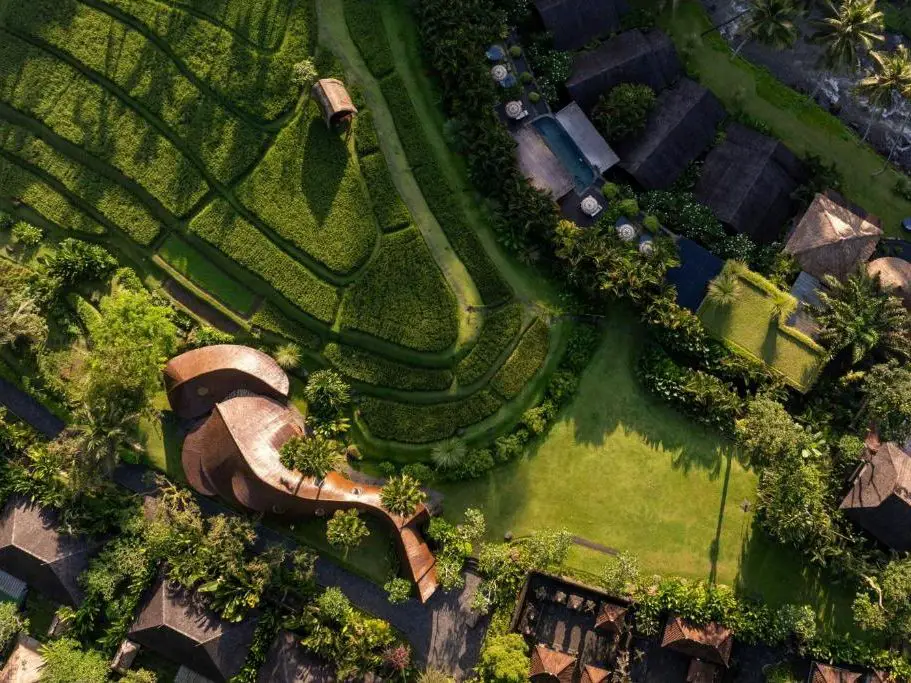
| 1. Mandapa, a Ritz-Carlton Reserve Best Riverside Wellness Experience Rating: ⭐⭐⭐⭐⭐ Location: 10-minute drive to central Ubud, above the Ayung River valley Guest Reviews: Ayung River spa views, sacred fire ceremonies, Balinese healer sessions, immaculate butler service Best Room: One Bedroom Pool Villa Price: From USD $1,000 – $1,800 per night |
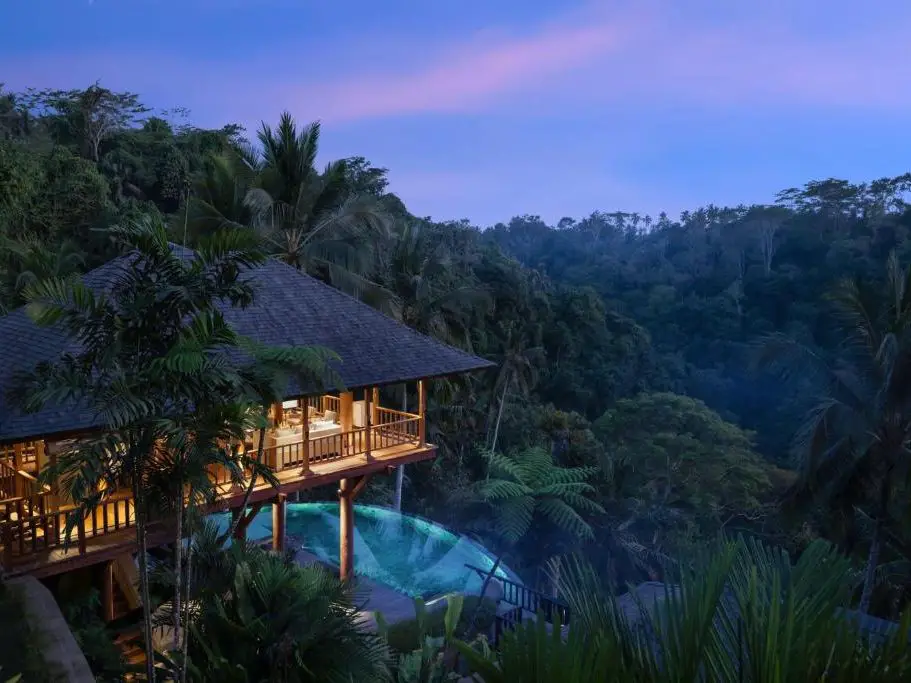
| 2. COMO Shambhala Estate Best Structured Wellness Programs Rating: ⭐⭐⭐⭐⭐ Location: 15-minute drive to central Ubud, above the Ayung River valley Guest Reviews: Natural healing springs on-site, Ayurvedic doctor consultations, Pilates and yoga masters, nutritionist-crafted menus Best Room: Villa, 1 Bedroom (Pool Villa) Price: From USD $1,100 – $1,500 per night |
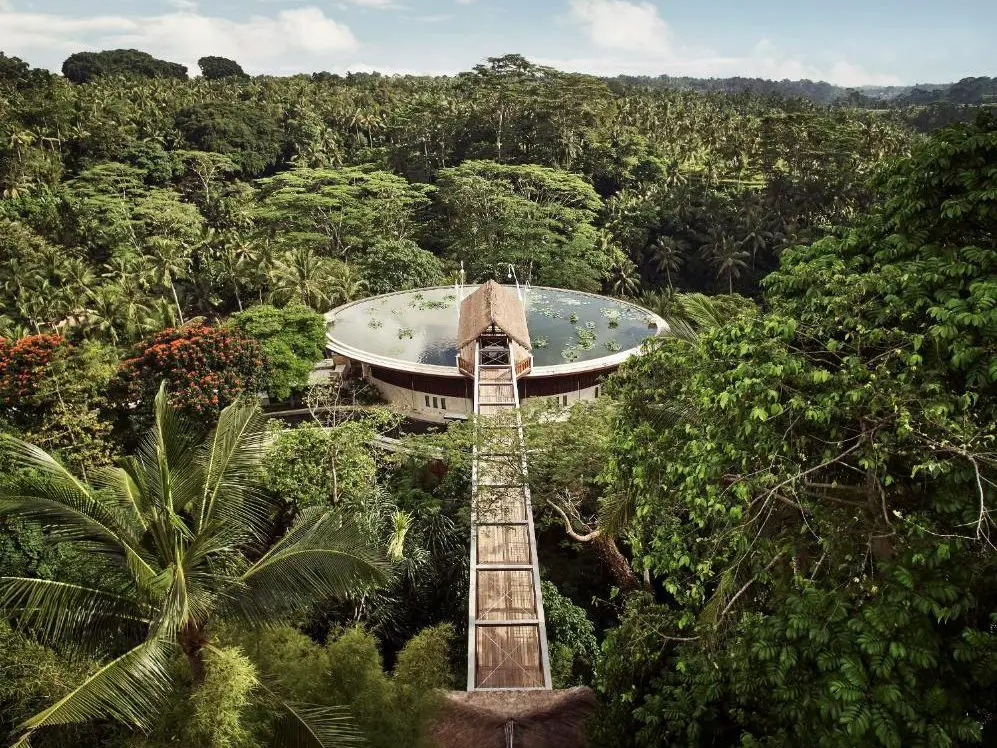
| 3. Four Seasons Resort Bali at Sayan Best Sacred Healing Rituals Rating: ⭐⭐⭐⭐⭐ Location: 10-minute drive to central Ubud, above the Ayung River valley Guest Reviews: Sacred River Spa chakra ceremonies, antigravity yoga classes, private lily pond meditation areas, Balinese dance performances three nights a week Best Room: Villa, 1 Bedroom (Riverfront) Price: From USD $850 – $1,600 per night |
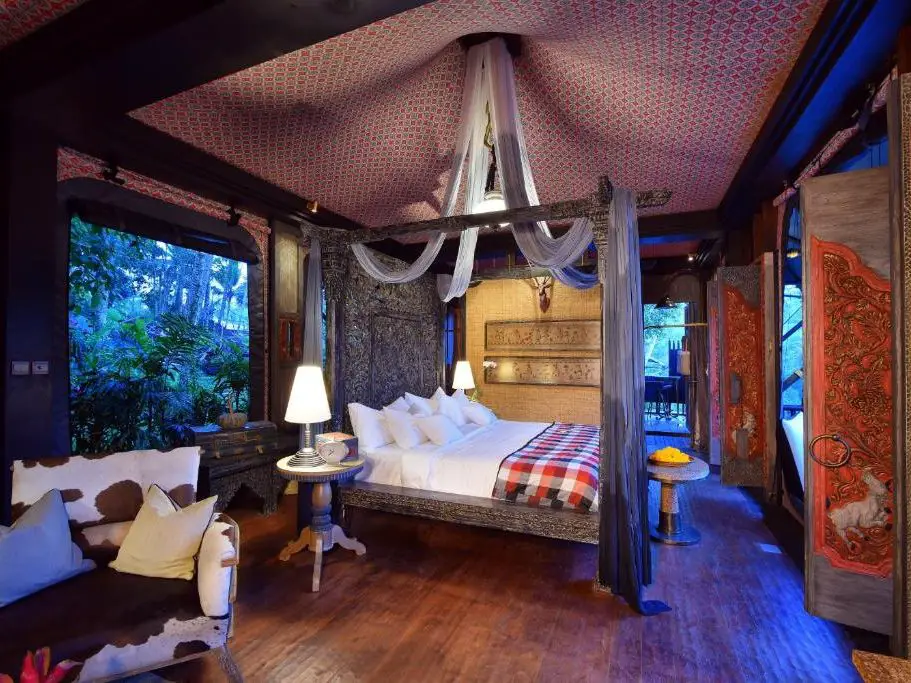
| 4. Capella Ubud Most Immersive Jungle Setting Rating: ⭐⭐⭐⭐⭐ Location: 15-minute drive north of central Ubud, above the Keliki Valley rainforest Guest Reviews: Auriga Wellness spa treats aligned with lunar cycles, copper bathtubs in every tent, omakase Asian barbecue at Api Jiwa, private saltwater pools Best Room: Tent, 1 Bedroom (Keliki Valley View) Price: From USD $1,200 – $1,800 per night |
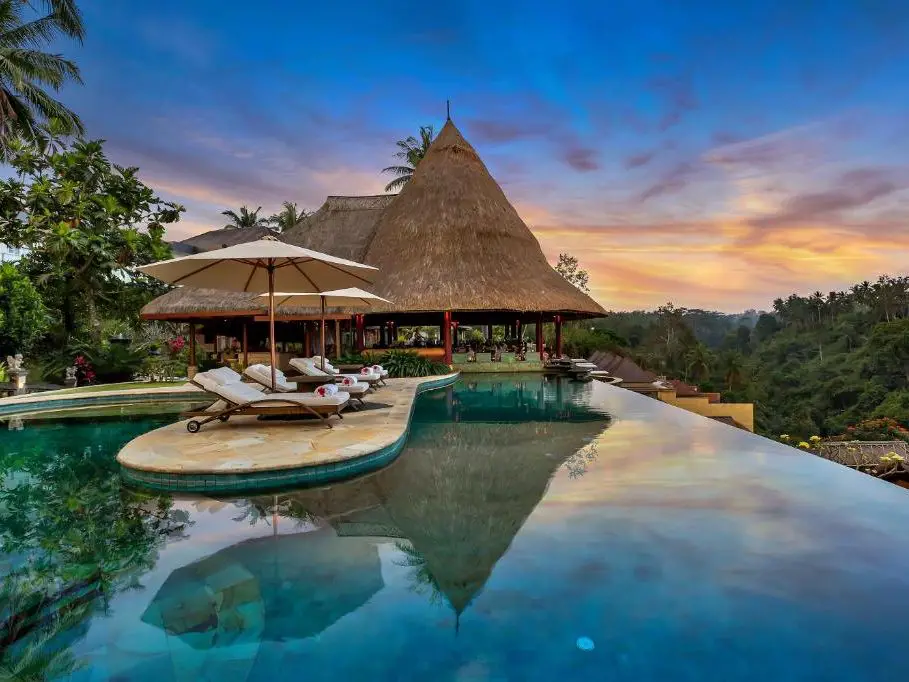
| 5. Viceroy Bali Best Valley Views Rating: ⭐⭐⭐⭐⭐ Location: 5-minute drive to central Ubud, overlooking the Valley of the Kings Guest Reviews: Heated private infinity pools in every villa, Akoya Spa panoramic valley treatments, Apéritif fine dining degustation menus, shaman on-site for spiritual consultations Best Room: Terrace Pool Villa Price: From USD $600 – $1,750 per night |
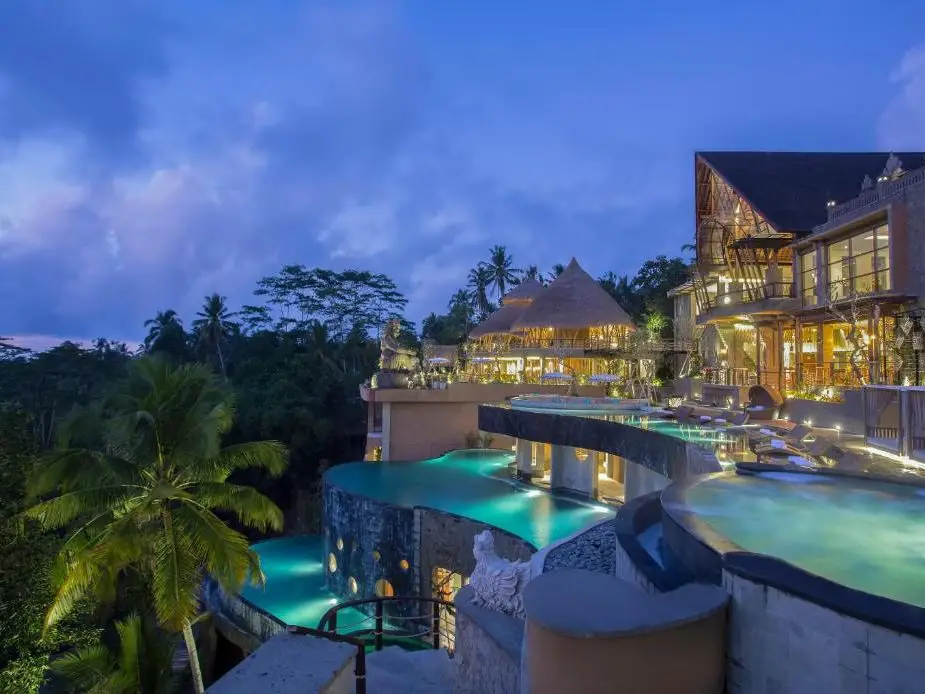
| 6. The Kayon Jungle Resort Best Rooftop Yoga Rating: ⭐⭐⭐⭐⭐ Location: 20-minute drive north of central Ubud, above the Tegallalang rice terraces Guest Reviews: Three-tiered infinity pool overlooking rice terraces, rooftop yoga pavilion at sunrise, Serayu Spa hot stone massages, fire dance show at Kepitu restaurant on Sundays Best Room: Kayon Royal Pool Villa Price: From USD $400 – $700 per night |
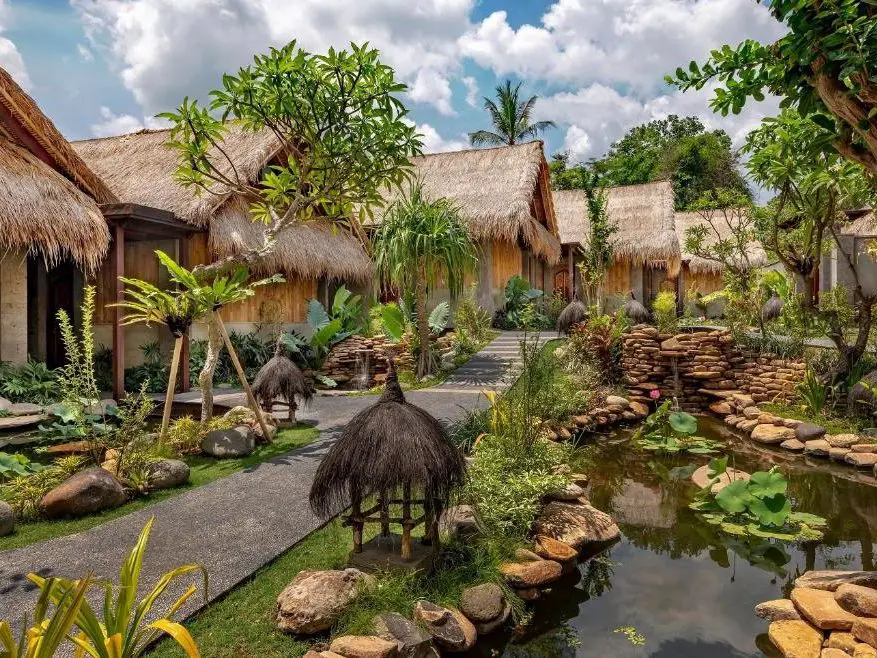
| 7. Fivelements Retreat Bali Best Plant-Based Wellness Rating: ⭐⭐⭐⭐ Location: 20-minute drive to central Ubud, along the Ayung River Guest Reviews: Plant-based Sakti Dining Room with homegrown ingredients, open-air volcanic stone bathtubs, traditional Balinese healing rituals, chakra balancing treatments Best Room: Hillside Pool Suite Price: From USD $350 – $600 per night |
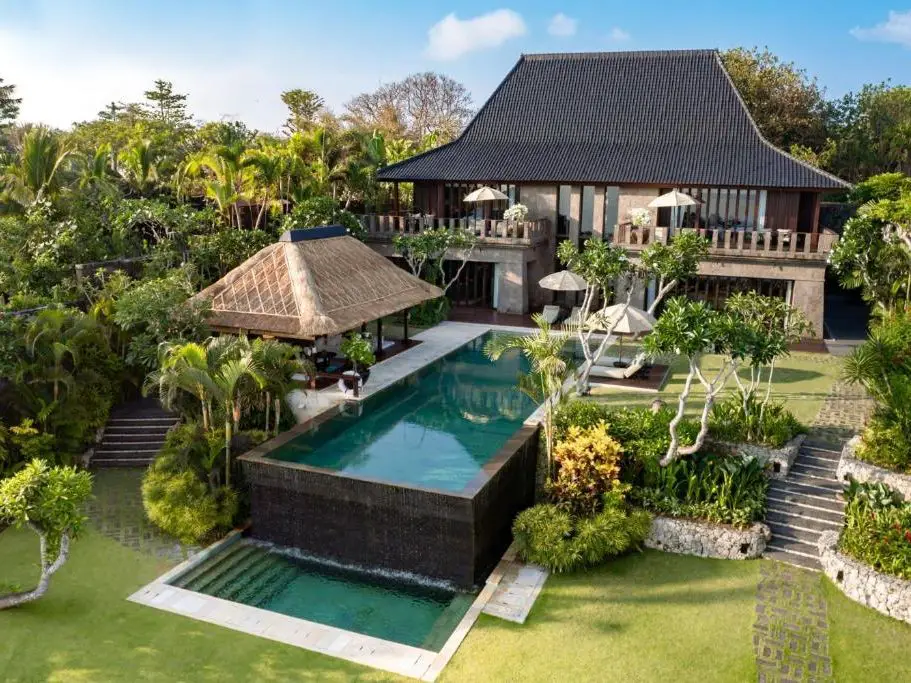
| 8. Bulgari Resort Bali Most Dramatic Clifftop Location Rating: ⭐⭐⭐⭐⭐ Location: 15-minute drive to Uluwatu Temple, 160 metres above the Indian Ocean on the Bukit cliffs Guest Reviews: Cliffside spa with detox purifying rituals, Michelin-starred Il Ristorante Niko Romito, private beach accessible by funicular, 24-hour butler service in every villa Best Room: Villa, 1 Bedroom, Ocean View Price: From USD $1,400 – $2,500 per night |
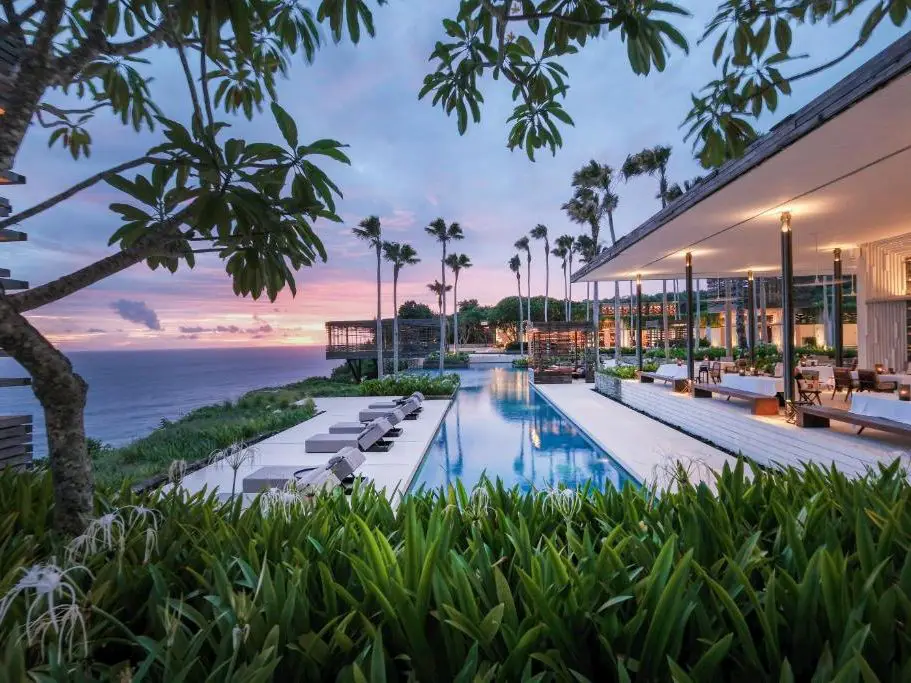
| 9. Alila Villas Uluwatu Best Sustainable Retreat Rating: ⭐⭐⭐⭐⭐ Location: 20-minute drive to Uluwatu Temple, 100 metres above the Indian Ocean on Bali’s southern cliffs Guest Reviews: Cliff Edge Spa with local botanical treatments, daily complimentary yoga and Pilates at sunrise, Platinum EarthCheck-certified sustainable design, 25-metre cliff-edge infinity pool Best Room: Villa, 1 Bedroom (Cliff Edge) Price: From USD $800 – $1,400 per night |
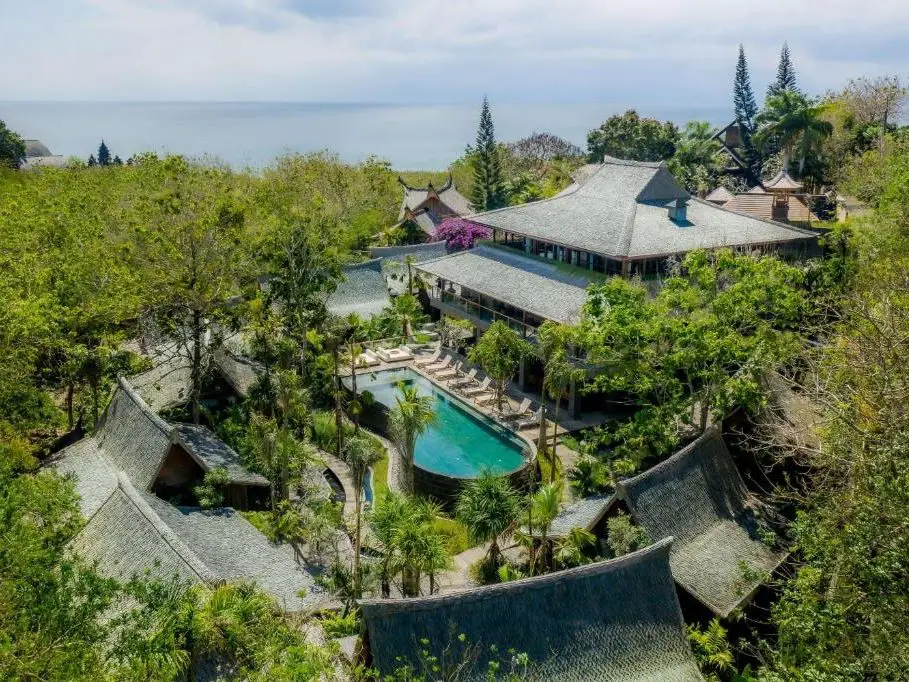
| 10. The Asa Maia Best Contrast Therapy Rating: ⭐⭐⭐⭐⭐ Location: 5-minute walk to Thomas Beach, 10-minute drive to Uluwatu Temple Guest Reviews: Subterranean hot and cold contrast therapy pools, Himalayan salt and infrared sauna, daily yoga in a teak shala, fully organic seed-oil-free cuisine served communally Best Room: The Asa Maia Suite Price: From USD $400 – $650 per night |
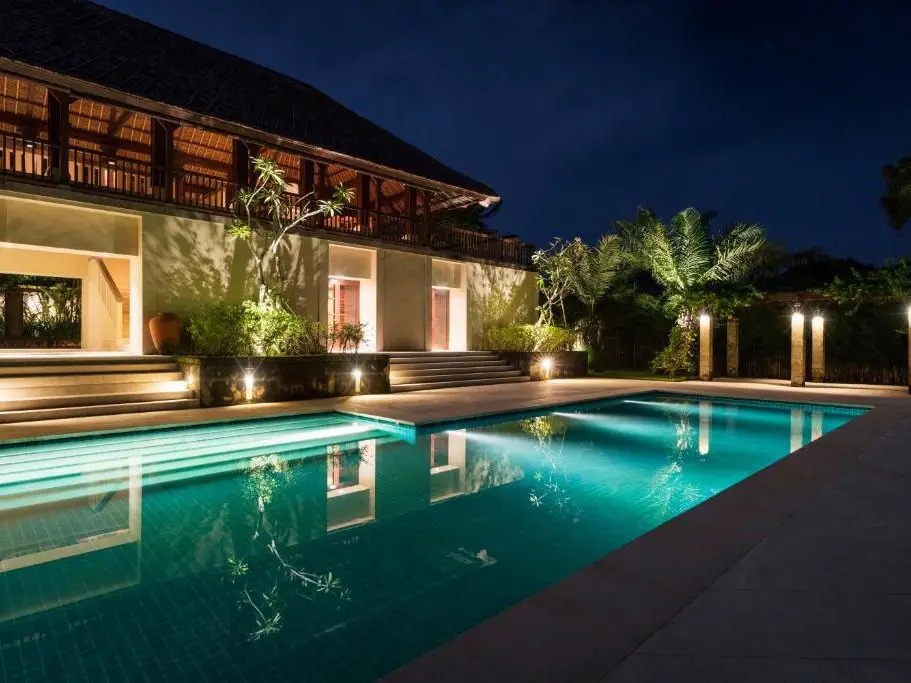
| 11. REVĪVŌ Wellness Resort Nusa Dua Most Comprehensive Wellness Programs Rating: ⭐⭐⭐⭐⭐ Location: 15-minute drive from Ngurah Rai Airport, above the hills of Nusa Dua, 10 minutes to Nusa Dua Beach Guest Reviews: In-house nutritionist-designed menus, Vitality Centre with precision diagnostics and biohacking therapies, sound healing sessions, on-site permaculture garden supplying the kitchen Best Room: One Bedroom Villa with Private Pool Price: From USD $550 – $850 per night |
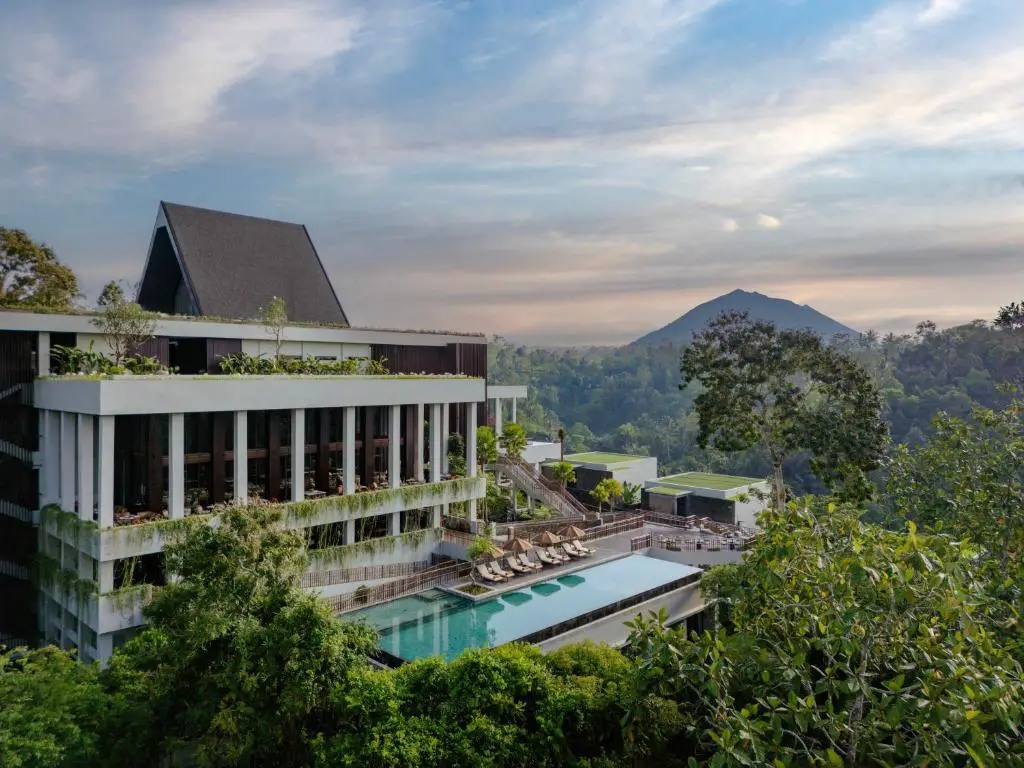
| 12. Anantara Ubud Bali Resort Best for Cultural Wellness Rating: ⭐⭐⭐⭐⭐ Location: 20-minute drive north of central Ubud in Payangan village, with 360-degree rainforest views Guest Reviews: Anantara Spa with Javanese-inspired treatments, daily yoga and sound healing on the yoga deck, on-site batik and arak-making classes, heated infinity pools overlooking Mount Agung Best Room: Villa, 1 Bedroom (Forest View Pool Villa) Price: From USD $400 – $700 per night |
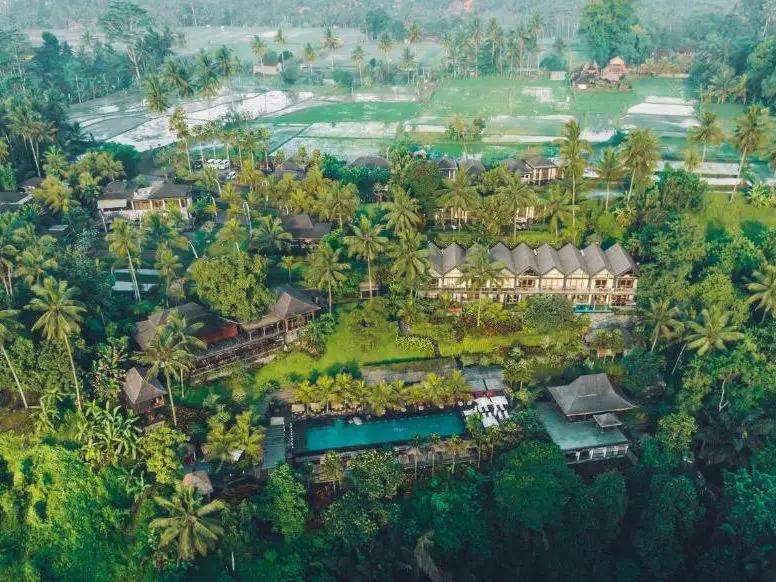
| 13. Chapung Sebali Best Value Wellness Retreat Rating: ⭐⭐⭐⭐⭐ Location: 10-minute drive north of central Ubud, above the Wos River valley Guest Reviews: Jungle Fish infinity pool bar with Wos valley views, Chapung Spa hydrotherapy and body wraps, rice field trekking and horse riding, Blind Pig speakeasy cocktail bar Best Room: Deluxe Suite, 1 King Bed, Private Pool, Valley View Price: From USD $200 – $400 per night |
Which Part of Bali Suits Your Wellness Style
Bali’s main wellness areas differ enough that choosing the wrong one — even with an excellent hotel — can undercut the experience.
- Ubud — The island’s cultural and spiritual heartland. Seven of the thirteen hotels covered here are based in or near Ubud, which reflects its dominance in the wellness space. The setting is inland and elevated, with no beach access but strong connections to Balinese ritual life, rice field walks, and the Ayung River. Mandapa, a Ritz-Carlton Reserve, COMO Shambhala Estate, and Four Seasons Resort Bali at Sayan all sit on or above the Ayung. This is the right choice for anyone prioritising yoga, meditation, cultural immersion, or jungle-setting spa programs. The trade-off is distance: the coast takes 60 to 90 minutes.
- Uluwatu — The dramatic southern cliffs attract a different kind of wellness traveller. Properties here — Bulgari Resort Bali, Alila Villas Uluwatu, and The Asa Maia — combine serious spa and wellness facilities with Indian Ocean views, surf culture, and a younger, more design-conscious energy. Good for people who want wellness alongside beach clubs, sunsets, and some of Bali’s best surf breaks within reach.
- Nusa Dua — The most resort-oriented of the three zones, with calmer seas, wide footpaths, and a more polished, self-contained feel. REVĪVŌ Wellness Resort Nusa Dua sits here and suits guests who want a fully managed wellness program — nutritionist consultations, structured retreat schedules, Vitality Centre biohacking therapies — in a quieter, less culturally immersive setting. Fifteen minutes from the airport, which makes arrivals and departures simpler.
How to Choose the Right Wellness Hotel for Your Stay
The most useful distinction to make before booking is between hotels where wellness is the primary product and those where it is a strong secondary offering.
- Program-led retreats — COMO Shambhala Estate and REVĪVŌ Wellness Resort Nusa Dua are the clearest examples. Both offer structured wellness paths: at COMO Shambhala, these include Ayurveda, detox, and integrated wellness programs co-designed with a resident dietitian and Ayurvedic doctor. At REVĪVŌ, the Vitality Centre layers biohacking therapies, precision nutrition, sleep therapy, and emotional balance journeys onto a full spa and movement schedule. These properties reward guests who commit to a minimum of four or five nights and engage with the program rather than treating the hotel as a base.
- Holistic-specialist boutiques — Fivelements Retreat Bali and The Asa Maia are intimate, adults-only properties where the wellness experience is baked into everything — the food, the daily schedule, the community rhythm. Fivelements is plant-based and Balinese healing-focused. The Asa Maia leans into contrast therapy, breathwork, and daily yoga in restored Javanese gladak suites. Both suit people who want wellness to feel immersive rather than available.
- Luxury hotels with serious wellness facilities — Mandapa, Four Seasons at Sayan, Capella Ubud, Viceroy Bali, Bulgari Resort Bali, and Alila Villas Uluwatu all fall here. The spas are world-class, the wellness programming is genuine, and treatments often incorporate local healers and Balinese ritual. But the experience is guest-led rather than program-led. Someone who wants daily yoga and a couple of exceptional spa treatments alongside great food and a private pool will be perfectly served. Someone who wants a structured detox or medically supervised wellness journey would be better placed at a program-led property.
- The middle ground — The Kayon Jungle Resort, Chapung Sebali, and Anantara Ubud Bali Resort offer strong spa facilities, yoga programming, and culturally grounded experiences at meaningfully lower price points than the properties above. A good choice for anyone wanting a genuine wellness-oriented stay without the ultra-luxury price tag.
What a Luxury Wellness Stay in Bali Actually Includes
Knowing what is typically complimentary versus what costs extra saves some common disappointments:
- Usually complimentary — Daily yoga and meditation classes, use of fitness facilities, hydrotherapy pools (where available), cultural activities such as batik-making, temple visits, and cooking classes, morning walks with a guide, and in some properties, twice-daily yoga and a dedicated Patih or butler.
- Usually charged separately — Individual spa treatments and massages, one-on-one wellness consultations, personalised retreat programs, Ayurvedic sessions, sound healing, breathwork sessions with resident practitioners, and specialist treatments like chakra healing or Balinese healer ceremonies. These are often significant costs. Budget USD $100–$300 per treatment at ultra-luxury properties.
- The rhythm of a typical day — Most guests settle into a pattern of morning yoga or meditation, a substantial breakfast (many properties here serve exceptional à la carte breakfasts rather than buffets), a mid-morning spa treatment or cultural activity, afternoon time at the private pool, and an evening meal. The pace is genuinely slow by design, and most of these hotels are not set up for those who want to spend every day sightseeing.
- Food and nutrition — Several hotels here take their food programs seriously as part of the wellness offering. REVĪVŌ’s menus are nutritionist-designed. Fivelements serves entirely plant-based food sourced from its Garden of Peace. Four Seasons at Sayan’s Ayung Terrace uses produce from local farms. Anantara Ubud sources from nearby villages. If nutrition is part of your wellness goals, these distinctions matter.
When to Book and What Season Does to Your Experience
Bali has two seasons, and they affect a wellness stay differently than a beach holiday:
- Dry season (April to October) — The better choice for outdoor yoga, rice field walks, morning hikes, and any activity that depends on open-air settings. Skies are clear, humidity is lower, and outdoor treatment pavilions — such as the riverside massage areas at Mandapa and Four Seasons at Sayan — are at their best. July and August bring peak crowds and significantly higher hotel rates. May, June, and September offer the same good weather with thinner crowds and slightly lower prices.
- Wet season (November to March) — Rainfall is usually short and intense — a typical day in Ubud during wet season starts sunny and sees a two-hour storm in the late afternoon. The landscape is at its most lush, rates drop noticeably, and resort spa facilities are just as available as in the dry months. For a stay built around indoor spa treatments, yoga, and program-based wellness, wet season is genuinely good value. January and February are the wettest months; November and March are more forgiving.
- Nyepi — Once a year, usually in March, Bali observes Nyepi, the Balinese Day of Silence. For 24 hours starting at 6am, the entire island goes quiet: no traffic, no outdoor movement, the airport closes. Guests staying in hotels during Nyepi are required to remain within the property grounds for the full 24-hour period. Most major resorts manage this well, with special menus and indoor activities, and many guests find the enforced quiet unexpectedly powerful. However, it is worth knowing your travel dates in relation to Nyepi if you have fixed arrival or departure plans.
- Booking lead time — Ultra-luxury properties here — particularly Mandapa, COMO Shambhala, Capella Ubud, and Four Seasons at Sayan — book out months in advance for peak season. For July, August, Christmas, and New Year stays, six months is not excessive. Shoulder season gives more flexibility, but pool villas at the top properties still sell quickly.
Practical Things to Know Before You Arrive
- Visas — Most nationalities can obtain a Visa on Arrival at Ngurah Rai International Airport, valid for 30 days and extendable once for another 30. Applying for an e-VOA online before departure is faster and avoids the airport queue. Check current requirements before travel, as Indonesian visa policy has seen changes in recent years.
- The airport — Ngurah Rai International Airport (DPS) in Denpasar is the sole international gateway. It is roughly 45 minutes to Nusa Dua and Uluwatu, 90 minutes or more to Ubud depending on traffic. Traffic in Bali is unpredictable; arrive with more time than you think you need. All the hotels here can arrange private airport transfers — worth the cost.
- Getting between areas — There is no reliable public transport between Bali’s main wellness zones. Private drivers, hired by the day, are the standard option and are inexpensive. Hotels can arrange these, or you can book independently. A full day’s driver hire typically costs USD $40–$70. Grab (Southeast Asia’s ride-hailing app) works well in Ubud and on the Bukit Peninsula.
- Tipping at spas — Tipping is appreciated and fairly standard at spa facilities across all properties here. IDR 50,000–100,000 (roughly USD $3–$6) per therapist is a reasonable guide for a single treatment. At ultra-luxury properties where service charges are already included, tipping remains optional but is generally well received.
- What to pack — Lightweight, breathable clothing covers most situations. Bring a light layer for cool Ubud evenings and air-conditioned treatment rooms. Reef-safe sunscreen is important and worth bringing from home. Most hotels supply yoga mats, but bringing your own strap or block if you practise regularly is worthwhile. Temple visits — and many properties have their own on-site temples — require covered shoulders and a sarong below the waist. Most hotels provide sarongs; you can also buy them cheaply throughout Ubud.
FAQs
1. How long should I stay at a wellness retreat in Bali to feel a real difference?
Most wellness practitioners recommend a minimum of four nights, with five to seven giving the body and mind enough time to genuinely decompress and engage with the programming on offer. Program-led properties like COMO Shambhala Estate and REVĪVŌ require a minimum stay for their structured retreats — usually three to five nights — and the experience compounds meaningfully over that time.
2. Are the wellness programs at these hotels suitable for beginners?
All the properties here welcome guests with no prior yoga, meditation, or spa experience. Classes are generally offered at multiple levels, and the better spas tailor treatments during an initial consultation. Program-led properties like REVĪVŌ conduct a wellness assessment on arrival and build your schedule around your current health goals and fitness level.
3. Can I combine a cultural Ubud stay with a clifftop Uluwatu stay in one trip?
Many visitors do this, and the contrast works well: a few nights in Ubud for jungle, temples, and cultural depth, then a few nights in Uluwatu for ocean views, surf energy, and cliff-edge relaxation. The drive takes around 1.5 to 2 hours depending on traffic, and hotels can arrange transfers. The key is building in enough nights at each to avoid spending most of your time in a car.
4. What is the difference between a Balinese massage and the treatments at luxury wellness hotels here?
A traditional Balinese massage — available cheaply throughout Ubud — uses a combination of acupressure, skin rolling, and stretching. The treatments at these properties use the same foundations but layer in ritual context, specialist training, premium ingredients, extended duration, and often a specific therapeutic intent such as chakra alignment, detox, or energy clearing. The setting, the therapist expertise, and the post-treatment care are also markedly different.
5. Is the rainy season a bad time to visit for a wellness stay?
For an indoor-focused wellness stay built around spa treatments, yoga, and resort dining, wet season is perfectly viable and often noticeably cheaper. The rain usually arrives in the late afternoon as a short, warm storm, leaving mornings and early afternoons clear. The landscape is greener, the resorts are quieter, and the pace feels more conducive to genuine rest than peak season.
6. Do these hotels cater to specific dietary requirements like vegan or gluten-free?
Every property here accommodates dietary requirements, and several treat nutrition as a core part of the wellness offering. Fivelements Retreat Bali is entirely plant-based. REVĪVŌ has in-house nutritionists who can design meal plans. Mandapa, Four Seasons at Sayan, and Anantara Ubud all make a point of sourcing locally and adjusting menus on request. Confirm your requirements at the time of booking.
7. What does Nyepi mean for my wellness retreat booking?
Nyepi is Bali’s Day of Silence, falling in March each year. Guests staying in hotels during Nyepi must remain within the property grounds for 24 hours — no road travel, no flights, no outdoor activity. Most resorts prepare well, with special menus, in-room activity packs, and a schedule of indoor spa and yoga sessions. Many guests find it unexpectedly peaceful. Check Nyepi dates before finalising travel plans if your trip falls in late March.
8. Are these wellness hotels suitable for solo travellers?
Several are particularly well set up for solo guests. The Asa Maia’s communal dining ethos and small size of ten suites make it easy to connect with other guests. Fivelements attracts a high proportion of solo travellers seeking a genuine reset. COMO Shambhala Estate runs group yoga, hiking, and wellness activities where solo guests naturally come together. At the larger luxury hotels, solo travellers are welcomed but will likely experience a more private, independent stay.
9. How far in advance should I book a pool villa at the top properties?
For peak season stays — July, August, and the Christmas to New Year period — booking six months ahead is realistic for the best rooms at Mandapa, COMO Shambhala Estate, Capella Ubud, and Four Seasons at Sayan. Shoulder season gives more flexibility, though pool villas at properties with fewer rooms (The Asa Maia has ten, Capella Ubud has twenty-three tents) fill faster than their size suggests.
10. Is it worth paying for a structured wellness program versus booking treatments as you go?
For shorter stays of three to four nights, booking treatments on arrival usually works well. For stays of five nights or more, a structured program delivers more: the property maps your week in advance, practitioners build on each session rather than treating each appointment in isolation, and you leave with a clearer sense of what worked. At REVĪVŌ and COMO Shambhala Estate, the program format is genuinely the core product — the hotel experience supports it rather than the other way around.