
Baa Atoll holds a distinction no other part of the Maldives can claim: Hanifaru Bay, a small reef-fringed cove where hundreds of manta rays funnel in to feed during the southwest monsoon, sometimes in groups exceeding 200 at once. The catch is timing — the bay comes alive between June and November, which overlaps with the wet season, so choosing the right resort matters as much as choosing the right month. The resorts here range from barefoot-luxury originals to intimate boutiques with direct excursion access to the bay, and the best ones make the manta experience feel effortless rather than accidental.
Table of Contents
Baa Atoll Resorts
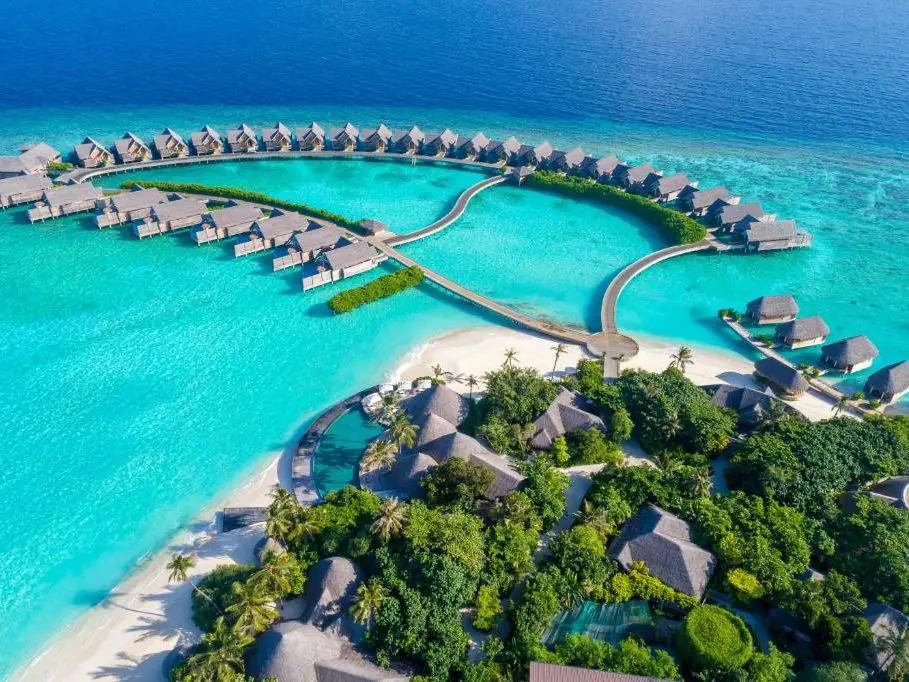
| 1. Milaidhoo Maldives Best Boutique Stay Rating: ⭐⭐⭐⭐⭐ Location: 15-minute boat ride to Hanifaru Bay; 30-minute seaplane from Malé Guest Reviews: Protected house reef steps from the beach, Hanifaru Bay manta excursions guided by resident marine biologist, exceptional à la carte breakfast, intimate 50-villa scale keeps it uncrowded Best Room: Water Pool Villa Price: From USD $1,250 – $3,500 per night |
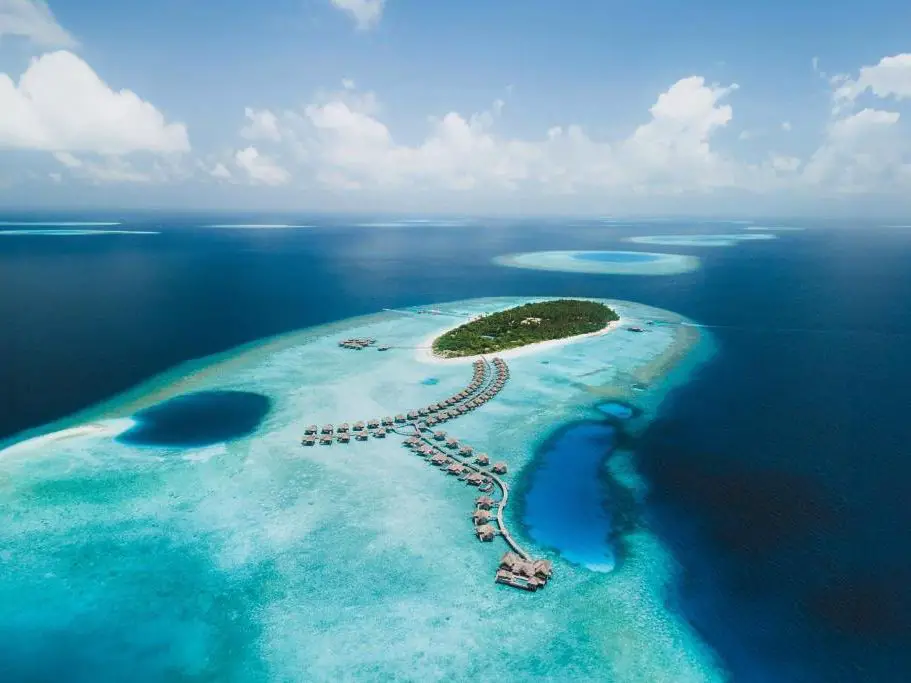
| 2. Vakkaru Maldives Best for Families Rating: ⭐⭐⭐⭐⭐ Location: 25-minute seaplane from Malé; 20-minute boat to Hanifaru Bay Guest Reviews: Three blue holes on the house reef for snorkelling, Hanifaru Bay manta excursions during season, six restaurants including the only MICHELIN Key-recognised dining in Baa Atoll, strong kids club with dedicated manta excursions for children Best Room: Over Water Villa Price: From USD $980 – $3,200 per night |
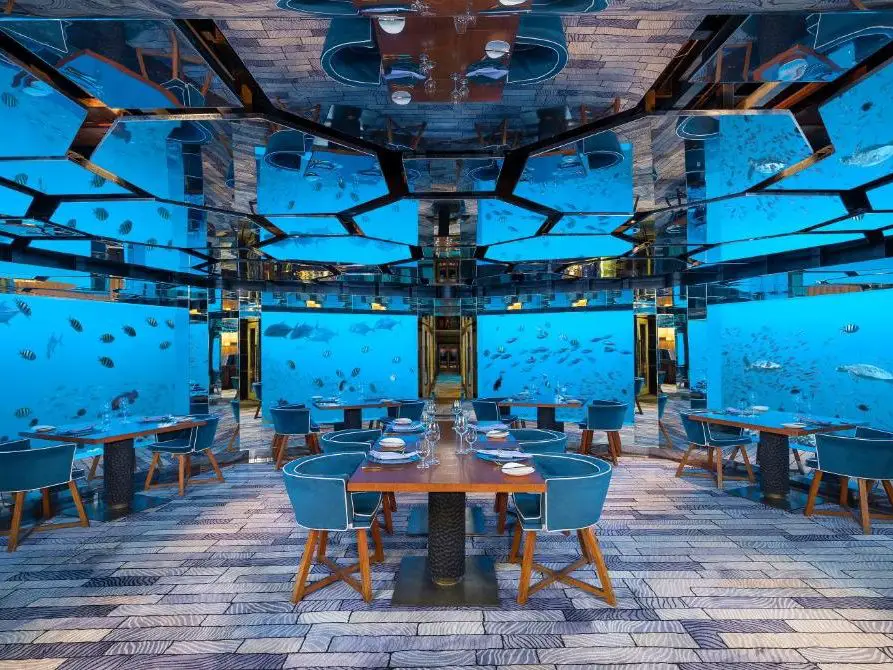
| 3. Anantara Kihavah Maldives Villas Best Underwater Dining Rating: ⭐⭐⭐⭐⭐ Location: 35-minute seaplane from Malé; minutes by boat to Hanifaru Bay Guest Reviews: SEA underwater restaurant with reef views during dinner, house reef with eagle rays and reef sharks accessible directly from villa decks, overwater SKY observatory for stargazing, organised manta and whale shark excursions with whale shark sightings reported alongside manta encounters Best Room: Over Water Pool Villa Price: From USD $1,400 – $4,500 per night |
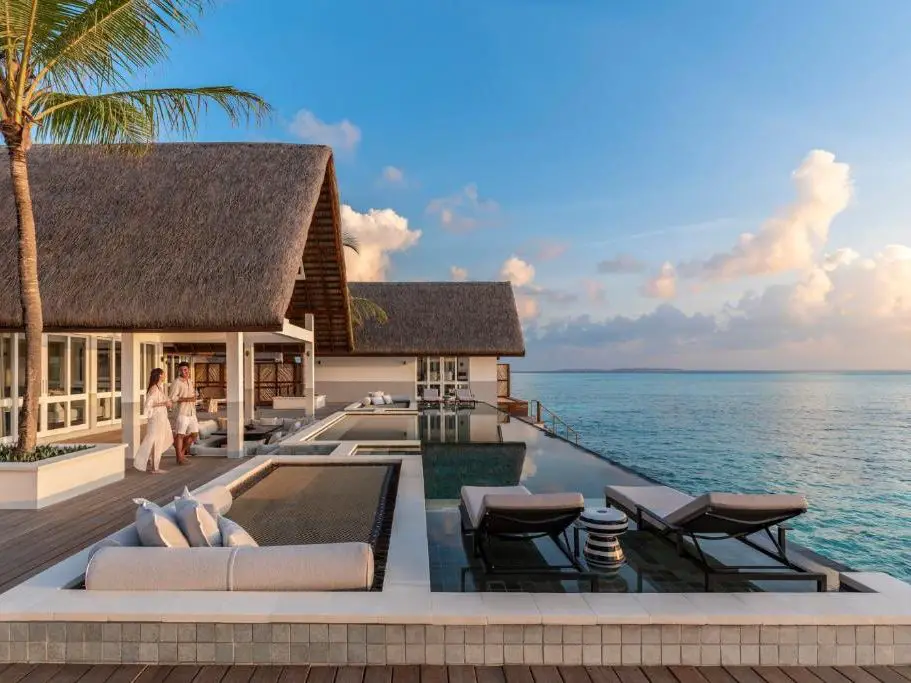
| 4. Four Seasons Resort Maldives at Landaa Giraavaru Best Manta Programme Rating: ⭐⭐⭐⭐⭐ Location: 35-minute seaplane from Malé; quick boat ride to Hanifaru Bay Guest Reviews: Manta on Call programme issues each enrolled guest a phone — when researchers spot manta activity at Hanifaru Bay the call comes through, marine biologists lead the snorkel, Marine Discovery Centre with coral restoration and turtle rehabilitation, four restaurants including overwater Al Barakat Best Room: Sunrise Water Villa With Pool Price: From USD $1,875 – $4,000 per night |
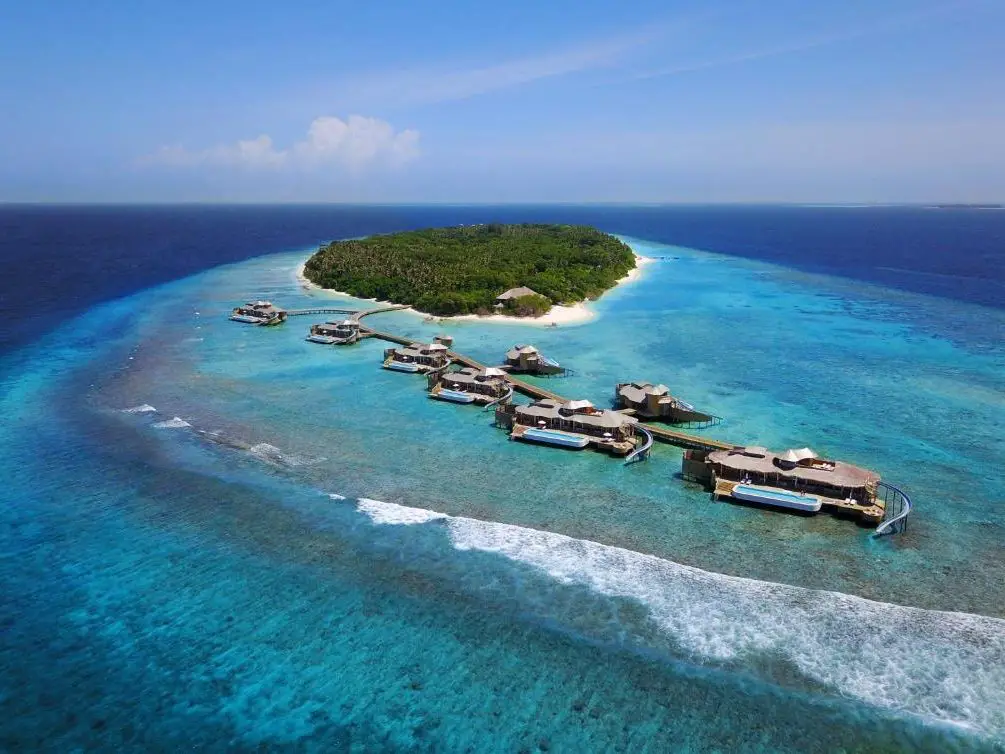
| 5. Soneva Fushi Best House Reef Rating: ⭐⭐⭐⭐⭐ Location: 30-minute seaplane from Malé; 20-minute speedboat to Hanifaru Bay Guest Reviews: Hanifaru Bay excursions with passionate guides who navigate away from crowds to find feeding pods, outstanding house reef with turtles and baby reef sharks accessible directly from the beach, 10 restaurants including Fresh in the Garden treehouse dining, Barefoot Guardians who anticipate requests before they’re made Best Room: Crusoe with Pool Price: From USD $2,300 – $6,500 per night |
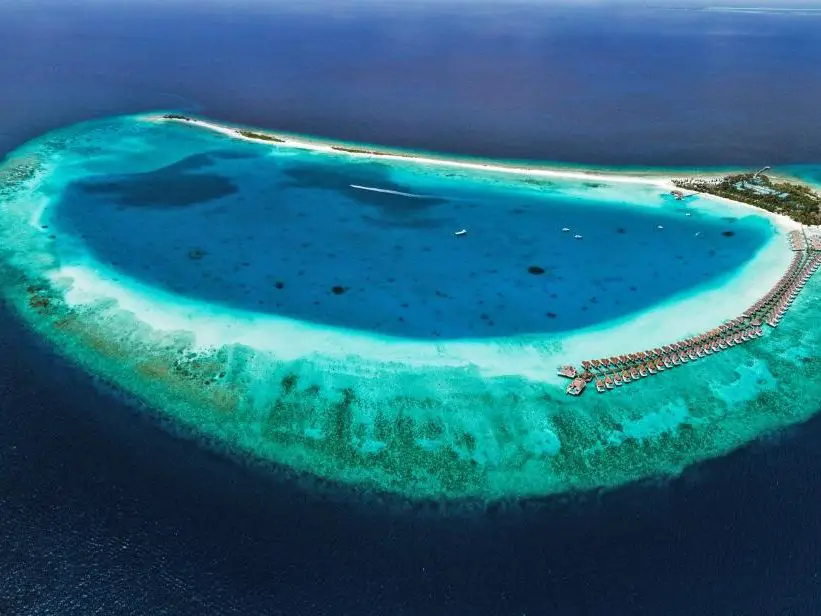
| 6. Finolhu, A Seaside Collection Resort, a Member of Design Hotels Best Value Rating: ⭐⭐⭐⭐⭐ Location: 30-minute seaplane from Malé; accessible via domestic flight to Dharavandhoo plus 25-minute speedboat Guest Reviews: Ocean Pool Villas face directly onto the house reef drop-off with reef sharks, turtles, and eagle rays visible from the deck, Hanifaru Bay manta excursions operated by the dive centre, Crab Shack restaurant on the sandbank serves lobster rolls at the water’s edge, one of the longest sandbanks in Baa Atoll Best Room: Ocean Pool Villa Price: From USD $700 – $1,800 per night |
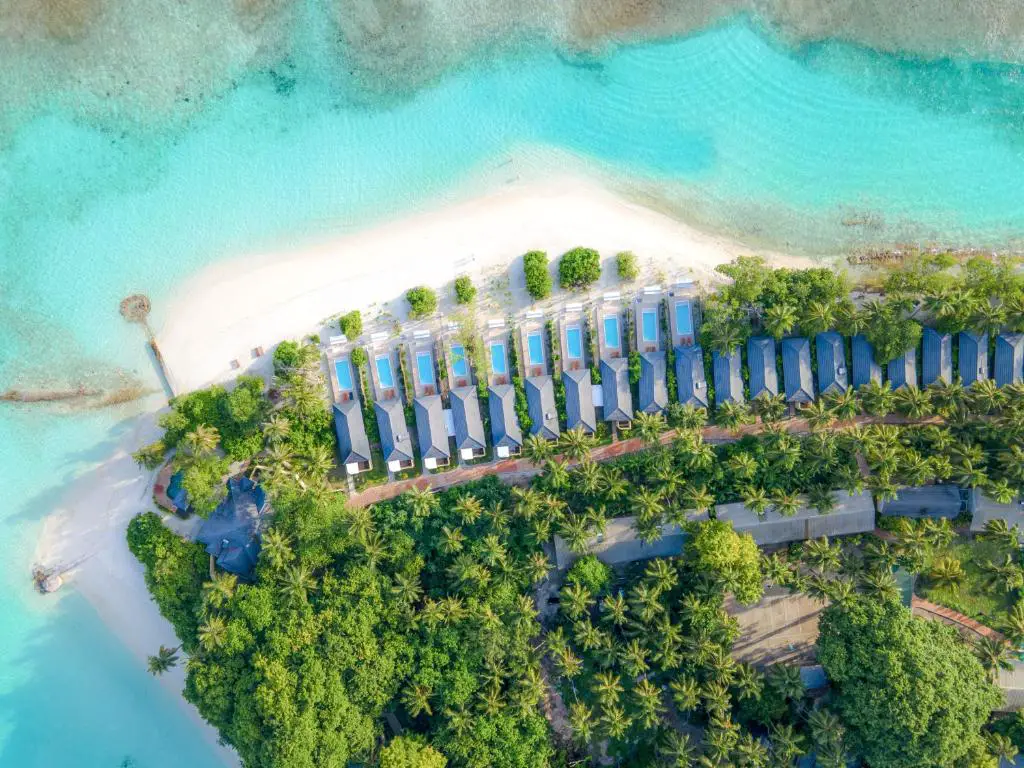
| 7. Royal Island Resort Maldives Most Accessible Rating: ⭐⭐⭐⭐⭐ Location: 20-minute domestic flight from Malé plus 20-minute speedboat; 20–25 minutes to Hanifaru Bay Guest Reviews: Hanifaru Bay manta excursion consistently described as a trip highlight with guides who track manta activity and redirect when the bay is quiet, black-tip reef sharks and turtles visible from the shore reef, strong all-inclusive Premium plan covers meals and drinks across all outlets, Araamu Spa rated highly for treatments Best Room: Beach Pool Villa Price: From USD $250 – $650 per night |
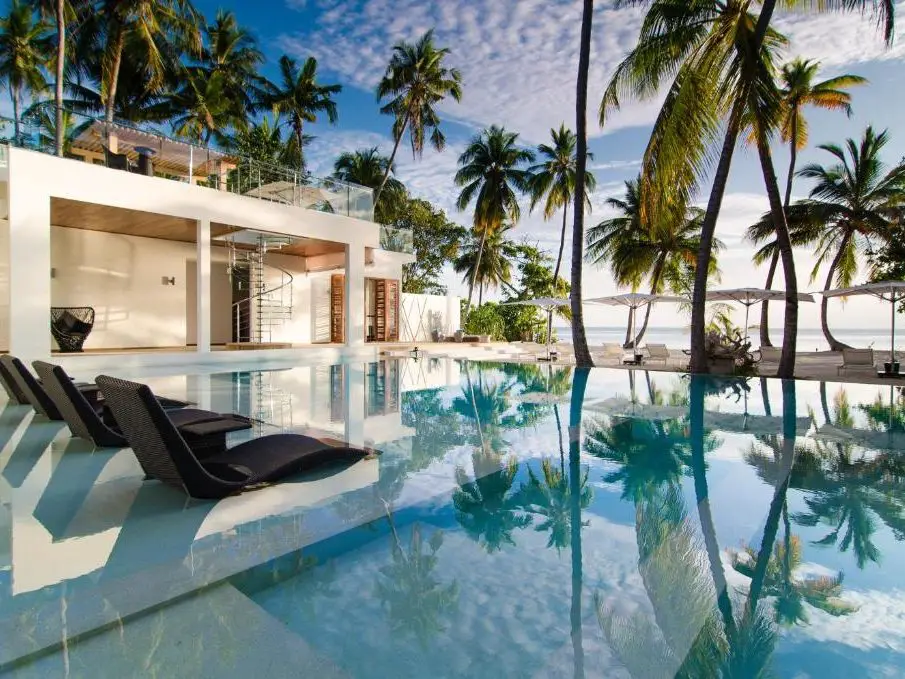
| 8. Amilla Maldives Rating: ⭐⭐⭐⭐⭐ Location: 35-minute seaplane from Malé; 10–15 minutes to Hanifaru Bay Guest Reviews: Manta excursions only run when conservationists confirm active sightings — no wasted trips, Reef Water Pool Villa sits directly above the house reef with steps into the water, a Blue Hole within the house reef accessible by a short swim, Javvu Spa rated as one of the best in Baa Atoll with workshops using island-grown coconut oil Best Room: Reef Water Pool Villa Price: From USD $950 – $2,500 per night |
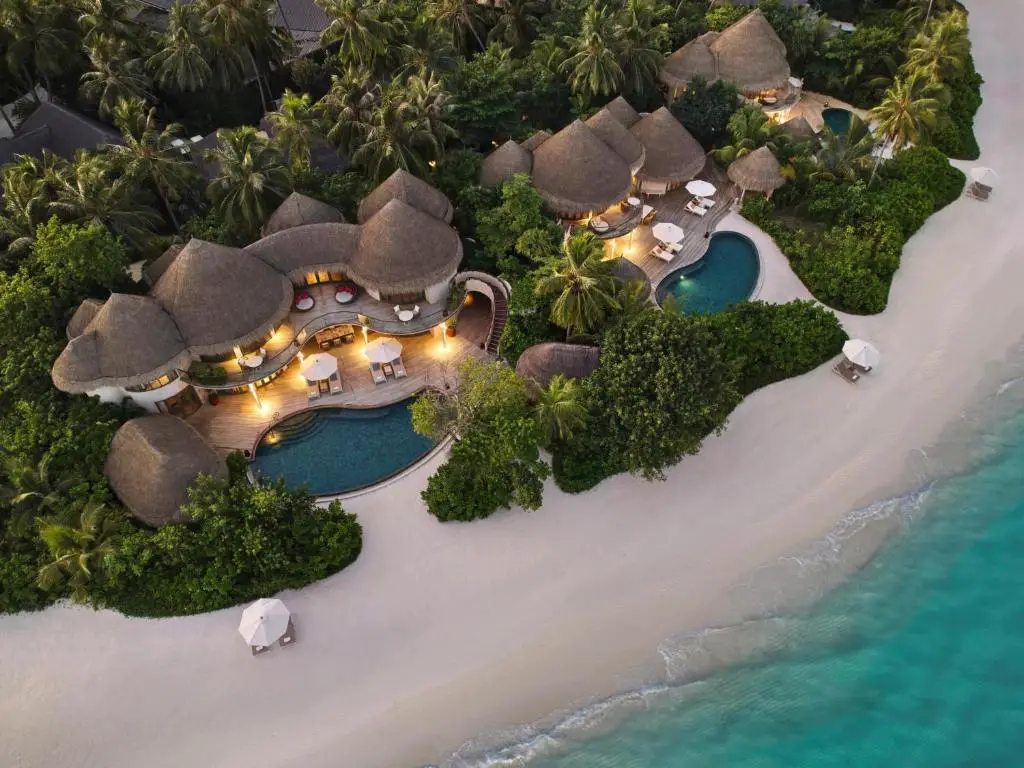
| 9. The Nautilus Maldives Most Unique Stay Rating: ⭐⭐⭐⭐⭐ Location: 30-minute private seaplane from Malé; 15 minutes to Hanifaru Bay Guest Reviews: No fixed timetables – breakfast served at anytime, menus adjusted on request, whale sharks and mantas spotted from snorkelling excursions near the resort itself, resident marine biologist leads Hanifaru Bay trips with conservation commentary, 26 houses only so the island never feels crowded Best Room: Ocean House with Private Pool Price: From USD $3,000 – $5,000+ per night |
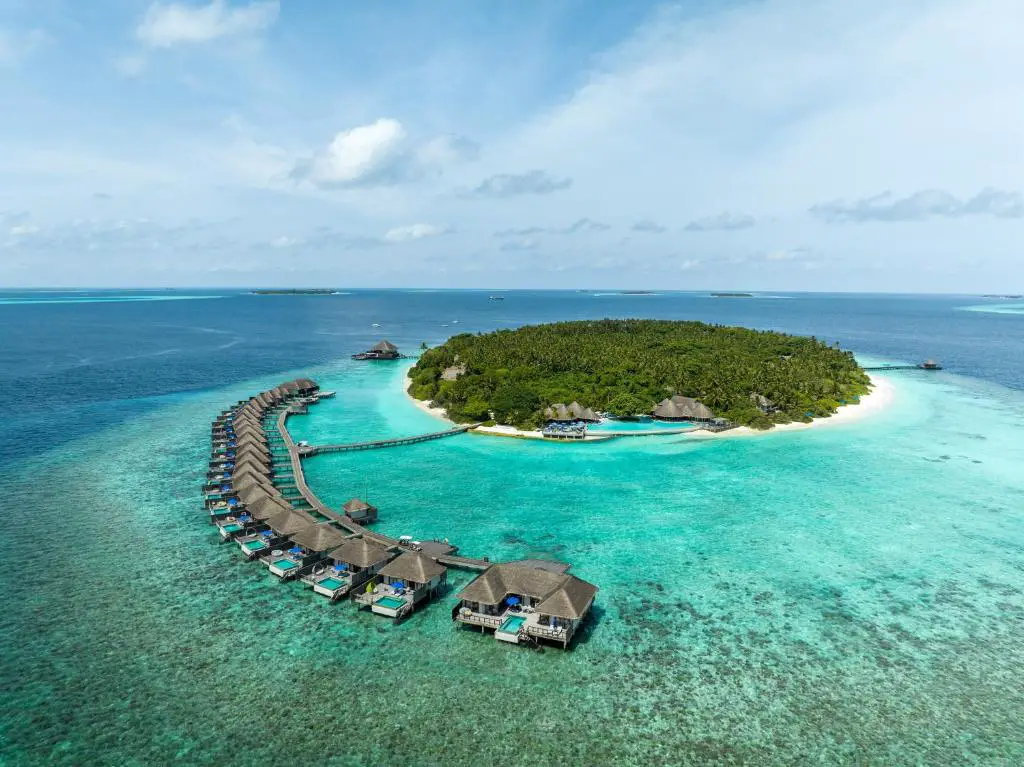
| 10. Dusit Thani Maldives Rating: ⭐⭐⭐⭐⭐ Location: 35-minute seaplane or 25-minute domestic flight plus 10-minute speedboat; 15 minutes to Hanifaru Bay Guest Reviews: Manta-On-Call service alerts guests when active sightings are confirmed at Hanifaru Bay, 360-degree house reef with turtles, reef sharks and three accessible underwater caves, Thai restaurant Benjarong consistently singled out for quality, Devarana Spa set in the island’s treetops Best Room: Overwater Pool Villa Price: From USD $750 – $1,800 per night |
What Happens at Hanifaru Bay
Hanifaru Bay sits on the eastern rim of Baa Atoll — a shallow, reef-fringed cove roughly the size of two football pitches. During the southwest monsoon, incoming tides push plankton-rich water into the bay faster than it can drain, concentrating food in a confined space. Reef manta rays follow the plankton, and what results is the largest known seasonal manta feeding aggregation on earth. At peak events, over 200 animals feed simultaneously in water shallow enough to see every one of them clearly from the surface.
The defining spectacle is cyclone feeding — mantas forming tight spinning columns, one following the next in a vortex, each rolling through the highest plankton concentration at the centre. A single cyclone can hold 20–40 animals. When multiple cyclones form simultaneously, the bay fills with wings.
The rules that govern access are exactly what keep it worth visiting:
- Snorkelling only. Scuba diving has been banned inside the bay since 2011. Expanding air bubbles from regulators disrupt the feeding behaviour. Everything happens in the upper water column — 0 to 8 metres — making snorkellers at the surface better positioned than divers anyway.
- Licensed guide required. Every visit must be with a biosphere-qualified guide who manages the group and enforces the conservation rules. Your resort or operator arranges this.
- 45-minute sessions. Time in the water is capped at 45 minutes per group, managed in windows to prevent overcrowding.
- Daily visitor cap. Roughly 80 visitors and five non-ranger vessels are permitted inside the bay at any one time, controlled by rangers on site.
- Conservation permit. Every visitor pays a fee — typically included in a resort excursion price — that funds the reserve’s ongoing protection. No independent access is possible; you must go through an authorised operator.
- No touching, no chasing, no flash photography. Maintain a minimum of three metres from the rays and four metres from any whale shark tails. The mantas are unfazed by calm snorkellers and will approach on their own terms.
Sightings are never guaranteed — mantas follow plankton, tides and lunar cycles, all of which shift daily. The strongest predictor of a peak encounter is spending multiple days in Baa Atoll during peak season, not squeezing a single trip into a narrow window.
How Close You Are to Hanifaru Bay — and Why It Matters
Hanifaru Bay sits in the south-eastern corner of Baa Atoll. Not every resort island sits the same distance from it, and the gap has a practical consequence: resorts closer to the bay can respond faster when rangers or marine biologists confirm active feeding. On a peak day, a manta cyclone can form and disperse within 90 minutes. The difference between a 10-minute boat ride and a 30-minute one can determine whether you catch the feeding or arrive at empty water.
Approximate boat distances from each resort to Hanifaru Bay:
- Dusit Thani Maldives — approximately 10–15 minutes. Among the closest resort islands in the atoll, on a neighbouring island to the bay itself.
- Milaidhoo Maldives — approximately 15 minutes. Consistently described as one of the most proximate luxury resorts.
- Four Seasons Resort Maldives at Landaa Giraavaru — approximately 15 minutes. Runs the Manta on Call programme; guests carry a resort-issued phone and have 30 minutes to board once a sighting is confirmed.
- Amilla Maldives — approximately 15 minutes. Only departs for Hanifaru when conservationists confirm active aggregations — no wasted trips.
- The Nautilus Maldives — approximately 15 minutes. Resident marine biologist leads excursions with conservation commentary.
- Soneva Fushi — approximately 20 minutes. Strong house reef and PADI dive centre complement Hanifaru excursions.
- Anantara Kihavah Maldives Villas — approximately 20–25 minutes. Manta excursions offered alongside house reef dives and whale shark encounters.
- Vakkaru Maldives — approximately 20–25 minutes. Hanifaru excursions run alongside access to three blue holes in the house reef.
- Finolhu, A Seaside Collection Resort — approximately 25–30 minutes. Dive centre runs excursions during manta season.
- Royal Island Resort Maldives — approximately 20–25 minutes. All-inclusive model includes access to well-run Hanifaru excursions.
The alert-based programmes at Four Seasons Resort Maldives at Landaa Giraavaru, Dusit Thani Maldives, and Amilla Maldives are the most operationally sophisticated for maximising encounter probability. Rather than scheduled daily departures, these resorts monitor conditions in real time and call guests only when aggregations are confirmed — which eliminates wasted trips on low-plankton days and gets you into the water at the moment conditions peak.
For resorts further from the bay, scheduled excursions work well during the peak August–September window when activity is dense and consistent. The distance differential matters most during the shoulder months of June, July and November, when active feeding is less predictable and speed of response has a bigger bearing on results.
When to Go: Manta Season vs. the Weather Trade-Off
Manta season runs June to November, driven by the southwest monsoon funnelling plankton into Hanifaru Bay. The aggregations build through June and July, peak through August and September, and taper through October into November. Within that window, the strongest single predictor of a cyclone feeding event is the new and full moon tides — when tidal flow is strongest and plankton concentration spikes. Plan your dates around these if possible.
Here is what each part of the season actually delivers, month by month:
- June. Season opens. Mantas begin appearing at Hanifaru, aggregations building. Weather more unpredictable — heavier rain, stronger currents. Rates typically 30–40% below dry-season peak. A good balance of manta probability and value if flexibility on weather matters less than cost.
- July. Activity strengthening. Aggregations increasingly reliable around moon tides. Weather pattern settles into a more predictable rhythm: clear mornings, brief heavy afternoon showers, sunshine returning. Rates remain at shoulder-season levels.
- August. Peak month. Aggregations at their most frequent and densest. Cyclone feeding events common. Whale sharks join the bay regularly. Expect other resorts’ excursion boats to also be active — the daily visitor cap means slots fill quickly, so book your resort excursion the moment you arrive.
- September. Equally strong. Some experts rate September above August for the consistency of aggregations. Rates begin to edge upward as demand builds.
- October. Still active but tapering. Late October can bring the wettest weather of the season — heavier rainfall, occasionally reduced visibility for reef dives (irrelevant at Hanifaru, where the action is at the surface). Good encounters still possible, particularly early in the month.
- November. Season closes. Aggregations become intermittent. Worth targeting only if the broader Baa Atoll resort experience — house reef, dining, relaxation — is equally important to the manta encounter.
- December to May (dry season). Hanifaru Bay does not aggregate at scale during these months. Mantas are still present throughout Baa Atoll at cleaning stations and outer reef sites — Anantara Kihavah Maldives Villas, Milaidhoo Maldives, and Dusit Thani Maldives all report year-round manta sightings at their house reefs. But the mass feeding spectacle that defines Hanifaru is a monsoon phenomenon. Dry-season visitors get the Maldives’ best weather, clearest water, and strongest diving visibility — they simply trade the Hanifaru experience for it.
The honest summary of the trade-off:
- Manta season (June–November) brings more rain, more clouds, occasionally choppy seas, lower prices, and the world’s most dramatic marine spectacle.
- Dry season (December–May) brings the best weather the Maldives offers, peak prices, and manta encounters that are possible but not at Hanifaru scale.
- The wet-season rain is not what most people picture. Mornings frequently start clear. Showers are typically brief and heavy, arriving in the afternoon, followed by sun. The plankton blooms that reduce dive visibility elsewhere are precisely what fill Hanifaru Bay with hundreds of feeding mantas — they are not a problem; they are the precondition.
What to Know Before Your Hanifaru Bay Excursion
Once you have booked your slot through the resort dive or water sports centre — do this on arrival, not the day before you want to go — there are a few things worth knowing before you get in the water.
- You do not need diving experience. The entire encounter happens at the surface. Floating face-down, breathing through a snorkel, is all that is required. First-time snorkellers access the same experience as certified divers. If you have never snorkelled before, spend 20 minutes practising in the resort lagoon first — ocean snorkelling with currents feels different to a pool, and you want your first breath through a mask to happen before 200 mantas appear.
- Wear a rash guard or thin wetsuit. The water is 28–29°C year-round, warm enough for a swimsuit, but 45 minutes at the surface in open water is long enough to sunburn your back significantly. A rash guard is the practical choice.
- Leave the fins at the resort if your operator allows it. Inside the bay, the guide will position the group and let the mantas come to them. Kicking fins in a crowded bay risks hitting another snorkeller or, worse, disturbing a feeding manta. Many guides prefer their groups to be still rather than actively swimming.
- Keep your hands at your sides. The instinct when a manta passes within arm’s reach is to reach out. Do not. Touching a manta disrupts the mucus layer that protects it from infection. The rangers will remove anyone who touches the animals, and rightly so.
- No flash photography. Flash disturbs the mantas and can interrupt feeding. Most modern cameras and phones shoot adequately in the bright, shallow water of Hanifaru without it.
- Understand what cyclone feeding looks like. When a cyclone forms, the mantas spiral in a tight column — the guide will move you to the edge of the formation, not into the centre. Trying to swim into a manta cyclone is dangerous and disrupts the feeding. Position yourself at the perimeter and let the outer mantas pass directly over you. This is where the closest encounters happen.
- A bad-conditions day still delivers. Low-plankton days produce fewer mantas, and aggregations may be small — 10 to 20 animals rather than 200. This is still a world-class encounter by any other destination’s standards. The rangers will advise your guide on conditions before departure; if the bay is genuinely inactive, the better operations — including Amilla Maldives and Four Seasons Resort Maldives at Landaa Giraavaru — will redirect to cleaning stations or hold until conditions improve.
- Whale sharks are a bonus, not the goal. They appear inside Hanifaru Bay regularly during peak season, drawn by the same plankton. When one enters, the guide will reposition the group. They move faster than the mantas and rarely stay in the bay long. If you see one, watch from where you are; chasing one will only push it away.
How to Get to Baa Atoll
Baa Atoll sits approximately 120 kilometres northwest of Velana International Airport in Malé — far enough that the transfer is a meaningful part of the trip planning. Two routes exist, and choosing between them affects your arrival time, cost, and what happens if your international flight lands late.
- Seaplane (35 minutes). The most direct route and the most scenically dramatic — the flight passes over the atoll’s reef systems and drops you at a pontoon beside your resort island. Seaplanes operate daylight hours only, typically 6am to 4pm. Guests arriving on international flights after 4pm cannot transfer the same day and must overnight in Malé or Hulhumalé before continuing the next morning. Factor this into itinerary planning, particularly if your international connection arrives in the afternoon. The Nautilus Maldives runs its own private 8-seat luxury seaplane with CIP airport handling — a fundamentally different experience to the shared terminal.
- Domestic flight plus speedboat (30–45 minutes total). A 20–25 minute domestic flight from Velana to Dharavandhoo Airport in Baa Atoll, followed by a speedboat of 10–30 minutes depending on the resort. This route costs less, allows later departures (domestic flights typically operate until around 5–6pm), and avoids the daylight-only seaplane constraint. The trade-off is an additional connection and slightly longer total travel time. Finolhu and Royal Island Resort Maldives are among the most efficiently reached by this route. Dusit Thani Maldives offers free domestic transfers for stays of five nights or more as a direct booking benefit.
- Both options require advance coordination. Every resort needs your flight details at least 72–96 hours before arrival to arrange the connecting transfer. Send these details as soon as your international flights are confirmed, not the week before you travel. For seaplane connections specifically, the resort needs to secure a seat on the transfer service.
- Book the Hanifaru excursion on day one. Peak-season slots — particularly around new and full moon dates in August and September — fill quickly. Approach the dive or water sports centre on your first afternoon and lock in your preferred dates immediately. If the resort runs an alert-based programme, register for it at the same time.
FAQs
1. Do you need to be a scuba diver to see manta rays at Hanifaru Bay?
Scuba diving is banned inside Hanifaru Bay. The encounter is snorkelling only, at the surface, which means non-divers and first-time snorkellers access exactly the same experience as certified divers. Basic snorkelling ability — floating face-down and breathing through a snorkel — is all that is required.
2. Is the manta encounter guaranteed?
No encounter with wild animals is guaranteed. Mantas follow plankton, tides and lunar cycles, all of which shift daily. Resorts that run alert-based programmes — including Four Seasons Resort Maldives at Landaa Giraavaru, Dusit Thani Maldives and Amilla Maldives — minimise wasted trips by departing only when sightings are confirmed. The strongest predictor of a peak encounter is spending multiple days in Baa Atoll during August or September, not a single-day window.
3. When are the best specific dates within manta season?
Aggregations peak on incoming tides aligned with new and full moon cycles, particularly in August and September. The Manta Trust, which partners with Four Seasons Resort Maldives at Landaa Giraavaru, publishes predicted “hot dates” each season based on tidal data, plankton forecasts and two decades of local manta behaviour research. These dates are worth checking when planning your travel windows.
4. Can whale sharks also be seen at Hanifaru Bay?
Whale sharks appear inside the bay regularly during peak season, drawn by the same plankton blooms. They are considered a bonus rather than the headline — plan for mantas, and treat a whale shark sighting as an extraordinary addition. Several resorts, including Anantara Kihavah Maldives Villas and Vakkaru Maldives, also report whale shark encounters on house reef excursions outside the bay.
5. Are there manta rays to see outside of manta season in Baa Atoll?
Year-round manta sightings occur at cleaning stations throughout the atoll, where rays gather to be cleaned of parasites by small fish. Milaidhoo Maldives, Anantara Kihavah Maldives Villas and Dusit Thani Maldives report manta encounters at their house reefs in all months. The mass feeding aggregation that Hanifaru Bay is known for does not occur outside June–November, but isolated encounters are genuinely possible year-round.
6. How long does a Hanifaru Bay excursion take in total?
Budget two to three hours from resort to return. The boat journey takes 10–30 minutes each way depending on your resort’s distance from the bay. Time inside the bay is capped at 45 minutes in the water. Add time for gearing up, ranger briefing on arrival, and the return journey.
7. Are these resorts suitable for families with children?
Most resorts here welcome children. Milaidhoo Maldives has a minimum guest age of nine and is designed for adults and older children. Vakkaru Maldives, Four Seasons Resort Maldives at Landaa Giraavaru, Anantara Kihavah Maldives Villas and Royal Island Resort Maldives have dedicated children’s clubs, family villa configurations, and junior marine programmes. The Nautilus Maldives runs the Young Wonderers programme with snorkelling lessons and marine biology sessions tailored for children.
8. Which resort is best if the manta encounter is the only priority?
Proximity and programme quality are the two variables that matter most. Dusit Thani Maldives and Milaidhoo Maldives are closest to the bay. Four Seasons Resort Maldives at Landaa Giraavaru and Amilla Maldives run the most rigorous alert-based programmes. If budget is a factor, Royal Island Resort Maldives offers strong Hanifaru access at a fraction of the ultra-luxury rates — and its all-inclusive model makes the total cost straightforward to plan.