
You land in Malé, clear customs, and twenty minutes later you’re standing barefoot on your own private island — that’s the North Malé Atoll deal, and it’s the reason savvy travellers keep coming back. Every resort here runs its own speedboat transfer around the clock, which means no seaplane weight limits, no daylight cut-offs, and no waking up at 5am to catch a domestic flight. The atoll stretches from ten-minute hops to forty-five-minute crossings, holding everything from barefoot-luxury overwater villas to coral-fringed boutique islands with house reefs you can roll straight off the jetty into. These are the resorts worth booking.
Table of Contents
North Malé Atoll Resorts
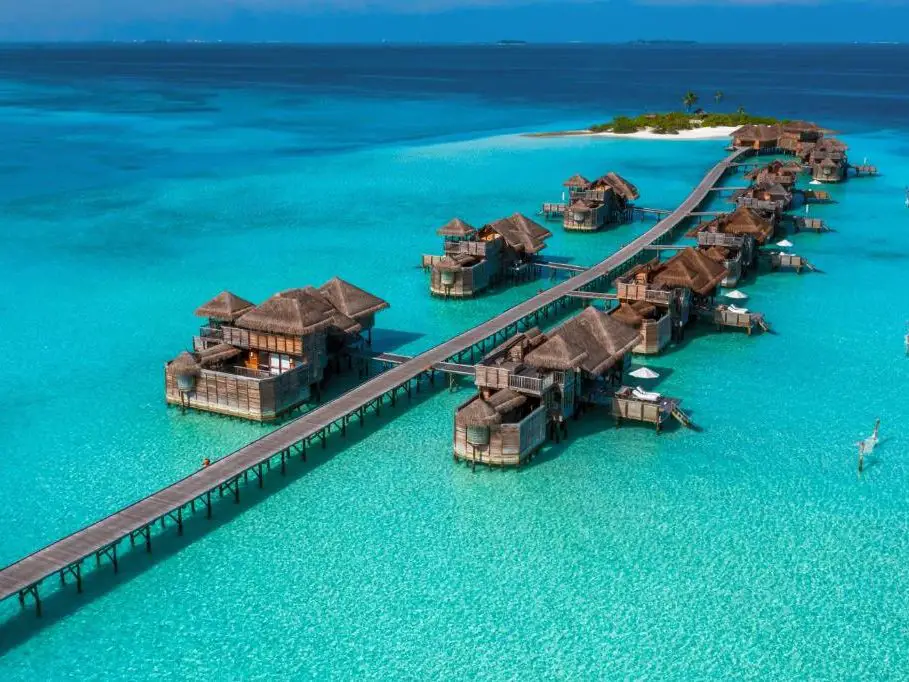
| 1. Gili Lankanfushi Maldives Best Butler Service Rating: ⭐⭐⭐⭐⭐ Location: 20-minute speedboat from Velana International Airport Guest Reviews: Glass-floor spa treatment rooms, Mr Friday butler personalisation, house reef shark sightings from villa deck, organic garden menus Best Room: Villa Suite With Pool Price: From USD $1,500 – $2,500 per night |
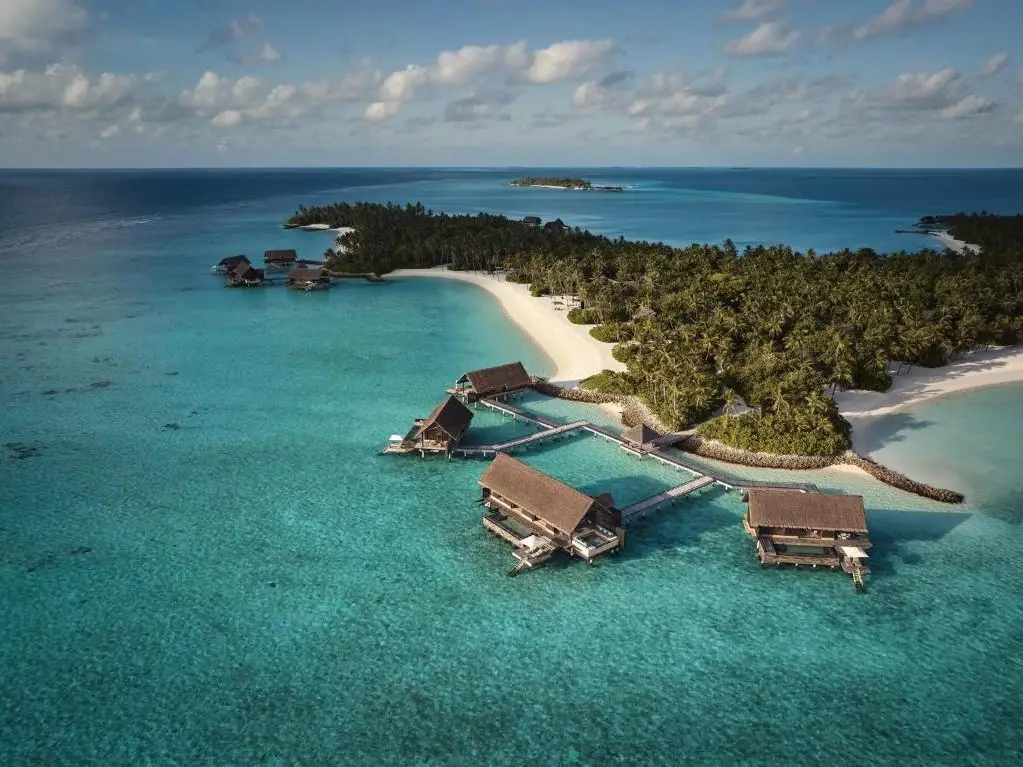
| 2. One&Only Reethi Rah Best for Island Exploration Rating: ⭐⭐⭐⭐⭐ Location: 45-minute speedboat from Velana International Airport Guest Reviews: 12 private beaches, nurse shark swimming, kitesurfing on demand, watsu spa therapy, buggy freedom across the island Best Room: Grand Water Villa With Pool Price: From USD $1,850 – $3,500 per night |
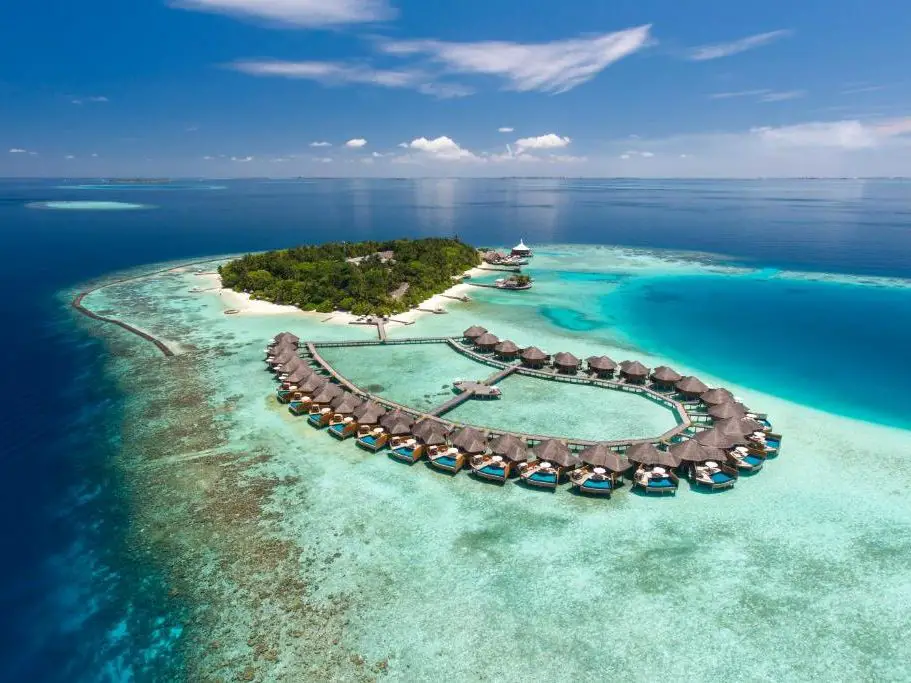
| 3. Baros Maldives Best House Reef Rating: ⭐⭐⭐⭐⭐ Location: 25-minute speedboat from Velana International Airport Guest Reviews: House reef sharks, turtles and rays from the jetty, PADI EcoDive centre, Lighthouse Restaurant fine dining, 24-hour villa host Best Room: Water Villa with Private Pool Price: From USD $700 – $1,500 per night |
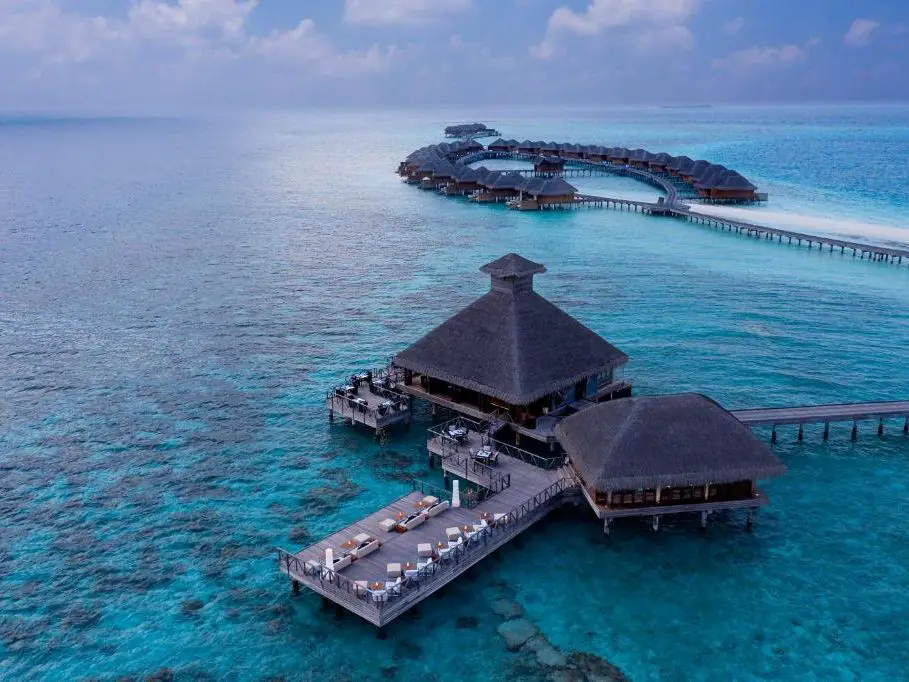
| 4. Huvafen Fushi Maldives Best Spa Rating: ⭐⭐⭐⭐⭐ Location: 30-minute speedboat from Velana International Airport Guest Reviews: World’s first underwater spa treatment rooms, Celsius and Salt restaurant excellence, glass-floor lagoon views from the villa, Thakuru butler throughout Best Room: Ocean Bungalow with Pool Price: From USD $1,000 – $2,500 per night |
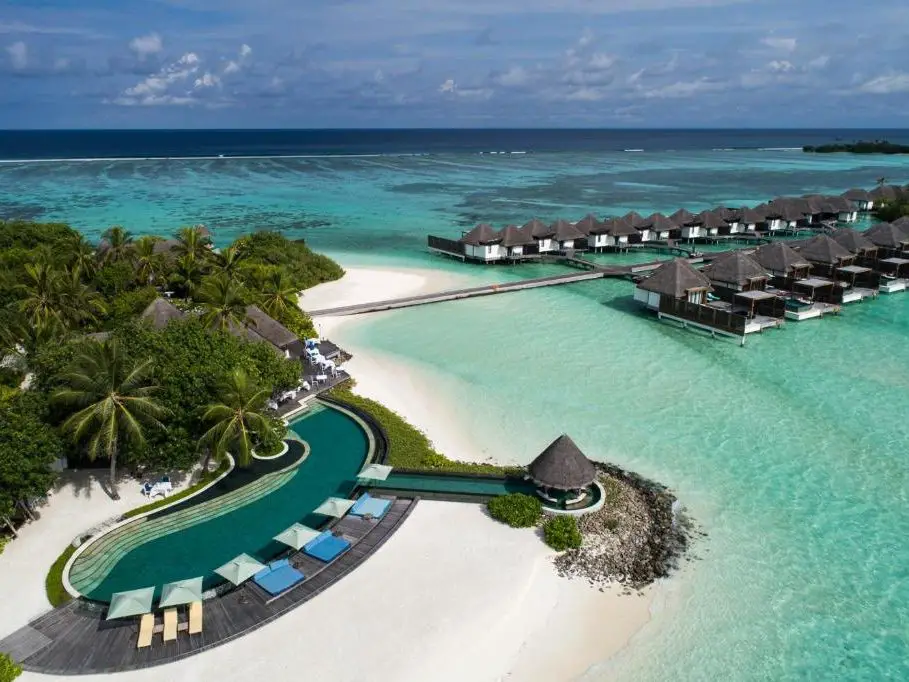
| 5. Four Seasons Resort Maldives at Kuda Huraa Best for Families Rating: ⭐⭐⭐⭐⭐ Location: 30-minute speedboat from Velana International Airport Guest Reviews: Jean-Michel Cousteau dive programme, sandbank barbecue private dining, ŪRJĀ naturopathy spa island, lush garden village atmosphere throughout Best Room: Villa, 1 King Bed (Sunset Water) Price: From USD $950 – $2,000 per night |
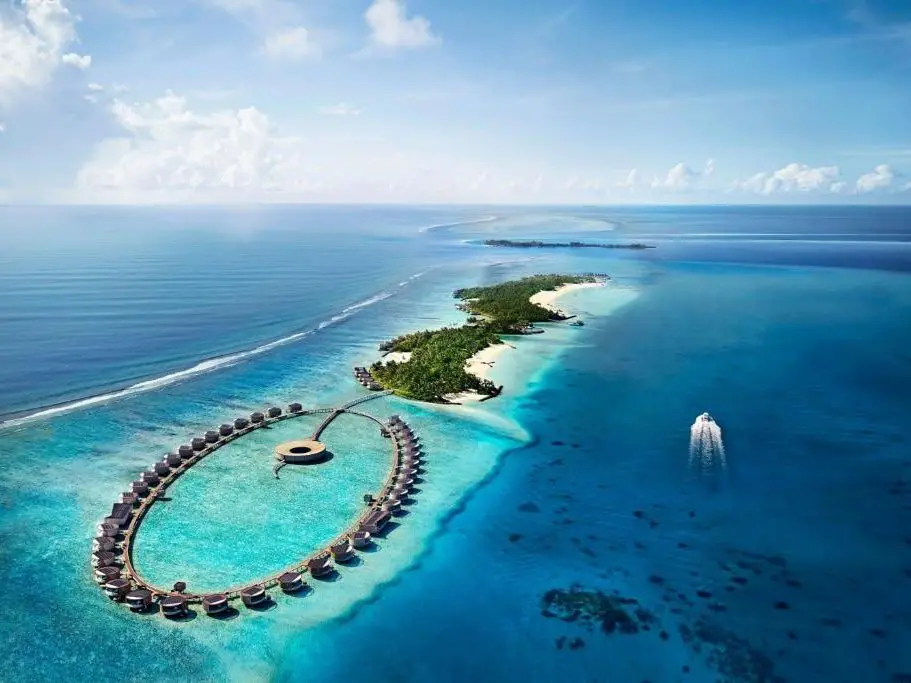
| 6. The Ritz-Carlton Maldives, Fari Islands Best Dining Selection Rating: ⭐⭐⭐⭐⭐ Location: 45-minute speedboat from Velana International Airport Guest Reviews: Aris Meeha butler service precision, Bodu Beru sunset fire ceremony, La Locanda Italian dining, Jean-Michel Cousteau marine programme on-site Best Room: Villa, 1 Bedroom, Non Smoking Price: From USD $2,100 – $4,000 per night |
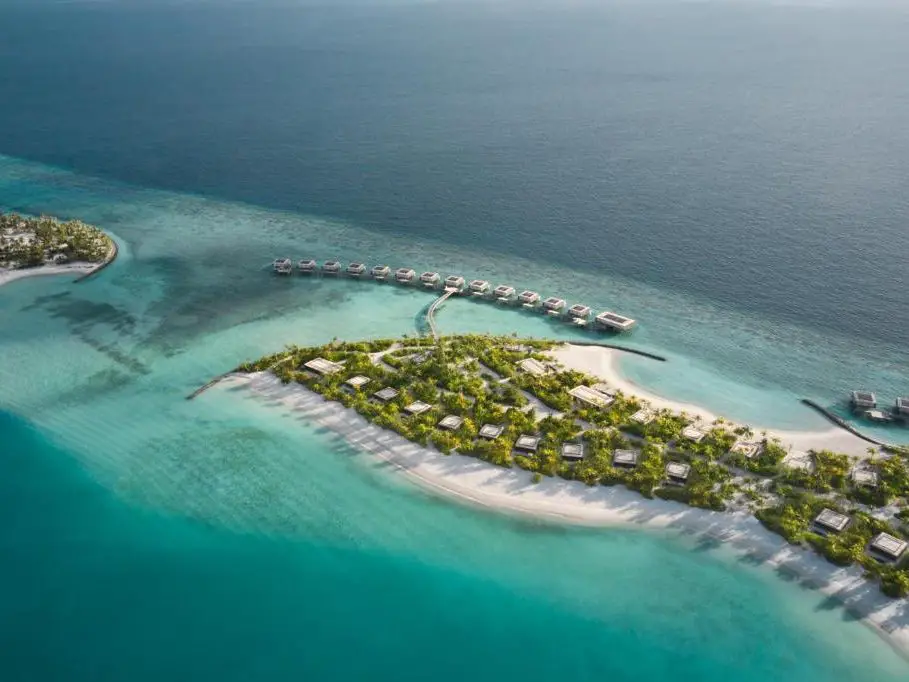
| 7. Patina Maldives, Fari Islands Best Design Resort Rating: ⭐⭐⭐⭐⭐ Location: 45-minute speedboat from Velana International Airport Guest Reviews: James Turrell Skyspace art installation, 11-restaurant access across Fari Islands, vivid house reef drop-off, Watsu water therapy at the spa Best Room: Villa, Multiple Beds (Water Pool Villa) Price: From USD $1,600 – $3,300 per night |
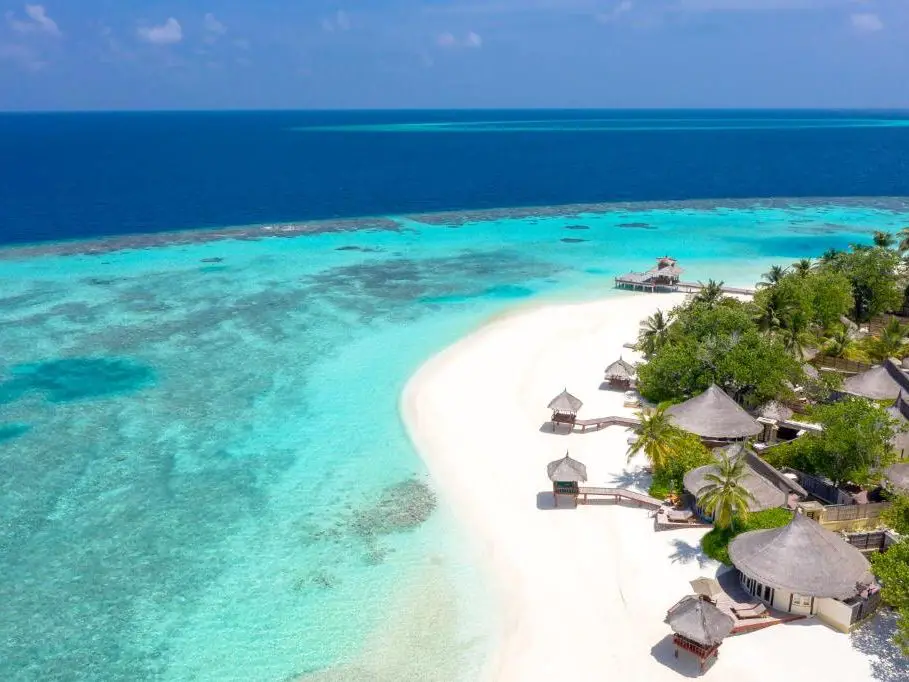
| 8. Banyan Tree Vabbinfaru Best for Marine Conservation Rating: ⭐⭐⭐⭐⭐ Location: 25-minute speedboat from Velana International Airport Guest Reviews: House reef snorkelling from the beach, Rannamaari shipwreck diving, Saffron Thai restaurant, Marine Lab coral restoration programme Best Room: Beachfront Sunset View Pool Villa Price: From USD $880 – $1,800 per night |
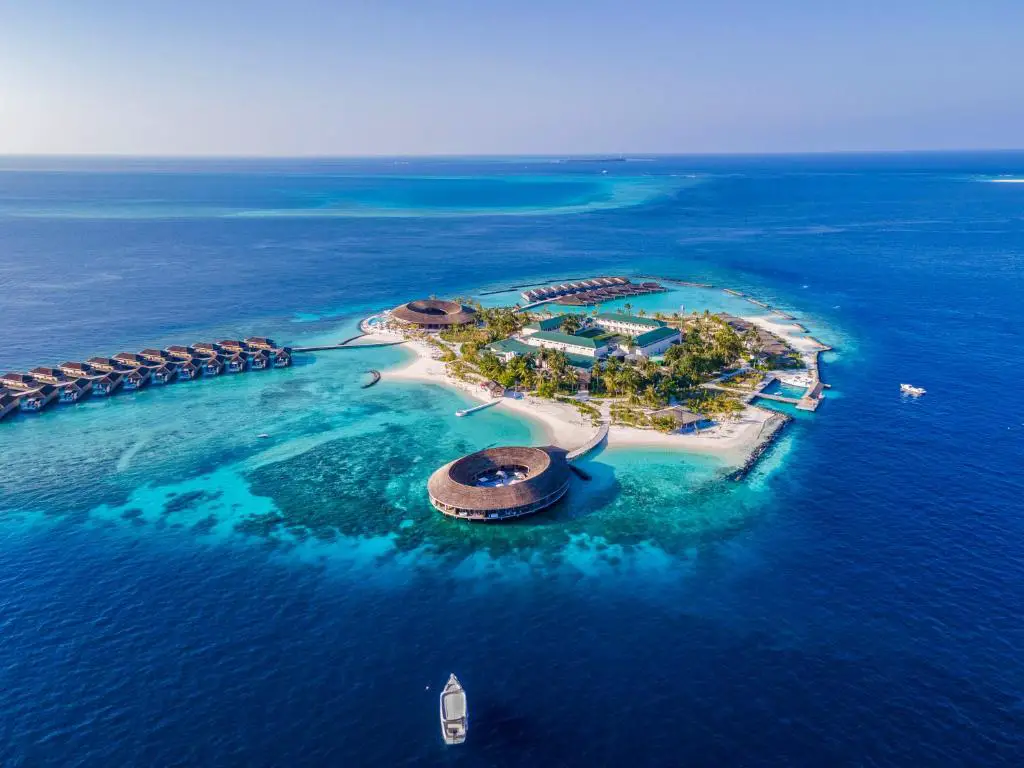
| 9. Kagi Maldives Resort & Spa Best Wellness Resort Rating: ⭐⭐⭐⭐⭐ Location: 60-minute speedboat from Velana International Airport Guest Reviews: 360-degree house reef from villa steps, Baani Spa teardrop sky-roof treatment rooms, reef sharks and nurse sharks off the jetty, nightly themed dining buffet Best Room: Ocean Pool Villa Price: From USD $770 – $1,500 per night |
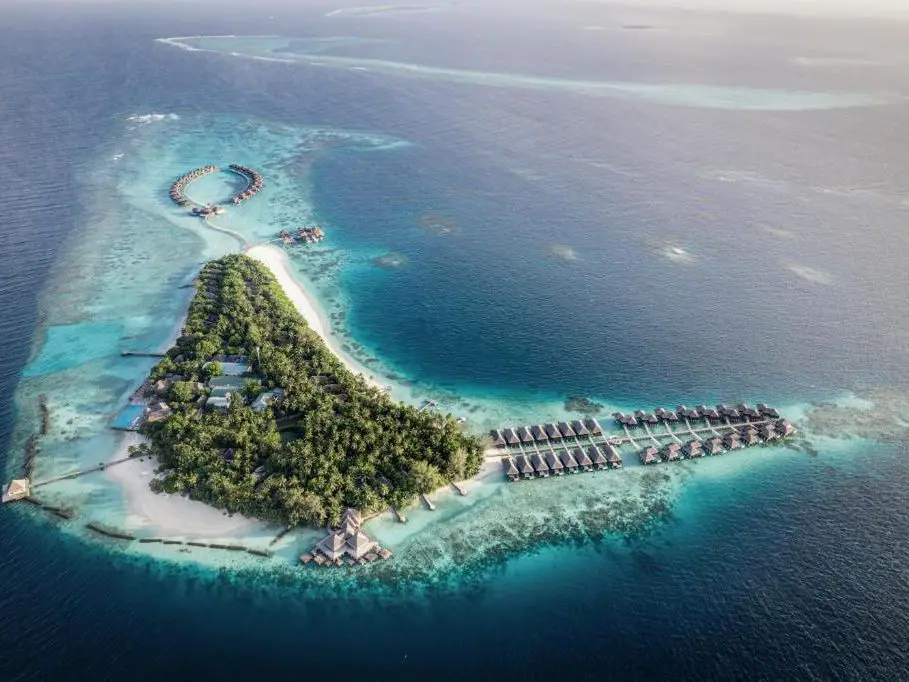
| 10. Coco Bodu Hithi Most Romantic Resort Rating: ⭐⭐⭐⭐⭐ Location: 35-minute speedboat from Velana International Airport Guest Reviews: Hawksbill turtle encounters off the house reef, bioluminescent lagoon beneath the overwater villas, Tapasake Japanese restaurant, personal host service throughout Best Room: Escape Water Villa with Private Pool Price: From USD $650 – $1,400 per night |
How to Choose the Right Resort in North Malé Atoll
The ten resorts here share the same speedboat advantage but almost nothing else. House reef quality, island character, and the type of experience on offer vary enough that choosing the wrong one is a genuine risk.
- Barefoot luxury with soulful service — Gili Lankanfushi is the choice for guests who want the whole resort to feel personal rather than polished. No shoes, no news, a Mr/Ms Friday butler for every villa, and an all-overwater layout on a lagoon that remains one of the largest and calmest in the atoll. It suits couples and honeymooners who want intimacy over facilities breadth.
- Scale and freedom — One&Only Reethi Rah is one of the largest private islands in the Maldives, with twelve beaches, eight jetty systems, and enough space to spend a week without repeating a walk. It suits guests who want privacy through space rather than through exclusivity of scale.
- Marine obsessives and snorkellers — Baros Maldives and Banyan Tree Vabbinfaru both have house reefs accessible directly from the beach or villa steps, with consistent marine life including reef sharks, turtles, and rays. Of the two, Baros has the stronger reef and smaller, more boutique feel; Banyan Tree adds a 26-year-old marine conservation programme and a functioning shipwreck dive just offshore.
- Spa and wellness as the centrepiece — Huvafen Fushi has the world’s first underwater spa treatment rooms, an underground wine cellar, and a glass-floor design philosophy that puts the lagoon beneath you at every turn. Kagi Maldives Resort & Spa takes the wellness angle further as a resort concept — 1,500 sqm Baani Spa, a wellness-led dining programme, and a 360-degree house reef that consistently surprises guests who arrive for the spa and leave talking about the snorkelling.
- Families with children — Four Seasons Resort Maldives at Kuda Huraa is the clearest choice. A natural coral island with a village-style layout, a free kids’ club, dedicated family villas, no artificial reclaimed land, and a Jean-Michel Cousteau dive programme for older children. It has been hosting families for over 30 years and the infrastructure shows.
- Design, dining and a social scene — Patina Maldives, Fari Islands suits guests who want architectural interest, eleven restaurants, and access to Fari Marina Village across the archipelago. The Ritz-Carlton Maldives, Fari Islands sits on the same development and suits guests who want the same facilities breadth wrapped in the most formalised butler service on this list — the Aris Meeha system is more structured and ceremonial than any of the other nine resorts here.
- Romantic couples on a slightly lower budget — Coco Bodu Hithi holds two consecutive World Travel Awards for Indian Ocean’s Most Romantic Resort and offers overwater villas above a bioluminescent lagoon at prices that undercut most of its neighbours on this list. The island is mature, lush, and low-key rather than sleek and contemporary.
One practical note: Patina, The Ritz-Carlton, and Kagi sit at the atoll’s northern edge, adding 15–20 minutes to transfer times compared to the closer islands. For short stays of four nights or fewer, resorts within 30 minutes of the airport — Gili Lankanfushi, Banyan Tree Vabbinfaru, Baros, Four Seasons Kuda Huraa — maximise time in the water rather than on the boat.
What to Expect from the Speedboat Transfer
The transfer is one of North Malé Atoll’s biggest practical advantages — but the part most competitors don’t mention is the airport wait that precedes it.
- How the meet works — A resort representative meets guests in the arrivals hall after customs, takes charge of luggage, and escorts the group to the transfer jetty. Most luxury resorts on this list offer a lounge or refreshments while the boat is prepared. The boat itself is typically a Gulf Craft 38 — a purpose-built resort transfer vessel, air-conditioned, with seating for 10 to 20 passengers.
- Shared transfers and waiting times — The majority of resort transfers are shared, meaning the boat waits for guests arriving on the same flight or on connecting flights landing within a short window. At busy arrival times — particularly late evening when multiple international flights land within an hour of each other — the wait can run 60 to 90 minutes. Guests who want to leave immediately should book a private transfer in advance, typically $150–$300 per person return depending on resort and boat size. Gili Lankanfushi, One&Only Reethi Rah, and Four Seasons Kuda Huraa all offer private transfer options as standard.
- Late arrivals — Unlike seaplanes, speedboats operate around the clock with no daylight restriction. Landing at midnight is not a problem for any resort on this list. This is the atoll’s single most practical advantage over seaplane destinations, and it matters most for guests on long-haul connections through Dubai, Doha, or Singapore that land after 10pm.
- Luggage — There are no weight limits and no requirement for soft bags, unlike seaplanes which cap at 25kg per person and require soft-sided luggage only. Divers travelling with equipment, families with pushchairs, and guests packing for longer stays all transfer without restriction.
- Rough weather — Transfers run year-round, but the southwest monsoon from May to October can bring choppy open-water crossings on the longer routes, particularly to Kagi, One&Only Reethi Rah, and the Fari Islands. Guests prone to seasickness should sit amidships, avoid the bow, and take preventive medication before boarding if travelling in monsoon months.
- What the ride actually feels like — On a calm day the crossing is genuinely enjoyable: open water, flying fish, and the first sight of your island appearing on the horizon. At 20–30 minutes for the closer resorts, it is short enough to feel like an arrival experience rather than a transit.
Which Resorts Have the Best House Reef?
House reef quality is the most common booking regret in North Malé Atoll. The atoll’s lagoon system is heavily trafficked and some resorts sit on dredged or reclaimed land with limited natural reef. Knowing the difference before booking matters.
- Baros Maldives — Consistently cited as one of the strongest house reefs in the atoll and among the best in the Maldives for a resort island. The reef encircles the natural island with healthy coral and reliable marine life: reef sharks, hawksbill turtles, rays, octopus, and dense fish populations. Entry is directly from the beach or the Water Villa jetty steps. Experienced snorkellers and divers should prioritise this reef above all others on this list.
- Banyan Tree Vabbinfaru — A natural island with a lively fringing reef and an active marine biology programme that has been restoring coral for over two decades. The 26-year-old Rannamaari shipwreck just offshore has become a habitat in its own right, colonised by moray eels, lionfish, and batfish. Entry from the beach is straightforward and the drop-off is close to shore.
- Kagi Maldives Resort & Spa — The 360-degree house reef is one of the resort’s most underrated features. The reef edge sits just 20 metres from the shore, with direct access from Ocean Pool Villa steps. Nurse sharks, reef sharks, sea turtles, eagle rays, and regal angelfish are regularly sighted. Many guests arrive for the spa and are surprised to find the snorkelling rivals the therapy.
- Gili Lankanfushi — The lagoon is exceptional for swimming and kayaking but the reef edge requires a 10–15 minute swim from the villa decks. The house reef does exist and supports good marine life, but guests who want to roll out of bed and snorkel should be aware of that distance. The resort runs guided marine experiences that compensate.
- Huvafen Fushi — The lagoon bungalow side has better reef access than the ocean side. The drop-off is accessible from villa steps with good coral cover and consistent turtle sightings. Not the strongest reef on this list but solidly above average for the atoll.
- Coco Bodu Hithi — Escape Water Villas and Water Villas sit at the eastern end of the jetty with steps directly into the best snorkelling area of the house reef. Hawksbill turtles, nurse sharks, and bioluminescent plankton after dark are the signatures. Access is easy and the reef rewards evening as well as daytime exploration.
- Four Seasons Kuda Huraa — A natural coral island with reasonable reef access, though the house reef is not the primary reason to choose this resort. The dive centre runs daily excursions to nearby sites — Banana Reef and HP Reef are within short boat range — which compensates for what the house reef lacks in spectacle.
- One&Only Reethi Rah — The island was largely reclaimed and extended, which means the house reef is limited compared to natural islands. The resort compensates with a comprehensive excursions programme to nearby sites, a PADI National Geographic dive centre, and shark safari experiences. Guests who prioritise house reef snorkelling should choose a different property on this list.
- Patina Maldives, Fari Islands — Sits on a reclaimed archipelago. The reef drop-off on the water villa side is accessible and supports good marine life, but the reef itself is relatively young. Dive excursions to classic North Malé sites are the better option for serious snorkellers.
- The Ritz-Carlton Maldives, Fari Islands — Also on the Fari Islands reclaimed development. House reef is limited; the resort leans on its excursion programme and Jean-Michel Cousteau Ambassadors of the Environment centre for marine experiences.
Is North Malé Worth It vs. a Seaplane Atoll? The Honest Answer
This is the question most travellers are genuinely asking before they book any resort on this list. The answer depends entirely on what the trip is for.
- What you save with North Malé — A round-trip seaplane to Baa, Noonu, or Lhaviyani Atoll typically costs $300–$600 per person, operates only between roughly 6am and 4pm, caps luggage at 25kg per person in soft bags, and requires advance scheduling around your international flight. North Malé removes all of that. The saving on a couple’s holiday is real — often $1,000 or more that can go toward a room upgrade, meal plan, or activities. There are also no weight anxiety moments at check-in and no overnight in Malé if your flight lands late.
- What you give up — The outer atolls — Baa especially — offer UNESCO Biosphere Reserve status, higher concentrations of whale sharks and manta rays, and reef systems that are generally less affected by the traffic and development around Malé. North Malé is the busiest stretch of water in the Maldives. On some southern islands, Malé’s skyline is visible on the horizon and boat traffic is a constant backdrop. The further north you stay — One&Only Reethi Rah, Kagi, the Fari Islands — the less this intrudes, but it never disappears entirely the way it does in the outer atolls.
- Who North Malé suits best — First-time Maldives visitors who want the classic experience without logistical complexity. Short stays of four to six nights where seaplane scheduling would consume a meaningful portion of the trip. Late-arriving international flights. Divers with heavy equipment. Families with young children who find small aircraft stressful. Guests whose budget is better spent on the resort than the transfer.
- Who should consider going further — Guests for whom pristine seclusion is the primary objective, who are staying ten nights or more (which amortises the seaplane cost), or who specifically want manta ray or whale shark encounters as a centrepiece of the trip rather than an occasional bonus. Banyan Tree Vabbinfaru and Kagi come closest among this list to bridging the gap — both have strong house reefs and serious marine programmes — but neither matches Baa Atoll’s Hanifaru Bay for sheer marine spectacle.
The honest summary: North Malé delivers an excellent Maldives holiday at lower logistical cost. It does not deliver the same marine wilderness or seclusion as the outer atolls. For most first-time visitors and short stays, the trade-off is clearly worth it.
Best Time to Visit North Malé Atoll
North Malé has two seasons, but the picture is more nuanced than the standard “dry season good, wet season bad” framing suggests.
- December to April — dry season, peak prices — The northeast monsoon brings the calmest seas, best underwater visibility, and longest stretches of sunshine. January and February are the driest months, with rain on fewer than 2% of days. This is when the atoll looks most like the photographs and when rates are highest. Booking six to nine months in advance is standard for Gili Lankanfushi, One&Only Reethi Rah, and the Fari Islands properties during this window.
- May to October — wet season, surf season, manta season — The southwest monsoon brings passing showers, cloud cover, and occasional rough crossings on exposed routes. Rates drop significantly — often 20–40% below peak at the same resort. Two experiences peak during these months that the dry season cannot offer: the atoll’s surf breaks (March to October, peaking June to August, with Pasta Point, Cokes, and Lohis at their most consistent) and Lankan Manta Point, where reef mantas gather at a cleaning station from May through November. Guests who do not surf or dive for mantas have less reason to come in peak monsoon months, but shoulder periods — May and October in particular — offer good value with manageable weather.
- March and November — the sweet spots — Both months sit in transition periods between monsoons, with more settled weather than the mid-season peak but softer rates than January and February. November is particularly underrated: the northeast monsoon is establishing itself, visibility is improving, and rates are still below December peak. March catches the tail of the dry season with surf beginning to build on the eastern breaks.
- Festive season surcharge — Late December through early January carries mandatory festive supplements at every luxury resort on this list. The Ritz-Carlton, Patina, and Gili Lankanfushi all impose gala dinner charges on Christmas Eve and New Year’s Eve that can add $300–$500 per adult to the bill. These are stated in booking terms but catch guests by surprise. Factor them in when comparing December rates.
What to Do Beyond Your Villa
North Malé’s proximity to the best dive sites in the country and to Malé itself means the atoll rewards exploration in a way the outer atolls cannot easily match.
- Banana Reef — A national marine protected area a short dhoni ride from most resorts, Banana Reef is one of the oldest and most famous dive sites in the Maldives. The crescent-shaped reef has overhangs, caves, and a consistent population of grey reef sharks, barracuda, and schooling snappers. Visibility peaks January to April. The site is accessible to Open Water divers with a guide, though current experience is an advantage.
- HP Reef and Okobe Thila — HP Reef’s soft coral chimneys and resident Napoleon wrasse make it one of the atoll’s signature dives for intermediate divers. Okobe Thila is shallower and more sheltered, suited to newer divers and strong snorkellers with a boat. Both sit within 30 minutes of the southern half of the atoll.
- Lankan Manta Point — From May through November, reef mantas queue at a cleaning station on the atoll’s eastern rim. The experience — hovering above a manta as cleaner wrasse pick parasites from its cephalic fins — is one of the Maldives’ signature wildlife encounters. Most resorts on this list run regular trips during season, with dedicated snorkel and dive slots. Banyan Tree Vabbinfaru and Baros are among the closest resorts to the site.
- Malé and the fish market — Every resort here is within 45 minutes of the capital, which makes a half-day cultural visit genuinely feasible in a way it is not from the outer atolls. The fish market on the waterfront handles the largest tuna catch in the country; the 17th-century Friday Mosque is built from coral stone; and the local market sells tropical fruit, dried fish, and Maldivian snacks. It is not a conventional tourist experience — Malé is a dense, working city — but it is the only atoll where that kind of contrast is on offer.
- Thulusdhoo and the surf breaks — For guests staying at Kagi, One&Only Reethi Rah, or the Fari Islands, the local island of Thulusdhoo sits nearby with Cokes and Chickens breaking on its doorstep. Surf charters from most resorts can reach these breaks and the longer Lohis and Pasta Point lineups within 20–30 minutes. The surf season runs March to October, peaking June to August.
- Sandbank excursions and sunset cruises — Every resort on this list offers sandbank picnic experiences, dolphin-watching sunset cruises, and private island dinners. These vary enormously in quality and price. The most consistently praised are the private sandbank dinners at Gili Lankanfushi and One&Only Reethi Rah, where the logistics of the excursion are handled by the Mr/Ms Friday and Aris Meeha butler systems respectively, meaning the setup arrives before you do.
FAQs
1. Do all resorts in North Malé Atoll use speedboat transfers?
Every resort on this list transfers exclusively by speedboat from Velana International Airport. There is no seaplane option for these islands, and no domestic flight connection. The speedboat is the only way in and out, which is both the atoll’s defining advantage and the thing that keeps transfer times under one hour from landing.
2. How much does the speedboat transfer cost?
Transfer costs vary by resort and are typically charged separately from the room rate, though several resorts on this list include the shared transfer for stays of four nights or more. Shared transfers generally run $100–$250 per person return. Private charters — no wait, immediate departure — typically cost $200–$400 per person return depending on resort distance. Confirm the transfer policy and cost when booking, as it is a meaningful addition to the overall trip budget.
3. Can I arrive late at night and still reach my resort?
Speedboats operate 24 hours a day with no daylight restriction, so a late or overnight arrival is straightforward for every resort on this list. This is the key practical difference from seaplane atolls, where guests landing after approximately 3pm may need to overnight in Malé before catching the first seaplane the following morning.
4. Which resorts on this list are best for snorkelling directly from the villa?
Baros Maldives and Banyan Tree Vabbinfaru have the strongest house reefs with direct beach or villa step entry. Kagi Maldives Resort & Spa and Coco Bodu Hithi also offer good reef access from overwater villa steps. One&Only Reethi Rah and the Fari Islands properties (Patina, The Ritz-Carlton) have more limited house reefs and rely on boat excursions for the best snorkelling.
5. Is North Malé Atoll good for a short stay?
It is the best atoll in the Maldives for a short stay. There is no seaplane scheduling to work around, transfers are the shortest and cheapest in the country, and the dive sites, restaurants, and atoll excursions are all within immediate reach. Four nights is a workable minimum; three nights is possible from a logistics standpoint, though the cost per night at these resorts makes longer stays better value.
6. When is the best time to visit North Malé Atoll?
December to April is the dry season with the calmest seas and best visibility, but also peak rates and the busiest period at every resort. May to October brings softer rates, the surf season on the atoll’s eastern breaks, and manta ray sightings at Lankan Manta Point from May through November. March and November are particularly good value transition months with improved weather and rates below peak.
7. Are there any adults-only resorts on this list?
Kagi Maldives Resort & Spa is adults-preferred, welcoming guests aged 12 and above. Huvafen Fushi and Baros Maldives attract a predominantly couples and adult clientele but are not formally age-restricted. Four Seasons Resort Maldives at Kuda Huraa, Gili Lankanfushi, and Coco Bodu Hithi all actively welcome families with younger children.
8. How does North Malé Atoll compare to Baa Atoll for marine life?
Baa Atoll holds UNESCO Biosphere Reserve status and Hanifaru Bay, where whale sharks and manta rays gather in concentrations that are genuinely unmatched elsewhere in the Maldives. North Malé does not compete on that level. What it offers instead is the convenience of speedboat access, lower transfer costs, and house reefs — particularly at Baros and Banyan Tree Vabbinfaru — that deliver reliable daily encounters with reef sharks, turtles, and rays without needing a boat trip. For guests whose trip centres on a Hanifaru Bay experience, Baa Atoll is the better choice. For guests who want consistent reef wildlife within walking distance of their villa, several resorts on this list deliver that reliably.