
Going to Dogo for the water? Sleep at an inn with its own spring-fed bath, because the water that fills the old Honkan is piped to the inns too, and you can soak again after the public bathhouse shuts for the night. Book a room with its own tub and you soak whenever you like, in private. Here’s where I’d stay.
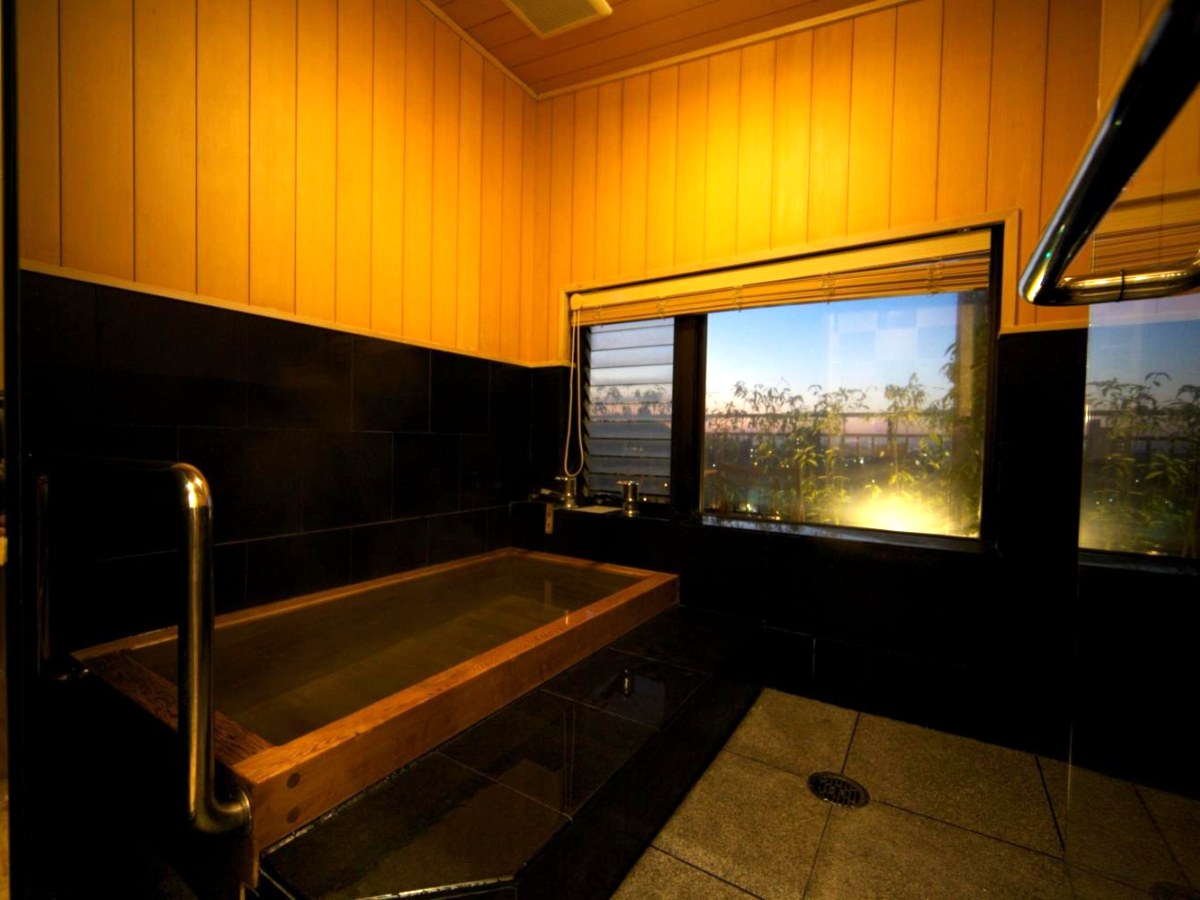
Quick answer: Book Funaya. Its two big baths, one in granite and one in cypress, each have an outdoor tub and swap between men and women morning and evening, so you get to soak in both.
Table of Contents
Dogo Onsen Ryokans
Inn Dating Back to the 1620s
1. Funaya
Rating: ⭐⭐⭐⭐
Location: 4-minute walk to Dogo Onsen Honkan
Guest Reviews: Superb onsen baths sit beside gorgeous gardens.
Best Room: Japanese-Style Room with Hot Spring Bath – Non-Smoking
Good to Know: Cross the covered Momiji Bridge over the garden stream to reach the baths.
From USD $430 – $685 per night
Private Guest Lift Near the Honkan
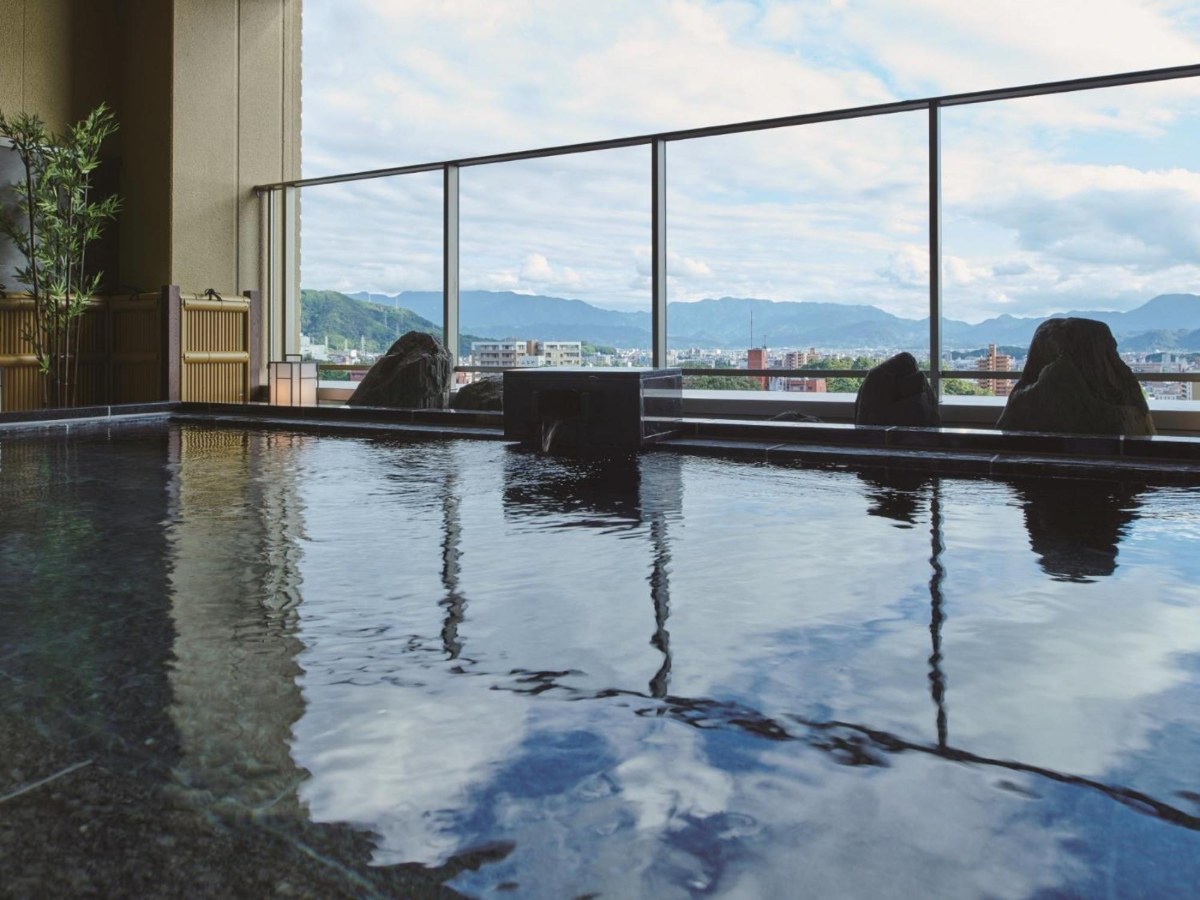
2. Kowakuen Haruka
Rating: ⭐⭐⭐⭐
Location: 4-minute walk to Dogo Onsen Honkan
Guest Reviews: Rooms are lovely and comfortable.
Best Room: Villa with Open-Air Onsen Bath
Good to Know: The 8th-floor bath adds an open-air tub and a reclining bath.
From USD $510 – $910 per night
Open-Air Bath in Every Room
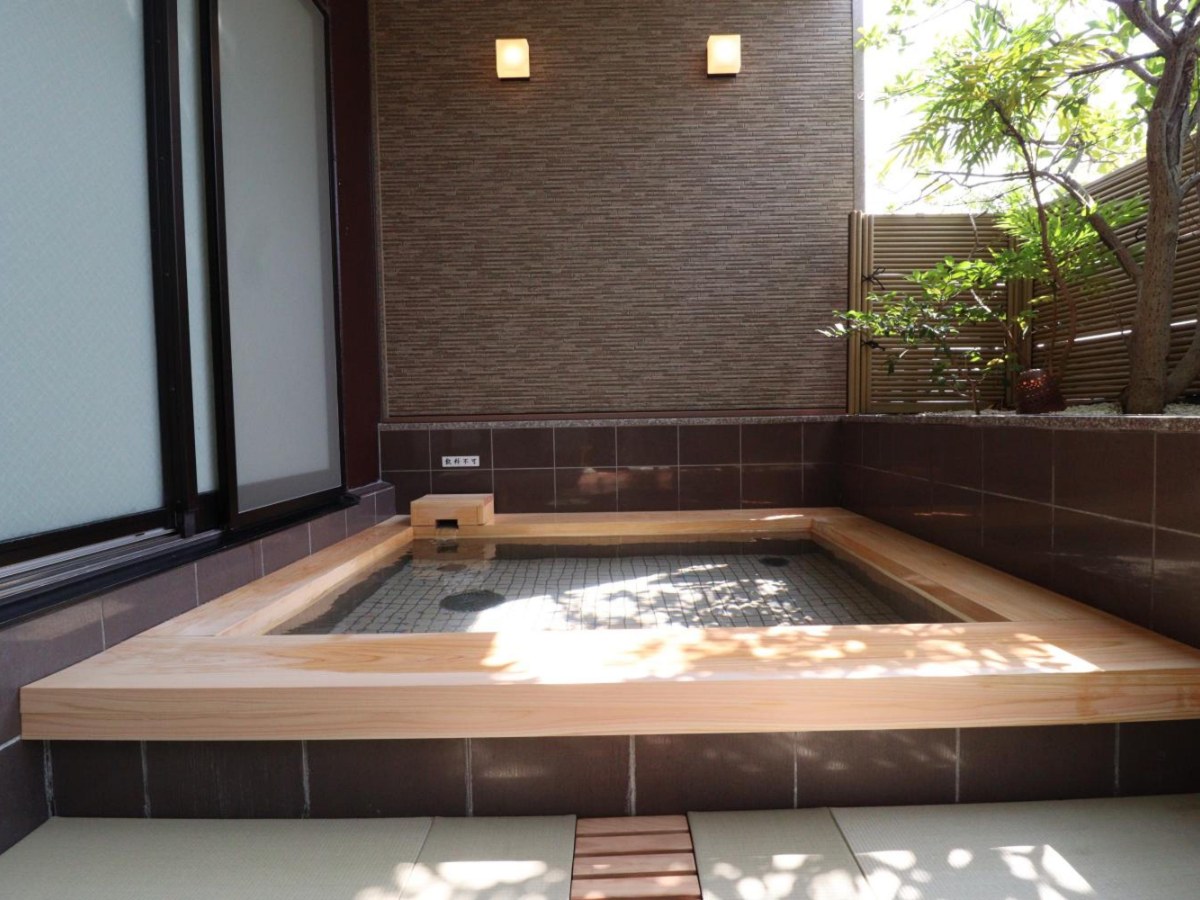
3. Dogo Onsen Yachiyo
Rating: ⭐⭐⭐
Location: 6-minute walk to Dogo Onsen Honkan
Guest Reviews: Excellent service, and your room has its own onsen.
Best Room: Japanese-Style Standard Room with Open Air Bath – Non-Smoking
From USD $330 – $440 per night
All-Cypress Sukiya-Style Inn
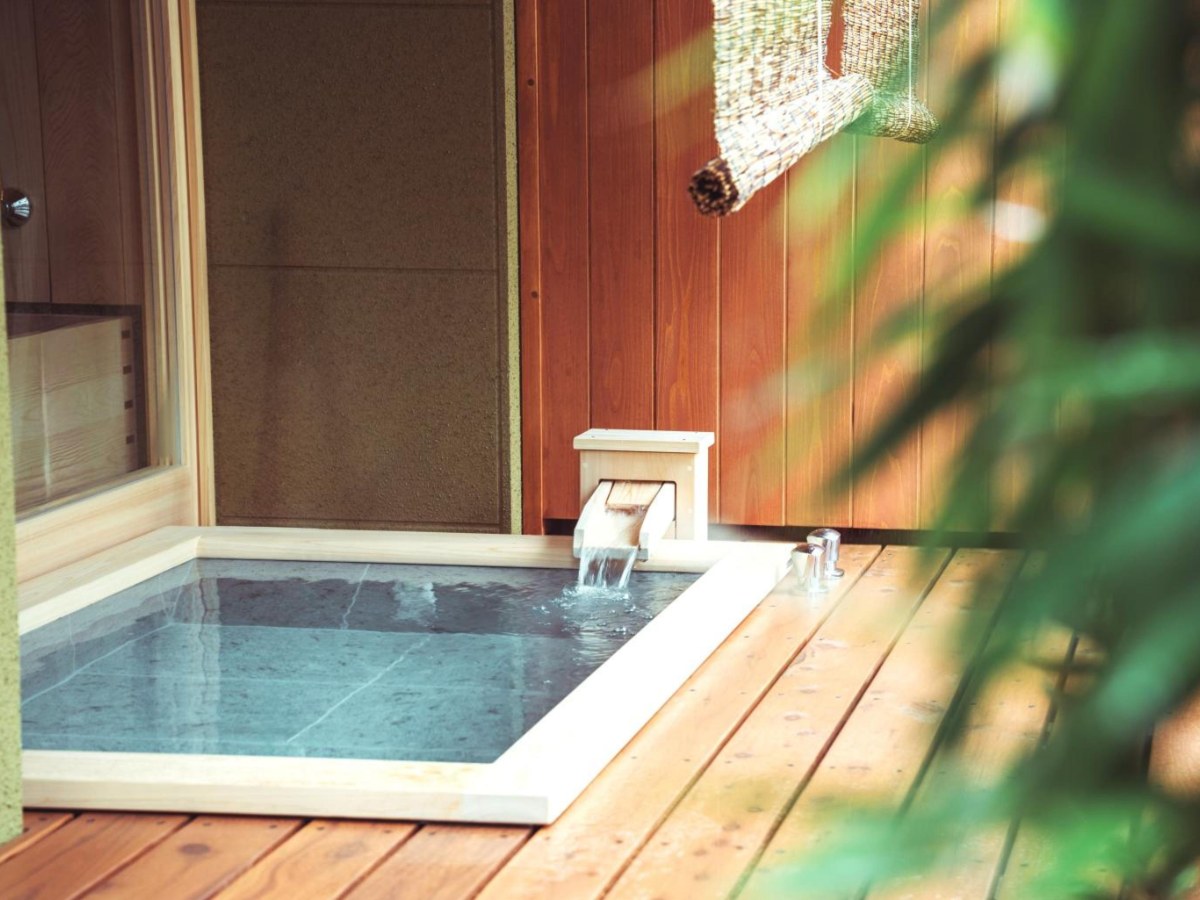
4. Yamatoya Besso
Rating: ⭐⭐⭐⭐
Location: 3-minute walk to Dogo Onsen Honkan
Guest Reviews: You eat excellent dinners and soak in a lovely onsen.
Best Room: Japanese-Style Suite with Open-Air Bath
From USD $270 per night
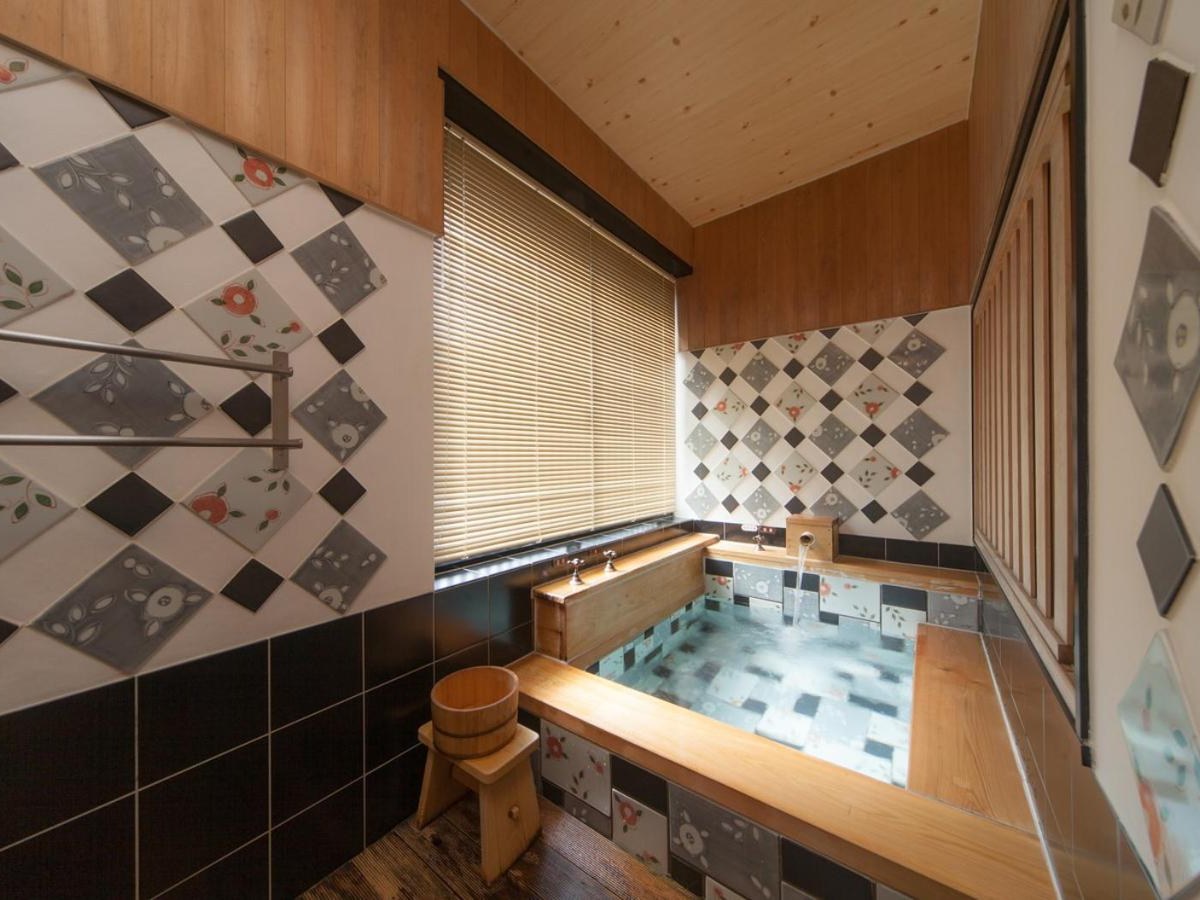
Tobe Porcelain Spring Baths
5. CHAHARU Hanare Dogo Yumekura
Rating: ⭐⭐⭐⭐
Location: 1-minute walk to Dogo Onsen Honkan
Guest Reviews: Amazing views from wonderful rooms with their own onsen.
Best Room: Superior Twin Room
Good to Know: Breakfast is served on the third floor of the main CHAHARU building.
From USD $290 per night
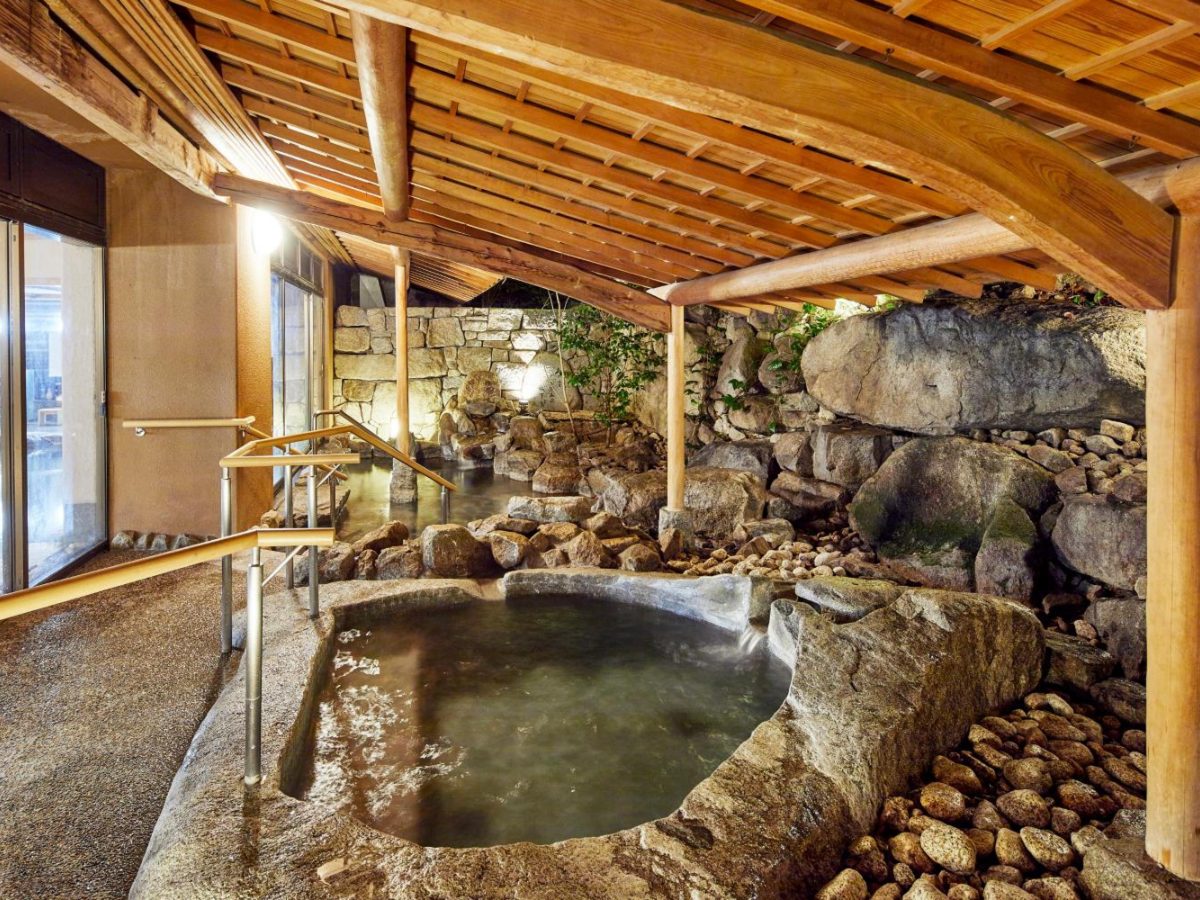
Hinoki Noh Stage
6. Yamatoya Honten
Rating: ⭐⭐⭐⭐
Location: 2-minute walk to Dogo Onsen Honkan
Guest Reviews: Breakfast is incredible and the onsen excellent.
Best Room: Japanese-Style Room – Non-Smoking
Good to Know: Stand on the stage in a Noh mask for photos.
From USD $185 – $485 per night
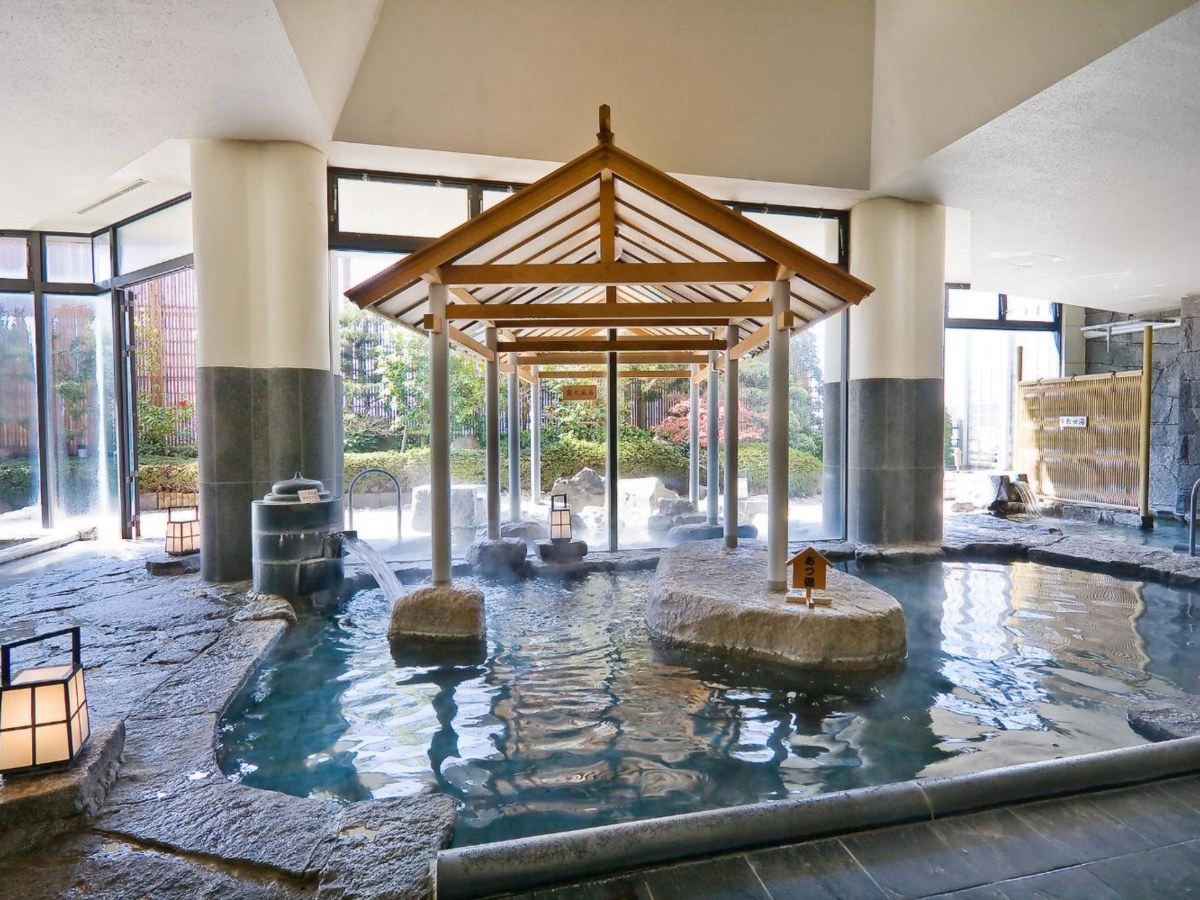
Designed by Kisho Kurokawa
7. Dogo Kan
Rating: ⭐⭐⭐⭐
Location: 4-minute walk to Dogo Onsen Honkan
Guest Reviews: Expect delicious food and an excellent onsen.
Best Room: Twin Room with Tatami Area
Good to Know: A 300-year-old Tsurukame pine stands on the grounds.
From USD $390 – $475 per night
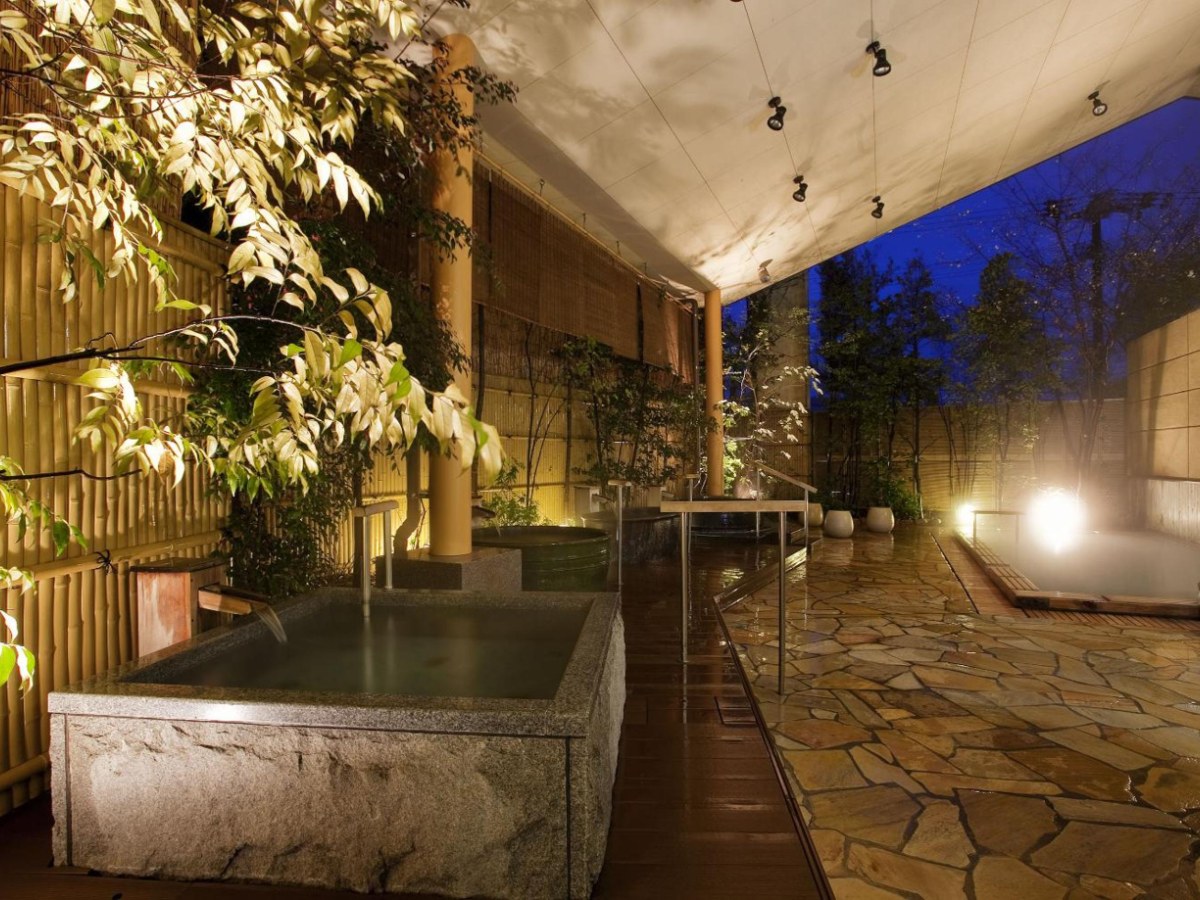
Mikan-Ball Hot Spring Bath
8. Dogo Prince Hotel
Rating: ⭐⭐⭐
Location: 10-minute walk to Dogo Onsen Honkan
Guest Reviews: Baths here are superb, with courteous staff throughout.
Best Room: Superior Twin Room
From USD $195 per night
Is It Real Dogo Onsen Water?
Dogo’s inns and public bathhouses draw on one shared, blended supply. What differs is how each bath handles it.
- One Town Supply Dogo’s water is pumped from 18 sources at 20 to 55°C and blended to bathing temperature without heating or added water. It’s an alkaline simple spring, gentle on skin. The inns have had this water piped into their own baths since the 1950s.
- Recirculated Inn Baths Many inns filter and recirculate the spring in their big shared baths, and some reheat it. If you want water straight from the pipe, look for 源泉かけ流し on a Japanese bath page. Check before you book if that matters to you.
- The Locals’ Bathhouse Tsubaki-no-Yu, in the shopping arcade, fills its granite baths with the spring unheated and undiluted. It’s the bathhouse locals favour. Go there for water straight from the source.
Stay wherever the room suits you, and make Tsubaki-no-Yu your second soak of the day.
How to Book a Room With Its Own Hot Spring Bath
Check the room name first. A plain Japanese-style room at a big inn has an ordinary bathroom.
- Read the Exact Room Name Any room name that mentions a hot spring, onsen or open-air bath is a safe bet. A few small inns put a spring tub in every room, so read their room pages too. Those rooms show the tub in their photos.
- Indoor Tub or Terrace Tub A private spring tub sits indoors by a window at some inns and outside on a deck at others. Open the photos tagged to that room before you pay.
- Renting a Family Bath Several inns rent a private bath by the hour, so two of you can soak together without paying for a bath room. Ask about it when you check in. It’s the cheaper way to share a tub.
I’d book the room by its exact name and check its own photos before paying.
Dogo’s Three Public Bathhouses
Plan at least one soak at the town’s own baths. Each of the three feels different.
- Dogo Onsen Honkan Built in the Meiji era, the wooden bathhouse was the first public bath in Japan given national heritage protection. Locals still use its Kami-no-Yu hall almost daily. Its wooden tower, the Shinrokaku, crowns the roof.
- Asuka-no-Yu Annex The annex is built in the style of the Asuka period and has open-air baths, which the Honkan doesn’t. It also has a large resting hall. Go in the evening when you want sky above the water.
- Tsubaki-no-Yu Dogo put it up for a national sports festival in the 1950s, in the arcade beside the annex. A quick soak here fits between dinner and bed.
Soak in the Honkan once for the building, then use the annex for open-air baths.
When Dogo’s Ryokans Fill Up
Matsuyama city’s estimates of overnight guests in Dogo show the same pattern two years running.
- March Is the Peak March brings more overnight guests to Dogo’s inns than any other month. Book well ahead if you want a room with its own bath.
- August and November Follow August and November are the next busiest months, with October close behind. Treat those like March and book early.
- June Is the Quiet Month June has the fewest guests of the year, with July close behind. A June stay is the time to try for a room with a tub that sells out in March.
For March, book as soon as you know your dates.
Getting Around Dogo on Foot and by Tram
Dogo is compact, and the tram ends right at the edge of the hot spring streets.
- Tram From JR Matsuyama Station The city tram runs from JR Matsuyama Station to the Dogo Onsen terminus in 20 to 25 minutes. It drops you a short walk from the Honkan. It’s the easiest way in from the station.
- Botchan Karakuri Clock By Dogo Onsen Station, a clock modelled on the Honkan’s Shinrokaku tower went up for the bathhouse’s centenary. Figures from Soseki’s novel Botchan come out on the hour. Look for it as you step off the tram.
- Walking to Ishiteji Ishiteji, temple 51 on the Shikoku pilgrimage, is a 15 to 20-minute walk from Dogo. Dogo Park, on the ruins of Yuzuki Castle, sits beside the tram station. Both make an easy morning before check-out.
Walk everywhere in Dogo, and take the tram for anything further.
Bath Manners for a First Soak
The rules are the same at the Honkan and at an inn’s own bath. Dogo’s bathhouses spell them out for first-timers.
- Wash Before You Soak Scrub down at the showers before you step into the tub. Don’t wash at the spout where the hot water pours in. Tie back long hair so it stays out of the water.
- Keep Towels Out of the Water Small towels go on your head or the edge of the tub, never in it. Swimsuits aren’t worn in the baths. Diving and swimming are out too.
- Leave Phones in the Locker Photos and phones aren’t allowed in the bathing areas. Leave them in the locker and wear the key on your wrist. Skip alcohol before a soak and drink water after.
Watch what the regulars do, and copy them.
Ready to book? Per night from
FAQs
1. Does Dogo Onsen have private baths?
Yes, in three ways. The Asuka-no-Yu annex has two private bathing rooms modelled on the imperial bath in the Honkan, reserved in advance. Many ryokan sell rooms with their own hot spring tub, and some rent a private bath by the hour. Dogo Prince Hotel rents four private open-air baths, each with a different tub.
2. Can you stay overnight at Dogo Onsen Honkan?
No, the Honkan is a public bathhouse with no rooms. Its own page says overnight stays aren’t available and points visitors to the town’s ryokan association. Book one of the inns within a short walk and you can still soak there. Its Kami-no-Yu hall stays open into the evening, so a late soak after dinner works too.
3. What is Dogo Onsen famous for?
Its age is the big draw. Local tradition dates the spring back more than 3,000 years, and it appears in early chronicles such as the Nihon Shoki. Natsume Soseki set scenes of his novel Botchan here, which is why the name turns up all over town. The Meiji-era Honkan is the building people come to see.
4. How do you get to Dogo Onsen from Matsuyama Airport?
Take the airport limousine bus, which reaches Dogo Onsen in about 40 minutes. The buses run in step with flight arrivals and leave soon after each one lands. You can also ride to JR Matsuyama Station and switch to the tram there. Either way, the last stop leaves you a short walk from the Honkan and the inns.
5. Can you see the imperial bath at the Honkan?
It’s open on a guided tour. The Yushinden, built for the imperial family and the only bathhouse in Japan made for them alone, is shown on a 30-minute tour that you book in advance. You see the rooms but don’t bathe there. Allow time for the tour on top of your soak.
6. Is Dogo Onsen tattoo-friendly?
There’s no tattoo rule on the official pages for the three public bathhouses, which sell a cover-up bathing wear at the counter. Guides disagree on how it’s enforced. Inns set their own rules for their shared baths. A room with its own spring tub, or a private bath rented by the hour, avoids the question altogether.
7. When is the Honkan least crowded?
Weekday mornings are calmest, before the tour groups and day-trippers arrive. Weekends and public holidays are busy, and the longest waits come on weekend afternoons. Golden Week, Obon and New Year are the heaviest times of year. Stay overnight in Dogo and you’re in the water at opening time, well ahead of the crowds.