Booking a Tokyo room for the bath? Check the water first, because onsen water comes from natural springs while sento public baths and many hotel tubs run on heated tap water. That changes what the bath is worth. Here’s where I’d book, from real spring water down to a private tub in a big suite.
Quick answer: Book FUFU Tokyo Ginza. It’s the Tokyo hotel where the bath in your own suite runs on real hot spring water.
At a glance, per night from
Table of Contents
Tokyo Hotels with a Private Onsen-Style Bath
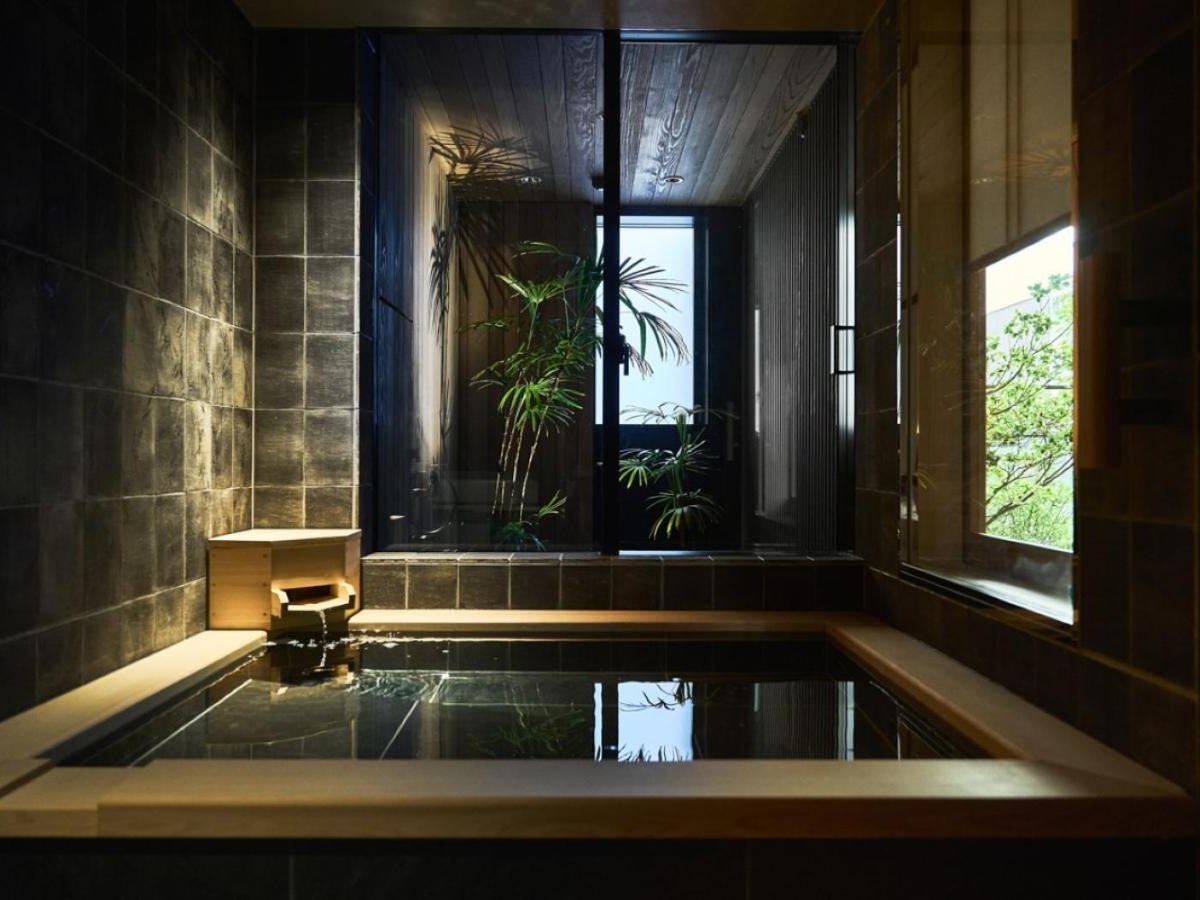
Natural Hot Spring Bath In The Room
1. FUFU Tokyo Ginza
Rating: ⭐⭐⭐⭐⭐
Location: Ginza, 1 min walk to Ginza-itchome Station
Guest Reviews: An in-room onsen that feels like a luxury, with excellent rooms.
Best Room: Executive Premium Suite
Good to Know: Every suite has its own open-air garden.
From USD $1,390 – $1,630 per night
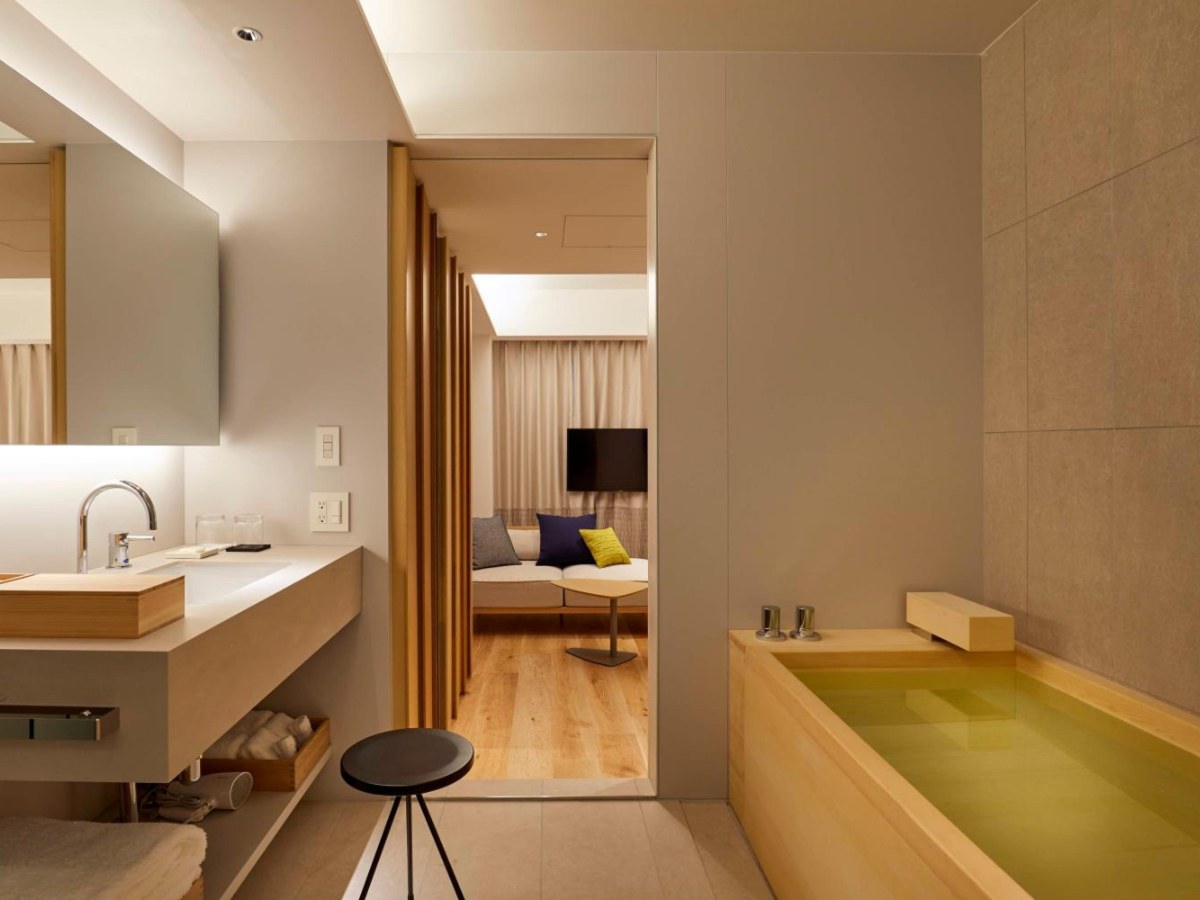
Hinoki Bath In The Room
2. Tsuki Tokyo
Rating: ⭐⭐⭐⭐
Location: Tsukiji, 3 min walk to Tsukiji Station
Guest Reviews: Very clean with surprisingly spacious rooms.
Best Room: Premier Twin Room with Hinoki Bath
From USD $425 – $1,225 per night
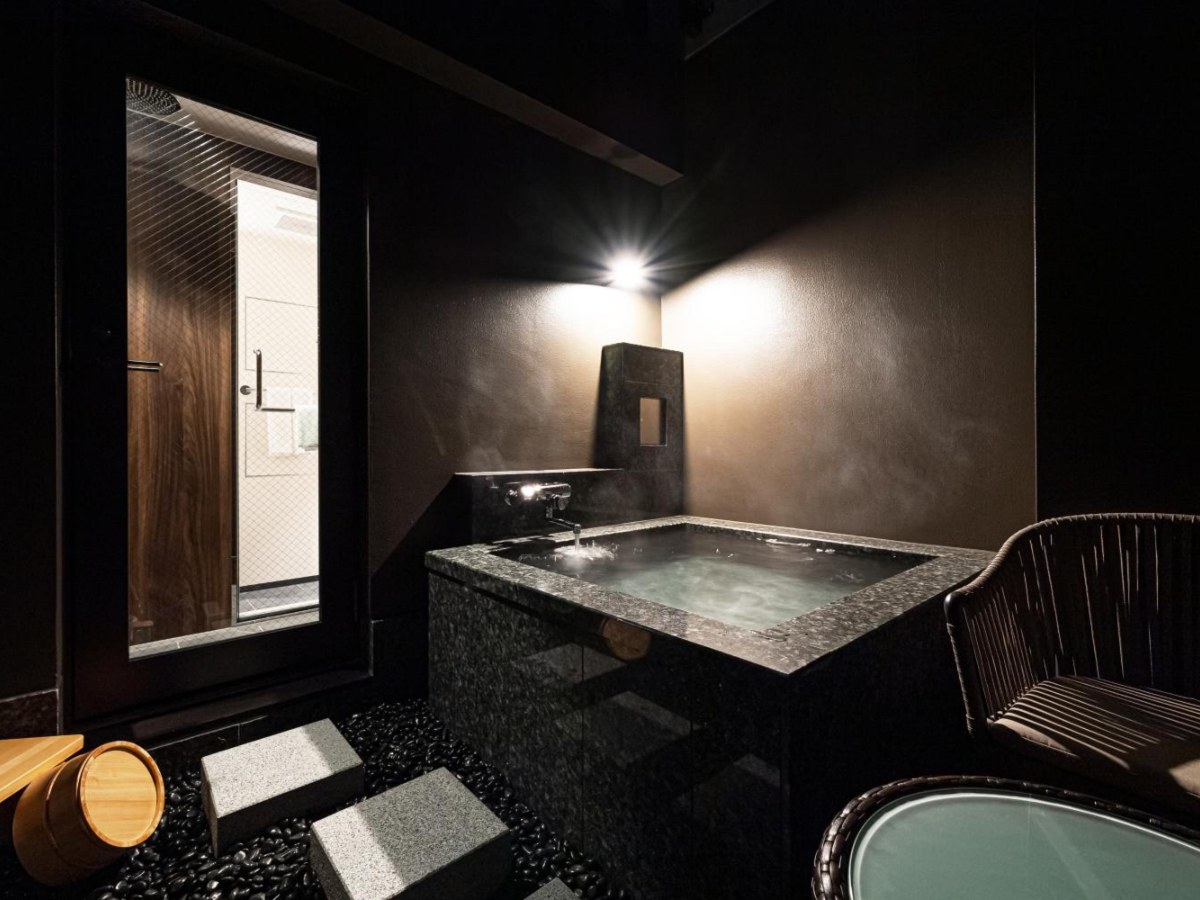
Open-Air Bath On The Terrace
3. Prostyle Ryokan Tokyo Asakusa
Rating: ⭐⭐⭐⭐
Location: Asakusa, 5 min walk to Asakusa Station
Guest Reviews: The outdoor bath is amazing, and breakfast tastes delicious.
Best Room: Japanese-Style Suite Room with Open-Air Bath
Good to Know: The open-air baths run on heated tap water.
From USD $540 – $1,620 per night
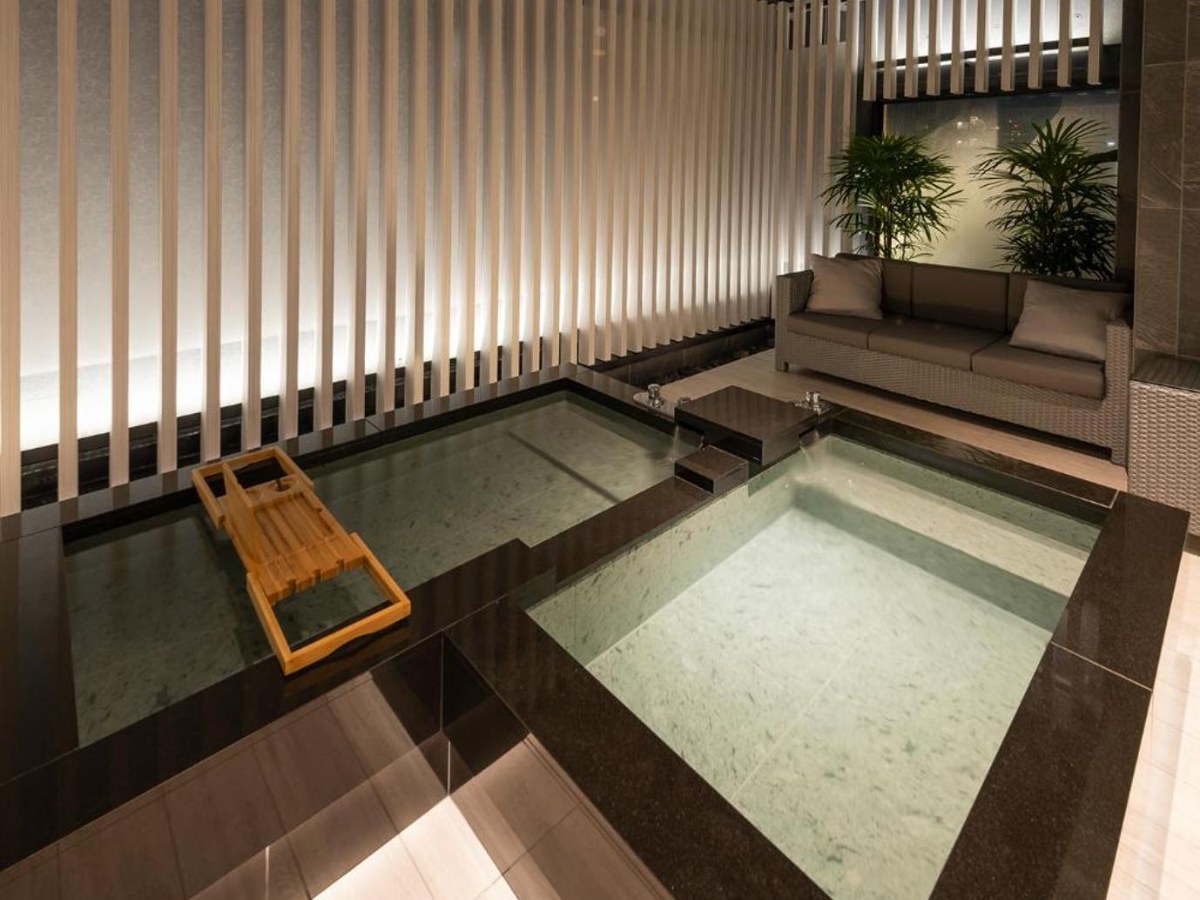
Private Open-Air Bath And Sauna
4. Hotel Minato
Rating: ⭐⭐⭐⭐
Location: Minato, 10 min walk to Nogizaka Station
Guest Reviews: That sauna is amazing, and the amenities are great.
Best Room: King Suite with Spa Bath
Good to Know: The King Suite includes a private sauna as well as the open-air bath.
From USD $1,135 – $1,580 per night
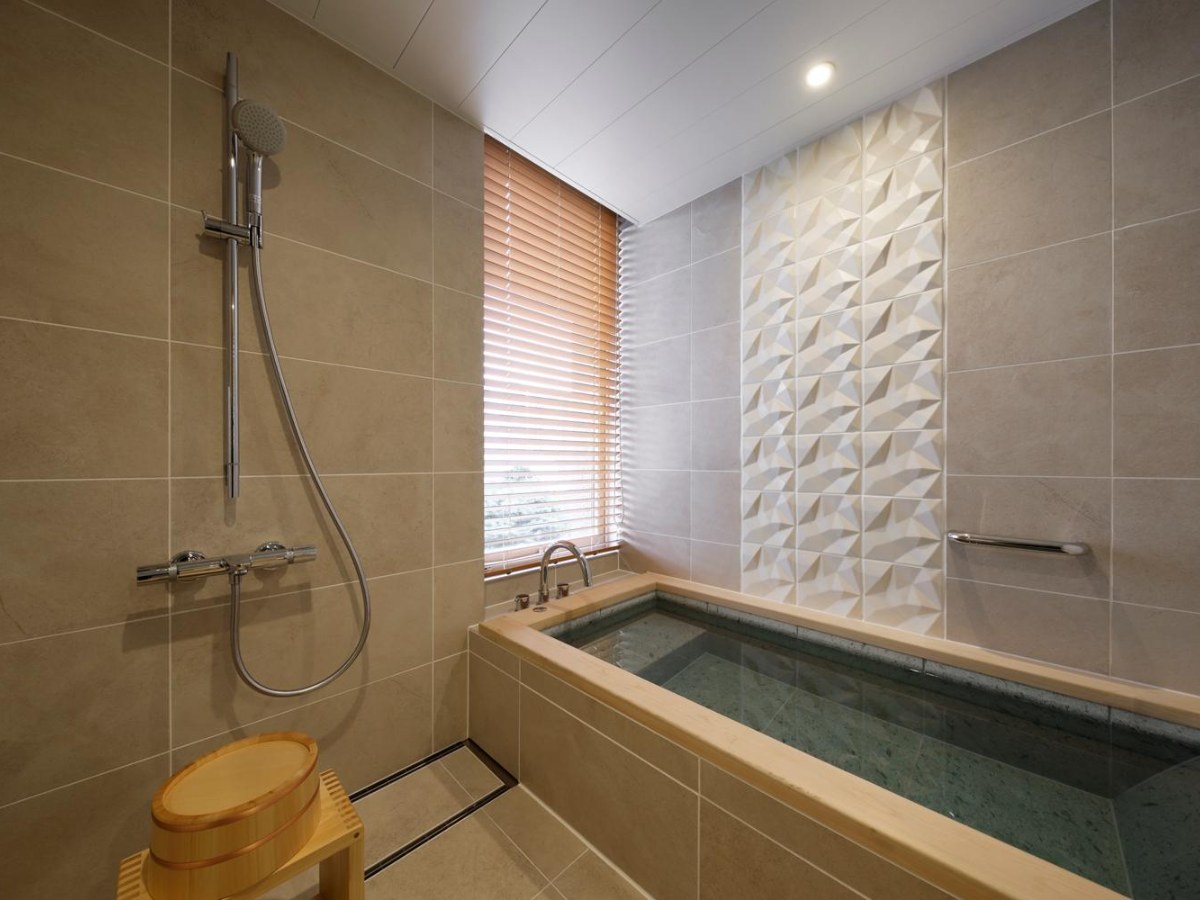
Towada Stone Tub Suite
5. Grand Prince Hotel Takanawa Hanakohro
Rating: ⭐⭐⭐⭐⭐
Location: Takanawa, 9 min walk to Takanawadai Station
Best Room: HANAKOHRO Suite
Good to Know: The suite has tatami floors, two beds and two futons.
From USD $2,470 – $2,860 per night
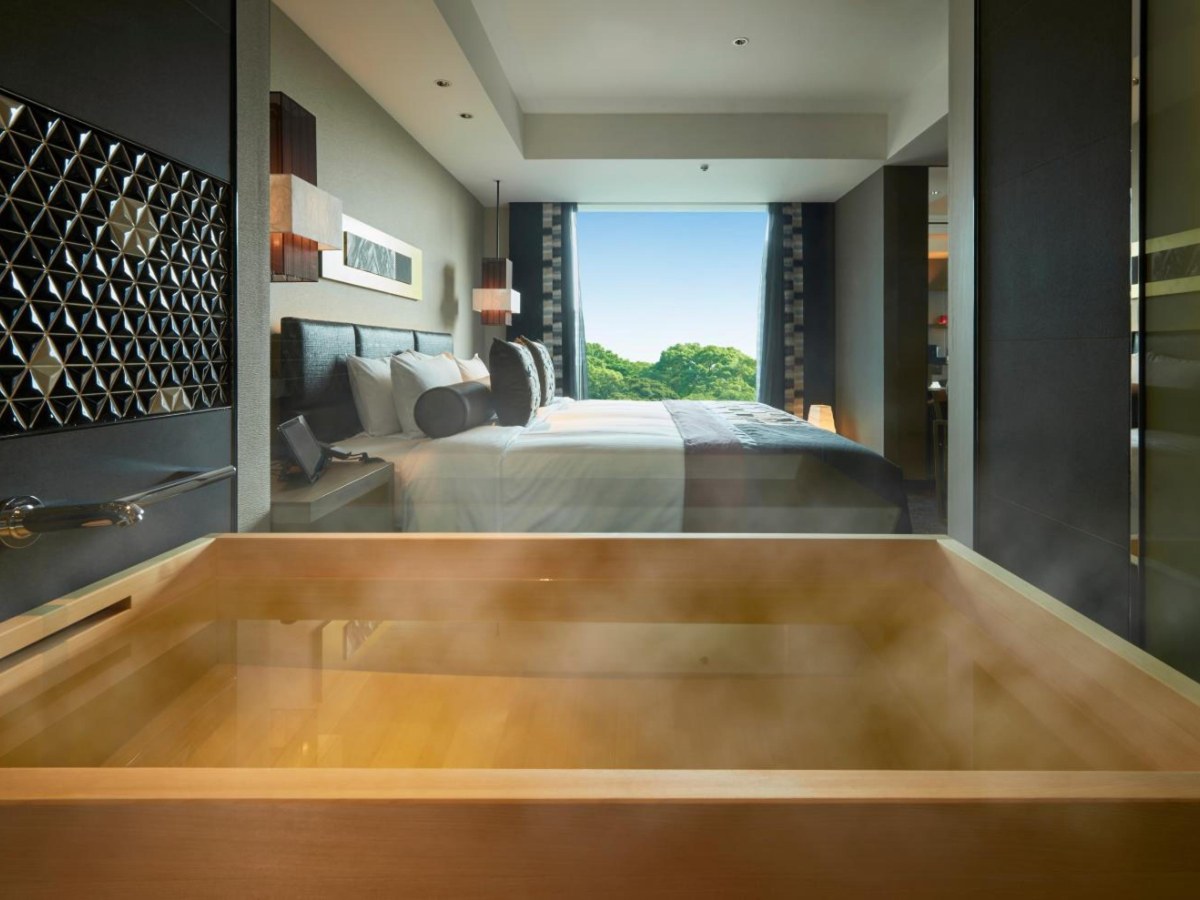
Shin-Edo Cypress Bath Room
6. Hotel New Otani Tokyo The Main
Rating: ⭐⭐⭐⭐⭐
Location: Akasaka, 4 min walk to Akasaka-Mitsuke Station
Guest Reviews: A beautiful garden and plenty of restaurants on site.
Best Room: Deluxe Double Room with Cypress Bath “Shin-Edo”
From USD $505 – $945 per night
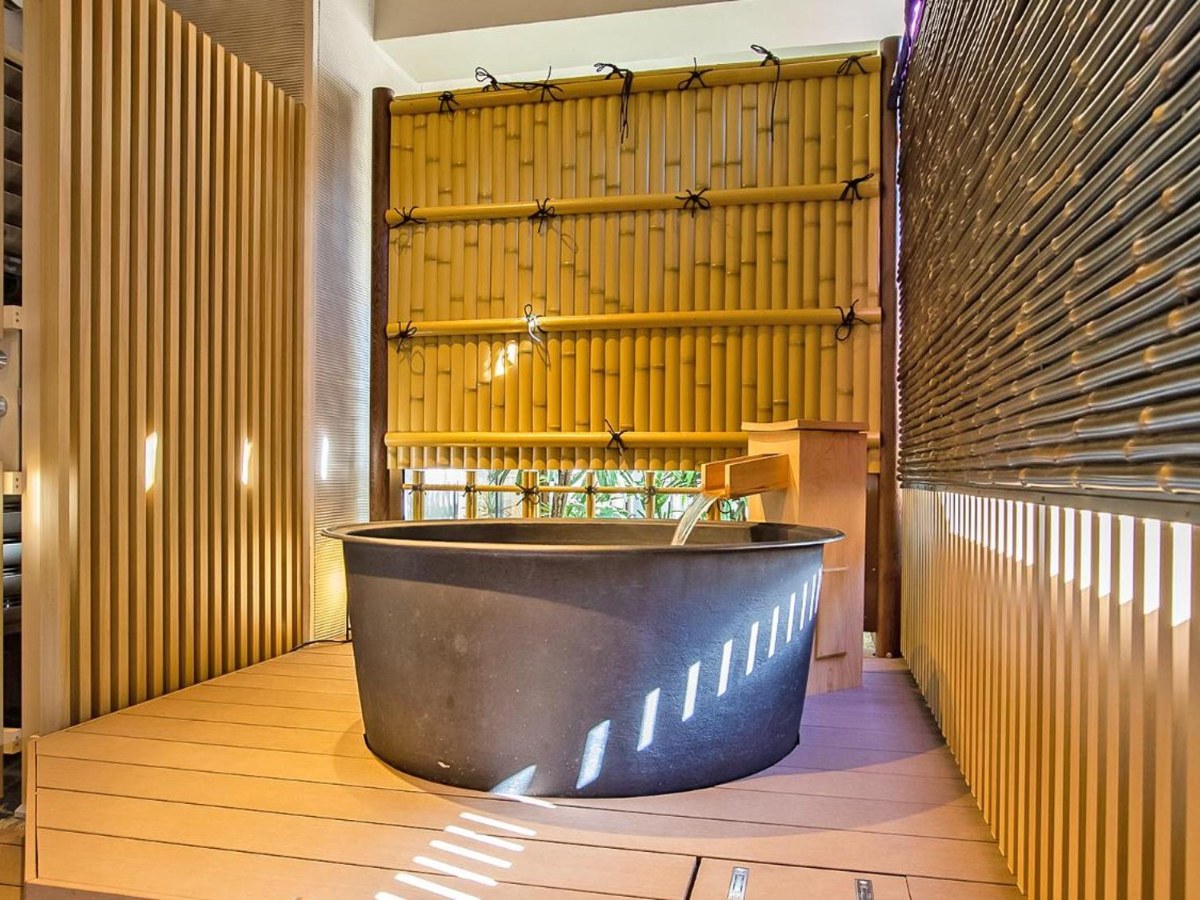
Three-Bedroom Suite With Spa Bath
7. Stay Sakura Tokyo Asakusa Yokozuna Hotel
Rating: ⭐⭐⭐
Location: Asakusa, 9 min walk to Asakusa Station
Guest Reviews: Rooms big for Tokyo, and the laundry is a bonus.
Best Room: Deluxe Suite with Spa Bath
Good to Know: The suite has three bedrooms and two bathrooms for a group.
From USD $585 per night
Hot Spring Water or Heated Tap Water
Japanese law sets what counts as a hot spring. A tub that looks like an onsen is sometimes just ordinary heated tap water.
- Some baths use natural spring water Onsen in Japan must meet legal standards for temperature or minerals, using natural spring water. FUFU Tokyo Ginza pipes Atami spring water to the baths in its suites, per the hotel and the Michelin Guide.
- Many baths use heated tap water Sento public baths run on heated tap water, and so do many hotel tubs. Four separate sources put the open-air baths at Prostyle Ryokan Tokyo Asakusa in this group.
- Unstated sources mean tap water A hotel that names no water source is best treated as heated tap water. Ask the hotel before you book if spring water matters to you.
For real spring water, book FUFU Tokyo Ginza.
Reading a Room Name for a Bath
A hotel sells several room types, and only some have the bath. The room name tells you which.
- The room name shows the bath Open-air bath, spa bath, hinoki bath and cypress bath in a room name mean a tub in the room. A plain room name at the same hotel means an ordinary bath. Tsuki Tokyo sells five room types and gives three of them the hinoki bath.
- Suites with a bath run large A suite with its own bath covers 90 m² at Hotel Minato and 96 m² at Stay Sakura Tokyo Asakusa Yokozuna Hotel. Check the bed count before you book.
- Rooms with a bath sell on fewer dates Four bath rooms sold on only 2 to 7 of 12 sample dates between November and April. Search with your real dates first.
Book the exact room name at the same hotel.
Washing and Soaking the Japanese Way
Rinse and scrub at the shower first, then get in. The tub is for soaking only.
- Wash before you soak Sources on Japanese bathing agree on the order: wash and rinse at the shower, then soak. The tub is where you warm up.
- Hinoki holds heat and scent Hinoki is Japanese cypress, the preferred wood for fine soaking tubs. Hot water releases its scent, and the wood holds heat for a long soak. Grand Prince Hotel Takanawa Hanakohro and Hotel New Otani Tokyo The Main both fit wood tubs in a room bath.
Rinse first, soak after, and let the wood hold the heat.
A tub in your room is private. A hotel’s shared baths follow their own rules.
- Room baths need no booking The bath in the room requires no reservation, and nobody else uses it. Use it day or night.
- Shared baths set their own rules A hotel fitness club or shared bath sets its own age and tattoo rules. Read them before you plan on a shared bath.
Read the age and tattoo rules before you plan on a shared bath.
When Tokyo Hotel Rates Are Lowest
The price sample covers each room for two adults and one night on 12 dates. Four were Tuesdays in January and February, and eight were Fridays and Saturdays in late November, March and April.
- Tuesdays cost less Tuesday rates sat under the Friday and Saturday rates at every hotel where both sold. One room cost about a third as much on a Tuesday as on a peak Saturday, while one suite dropped by far less.
- Weekends cost more Fridays and Saturdays in late November and from late March to early April carried the top rates in the sample. One room rose by nearly 90 percent.
- Compare the same room twice A sample of 12 dates cannot show every swing. Compare the same room name on two Tuesdays and two weekends before you book.
For the lowest rates, aim for a Tuesday night.
Getting from the Airport to Your Bath
Trains from Haneda reach both Asakusa and Shinagawa quickly.
- Asakusa is a direct train from Haneda Trains run from Haneda to Asakusa without a change. Tobu puts the ride at about 21 minutes to Sengakuji and about 16 more to Asakusa.
- Shinagawa is 11 to 14 minutes away Fastest trains take 11 minutes from the International Terminal and 14 from the Domestic Terminal, per Prince Hotels. Shinagawa is the large station next to the Takanawa side.
- Narita to Asakusa runs about 50 minutes The Keisei Access Express covers the trip, per Tobu. Allow more time than from Haneda.
Haneda is the shorter ride to Asakusa and Shinagawa.
Ready to book? Per night from
FAQs
1. Do any Tokyo hotels have real hot spring water in the room?
Yes: FUFU Tokyo Ginza fills the baths in its suites with natural hot spring water from Atami, according to the hotel and the Michelin Guide. Japanese law sets onsen status by temperature and mineral content, and a good-looking tub does not earn it. Where a hotel names no source, treat the water as heated tap water. Ask the hotel directly if spring water matters.
2. How is an onsen-style bath different from a sento?
A sento is a public bathhouse, and an onsen-style bath is a private tub in a hotel room. Sento run on heated tap water, and so do many onsen-style tubs. Only an onsen uses natural spring water that meets Japan’s legal standards. Pick the room bath for privacy and a spring bath for the water.
3. Do you wash before getting in the tub?
Always wash and rinse at the shower first. The tub is for soaking only, and the same order applies in a private room bath as in a public one. Soap and shampoo stay at the shower, and the tub water stays clean for the soak. Rinse off the suds fully before you step in.
4. When are Tokyo onsen-style hotel rooms cheapest?
Tuesday nights cost the least in the price sample, with low dates in January and February. Friday and Saturday nights in late November and from late March to early April cost the most. The gap ran from a few percent to two-thirds off, depending on the hotel. Search two Tuesdays and two weekends before you book.
5. Which airport is closer to Tokyo’s onsen-style hotels?
Haneda is closer to both Asakusa and Shinagawa. Haneda to Shinagawa takes 11 to 14 minutes on the fastest trains, per Prince Hotels. Narita to Asakusa takes about 50 minutes on the Keisei Access Express, per Tobu. Haneda to Asakusa runs on direct trains in about 37 minutes, adding Tobu’s two legs.
6. Which bath suite fits a group best?
The Deluxe Suite with Spa Bath at Stay Sakura Tokyo Asakusa Yokozuna Hotel has three bedrooms and two bathrooms in 96 m². The HANAKOHRO Suite at Grand Prince Hotel Takanawa Hanakohro is larger at 100.8 m², with two beds and two futons. Check the bed count against your group before you book, and search with the full party.
7. What is a hinoki bath?
Hinoki is Japanese cypress, and in a bath it describes the tub. The water inside is a separate question that the room name does not answer. Check the hotel description for the water source before you assume a spring bath. Wood tubs and tap water go together fine. A hinoki tub looks the same whichever way it is filled.