
Heading down from Sapporo for one night in the hot springs? Sleep up in the onsen town. The train station sits down on the coast, a bus ride from the baths, and the steam of Hell Valley is up here. You’re here for the water, so choose the room before the hotel, because a private hot spring tub is worth more than extra floor space. Here’s where I’d book.
Quick answer: Book Dai-ichi Takimotokan. Its Premium Twin rooms have two open-air tubs of their own, filled with free-flowing hot spring water.
Table of Contents
Where to Stay in Noboribetsu Onsen
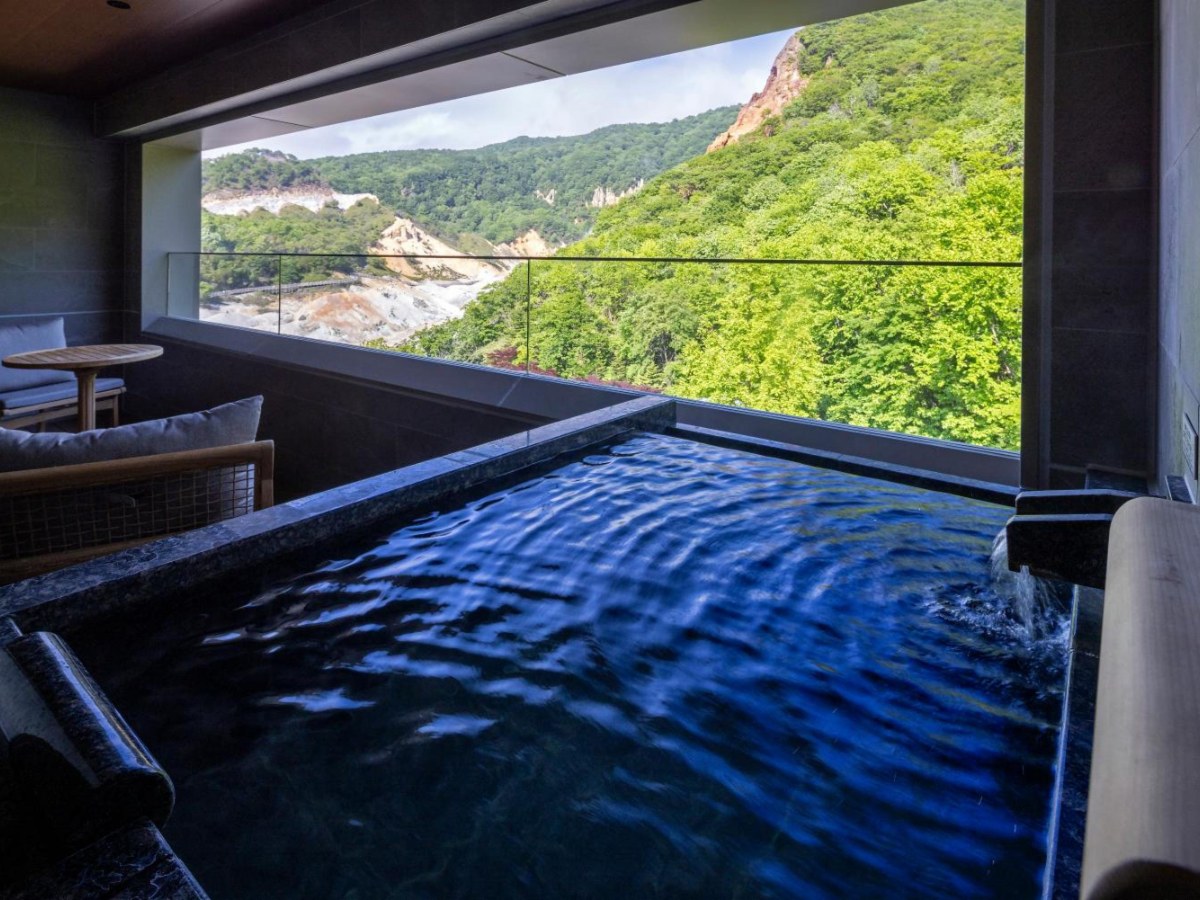
35 Baths, Five Spring Types
1. Dai-ichi Takimotokan
Rating: ⭐⭐⭐⭐
Location: 8-minute walk to Hell Valley
Guest Reviews: Lovely onsen, with views from its baths.
Best Room: Premium Twin with Open-Air Hot Spring Bath-West BLD
Good to Know: Order hot sake to the open-air bath and sip it looking out at Hell Valley.
From USD $800 – $925 per night
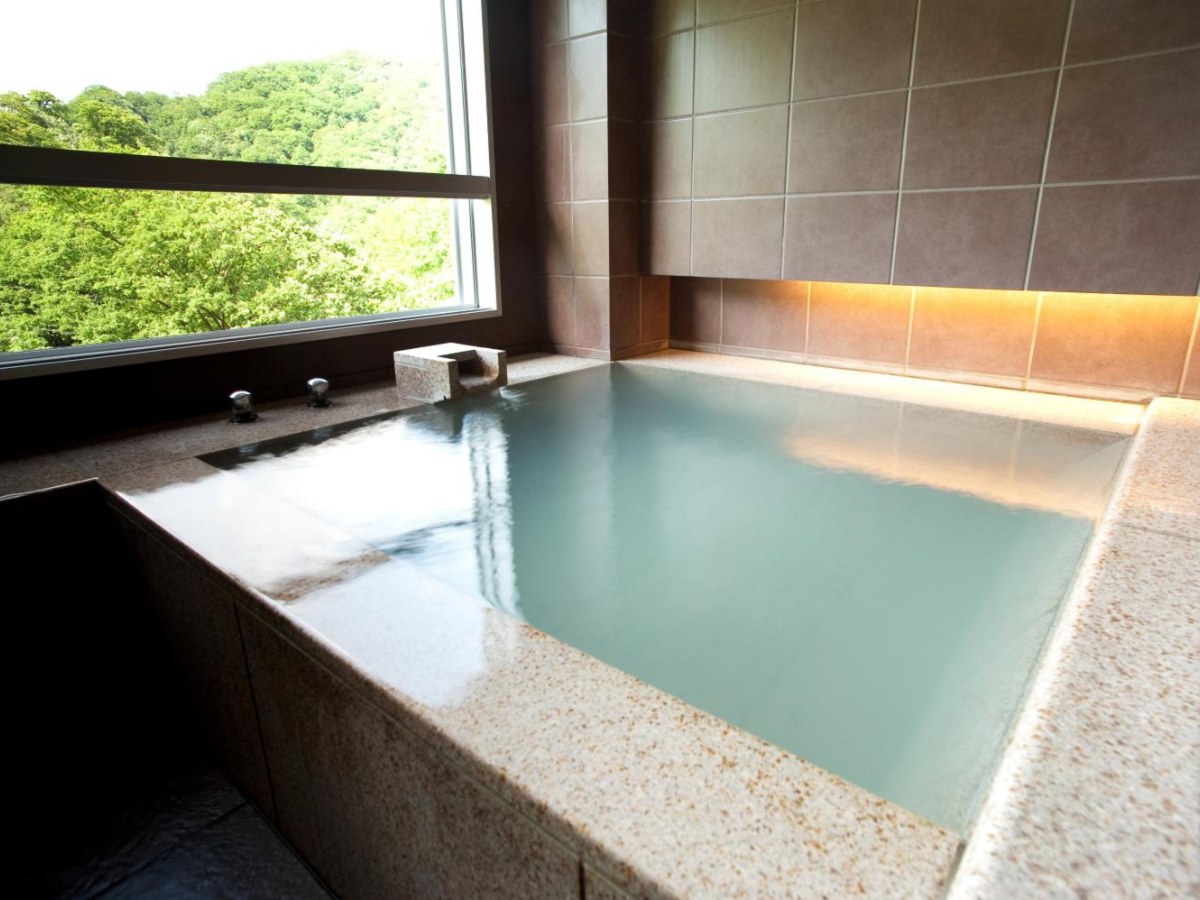
All-Suite Ryokan
2. Bourou NOGUCHI Noboribetsu
Rating: ⭐⭐⭐⭐⭐
Location: 16-minute walk to Hell Valley
Guest Reviews: A private onsen right in the suite, and rooms that feel spacious.
Best Room: Junior Suite – Non-Smoking – Adult Only
Good to Know: Each suite’s view bath draws water straight from the hot spring source.
From USD $390 – $410 per night
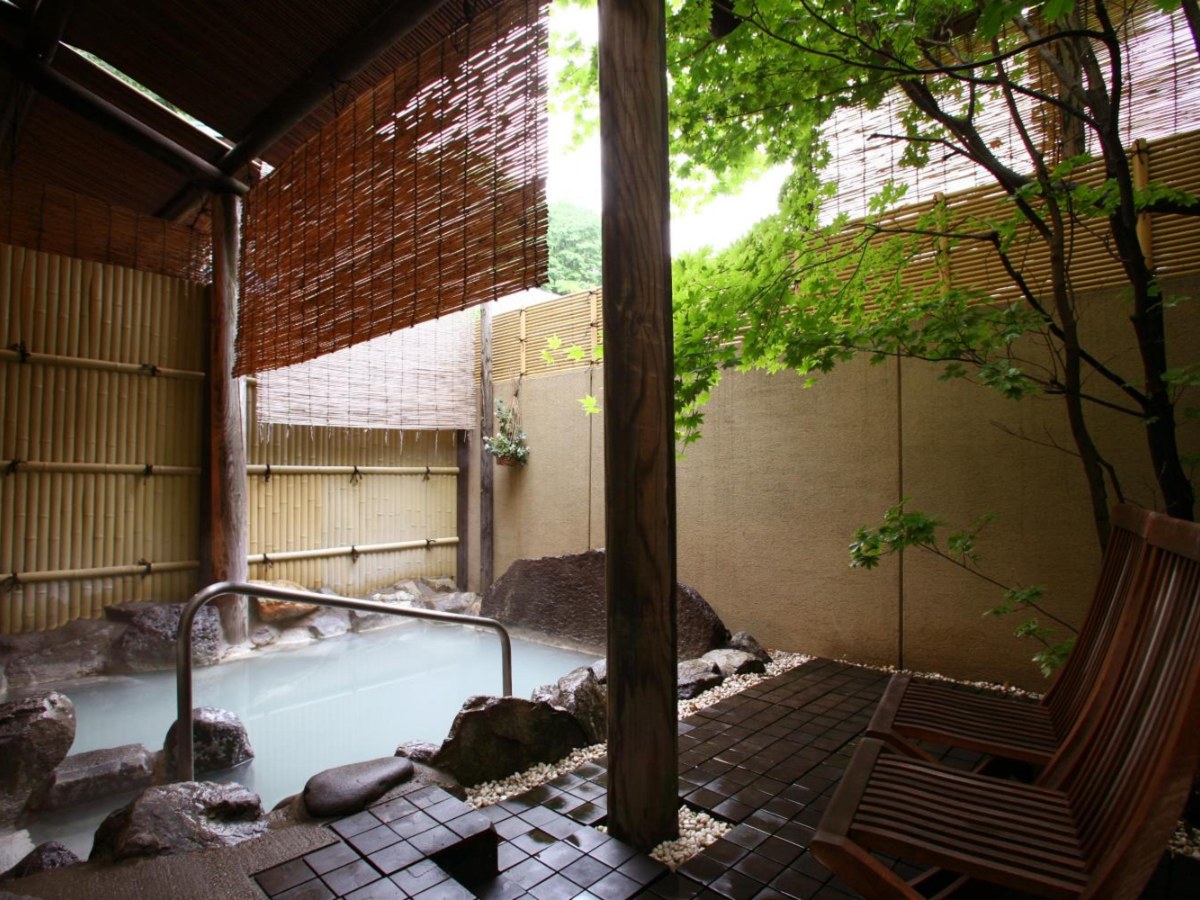
3. Takinoya Bekkan Tamanoyu
Rating: ⭐⭐⭐⭐
Location: 10-minute walk to Hell Valley
Guest Reviews: A soak in the onsen rounds off a stay where the food is amazing.
Best Room: Superior Quadruple Room
Good to Know: Book the family bath, the one bath here you can have to yourselves.
From USD $210 – $230 per night
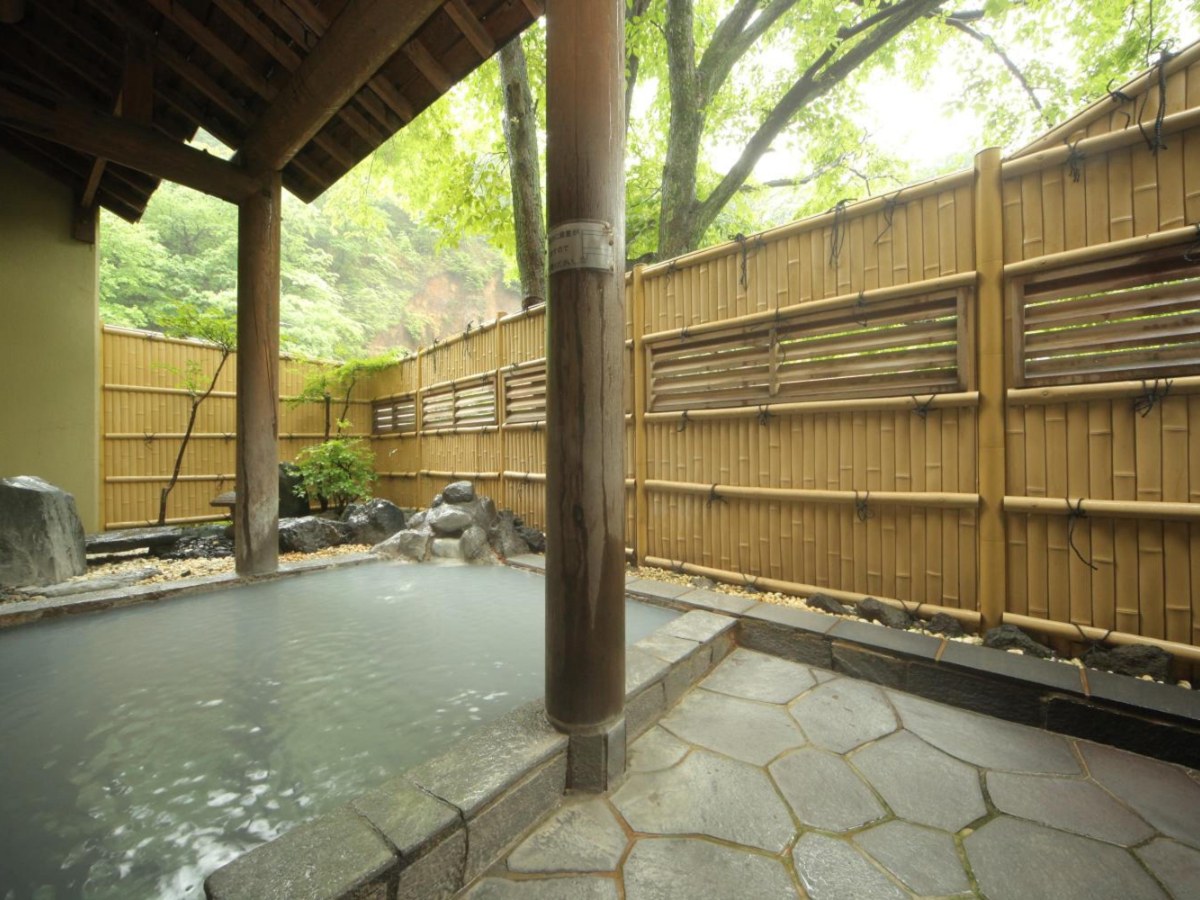
4. Kashoutei Hanaya
Rating: ⭐⭐⭐
Location: 4-minute drive to Hell Valley, Noboribetsu Onsen
Guest Reviews: You’ll soak indoors and out before an amazing kaiseki dinner.
Best Room: Exective Room with Tatami Area & Shower – Non-Smoking
Good to Know: The Executive rooms have showers only; soak in the milky sulfur baths instead.
From USD $470 per night
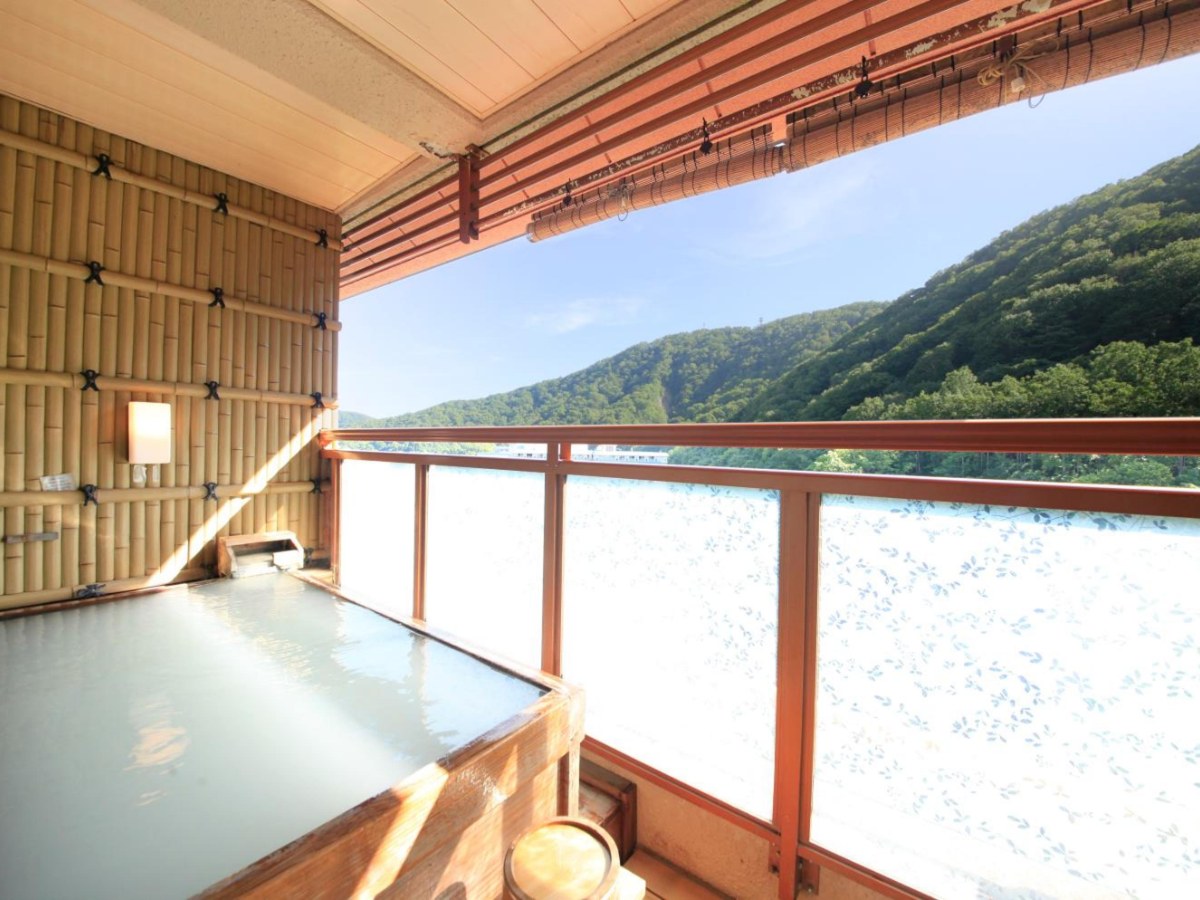
Hinoki Open-Air Room Baths
5. Ryotei Hanayura
Rating: ⭐⭐⭐⭐
Location: 10-minute walk to Hell Valley
Guest Reviews: The private onsen on the balcony is wonderful, and the kaiseki meals are fantastic.
Best Room: Japanese-Style room with Open-Air Bath – Non-Smoking
Good to Know: The balcony bath runs on cloudy sulfur spring water, with some water added.
From USD $565 – $805 per night
All-You-Can-Eat Crab Buffet
6. Hotel Mahoroba
Rating: ⭐⭐⭐⭐
Location: 11-minute walk to Hell Valley
Guest Reviews: Many pools fill an onsen that’s amazing.
Best Room: Suite with Open Air Bath KUNUGI
Good to Know: KUNUGI’s open-air bath fills with sulfur spring water, and the suite sleeps four.
From USD $740 – $955 per night
7. adex Inn
Rating: ⭐⭐⭐
Location: 7-minute walk to Hell Valley
Guest Reviews: Head downstairs to the bakery, whose pastries are amazing.
Best Room: Twin Room – Non-Smoking
Good to Know: Walk across the road to soak in Dai-ichi Takimotokan’s big hot spring baths.
From USD $85 – $145 per night
8. Hotel Yumoto Noboribetsu
Rating: ⭐⭐⭐
Location: 12-minute walk to Hell Valley
Guest Reviews: Dinner comes to your room, and the onsen baths are clean and lovely.
Best Room: Deluxe Japanese-Western-Style with 2bedrooms- Non-Smoking
Good to Know: This two-bedroom room runs to 59 square metres, with beds and futons for six.
From USD $300 – $465 per night
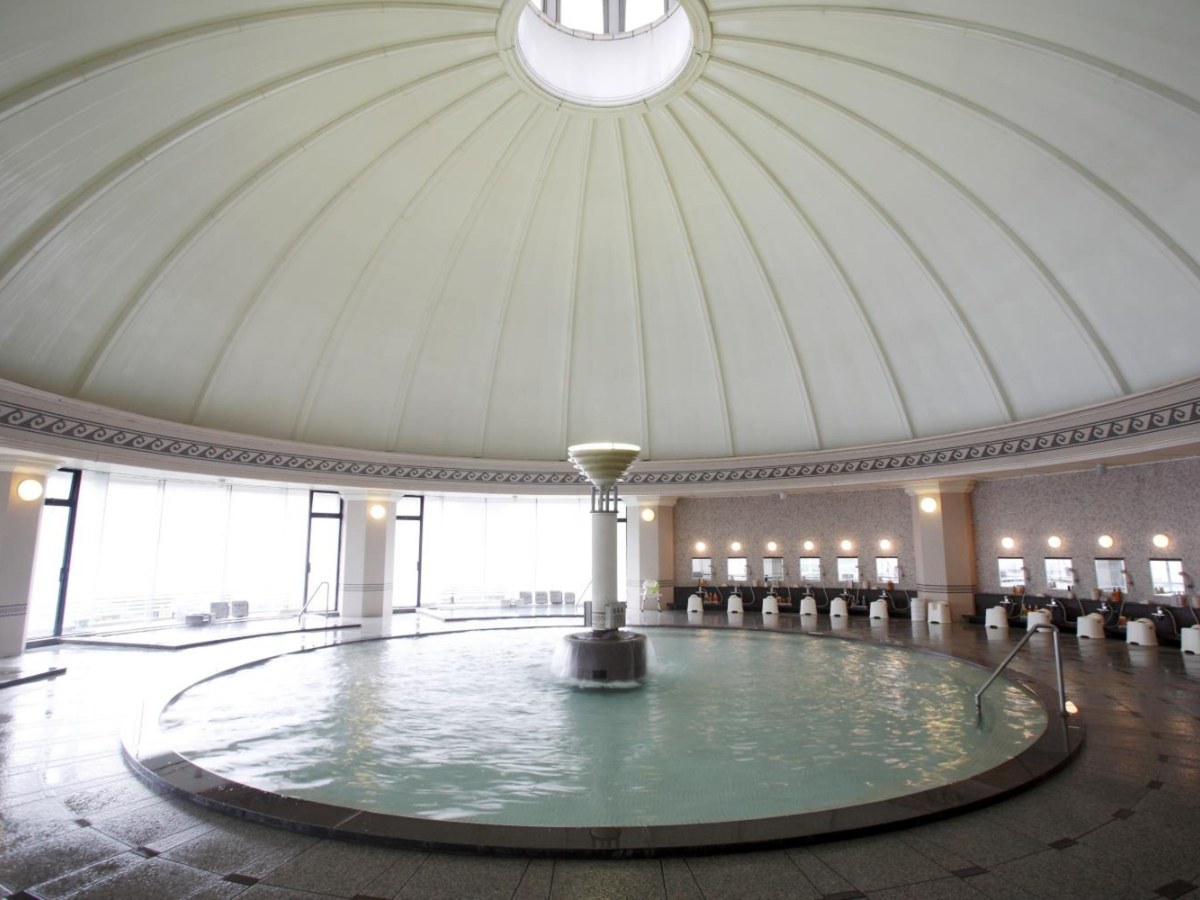
Waterfall-View Open-Air Bath
9. Noboribetsu Grand Hotel
Rating: ⭐⭐⭐⭐
Location: 13-minute walk to Hell Valley
Guest Reviews: This onsen is excellent, outdoor baths and all.
Best Room: Suite Room with View Bath – Non-Smoking
Good to Know: The suite’s view bath uses artificial radium water; the public baths are hot spring.
From USD $475 – $615 per night
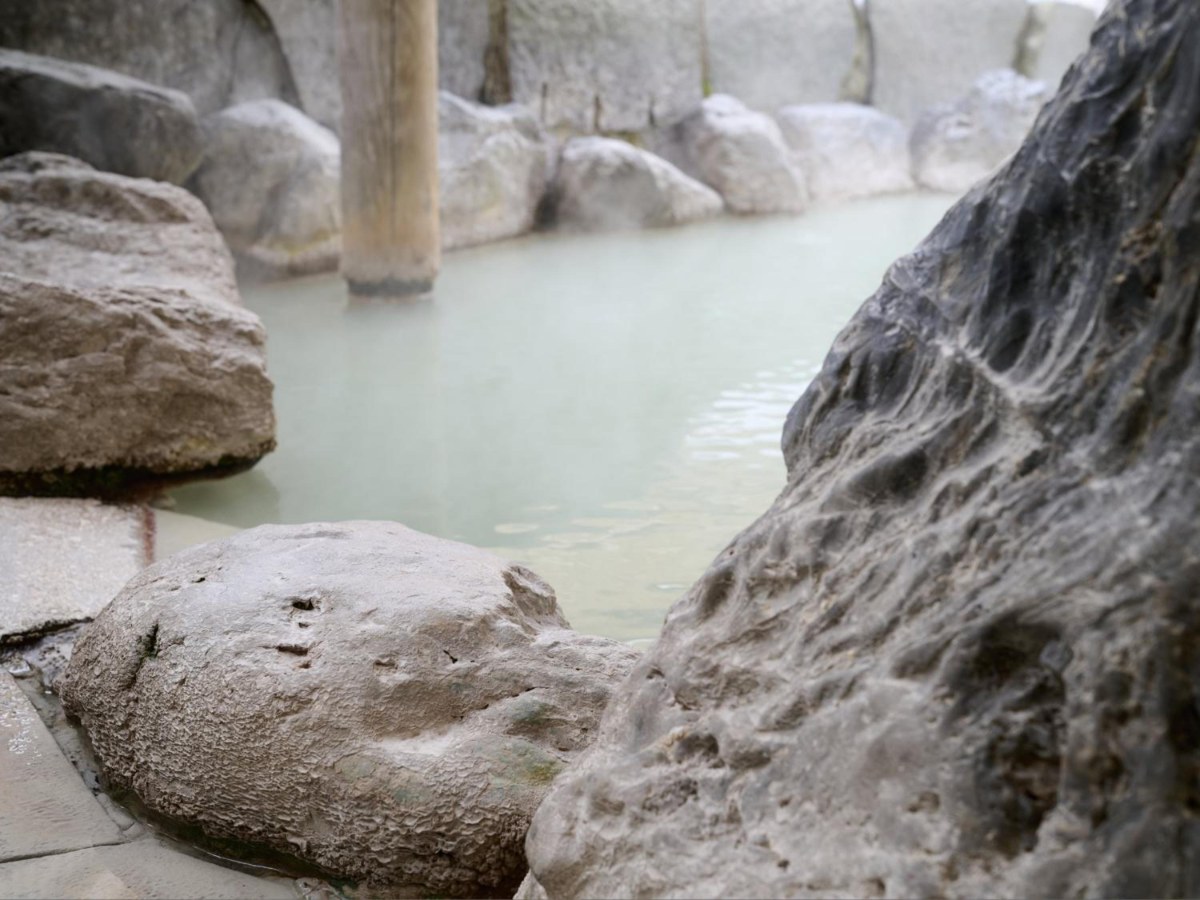
10. Oyado Kiyomizuya
Rating: ⭐⭐⭐
Location: 11-minute walk to Hell Valley
Guest Reviews: After a wonderful outdoor onsen, there’s a spacious room to come back to.
Best Room: Japanese-Style Room
Good to Know: Dinner and breakfast are served in your room at this small inn.
From USD $90 – $175 per night
Hell Valley and Oyunuma Above the Inns
The town’s hot spring water rises from this volcanic ground. Walk it once and the smell in your tub makes sense.
- Jigokudani’s Crater: Hell Valley is a crater 450 metres across, left by the eruptions of Mount Hiyori. Boardwalks run from the Park Service Center to the observation deck and on to Tessen-ike, a geyser pond in the middle of the valley. Steam vents and bubbling pools line the route, and the sulfur smell is strongest here.
- Nine Spring Types in One Town: Sulfur, salt, iron, acidic iron and alum springs are among the nine types of water that reach the town, which is why Japanese guides call it a department store of hot springs. The flow tops 10,000 cubic metres a day. Which types you get depends on the inn, so read the spring names on its bath page before you book.
- Oyunuma and the River Foot Bath: Past the crater, the trail climbs to Oyunuma, a gourd-shaped steaming pond in an old caldera of the Kuttara volcano. Its overflow runs downhill as a hot river, and a wooden deck lets you sit with your feet in the water. Allow 30 to 45 minutes through the forest from Hell Valley.
Walk the crater on your first evening and save the foot bath for a dry afternoon with time to spare.
Getting There from Sapporo and New Chitose Airport
No train reaches the onsen town itself; JR stops at Noboribetsu Station on the coast.
- By Limited Express from Sapporo: Take the Hokuto or Suzuran limited express to Noboribetsu Station, a 70 to 75-minute ride from Sapporo. Donan Bus local buses leave from outside the station for the onsen town, a 15-minute ride.
- Direct Bus from Sapporo Station: Donan Bus also runs a highway bus from Sapporo Station straight into the onsen town, with no change at the coast. It takes 110 to 140 minutes, and every seat must be reserved ahead. Pick it for heavy suitcases.
- Arriving at New Chitose Airport: A reserved direct bus from the airport reaches Noboribetsu Onsen in 65 to 75 minutes, but only a few run each day. At other times, take the airport train to Minami-Chitose, change to the limited express for Noboribetsu Station and finish on the local bus.
- Driving In: Leave the Hokkaido Expressway at Noboribetsu-Higashi IC, and the onsen town is 10 minutes uphill. Allow an hour from Sapporo-Kita IC to that exit in good weather, and more in snow.
Travelling light with a rail pass, I’d take the train and finish on the local bus.
When to Book a Noboribetsu Stay
Overseas visitors to Hokkaido come in the largest numbers from January to March, when the steam over Hell Valley rises out of the snow.
- Winter Snow and Steam: Book winter dates first. Snow on the crater sets off the white steam, though some boardwalks close after heavy falls.
- The Hell Festival Weekend: The Jigoku Matsuri takes over the last Saturday and Sunday of August. The Great Demon King Enma parades down Gokuraku Street, and local students carry a demon mikoshi shrine behind him. Book that Saturday early if you want to stay in town for the parade.
- Autumn Colour in the Crater: Autumn turns the leaves along Hell Valley’s rock walls red. It’s also the last season to walk the trail out to Oyunuma before snow closes it.
- Demon Fireworks on Set Evenings: On set evenings, mostly in summer, the town’s demon guardians, the Yukijin, send columns of handheld fireworks up at Hell Valley. Dates change every year, so check the tourism association’s event page before you pick your night.
For snow and steam outside the January to March rush, I’d book a weekday in December.
Half-Board Dinners and Lunch in Town
Most inns here sell rooms with dinner and breakfast included, and that’s the plan to book.
- Room-Only Rates Leave You Short: Only a few restaurants in the onsen town open for dinner. Skip dinner at your inn and a late bath leaves you buying snacks for supper.
- Buffet Halls and Set Courses: Noboribetsu Grand Hotel serves dinner as a buffet of Japanese, Western and Chinese dishes. Kaiseki is a run of small seasonal courses brought out one by one, so book it when you want a slow dinner more than a full plate.
- Lunch on Gokuraku Street: Save the town’s restaurants for lunch. The covered Gokuraku shopping street has seafood rice bowls and fiery Enma yakisoba.
Book half-board and eat lunch in town.
A Second Day Around Noboribetsu
One night covers the baths and the crater. A second day lets you ride up to the bears or head down to the coast.
- Bear Park by Ropeway: A 7-minute ropeway climbs from the onsen town to Noboribetsu Bear Park, home to dozens of Ezo brown bears. The ropeway fare comes with the admission ticket, and it’s the only way up. Plan 60 to 90 minutes at the top.
- Lake Kuttara Lookout: The observatory on the Bear Park summit looks down on Lake Kuttara, a round caldera lake known as one of the clearest in Japan. Pick a clear day, since the view is the whole point.
- Edo Streets at Date Jidaimura: Edo-period streets of samurai houses and ninja mansions fill Noboribetsu Date Jidaimura, a 10 to 15-minute drive from the onsen town. Ninja shows run inside a trick-filled ninja mansion, and an outdoor action show plays on a 10-metre fort in summer.
- An Aquarium in a Castle: Noboribetsu Marine Park Nixe sits inside a copy of Denmark’s Egeskov Castle, a 5-minute walk from JR Noboribetsu Station. Its penguin parade runs all year, and it fits a stop on the way to or from the train.
With a car, I’d do the bears in the morning and Date Jidaimura after lunch.
Bathing in Sulfur Water
Noboribetsu’s sulfur baths ask a little more of you than plain hot water.
- Leave Silver Jewellery Behind: Sulfur spring water turns silver black, sometimes within one soak. Leave rings and chains in your room.
- Wash First, Towel Out: Wash and rinse at the shower stations before you step into any shared bath. Your small towel goes on your head or the tub edge, never in the water.
I’d pack a plastic bag for wet towels.
Ready to book? Per night from
FAQs
1. Is Takinoya the same as Takinoya Bekkan Tamanoyu?
No, they’re two separate inns under one name. Takinoya is the main ryokan, and some of its rooms come with their own open-air hot spring bath. Takinoya Bekkan Tamanoyu is its bekkan, or annex, an inn with its own baths and dinners. Check which one your booking names before you pay, since the rooms and prices differ.
2. Are tattoos allowed in Noboribetsu’s hot springs?
It depends on the inn, so ask by email before you book and keep the answer. Japan’s tourism agency has asked bathhouses not to turn guests away for tattoos alone, and it suggests cover stickers for small ones. A room with its own hot spring bath settles the question, because you never need the shared baths. Bring a few waterproof cover patches either way.
3. Is Noboribetsu worth an overnight stay or just a day trip from Sapporo?
Spend the night if you can spare one. The round trip from Sapporo takes close to three hours by train and local bus, which leaves a short afternoon for the crater and one bath. Overnight, you get the baths late at night and again at dawn, after the day visitors have gone home. A day trip still works when the budget won’t stretch to a room.
4. Noboribetsu or Lake Toya for an onsen night?
Choose Noboribetsu when the baths are the point and Lake Toya when you want a view from them. Lake Toya’s onsen town sits on the shore of a caldera lake, and fireworks go up over the water every night from late April to October. Noboribetsu’s draw beside the baths is Hell Valley’s steaming crater. With two nights to spare, split them.
5. Noboribetsu or Jozankei: which is better?
Jozankei is the easier trip and Noboribetsu the stronger onsen town. Jozankei sits inside Sapporo city, 60 to 70 minutes by bus from Sapporo Station, in a river gorge known for autumn colour. Its water is a clear, mildly salty sodium chloride spring. With one free night and no car, Jozankei is the low-effort pick; for a first onsen stay, go to Noboribetsu.
6. Can children use the onsen in Noboribetsu?
At Dai-ichi Takimotokan, babies can go in from 7 months, once they can sit up on their own. Keep little ones to short dips and away from the hottest tubs. Nappies stay out of shared onsen water, so book a room with its own bath if your child isn’t toilet trained. Children at Takimotokan also get a heated indoor pool with a shallow kids’ pool and a water slide.
7. Is Hell Valley free, and can you visit at night?
Entry is free, and the boardwalks stay lit from sunset into the evening all year. The lit route, called Onibi no Michi, runs to the observation deck, with lanterns glowing through the steam. At the valley itself, only the car park charges. Paid guided lantern walks run after dark too, if you’d like someone to explain what you’re looking at.