
Roppongi divides opinion among Tokyo visitors, and that division is almost always based on an outdated idea of the neighbourhood. The Roppongi of today is anchored by Tokyo Midtown, the Mori Art Museum, and some of the city’s best international dining — with subway connections that put Shibuya, Ginza, and Shinjuku each under 15 minutes away. It suits travellers who want a polished, well-connected base with real energy after dark, and it covers the full range from sharp budget hotels a minute from the station to some of the most celebrated luxury addresses in Asia. The hotels below span every price point, all within the neighbourhood.
Quick answer: Book Grand Hyatt Tokyo. It’s part of Roppongi Hills, a minute from the Mori Art Museum and three minutes from Roppongi Station.
Table of Contents
Luxury Hotels
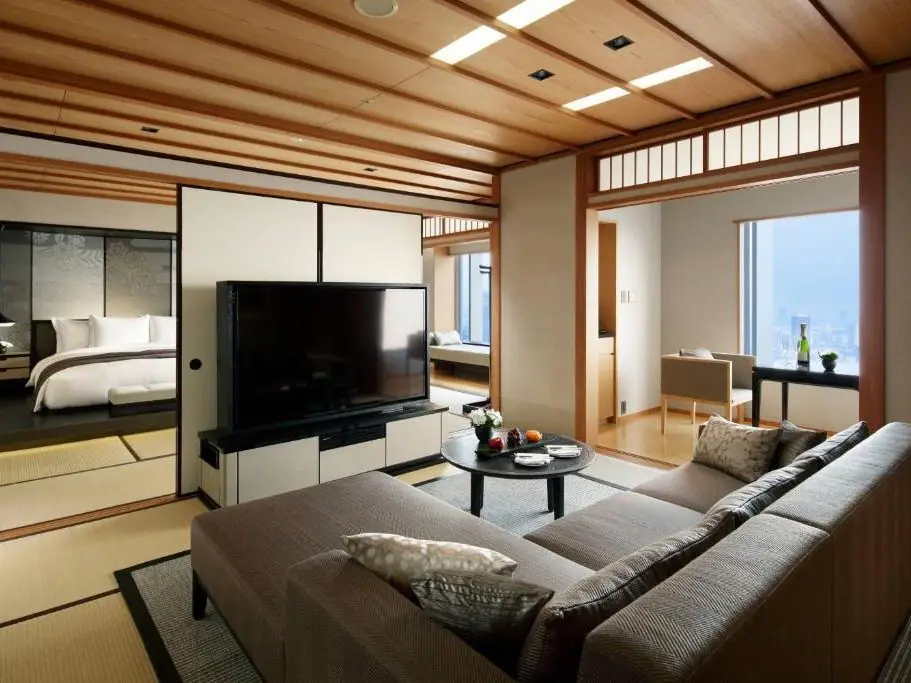
Tokyo’s Highest Hotel Bar
1. The Ritz-Carlton, Tokyo
Rating: ⭐⭐⭐⭐⭐
Location: 5-minute walk to Roppongi Station; directly connected via underground walkway to Tokyo Midtown
Guest Reviews: Immaculate rooms above the city, tatami suite with Tokyo Tower framing, spa pool serene at altitude, Club Lounge breakfast exceptional
Best Room: Modern Japanese Suite
From USD $620 – $1,150 per night
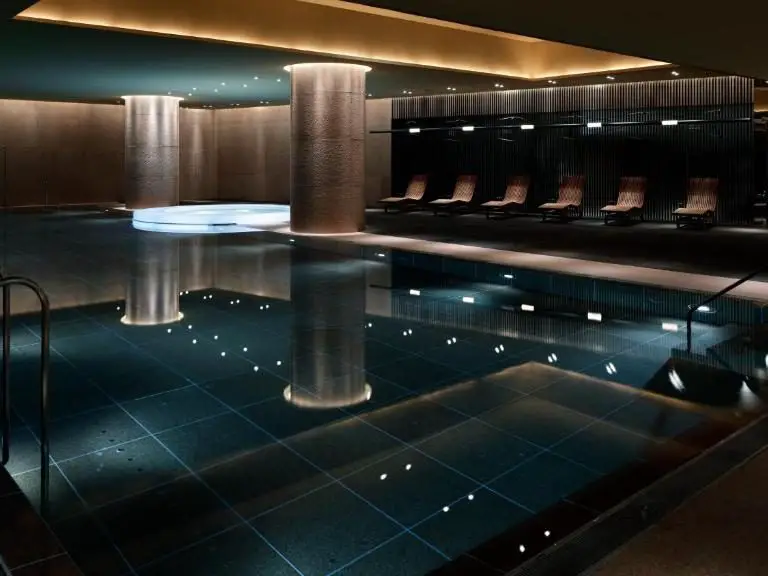
Best for Roppongi Hills Access
2. Grand Hyatt Tokyo
Rating: ⭐⭐⭐⭐⭐
Location: 1-minute walk to Roppongi Hills; 3-minute walk to Roppongi Station
Guest Reviews: Marble soaking tubs deep and oversized, Nagomi Spa pool serene, French Kitchen anniversary dinners consistently praised, Club Lounge evening spread substantial
Best Room: Grand Suite, 1 King Bed (Executive)
From USD $410 – $900 per night
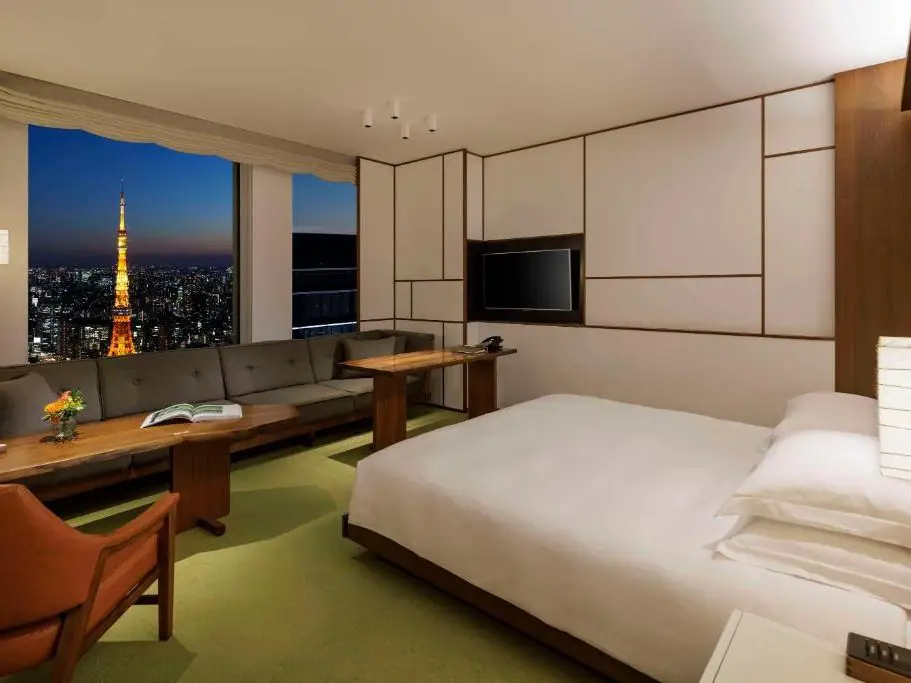
Best Rooftop Views
3. Andaz Tokyo – A Concept by Hyatt
Rating: ⭐⭐⭐⭐⭐
Location: Directly above Toranomon Hills Station; 1 stop on the Hibiya Line to Roppongi Station
Guest Reviews: Rooftop bar views of Tokyo Bay praised consistently, AO Spa pool quiet and well-equipped, rooms double the size of typical Tokyo luxury hotels, evening sake and canapés at Andaz Lounge complimentary
Best Room: Deluxe Room, 1 King Bed (Tower View)
From USD $500 – $1,000 per night
Mid-Range Hotels
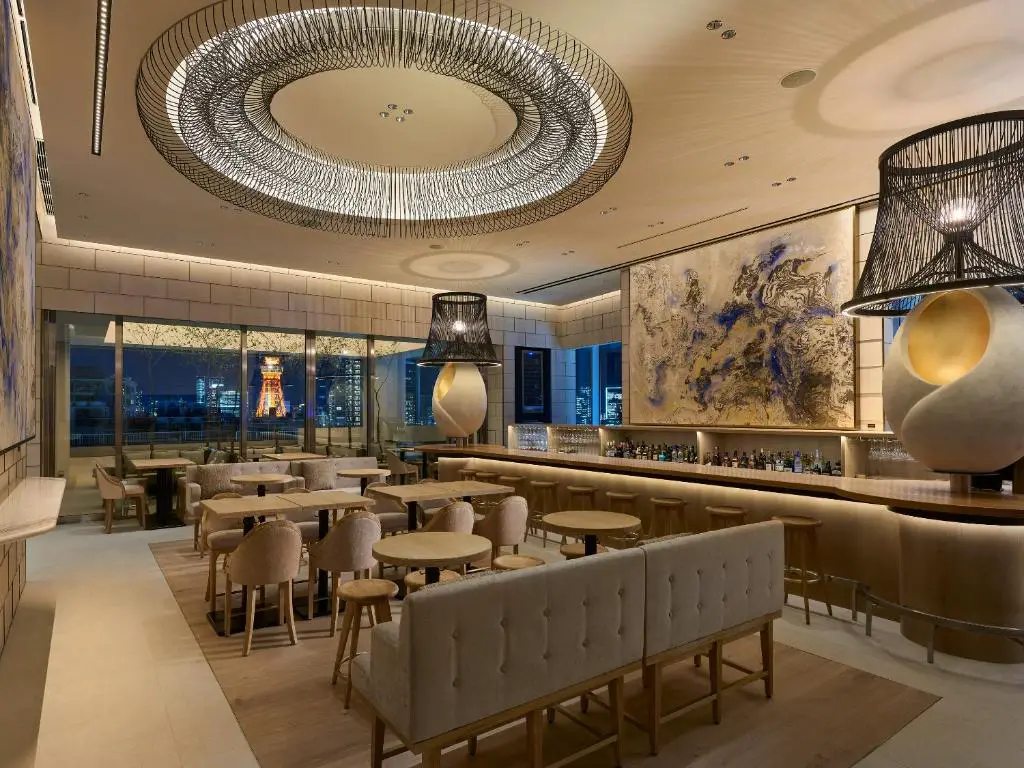
Best Mid-Range Value
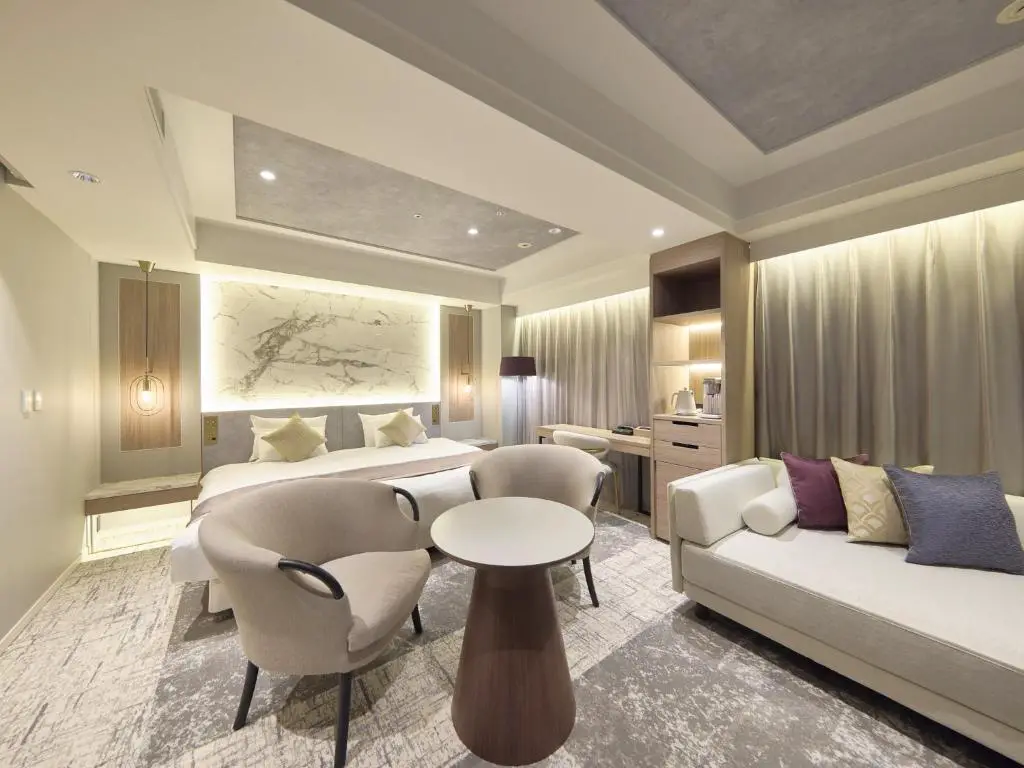
4. Mitsui Garden Hotel Roppongi Tokyo Premier
Rating: ⭐⭐⭐⭐
Location: 5-minute walk to Roppongi Station; 10-minute walk to Roppongi Hills and Tokyo Midtown
Guest Reviews: Top-floor BALCÓN TOKYO breakfast praised, deep soaking tubs in all rooms, partial Tokyo Tower views on high floors, staff helpfulness consistently noted
Best Room: Deluxe, 1 King Bed, Non Smoking
From USD $145 – $400 per night
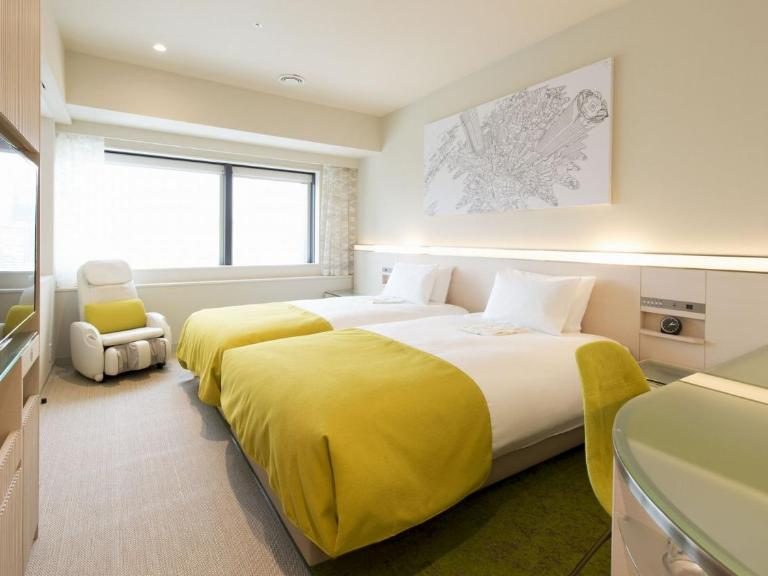
5. remm Roppongi
Rating: ⭐⭐⭐
Location: 2-minute walk to Roppongi Station; 4-minute walk to Tokyo Midtown
Guest Reviews: In-room massage chair after long walking days, separate bath and shower in twin rooms, Tokyo Tower views on higher floors, self-serve lobby amenities a practical touch
Best Room: Twin Room with Tokyo Tower View
From USD $75 – $160 per night
Best for Azabudai Hills Explorers
6. Hotel Villa Fontaine Grand Tokyo Roppongi
Rating: ⭐⭐⭐⭐
Location: Connected to Roppongi-itchome Station; 3-minute walk to teamLab Borderless, 11-minute walk to Tokyo Tower
Guest Reviews: Separate bath and toilet in Deluxe rooms praised, recently renovated rooms noticeably improved, multilingual staff reliability highlighted, walkable to Azabudai Hills and Toranomon Hills
Best Room: Deluxe King Room (40sqm) separate bath and toilet, Non-Smoking
From USD $120 – $300 per night
Budget Hotels
Best Budget Onsen Experience
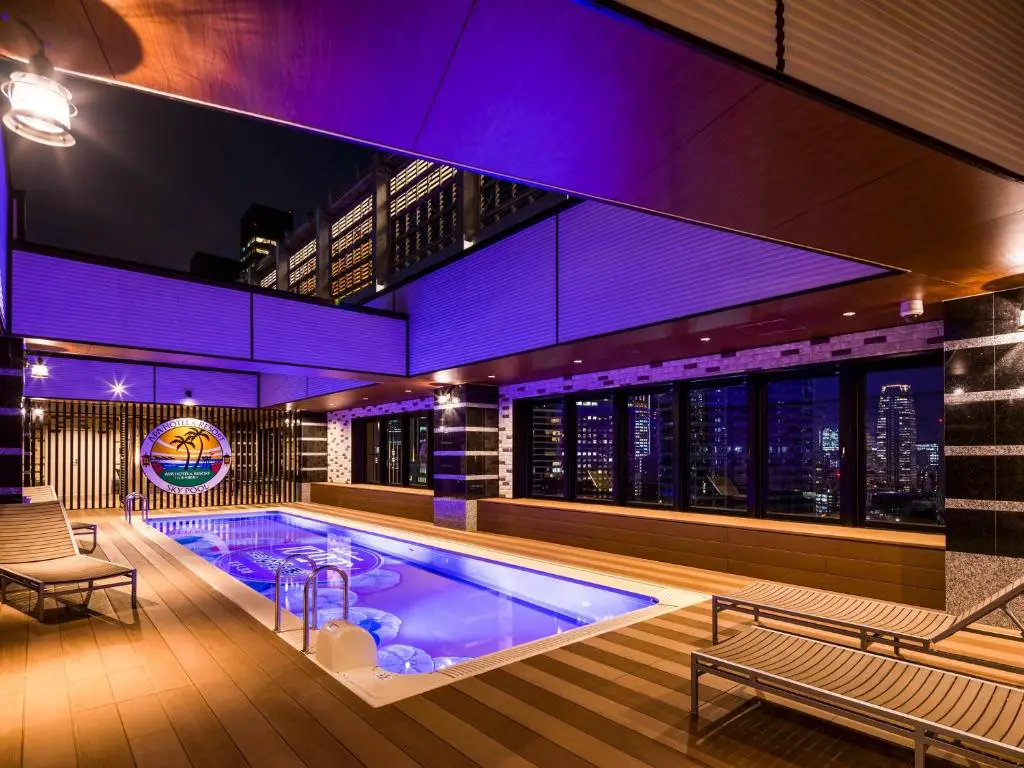
7. APA Hotel & Resort Roppongi Ekihigashi
Rating: ⭐⭐⭐
Location: 6-minute walk to Roppongi Station; 15-minute walk to Tokyo Midtown and Tokyo Tower
Guest Reviews: 18th-floor open-air bath a standout at this price point, outdoor pool seasonal, clean compact rooms with efficient layout, English-speaking staff consistently helpful
Best Room: Double Room with Open-Air Bath Access
From USD $100 – $200 per night
Closest Budget Hotel to the Station
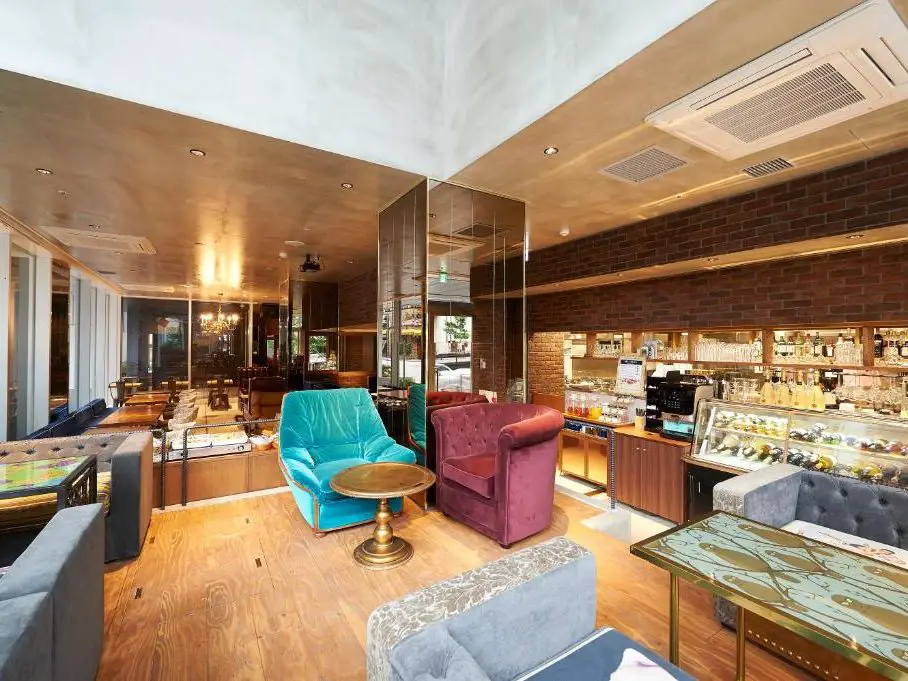
8. Sotetsu Fresa Inn Tokyo Roppongi
Rating: ⭐⭐⭐
Location: 1-minute walk to Roppongi Station Exit 5; 5-minute walk to Roppongi Hills and Tokyo Midtown
Guest Reviews: SUZU CAFE breakfast buffet with Japanese and continental options praised, closest budget hotel to Roppongi Station, lobby self-serve toiletries and amenities a practical touch, rooms compact but efficiently laid out
Best Room: Superior Room
From USD $65 – $150 per night
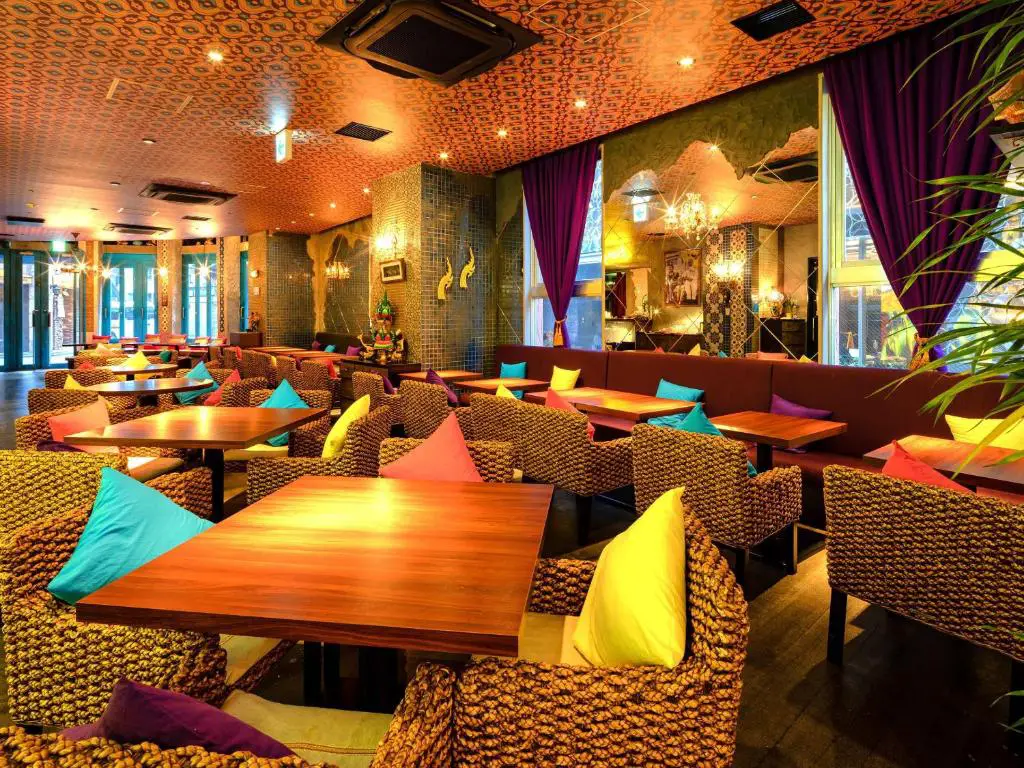
9. Comfort Inn Tokyo Roppongi
Rating: ⭐⭐⭐
Location: 3-minute walk to Roppongi Station; 10-minute walk to Roppongi Hills, National Art Center, and Tokyo Midtown
Guest Reviews: Oversized bathtub notable for this price point, free pyjamas and lobby coffee and tea station well-received, beds consistently praised for comfort, coin laundry convenient for longer stays
Best Room: Superior Twin Room, Non Smoking
From USD $80 – $160 per night
Where to Stay in Roppongi: Hills End vs Midtown End
Roppongi is not one neighbourhood — it is two distinct zones anchored by complexes roughly a kilometre apart, and where your hotel sits relative to each shapes your stay more than most guides acknowledge.
- Roppongi Hills end (southeast of the crossing): The Grand Hyatt Tokyo connects directly to Roppongi Hills via underground walkway, putting the Mori Art Museum, Tokyo City View observation deck, and around 200 shops and restaurants within a five-minute walk of your room. The streets around the Hills are polished and relatively quiet; the crossing and its bars are close enough to reach on foot but far enough not to intrude. This end of the neighbourhood suits travellers whose days will centre on Roppongi Hills itself — the museum, the Mori Garden, the observation deck — and who want the option of nightlife without being inside it.
- Tokyo Midtown end (north of the crossing): The Ritz-Carlton Tokyo sits inside Midtown Tower, directly above one of the city’s most refined dinner and shopping precincts. The Suntory Museum of Art and 21_21 Design Sight are in the same complex; Roppongi Hills is a fifteen-minute walk. This end is slightly more removed from the late-night cluster around the crossing, which matters for lighter sleepers. It also puts you closer to Nogizaka Station, which has a direct underground link to the National Art Center.
- Roppongi Station area (around the crossing): Mid-range and budget hotels — Mitsui Garden Hotel Roppongi Tokyo Premier, remm Roppongi, Sotetsu Fresa Inn, Comfort Inn Tokyo Roppongi, and Hotel Villa Fontaine Grand Tokyo Roppongi — sit within one to ten minutes of the station exits. The trade-off is real: weekend nights around the crossing are loud until the early hours, and rooms facing the main street will feel it. Request upper floors and ask for rooms away from Roppongi-dori when booking.
- Azabudai Hills and Toranomon (just outside Roppongi proper): The Andaz Tokyo in Toranomon is one subway stop from Roppongi on the Hibiya Line. Azabudai Hills — home to teamLab Borderless and the tallest skyscraper in Japan — opened in late 2023 and sits midway between Toranomon and Roppongi Hills, walkable from both. Staying near here puts you slightly outside the nightlife zone, in a quieter, newer part of the city, while keeping the Art Triangle within easy reach.
If Roppongi Hills and the Mori Art Museum are the priority, stay at the Hills end. If Tokyo Midtown dining and the quieter northern approach to the neighbourhood suit you better, the Midtown end is the stronger call. On a tighter budget, the station area is the most practical — just book an upper-floor room and pack earplugs for Friday and Saturday nights.
Is Roppongi a Good Base for Exploring Tokyo?
The short answer is yes — with one caveat that forums reliably flag and guides reliably bury. Roppongi is not on the Yamanote Line, Tokyo’s circular loop that connects Shinjuku, Shibuya, Harajuku, Ueno, and Akihabara. Every journey to those neighbourhoods requires at least one subway transfer. In practice this adds five to ten minutes to most trips, rarely more — Tokyo’s connections are fast and the transfers at Kasumigaseki and Hibiya are straightforward. It is a trade-off, not a dealbreaker, but it is worth knowing before you book.
- Central position: Roppongi sits close to the geographic centre of the city’s main tourist corridor. Ginza is around ten minutes on the Hibiya Line; Shibuya is reachable in fifteen via a transfer at Omotesando; Shinjuku is nine minutes direct on the Oedo Line. Tokyo Station is around twenty-five minutes. For a city this size, that is a strong position.
- Two subway lines: Roppongi Station serves both the Tokyo Metro Hibiya Line and the Toei Oedo Line. The Hibiya Line runs northeast through Ginza toward Akihabara and Ueno — useful for eastern and central sightseeing. The Oedo Line loops through Shinjuku and Tsukishima, giving good western access. Between the two, most of central Tokyo is reachable with one transfer or none.
- The Oedo caveat: The Oedo Line platform at Roppongi is one of the deepest in the Tokyo system — six levels underground. Budget an extra three to four minutes when boarding, and note that the escalators are long. Arriving visitors with heavy luggage will feel this.
- Roppongi-itchome Station: A five-minute walk east of the crossing, this station on the Namboku Line gives direct access to Azabu-Juban and Shirokane — quieter residential neighbourhoods worth an evening visit — and connects north toward Yotsuya and Ichigaya.
- Who Roppongi suits as a base: Travellers whose trip centres on art, international dining, and Tokyo Midtown or Roppongi Hills will find it hard to beat. Travellers who want the most traditionally Japanese-feeling neighbourhood, or who plan to spend most days in Asakusa, Ueno, or Akihabara, will do better based in those areas. Roppongi is also the most English-friendly neighbourhood in Tokyo — signage, menus, and hotel staff operate comfortably in English across every price tier, which makes it an easier landing for first-time visitors to Japan.
The Art Triangle and What to Book Before You Arrive
Three of Tokyo’s most visited museums sit within walking distance of Roppongi Station, close enough to string together across a day but each substantial enough to deserve a dedicated visit. Knowing what each offers — and what requires advance planning — saves time on the ground.
- Mori Art Museum: On the 53rd floor of Mori Tower in Roppongi Hills, this is one of Asia’s most respected contemporary art venues. It runs major rotating exhibitions; the quality varies by show, so check what is on before you go. The combined ticket with Tokyo City View — the indoor observation deck one floor below — is the standard purchase and covers both in one transaction. The museum stays open until 10pm on most evenings, which makes it one of the few world-class art spaces in Tokyo that works as an after-dinner destination. Buy tickets online in advance to avoid the queue at the ground-floor desk.
- National Art Center: Japan’s only national museum without a permanent collection, which means every visit is different and every exhibition is a reason to return. The building, designed by Kisho Kurokawa with undulating glass walls, is worth the walk on its own. Enter directly from Nogizaka Station’s underground exit — an underused shortcut that bypasses the summer heat and keeps you dry in rain. Free to enter the building; exhibitions are ticketed separately.
- Suntory Museum of Art: The smallest and most traditionally Japanese of the three, focused on lacquerware, ceramics, glass, and textiles. On the third floor of Tokyo Midtown, which makes it easy to combine with dinner at the complex rather than treat as a standalone trip. Less crowded than the Mori on weekends.
- teamLab Borderless at Azabudai Hills: This is the detail most travel articles get wrong — teamLab Borderless relocated from Odaiba to Azabudai Hills in February 2024 and is now a short walk southeast of Roppongi Hills toward Kamiyacho Station. The original Odaiba location is permanently closed. A separate installation, teamLab Planets, remains in Toyosu. Borderless operates on timed entry, sells out on weekends and public holidays well in advance, and has no map or fixed route — allow two to three hours. Book tickets online before you arrive; same-day availability is rare on busy days.
- Tokyo City View and Sky Deck: The indoor observation deck on Mori Tower’s 52nd floor offers one of the best paid viewpoints in Tokyo because, unlike Tokyo Tower itself, you can actually see Tokyo Tower in your skyline shot. The open-air Sky Deck one level above adds a panoramic rooftop platform at an additional cost and is the only major rooftop in central Tokyo where you stand fully outside. Clear winter days from November to February give the sharpest views and the best chance of seeing Mount Fuji on the horizon.
Roppongi After Dark: What’s Worth Doing and What to Avoid
Roppongi’s nightlife reputation is both earned and overstated, and the distinction matters for anyone staying here. The honest version: the neighbourhood has one of Tokyo’s most varied and accessible after-dark scenes, and one specific problem concentrated in a small area around the main crossing.
- The tout problem: The streets immediately around Roppongi Crossing have a documented history of touts — people who approach visitors on the street and steer them toward bars with unmarked pricing, sometimes resulting in bills far above what was expected. Foreign embassies have issued advisories about this. The fix is simple: never follow anyone who approaches you unsolicited, choose venues with posted prices and visible menus, and pay as you go rather than running a tab. Do that and the area is trouble-free.
- What is worth doing: Roppongi Hills contains some of the city’s best bars and restaurants above street level — the Ritz-Carlton’s Bar No. 75, ranked among Asia’s top 50 bars, is a short cab ride from anywhere in the neighbourhood. The izakayas along Nishi-Azabu and the residential streets south of the Hills are where locals eat and drink, away from the tourist strip. For a more relaxed evening, the area around Azabu-Juban — a ten-minute walk south — offers craft cocktail bars and neighbourhood restaurants with a fraction of the foot traffic.
- Noise and sleep: Friday and Saturday nights around the crossing are loud until at least 3am, when the last clubs close. Hotels within two to three minutes of the main crossing — Comfort Inn, remm Roppongi, Sotetsu Fresa Inn — will feel this on upper floors with street-facing rooms, and more noticeably on lower floors. If you are a light sleeper staying in the budget category, request a room facing away from Roppongi-dori at check-in.
- Getting back safely: Both subway lines stop running around midnight and restart around 5am. Taxis are plentiful around the crossing at all hours; legitimate metered taxis are the safe option. Ride-sharing apps operate in Tokyo but pickup in the Roppongi area on busy weekend nights can involve a wait. If you plan to stay out past midnight, factor the taxi cost into your budget or plan to wait for the first train.
When to Book and What Prices to Expect
Tokyo has two peak booking windows that affect Roppongi hotel prices sharply, and two softer seasons where the same rooms cost considerably less. Knowing the calendar before you book can save 30 to 50 percent on accommodation.
- Cherry blossom season (late March to early April): The highest-demand period of the year. The Ritz-Carlton, Grand Hyatt, and Andaz sell out weeks in advance; mid-range hotels follow within days of inventory opening. Prices across all tiers rise 30 to 60 percent above shoulder rates. Sakurazaka Street — a tree-lined slope a few minutes from Roppongi Hills — is one of the less-crowded cherry blossom spots in central Tokyo, which gives Roppongi a mild advantage over Shinjuku Gyoen or Ueno Park for guests who want to see blossoms without enormous crowds. Book three to four months ahead for this window.
- Autumn foliage season (November): The second peak, increasingly busy as Japan’s autumn colours attract more international visitors. Prices rise but less sharply than spring — roughly 20 to 40 percent above shoulder. October is the better call for value and weather: temperatures sit between 15 and 22 degrees, skies are clear, and early foliage begins appearing in Mori Garden without the full November price surge.
- Winter illuminations (December to January): Roppongi Hills and Tokyo Midtown both run major free light displays from late November through January. These draw large evening crowds on weekends and push restaurant reservations at the complexes to book out further in advance than usual. Hotel prices remain at moderate levels outside the New Year period — a reasonable time to visit if the illuminations appeal.
- Best value months: January and February (excluding the New Year week) offer the lowest hotel prices of the year and the clearest skies for views — Mount Fuji is most visible from Tokyo City View in winter. June and July bring the rainy season: humid, frequently wet, and the least comfortable for walking between museums. Hotel prices dip accordingly, and the Art Triangle and teamLab Borderless are entirely unaffected by weather.
- Summer (August): Hot and humid, with daytime temperatures reaching 35 degrees, but hotel prices soften and the museums are notably less crowded. Tokyo’s summer festival season runs through August, and the Roppongi Hills outdoor spaces host events. Plan indoor activities from 11am to 3pm and save outdoor movement for morning and evening.
Getting To and Around Roppongi
Roppongi has no direct train from either Tokyo airport, which surprises visitors who assume that a central neighbourhood in a city with Tokyo’s transit network would be straightforward to reach on arrival. It is manageable — just worth knowing in advance.
- From Haneda Airport: The most efficient route is the Tokyo Monorail to Hamamatsucho Station, then the Toei Oedo Line direct to Roppongi — around 40 to 50 minutes depending on connections. A taxi from Haneda costs approximately 5,000 to 7,000 yen and takes 25 to 35 minutes outside rush hour; confirm approximate fares before travel as rates change.
- From Narita Airport: The Narita Express to Shibuya, then a taxi or the Tokyo Metro to Roppongi, is the most practical option — around 90 minutes total. The Keisei Skyliner to Ueno and then the Tokyo Metro Hibiya Line to Roppongi is an alternative that some find faster depending on timing.
- Hibiya Line: The more useful of the two lines for daytime sightseeing, running northeast through Ginza toward Akihabara, Ueno, and Naka-Meguro. Direct to Ginza in around ten minutes. Transfer at Kasumigaseki for the Marunouchi Line to Tokyo Station.
- Oedo Line: The loop line most useful for Shinjuku (nine minutes direct) and Tsukishima. The platform is six levels underground — one of the deepest in Tokyo’s system — and the escalator descent takes longer than most visitors expect. Worth knowing before you arrive with luggage.
- Nogizaka Station: A short walk northwest of the crossing on the Tokyo Metro Chiyoda Line, this station has a direct underground connection into the National Art Center. On rainy days or in summer heat, it is worth routing through Nogizaka rather than walking the surface streets.
- Walking within Roppongi: Most of the neighbourhood’s key destinations — Roppongi Hills, Tokyo Midtown, Azabudai Hills, Tokyo Tower — are walkable from the station, though the hills in the area are real. Roppongi Hills to Tokyo Midtown takes fifteen to twenty minutes on foot; Tokyo Midtown to the National Art Center takes around ten. Tokyo Tower is a twenty-minute walk south through a quieter residential pocket of the city.
FAQs
1. Is Roppongi safe for tourists?
Tokyo is among the safest major cities in the world, and Roppongi is no exception during the day and for most of the evening. The one area of caution is the immediate surroundings of Roppongi Crossing after dark, where street touts have a documented history of steering visitors into bars with inflated bills. Choose venues with posted menus, never follow unsolicited offers on the street, and pay as you go — those three rules make the area straightforward to navigate at any hour.
2. Is Roppongi on the Yamanote Line?
No. Roppongi is served by the Tokyo Metro Hibiya Line and the Toei Oedo Line. Reaching Yamanote Line stations like Shibuya, Shinjuku, or Ueno requires one subway transfer, adding roughly five to ten minutes to those journeys. The Oedo Line gives a direct nine-minute connection to Shinjuku, which partially compensates.
3. What is the Art Triangle Roppongi?
The informal name for three major museums within walking distance of Roppongi Station: the Mori Art Museum at Roppongi Hills, the Suntory Museum of Art inside Tokyo Midtown, and the National Art Center near Nogizaka Station. Each runs rotating exhibitions and is separately ticketed. All three can be visited in a single ambitious day, but each is substantial enough to deserve more time.
4. Has teamLab Borderless moved from Odaiba?
Yes. teamLab Borderless permanently relocated to Azabudai Hills in February 2024 — it is now a short walk from Roppongi Hills toward Kamiyacho Station. The Odaiba location is closed. A separate teamLab installation, teamLab Planets, continues to operate in Toyosu. Book Borderless tickets online before you arrive; it operates on timed entry and sells out on weekends and public holidays.
5. What is the difference between Roppongi Hills and Tokyo Midtown?
Both are large mixed-use developments at opposite ends of the neighbourhood. Roppongi Hills, anchored by Mori Tower, houses the Mori Art Museum, Tokyo City View, the Grand Hyatt Tokyo, and around 200 restaurants and shops. Tokyo Midtown, a kilometre north, houses the Suntory Museum of Art, 21_21 Design Sight, and the Ritz-Carlton Tokyo. Walking between them takes fifteen to twenty minutes; both are also connected by the subway.
6. When is the cheapest time to stay in Roppongi?
January and February offer the lowest hotel prices of the year across all tiers, with the exception of the New Year week. June and July also see lower prices during the rainy season, though the humidity and frequent rain make outdoor sightseeing uncomfortable. Both windows keep the museums, teamLab Borderless, and indoor dining entirely unaffected.
7. Do I need to book Roppongi restaurant tables in advance?
For casual dining around the crossing and in the Midtown and Hills food halls, walk-ins are usually fine outside peak hours. For specific restaurants — particularly Michelin-starred venues and popular spots within Roppongi Hills — reservations are advisable, especially on weekends and during cherry blossom and foliage seasons. The Ritz-Carlton’s Héritage by Kei Kobayashi, one of Tokyo’s most acclaimed French restaurants, typically books out weeks in advance regardless of season.
8. How far is Roppongi from Tokyo Tower?
Tokyo Tower is a twenty-minute walk south from Roppongi Station through a quiet residential area. The walk is pleasant and flat for most of the route, with one short descent toward the tower. Several of the hotels in this article have partial or full Tokyo Tower views from upper floors — remm Roppongi and Mitsui Garden Hotel Roppongi Tokyo Premier are most frequently cited by guests for this.