
Tsukiji moves fast — stalls open before most of Tokyo has had coffee, and the best seats at the sushi counters are gone by 8am. Staying close means you can walk over in minutes, eat well, and still have the whole city ahead of you. These hotels put you right in the thick of it, all within easy reach of the market and the Ginza neighbourhood on your doorstep.
Table of Contents
Tsukiji Market Hotels
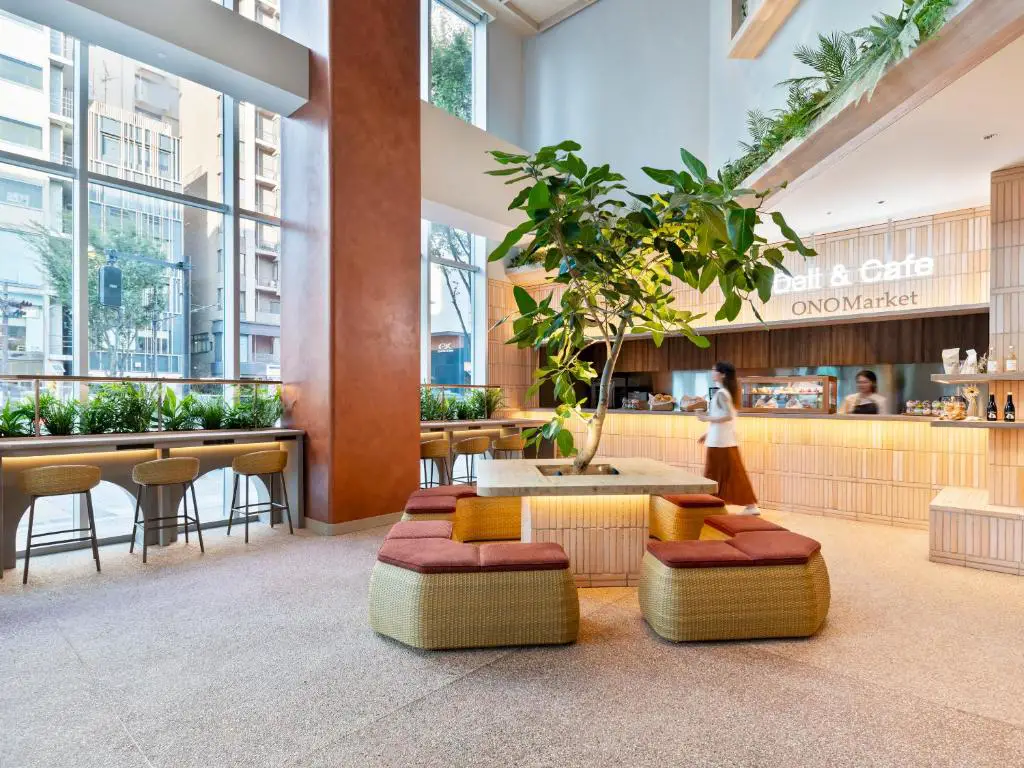
| 1. Mitsui Garden Hotel Ginza Tsukiji Closest Hotel to the Market Rating: ⭐⭐⭐⭐ Location: 2-minute walk to Tsukiji Outer Market Guest Reviews: In-room washer-dryer, fridge and microwave, public bath in basement, breakfast sushi selection, self check-in kiosks with multilingual support Best Room: Deluxe Corner Twin Room Price: From USD $180 – $260 per night |
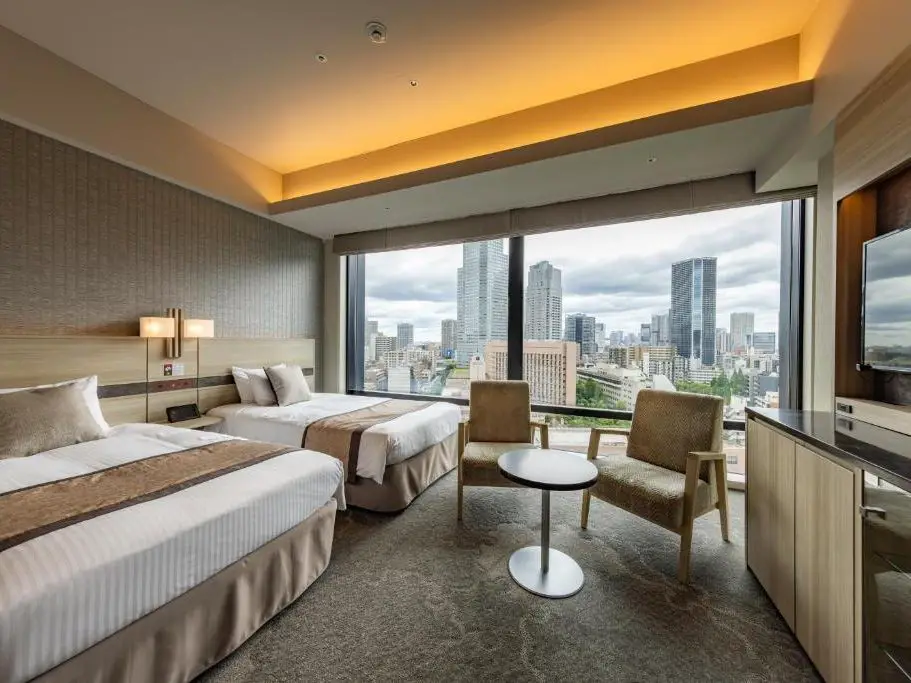
| 2. Hotel Keihan Tsukiji Ginza Grande Best for Families Rating: ⭐⭐⭐⭐ Location: 5-minute walk to Tsukiji Outer Market Guest Reviews: Spacious soundproofed rooms, buffet breakfast with Japanese and Western options, garden terrace, yukata and bathrobe provided Best Room: Superior Floor Deluxe Twin Room, Non Smoking Price: From USD $140 – $230 per night |

| 3. Tosei Hotel Cocone Tsukiji Ginza Premier Best Onsen Near the Market Rating: ⭐⭐⭐⭐ Location: 3-minute walk to Tsukiji Outer Market Guest Reviews: Natural hot spring public bath, sauna and carbonated tub, free lobby coffee bar, lounge with books and games, seafood-heavy breakfast buffet Best Room: Premium Twin Room Price: From USD $125 – $280 per night |
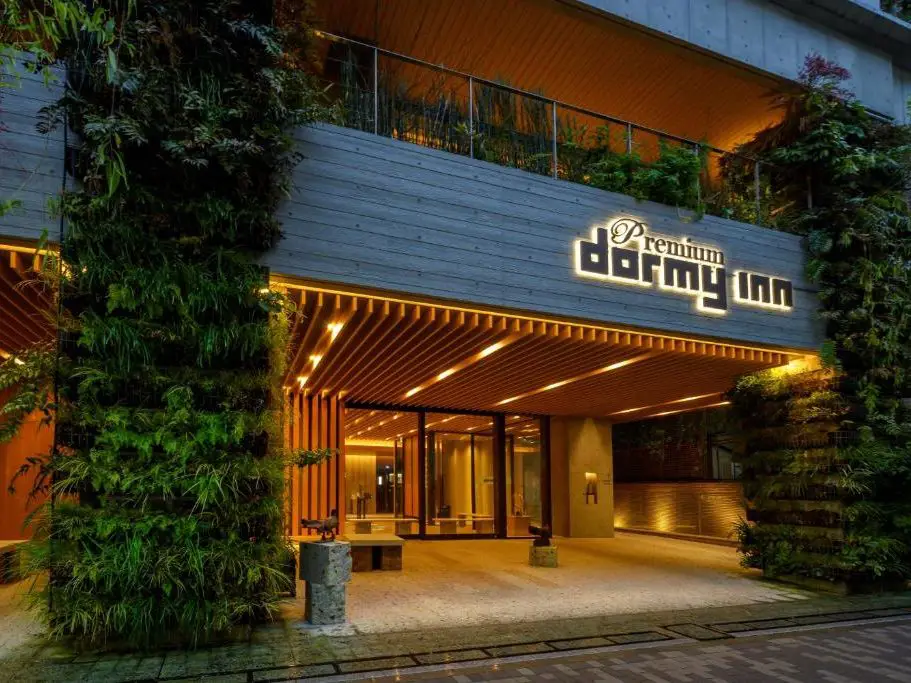
| 4. Dormy Inn Premium Ginza – Natural Hot Spring Best Black-Water Hot Spring Rating: ⭐⭐⭐ Location: 10-minute walk to Tsukiji Outer Market Guest Reviews: Black-water natural hot spring, complimentary late-night ramen, free ice cream service, sauna, Japanese-style executive floor with semi-open-air private baths Best Room: Japanese-style deluxe room (4 beds) – Non-Smoking Price: From USD $145 – $280 per night |
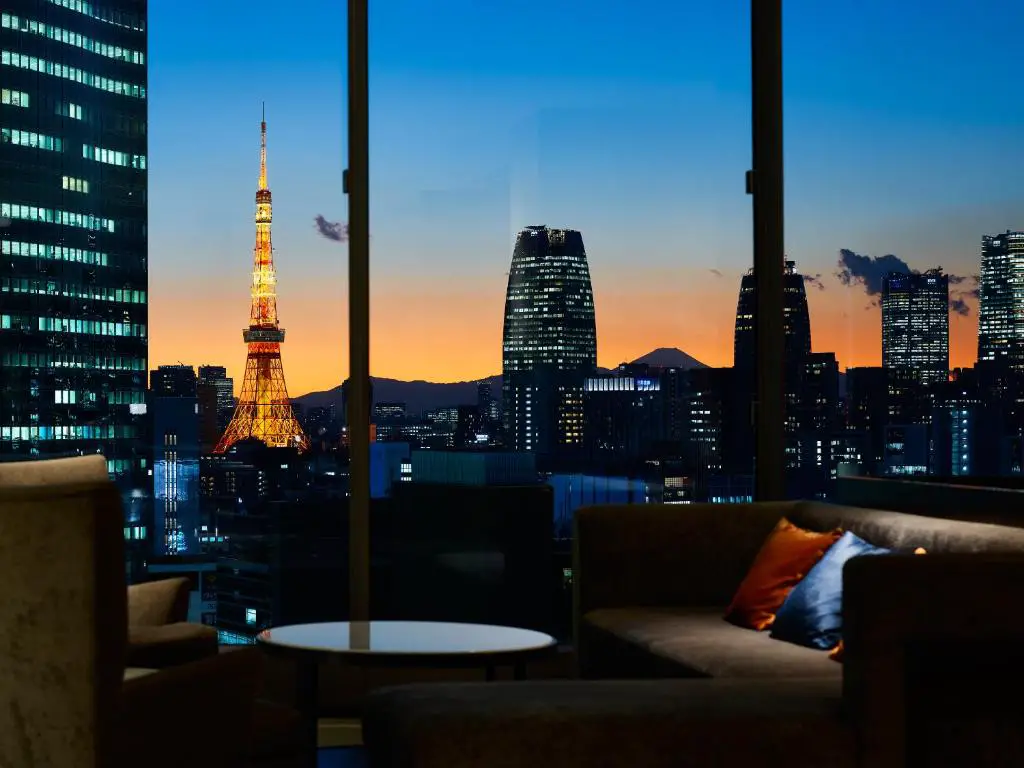
| 5. Mitsui Garden Hotel Ginza Premier Best Views Over Ginza Rating: ⭐⭐⭐⭐ Location: 10-minute walk to Tsukiji Outer Market Guest Reviews: 16th-floor lobby with Tokyo Tower views, top-floor Restaurant Sky serving Italian cuisine, Karin Cocktail Bar with live jazz, view-bath rooms overlooking Ginza Best Room: Deluxe, 2 beds, View Bath, Non Smoking Price: From USD $165 – $320 per night |
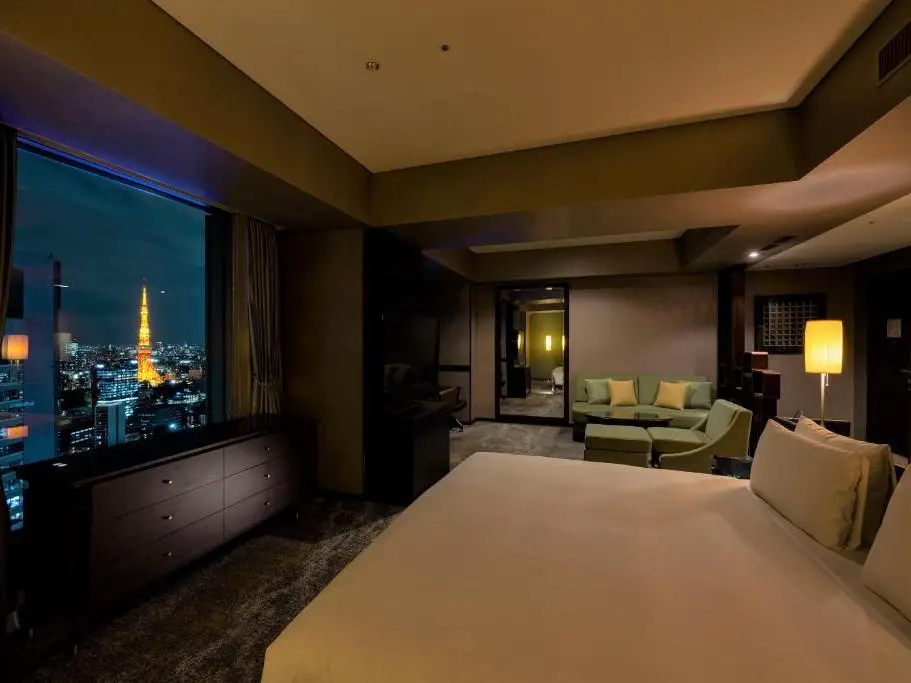
| 6. The Royal Park Hotel Iconic Tokyo Shiodome Rating: ⭐⭐⭐⭐ Location: 10-minute walk to Tsukiji Outer Market Guest Reviews: 24th-floor bar with Tokyo Tower views, Mandara Spa, Conran Shop–designed rooms, Family Mart in lobby, direct Shiodome subway access Best Room: Premium Floor Superior Twin Room (with Lounge Access) Price: From USD $205 – $345 per night |
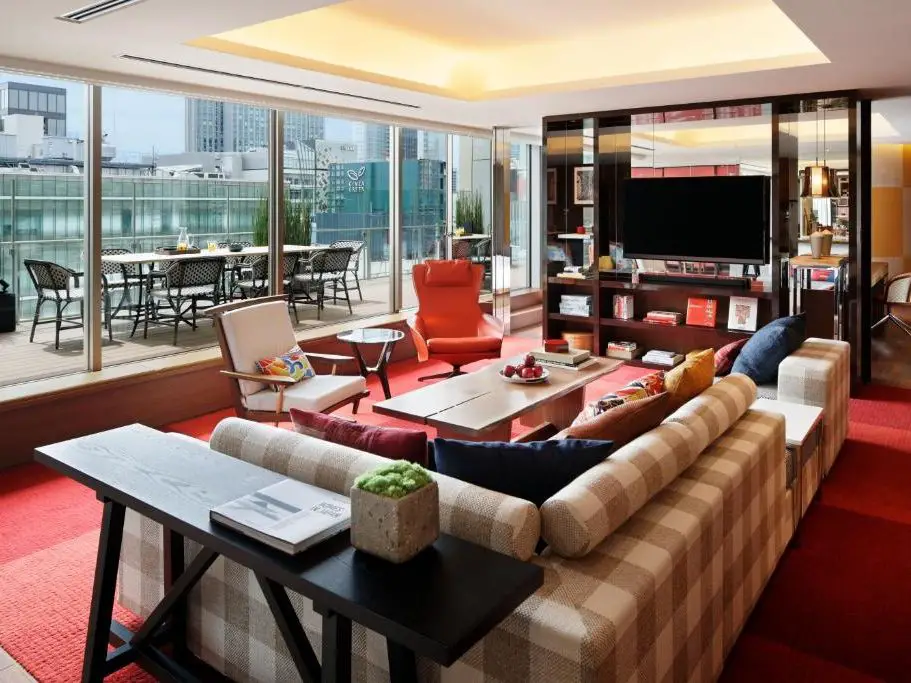
| 7. Hyatt Centric Ginza Tokyo Most Stylish Stay Rating: ⭐⭐⭐⭐⭐ Location: 10-minute walk to Tsukiji Outer Market Guest Reviews: Deep soaking bathtub in every room, Nespresso machine, NAMIKI667 restaurant, in-room citrus aromatherapy, Namiki-dori street views Best Room: Deluxe King Room Price: From USD $415 – $860 per night |
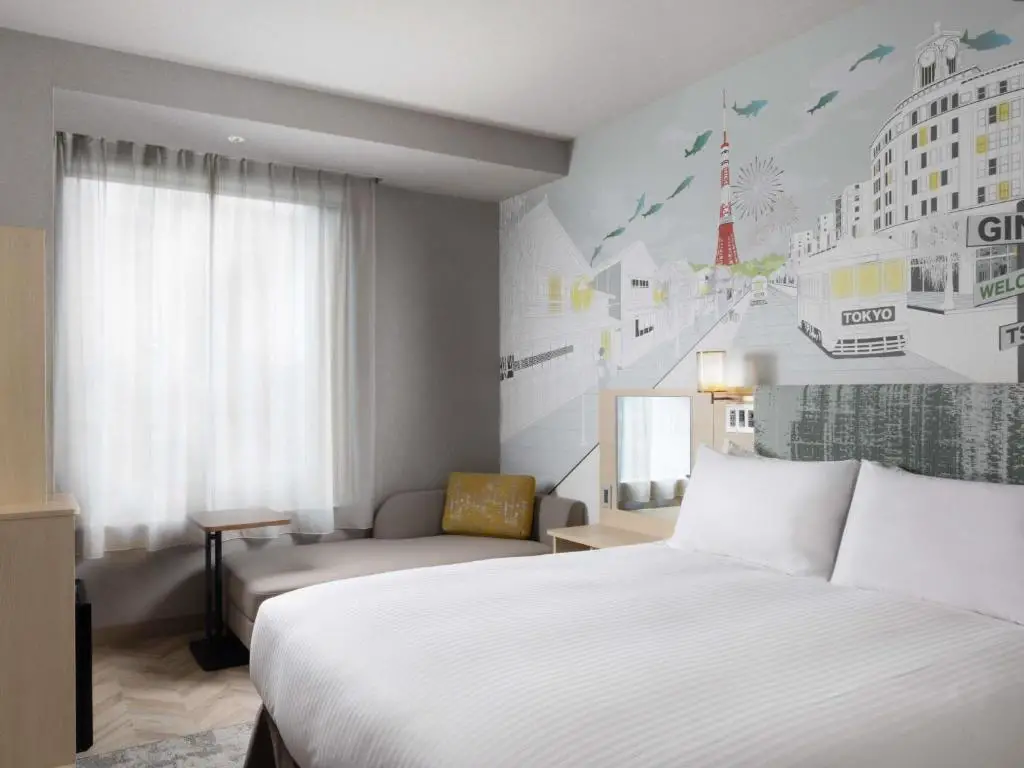
| 8. ibis Styles Tokyo Ginza East Best Value Rating: ⭐⭐⭐ Location: 9-minute walk to Tsukiji Outer Market Guest Reviews: Rooftop indoor and open-air natural spring onsen, Japanese game-themed interiors, rooftop city terrace, in-room foot massage machine, Anzu restaurant Best Room: Superior Double Room with Japanese Tatami Price: From USD $100 – $230 per night |
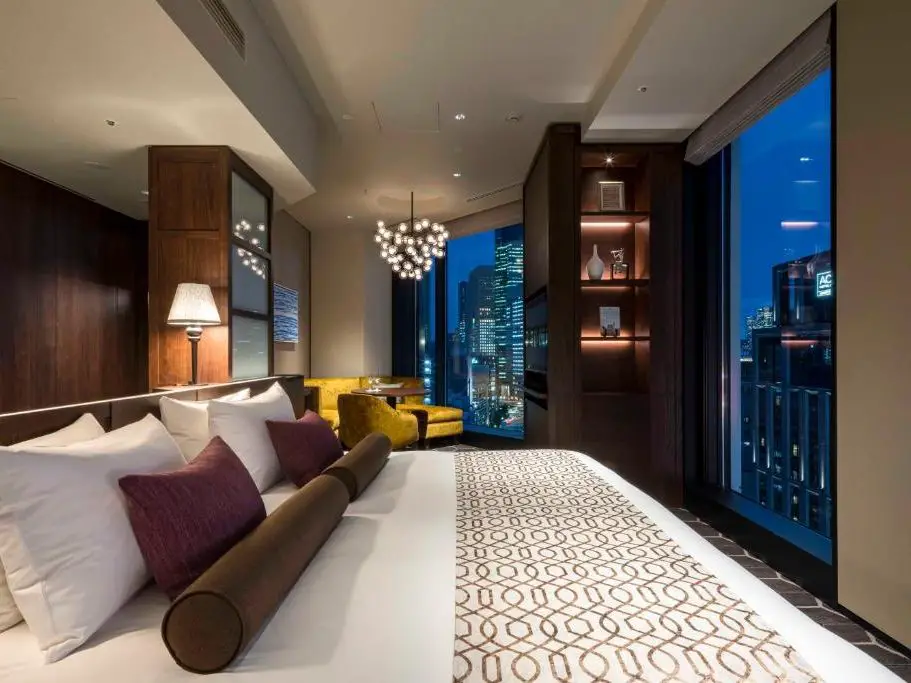
| 9. Hotel GrandBach Tokyo Ginza Most Unique Stay Rating: ⭐⭐⭐⭐ Location: 10-minute walk to Tsukiji Outer Market Guest Reviews: Bach-curated ambient music throughout, Serta premium beds, YAMAHA soundbar in every room, wellness French cuisine at Magdalena, executive lounge with free sake minibar Best Room: Deluxe Twin Room Price: From USD $170 – $435 per night |
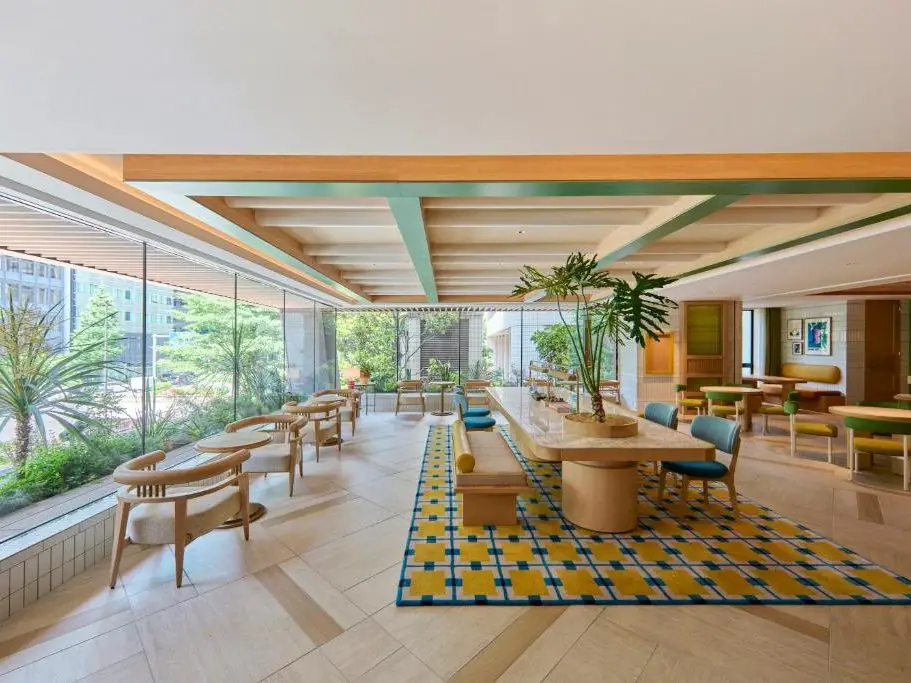
| 10. The Royal Park Hotel Ginza 6-Chome Best Boutique Stay Rating: ⭐⭐⭐⭐ Location: 6-minute walk to Tsukiji Outer Market Guest Reviews: Bold Ginza Pop retro design, free basement public bath, in-room TV shows laundry machine availability, yoshoku restaurant Ginza Lamp-Tei, 3 minutes from Higashi-Ginza station Best Room: Corner Deluxe Twin Room Price: From USD $185 – $460 per night |
Why Location Matters More Here Than Anywhere Else in Tokyo
Tokyo has excellent public transport, but Tsukiji is one of the few places in the city where your hotel address genuinely changes what you can do. The outer market runs from around 5am and the best sushi counters fill their seats by 8am. By 11am, half the standout stalls are sold out or starting to pack up. Staying within walking distance means you can be at a counter with a bowl of kaisendon before most of the city has had its first coffee — no taxis, no navigation, no logistics. That’s the whole point.
The hotels on this list sit in a corridor running from Tsukiji itself through Ginza and into Shiodome. Walk times to the market range from 2 minutes to about 10 minutes on foot. All are within the Chuo and Minato wards, giving easy access to three subway lines: the Tokyo Metro Hibiya Line from Tsukiji Station, the Toei Oedo Line from Tsukijishijo Station, and multiple connections at Higashi-Ginza and Shimbashi. From any of these hotels, the rest of Tokyo is easily within reach — Ueno, Roppongi, Asakusa, and the Shinkansen connections at Tokyo Station are all under 20 minutes by train.
Tsukiji Outer Market: What You Actually Need to Know
The confusion around Tsukiji is understandable. When the wholesale inner market relocated to Toyosu in October 2018, many travellers assumed Tsukiji had closed entirely. It hasn’t. The outer market — around 400 family-run stalls, sushi counters, knife shops, tamagoyaki stands, and seafood restaurants packed into a few dense blocks — is still operating and arguably more lively than ever.
- Opening hours — Most stalls open around 5am and begin closing between 11am and 2pm. Arrive between 7am and 9am on a weekday for the best experience: stalls are fully stocked, queues at sushi counters are still manageable, and the morning energy is at its peak.
- Closure days — The market follows the Tokyo Central Wholesale Market calendar: closed every Sunday, on national holidays, and on select Wednesdays (not all — check the official market calendar before any Wednesday visit). Showing up on a Sunday is the single most common mistake first-time visitors make.
- Toyosu vs Tsukiji — Toyosu is where the tuna auctions now happen, requiring a lottery reservation applied for about a month ahead. For most visitors, Tsukiji’s outer market is the better choice: more food variety, a more atmospheric setting, and no reservation required. The two are about 2km apart; doing Toyosu at dawn and Tsukiji at 8am is possible but exhausting.
- What to eat — Fresh sushi and kaisendon (seafood rice bowls) are the headline act, but the market also does exceptional tamagoyaki (rolled omelette), grilled seafood skewers, wagyu skewers, sea urchin on rice, and matcha soft serve. Cash is essential; many stalls are card-free. Don’t carry food through the narrow lanes — eat near the stall.
- Shopping — Beyond food, Tsukiji is one of the best places in Tokyo to buy professional kitchen knives, dashi packs, high-grade nori, and pickles. These make far better souvenirs than anything sold in airport shops.
The Ginza Advantage
Most of the hotels on this list sit in or on the edge of Ginza, which means Tsukiji proximity comes bundled with one of Tokyo’s most rewarding neighbourhoods. Ginza is Tokyo’s most prestigious shopping and dining district — the highest density of Michelin-starred restaurants in the world, flagship stores for every major international brand, and a serious commercial gallery scene with free entry at spaces like the Shiseido Gallery, Pola Museum Annex, and Perrotin Tokyo.
- Sunday afternoon — Chuo-dori, Ginza’s main avenue, becomes a pedestrian zone on Sunday afternoons. It’s the best time for a slow walk through the neighbourhood, though worth noting the market will be closed that morning.
- Eating without Michelin prices — Ginza’s set lunch menus (teishoku) at starred restaurants offer a fraction of evening pricing. A kaiseki lunch that would cost ¥30,000 at dinner can often be had for ¥4,000–¥8,000 at midday.
- Hamarikyu Gardens — A 15-minute walk or one station from most of these hotels, Hamarikyu is one of Tokyo’s finest traditional gardens, set on the waterfront with a teahouse. It’s completely walkable from the Tsukiji corridor and pairs well with a morning market visit.
- Kabuki-za Theatre — A 5-minute walk from Higashi-Ginza Station, Japan’s most celebrated kabuki theatre sells single-act tickets (ichimaku-mi) that let you watch one act without committing to a full 4-hour programme. A genuinely worth-doing Tokyo experience that most hotel guides never mention.
How to Choose the Right Hotel
The 10 hotels on this page cover a wide range of budgets and styles. A few things worth knowing before you book:
- Closest to the market — Mitsui Garden Hotel Ginza Tsukiji is essentially in the outer market itself, less than 100 metres from the stalls. If the early morning walk is the whole point of your trip, this is the obvious pick.
- Onsen after the market — Tosei Hotel Cocone Tsukiji Ginza Premier and Dormy Inn Premium Ginza both have on-site hot spring baths. The Dormy Inn’s black-water natural onsen is the most distinctive, drawing from a mineral-rich underground source that turns the water dark. After 4 hours on your feet at the market, it earns its keep.
- For longer stays — Several hotels include in-room washing machines: Mitsui Garden Hotel Ginza Tsukiji and The Royal Park Hotel Ginza 6-Chome are the standouts, with the latter also offering coin laundry on every other floor with real-time availability visible from the room TV — a practical detail that makes a real difference on a longer Tokyo trip.
- For couples — Hyatt Centric Ginza Tokyo and Hotel GrandBach Tokyo Ginza both lean into atmosphere and design in ways the other hotels don’t. The GrandBach’s Bach-curated ambient music and wellness French cuisine at Magdalena make it feel more like a lifestyle hotel than a business property; the Hyatt Centric’s deep soaking bathtubs and Namiki-dori views are hard to beat at this price point in central Ginza.
- Traffic noise — Several hotels in this area face busy roads. Requesting a higher floor or a room facing away from the main street is worth doing when you book, particularly at hotels on or near Harumi-dori and Ginza’s main avenues.
When to Book
Tokyo is busy year-round, but hotel prices spike sharply during cherry blossom season (late March to early April), Golden Week (late April to early May), and the autumn foliage period (mid-November). Tsukiji itself is at its most atmospheric in winter — cold mornings, steam rising from the stalls, and noticeably thinner crowds than spring or autumn. For the best combination of availability, price, and market experience, aim for January to February or June to August (noting summer is humid). Book at least 6 to 8 weeks ahead for the closer and better-reviewed properties; the Mitsui Garden Ginza Tsukiji and Hyatt Centric in particular fill up fast.
Getting Around from Tsukiji
Three subway lines serve this corridor directly:
- Tokyo Metro Hibiya Line — Tsukiji Station (H11) and Higashi-Ginza Station (H10) give direct access to Ginza, Hibiya, Roppongi, Ebisu, and Naka-Meguro heading west, and to Akihabara, Ueno, and Kita-Senju heading north.
- Toei Oedo Line — Tsukijishijo Station (E-15) connects to Roppongi, Shinjuku, and Asakusa, and gives access to Hamarikyu Gardens directly.
- Toei Asakusa Line / JR Shimbashi — A short walk west at Shimbashi opens up JR lines to Tokyo Station and the Shinkansen network, plus the Yurikamome monorail to Odaiba and Toyosu.
Haneda Airport is about 25–30 minutes from these hotels via the Keikyu Airport Line to Shimbashi, making this one of the more airport-convenient neighbourhoods in central Tokyo.
FAQs
1. Is Tsukiji Outer Market still open in 2026?
The outer market is fully open in 2026 with around 400 shops and stalls. Only the inner wholesale market relocated to Toyosu in 2018. The outer market — where visitors eat sushi, browse knife shops, and buy seafood — was never part of that move.
2. What time should I arrive at Tsukiji if I’m staying nearby?
Between 7am and 9am on a weekday gives the best combination of full stalls and manageable queues. Popular sushi counters can fill their seats and sell out by 10am to 11am, so earlier is better if a sit-down breakfast is the goal.
3. Is the market open on Sundays?
The market is closed on Sundays and on national holidays, as well as select Wednesdays that follow the Tokyo Central Wholesale Market calendar. Always check the official calendar before planning a Wednesday visit, as not every Wednesday is a closure day.
4. Do I need cash at Tsukiji?
Many stalls are cash-only. Carry yen in small notes and coins before you arrive. ATMs are available at the 7-Eleven and convenience stores in the area, but the market itself has no ATMs.
5. Which hotel is the absolute closest to the market?
Mitsui Garden Hotel Ginza Tsukiji is less than 100 metres from the market entrance — a walk of under 2 minutes. It opened in 2024 and is purpose-built for stays in this neighbourhood, with in-room washing machines and a public bath in the building.
6. Can I walk from these hotels to Ginza Six and the main shopping district?
All 10 hotels on this page are within a 10 to 15-minute walk of Ginza Six and the main Chuo-dori shopping avenue. The Hyatt Centric Ginza Tokyo is the closest to Ginza’s retail core at about 4 minutes on foot.
7. Are there hotels here with onsen or public baths?
Three hotels on this list have on-site bathing facilities: Tosei Hotel Cocone Tsukiji Ginza Premier (public bath and sauna with carbonated tub), Dormy Inn Premium Ginza (black-water natural hot spring onsen and sauna), and The Royal Park Hotel Ginza 6-Chome (free basement public bath for guests). The ibis Styles Tokyo Ginza East has a rooftop indoor and open-air natural spring bath.
8. How far is it to Tokyo Station from these hotels?
Tokyo Station is roughly 15 to 20 minutes on foot or one to two subway stops from most of these hotels. The Hibiya Line connects directly to Kayabacho, where transfers to the JR network and Marunouchi lines are straightforward.
9. Is this area good for families?
The Tsukiji-Ginza corridor is one of the more family-friendly areas of central Tokyo — streets are clean and safe, the market is engaging for kids of any age, and the Kabuki-za Theatre offers single-act tickets that work well with shorter attention spans. Hotel Keihan Tsukiji Ginza Grande has the most spacious rooms on this list for family groups, and the building has a garden terrace.
10. What else is worth doing in this neighbourhood besides the market?
Hamarikyu Gardens (a 15-minute walk, traditional waterfront garden with a teahouse), the Kabuki-za Theatre (5 minutes from Higashi-Ginza Station), Tsukiji Honganji Temple (a striking Indo-Saracenic Buddhist temple 2 minutes from the market), Ginza’s free gallery walk (Shiseido Gallery, Pola Museum Annex, Perrotin Tokyo), and the Chuo-dori pedestrian zone on Sunday afternoons.