
Ginza has a reputation for being Tokyo’s most expensive neighbourhood, but staying here makes more sense than people think — you’re steps from the subway, close to Tsukiji, and well-placed for both sides of the city. The area runs from sleek five-star towers to clever design hotels sitting above their own flagship stores, so there’s a real range once you know where to look. Prices vary more than the postcode suggests, and the streets are quieter at night than you’d expect from one of the world’s busiest shopping districts. Here’s a run-down of the best places to stay across the neighbourhood.
Table of Contents
Ginza Hotels
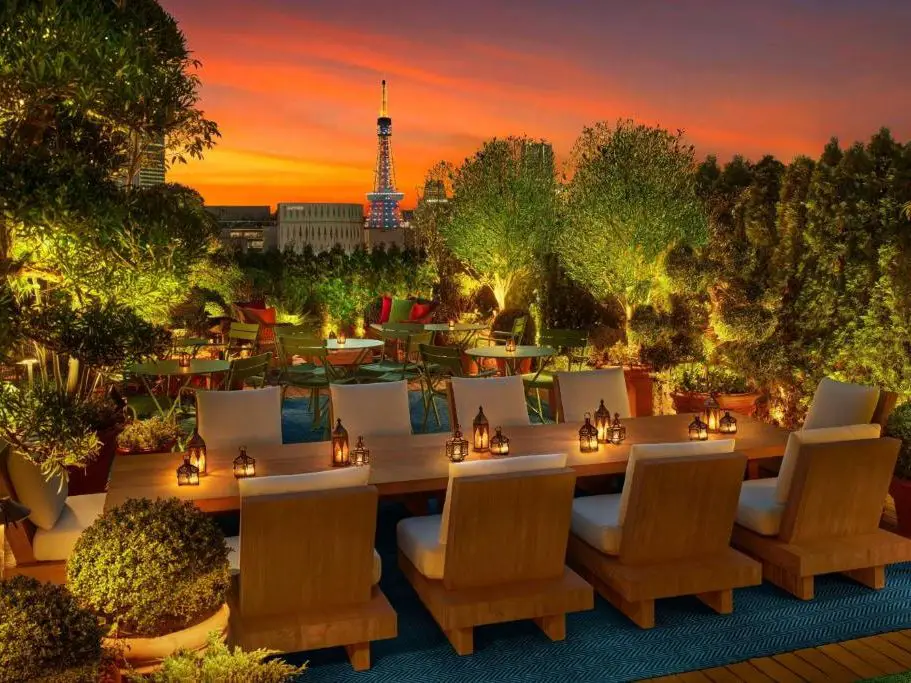
| 1. The Tokyo EDITION, Ginza Most Stylish Stay Rating: ⭐⭐⭐⭐⭐ Location: 3-minute walk to Kabuki-za Theatre, 6-minute walk to Ginza Six Guest Reviews: Kengo Kuma interiors praised for warmth, rooftop bar with Tokyo Tower views, Sophie at EDITION breakfast outstanding, concierge team exceptional Best Room: Premier King Room With City View Price: From USD $750 – $1,200 per night |
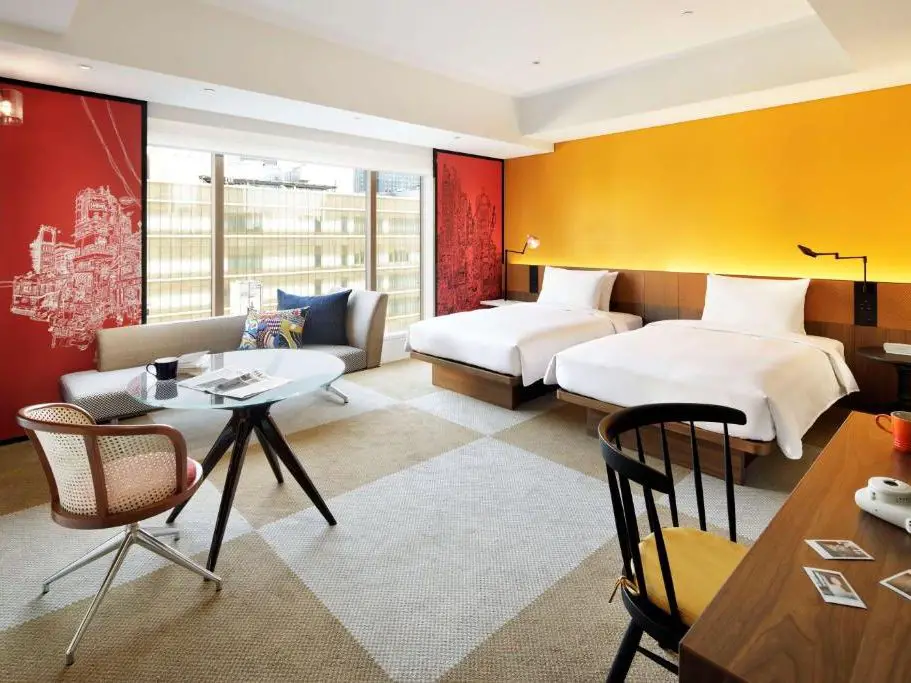
| 2. Hyatt Centric Ginza Tokyo Rating: ⭐⭐⭐⭐ Location: 4-minute walk to Ginza Six, 8-minute walk to Kabuki-za Theatre Guest Reviews: Rooms unusually spacious by Tokyo standards, deep soaking tub in every room, free snacks and drinks at reception, breakfast buffet with Japanese beef curry Best Room: Deluxe King Room Price: From USD $340 – $550 per night |
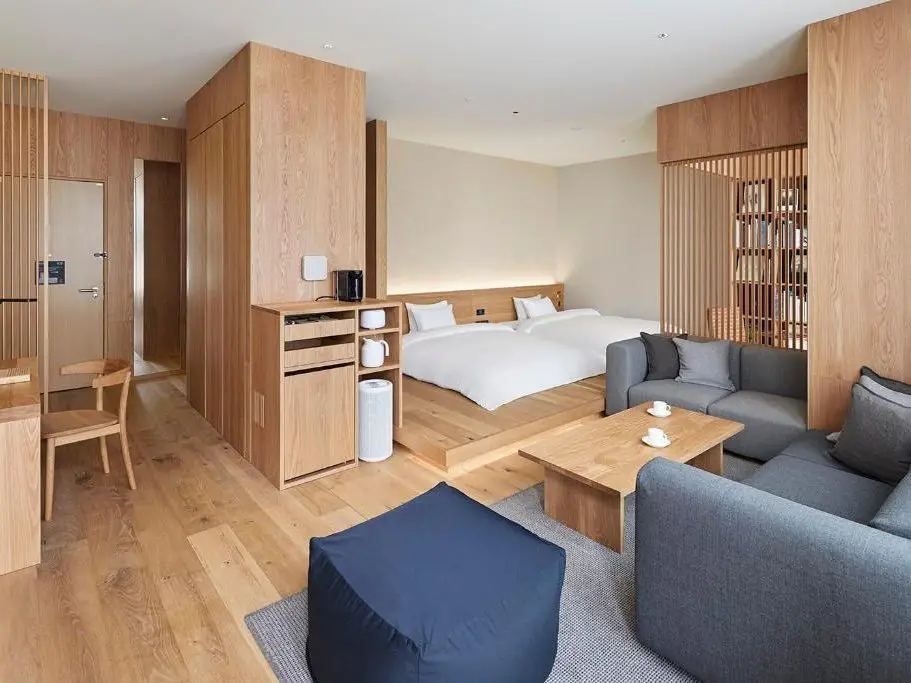
| 3. MUJI Hotel Ginza Most Distinctive Design Hotel Rating: ⭐⭐⭐⭐ Location: 3-minute walk to Ginza Station, direct access to MUJI flagship store below Guest Reviews: Rooms furnished entirely in MUJI products, free snacks and drinks in lobby from 4:30pm daily, praised breakfast buffet, always books out quickly Best Room: Standard Double Room With Bath-Type C-Non Smoking Price: From USD $215 – $350 per night |
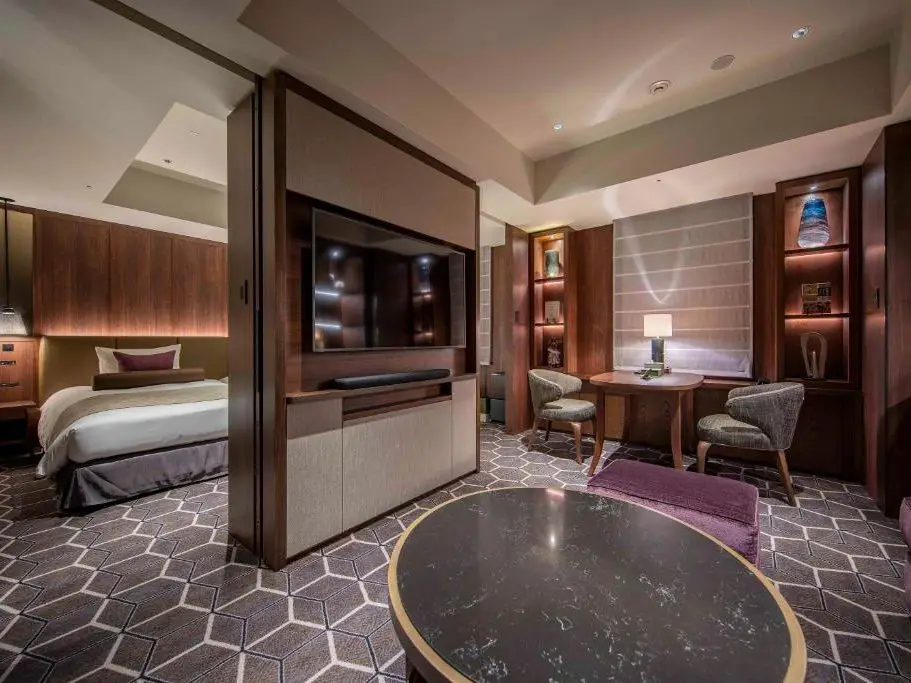
| 4. Hotel Grand Bach Tokyo Ginza Most Unique Atmosphere Rating: ⭐⭐⭐⭐ Location: 1-minute walk to Kabuki-za Theatre, 3-minute walk to Ginza Six Guest Reviews: Bach music played throughout all common areas, wellness French cuisine at Wald Haus restaurant, spacious rooms by Ginza standards, free evening pasta and drinks at Magdalena bar lounge Best Room: Bach Corner King, Non Smoking Price: From USD $170 – $500 per night |
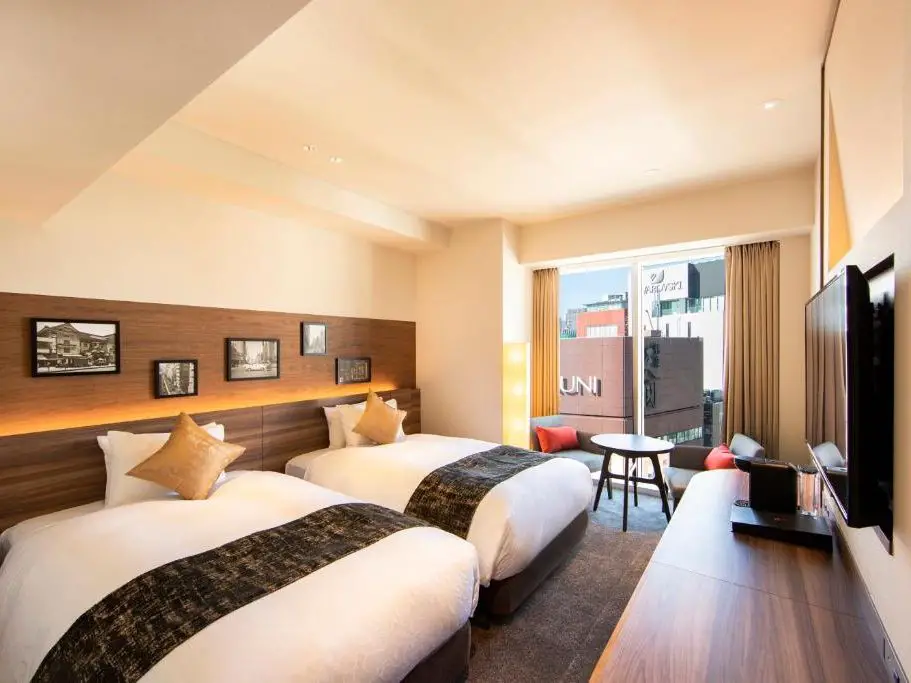
| 5. Karaksa Hotel Premier Tokyo Ginza Rating: ⭐⭐⭐⭐ Location: 4-minute walk to Ginza Six, 6-minute walk to Shimbashi Station Guest Reviews: Free all-day snack and drinks lounge, bento box breakfast delivered to room each morning, praised for spacious rooms by Tokyo standards, Dyson hairdryers in every room Best Room: Executive Twin Room, High Floor (2 twin beds) Price: From USD $165 – $490 per night |
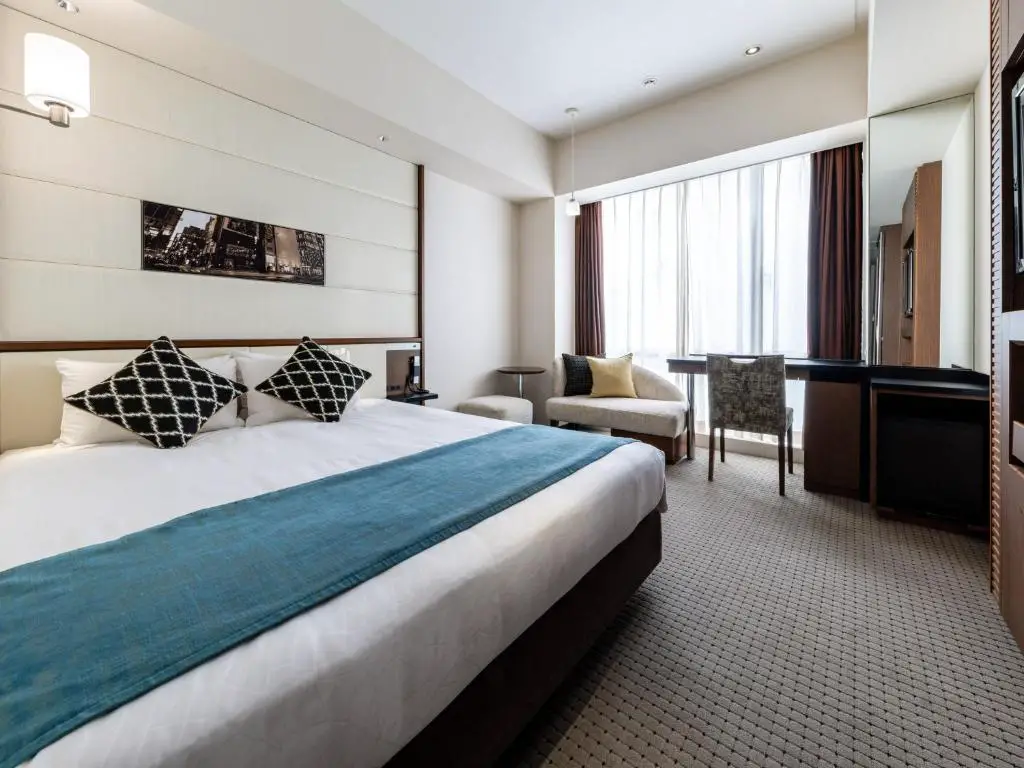
| 6. Solaria Nishitetsu Hotel Ginza Best for Location Rating: ⭐⭐⭐ Location: 1-minute walk to Kabuki-za Theatre, 3-minute walk to Ginza Station Guest Reviews: Italian breakfast at Furutoshi restaurant praised for fresh fish and organic vegetables, two subway stations within 3-minute walk, multilingual staff, among the quietest rooms in the area Best Room: Premium Twin Room, Non Smoking (1-2 people use) Price: From USD $130 – $300 per night |

| 7. Mitsui Garden Hotel Ginza Premier Best City Views Rating: ⭐⭐⭐⭐ Location: 10-minute walk to Ginza Six, 4-minute walk to Shimbashi Station Guest Reviews: 16th-floor lobby with panoramic Tokyo Tower views, View Bath rooms where you soak in the tub overlooking the city skyline, breakfast buffet at Restaurant Sky praised for variety, coin-operated onsen on the 14th floor Best Room: Deluxe, 2 beds, View Bath, Non Smoking Price: From USD $190 – $430 per night |

| 8. AC Hotel by Marriott Tokyo Ginza Rating: ⭐⭐⭐⭐ Location: 2-minute walk to Ginza Six, 4-minute walk to Ginza Station Guest Reviews: Robot butler My-Loh delivers to rooms, Nespresso machines and Nespresso in every room, evening treats left outside doors nightly, free grab-and-go pastries and coffee each morning at AC Kitchen Best Room: Superior Room, 1 King Bed, Non Smoking Price: From USD $200 – $375 per night |
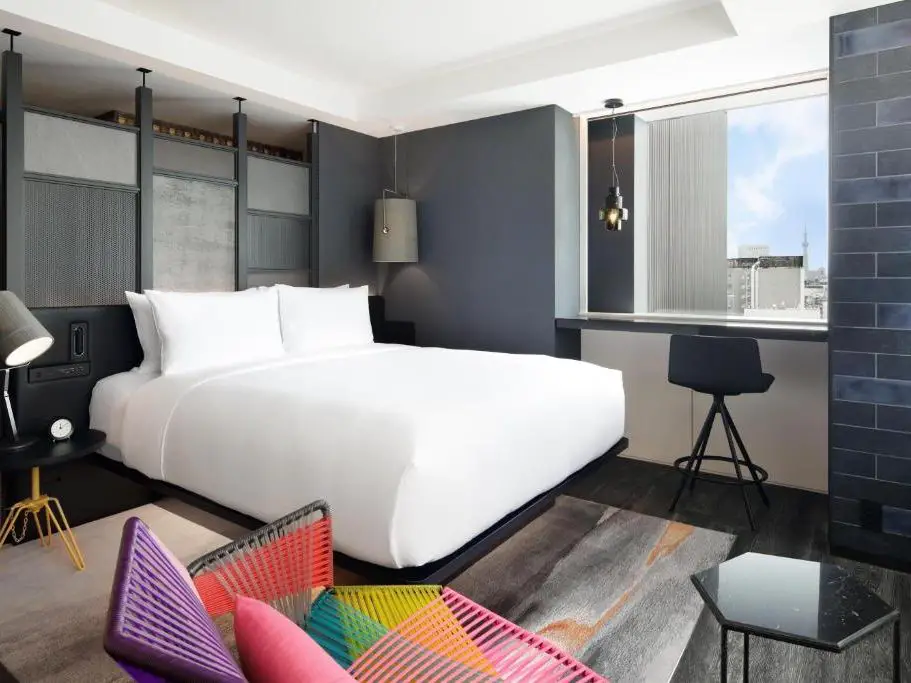
| 9. Aloft Tokyo Ginza Best for Nightlife Rating: ⭐⭐⭐⭐ Location: 1-minute walk to Ginza Six, 3-minute walk to Higashi-Ginza Station Guest Reviews: Rooms larger than typical Tokyo hotels, Roof Dogs rooftop bar with hotdogs and city views, W XYZ Bar hosts live music from local artists nightly, rainfall showers in every room Best Room: Savvy King, Larger Guest Room, 1 King Price: From USD $215 – $490 per night |
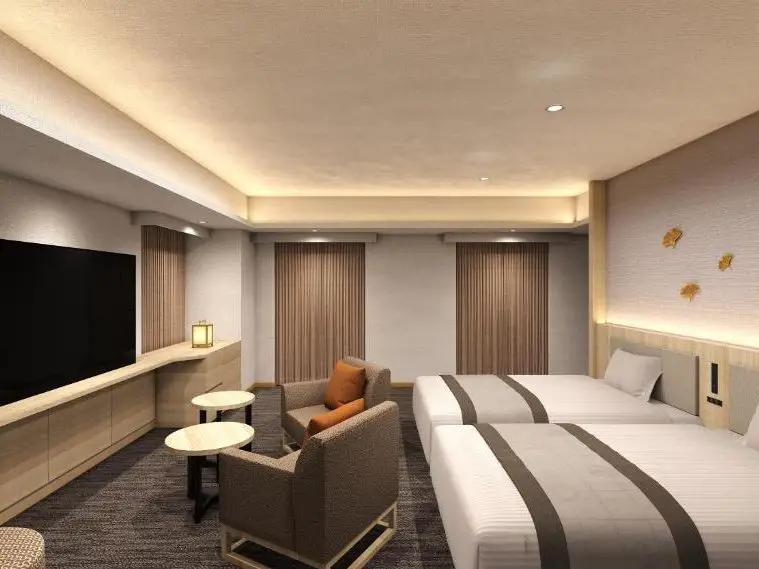
| 10. Daiwa Roynet Hotel Ginza PREMIER Best Value Rating: ⭐⭐⭐⭐ Location: 1-minute walk to Ginza-itchome Station, 3-minute walk to Ginza main street Guest Reviews: Fully renovated and reopened April 2026, Refa shower heads in all bathrooms, free amenity pick-up station in lobby, Italian restaurant Kitchen Salvatore Cuomo on site, 7-Eleven directly across the street Best Room: Deluxe Double Room, Non Smoking Price: From USD $130 – $300 per night |
Why Ginza Makes More Sense as a Base Than People Think
Ginza has a reputation for being Tokyo’s most expensive neighbourhood, which leads a lot of travellers to assume it’s only worth staying in if you’re splashing out on a flagship luxury hotel. That assumption undersells it. The area sits almost dead-centre in Tokyo, with five subway lines and two JR overground lines within walking distance of most hotels. That means you can reach Shibuya in 16 minutes, Shinjuku in 20, Asakusa in under 25, and Tsukiji Outer Market on foot. Narita Airport is 55 minutes by Narita Express from nearby Tokyo Station. Haneda is a direct 30-minute Keikyu Airport Line ride from Shinbashi Station, one stop away.
The other thing that surprises people about Ginza is the noise — or rather, the lack of it after dark:
- Daytime Ginza is busy, polished, and purposeful. Chuo-dori, the main shopping street, hums with shoppers, delivery vans, and the particular energy of a district that takes itself seriously. Roads on Chuo-dori can be loud for hotels facing directly onto them.
- Evening Ginza shifts completely. By 9pm, the luxury boutiques have closed, the salaryman crowd has dispersed into Shinbashi izakayas, and the streets go unusually quiet for a major city. It’s one of the safest and most walkable evenings in Tokyo.
- Weekend Ginza is the best of both. Chuo-dori closes to traffic every Saturday and Sunday from noon to 6pm (5pm in winter), and chairs appear in the middle of what was just a busy road. Walking down the centre of one of Tokyo’s most famous streets with a coffee is genuinely one of the better free experiences the city offers.
The price gap between Ginza and other central Tokyo neighbourhoods is also smaller than it looks. Mid-range hotels here run roughly the same as comparable properties in Shinjuku, and the location dividend — that unbeatable central access — is real.
How to Pick Your Spot Within Ginza
Ginza isn’t one uniform strip. The feel and practical experience of staying here changes depending on which pocket you book:
- Central Chuo-dori (around Ginza Station) — This is the classic Ginza address. You’re steps from Ginza Six, Kabuki-za Theatre, and the main shopping streets. Solaria Nishitetsu Hotel Ginza and Aloft Tokyo Ginza sit in this zone, as does MUJI Hotel Ginza just north. It’s the most walkable and convenient, but rooms facing the main road can catch traffic noise. Ask for a rear-facing or side-street room when booking.
- Higashi-Ginza — One block east of Chuo-dori, this pocket is quieter without sacrificing walkability. Hotel Grand Bach Tokyo Ginza is right here, a one-minute walk from Kabuki-za. The Higashi-Ginza metro stop offers direct access to Haneda Airport via the Asakusa Line — useful if you’re arriving late or leaving early.
- Ginza-itchome (northern edge) — Slightly calmer and a touch more workaday in character, but the Daiwa Roynet Hotel Ginza PREMIER sits here and earns its value positioning with genuinely central access. The Tokyo EDITION, Ginza is also in this zone, which shows how the northern edge can go either direction on price.
- Shimbashi edge — The southwest end of the Ginza orbit, near Shinbashi Station. karaksa hotel premier Tokyo Ginza and Mitsui Garden Hotel Ginza Premier both sit closer to this end. It’s not quite central Ginza, but it adds the Yamanote Line to your transport options and puts you closer to the Ginza izakaya backstreets — which are excellent and far cheaper than the main-drag restaurants.
Getting Around Tokyo from Ginza
Ginza’s transport density is genuinely exceptional, and it’s worth understanding before you book:
- Ginza Station — Three lines in one station: the Ginza Line (Tokyo’s oldest, connecting Asakusa to Shibuya), the Hibiya Line (Roppongi, Ebisu, and eventually Yokohama), and the Marunouchi Line (Shinjuku, Tokyo Station, Ikebukuro). This alone covers most of where tourists want to go.
- Higashi-Ginza Station — One minute’s walk from Ginza Station, served by the Hibiya and Asakusa Lines. The Asakusa Line runs direct to Haneda Airport in around 30 minutes — no transfers, no baggage drama.
- Ginza-itchome Station — On the Yurakucho Line, useful for Shiodome, Shinjuku, and Yokohama.
- Yurakucho Station (JR) — A 10-minute walk from central Ginza, this gives you access to the Yamanote Line and the Keihin-Tohoku Line, opening up the full loop of central Tokyo.
- Tokyo Station — A 10-12 minute walk or one metro stop. Every shinkansen in Japan departs from here. If you’re heading to Kyoto, Osaka, or Hiroshima the next morning, staying in Ginza and walking to Tokyo Station beats almost any other neighbourhood for convenience.
For getting to and from Narita, the Narita Express from Tokyo Station takes 55 minutes. The airport limousine bus stop is right outside the Courtyard by Marriott Tokyo Ginza on Harumi-dori — multiple hotels on this list are within a two-minute walk of it.
What Ginza Is Like to Stay In Day vs. Night
One thing that no amount of hotel research tells you is what a neighbourhood actually feels like to come back to at the end of a long day. Ginza has a specific character that suits some travellers very well and mildly disappoints others:
- It goes quiet early. The luxury boutiques close at 8pm. The department stores follow shortly after. By 10pm, Chuo-dori is genuinely empty in places. For travellers who want to roll in at midnight and have ramen and convenience stores at every turn — Shinjuku is a better fit. For travellers who want to sleep well and leave early — Ginza is close to ideal.
- Backstreet Ginza is different from main-road Ginza. One block off Chuo-dori, you find small izakayas, local ramen shops, standing sushi bars, and cafes that have nothing to do with luxury branding. These streets are worth exploring specifically because they feel incongruous with the neighbourhood’s reputation.
- The weekend pedestrianisation is worth planning around. If you’re arriving on a Friday night for a weekend stay, the Saturday and Sunday afternoon Chuo-dori closure is one of the neighbourhood’s best features. Hotels closest to the main street — Solaria Nishitetsu Hotel Ginza, MUJI Hotel Ginza, Aloft Tokyo Ginza — have the most to gain from this.
- Tsukiji is 10 minutes on foot. The outer market opens early and the best stalls sell out by 10am. Staying in Ginza is one of the few ways to get there before the crowds without an early taxi.
How to Choose the Right Hotel for Your Trip
The 10 hotels on this list cover a genuine range of styles, prices, and positioning. A few pointers on who suits what:
- For a flagship luxury experience — The Tokyo EDITION, Ginza is the most accomplished hotel on the list, with Kengo Kuma’s design, four dining venues including a rooftop natural wine bar, and service that earns consistent praise for anticipating rather than just responding. It’s also one of the most spacious hotel room collections in Ginza. The price reflects all of this.
- For design with personality — MUJI Hotel Ginza and Hotel Grand Bach Tokyo Ginza are the most distinctive stays on the list. MUJI puts you above the flagship store with rooms built entirely around the brand’s minimalist philosophy. Grand Bach plays Bach through every common space, serves wellness French cuisine, and has a genuinely different atmosphere to every other Ginza hotel.
- For the most central location on a moderate budget — Hyatt Centric Ginza Tokyo on Namiki-dori is the top-rated hotel in Ginza on most ranking sites and earns it, with unusually large rooms by Tokyo standards, a deep soaking tub in every room, and a free snack and drink station at the lobby.
- For social travellers and nightlife — Aloft Tokyo Ginza is the obvious choice. Live music nightly at W XYZ Bar, a rooftop with a vintage Volkswagen bar truck, and a hotel designed around movement and energy rather than calm retreat.
- For families — karaksa hotel premier Tokyo Ginza has the best connecting room setup on the list, with rooms that link across internal doors and one of the most generous free lounge offerings in the neighbourhood. Daiwa Roynet Hotel Ginza PREMIER introduced a new four-person tatami suite in its 2026 renovation that works well for families too.
- For value — Daiwa Roynet Hotel Ginza PREMIER and Solaria Nishitetsu Hotel Ginza consistently come in at the lower end of Ginza pricing without meaningful compromises on location or cleanliness.
When to Book and What to Expect on Prices
Ginza hotel pricing reflects a mix of leisure and business travel, which gives it a different seasonal pattern compared to Tokyo’s tourist-heavier neighbourhoods:
- Spring (March to May) is the most expensive and competitive period. Cherry blossom season in late March and early April, followed by Golden Week in late April through early May, pushes both occupancy and rates to their peak. Book two to three months in advance minimum.
- Summer (June to August) is hot and humid, but Tokyo summer is an underrated time to visit — crowds thin compared to spring, prices drop somewhat, and the city has a looser energy. Rates at mid-range hotels can fall 20-30% compared to peak spring.
- Autumn (September to November) is widely considered the best time to visit Tokyo. Temperatures are comfortable, foliage turns in mid to late November, and autumn is Ginza’s best-dressed season. Prices rise again from October onwards.
- Winter (December to February) is Ginza at its quietest and most affordable, barring the Christmas and New Year window. January and February offer the lowest rates of the year, sometimes 30-40% below spring highs.
Ginza’s business-travel segment means mid-week rates (Sunday through Thursday check-in) often run higher than weekends at some properties — the reverse of what you’d expect in a leisure-heavy neighbourhood. If flexibility allows, Saturday check-in can land a meaningfully better rate at several hotels on this list.
FAQs
1. Is Ginza a good place to stay in Tokyo for first-time visitors?
It’s one of the best. The central location puts you within easy reach of most major Tokyo sights and the transport connections are exceptional. The neighbourhood is safe, walkable, and well-signed in English, which reduces the friction of navigating a new city.
2. Is Ginza expensive to stay in compared to other Tokyo areas?
It has a reputation for being pricey, but the mid-range options are competitive with similar hotels in Shinjuku or Shibuya. Budget hotels are thinner on the ground than in some other neighbourhoods, but properties like Daiwa Roynet Hotel Ginza PREMIER and Solaria Nishitetsu Hotel Ginza offer solid value at realistic Ginza prices.
3. Which Ginza subway station should I look for when booking?
Ginza Station is the most central and connects three lines. Higashi-Ginza is one minute’s walk away and gives direct Haneda Airport access via the Asakusa Line. Ginza-itchome sits on the Yurakucho Line and is particularly convenient for The Tokyo EDITION and Daiwa Roynet Hotel Ginza PREMIER.
4. Are Ginza hotels noisy at night?
Less than you’d expect. The area quietens significantly after 9pm when the boutiques close. Hotels directly facing Chuo-dori can pick up traffic noise during the day, so if you’re a light sleeper, ask for a rear-facing room when booking. Hotels on side streets — including Hotel Grand Bach Tokyo Ginza and karaksa hotel premier Tokyo Ginza — are notably quieter.
5. How far is Ginza from Tsukiji Market?
Around 10 minutes on foot from most central Ginza hotels. Staying in Ginza is one of the most practical ways to visit Tsukiji’s outer market early when the best stalls are still stocked, without needing a taxi or early metro.
6. What’s the Pedestrian Paradise and which hotels are closest to it?
Every Saturday and Sunday from noon to 6pm (5pm October through March), Chuo-dori closes to traffic and chairs are placed in the street. It’s one of the best free experiences in the neighbourhood. Solaria Nishitetsu Hotel Ginza, MUJI Hotel Ginza, Hyatt Centric Ginza Tokyo, and Aloft Tokyo Ginza are all within a minute’s walk of the stretch that closes.
7. Do Ginza hotels fill up fast during cherry blossom season?
Yes, and faster than many travellers expect. Late March and early April is the most competitive booking window in Tokyo, and Ginza’s mix of leisure and business demand means availability tightens earlier than in purely tourist-facing neighbourhoods. Booking 8-12 weeks ahead is advisable for this period.
8. Is Ginza well-connected to Tokyo Station and shinkansen services?
Tokyo Station is a 10-12 minute walk or one metro stop from central Ginza. Every shinkansen line in Japan departs from there, making Ginza one of the most practical bases if your trip combines Tokyo with Kyoto, Osaka, or elsewhere on the bullet train network.
9. Which hotels in Ginza are best for families?
karaksa hotel premier Tokyo Ginza has the best connecting room setup on the list and a free lounge that children use heavily. Daiwa Roynet Hotel Ginza PREMIER added a four-person tatami suite room in its 2026 renovation. Hyatt Centric Ginza Tokyo also works well for families with its larger-than-average room sizes.