
Seoul’s bathhouse culture runs deeper than most visitors expect — a jjimjilbang isn’t just a spa, it’s where locals go to sweat, snack, socialize, and sometimes sleep. The best way to experience it is staying somewhere that puts it on your doorstep or right in the building. These hotels make that easy, whether you want a full luxury Korean bathhouse after a long day of sightseeing or a genuine neighborhood-style soak without the five-star price tag.
Table of Contents
Seoul Hotels
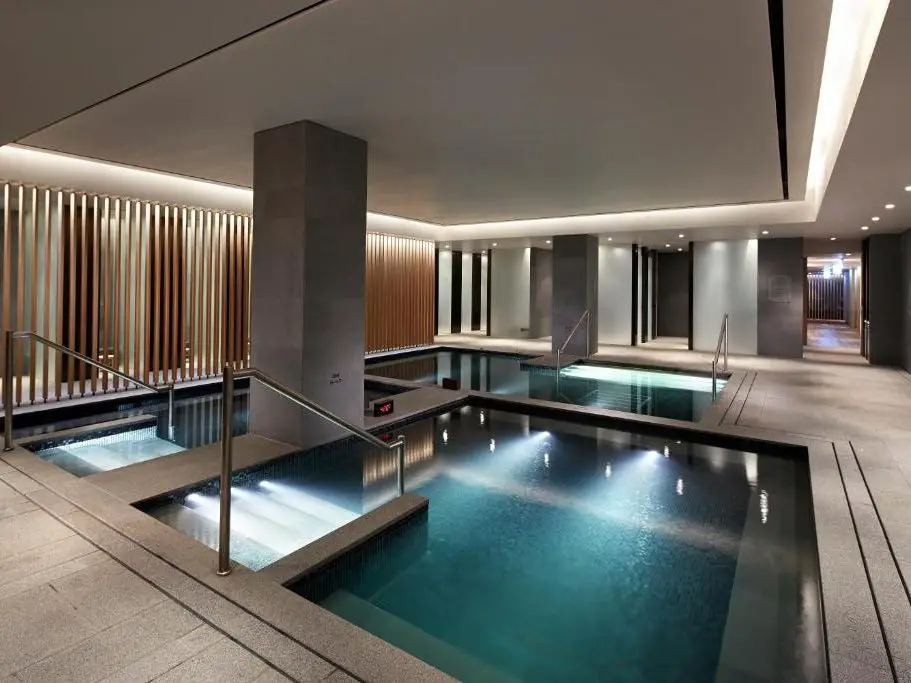
| 1. The Shilla Seoul Rating: ⭐⭐⭐⭐⭐ Location: 9-min walk to Dongguk University Station; free shuttle to Myeongdong Guest Reviews: Sauna and hot tubs praised as spa-grade, pool area immaculate, La Yeon restaurant exceptional, shuttle service very convenient Best Room: Executive Grand Deluxe Room Price: From USD $180 – $420 per night |
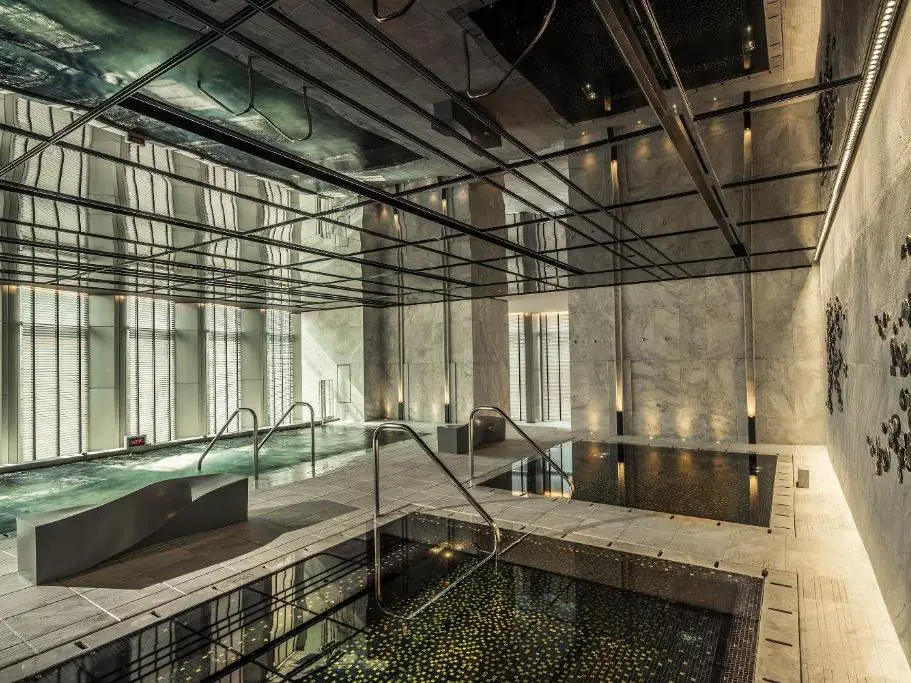
| 2. Four Seasons Hotel Seoul Rating: ⭐⭐⭐⭐⭐ Location: 5-min walk to Gyeongbokgung Palace; 10-min walk to City Hall Station Guest Reviews: Korean sauna with gold-mosaic tiled pools praised as best in Seoul, palace views from bathhouse, concierge service exceptional, breakfast buffet outstanding Best Room: Grand Suite Price: From USD $430 – $1,050 per night |
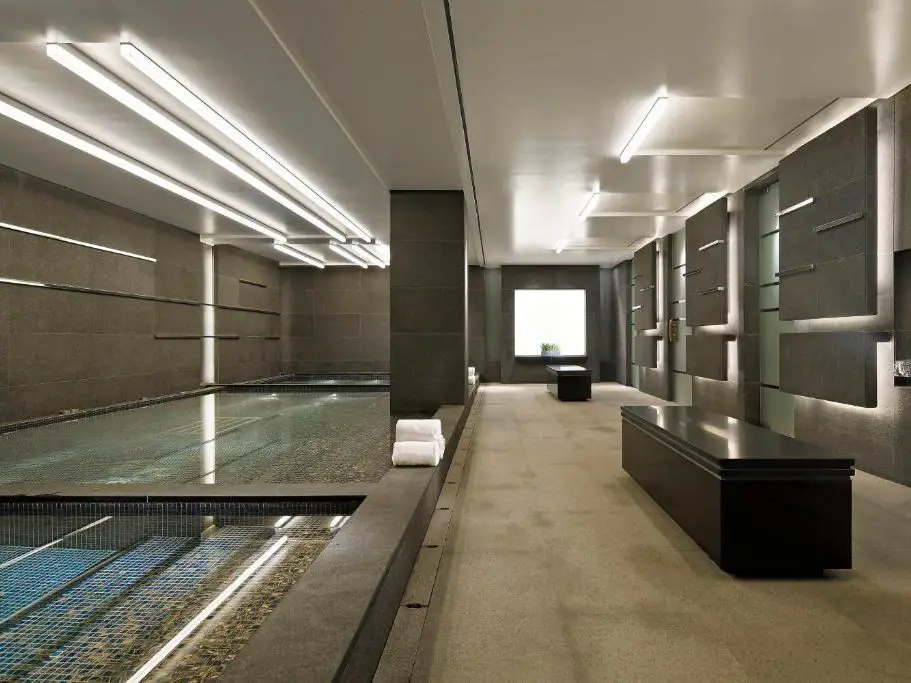
| 3. Westin Josun Seoul Hotel Rating: ⭐⭐⭐⭐⭐ Location: 5-min walk to Myeongdong; 3-min walk to City Hall Station Guest Reviews: Three hot-to-cold soaking baths praised as authentic Korean bathhouse experience, indoor pool with leaf-shaped skylight, staff multi-lingual and attentive, central location outstanding Best Room: Westin Club King Room Price: From USD $190 – $760 per night |
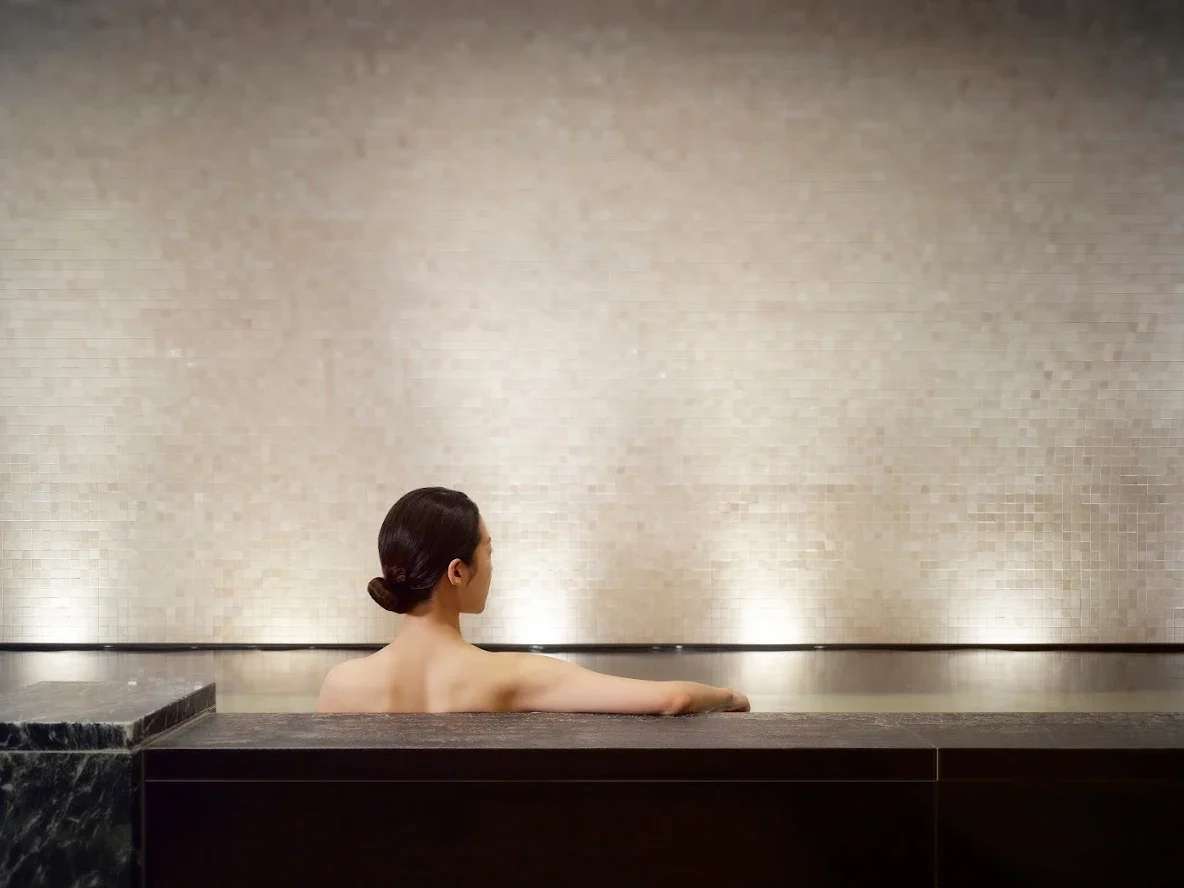
| 4. Grand Hyatt Seoul Rating: ⭐⭐⭐⭐⭐ Location: 12-min walk to Itaewon Station; free shuttle to Myeongdong Guest Reviews: Korean bathhouse pools consistently praised, ginseng spa treatments outstanding, Namsan Mountain and Han River views from rooms, six restaurants well regarded Best Room: Grand Club King Room Price: From USD $200 – $635 per night |
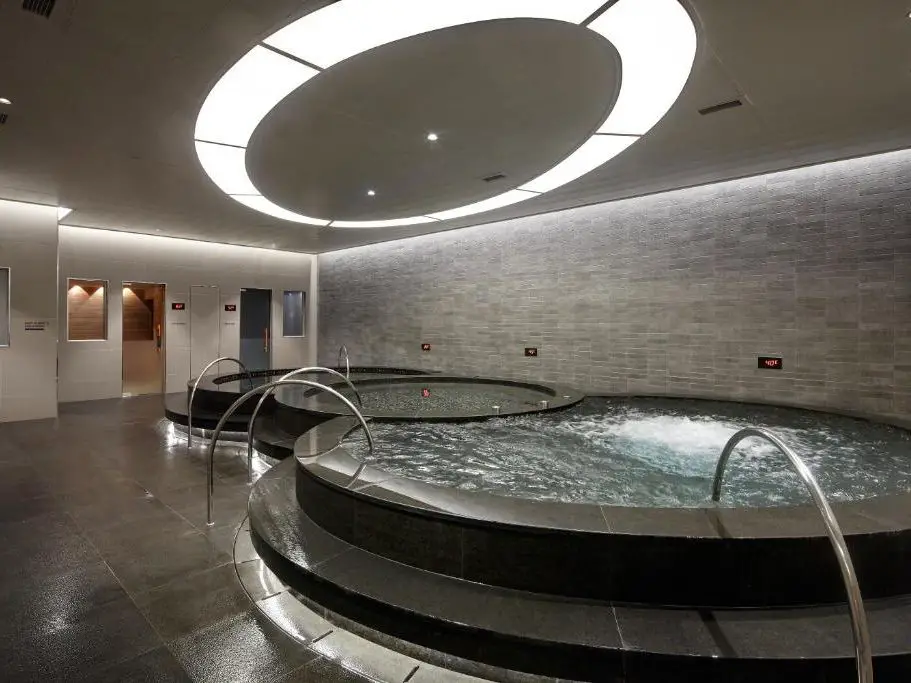
| 5. Lotte Hotel Seoul Rating: ⭐⭐⭐⭐⭐ Location: 4-min walk to Myeongdong; directly connected to Euljiro 1-ga Station Guest Reviews: Korean baths and swimming pool praised, La Cime Executive Tower lounge access includes free sauna and fitness use, prime Myeongdong location consistently highlighted, breakfast buffet exceptional Best Room: Executive Charlotte Suite Price: From USD $155 – $890 per night |
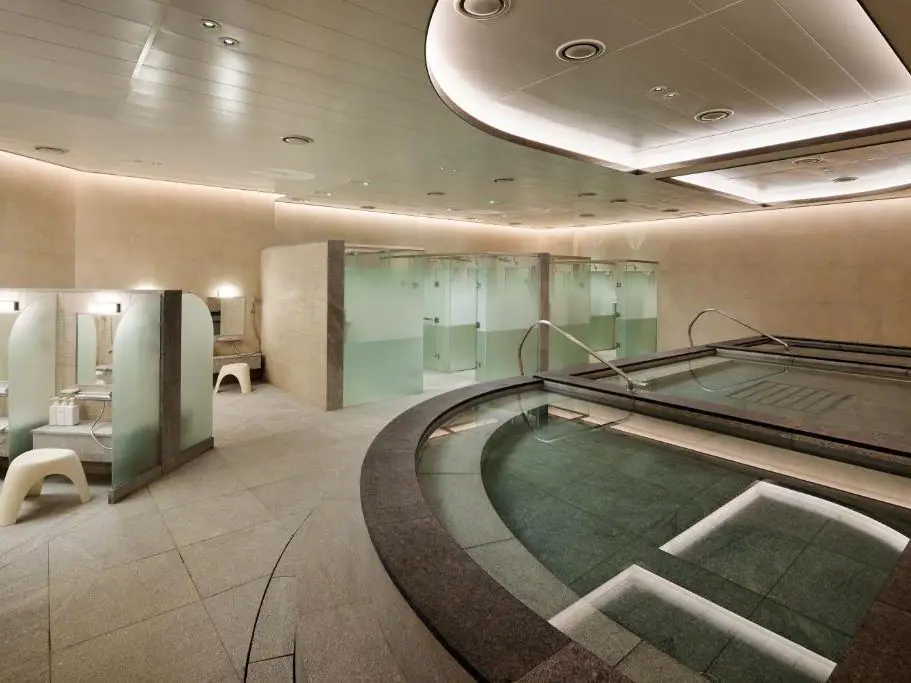
| 6. Lotte Hotel World Rating: ⭐⭐⭐⭐⭐ Location: Directly above Jamsil Station; steps from Lotte World Guest Reviews: Four soaking baths from scalding hot to cold praised after long sightseeing days, his-and-hers saunas well maintained, direct hotel access to Lotte World amusement park, staff warm and helpful Best Room: Deluxe Lake View Room Price: From USD $170 – $430 per night |
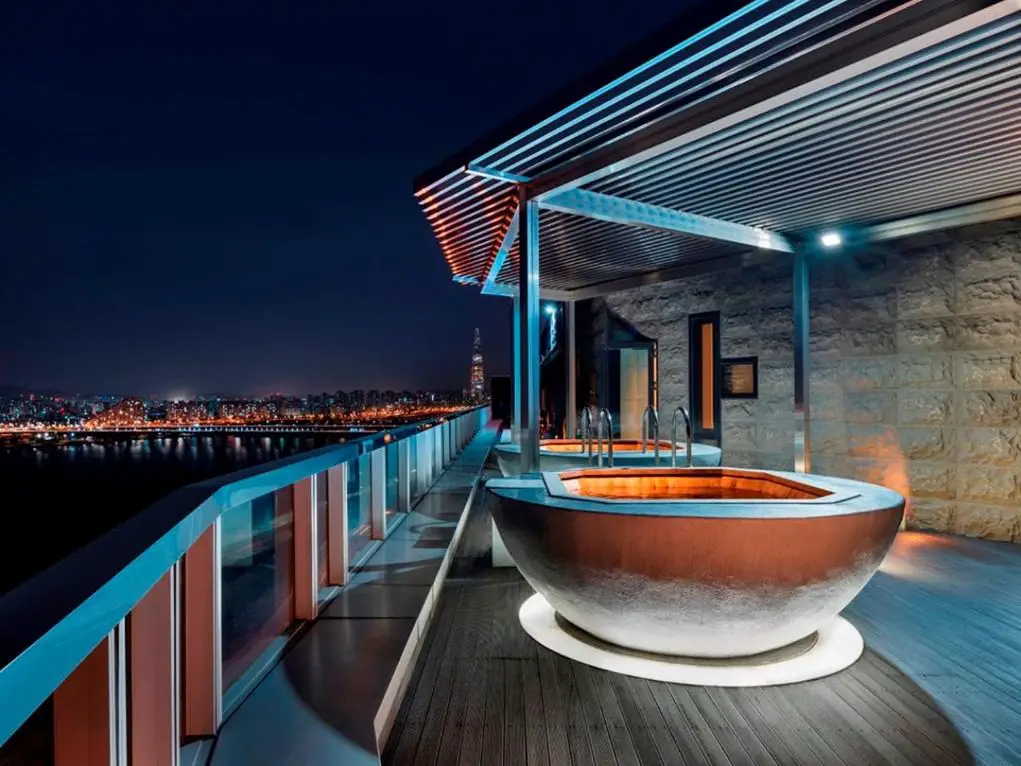
| 7. Vista Walkerhill Seoul Rating: ⭐⭐⭐⭐⭐ Location: 15-min drive to Gangnam; free shuttle to Gwangnaru Station (Line 5) Guest Reviews: Korean bathhouse hot-to-cold tubs with Han River views, V Spa body scrubs a standout, mountain and river views from rooms exceptional, free minibars a welcome touch Best Room: Vista River View Room |
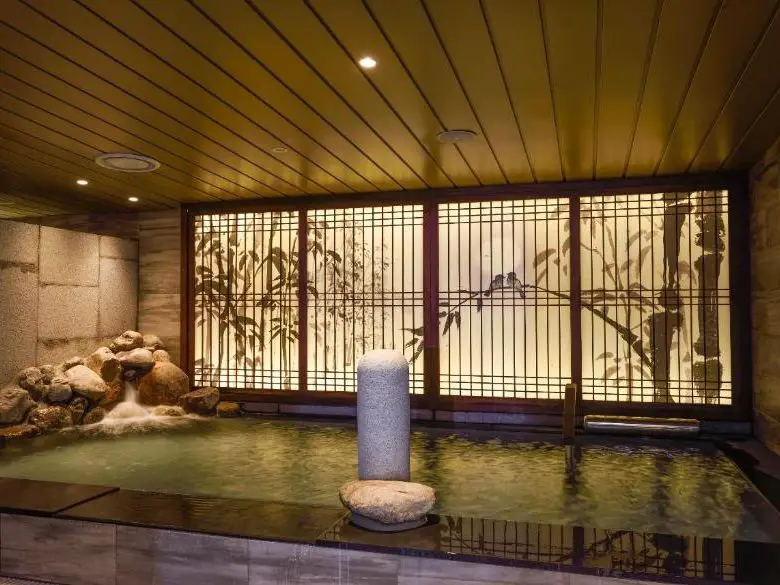
| 8. Dormy Inn Seoul Gangnam Rating: ⭐⭐⭐⭐ Location: 10-min walk to Sinnonhyeon Station (Line 9); 10-min walk to Gangnam Station Guest Reviews: Japanese-style onsen with separate men’s and women’s baths consistently praised, free late-night ramen a standout perk, breakfast buffet outstanding, self-service laundry in the bathhouse area very convenient Best Room: Superior Double Room Price: From USD $95 – $160 per night |
Why Stay at a Seoul Hotel with a Korean Bathhouse
Seoul moves fast. The subway is relentless, the sightseeing is dense, and the food streets will keep you out later than you planned. By the end of day two, your legs know about it. That’s when having a bathhouse in the building stops being a nice-to-have and becomes the whole point of where you’re staying.
A jjimjilbang isn’t just a sauna. It’s gender-separated soaking pools running from scalding hot down to cold, a steam room, a dry sauna, and the option of a Korean body scrub that will leave your skin feeling like you’ve shed a layer you didn’t know you had. Locals use them weekly. The ritual of moving between hot and cold water, then lying flat on a heated floor, is genuinely restorative in a way that a hotel gym or a massage table isn’t.
Staying somewhere with the facility in the building means you can use it at 7am before a full day out, or at 10pm after dinner in Myeongdong. You don’t have to plan around it, book transport, or figure out the etiquette of a neighbourhood bathhouse where the signage is only in Korean. The hotel versions are typically cleaner, quieter, and easier to navigate for first-timers — with towels provided, English-speaking staff nearby, and body scrub bookings handled at the front desk.
The eight hotels here range from two of Seoul’s most celebrated five-stars to a mid-range Japanese chain that does the onsen format exceptionally well for the price. What they have in common is a genuine onsite bathhouse — not a spa treatment room with a hot tub, but the real thing: soaking pools, steam, and a proper Korean soak.
Overview of Accommodation Options
The hotels here split fairly naturally into three tiers, and which one suits you depends as much on how you want to spend your time in Seoul as on budget.
- At the top end, The Shilla Seoul, Four Seasons Hotel Seoul, Westin Josun Seoul Hotel, Grand Hyatt Seoul, and Lotte Hotel Seoul are all flagship five-stars with the bathhouse as one facility among many. The Four Seasons has arguably the most spectacular bathhouse of any hotel in the city — gold-mosaic tiled pools overlooking Gyeongbokgung Palace — but charges extra for access unless you’re in a suite. The Shilla and Westin Josun include sauna access more freely for guests, and both sit in prime central locations that put Myeongdong, the palaces, and the subway within easy walking distance. Grand Hyatt trades central convenience for a hillside setting above Itaewon with Namsan Mountain views — a different feel, better suited to guests who want some breathing room from the city. Lotte Hotel Seoul has the unbeatable location, connected directly to the subway and Lotte Department Store, and the Executive Tower’s La Cime lounge access bundles in free sauna use — worth factoring into the price comparison.
- Lotte Hotel World sits in its own category — a five-star attached directly to Lotte World amusement park in Jamsil, with four soaking baths and his-and-hers saunas. It’s a strong choice for families or anyone combining a Seoul city break with a theme park day, though it’s further from the historic centre than the others.
- Vista Walkerhill Seoul is the outlier geographically — out on the slopes of Acha Mountain, a free shuttle ride from the nearest subway. The trade-off is Han River views from the bathhouse soaking tubs that none of the city-centre hotels can match, and a quieter, more resort-like atmosphere. Worth the detour for a night or two, though less practical as a base for heavy sightseeing.
- Dormy Inn Seoul Gangnam is the only mid-range option, and it earns its place. The Japanese-style onsen is well maintained, the late-night free ramen has become something of a guest institution, and the rates are a fraction of the luxury tier. It won’t have the polished service or the grand lobby, but the bathhouse is genuine and the Gangnam location is convenient for Line 9.
Best Areas to Stay
- Myeongdong / City Hall — This is the easiest base for first-time visitors. The subway connections are excellent, the street food scene is right outside the door, and the major palaces, Namdaemun Market, and Insadong are all within walking distance or a short ride. Westin Josun Seoul Hotel and Lotte Hotel Seoul both sit here, and the central position means you spend less time in transit and more time actually seeing the city. The trade-off is that Myeongdong itself gets crowded and a little touristy — but the energy suits most people well.
- Jongno / Gwanghwamun — Slightly quieter than Myeongdong but just as well placed, this area puts you near the palaces, Bukchon Hanok Village, and the cultural heart of old Seoul. Four Seasons Hotel Seoul is the standout option here, steps from Gyeongbokgung Palace and with some of the best bathhouse facilities in the city right on the ninth floor.
- Itaewon / Namsan — The hillside position of Grand Hyatt Seoul above Itaewon gives you easy access to the neighbourhood’s international restaurants, bars, and the Leeum Samsung Museum of Art, while Namsan Park is practically on the doorstep. It’s a more relaxed base than the city centre, better suited to guests who prefer a bit of elevation — literally and figuratively — over the bustle of Myeongdong.
- Jamsil / Olympic Park — Lotte Hotel World plants you squarely in this entertainment-heavy district south of the river, with Lotte World tower, the amusement park, and a direct subway connection making it a self-contained destination. It’s further from the historic sights of northern Seoul, so less suited to palace-focused itineraries, but excellent for families or anyone whose trip revolves around Gangnam and the south side of the city.
- Gangnam — Dormy Inn Seoul Gangnam gives you a practical, well-priced base in one of Seoul’s busiest commercial districts, close to COEX, Garosu-gil, and Lines 2 and 9. Not the most atmospheric part of the city for sightseeing, but highly convenient for business travellers or anyone transiting to the airport.
- Gwangjin / Acha Mountain — Vista Walkerhill Seoul sits in a park-like setting above the Han River, well away from the tourist trail. It’s the right choice if you want a quieter, more scenic stay and don’t mind relying on the free shuttle to reach the subway. The bathhouse views here are genuinely unlike anything in the city centre.
How to Choose the Right Hotel
The bathhouse is the shared feature, but how much it costs to use — and what else you get around it — varies considerably across these eight hotels.
- At the Four Seasons, the sauna costs KRW 75,000 (~USD $55) per person on top of the room rate unless you’re booked into a Grand Suite or above. It’s the most spectacular facility on the list, but factor that surcharge into the real cost of your stay. If you’re planning to use it daily, a suite starts to look more reasonable. If you want one exceptional evening in the bathhouse without the premium, it’s still worth it — just budget for it.
- Lotte Hotel Seoul’s Executive Tower with La Cime lounge access bundles the sauna and fitness use into the room rate, which makes the headline price look high but the overall value stronger than it first appears. Same principle applies at Westin Josun, where certain packages include free sauna access plus a 30-minute body scrub — worth checking at the time of booking.
- Location matters more here than at a typical Seoul hotel, because the bathhouse is the reason you’re staying in the building. If you’re doing a packed sightseeing itinerary, the Myeongdong cluster — Westin Josun and Lotte Hotel Seoul — saves you the most time. You can be out at Gyeongbokgung by 9am and back in the soaking pools by 9pm without losing an hour to transport.
- Grand Hyatt and Vista Walkerhill both require more travel to reach central Seoul, but both reward you with space, views, and a calmer atmosphere. They suit guests treating the hotel as a destination in itself rather than purely a base.
- For couples on a tighter budget, Dormy Inn Seoul Gangnam delivers a solid onsen experience at roughly a third of the price of the luxury tier. The rooms are small and the service is functional rather than polished, but the bathhouse is well maintained and the free late-night ramen has won over a lot of guests who came for the pools and stayed for the noodles.
When to Book
- Peak season runs October to April. Autumn (October to November) brings cooler temperatures, vivid foliage, and some of the best weather Seoul gets — hotels fill up fast and prices climb. The same applies to the Lunar New Year period (usually late January or February), when domestic travel surges and availability at the better-known properties tightens significantly.
- Spring (March to May) is the sweet spot for first-timers. Cherry blossom season in late March and early April draws large crowds and pushes rates up across the board, but the weeks on either side are genuinely pleasant — mild weather, fewer tourists, and prices that haven’t hit their autumn peak yet.
- Summer (June to August) is low season for a reason. Seoul in July and August is hot, humid, and often rainy. Rates drop noticeably, which is when the bathhouse hotels become particularly good value — there’s no better reason to spend an evening in a cool plunge pool than after a sweaty day of sightseeing in 35°C heat. If heat doesn’t bother you, summer is when you’ll find the best rates on the luxury tier.
- Book the Four Seasons and Shilla at least 6–8 weeks out during peak season, and earlier if you want suite-level rooms. Both regularly sell out over major Korean public holidays including Chuseok (mid-September to early October) and Lunar New Year.
- The Lotte properties and Grand Hyatt can usually be secured 3–4 weeks out in shoulder season, but peak weekends around major holidays go quickly — especially Lotte Hotel World, which draws families during school holiday periods.
- Vista Walkerhill and Dormy Inn tend to have more availability and are safer last-minute options outside of the absolute peak weeks, though weekend rates at Vista rise sharply in autumn.
- Avoid the last Monday of the month at Lotte Hotel Seoul, Lotte Hotel World, and Grand Hyatt Seoul — sauna, pool and fitness facilities close for maintenance. The Four Seasons closes its Korean sauna on the fourth Tuesday of each month, and Vista Walkerhill closes its facilities on the second Wednesday. Worth checking your checkout date doesn’t land on one of these.
Insider Tips for a Better Stay
- Shower before you soak, every time. It’s not optional — it’s the cardinal rule of Korean bathhouse culture, and skipping it will earn you a pointed look from other guests or a word from staff. Most hotel bathhouses have dedicated shower stations before the pools. Get clean first, then get in.
- Cold pool last, not first. The sequence matters. Start with the warmest bath and work your way down to the cold plunge at the end, not the beginning. The contrast after a long hot soak is what gets your circulation moving — jumping cold first just feels unpleasant and misses the point entirely.
- Book body scrubs in advance. At the Four Seasons, Grand Hyatt, and Vista Walkerhill, the Korean body scrub (seshin) slots fill up fast, particularly on weekends. Call or email the spa before arrival — don’t assume you can walk in on the day.
- Early morning is the quietest window. Most hotel bathhouses open at 6am. The hour between 6am and 7am, before other guests are up and breakfast service has started, is when you’ll have the pools almost entirely to yourself. Worth setting the alarm for once.
- Tattoo policy varies by hotel. Korean bathhouses traditionally ban tattoos, and some hotel saunas enforce this. The Westin Josun offers guests a patch to cover small tattoos — call ahead if this applies to you, as the policy differs hotel by hotel and the last thing you want is to be turned away at the door.
- Sauna access isn’t always included in your room rate. The Four Seasons charges KRW 75,000 per person unless you’re in a suite. Lotte Hotel World has been known to exclude sauna access for third-party bookings. Confirm what’s included when you book — not when you arrive in your towel.
- Vista Walkerhill’s free shuttle runs on a fixed schedule. If you’re using the hotel as a city base, check the timetable at check-in. Missing the last shuttle back from Gwangnaru Station means a taxi, and the hotel’s hillside location means ride apps occasionally take a few minutes to find you.
- The Dormy Inn late-night ramen is served 9–10pm only. It’s free, it’s good, and it runs out. Come down in your yukata at 9pm rather than 9:55pm.
FAQs
1. Do I have to be naked in the hotel bathhouses?
In the gender-separated soaking pool areas, yes — nudity is standard and expected, the same as in any Korean bathhouse. Swimwear is not permitted in the pools for hygiene reasons. The sauna and dry rooms are the same. It feels strange for about two minutes and then everyone stops noticing.
2. Are the hotel bathhouses open to non-guests?
All eight hotels restrict bathhouse access to in-house guests only. A few, like the Four Seasons, charge an additional fee on top of the room rate. None of them operate as public jjimjilbangs — you need to be staying at the hotel.
3. Which hotel has the best bathhouse for the money?
Dormy Inn Seoul Gangnam delivers the strongest value — a clean, well-maintained Japanese-style onsen with separate men’s and women’s baths at a fraction of the luxury hotel price. Among the five-stars, the Westin Josun offers good access with certain packages bundling in free sauna use and a 30-minute body scrub.
4. Can couples use the bathhouse together?
The soaking pool areas are gender-separated, so couples split up for that part. You can book treatments like the Korean body scrub or massage together in the spa treatment rooms, and the dry sauna lounges at some hotels are mixed. The Vista Walkerhill and Four Seasons both have comfortable lounge areas where guests can reconvene after the pools.
5. What is a Korean body scrub and should I book one?
A seshin is an exfoliation treatment carried out by a trained therapist using a coarse cloth mitt — it removes dead skin thoroughly and leaves you feeling genuinely different. It’s not painful, though it’s more vigorous than most Western spa treatments. Book it after 15–20 minutes in the hot pool, not before. At Grand Hyatt, Four Seasons, and Vista Walkerhill it’s available as an add-on — worth doing at least once.
6. Is the Four Seasons Korean sauna really worth the extra charge?
The facility itself — three pools, gold-mosaic tiles, palace views, nap beds, TV lounge — is the most polished hotel bathhouse in Seoul by some margin. Whether KRW 75,000 (~$55 USD) on top of an already premium room rate feels justified depends on how much you value the experience. Guests who use it consistently rate it as a highlight of their stay. If budget is tight, the Westin Josun or Grand Hyatt deliver a comparable authentic experience without the surcharge.
7. Are there any bathhouse etiquette rules I should know before going?
Shower thoroughly before entering any pool. Don’t bring your phone into the bathing area. Keep noise low — these are quiet, contemplative spaces, not social ones. Exit the hot pool before you feel overheated rather than after. Drink water between soaks. At hotel bathhouses, staff are usually on hand and accustomed to first-time foreign guests, so don’t hesitate to ask if you’re unsure about anything.
8. What happens if the sauna is closed on my only free evening?
Lotte Hotel Seoul, Lotte Hotel World, and Grand Hyatt Seoul all close facilities on specific Mondays each month, and the Four Seasons closes on the fourth Tuesday. Check the closure date against your stay dates when booking — it’s a simple thing to miss and an annoying one to discover on arrival.