
Tokyo Skytree is hard to miss — at 634 metres, it looms over the whole east side of the city, lit up in a different colour every night. The neighbourhood around it, Oshiage, is compact and easy to navigate, with great transport links and a shopping mall built right into the tower’s base. Stay here and you’re also within easy reach of Asakusa, one of Tokyo’s most rewarding areas for street food, temples, and traditional crafts. The hotels below cover everything from no-frills rooms steps from the tower to rooftop-view stays and Asakusa heritage hotels with a bit more character.
Table of Contents
Hotels near Tokyo Skytree
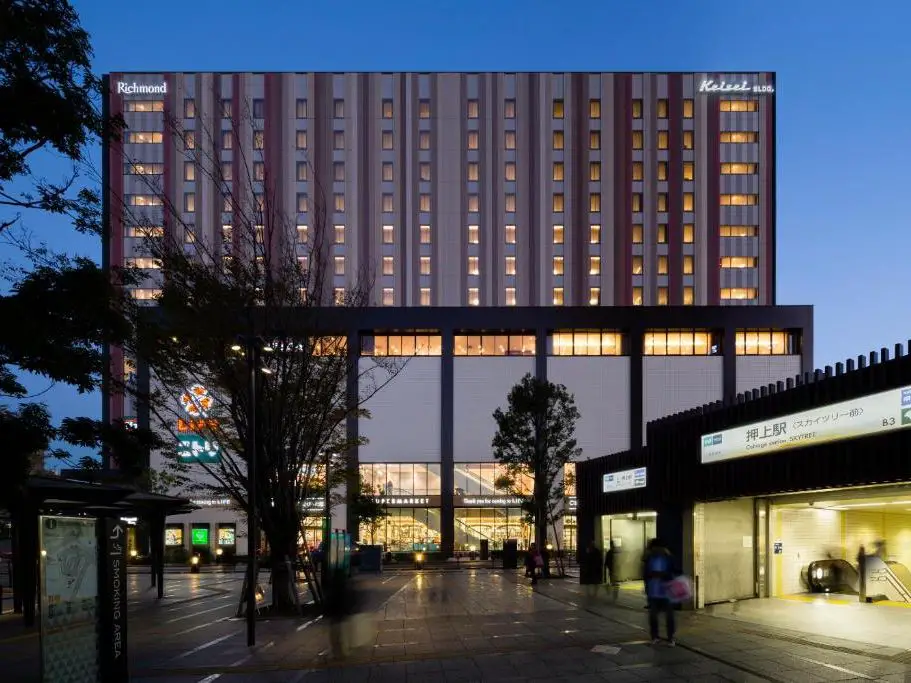
| 1. Richmond Hotel Premier Tokyo Schole Most Unique Stay Rating: ⭐⭐⭐⭐ Location: 1-minute walk to Tokyo Skytree, 2-minute walk to Oshiage Station Guest Reviews: Supermarket on ground floor, Sizzler buffet breakfast, spacious rooms, co-working lounge Best Room: Spa Premier Twin Room [No Smoking] Price: From USD $125 – $250 per night |
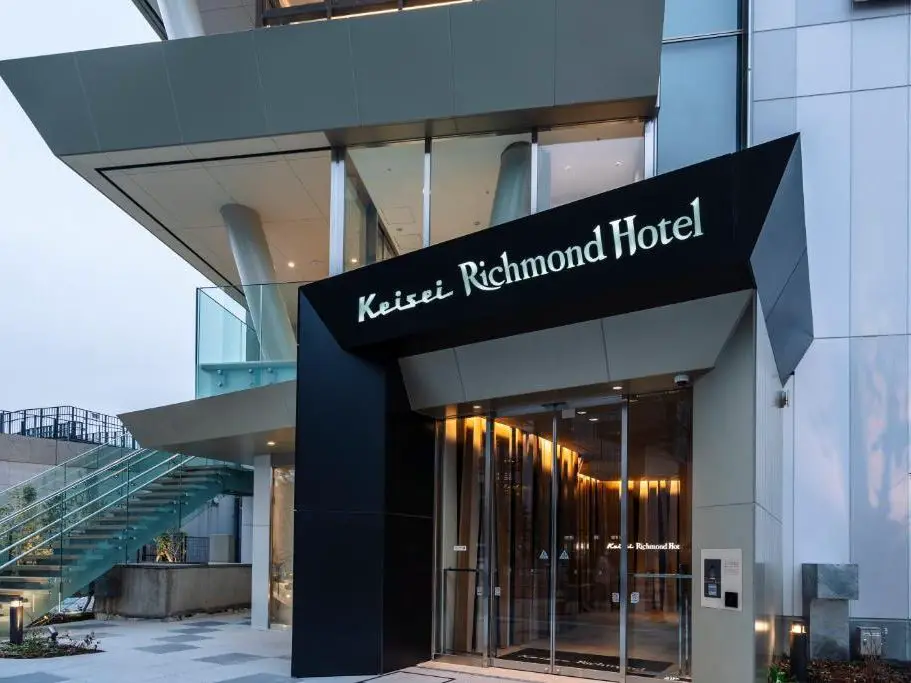
| 2. Keisei Richmond Hotel Tokyo Oshiage Closest Hotel to Tokyo Skytree Rating: ⭐⭐⭐ Location: 1-minute walk to Oshiage Station, 4-minute walk to Tokyo Skytree Guest Reviews: Kura Sushi on ground floor, buffet breakfast with local dishes, Skytree-view terrace on 13th floor, spacious clean rooms Best Room: [Skytree View] Junior Deluxe Twin Room – Non Smoking Price: From USD $115 – $200 per night |
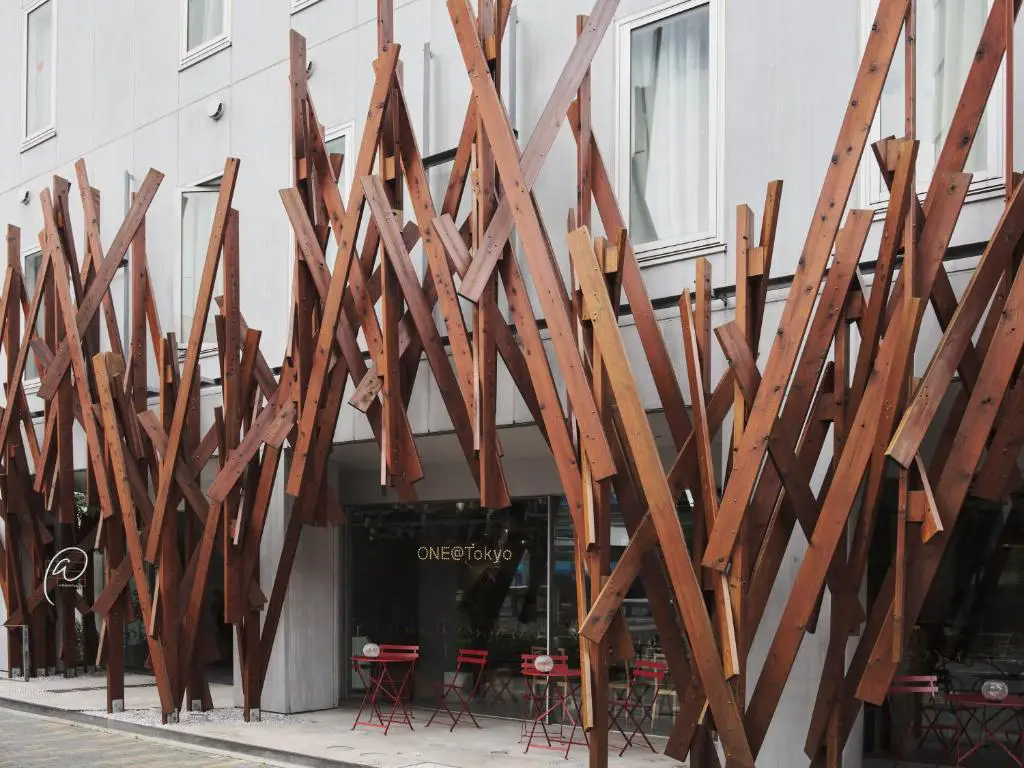
| 3. ONE@Tokyo by insomnia Best Rooftop Skytree View Rating: ⭐⭐⭐ Location: 3-minute walk to Oshiage Station, 6-minute walk to Tokyo Skytree Guest Reviews: Kengo Kuma-designed interiors, rooftop Skytree view, complimentary bread and coffee, spacious storage Best Room: Atelier Suite, Non Smoking Price: From USD $85 – $200 per night |
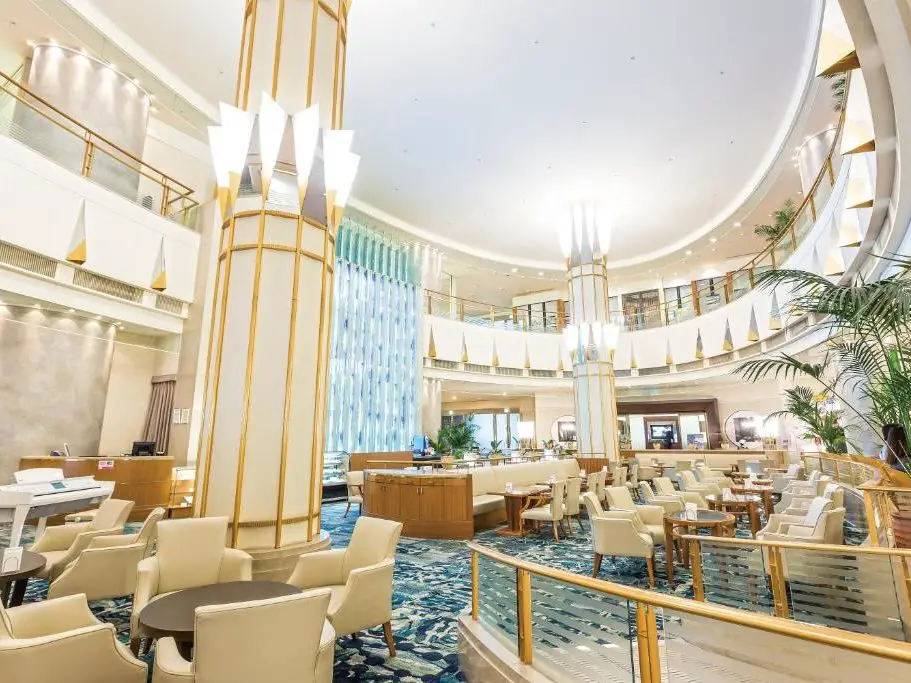
| 4. Tobu Hotel Levant Tokyo Best Skytree-View Dining Rating: ⭐⭐⭐⭐ Location: 3-minute walk to Kinshicho Station, 20-minute walk to Tokyo Skytree Guest Reviews: Official Skytree hotel, top-floor Skytree-view restaurant, free Disney Resort shuttle, airport limousine service Best Room: Deluxe Twin Room With Sky Tree View Price: From USD $100 – $220 per night |
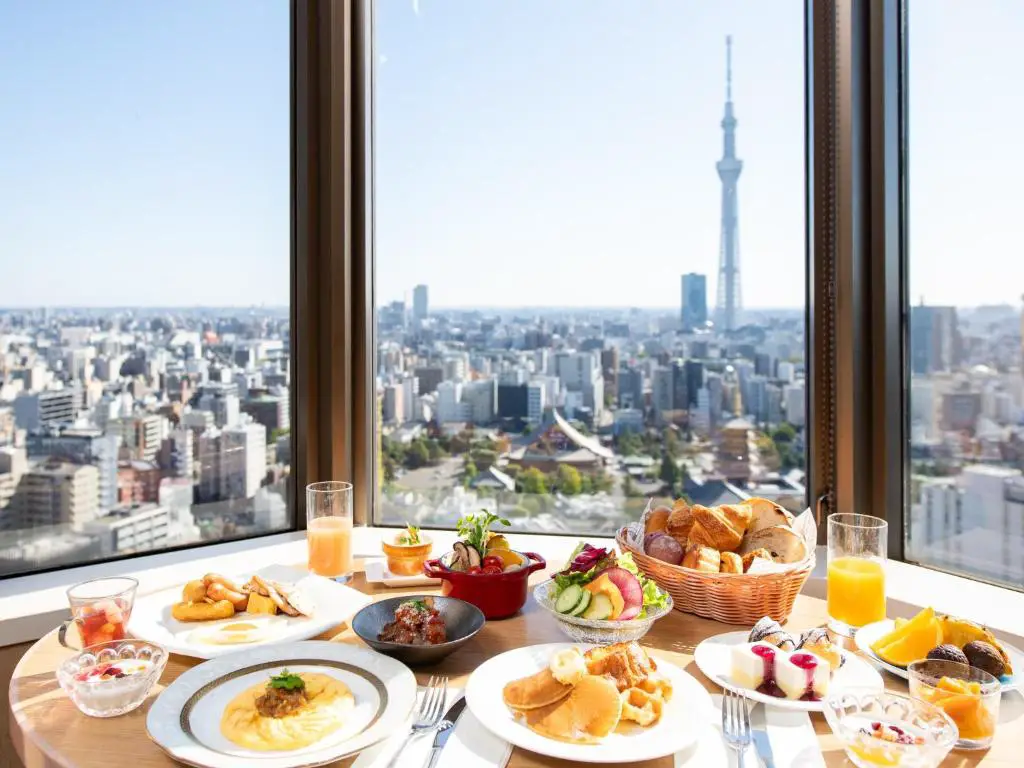
| 5. Asakusa View Hotel Rating: ⭐⭐⭐⭐ Location: 5-minute walk to Senso-ji Temple, 7-minute walk to Tawaramachi Station, 10-minute drive to Tokyo Skytree Guest Reviews: 26th-floor breakfast with Skytree panorama, Skytree-side and city-side room options, indoor pool, airport limousine from front door Best Room: Executive ASAKUSA Suite with Skytree Side Price: From USD $150 – $300 per night |

| 6. The Gate Hotel Asakusa Kaminarimon by Hulic Best for Exploring Asakusa Rating: ⭐⭐⭐⭐ Location: 1-minute walk to Kaminarimon Gate, 2-minute walk to Asakusa Station, 15-minute walk to Tokyo Skytree Station Guest Reviews: Rooftop terrace with Skytree and Asakusa views, rooms above Nakamise shopping street, 24-hour restaurant, pajamas provided Best Room: Suite King Room, Non Smoking (with Private Balcony) Price: From USD $130 – $300 per night |
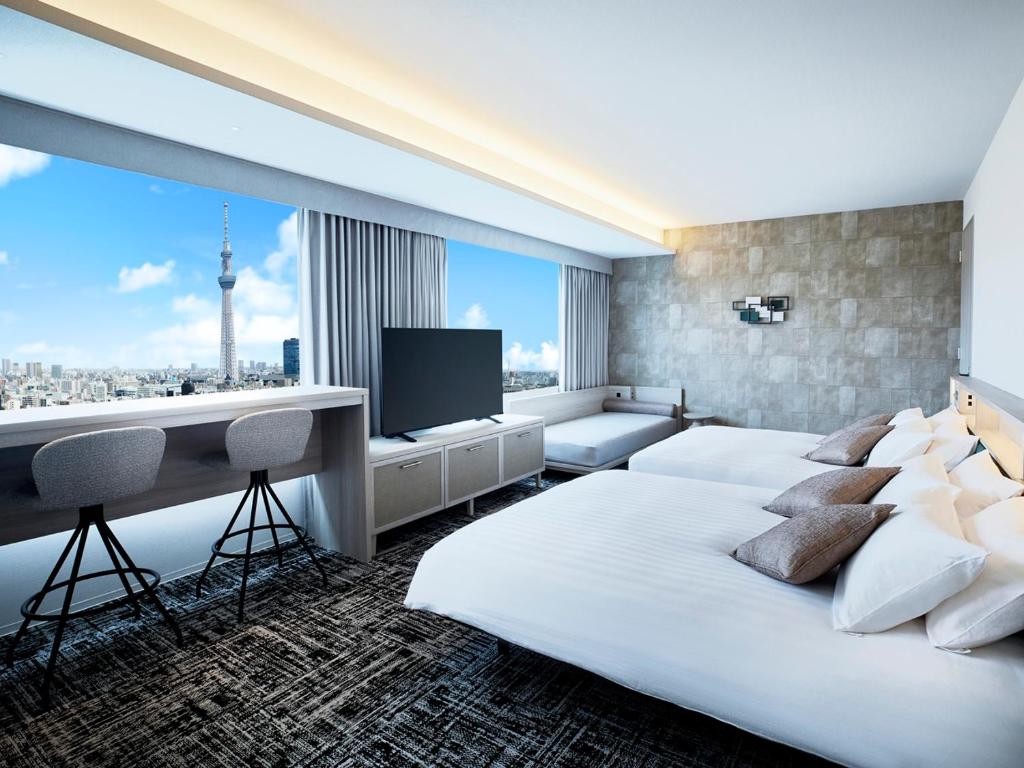
| 7. Lotte City Hotel Kinshicho Best Skytree View from Afar Rating: ⭐⭐⭐ Location: Direct connection to Kinshicho Station (Exit 5), 19-minute walk or 3-minute train to Tokyo Skytree Guest Reviews: Unobstructed Skytree view from upper floors, 7-Eleven on ground floor, Charlotte buffet breakfast, two on-site Irish pubs Best Room: Standard Deluxe Tower View Twin Room, Non Smoking Price: From USD $95 – $200 per night |
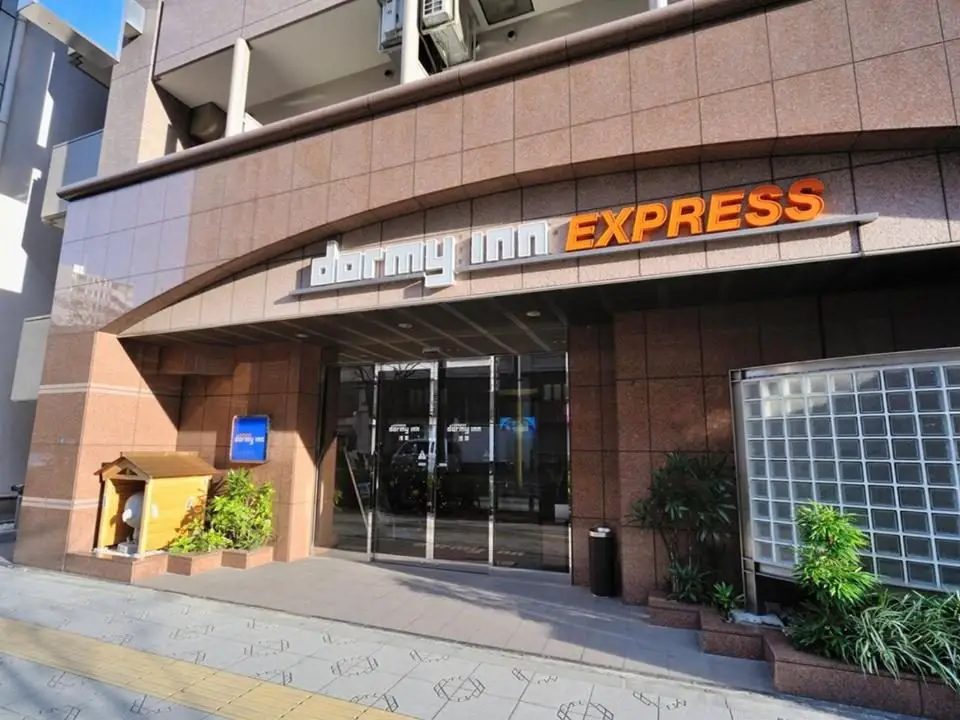
| 8. Dormy Inn EXPRESS Asakusa Hot Spring Best Onsen Stay Rating: ⭐⭐⭐ Location: 2-minute walk to Asakusa Station, 5-minute walk to Senso-ji Temple, 20-minute walk to Tokyo Skytree Guest Reviews: 10th-floor onsen with rooftop Skytree view, free evening ramen, riverfront balcony rooms, free ice cream and Yakult Best Room: Traditional Room, Non Smoking (Japanese-Western Style) Price: From USD $105 – $200 per night |
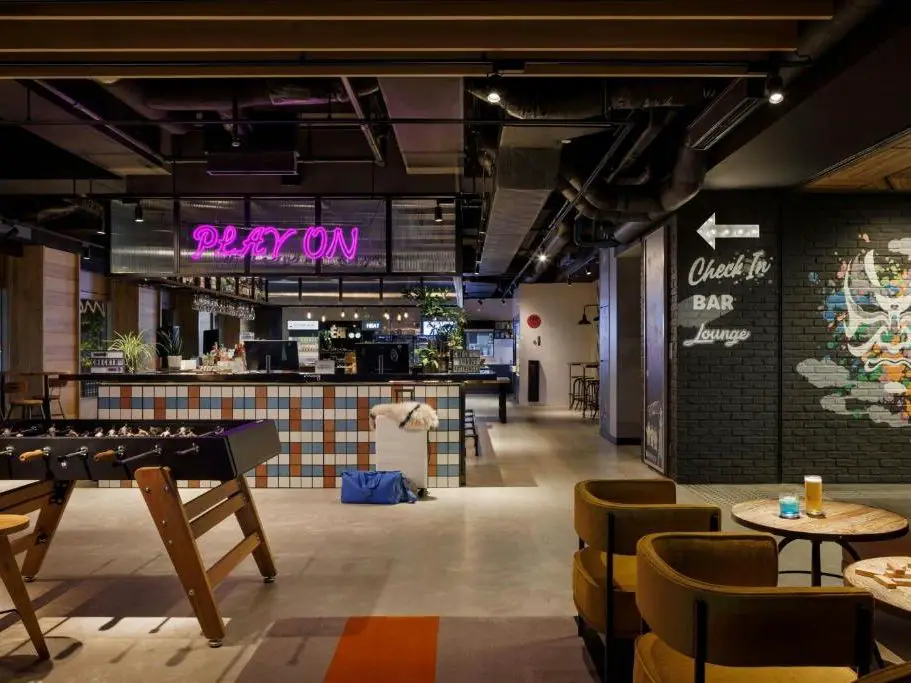
| 9. MOXY Tokyo Kinshicho Rating: ⭐⭐⭐⭐ Location: 5-minute walk to Kinshicho Station, 3-minute train to Oshiage for Tokyo Skytree Guest Reviews: Edo Pop design by Marriott, 24-hour noodle bar, weekend DJ nights, complimentary all-day drinks Best Room: Queen Room Price: From USD $100 – $200 per night |
Why Stay Near Tokyo Skytree
The Oshiage and Asakusa area offers more than just proximity to the tower. It’s one of Tokyo’s most liveable bases — practical, affordable, and full of character that most visitors only discover by accident.
- Airport access — Oshiage Station connects directly to both Narita and Haneda without transfers, on the Keisei and Toei Asakusa lines respectively. Arriving with luggage is painless compared to hotels in more central wards.
- Transport reach — Asakusa is 3 minutes by train, Shibuya around 30, and central Tokyo under 20 on the Hanzomon Line. The area is less central than Shinjuku but better connected than most visitors expect.
- The Sumida River walk — The Tokyo Mizumachi riverside path between Asakusa and Oshiage runs beneath the Tobu railway tracks, with cafes, small shops, and free Skytree views. No ticket, no queue.
- Shitamachi character — Ten minutes from the tower’s base, the streets turn quiet: sento bathhouses, family ramen shops, small shrines. This is old Tokyo, and it’s genuinely different from anything in Shinjuku or Ginza.
- Value — Hotels here run consistently cheaper than equivalents closer to the Imperial Palace or Roppongi, with similar or better transit access.
- Sumida Park — The park lines the riverbank opposite Asakusa and is one of the city’s best spots for cherry blossoms in late March and early April, with the tower rising directly behind the trees.
Which Area Suits You: Oshiage, Asakusa, or Kinshicho
Three distinct neighbourhoods make up the Skytree hotel corridor, and they feel quite different on the ground.
- Oshiage — The closest base to the tower, with the best hotel-to-Skytree walkability. Oshiage Station sits directly beneath the complex, and most hotels here are under a 10-minute walk. The neighbourhood is modern, residential, and quiet in the evenings. Good for first-timers who want to see the tower lit up at night from their hotel window, and for families who want to keep logistics simple. Less atmosphere than Asakusa but more convenient.
- Asakusa — About 20 minutes on foot or one subway stop from the tower. The better base if you’re planning to spend time in old Tokyo — Senso-ji, Nakamise shopping street, the riverside, and a dense concentration of good food options are all walkable. Hotels here tend to have more character, and the neighbourhood rewards slow exploration. The trade-off is that getting to the tower takes a small effort.
- Kinshicho — Further out, with the tower a 19-minute walk or 3-minute train ride away. Not a sightseeing neighbourhood in itself, but it offers strong transit connections, bigger rooms for the price, and unobstructed Skytree views from upper floors — something the closer hotels often can’t match because the angle is too steep. Worth considering if price-to-space ratio matters and you don’t need to be walkable to the base.
Getting to and Around the Area
Oshiage Station is the hub. Four separate lines run through it, which makes the neighbourhood significantly better connected than its off-centre location suggests.
- From Narita Airport — Take the Keisei Narita Sky Access Express directly to Oshiage Station (Keisei Oshiage Line). Journey time is around 65–75 minutes with no transfers. This is one of the most straightforward airport-to-hotel routes in Tokyo.
- From Haneda Airport — Take the Keikyu Airport Line to Oshiage via the Toei Asakusa Line. Around 50–60 minutes, again with no mid-journey transfer. Direct limousine buses also run from both airports to the Skytree area for a flat fare.
- Getting around Tokyo — The Hanzomon Line from Oshiage reaches Shibuya in about 30 minutes and connects to Ginza and the Marunouchi business district along the way. The Tobu Skytree Line gets you to Asakusa in 3 minutes. For Ueno and Akihabara, the Toei Asakusa Line is fastest.
- Asakusa to Skytree on foot — The Sumida River Walk pedestrian bridge connects Asakusa Station directly to Tokyo Mizumachi and the Skytree complex. The walk takes about 20 minutes and is one of the better walks in the city, particularly at dusk.
- IC card — Load an IC card (Suica or Pasmo) at the airport or any station. Every line serving Oshiage accepts it, and you won’t need to buy individual tickets for any journey in this part of Tokyo.
Visiting Tokyo Skytree: What You Need to Know Before You Go
The tower has two observation levels: the Tembo Deck at 350 metres and the Tembo Galleria at 450 metres. Most visits focus on the Tembo Deck, which has the restaurants, the souvenir shop, and the main viewing floor. The Galleria is a spiral glass tube that wraps around the upper section — worth adding if you want the highest point and don’t mind the extra cost, but not essential.
- Book tickets in advance — Walk-up tickets are available but sell out during busy periods, particularly weekends, national holidays, and Golden Week (late April to early May). The official Skytree website sells timed-entry tickets online, often at a small discount versus the counter price. Booking 2–3 days ahead is enough on most weekdays; weekends during peak season need more lead time.
- Best time to visit — Weekday mornings when the doors open (10am, or 9am on Sundays) offer the clearest light and shortest queues. Arriving an hour before sunset gives you both the daytime panorama and the city lights switching on — two views for one entry. Avoid mid-afternoon on weekends in spring and autumn.
- Best season for views — Winter (November to February) consistently produces the sharpest visibility. On clear winter mornings, Mount Fuji is visible to the southwest. Summer is hazy and the views lose definition, though the night scenery remains impressive year-round.
- Crowd forecast — The official Skytree website publishes a live crowd forecast by time of day. Check it before you set your visit time, especially if you’re going on a weekend.
- Practical notes — Large bags and backpacks over 25L are not permitted on the observation decks. Use the paid coin lockers on the ground floor before heading up. The elevator to 350 metres takes under a minute; ear pressure changes briefly but settles quickly.
What to Do Beyond the Tower
The Skytree complex sits at the centre of a walkable cluster of attractions that can fill a full day without going far.
- Tokyo Solamachi — The 300-shop mall built into the Skytree’s base covers everything from Japanese souvenirs and craft goods to food halls, a Pokémon Center, and several restaurants with open-kitchen dining. Floors 6 and 7 are the dining concentration; some window tables have direct Skytree views. Worth a browse even if you’re not a dedicated shopper — the basement food hall in particular is strong.
- Sumida Aquarium — Inside the Solamachi complex, on floors 5 and 6. Compact but well done, with a large open-top tank and good jellyfish displays. Takes 60–90 minutes and works well as a pre- or post-tower activity, especially for families.
- Tokyo Mizumachi — The riverside development running under the Tobu railway tracks between Asakusa and the Skytree complex. A mix of independent cafes, craft shops, and restaurants in a relaxed, low-key setting. Better for a morning coffee or a slow afternoon than serious shopping.
- Sumida Park — The riverbank park on the Asakusa side of the Sumida River. Good Skytree views from the paths along the water, and genuinely one of Tokyo’s best hanami (cherry blossom) spots in late March and early April. Free to enter, pleasant any time of year.
- Asakusa — One train stop or a 20-minute walk across the river. Senso-ji, Tokyo’s oldest temple, is the anchor, but the surrounding streets — particularly the alleyways west of Nakamise — are where the neighbourhood’s character lives. Early mornings before the tour groups arrive are the best time.
- Konica Minolta Planetarium Tenku — On the 7th floor of Solamachi. A full-dome digital planetarium with reclining seats and a strong programme. Popular with couples in the evening; book ahead on weekends.
When to Book and What to Expect on Prices
Hotel rates in the Oshiage and Asakusa area follow Tokyo’s broader seasonal pattern, but with a few quirks specific to the neighbourhood.
- Peak seasons — Spring (late March to early May, centred on cherry blossom season and Golden Week) and autumn (October to November) push hotel prices up sharply across Tokyo. Expect rates 20–40% above average during these windows, and limited availability close to the dates. The Skytree itself also sees its busiest crowds during these periods.
- Summer — July and August are hot and humid, which suppresses some demand. Rates drop, but Skytree views become hazier. A reasonable trade-off if budget matters more than visibility from the tower.
- Winter — November to February offers the best combination of lower hotel rates, thinner crowds, and the clearest observation deck views. If seeing Mount Fuji from the Tembo Deck is on your list, a clear winter morning is your best chance.
- How far ahead to book — Oshiage has a limited hotel pool compared to Shinjuku or Asakusa proper. The best rooms at Richmond Hotel Premier Tokyo Schole and Keisei Richmond Hotel Tokyo Oshiage sell out quickly during peak season. Booking 6–8 weeks ahead for spring visits and 3–4 weeks for other periods is a reliable approach.
- Skytree tickets and hotel together — Some hotels in the Oshiage area offer packages that include Skytree observation deck entry. Worth checking directly with the hotel before booking through a third party, as these can represent a meaningful saving during peak periods when tickets sell out online.
FAQs
1. Is it worth staying in Oshiage rather than a more central Tokyo neighbourhood?
For itineraries that include Skytree, Asakusa, and east Tokyo’s museums and sumo venues, Oshiage is a strong base — and cheaper than Shinjuku or Ginza equivalents. The trade-off is that it takes 25–30 minutes to reach Shibuya or the Imperial Palace area. If your plans are heavily weighted toward west Tokyo, a more central base will save you daily transit time.
2. Do I need to book Tokyo Skytree tickets in advance?
On weekdays outside peak season, same-day tickets are usually available at the counter. On weekends, national holidays, and during spring cherry blossom season, popular time slots sell out. Booking online 2–3 days ahead covers most scenarios, and you’ll often pay slightly less than the walk-up price.
3. Can I walk from Asakusa to Tokyo Skytree?
The walk takes about 20 minutes via the Sumida River Walk pedestrian bridge and Tokyo Mizumachi. It’s a pleasant route, especially at dusk, and passes several good cafes and viewpoints along the way. The train takes 3 minutes and costs around ¥160 if you prefer.
4. What is the difference between the Tembo Deck and Tembo Galleria?
The Tembo Deck at 350 metres is the main observation floor, with restaurants, a souvenir shop, and the widest viewing area. The Tembo Galleria at 450 metres is a narrower glass-walled spiral walkway around the upper section of the tower — a higher vantage point but a more limited space. Both require separate tickets. Most visitors find the Tembo Deck sufficient; the Galleria is worth adding if you want the full height experience.
5. Which hotels near Tokyo Skytree have views of the tower from the room?
Several hotels offer dedicated Skytree-view rooms, but the angle and quality vary significantly by distance. Keisei Richmond Hotel Tokyo Oshiage has rooms that face the tower directly from very close range — the view is large and close-up rather than panoramic. Lotte City Hotel Kinshicho and Tobu Hotel Levant Tokyo offer wider, more composed views from further away. ONE@Tokyo by insomnia and Asakusa View Hotel have rooftop or high-floor Skytree sightlines rather than direct room views.
6. When is the best time to see Tokyo Skytree lit up at night?
The tower illuminates nightly after dark, with the colour scheme changing by season and for special events. From hotels in Oshiage, the illumination is visible from the street at any time. The light show is clearest on dry, still nights — autumn and winter evenings tend to give the sharpest display. The official Skytree website publishes the current lighting schedule in advance.
7. Is the Oshiage area safe and easy to navigate for first-time visitors to Japan?
Oshiage is a quiet, residential ward with very low crime and straightforward navigation. Oshiage Station has clear English signage, and the Solamachi complex provides a large, staff-assisted landmark for orientation. Most convenience stores, restaurants, and shops in the immediate area have at minimum basic English menus or picture menus. It is an easier first-night neighbourhood than some of the busier tourist hubs.
8. Are there free spots to see Tokyo Skytree without paying for the observation deck?
Several good vantage points around Oshiage and Asakusa offer strong Skytree views at no cost. Sumida Park on the Asakusa riverbank gives a wide view with the river in the foreground. The rooftop terrace at ONE@Tokyo by insomnia is open to hotel guests. The Sumida River Walk pedestrian bridge offers an unobstructed mid-distance view. For a composed photo with the tower framed behind the river and bridges, the banks near Kototoi Bridge on the Asakusa side are a local favourite.