
Tokyo has no shortage of neighbourhoods worth basing yourself in, but this stretch — running from the forest edge of Meiji Shrine through the boutiques of Cat Street and down the tree-lined boulevard to Aoyama — earns its place as one of the city’s best. You’re within walking distance of some of Tokyo’s most rewarding streets, yet the area itself stays surprisingly calm once you’re off the main drags. The hotels here range from design-forward boutiques on Cat Street to polished towers with rooftop bars over the cityscape, and the list below covers the best of them.
Quick answer: Book TRUNK (HOTEL) Cat Street. It’s on Cat Street, the pedestrian backstreet linking Harajuku and Shibuya, so the boutiques and cafés start at the door.
Table of Contents
Where to Stay
Most Luxurious Stay
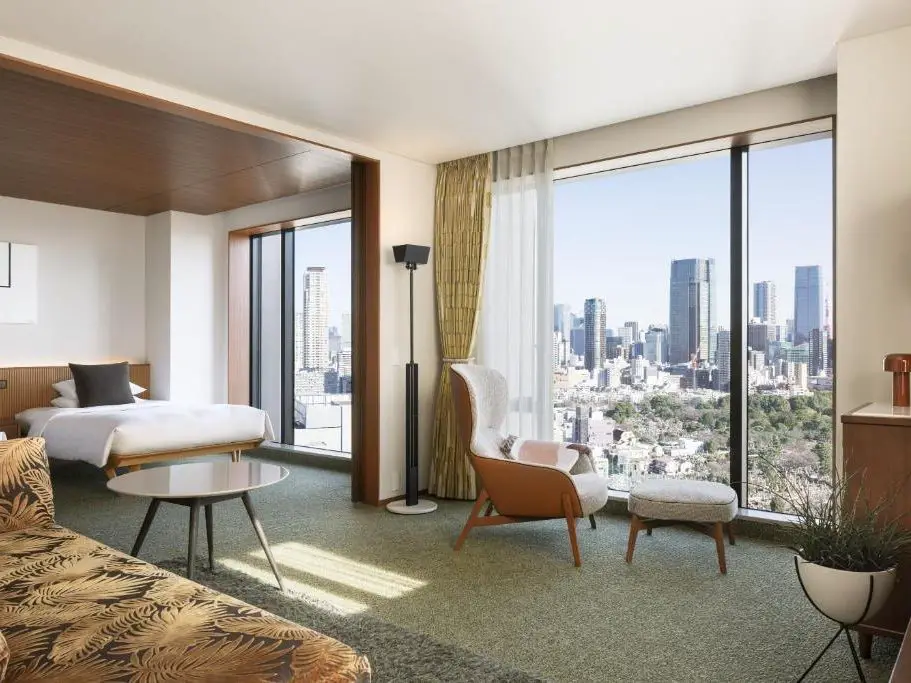
1. The Aoyama Grand Hotel
Rating: ⭐⭐⭐⭐⭐
Location: 8-min walk to Omotesando Hills; 3-min walk to Gaienmae Station
Guest Reviews: Free complimentary minibar, rooftop Tokyo Tower views, spacious mid-century rooms, concierge arranged full dining itineraries
Best Room: Deluxe King Room with City View
From USD $430 – $700 per night
Best Boutique Hotel
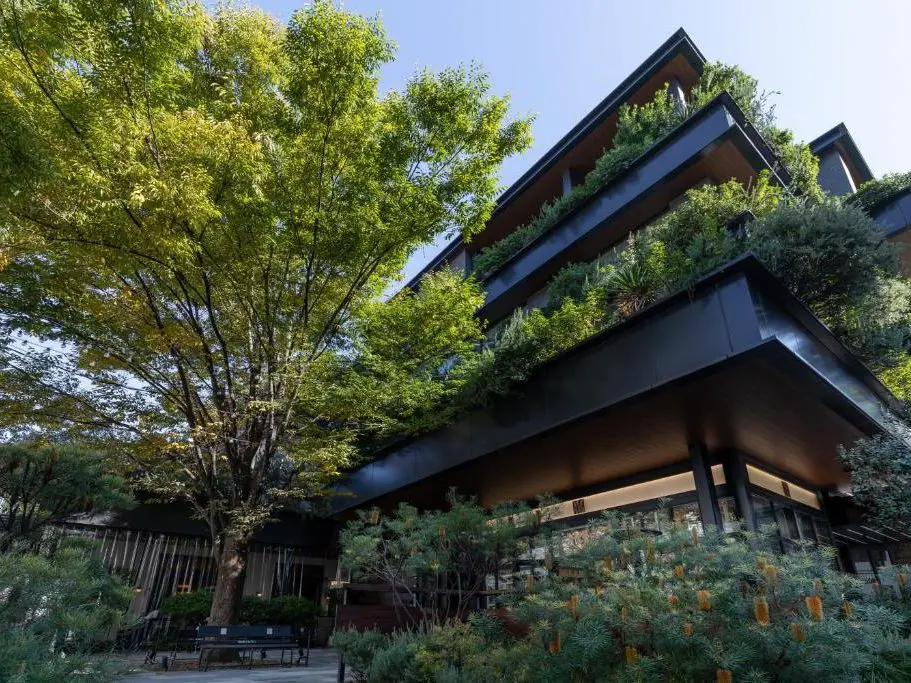
2. TRUNK (HOTEL) Cat Street
Rating: ⭐⭐⭐⭐
Location: 6-min walk to Meiji-Jingumae Harajuku Station; 10-min walk to Omotesando Hills
Guest Reviews: Private terrace balconies with greenery, lively bar with evening DJ, skewer restaurant TRUNK(KUSHI) on-site, art-curated rooms with floor-to-ceiling windows
Best Room: Living Suite (55 sqm) Non Smoking
From USD $350 – $700 per night
Best for Greenery and Calm
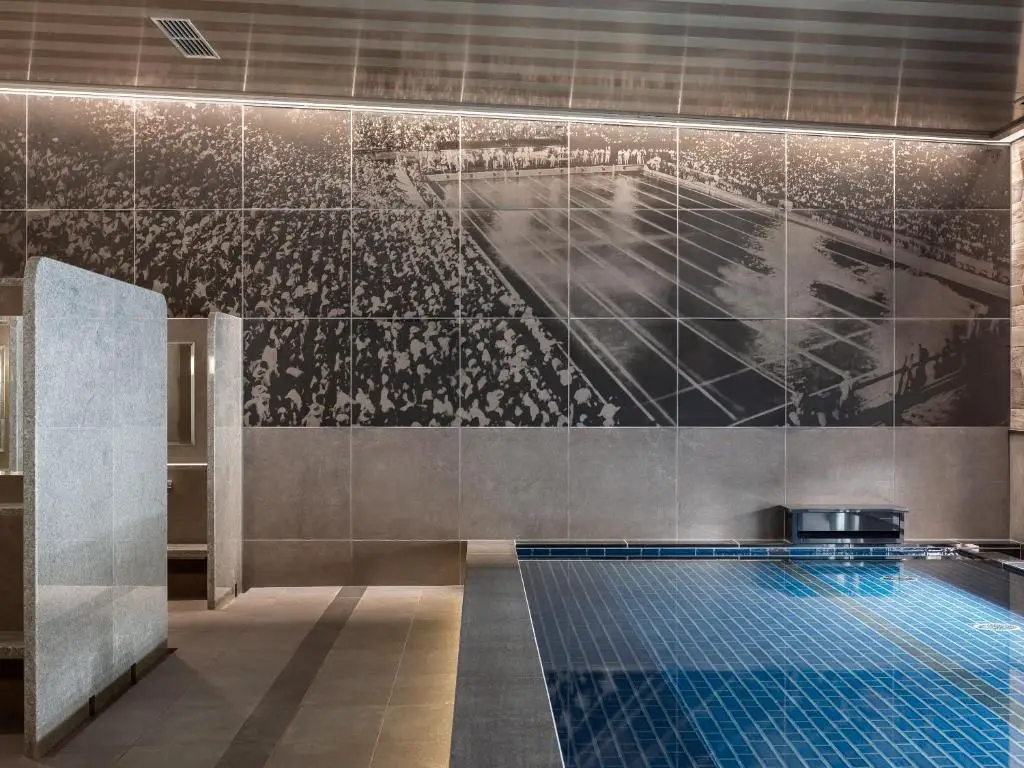
3. Mitsui Garden Hotel Jingugaien Tokyo Premier
Rating: ⭐⭐⭐⭐
Location: 12-min walk to Harajuku Station; 1-min walk to Kokuritsu-Kyogijo Station
Guest Reviews: Large public bath overlooking Jingu Gaien greenery, balcony rooms with forest views, freshly baked bread from in-house bakery, peaceful setting beside the National Stadium
Best Room: Deluxe Twin Room with Balcony
From USD $125 – $300 per night
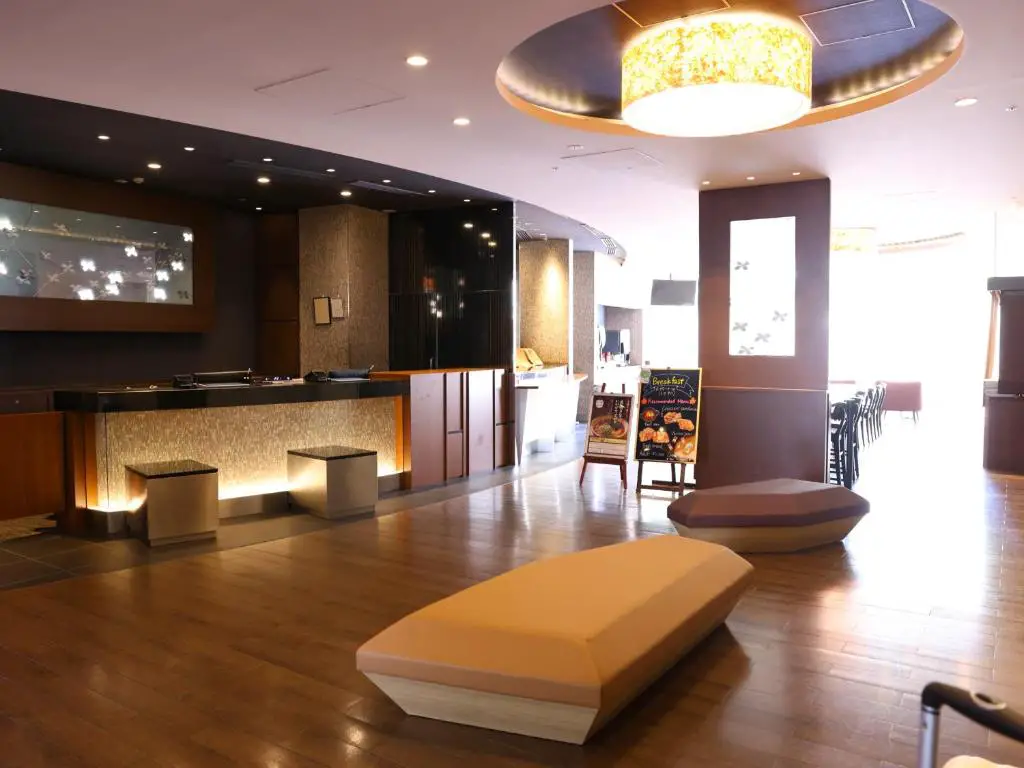
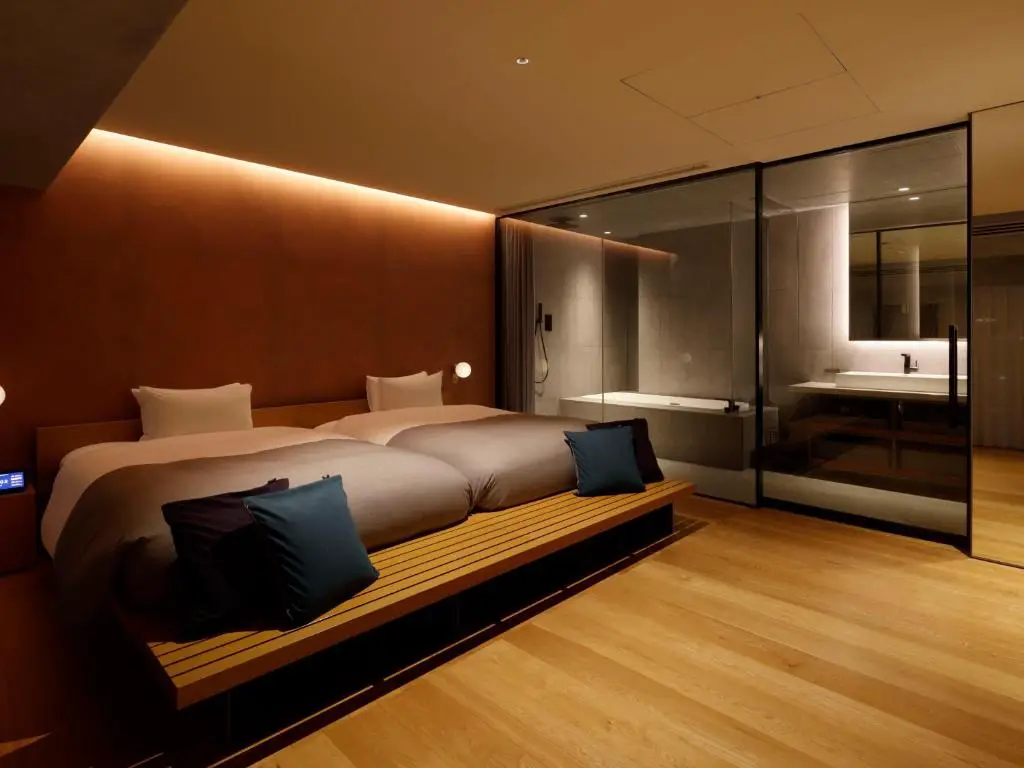
4. Dormy Inn Premium Shibuya-Jingumae
Rating: ⭐⭐⭐
Location: 5-min walk to Meiji-Jingumae Harajuku Station; 6-min walk to Omotesando Hills
Guest Reviews: Natural hot spring public bath, free late-night ramen service, hydromassage showers, coin laundry with free detergent
Best Room: Corner Twin, Non-Smoking
From USD $170 – $400 per night
Best for Shoppers
5. sequence MIYASHITA PARK – Shibuya
Rating: ⭐⭐⭐⭐
Location: 5-min walk to Shibuya Station; 15-min walk to Harajuku Station
Guest Reviews: Spacious King rooms large by Tokyo standards, direct access to Miyashita Park skate park and shops, rooftop café on the 4th floor, walking distance to Cat Street and Omotesando
Best Room: King Room, Non Smoking (Park Side)
From USD $160 – $350 per night
Best City Views
6. Hotel Indigo Tokyo Shibuya by IHG
Rating: ⭐⭐⭐⭐
Location: 4-min walk to Shibuya Crossing; 13-min walk to Yoyogi Park
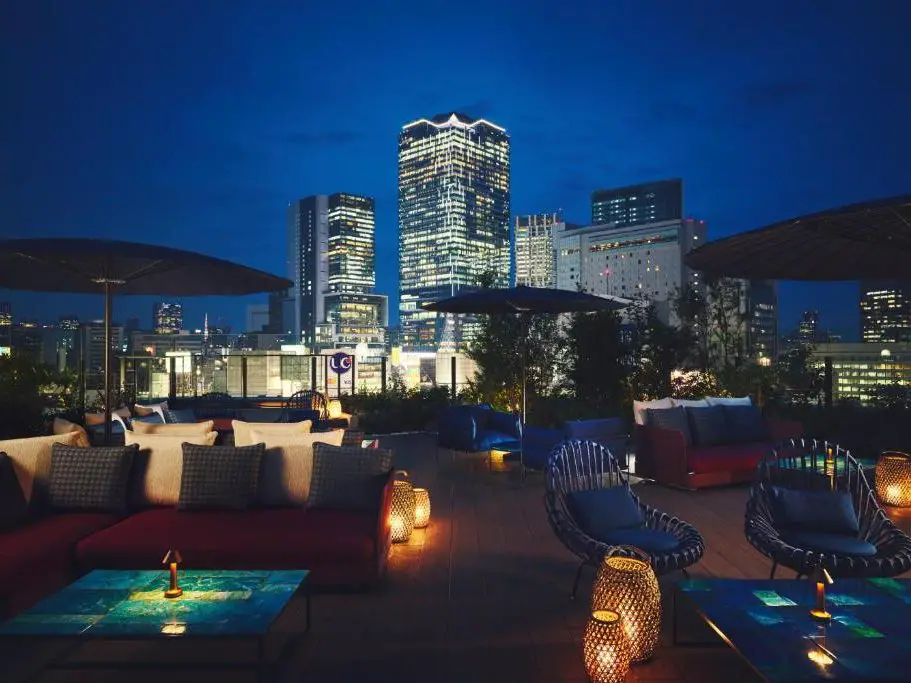
Guest Reviews: Separate bath and shower in premium rooms, rooftop terrace bar Gallery11 with city views, pyjamas and bathrobes provided daily, 24-hour gym
Best Room: Premium King Room with Scramble View and Separate Bath
From USD $350 – $650 per night
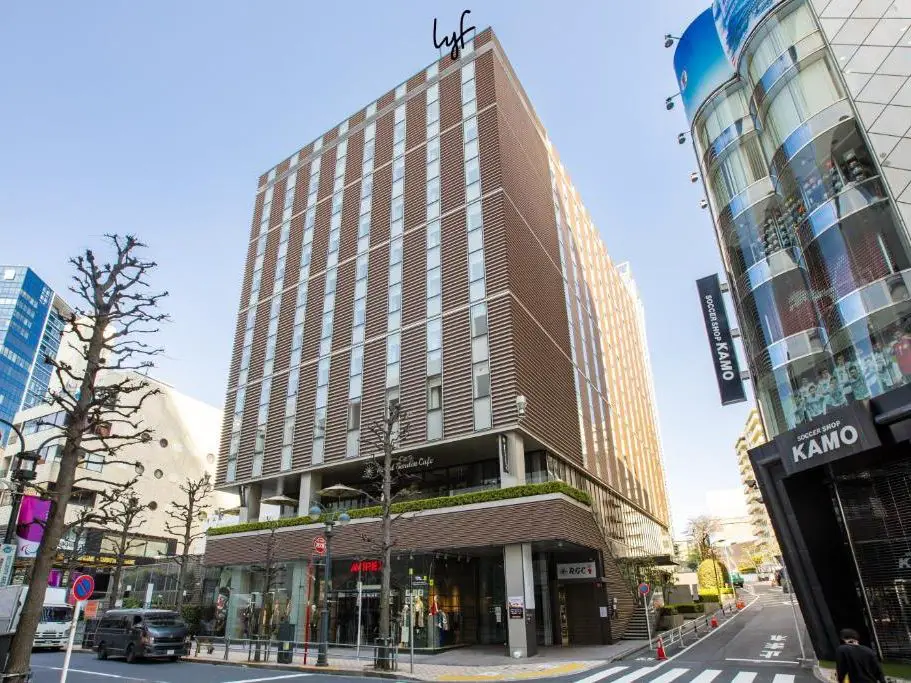
7. lyf Shibuya Tokyo
Rating: ⭐⭐⭐⭐
Location: 5-min walk to Shibuya Station; 13-min walk to Meiji-Jingumae Harajuku Station
Guest Reviews: Communal kitchen and co-living social spaces, under-bed storage for efficient small-room design, 24-hour gym, directly opposite Parco mall
Best Room: Studio, 1 Double Bed (One of a Kind)
From USD $140 – $300 per night
Best-Connected Hotel
8. Shibuya STREAM HOTEL
Rating: ⭐⭐⭐⭐
Location: Directly connected to Shibuya Station; 2-min walk to Shibuya Sky
Guest Reviews: Tokyo Tower views from upper-floor rooms, complimentary Ogawa Coffee in superior rooms and above, direct station connection for Narita Express access, spacious corner rooms by Tokyo standards
Best Room: Deluxe Stream Double Room, 1 King Bed, Non Smoking, City View
From USD $200 – $500 per night
Best Value
9. Nippon Seinenkan Hotel
Rating: ⭐⭐⭐
Location: 12-min walk to Harajuku Station; 6-min walk to Gaienmae Station; next to Jingu Stadium
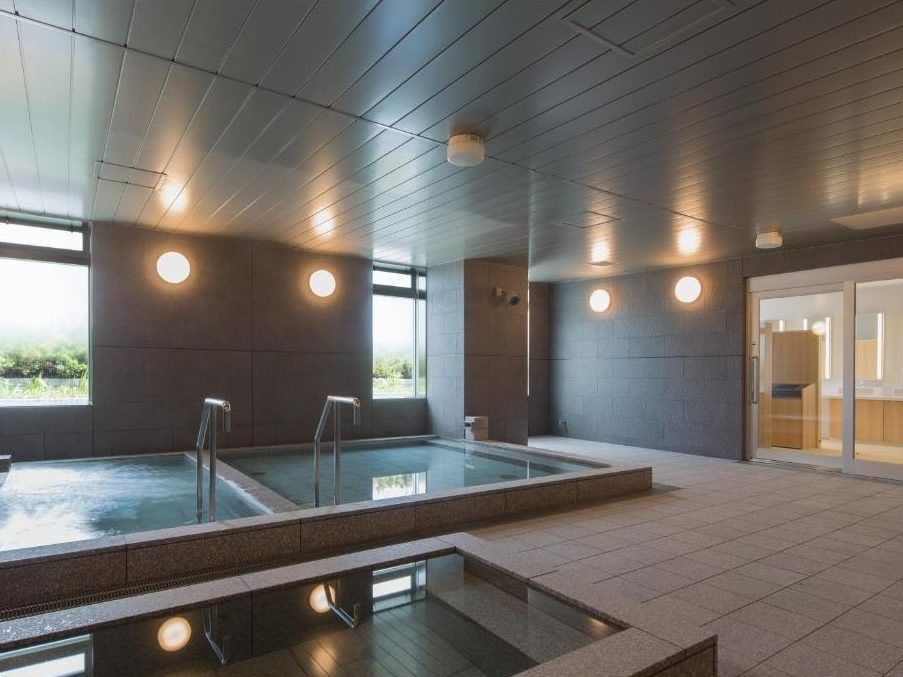
Guest Reviews: Gender-separated public baths on the 10th floor with jacuzzi and cold bath, Simmons beds across all room types, Jingu Stadium and Shinjuku skyline views from upper floors, quiet rooms with strong soundproofing
Best Room: Deluxe Large Bed Twin Room, Non Smoking
From USD $100 – $250 per night
Best for Longer Stays
10. Oakwood Residence Aoyama Tokyo
Rating: ⭐⭐⭐⭐
Location: 8-min walk to Omotesando Hills; 4-min walk to Gaienmae Station
Guest Reviews: Full kitchen with oven and stovetop, washer-dryer in room, city views including Mount Fuji on clear days, organic supermarket directly across the street
Best Room: 1 Bedroom Deluxe
From USD $200 – $400 per night
Why This Part of Tokyo
Harajuku and Omotesando sit at the hinge point between three of Tokyo’s biggest neighbourhoods — Shibuya to the south, Shinjuku to the north, Aoyama curving east toward Roppongi — but the streets here are quieter, lower-rise, and far more walkable than any of them. It’s the part of the city where you can spend a full morning without touching a train, then step on the Ginza Line and be in Ginza in nine minutes.
- It suits a specific kind of trip — If your priorities are fashion, architecture, art, and good coffee rather than nightlife and neon, this zone fits better than Shibuya or Shinjuku. The streets around Cat Street and Omotesando are designed for wandering slowly, not moving fast. Visitors who want to be close to Meiji Shrine and Yoyogi Park in the morning and Aoyama’s dining backstreets in the evening will find this area hard to beat as a base.
- The pace is different from the rest of central Tokyo — Shinjuku and Shibuya are loud, busy, and relentlessly commercial at street level. This zone is not. The zelkova trees on Omotesando boulevard, the residential quiet of Minami-Aoyama, and the pedestrian backstreets of Cat Street give the area a texture that most of central Tokyo doesn’t offer. That calm doesn’t cost you access — the Yamanote Line at Harajuku Station connects to the whole city in minutes.
- The hotel pool here skews boutique and design-led — You won’t find many generic business hotels in this zone. What you will find is a concentrated cluster of independently minded properties — TRUNK (HOTEL) Cat Street, The Aoyama Grand Hotel, lyf Shibuya Tokyo, Oakwood Residence Aoyama Tokyo — that tend to attract guests who want their accommodation to feel like part of the neighbourhood rather than a neutral box to sleep in.
- Walkability is the zone’s strongest practical argument — Meiji Shrine, Takeshita Street, Cat Street, Omotesando Hills, and Yoyogi Park are all reachable on foot from every hotel on this list. That matters in a city where even short train journeys eat into a day.
The Three Pockets of the Zone
The area that sits loosely between Harajuku Station and Omotesando Station is not one neighbourhood — it’s three distinct pockets with different characters, different transport access, and different hotels anchoring them. Where you stay within this zone shapes the experience as much as which hotel you choose.
- Harajuku and Jingumae — The northern end of the zone, built around JR Harajuku Station and Meiji-Jingumae Station on the Tokyo Metro. This is where Takeshita Street runs — the narrow pedestrian lane of kawaii fashion, crepe shops, and teenage energy that draws visitors from across the world. It’s also where Meiji Shrine sits, just across the tracks, surrounded by 70 hectares of forest that feels completely removed from the city. Hotels here — including Dormy Inn Premium Shibuya-Jingumae and Mitsui Garden Hotel Jingugaien Tokyo Premier — offer the shortest walk to the shrine and to the Jingu Gaien green space. Transport-wise, Meiji-Jingumae Station puts you one stop from Shibuya and connects directly to Ikebukuro via the Fukutoshin Line.
- Cat Street and the Jingumae corridor — The middle stretch, running along the pedestrian backstreet that connects Harajuku and Shibuya. Cat Street is approximately one kilometre of independent boutiques, vintage clothing shops, coffee roasters, and low-key galleries — calmer and more interesting than Takeshita Street, and without the crowds. TRUNK (HOTEL) Cat Street sits directly on it. This pocket has no single dominant station — Meiji-Jingumae is closest to the Harajuku end, Shibuya Station to the south — but that’s partly the point: the entire area is designed to be walked rather than trained between.
- Omotesando and Aoyama — The southern and eastern end of the zone, anchored by Omotesando Station and Gaienmae Station on the Tokyo Metro Ginza Line. This is where the tree-lined boulevard runs through its full length — architect-designed flagship stores, Omotesando Hills, Nezu Museum — before bleeding into the quieter backstreets of Minami-Aoyama. Hotels here — The Aoyama Grand Hotel and Oakwood Residence Aoyama Tokyo — sit closest to this end of the zone. Shibuya is four minutes by train from Omotesando Station on the Ginza or Hanzomon Line; Ginza is nine minutes without a transfer.
What You Can Walk To
Every hotel on this list is within walking distance of at least half a dozen places worth a full visit. The list below covers the main draws within 20 minutes on foot from the centre of the zone.
- Meiji Shrine — 5 to 15 minutes depending on your hotel, through a forested path that starts immediately after crossing the railway bridge at Harajuku Station. One of Tokyo’s most visited sites and one of the few places in central Tokyo that genuinely feels calm at any hour. Worth arriving early on weekdays to avoid tour groups. Closed occasionally for ceremonies — check ahead.
- Yoyogi Park — Directly adjacent to Meiji Shrine, the park is a 70-hectare open space used by locals for picnics, weekend drum circles, dog walking, and amateur sports. On Sunday afternoons the entrance near Harajuku Station draws rockabilly dancers and cosplayers. In late March and early April it becomes one of Tokyo’s best cherry blossom viewing spots.
- Takeshita Street — 5 minutes from JR Harajuku Station, a narrow pedestrian lane that functions as the ground zero of Tokyo’s youth fashion culture. Busy on weekends, manageable on weekday mornings. Worth one pass even if you’re not buying anything — the density of visual noise is an experience in itself.
- Cat Street — 8 to 12 minutes from most hotels in the zone. The calmer, more design-conscious alternative to Takeshita Street: independent streetwear boutiques, vintage luxury resellers like Ragtag, specialty coffee at The Matcha Tokyo and Koffee Mameya, and enough wall art to keep you occupied for a full morning.
- Omotesando Hills — At the midpoint of the boulevard, a Tadao Ando-designed shopping complex built around a sloping central atrium. Worth visiting as much for the architecture as the retail. Quieter on weekday mornings.
- Nezu Museum — 15 to 20 minutes on foot from the Omotesando end of the zone, or a short walk from Omotesando Station. A private collection of Japanese and East Asian art in a Kengo Kuma-designed building with a genuine garden — stone lanterns, koi ponds, bamboo paths, hidden teahouses. One of the most underrated museums in Tokyo. Closed Mondays and during exhibition changeovers; admission around ¥1,300.
- Aoyama Cemetery — 15 minutes from the Omotesando/Aoyama end of the zone, a large hilltop cemetery that doubles as one of Tokyo’s better cherry blossom spots in late March and early April, when the paths between graves fill with low-hanging branches in bloom. Quiet and worth visiting year-round.
- Jingu Gaien Ginkgo Avenue — 10 to 15 minutes from hotels near the Jingumae corridor or Nippon Seinenkan. A 300-metre avenue of 146 ginkgo trees that turns brilliant gold in mid to late November. One of the most photographed autumn scenes in Tokyo.
How to Choose the Right Hotel for Your Trip
The 10 hotels here cover a wide range of positions, prices, and personalities. The most useful way to narrow the list is to think about what you want the hotel itself to add to the stay, not just what it’s near.
- If the neighbourhood experience is the whole point — TRUNK (HOTEL) Cat Street is the obvious choice. It sits on Cat Street itself, its bar and restaurant draw locals as much as guests, and the design philosophy — locally sourced materials, artist collaborations, fashion-industry staff uniforms — puts it in direct conversation with the surrounding area. The trade-off is room size, which is small even by Tokyo standards in the standard category. Book a Living Suite if budget allows.
- If you want luxury and space without sacrificing the zone — The Aoyama Grand Hotel delivers both. Rooms start at 32 sqm and go to full suites, the minibar is complimentary, four restaurants are on-site, and the Gaienmae Station location keeps you two minutes from the Ginza Line. It’s the most polished hotel in this list by some distance.
- If you’re staying longer than five nights — Oakwood Residence Aoyama Tokyo and lyf Shibuya Tokyo both offer in-room kitchens and washer-dryers, making them practical in a way that standard hotels aren’t for extended stays. Oakwood adds a full oven and twice-weekly housekeeping; lyf adds communal co-living spaces and a 24-hour gym. Oakwood is the quieter, more residential option; lyf is younger and more social.
- If station access is the priority — Shibuya STREAM HOTEL is directly connected to Shibuya Station, which puts the Narita Express on your doorstep and every major Tokyo line within a single transfer. The trade-off is that it sits at the Shibuya end of the zone, which is louder and busier than the Harajuku or Aoyama end.
- If you want a public bath without leaving the hotel — Both Dormy Inn Premium Shibuya-Jingumae and Mitsui Garden Hotel Jingugaien Tokyo Premier have on-site public baths. The Dormy Inn’s hot spring is the more characterful of the two, drawing on natural spring water; the Mitsui Garden’s bath overlooks the Jingu Gaien greenery and includes a jacuzzi. Nippon Seinenkan Hotel also has gender-separated public baths on the 10th floor at the most accessible price point of the three.
- If views matter — Upper floors at Hotel Indigo Tokyo Shibuya by IHG face the Shibuya Scramble with a separate bath and city panorama. Upper floors at The Aoyama Grand Hotel reach Tokyo Tower on clear days. The Shibuya STREAM HOTEL offers Tokyo Tower views from high-floor rooms on the city-facing side.
When to Come
This zone has four windows that genuinely affect what you’ll get from it — two worth planning around, two worth either targeting or avoiding depending on your tolerance for crowds and prices.
- Late March to mid-April — cherry blossom season — Yoyogi Park and Aoyama Cemetery both rank among Tokyo’s best hanami spots, and the Omotesando boulevard itself gains a softer, pinker light as the zelkova trees bud. The trade-off is significant: hotel prices across the zone rise 30 to 50 percent above shoulder season, properties fill weeks in advance, and Yoyogi Park on a Saturday afternoon at peak bloom is not a calm experience. If you’re coming specifically for sakura, aim for the first two weeks of April rather than the final week of March, when full bloom is more likely but the crowds have not yet peaked.
- Late April to early May — Golden Week — Japan’s largest domestic holiday cluster. Takeshita Street becomes extremely congested, Meiji Shrine queues lengthen significantly, and hotel availability across the zone tightens to near capacity. Prices stay elevated. Worth avoiding unless your dates are fixed — and if they are, book at least two to three months ahead.
- Mid to late November — autumn foliage — The Jingu Gaien ginkgo avenue is the centrepiece, turning gold across a 300-metre stretch typically between mid and late November. The Aoyama Cemetery also holds colour well into late November. Crowds are lighter than cherry blossom season, the weather is dry and cool, and prices sit at shoulder-season rates. This is arguably the most pleasant window to be in this zone.
- Late November to February — winter illuminations — Omotesando boulevard hosts one of Tokyo’s most-photographed winter illumination displays across the zelkova trees. The exact dates and scale vary each year, so confirm ahead of arrival. The zone is at its quietest in January and February — prices are low, crowds are thin, and the area’s indoor attractions (Nezu Museum, the hotels’ own restaurants and bars) become more central to the experience.
Eating and Drinking in the Area
The zone runs from cheap and cheerful at the Harajuku end to quietly expensive in Aoyama, with a genuinely interesting middle ground along Cat Street and the Omotesando backstreets that rewards exploring on foot.
- Morning coffee and breakfast — The Omotesando and Cat Street corridor has some of Tokyo’s best independent coffee. Koffee Mameya, a reservation-preferred single-origin café near Omotesando Hills, is one of the city’s benchmark specialty roasters. The Matcha Tokyo on Cat Street is the go-to for matcha lattes and soft-serve. For sit-down brunch, Harajuku is known for its thick, soufflé-style pancakes — Bills Omotesando and Rainbow Pancakes are the most visited, with queues on weekends. Weekday mornings are considerably easier.
- Lunch on the boulevard and backstreets — Omotesando’s side streets hold a dense concentration of independent lunch spots, most of them small and often without English menus. Harajuku Gyoza Lou on the Harajuku side is a reliable, no-frills option with short queues at opening time. The food floor inside Gyre Mall on Omotesando is useful for a mid-shopping pause. Budget around ¥1,000 to ¥1,500 for a casual lunch; Aoyama restaurants tend to start higher.
- Evening dining in Aoyama — The backstreets of Minami-Aoyama and Kita-Aoyama hold some of Tokyo’s most acclaimed small restaurants. This is not a nightlife area in the Shibuya or Shinjuku sense — it’s quieter, more reservation-dependent, and skews toward couples and food-focused visitors. The in-house restaurants at The Aoyama Grand Hotel (four venues including the rooftop bar The Top) and TRUNK (HOTEL) Cat Street (TRUNK KITCHEN and TRUNK KUSHI) are genuinely good options for a meal that doesn’t require leaving the building.
- Late night and convenience — The zone quiets down earlier than Shibuya or Shinjuku. After around 10pm, options thin out noticeably in the Aoyama pocket. The Harajuku and Shibuya ends hold up better — a Family Mart directly opposite lyf Shibuya Tokyo and a Don Quijote near Hotel Indigo Tokyo Shibuya by IHG cover late-night basics. The Dormy Inn Premium Shibuya-Jingumae offers complimentary ramen noodles until late, which is worth knowing if you arrive at the hotel hungry after an evening out.
FAQs
1. Is Harajuku or Omotesando a good area to stay in Tokyo?
Both are excellent bases for visitors who want walkability, fashion, and cultural attractions without the noise of Shibuya or Shinjuku. The zone sits between three major transport hubs — Shibuya, Shinjuku, and central Aoyama — and connects quickly to most of Tokyo by subway. The main drawback is that hotel supply here is smaller than in Shinjuku or Shibuya, so prices tend to run slightly higher.
2. How far is Harajuku from Shibuya?
One stop on the JR Yamanote Line, which takes around two minutes. On foot, the walk from JR Harajuku Station to Shibuya Crossing via Cat Street takes roughly 20 to 25 minutes and passes some of the zone’s best shops and cafes.
3. Is Omotesando walkable from Shibuya?
From Shibuya Station, Omotesando is about a 20-minute walk north along Cat Street or up the main Omotesando boulevard. By train it’s two minutes on the Ginza or Hanzomon Line. Most visitors staying in the Harajuku and Omotesando zone walk between the two rather than take the train.
4. What is the difference between Harajuku and Omotesando?
Harajuku centres on Takeshita Street and is known for youth culture, kawaii fashion, affordable street food, and a younger crowd. Omotesando is the tree-lined luxury boulevard immediately to the south, with architect-designed flagship stores, high-end dining, and a noticeably quieter, older demographic. Cat Street runs between them and blends elements of both.
5. When is the best time to visit Harajuku and Omotesando?
Late March to mid-April for cherry blossoms in Yoyogi Park and Aoyama Cemetery, mid to late November for the Jingu Gaien ginkgo avenue. Both windows are busy and more expensive. For quieter visits with lower prices, January and February offer cold but uncrowded conditions. Weekday mornings are consistently better than weekend afternoons regardless of season.
6. Is there a public bath near Harajuku or Omotesando?
Several hotels in the zone have on-site public baths, including Dormy Inn Premium Shibuya-Jingumae, Mitsui Garden Hotel Jingugaien Tokyo Premier, and Nippon Seinenkan Hotel. These are available to hotel guests. There are limited standalone sento (public bathhouses) in the immediate area, so hotel guests wanting this experience should choose their accommodation accordingly.
7. How far is Harajuku from Tokyo Station?
Around 30 to 35 minutes by train, typically via the JR Yamanote Line with one transfer, or on the Tokyo Metro with a change at Omotesando or Shibuya. Direct connections without a transfer are not available from Tokyo Station to Harajuku Station.
8. Can you walk from Harajuku to Shinjuku?
The walk takes around 25 to 30 minutes and passes through the quieter residential streets north of Yoyogi Park. It’s a pleasant route in good weather and avoids the train entirely. By train it’s one stop on the JR Yamanote Line from Harajuku Station, around two to three minutes.
9. Is Omotesando expensive to stay in?
The zone has a higher average room rate than Shinjuku or Asakusa, partly due to smaller hotel supply and partly due to its upscale address. Mid-range options like Nippon Seinenkan Hotel, sequence MIYASHITA PARK – Shibuya, and Dormy Inn Premium Shibuya-Jingumae bring the entry price down considerably without compromising the location advantage.