
Seoul’s most iconic palace sits in one of the city’s oldest neighbourhoods, and the area around it moves at a different pace to the rest of the city. Bukchon’s narrow alleys, Insadong’s tea shops, Gwanghwamun Square — all of it is on your doorstep when you stay here, and you can be at the palace gates before the crowds arrive. These eight hotels put you within a 15-minute walk, covering everything from a 130-year-old hanok compound to a five-star tower with palace views.
Table of Contents
Seoul Hotels

| 1. Nostalgia Hanok Hotel Most Exclusive Hanok Stay Rating: ⭐⭐⭐⭐⭐ Location: 6 min walk to Gyeongbokgung Palace, 4 min walk to Bukchon Hanok Village Guest Reviews: Heated ondol floors, private courtyard gardens, beautifully restored 130-year-old compound, staff escort from welcome centre Best Room: Nook Jae Price: From USD $370 – $650 per night |
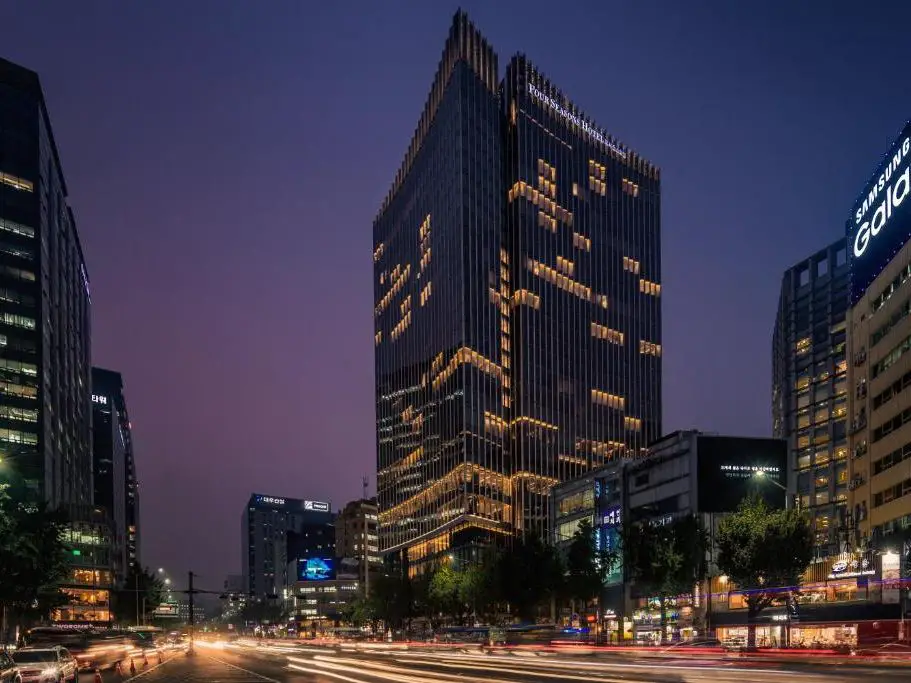
| 2. Four Seasons Hotel Seoul Best Palace View Room Rating: ⭐⭐⭐⭐⭐ Location: 10 min walk to Gyeongbokgung Palace, steps from Gwanghwamun Square Guest Reviews: Palace views from every room including bathroom, Michelin restaurant on-site, Korean sauna with temperature pools, breakfast over archaeological excavation site Best Room: Executive Suite, 1 King Bed (Palace View) Price: From USD $430 – $700 per night |
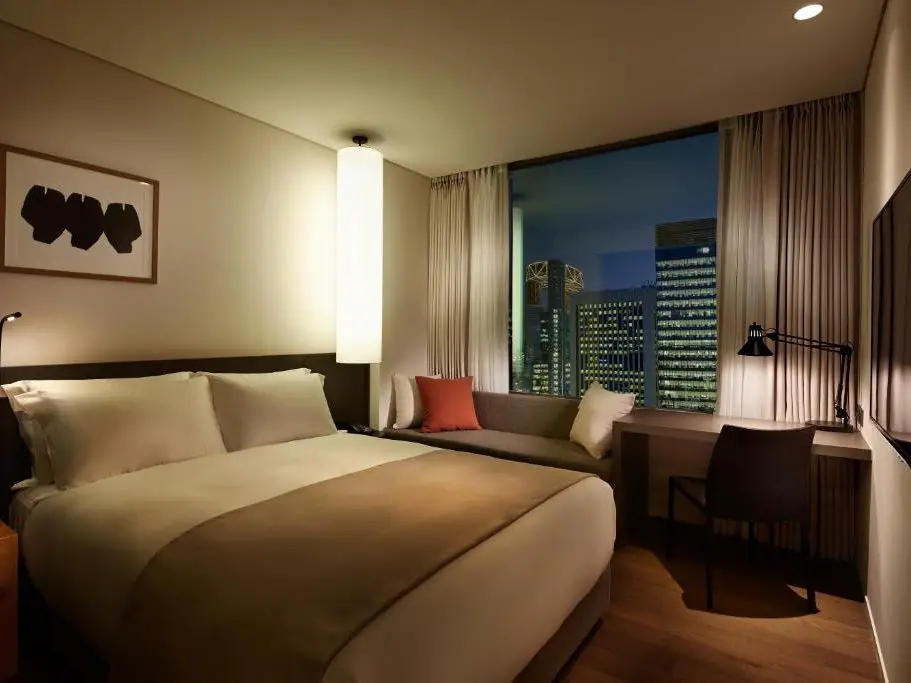
| 3. Shilla Stay Gwanghwamun Rating: ⭐⭐⭐⭐ Location: 7 min walk to Gyeongbokgung Palace, steps from Jogyesa Temple Guest Reviews: Rooftop terrace with palace-area views, clean spacious rooms, excellent English-speaking staff, convenient access to three subway lines Best Room: Grand Deluxe Room Price: From USD $90 – $180 per night |
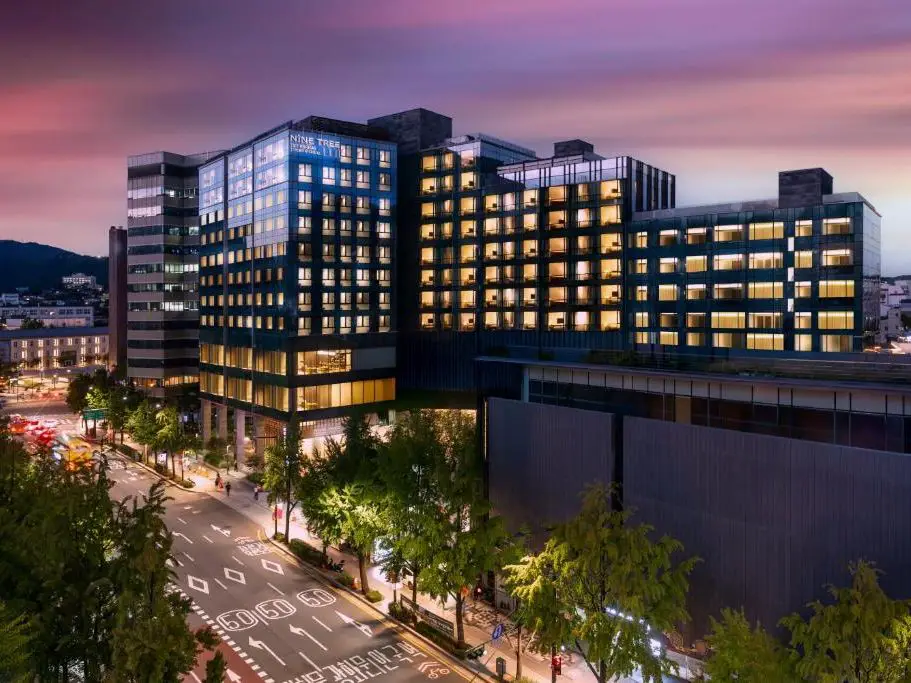
| 4. Nine Tree by Parnas Seoul Insadong Best Temple View Room Rating: ⭐⭐⭐⭐ Location: 10 min walk to Gyeongbokgung Palace, 60m from Jogyesa Temple, 5 min walk to Anguk station Guest Reviews: Direct temple views from select rooms, spacious for the price, nine-pillow menu, rooftop garden, connected to Annyeong Insadong mall Best Room: Deluxe Twin Room (Jogyesa – Temple View) Price: From USD $65 – $130 per night |
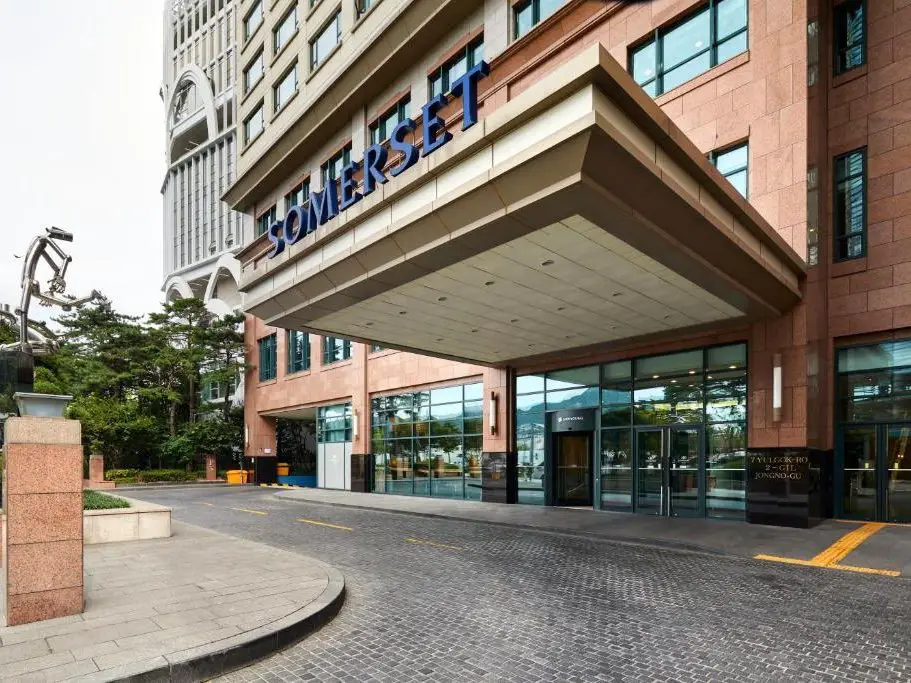
| 5. Somerset Palace Seoul Best for Longer Stays Rating: ⭐⭐⭐⭐ Location: 10 min walk to Gyeongbokgung Palace, 5 min walk to Anguk station Guest Reviews: Full kitchen and washer/dryer in every room, rooftop pool with city views, spacious apartment-style layout, ideal for longer stays and families Best Room: Executive Room Price: From USD $90 – $170 per night |
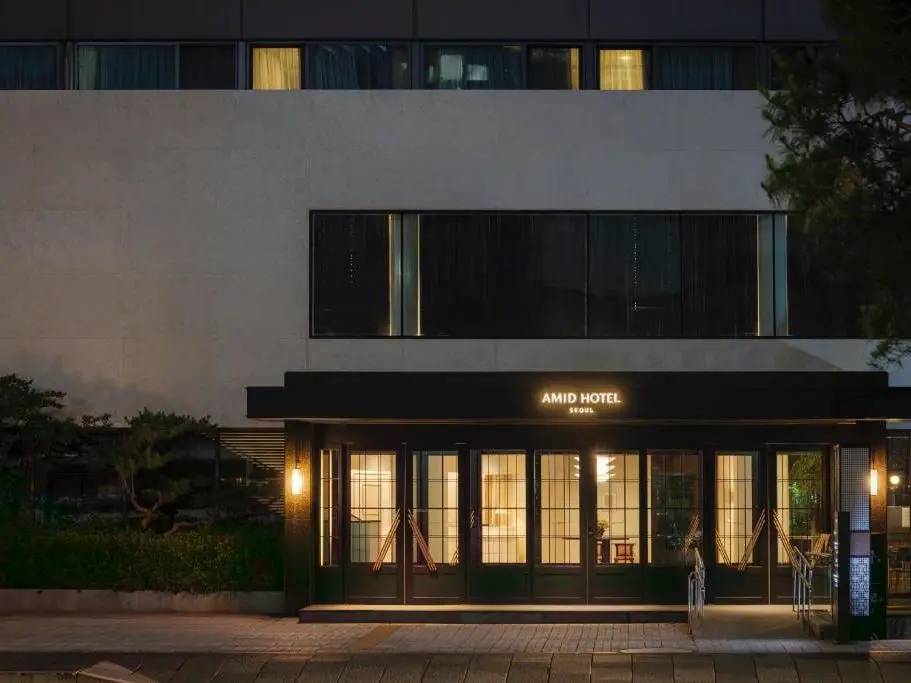
| 6. Amid Hotel Seoul Rating: ⭐⭐⭐⭐ Location: 10 min walk to Gyeongbokgung Palace, 4 min walk to Jonggak station, steps from Insadong Guest Reviews: Central location praised by couples, Korean and Japanese restaurants on-site, clean soundproofed rooms, coin laundry on premises Best Room: Deluxe Double Room Price: From USD $100 – $170 per night |
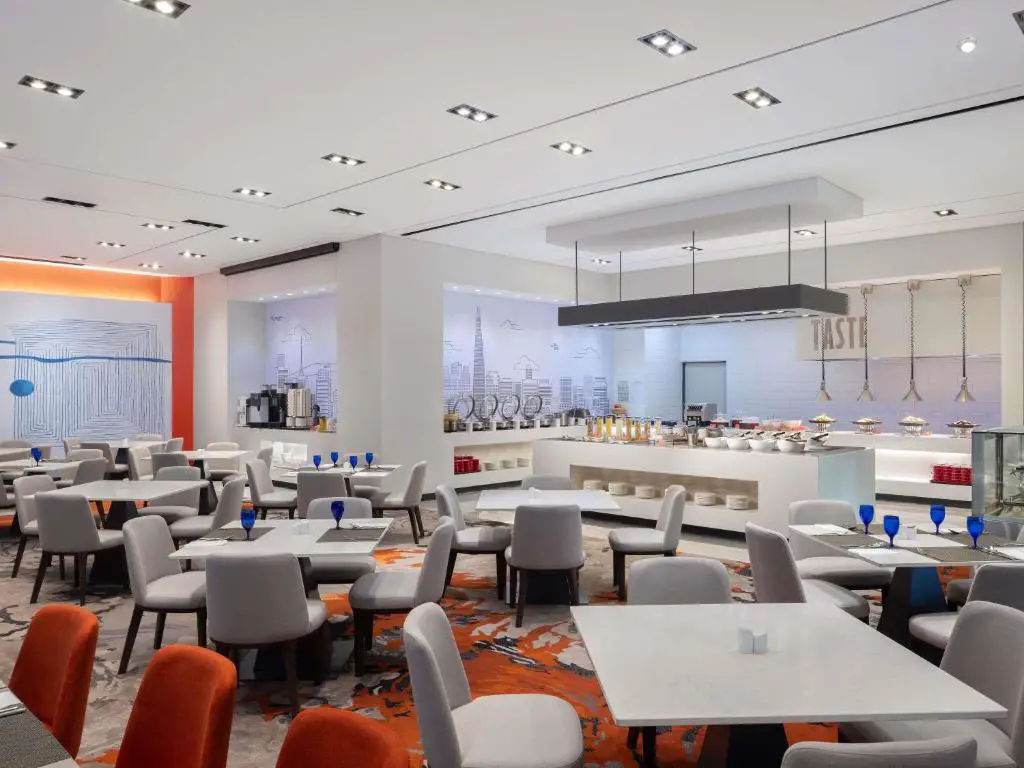
| 7. ibis Ambassador Seoul Insadong Best Value After 2025 Renovation Rating: ⭐⭐⭐ Location: 13 min walk to Gyeongbokgung Palace, directly beside Ikseon-dong Hanok Village, 4 min walk to Jongno 3-ga station Guest Reviews: Fully renovated in 2025, rooftop garden with city views, multilingual staff praised across reviews, hot bath facility on-site, spotlessly clean Best Room: Superior Room Price: From USD $75 – $130 per night |
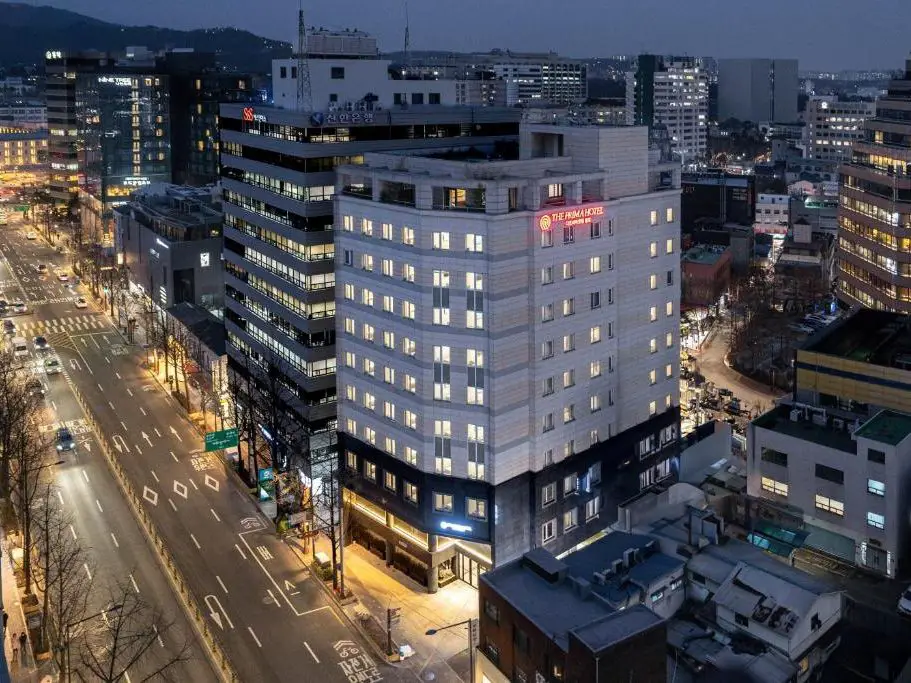
| 8. The Prima Hotel Jongno Best New Hotel Rating: ⭐⭐⭐⭐ Location: 11 min walk to Gyeongbokgung Palace, 3 min walk to Insadong, 1 min walk to Jogyesa Temple Guest Reviews: Fully renovated in 2024, rotating art collection throughout lobby and corridors, excellent soundproofing, English-speaking staff praised repeatedly, coin laundry on-site Best Room: Deluxe Double Room Price: From USD $75 – $150 per night |
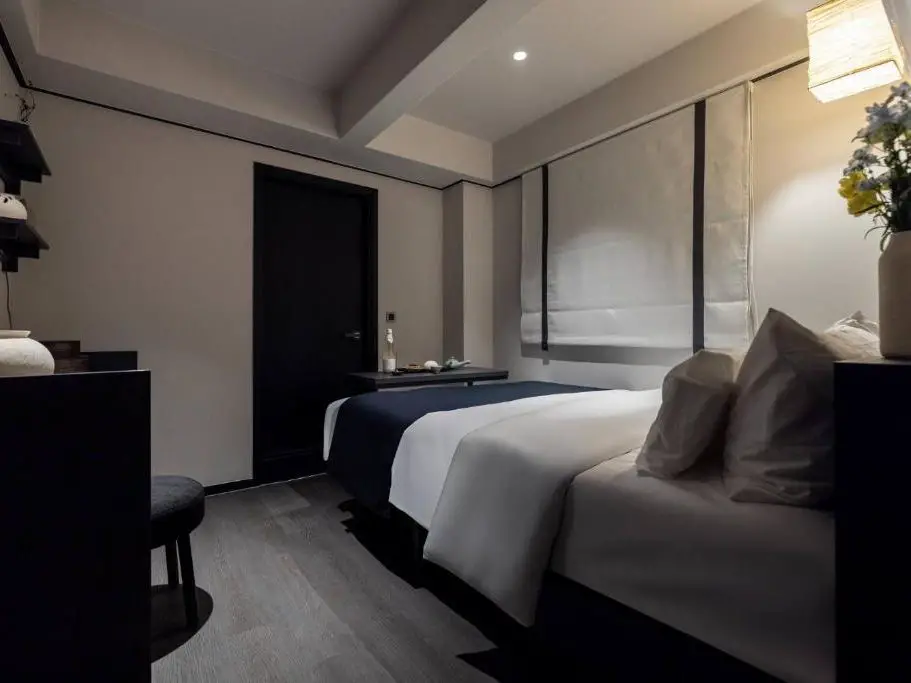
| 9. Hotel Jak Insadong by Anook Best Private Hot Tub Experience Rating: ⭐⭐⭐ Location: 6 min walk to Gyeongbokgung Palace, 3 min walk to Anguk station, steps from Insadong Guest Reviews: Individually decorated hanok-style rooms, private courtyard and rooftop with Ssamzigil views, ondol heated floors throughout, comfortable beds and premium bedding praised consistently Best Room: Signature Spa Room Price: From USD $64 – $146 per night |
Why Staying Near Gyeongbokgung Makes Seoul Easier
Most of Seoul’s major sights cluster into two rough halves of the city, and the palace sits squarely at the top of the northern half. From a hotel within walking distance, you can reach Gyeongbokgung, Changdeokgung, Bukchon Hanok Village, Insadong, Ikseon-dong, Jogyesa Temple, and Gwanghwamun Square entirely on foot — no subway card needed, no transfers, no orientation headaches on your first morning.
- The morning advantage is real — the palace opens at 9am and the first tour groups arrive closer to 10am when the guard ceremony starts. Staying nearby means you can walk over at opening time, have the courtyards largely to yourself, and be back at your hotel for breakfast before the crowds hit. That window isn’t available to anyone commuting from Myeongdong or Hongdae.
- Two palaces, one neighbourhood — Gyeongbokgung and Changdeokgung (including the famous Secret Garden) are about 1.2km apart. Both are comfortably walkable from any hotel on this list, which means you can split them across two mornings without ever touching the subway.
- Insadong and Bukchon fill the afternoons — once the palace gets busy mid-morning, the obvious move is to drift east into Bukchon’s hanok alleyways or south into Insadong’s tea houses and galleries. Both are within 15 minutes on foot from most of these hotels, and neither requires planning. You just walk.
- The Tuesday closure matters more than people expect — Gyeongbokgung is closed every Tuesday, and if you’re only in Seoul for three or four nights, losing a day at the palace is a real cost. Staying nearby means you can reorganise spontaneously when you realise the gates are shut, rather than having already made the trip from across the city.
The area is also genuinely calm by Seoul standards. Gwanghwamun Square quiets down after the palace closes, and the Insadong and Anguk side streets are residential enough that noise isn’t an issue after 9pm. For a trip centred on history and culture rather than nightlife, that’s worth factoring in.
The Two Areas to Know: Gwanghwamun vs Insadong
The hotels on this list sit in two natural clusters, and where you land changes the feel of your stay more than the distance on a map suggests.
- Gwanghwamun — the Four Seasons Hotel Seoul and Shilla Stay Gwanghwamun sit closest to the palace on the Sejong-daero axis. The square itself is broad and formal, built around the statues of King Sejong and Admiral Yi Sun-sin, with the palace gate visible at the far end. It’s a genuinely impressive setting, but the neighbourhood quiets significantly after dark. Restaurants and cafés are scattered rather than concentrated, and you’ll walk a few minutes to find much after the tourist traffic clears.
- Insadong and Anguk — the majority of hotels here sit in this zone, including Nine Tree by Parnas, Amid Hotel Seoul, The Prima Hotel Jongno, Hotel Jak Insadong by Anook, and ibis Ambassador Seoul Insadong. The streets are denser, livelier, and more useful day-to-day — independent restaurants, bakeries, tea houses, convenience stores and night markets are all close by. Ikseon-dong’s bar and café scene is a short walk east. The trade-off is that you’re adding five to ten minutes to your palace walk compared to the Gwanghwamun hotels.
- Somerset Palace Seoul sits between the two — on the Insadong side but close enough to Gwanghwamun to feel central to both.
For a first visit focused on sightseeing and culture, Insadong is the more practical base. For a special occasion or a stay where the view and the address are part of the point, Gwanghwamun delivers something the Insadong hotels can’t match.
Getting the Most Out of the Palace Itself
Gyeongbokgung is the largest of Seoul’s five royal palaces, built in 1395 and sitting against the ridgeline of Bugaksan mountain. The complex covers 410,000 square metres, which is large enough that most visitors only cover a fraction of it.
- Arrive at opening — the palace opens at 9am. The first hour is the quietest, the light is better for photographs, and you’ll have space to move through the main courtyards without being part of a crowd. Tour groups begin arriving around 9:45am.
- The guard ceremony runs twice daily — at 10am and 2pm in front of Gwanghwamun Gate, the main entrance. The ceremony lasts around 20 minutes and is free — you don’t need a palace ticket to watch. The 10am performance is generally less crowded than the 2pm one. Arrive ten to fifteen minutes early and position yourself to the side of the forecourt rather than the centre — you’ll get a cleaner line of sight with the gate and mountains behind the formation. The ceremony is cancelled on Tuesdays (when the palace is closed) and during heavy rain.
- Free English guided tours run at 11am, 1:30pm and 3:30pm — no reservation needed, just meet at the tour meeting point inside the main gate. Ninety minutes with a guide changes the visit completely; the buildings become specific rather than decorative, and the history of what was destroyed during the Japanese colonial period and what has been restored gives the complex a context most visitors miss entirely.
- Entry costs around ₩3,000 — free for visitors under 25, and free for anyone wearing a rented hanbok. The palace is closed every Tuesday.
- The National Folk Museum is inside the palace grounds and included in the admission price — worth an hour if you want context on how ordinary Koreans lived during the Joseon period, not just how royalty did.
Hanbok Rental: What to Know Before You Book
Renting a hanbok has become a standard part of visiting the palace, and for good reason — it gets you free entry, it photographs well against the palace architecture, and the rental shops near the palace gate are efficient enough that it adds maybe twenty minutes to your morning.
- Where to rent — the largest cluster of hanbok shops is near Exit 5 of Gyeongbokgung Station, a short walk from the main gate. A second cluster sits in Bukchon, closer to the Anguk station side. If you’re staying in the Insadong area, the Bukchon shops are marginally more convenient.
- What it costs — most standard rentals run from ₩10,000 to ₩15,000 for two to four hours, which includes basic accessories. Premium options with higher-quality fabric and more elaborate styling run higher. The free palace entry offsets around ₩3,000 of that cost for adults.
- Practical notes — rental includes the outfit and basic styling, but you’ll carry your own belongings. Most shops have lockers for bags. Bring slip-on shoes if you can; changing in and out of hanbok footwear is easier. Autumn is the most popular season for hanbok photography inside the palace — expect longer queues at rental shops during late October and early November.
What to Do After the Palace
One of the strongest arguments for staying in this neighbourhood is that the palace is a starting point, not a destination that requires its own separate trip. Once you’ve walked through Gyeongbokgung, the next few hours write themselves.
- Bukchon Hanok Village — heading northeast from the palace brings you into the hanok alleyways within about fifteen minutes on foot. The village is still largely residential, which means noise from visitors is taken seriously — there are signs asking people to keep voices down, and the local security patrols take it at their word. The main viewpoint on Bukchon-ro 11-gil is the most photographed spot; the side alleys above and below it are quieter and often more interesting.
- Changdeokgung Palace and the Secret Garden — a fifteen-minute walk east from Gyeongbokgung. The Secret Garden (Huwon) requires a separate timed ticket and is genuinely worth booking in advance — it’s a formal pleasure garden of ponds, pavilions and old-growth trees that feels completely different from the main palace complex.
- Insadong — south of the palace along a pedestrianised street lined with galleries, antique shops, traditional teahouses and the Ssamzigil courtyard complex. More curated than a traditional market but a good place to spend an hour browsing. The side streets off the main drag tend to have better food than the main strip itself.
- Ikseon-dong — a short walk east of Insadong, this cluster of converted hanok houses contains some of Seoul’s most popular cafés and small restaurants. Busiest on weekend afternoons; quieter and more pleasant on weekday evenings.
- Cheonggyecheon Stream — a fifteen-minute walk south brings you to the restored urban stream that cuts through central Seoul. It’s a good place to decompress after a full morning at the palaces — the walkway along the water is flat, shaded and largely removed from road traffic.
When to Come: Seasons, Crowds and Tuesday Closures
- Spring (late March to early May) — cherry blossom season peaks in late March to early April around the palace. The Gyeonghoeru Pavilion pond and the Hyangwonjeong Pavilion area are the best spots inside the grounds. This is also the busiest period: hotels near the palace fill weeks in advance, particularly over weekends. Book early and budget for peak rates.
- Autumn (mid-October to mid-November) — ginkgo trees along the main approach and maple colour on the hillside behind the palace make this the second most popular season. Cooler temperatures make walking between sites more comfortable. The combination of autumn foliage and palace rooflines is the most photographed scene in this part of Seoul.
- Winter (December to February) — significantly quieter, and snow on the palace rooftops is genuinely striking. Dress for it — temperatures regularly drop below -5°C, and the palace grounds offer no shelter from wind. The Nostalgia Hanok Hotel and Hotel Jak Insadong by Anook both have ondol heated floors that make a cold-weather stay noticeably more comfortable.
- Summer (June to August) — hot, humid, and crowded on weekends. The palace is still worth visiting but the heat makes afternoon visits uncomfortable. Morning arrivals are even more important in summer than in other seasons.
- Tuesday closures — if your Seoul itinerary is three nights or fewer, check the day of the week before booking. Arriving on a Monday with a Tuesday check-out means you’ll miss the palace entirely. This is particularly relevant during cherry blossom and autumn peak periods when the rest of the neighbourhood is also at its busiest and alternative plans are harder to make.
How to Choose the Right Hotel for This Area
The nine hotels here cover a wide range, and the right pick depends less on budget than on what kind of stay you’re after.
- For the palace view and full five-star facilities — Four Seasons Hotel Seoul is the only hotel on this list with an unobstructed view of Gyeongbokgung from the rooms, and the Executive Suite with Palace View is genuinely one of the most distinctive rooms in central Seoul. It’s priced accordingly, but the location directly on Gwanghwamun Square and the Forbes five-star rating make it the obvious choice for a special occasion.
- For a traditional hanok experience at opposite ends of the budget — Nostalgia Hanok Hotel is the most immersive option on the list: six individually designed rooms in a 130-year-old compound, with private courtyards, heated ondol floors, and extremely limited availability that means booking months in advance. Hotel Jak Insadong by Anook offers a more accessible version of the same aesthetic — hanok-style design, ondol floors, and a private spa room with an indoor hot tub, at a fraction of the price.
- For families or groups staying more than three nights — Somerset Palace Seoul is the practical choice. Full kitchen, washer/dryer, and a rooftop pool give it a serviced-apartment feel that standard hotel rooms can’t match for longer stays. The Anguk station walkability means the palace is easy to reach without a car.
- For mid-range comfort close to Insadong’s food scene — Nine Tree by Parnas Seoul Insadong and The Prima Hotel Jongno are the strongest options. Nine Tree sits sixty metres from Jogyesa Temple and is directly connected to the Annyeong Insadong shopping mall; The Prima is newer, quieter, and has a better art collection in the public spaces. Both are within an eleven-minute walk of the palace.
- For value without compromise on location — ibis Ambassador Seoul Insadong was fully renovated in 2025 and sits beside Ikseon-dong Hanok Village. It’s the most affordable option on this list and punches well above its price point on location alone.
FAQs
1. Is Gyeongbokgung Palace really worth staying close to, or is it easy enough to visit from anywhere in Seoul?
The subway makes the palace reachable from most of Seoul in under thirty minutes, so proximity isn’t strictly necessary. What staying nearby gives you is the ability to arrive before the crowds without planning around transit schedules — particularly valuable for the 9am opening and the 10am guard ceremony, both of which reward early arrival.
2. The palace is closed on Tuesdays — what else is there to do in the neighbourhood that day?
Changdeokgung Palace (including the Secret Garden) is open on Tuesdays, as is Bukchon Hanok Village, Insadong, and the National Museum of Modern and Contemporary Art Seoul. A Tuesday in this neighbourhood is genuinely full without the palace — it just requires a small mental reorder.
3. How early do hotels near Gyeongbokgung need to be booked during cherry blossom and autumn foliage season?
Cherry blossom season (late March to early April) and peak autumn (late October) are the two periods when availability tightens fastest. For weekend stays during those windows, booking six to eight weeks in advance is reasonable for mid-range hotels, and three to four months ahead for Nostalgia Hanok Hotel and Four Seasons Hotel Seoul, both of which have limited room availability.
4. Are hanbok rental shops easy to find near the hotels on this list?
The main cluster is near Gyeongbokgung Station Exit 5, about a ten-minute walk from most Insadong hotels. A second cluster of shops sits in Bukchon, closer to Anguk Station. Both areas are walkable from every hotel listed here without needing a taxi or subway.
5. Is the area around the palace noisy at night?
The Gwanghwamun Square side quiets down significantly after the palace closes in the early evening. The Insadong side has more activity — cafés and restaurants stay open later — but it’s residential enough that noise isn’t a common complaint in guest reviews. The Prima Hotel Jongno and ibis Ambassador Seoul Insadong both specifically receive high marks for soundproofing in recent reviews.
6. Which hotel is best for a couple visiting Seoul for the first time?
Depends on budget. For a splurge, the Four Seasons Hotel Seoul with the Palace View suite is the most memorable option. For mid-range, Hotel Jak Insadong by Anook — hanok-style rooms, a private indoor hot tub in the Signature Spa Room, and a six-minute walk to the palace — is hard to beat for couples. The Prima Hotel Jongno is the smart pick if location, cleanliness, and value are the priority.
7. Does staying in this area give good access to other parts of Seoul, or is it too focused on the historical district?
Anguk (Line 3), Jonggak (Line 1), and Gwanghwamun (Line 5) stations are all within walking distance of these hotels, connecting directly to Myeongdong, Hongdae, Gangnam, and the express airport rail. The neighbourhood is genuinely central — it just doesn’t feel like it because it’s quieter than the areas most associated with Seoul nightlife.
8. Are these hotels suitable for families with young children?
Somerset Palace Seoul is the strongest family option — the full kitchen, washer/dryer, rooftop pool, and apartment-style layout make it practical for families staying more than two nights. Nine Tree by Parnas Seoul Insadong has a dedicated Family Twin room with a bunk bed and connects directly to the Annyeong Insadong mall, which is useful for rainy days. Most other hotels on the list are primarily set up for couples or solo travellers.