
Bangkok has more massage shops per city block than almost anywhere on earth, but the treatments that actually stay with you happen somewhere quieter, deeper, and a lot more intentional. The best hotel spas here aren’t selling relaxation as a side feature — they’ve built their entire guest experience around it, with therapists who train for years, treatment rooms designed to slow your nervous system before anyone lays a hand on you, and programmes that draw on Thai herbal traditions you won’t find replicated on the high street. Whether you’re here for three nights or three weeks, these are the hotels where booking a spa treatment isn’t a convenience — it’s the reason you came.
Table of Contents
Bangkok Hotels
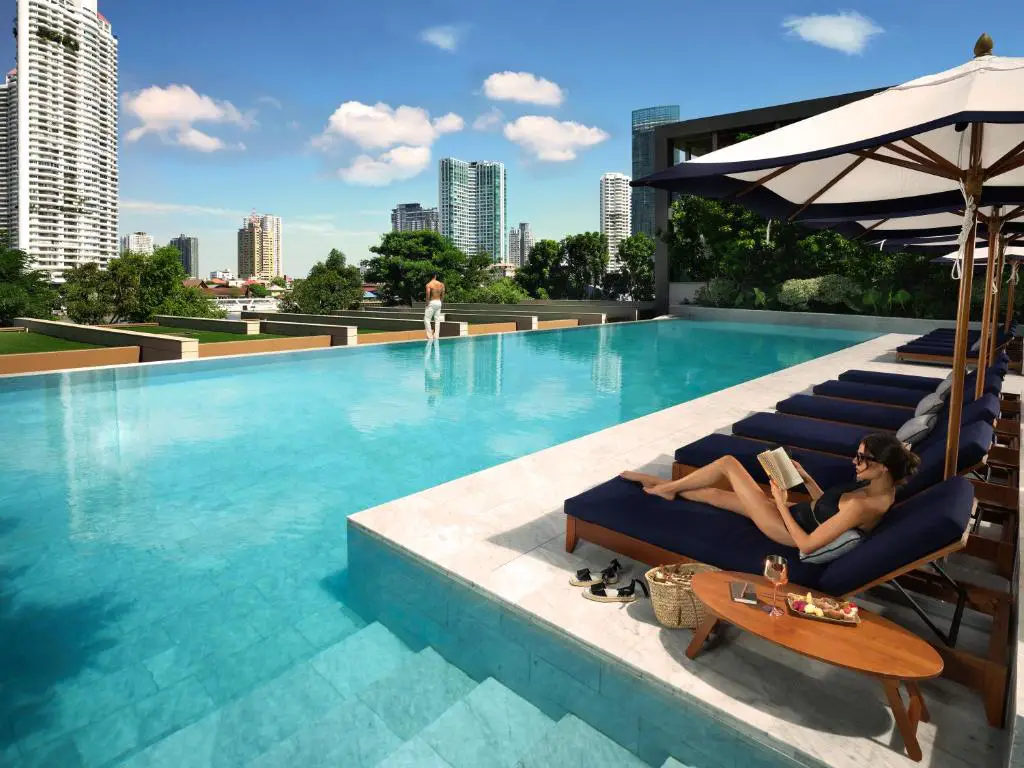
| 1. Capella Bangkok Best Overall Spa Hotel Rating: ⭐⭐⭐⭐⭐ Location: 10-minute drive to Silom BTS; free shuttle boat to Saphan Taksin BTS and IconSiam Guest Reviews: Vitality pool with three Jacuzzi types, Tok Sen hammer massage, personalised Culturist service, Biologique Recherche facials Best Room: Premier Suite (River) Price: From USD $650 – $900 per night |
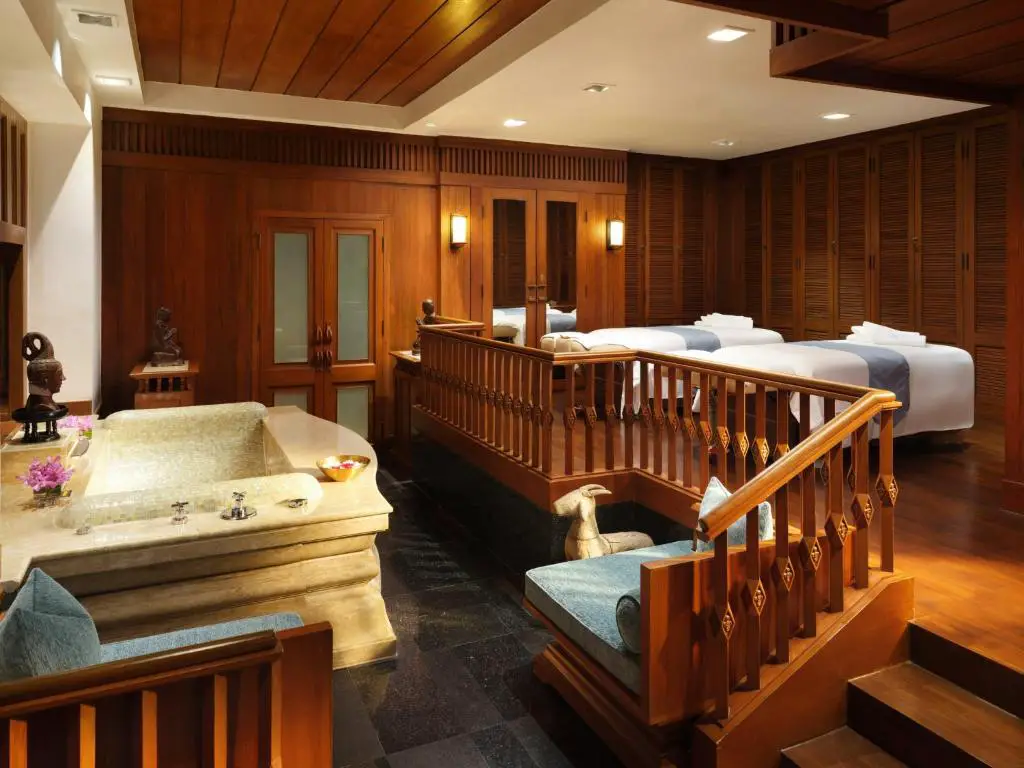
| 2. Mandarin Oriental, Bangkok Bangkok’s Original Hotel Spa Rating: ⭐⭐⭐⭐⭐ Location: 5-minute walk to Surasak BTS; free rice barge to The Oriental Spa across the Chao Phraya River Guest Reviews: Free ferry to a century-old teakwood spa house, Oriental Harmony four-hand massage, Bastien Gonzalez pedicure treatments Best Room: Deluxe Premier Room Price: From USD $450 – $700 per night |
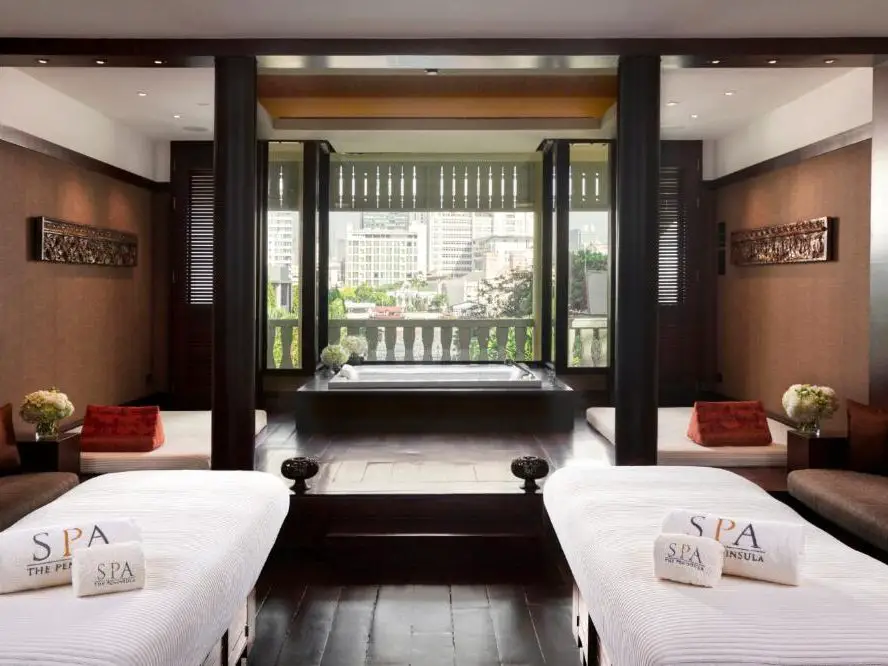
| 3. The Peninsula Bangkok Best Private Spa Suites Rating: ⭐⭐⭐⭐⭐ Location: Free Peninsula boat to Saphan Taksin BTS; 5-minute boat ride to IconSiam Guest Reviews: Three-storey colonial spa building, private suite steam showers and en-suite whirlpools, Herbal Thai Compress Massage, chakra balancing with volcanic stones Best Room: Grand Deluxe Room Price: From USD $415 – $650 per night |
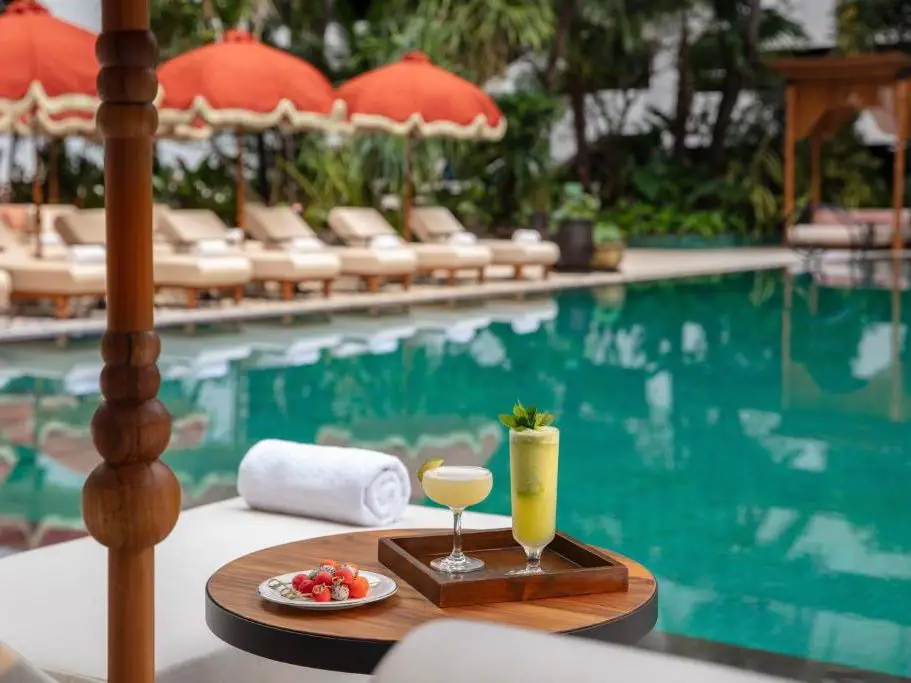
| 4. Anantara Siam Bangkok Hotel Rating: ⭐⭐⭐⭐⭐ Location: 1-minute walk to Ratchadamri BTS; walking distance to CentralWorld and Siam Paragon Guest Reviews: Exclusive Siam 2482 bamboo-stick massage, Olympic-size pool with lotus ponds, five treatment suites with Roman-style tubs, Escape Beyond Serenity five-hour journey Best Room: Deluxe Room Price: From USD $180 – $350 per night |
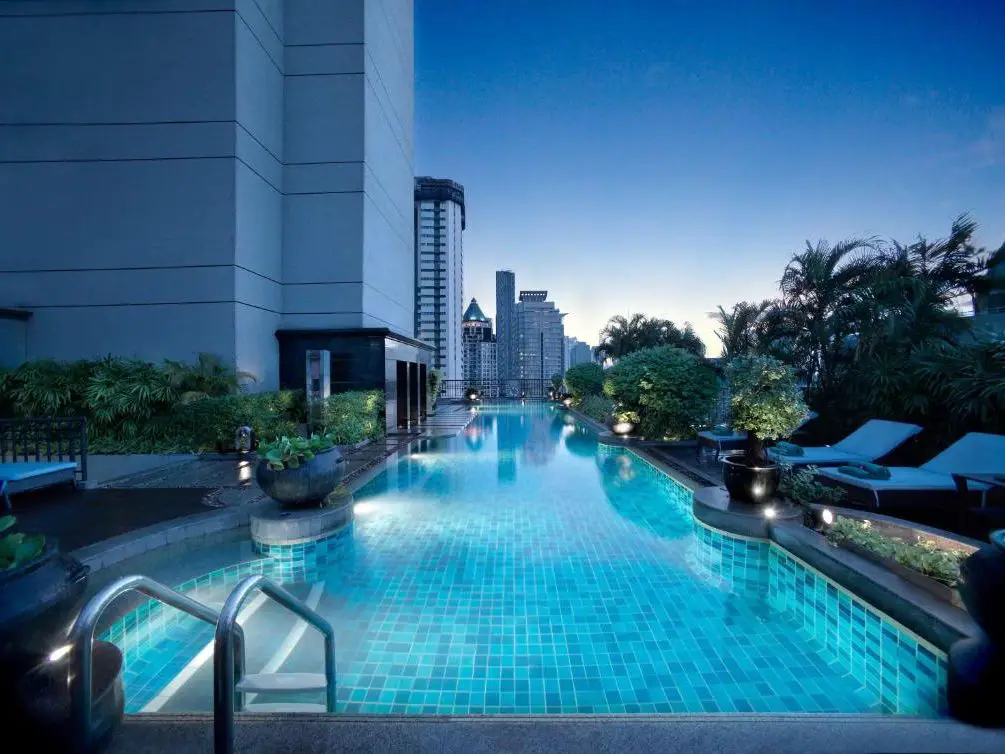
| 5. Banyan Tree Bangkok Most Treatment Rooms Rating: ⭐⭐⭐⭐⭐ Location: 10-minute walk to Sala Daeng BTS and Lumpini MRT; free tuk-tuk to both stations Guest Reviews: 16-room sky-high spa, Academy-trained therapists, Rainmist Experience, deep-tissue muscle targeting, electric warming massage beds Best Room: Deluxe Room Price: From USD $150 – $300 per night |
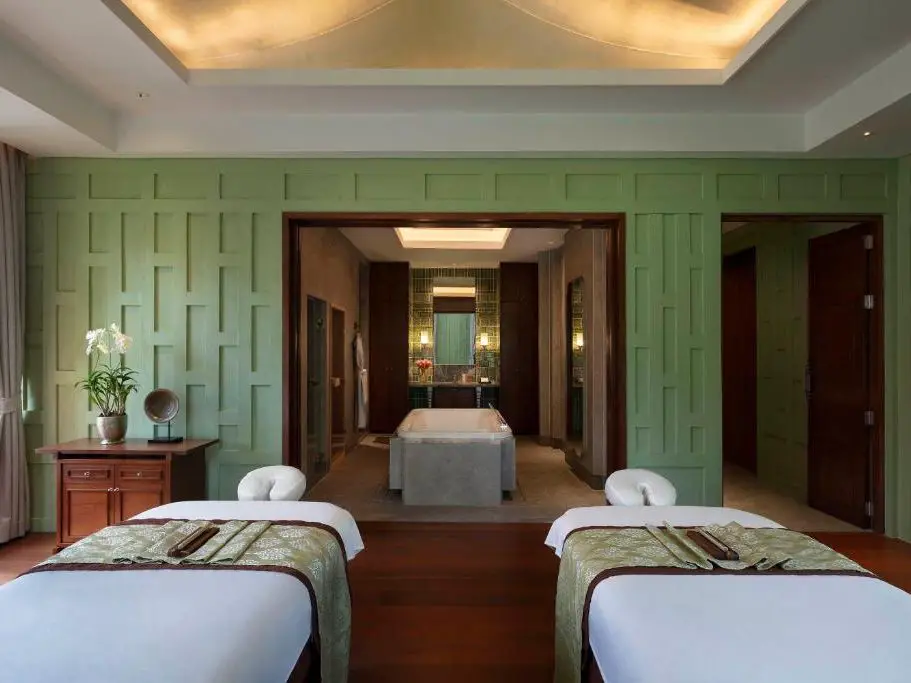
| 6. The Sukhothai Bangkok Best Spa Setting Rating: ⭐⭐⭐⭐⭐ Location: 10-minute walk to Lumpini MRT and Sala Daeng BTS; 5-minute drive to Lumphini Park Guest Reviews: Spa set in a traditional Thai teakwood house, Dawn of Happiness full-body scrub and oil massage package, recently refinished treatment rooms, deep tissue targeting of specific problem areas Best Room: Deluxe Room Price: From USD $165 – $320 per night |
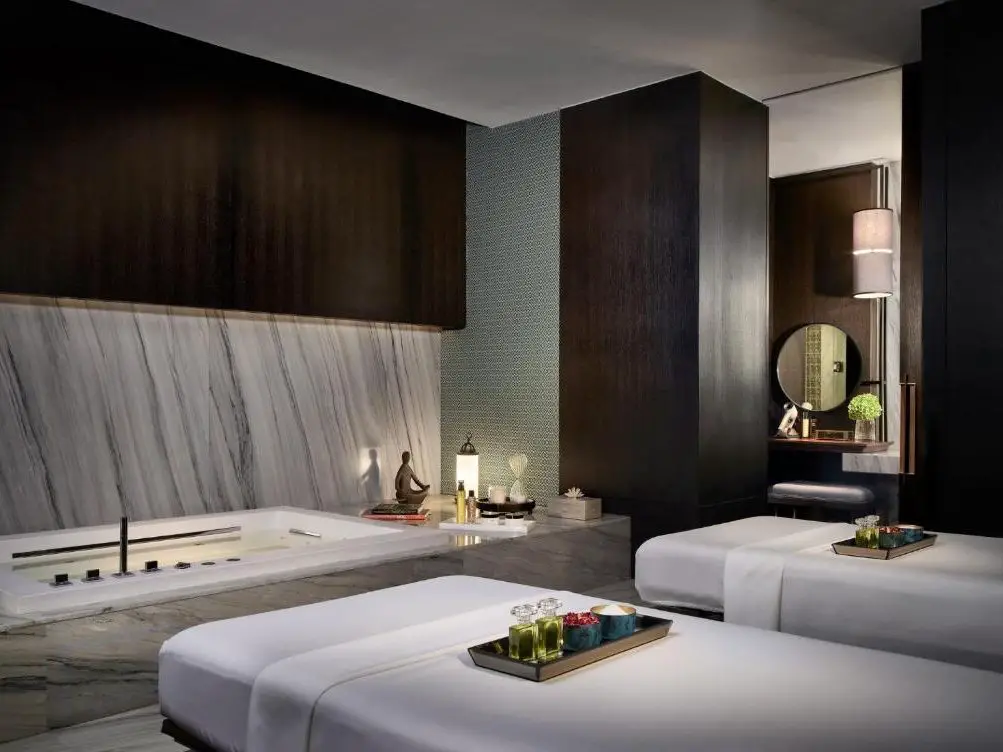
| 7. Rosewood Bangkok Most Immersive Spa Journey Rating: ⭐⭐⭐⭐⭐ Location: Direct skywalk connection to Chit Lom BTS; 5-minute walk to Central Embassy Guest Reviews: Sense Journey heritage trail to Wat Pho and Wat Arun before spa, Signature of Ploen Thai herbal compress massage, Dr Barbara Sturm facials, Himalaya salt stone therapy Best Room: Deluxe Room Price: From USD $250 – $400 per night |
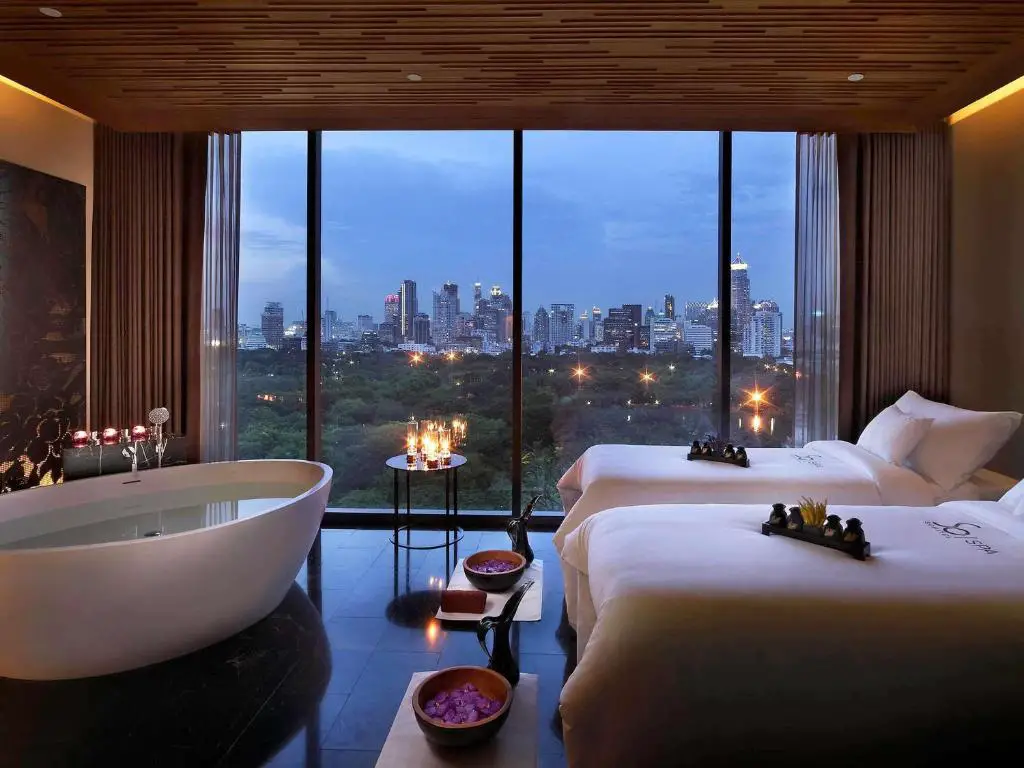
| 8. SO/ Bangkok Best Value Spa Hotel Rating: ⭐⭐⭐⭐⭐ Location: 5-minute walk to Lumpini MRT; 32-metre infinity pool overlooking Lumpini Park on the 10th floor Guest Reviews: Himmapan forest-themed spa, Lumpini Park-view couples treatment room, aromatherapy oil choice of jasmine, lavender or lemongrass, therapist Weha praised for precision pressure-point technique Best Room: SO Comfy Room Price: From USD $120 – $250 per night |
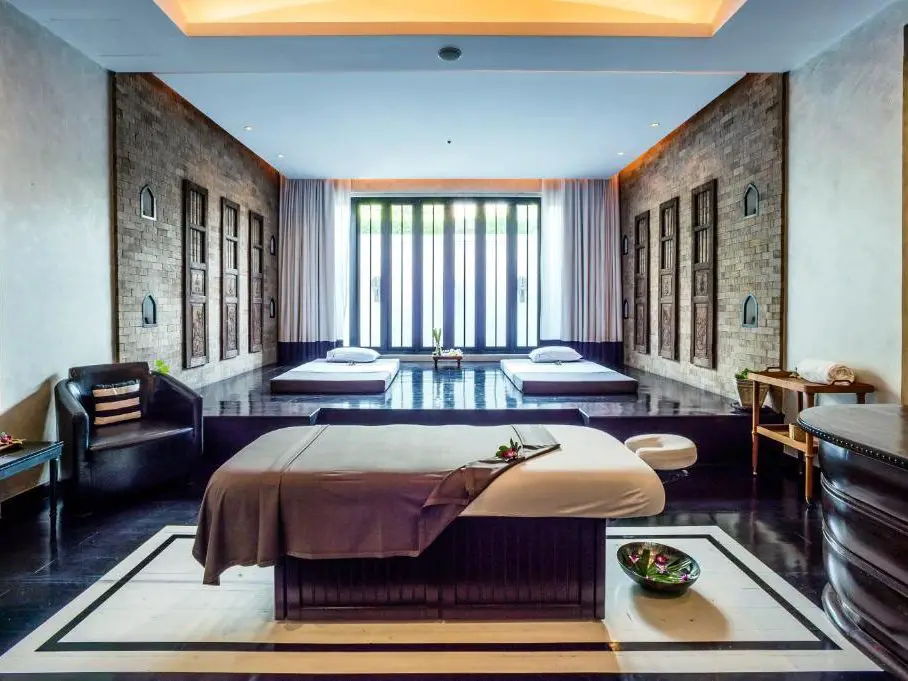
| 9. The Siam Most Intimate Spa Rating: ⭐⭐⭐⭐⭐ Location: Private boat pier with free shuttle to Sathorn BTS; 10-minute drive to Grand Palace Guest Reviews: Opium Spa private steam suites, Sodashi chemical-free treatments, Margy’s Monte Carlo Swiss facials, Eric and Sze Fu praised for extraordinary precision technique Best Room: River View Suite Price: From USD $490 – $700 per night |
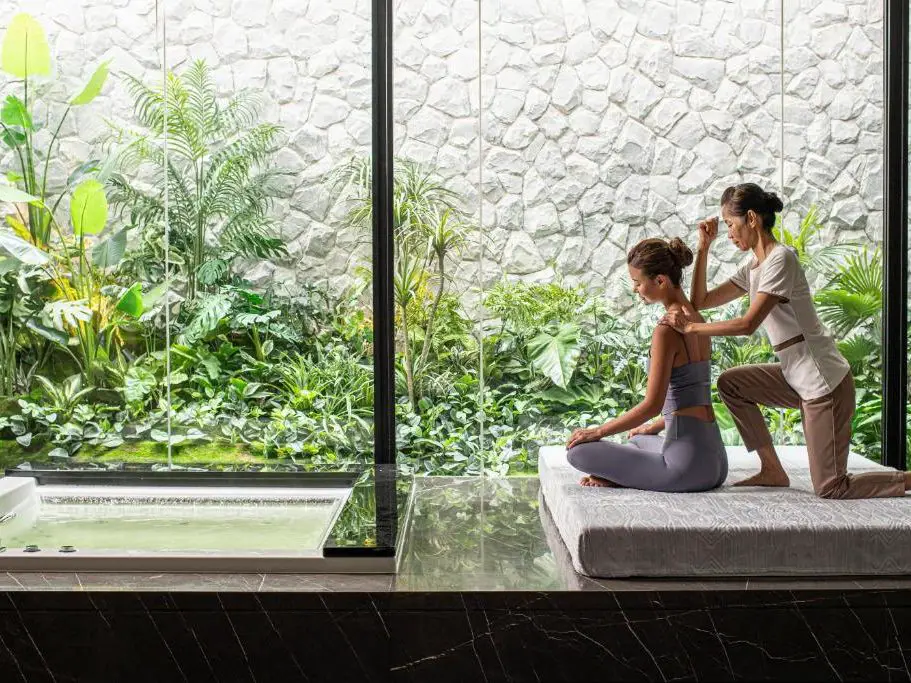
| 10. Four Seasons Hotel Bangkok at Chao Phraya River Most Complete Wellness Complex Rating: ⭐⭐⭐⭐⭐ Location: Free shuttle boat to Taksin BTS and IconSiam; 5-minute drive to Asiatique Riverfront Guest Reviews: 2,500-sqm Urban Wellness Centre, Khwan Thai ritual, Omorovicza Blue Diamond Skin Therapy, ice immersion bath, couples suite with private soaking tub and garden views Best Room: Premier Room, 1 King Bed, Balcony Price: From USD $360 – $550 per night |
What Makes a Bangkok Hotel Spa Worth the Price
A street massage in Bangkok costs between 200 and 350 baht for an hour. A hotel spa treatment at the properties on this list runs anywhere from 3,000 to 12,000 baht for the same duration. The gap is real, and it deserves an honest answer.
- Therapist training depth — Hotel spas at this tier don’t hire off the street. Banyan Tree Bangkok trains its therapists exclusively at the Banyan Tree Spa Academy in Phuket — Asia’s first accredited spa training institution — before they touch a guest. Capella Bangkok‘s Auriga team draws on Thai, Chinese, Indian, and European traditions with post-graduate-level specialisation in each. The difference between a competent Thai massage and a Tok Sen session delivered by someone who has practised it for years is felt in the body, not just described on a menu.
- The pre-treatment consultation — Every hotel on this list begins with a private consultation before anyone touches you. Your therapist maps tension patterns, notes injuries or sensitivities, and selects oil blends and pressure levels accordingly. A 60-minute street massage starts when you lie down. A hotel spa treatment starts 20 minutes earlier, in a robe, drinking herbal tea.
- Private facilities built around the treatment — Most of these spas include vitality pools, herbal steam rooms, or relaxation gardens as standard access with any booking. The Peninsula Bangkok gives every guest a private suite with a steam shower and river-view whirlpool before and after the massage. Four Seasons Hotel Bangkok at Chao Phraya River‘s Urban Wellness Centre adds an ice immersion bath and heated indoor pool to the post-treatment circuit.
- The carry-on effect — The value of a hotel spa is partly what happens afterwards. You don’t flag down a taxi in Bangkok heat straight after a 90-minute treatment. You return to your room, order from the spa menu, and let the session settle. That transition — treatment to recovery, in the same building — is what justifies the price for most guests who have tried both.
- Product quality — Rosewood Bangkok uses Dr Barbara Sturm and EviDenS de Beauté. The Siam uses Sodashi and Margy’s Monte Carlo, both 100% chemical-free. Capella Bangkok partners with Biologique Recherche and 111Skin. These aren’t marketing choices; they’re the same products used in dedicated medical spas in London and New York, applied by therapists trained to use them correctly.
The honest position is that the price premium is worth it if the treatment is the point of your stay, not a footnote to it. If you want to tick a box, a good standalone spa in Thonglor or Sukhumvit will serve you well. If you want a treatment that changes how your body feels for the following three days, the hotel spas on this list are where that happens.
Riverside vs City Centre: Where You Stay Shapes the Experience
Six hotels on this list sit on or directly beside the Chao Phraya River. Four are in Bangkok’s city centre, set back from the water in the Silom, Sathorn, and Ploenchit districts. The distinction matters more for a spa-focused stay than for almost any other type of trip, because the environment around the spa is as much a part of the experience as the treatment itself.
- Riverside arrival rituals — At Mandarin Oriental, Bangkok, you take a private rice barge across the Chao Phraya to reach The Oriental Spa on the opposite bank. The crossing takes five minutes. By the time you step off, Bangkok has already receded. Rosewood Bangkok‘s Sense Journey goes further — your therapist escorts you to Wat Pho and Wat Arun first, returning to the spa only after a Buddhist blessing at the temple. Neither of these experiences is available to a hotel sitting on Sukhumvit Road.
- Garden and water settings — Capella Bangkok‘s Auriga Wellness sits in a riverside tropical garden with a tea lounge opening onto a private spa garden. The Siam‘s Opium Spa is tucked into a Bill Bensley-designed compound of colonial teakhouses and lotus ponds, accessible only by hotel boat. The Sukhothai Bangkok houses its spa in a restored traditional Thai teakwood structure within garden grounds that feel closer to a resort in Chiang Rai than a hotel in central Bangkok. These settings change the pace of arrival, and pace is most of what a spa is selling.
- City-centre advantages — Rosewood Bangkok, Anantara Siam Bangkok Hotel, and SO/ Bangkok sit within direct walking distance or a single BTS stop from Bangkok’s main shopping and dining districts. For travellers who want to combine a spa day with an afternoon at Central Embassy or an evening in Silom, the city-centre properties make a faster, easier base. Banyan Tree Bangkok‘s sky-high spa also offers something riverside hotels cannot — a panoramic view of the Bangkok skyline from the upper floors, which gives treatments a different energy entirely.
- Post-treatment logistics — After a two-hour treatment at a riverside property, you return to a quieter world. Boat sounds, river light, and garden air replace the BTS announcements and taxi horns that meet you outside a Sukhumvit hotel. For guests who want the treatment to hold, the riverside environment protects it better. City-centre hotels are faster in every direction — an advantage before the treatment, a disadvantage after.
- The practical trade-off — Riverside hotels require either a boat transfer or a longer taxi ride to reach Bangkok’s major temple and market attractions. The Peninsula Bangkok and Capella Bangkok run complimentary shuttle boats to Saphan Taksin BTS and IconSiam, which softens the gap considerably. If your trip is sightseeing-heavy and the spa is one day among many, the city-centre hotels give you more flexibility. If the spa is the centrepiece and everything else orbits around it, the riverside properties reward that priority fully.
How to Read a Bangkok Hotel Spa Menu
Most spa menus list treatments by name without telling you what they actually feel like in the body, which makes choosing difficult. Here are the treatments that appear most frequently on the menus at hotels on this list, with honest descriptions of what each one does.
- Tok Sen — at Capella Bangkok — An ancient northern Thai therapy that uses a wooden mallet and chisel to deliver rhythmic tapping along the body’s energy lines. The sensation is closer to a resonant percussion than a massage — the vibration travels deeper than any hand can reach. It targets chronic muscle tension, particularly in the shoulders and back, and works well for guests who find standard massage doesn’t penetrate far enough. Not painful. Well-suited to anyone who has had Thai massage before and wants something more targeted.
- Herbal Compress Massage — at The Peninsula Bangkok, Four Seasons Hotel Bangkok at Chao Phraya River, and others — A ball of steamed Thai herbs — lemongrass, turmeric, kaffir lime, and plai root — pressed rhythmically onto the body in circular movements. The heat opens the pores, the herbal oils absorb through the skin, and the compress softens muscle tissue more gently than direct hand pressure. The scent is the first thing most guests notice: warm, citrus-forward, and deeply local in a way that is hard to replicate outside Thailand. Ideal for guests with sensitive muscles, post-travel fatigue, or anyone who finds deep tissue massage too intense.
- The Siam 2482 — exclusively at Anantara Siam Bangkok Hotel — A 90-minute journey through four healing traditions — Thai, Burmese, Laotian, and Chinese — named for the Buddhist year Thailand changed its name from Siam. It opens with bamboo-stick rolling to stimulate circulation, moves into stretching and pressure-point work, then transitions to a herbal oil massage and reflexology. The sequencing is deliberate — each technique prepares the body for the next. Best for guests who find single-modality massages too repetitive.
- Ayurvedic treatments — at The Siam — The Opium Spa’s Ayurvedic menu works with warm herb-infused oils applied in long, repetitive strokes following the body’s dosha constitution. Shirodhara — warm oil poured in a continuous stream onto the forehead — is the most distinctive treatment and produces a level of mental stillness that most guests find unlike anything else they have experienced in a spa. Takes longer to settle into than a Thai massage, but the effects hold considerably longer. Most guests report improved sleep quality for several days after.
- The Sense Journey — at Rosewood Bangkok — Not a massage technique but a full experience: Wat Pho for a guided introduction to traditional Thai herbal medicine, a boat to Wat Arun for a Buddhist blessing, then return to Sense, A Rosewood Spa for the 90-minute Signature of Ploen massage using Plai essential oil and Thai herbal compresses. Best for guests who want the treatment to be culturally grounded rather than simply physically effective. Requires advance booking of at least 24 hours.
When to Book and What to Expect on Arrival
The mechanics of booking a hotel spa in Bangkok are slightly different from booking in most other cities, and knowing what to expect reduces friction on the day.
- How far in advance to book — For the highest-demand properties, the window is longer than most guests expect. The Peninsula Bangkok spa regularly fills on weekends and recommends at least two days’ notice, more if you have specific therapist or treatment requests. Mandarin Oriental, Bangkok‘s Oriental Spa has 18 treatment rooms which gives it more capacity, but December through February and Thai public holidays fill quickly. The Siam‘s Opium Spa has a small number of treatment rooms across a 39-room boutique hotel — if you’re staying there, book your treatment at the same time as your room. For Rosewood Bangkok‘s Sense Journey, 24 hours minimum is required for the Wat Pho and Wat Arun portion to be arranged. As a general rule: the smaller the hotel, the earlier you need to book.
- The consultation process — Every hotel on this list begins your spa visit with a written consultation — medical conditions, pressure preferences, areas of tension, and often a brief conversation with the therapist before entering the treatment room. This is not administrative box-ticking. It changes the session. Answering honestly, including chronic conditions, recent injuries, or areas where you want more or less pressure, directly affects what you receive. The therapists at these properties are trained to adapt significantly based on your responses.
- What to wear — Every hotel on this list provides robes, disposable underwear where relevant, and slippers. You do not need to bring anything other than yourself. Arriving without heavy perfume or body lotion helps, as these can interfere with the treatment oils.
- Tipping — Tipping is not mandatory in Thailand and is not embedded in the culture the way it is in North America. That said, it is genuinely appreciated. At hotel spas of this tier, where a 10% service charge is typically included in the bill, a direct cash tip of 100–200 baht handed personally to your therapist is considered generous and ensures they receive it. For an exceptional session, 200–300 baht is appropriate. Always tip in cash and hand it directly to the therapist rather than leaving it at reception.
- The pre-treatment ritual — Build in arrival time. Every hotel on this list has a pre-treatment sequence — herbal tea, a foot bath, a brief rest in the relaxation lounge, and in some cases access to steam rooms and vitality pools before the session begins. Arriving five minutes before your appointment means you skip this entirely. Arriving 30 minutes early means the treatment starts before the treatment starts.
Can You Use These Spas Without Staying?
The short answer is yes — most of the hotel spas on this list accept non-resident bookings, and several are considered among Bangkok’s best spa experiences regardless of whether you spend the night.
- Mandarin Oriental, Bangkok — Explicitly confirmed by the hotel: non-resident guests are welcome to book spa treatments and access wellness facilities. The free rice barge across the Chao Phraya operates for spa guests regardless of hotel status, which means the arrival experience is identical whether you’re staying or walking in from Saphan Taksin pier.
- Banyan Tree Bangkok — The spa accepts external bookings and is used regularly by Bangkok residents and visitors staying elsewhere in the city. It appears on third-party platforms with competitive pricing for non-resident bookings. The 16 treatment rooms give it enough capacity to absorb external demand without displacing in-house guests.
- SO/ Bangkok and Anantara Siam Bangkok Hotel — Both accept non-resident spa bookings and appear on external booking platforms. The SO/ Spa day package, which combines multiple treatments with pool access, is a frequently booked non-guest experience and one of the better-value full-day wellness options in the city.
- The Peninsula Bangkok — The spa accepts external bookings but specifically recommends at least a day or two’s advance notice, and notes that weekends are often fully committed to in-house guests. The earlier you contact them, the better your chances of securing the session and time you want.
- The Siam, Capella Bangkok, and Four Seasons Hotel Bangkok at Chao Phraya River — These three prioritise in-house guests given their boutique scale or high occupancy. Non-resident bookings may be possible but should be confirmed directly with the spa team well in advance rather than assumed. The Siam‘s Opium Spa in particular, given its small treatment room count and 39-room hotel, is generally operating at or near capacity for hotel guests during peak periods.
- The practical approach — Contact the spa directly by phone or email rather than relying on third-party platforms for the highest-demand properties. Line messaging, which Bangkok hotel spas increasingly use for reservations, often produces a faster response than email. If you are booking as a non-guest, mention it upfront — some spas offer a slightly different menu or pricing for external visitors, and knowing this in advance allows the team to advise you correctly.
When to Go: Seasons, Prices, and the Honest Trade-offs
Bangkok is a year-round city for spa visits, which is one of its advantages over beach destinations where poor weather makes a trip pointless. The season you choose does affect price, atmosphere, and availability in ways worth understanding before you book.
- November to February — peak season — The cool dry season brings Bangkok’s best weather: lower humidity, clear skies, and daytime temperatures that make time between spa sessions genuinely pleasant. It is also the most expensive period to stay. December is consistently the single most expensive month, with average hotel rates more than double the June low-season floor. If you’re visiting in December, book rooms and spa treatments at the same time — the demand is real and the best slots go early. January and February offer the same quality of weather with slightly more breathing room on availability.
- March to May — shoulder season — Temperatures climb and humidity rises, particularly in April and May. Songkran, the Thai New Year water festival held in mid-April, brings significant crowds and price spikes around the holiday itself but quieter periods on either side. Spa atmospheres are less pressured, therapist availability improves, and some hotels offer packages that disappear in peak season. March in particular offers a good balance of quality and value.
- June to October — low season — Bangkok’s monsoon period. Rain arrives in daily bursts, usually in the late afternoon, and clears within an hour or two. It does not rain all day. For a spa-focused trip, the wet season is arguably the most logical time to visit — you are indoors for most of the meaningful parts of the day, prices are substantially lower, and hotels are quieter, which translates to better therapist availability and more attentive service across the board. June consistently offers the lowest hotel rates of the year. The trade-off is that some outdoor post-treatment elements — garden relaxation areas at The Sukhothai Bangkok, riverside terraces at Capella Bangkok — are less reliable during heavy afternoon rain.
- The December trap — Guests who arrive in peak season without planning ahead regularly find that the specific treatments and therapists they want are fully booked before they check in. If you’re visiting in November or December, secure your spa appointment before your flight, not after.
- Low season value — A treatment at Banyan Tree Bangkok or SO/ Bangkok in June costs substantially less than the same room and treatment in January, with no meaningful difference in the quality of what happens inside the spa. For guests whose primary goal is the treatment rather than Bangkok’s outdoor climate, the low season is the rational choice.
FAQs
1. Is it worth staying at a spa hotel in Bangkok rather than just booking a treatment?
Staying at the hotel changes the rhythm of the experience. You arrive without rushing, use the spa facilities before and after the treatment, and return to your room rather than stepping into Bangkok traffic. For a single treatment, a non-resident booking at a hotel like Mandarin Oriental, Bangkok or Banyan Tree Bangkok delivers excellent value. For two or more treatments over several days, or if you want the pre- and post-treatment circuit to be part of the experience, staying at the hotel earns its premium.
2. Can non-guests use hotel spas in Bangkok?
Most hotels on this list accept non-resident bookings. Mandarin Oriental, Bangkok explicitly welcomes external spa guests. Banyan Tree Bangkok, SO/ Bangkok, and Anantara Siam Bangkok Hotel all accept non-resident bookings and appear on third-party platforms. The Peninsula Bangkok accepts external bookings with advance notice. The Siam, Capella Bangkok, and Four Seasons Hotel Bangkok at Chao Phraya River prioritise in-house guests — contact them directly well in advance to check availability.
3. What is the best area in Bangkok to stay for a spa?
Riverside properties — Capella Bangkok, Mandarin Oriental, Bangkok, The Peninsula Bangkok, The Siam, Four Seasons Hotel Bangkok at Chao Phraya River, and Banyan Tree Bangkok — offer the most immersive spa environments, with garden or riverfront settings that extend the calm beyond the treatment room. City-centre properties — Rosewood Bangkok, Anantara Siam Bangkok Hotel, The Sukhothai Bangkok, and SO/ Bangkok — are better if you want to combine spa days with sightseeing and prefer direct BTS or MRT access.
4. What is tok sen massage?
Tok Sen is a northern Thai healing therapy that uses a wooden mallet and a blunt chisel-like tool to deliver rhythmic tapping along the body’s energy lines. The vibration penetrates deeper than hand massage and is particularly effective for chronic muscle tension in the shoulders, back, and legs. It originated in Chiang Mai and is one of the oldest documented Thai healing techniques. Capella Bangkok‘s Auriga Wellness is the most prominent hotel on this list to offer it as a signature treatment.
5. What is a Thai herbal compress massage?
A Thai herbal compress is a cloth ball packed with fresh or dried herbs — typically lemongrass, turmeric, kaffir lime leaf, plai root, and camphor — steamed until hot and then pressed rhythmically onto the body. The heat relaxes muscle tissue while the herbal oils absorb through the skin, reducing inflammation and improving circulation. The treatment is gentler than a standard Thai massage and works well for post-travel fatigue and soreness without requiring deep pressure. It is available at The Peninsula Bangkok, Four Seasons Hotel Bangkok at Chao Phraya River, and several other hotels on this list.
6. How far in advance should you book a Bangkok hotel spa?
For most hotels on this list, two to three days ahead is sufficient outside peak season. During November to February, and particularly December, book as early as possible — ideally before you arrive in Bangkok. The Siam and Capella Bangkok should be booked at the same time as your room given their small treatment room count. The Peninsula Bangkok recommends at least two days’ advance notice for specific therapist requests.
7. Which Bangkok hotel has the best spa for couples?
The Peninsula Bangkok is the strongest choice specifically for couples — the three-storey colonial spa building provides private suites with en-suite whirlpools overlooking the Chao Phraya, and every suite is designed for two. Capella Bangkok‘s Auriga Wellness has two dedicated couples’ sanctuaries within its riverside garden setting. SO/ Bangkok‘s couples treatment room overlooks Lumpini Park directly and is one of the most consistently praised specific rooms across guest reviews on this list.
8. Is the rainy season a good time to visit Bangkok for a spa hotel?
For a spa-focused trip, the rainy season from June to October is a sound choice. Rain arrives in short afternoon bursts and rarely disrupts a full day. Hotels are quieter, prices are lower, therapist availability is better, and the indoor spa experience is identical to what you receive in peak season. The main trade-off is that outdoor elements — garden relaxation areas, riverside terraces, and pool time between treatments — are less reliable. If the spa treatment is the priority and everything else is secondary, the low season delivers strong value.