
Osaka Station is one of the largest and most disorienting train stations in Japan, and arriving with luggage for the first time is not the moment to discover your hotel is three wrong turns away. The Umeda district that surrounds it is practical as a base — easy access to the shinkansen at Shin-Osaka, the airport express, and the Midosuji line that drops you at Namba in twelve minutes. Staying close to the station is less about convenience and more about not losing thirty minutes every time you come home.
Table of Contents
Osaka Station Hotels
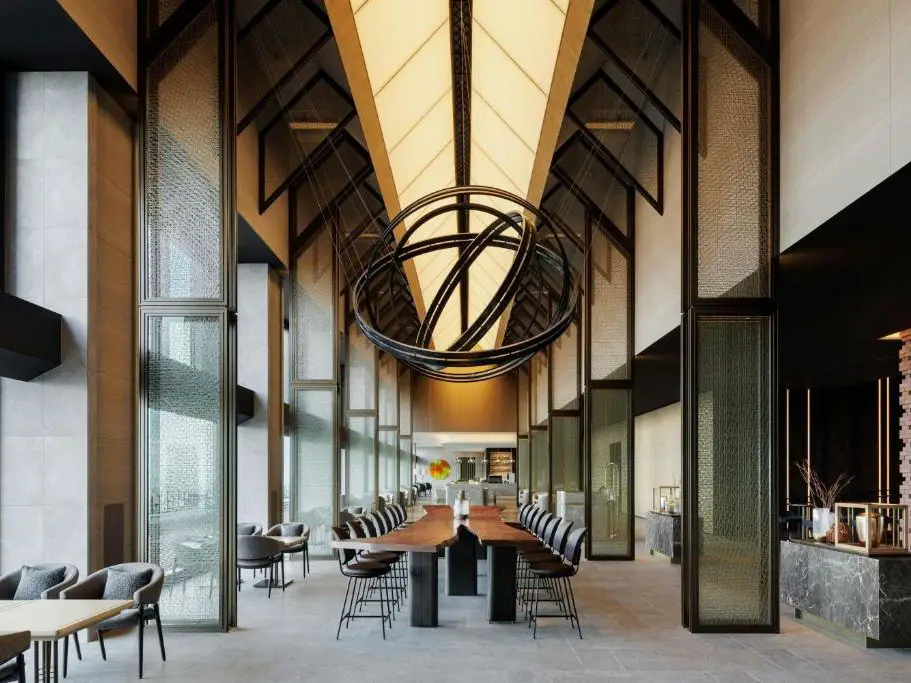
| 1. THE OSAKA STATION HOTEL, Autograph Collection Best Location in Osaka Rating: ⭐⭐⭐⭐⭐ Location: Direct connection to Osaka Station West Gate — no outdoor walking required. Guest Reviews: 29th-floor lobby, floor-to-ceiling city views, 60-dish breakfast buffet, secret Main Bar behind “Stationmaster’s Office” door, rainfall showers, railway-history art installations throughout Best Room: Scenic Corner King Price: From USD $295 – $400 per night |
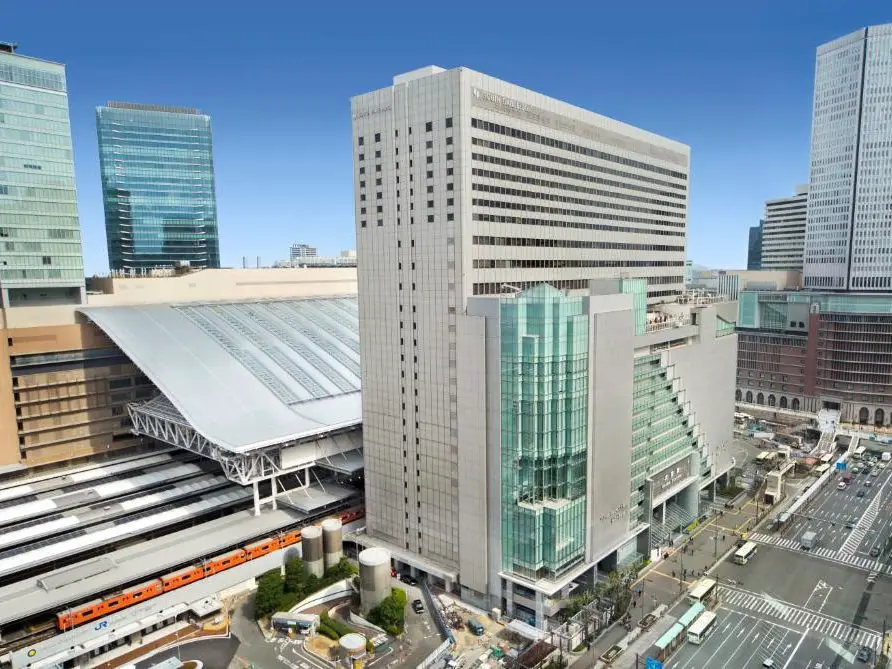
| 2. Hotel Granvia Osaka-JR Hotel Group Best On-Site Dining Rating: ⭐⭐⭐⭐ Location: 1 minute from Osaka Station Chuo Exit, inside the South Gate Building. Guest Reviews: 100-dish breakfast buffet with sparkling wine, teppanyaki counter with wagyu, 19th-floor Sandbank Bar, French restaurant Fleuve, city skyline views from floor 21 and above, 27th-floor Granvia Lounge Best Room: Granvia Floor Room Price: From USD $130 – $250 per night |
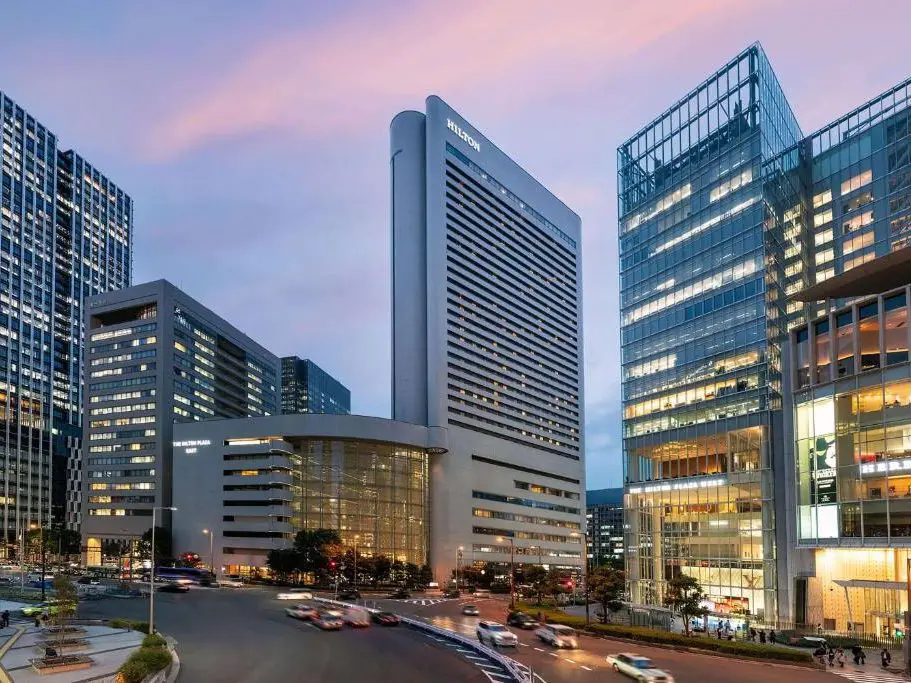
| 3. Hilton Osaka Best Pool and Spa Rating: ⭐⭐⭐⭐⭐ Location: 2 minutes from Osaka Station, directly across via Herbis Plaza underground connection. Guest Reviews: Indoor pool, Japanese sauna, full-service spa, 4 restaurants including Japanese restaurant Kawaume, pillow menu, deep soaking tub, Executive Lounge with continental breakfast and evening cocktails Best Room: Japanese Suite Price: From USD $200 – $380 per night |
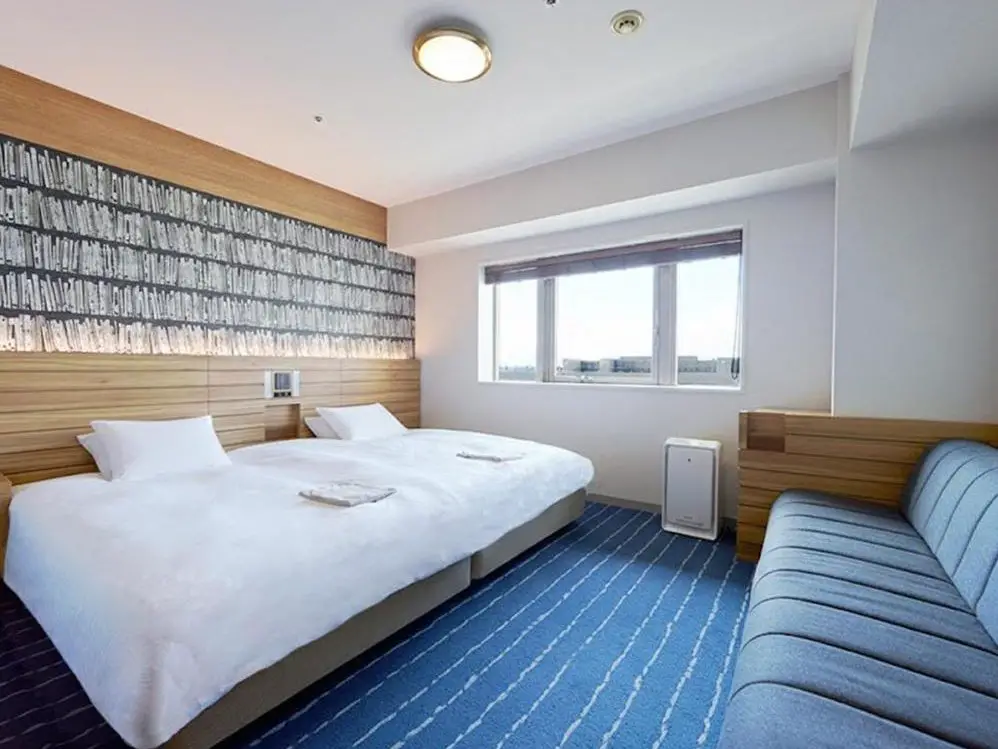
| 4. Hearton Hotel Nishi Umeda Rating: ⭐⭐⭐ Location: 3 minutes from Osaka Station Sakurabashi Exit. Guest Reviews: Japanese-Western breakfast buffet at Garden Cafe, Simmons brand bedding, deep-soaking bathtubs, electronic bidet toilets, coin laundry, pillow menu, airport limousine bus stop at the door Best Room: Standard Double Room, Non Smoking Price: From USD $60 – $100 per night |
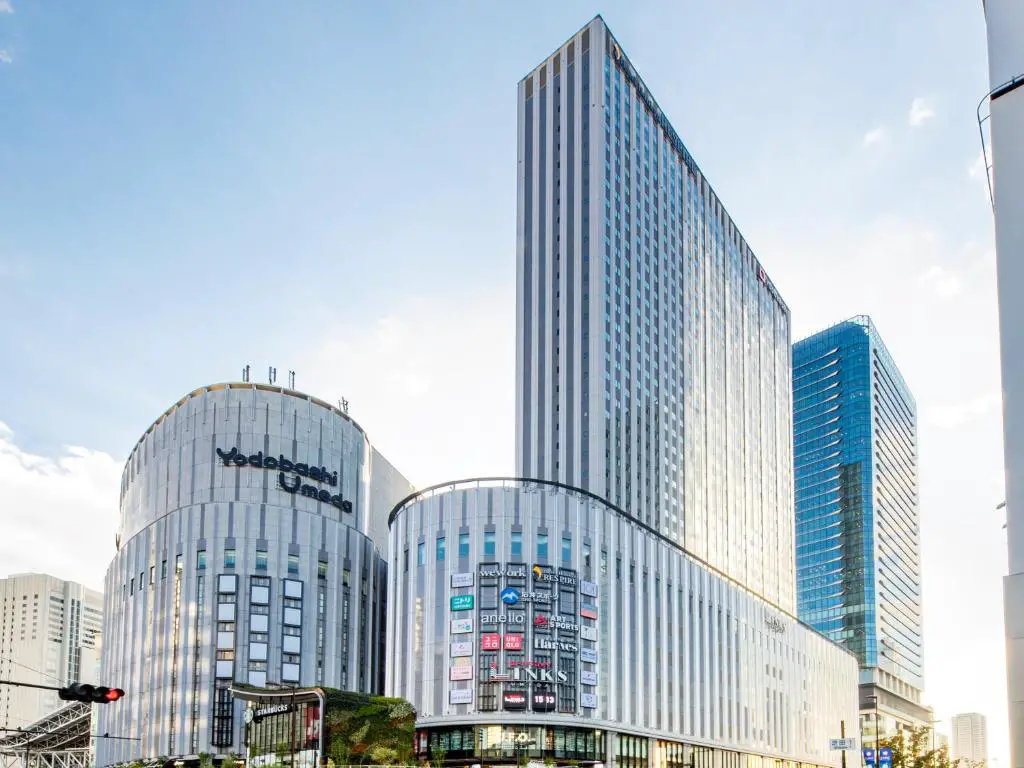
| 5. Hotel Hankyu RESPIRE Osaka Best Views for the Price Rating: ⭐⭐⭐⭐ Location: 3 minutes from Osaka Station Bridge Exit, directly above Links Umeda shopping mall. Guest Reviews: Grigliato CUÓCA Italian restaurant with wood-fired oven, Japanese garden promenade, panoramic city views from 30th floor and above, rainfall showerhead, separate bathtub, 24-hour fitness centre, airport limousine bus stop at building entrance Best Room: 30th- High Floor – Double, Non Smoking Price: From USD $110 – $200 per night |
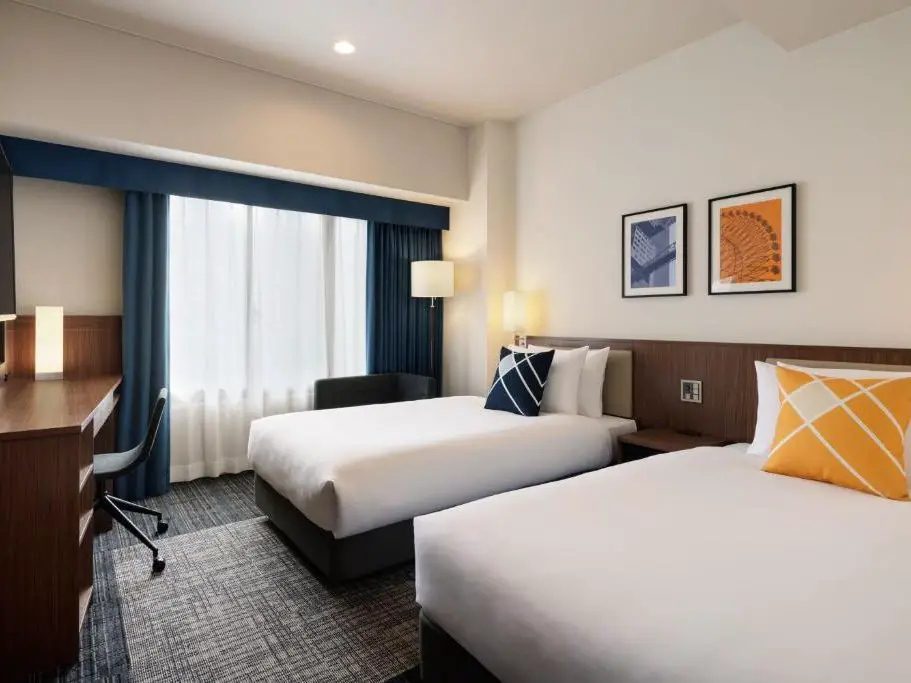
| 6. Four Points Flex by Sheraton Osaka Umeda Rating: ⭐⭐⭐ Location: 4 minutes from Osaka Station on foot, quiet side street off Shibata. Guest Reviews: Yayoi Ken Japanese breakfast restaurant, hot and cold water dispensers on every floor, coin laundry, ladies-only 13th floor with private lounge, keycard-only elevator access per floor, Marriott Bonvoy points eligible Best Room: Room, 2 Twin Beds Price: From USD $65 – $110 per night |
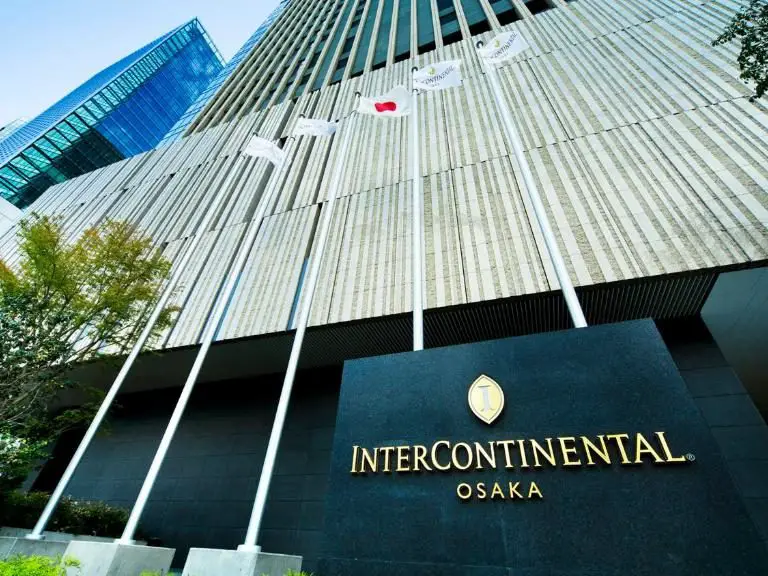
| 7. InterContinental Osaka by IHG Best Luxury Experience Rating: ⭐⭐⭐⭐⭐ Location: 5 minutes from Osaka Station, directly connected via Grand Front Osaka North Gate walkway. Guest Reviews: Michelin-starred restaurant Pierre with French-Japanese tasting menu, 20-metre indoor pool, Meguri Spa Japanese bathhouse with sitting and lying warm baths, 28th-floor Club InterContinental Lounge with breakfast and evening cocktails, NOKA Roast and Grill open-kitchen buffet, Nespresso and artisan tea set in every room Best Room: Premium King Room Price: From USD $250 – $450 per night |
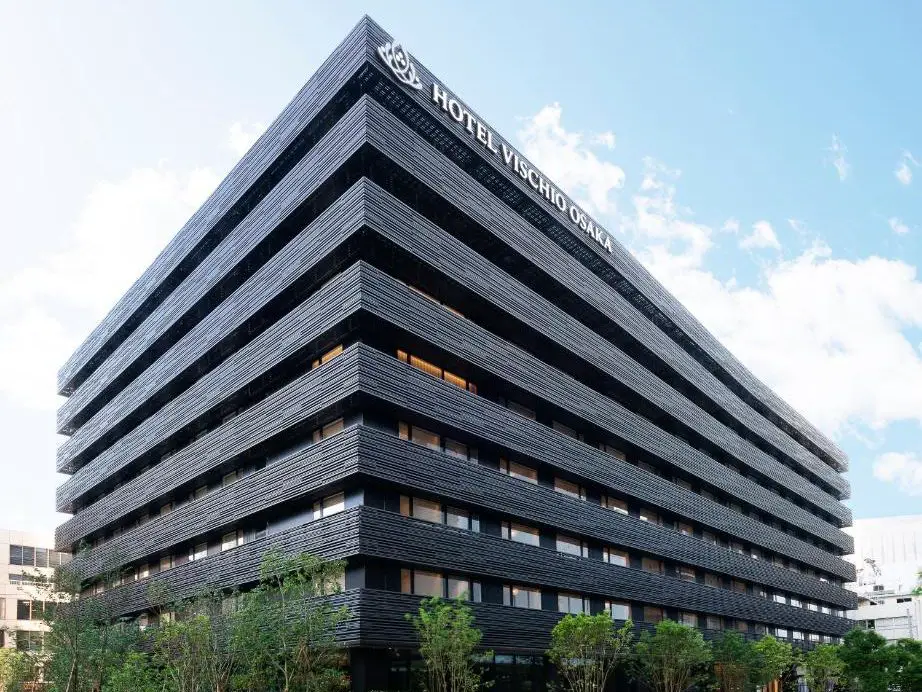
| 8. Hotel Vischio Osaka-JR Hotel Group Rating: ⭐⭐⭐⭐ Location: 5 minutes from Osaka Station Central North Exit, directly opposite Grand Front Osaka Mall. Guest Reviews: Italian-Japanese breakfast buffet at Verde Cassa, Drip-X-Cafe single-cup drip coffee, lobby amenity bar for toiletries, Simmons pillow-top mattresses, separate shower and toilet in all rooms, keycard elevator access per floor, self-service coin laundry Best Room: Deluxe Twin Room, Non Smoking Price: From USD $80 – $145 per night |
Why Osaka Station Makes a Better Base Than Namba
Namba is louder, denser, and more immediately exciting. Osaka Station is more useful. The difference matters most on day two, when you realise you want to be somewhere else.
- Day trips out of Kansai — Kyoto, Kobe, Nara, and Himeji are all reachable by direct train from Osaka Station or the private lines at Umeda, with journey times ranging from fifteen minutes to Kobe to just under thirty minutes to Kyoto. From Namba, each of those trips requires a change.
- Shinkansen access — Shin-Osaka Station, the bullet train stop for routes to Tokyo, Hiroshima, and beyond, is one JR stop north. From Namba, reaching Shin-Osaka requires a subway ride plus a transfer, adding fifteen to twenty minutes to every early departure.
- Airport connections — The Haruka limited express to Kansai International Airport departs from the Umekita Underground Platform directly below Osaka Station. The Itami Airport limousine bus stops at Herbis Osaka, a two-minute walk from the Sakurabashi Exit. Both are considerably more luggage-friendly than the equivalent connections from Namba.
- The underground network — A warren of air-conditioned passages connecting Osaka Station to Whity Umeda, Diamor Osaka, and the private railway concourses means that in July and August, when Osaka hits 35°C and humid, you can reach shops, restaurants, and three different train companies without stepping outside. Namba has no equivalent.
- Quieter at night — The streets around Osaka Station go calm after ten. Namba does not. For travellers who want an early start, or simply do not want to sleep above a street that runs until 3am, the difference is significant.
Osaka Station or Umeda? Understanding the Name Problem
The same location has five stations and three names, and the company you arrived with decides which one you’re standing in.
- JR calls it Osaka Station — The main JR hub, above ground, is where bullet train connections, the Haruka airport express, and rapid services to Kyoto and Kobe depart. This is the station most hotel directions in this area use as their reference point.
- Osaka Metro calls it Umeda — The Midosuji Line station directly beneath JR Osaka Station carries the name Umeda. So does the Tanimachi Line station one block east (Higashi-Umeda) and the Yotsubashi Line station one block west (Nishi-Umeda). Three Metro stations, three names, all within a five-minute walk of each other.
- The private railways use Osaka-Umeda — Hankyu and Hanshin both terminate at stations called Osaka-Umeda, located a short walk north of JR Osaka Station. These serve Kyoto and Kobe respectively and are separate buildings entirely.
- In practice — When your hotel says it is three minutes from Osaka Station, it means the JR station. When a restaurant listing says it is near Umeda, it means the same general area. The names are interchangeable at street level. The confusion comes underground, where signs switch between all three depending on which operator owns that section of passage. Follow the coloured line circles, not the station names, and you will find your way.
Which Exit to Use for Each Hotel
Osaka Station has more than twenty exits. Most first-time visitors choose the wrong one and add ten minutes to a walk that should take two. These are the exits that matter for the hotels closest to the station.
- West Gate (Nishi-Guchi) — Use for THE OSAKA STATION HOTEL, Autograph Collection. The hotel connects directly to the station building here via JP Tower Osaka on the first floor. No outdoor walking required.
- Chuo Exit (South Gate Building) — Use for Hotel Granvia Osaka. The hotel sits directly above this exit, inside Osaka Station City’s South Gate Building. One minute from the platform.
- Midosuji South Exit — Use for Hilton Osaka. Cross the road heading west and the Hilton Plaza towers are directly in front of you. Two to three minutes on foot.
- Sakurabashi Exit — Use for Hearton Hotel Nishi Umeda and Hotel Hankyu RESPIRE Osaka. Both are a three-minute walk west from this exit along Sakurabashi-dori. Hearton is on the left; Hotel Hankyu RESPIRE Osaka is slightly further, above Links Umeda.
- North Exit (via Shibata-dori) — Use for Four Points Flex by Sheraton Osaka Umeda and Hotel Vischio Osaka. Exit north and walk up Shibata-dori. Four Points Flex is at approximately four minutes and Hotel Vischio Osaka at five.
- North Gate (Grand Front Osaka walkway) — Use for InterContinental Osaka. A covered second-floor walkway connects Osaka Station’s North Gate to Grand Front Osaka. Follow signs for Grand Front North Building to reach the hotel lobby in five minutes.
- General rule — Write your exit name on your phone before you arrive. The station has good English signage at platform level, but once underground the signs reference operator-specific exits that do not always match hotel directions written for surface-level navigation.
Getting Around from Osaka Station: The Lines That Matter
Every major destination in Osaka and the broader Kansai region is reachable from here without a transfer or with one short change.
- Dotonbori and Namba — Take the Midosuji Line from Umeda Station, three minutes on foot from the Midosuji Gate. Eight minutes to Namba Station, then a five-minute walk south to Dotonbori. This is the line most visitors use most often.
- Shinsaibashi — Same Midosuji Line, one stop before Namba. Seven minutes from Umeda.
- Kyoto — Two options depending on budget and flexibility. The JR Special Rapid from Osaka Station reaches Kyoto Station in approximately twenty-eight minutes and is covered by the JR Pass. The Hankyu Limited Express from Hankyu Osaka-Umeda Station reaches Kyoto Kawaramachi in around forty-three to forty-five minutes and is cheaper without a pass.
- Kobe — JR Rapid from Osaka Station to Sannomiya takes approximately twenty minutes. The Hanshin Line from Osaka-Umeda Station is a slower but more scenic coastal route, also to Sannomiya, in around thirty minutes.
- Shin-Osaka (Shinkansen) — One stop north on the JR Kyoto Line from Osaka Station. Three minutes. From Shin-Osaka you can reach Tokyo in around two hours and thirty minutes on the Nozomi.
- Kansai International Airport — The Haruka limited express departs from the Umekita Underground Platform at Osaka Station and reaches KIX in approximately fifty to sixty minutes. Tickets can be purchased at the JR ticket office or paid with a transit card at the gate. If your hotel is near the Sakurabashi Exit, the Itami Airport limousine bus from Herbis Osaka is the more convenient option for domestic flights.
- Universal Studios Japan — The JR Sakurajima Line departs from Osaka Station and reaches Universal City Station in approximately fifteen minutes. No transfer required.
When to Book and What Prices Do
Hotels near Osaka Station follow demand patterns that are predictable enough to plan around.
- Cherry blossom peak (late March to early April) — The most sought-after window in the calendar. Hotels in this area sell out months in advance and nightly rates run fifty to one hundred percent above standard. Osaka Castle Park, Nakanoshima, and the Mint Bureau promenade are the main draw. If sakura is the reason for your trip, lock in accommodation as early as possible and expect to pay for the timing.
- Golden Week (late April to early May) — Japan’s cluster of national holidays brings a second surge of domestic travellers. Trains are crowded, popular restaurants fill early, and hotel prices remain elevated through the first week of May. The second half of May is consistently underrated: the weather is warm and dry, crowds thin sharply, and rates drop.
- Summer (July to August) — Osaka summers are genuinely hot and humid, with temperatures regularly reaching 34 to 36°C. The underground network around Osaka Station is an asset here: you can move between shops, restaurants, and train lines in air-conditioned passages without stepping outside. Rates are lower than peak season and availability is easier to find.
- Autumn (October to November) — The quieter equal to spring. Temperatures sit between 15 and 22°C, autumn foliage appears at Osaka Castle Park and Minoo Park, and hotel prices are softer than the cherry blossom window. For travellers with flexible dates, late October to mid-November is consistently strong value.
- Winter (December to February) — The coldest months, though rarely severe. City-wide illuminations run from early November through February and give the underground shopping district an unusually lively atmosphere. Rates are at their lowest and the city is considerably less crowded than at any other time of year.
What Umeda Looks Like on the Ground
Umeda is the densest concentration of retail, food, and transit infrastructure in western Japan. Understanding its layout before you arrive saves time and removes confusion.
- The underground network — Whity Umeda and Diamor Osaka are connected shopping arcades running beneath the station and the streets around it. Together they link JR Osaka Station to the Hankyu, Hanshin, and Metro concourses, and to the department stores above them. In rain or summer heat this network is the fastest way to move between transport hubs.
- Above-ground department stores — Hankyu Umeda, Hanshin Umeda, LUCUA, and LUCUA 1100 sit directly adjacent to the station building. Grand Front Osaka, a large mixed-use complex to the north, houses restaurants, shops, and the InterContinental Osaka lobby. Most are open until 9pm.
- Takimi Koji — A recreated Showa-era alley inside the Osaka Station City South Gate Building, lined with small restaurants serving kushikatsu, ramen, and izakaya food. A practical option for a first-evening meal without venturing far from the station.
- Umeda Sky Building — Two towers joined at the top by an open-air circular walkway called the Floating Garden Observatory, 173 metres above ground. A glass escalator suspended between the towers reaches the rooftop. Approximately fifteen minutes on foot from the station heading northwest, or around ten minutes from the Sakurabashi Exit heading west. Entry fee required.
- HEP FIVE — A shopping complex on Kakuda-dori with a large red Ferris wheel on its roof, visible from several blocks away and a useful landmark for orientation when surfacing from the underground.
- Nakanoshima — A narrow island running east to west between two rivers, a short walk south of Osaka Station depending on your entry point. Home to the Museum of Oriental Ceramics, several galleries, and Nakanoshima Park’s rose garden along the riverside. A useful contrast to the commercial density immediately around the station.
FAQs
1. Is Osaka Station the same as Umeda Station?
They refer to the same district but are technically different stations run by different operators. JR’s station is called Osaka Station. The Osaka Metro station directly beneath it is called Umeda. The Hankyu and Hanshin private railway stations nearby are called Osaka-Umeda. All sit within walking distance of each other and serve the same area.
2. Which exit should I use to get to my hotel from Osaka Station?
It depends on the hotel. The West Gate connects directly to THE OSAKA STATION HOTEL, the Chuo Exit leads to Hotel Granvia Osaka, the Midosuji South Exit is closest to Hilton Osaka, the Sakurabashi Exit serves Hearton Hotel Nishi Umeda and Hotel Hankyu RESPIRE Osaka, the North Exit via Shibata-dori leads to Four Points Flex by Sheraton Osaka Umeda and Hotel Vischio Osaka, and the North Gate walkway connects to InterContinental Osaka via Grand Front Osaka.
3. How far is Dotonbori from Osaka Station?
Around eight minutes by subway. Take the Midosuji Line from Umeda Station to Namba, then walk five minutes south to reach the Dotonbori canal. The connection is straightforward and requires no transfer.
4. How do I get from Osaka Station to Kyoto?
The JR Special Rapid departs from Osaka Station and reaches Kyoto Station in approximately twenty-eight minutes. If you hold a JR Pass, this is the most direct option. Without a pass, the Hankyu Limited Express from Hankyu Osaka-Umeda Station to Kyoto Kawaramachi takes around forty-three to forty-five minutes and works out cheaper.
5. How do I get from Osaka Station to Kansai Airport?
The Haruka limited express departs from the Umekita Underground Platform at Osaka Station and reaches KIX in approximately fifty to sixty minutes. Tickets can be purchased at the JR ticket office or paid with a transit card at the gate. For domestic flights to Itami Airport, the limousine bus from Herbis Osaka near the Sakurabashi Exit is the most direct option.
6. Is the Osaka Station area good for first-time visitors to Japan?
It suits first-time visitors well because of its transport connections. Every major destination in Osaka is reachable in under ten minutes by subway or JR, and day trips to Kyoto, Kobe, and Nara are all direct from the station. The area can feel large and disorienting on arrival, but the English signage is good at platform level and the underground network keeps navigation manageable once you know which coloured line to follow.
7. What is the best time of year to visit Osaka?
Late March to early April for cherry blossoms and late October to mid-November for autumn foliage and comfortable temperatures are the two most popular windows. Both come with higher hotel prices and busier trains. Late May after Golden Week and October offer similar weather with lower demand and more availability.
8. Are there luggage storage options at Osaka Station?
Coin lockers are available throughout the station building at platform level and at the North and South Gate exits in a range of sizes. During busy travel periods lockers can fill up through the morning, so arriving early or arranging luggage delivery to your hotel in advance is worth considering.
9. Does Osaka Station have an English-language information centre?
A staffed tourist information counter operates inside the station building near the Central Exit. Staff can assist with transit directions, area maps, and local recommendations. Confirming current opening hours before an early or late arrival is advisable.