
Most people come to Osaka to eat, and the city has a way of making even breakfast feel like an event. A proper Japanese breakfast, rice, miso soup, charcoal-grilled fish, pickles, tamago, sets a rhythm for the day that nothing else quite matches, and Osaka’s hotels have made it one of their strongest suits. Whether you want an onsen-side washoku spread in Namba or a 36th-floor buffet above Osaka Station, the options here are worth planning your stay around.
Table of Contents
Osaka Hotels
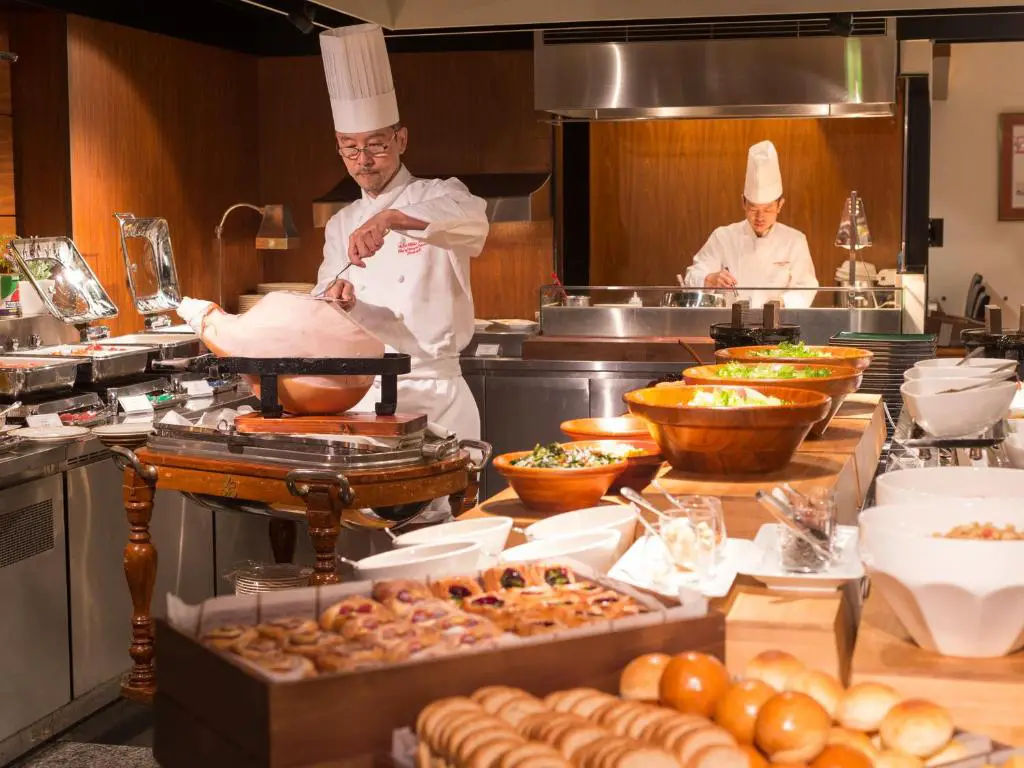
| 1. Hotel Nikko Osaka Best for Osaka-Style Breakfast ⭐⭐⭐⭐ Location: Directly above Shinsaibashi Station (Midosuji Line) Guest Reviews: Charcoal-grilled fish, okonomiyaki-style omelette, dedicated washoku section, separate Japanese and Western dining floors Best Room: Nikko Premium Double Room, Non Smoking Price: From USD $100 – $230 per night |
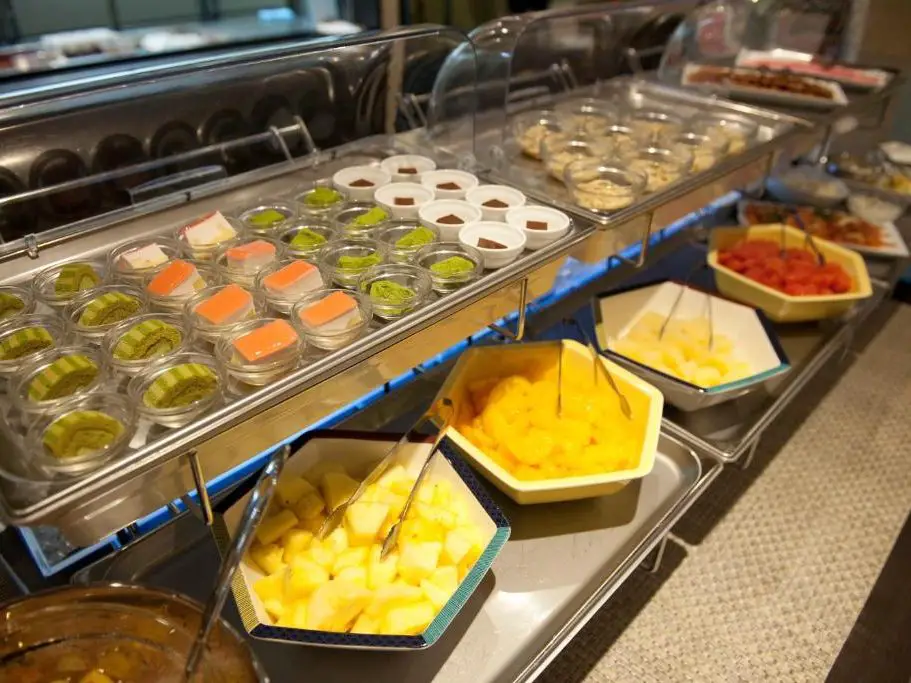
| 2. Dormy Inn Premium Namba Natural Hot Spring Best Onsen Hotel with Breakfast ⭐⭐⭐⭐ Location: 3-minute walk to Dotonbori Guest Reviews: Japanese buffet with takoyaki, grilled fish and miso, free late-night ramen, onsen to soak in after breakfast Best Room: Japanese Western Room with Tatami Area Price: From USD $70 – $150 per night |
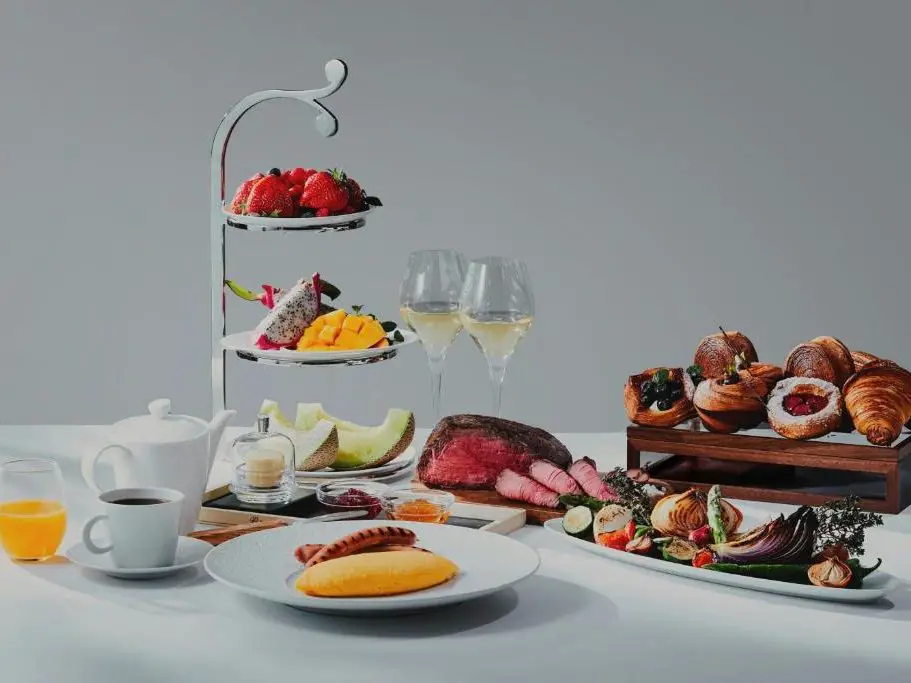
| 3. The Osaka Station Hotel, Autograph Collection Best Breakfast Spread in Osaka ⭐⭐⭐⭐⭐ Location: 1-minute walk to Osaka Station Guest Reviews: 80-dish buffet with nigiri sushi, charcoal-grilled beef, miso soup and seasonal Japanese vegetables Best Room: Scenic Corner King, 1 King Bed, Non Smoking Price: From USD $200 – $400 per night |
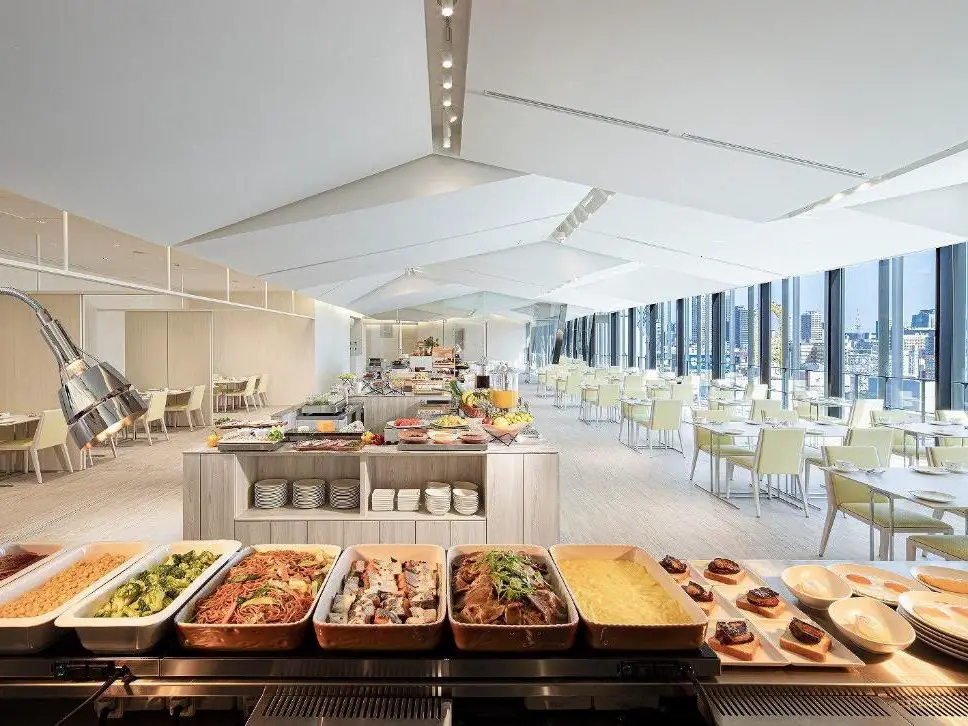
| 4. Hotel Royal Classic Osaka ⭐⭐⭐⭐ Location: Directly above Namba Station, 4-minute walk to Dotonbori Guest Reviews: Okaka gohan with freshly shaved bonito, full Japanese-Western buffet, chocolate fondue and sparkling wine alongside washoku staples Best Room: Premium Twin Room Price: From USD $150 – $300 per night |
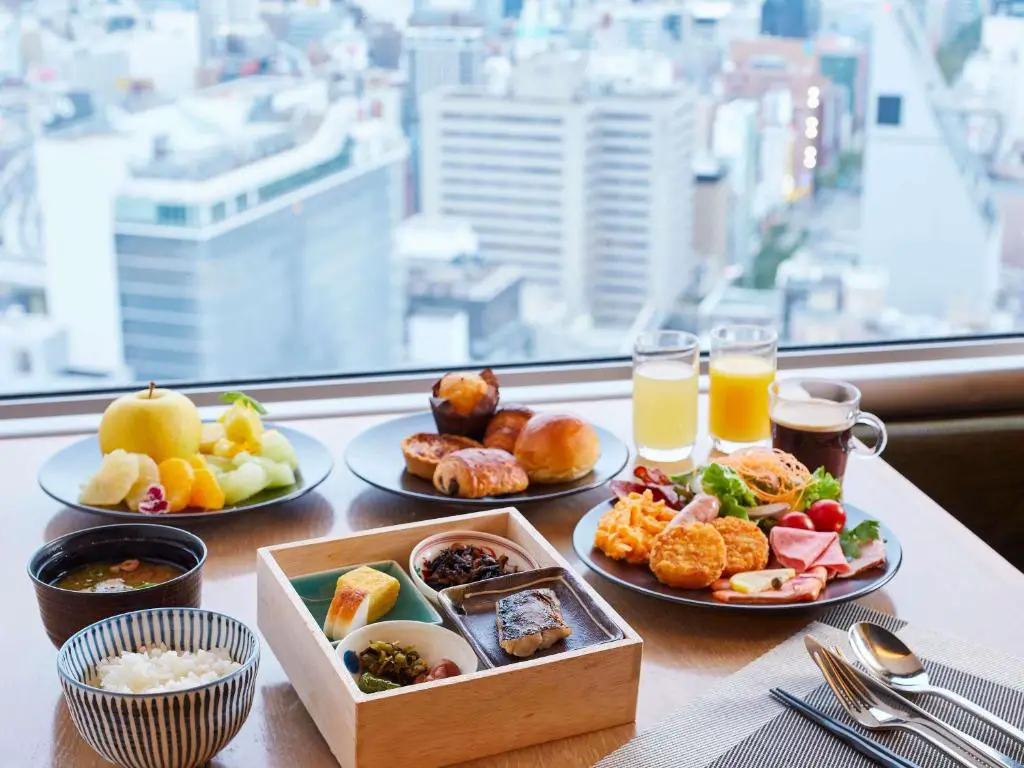
| 5. Swissotel Nankai Osaka Best Breakfast with a View ⭐⭐⭐⭐⭐ Location: Directly above Namba Station, 10-minute walk to Dotonbori Guest Reviews: 36th-floor breakfast with grilled saba fish, DIY onigiri machine, hijiki rice, panoramic city views Best Room: Swiss Select Room, 1 King Bed Price: From USD $150 – $280 per night |
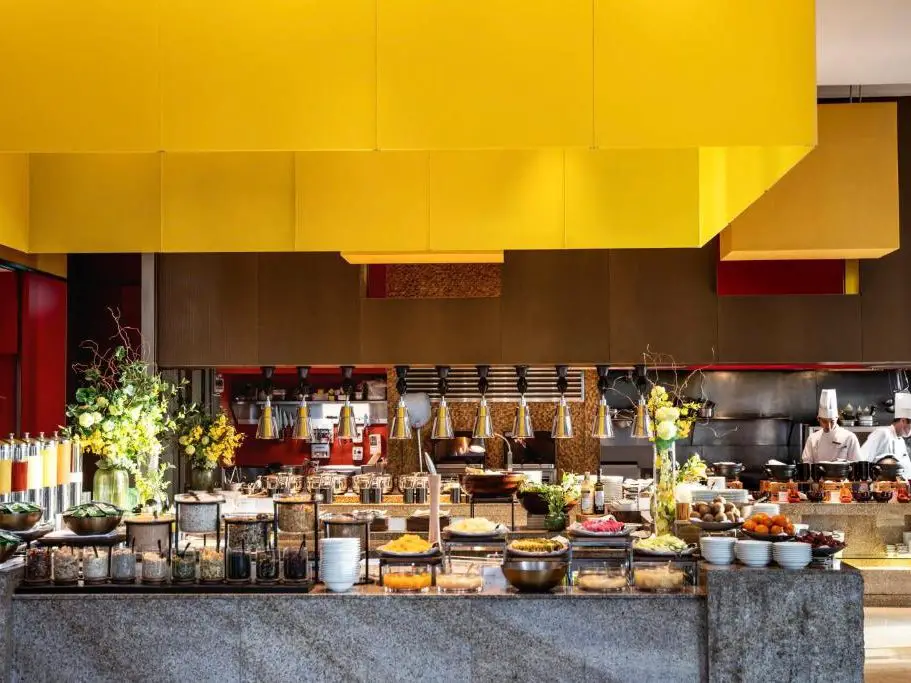
| 6. InterContinental Osaka by IHG Best Japanese Breakfast Station ⭐⭐⭐⭐⭐ Location: 5-minute walk to Osaka Station, Grand Front Osaka Guest Reviews: Japanese breakfast station with broiled fish, miso soup, rice, onsen eggs and rotating ramen, soba and udon noodle bar at NOKA Roast & Grill Best Room: Deluxe King Room Price: From USD $350 – $550 per night |
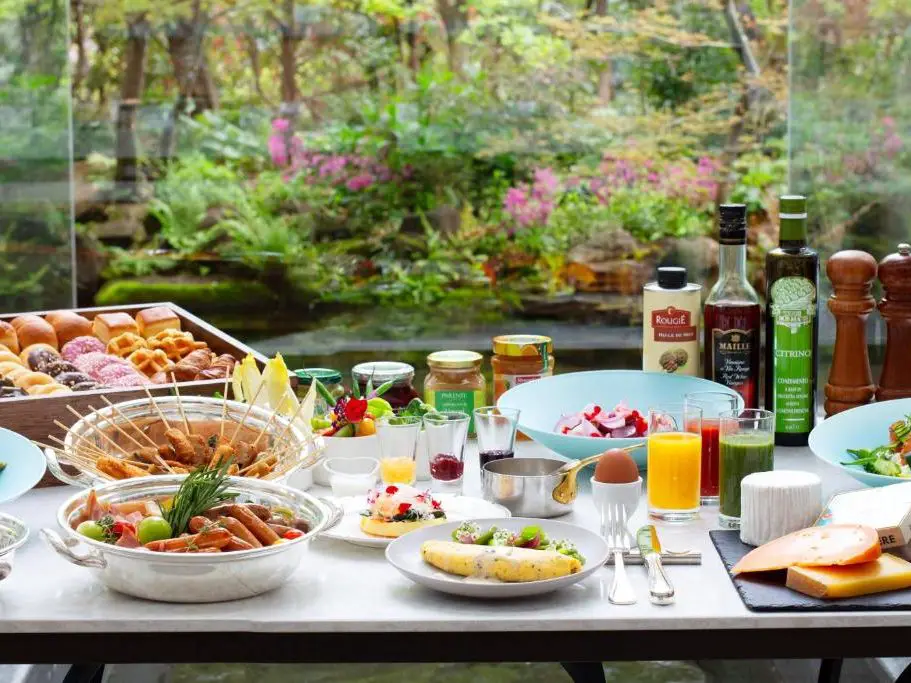
| 7. The Westin Osaka ⭐⭐⭐⭐⭐ Location: 7-minute walk to Osaka Station, free shuttle every 15 minutes Guest Reviews: French-style okonomiyaki, kushikatsu, miso soup and ohitashi alongside 20 bread varieties at AMADEUS, with garden views over an indoor forest Best Room: Deluxe King Room Price: From USD $200 – $350 per night |
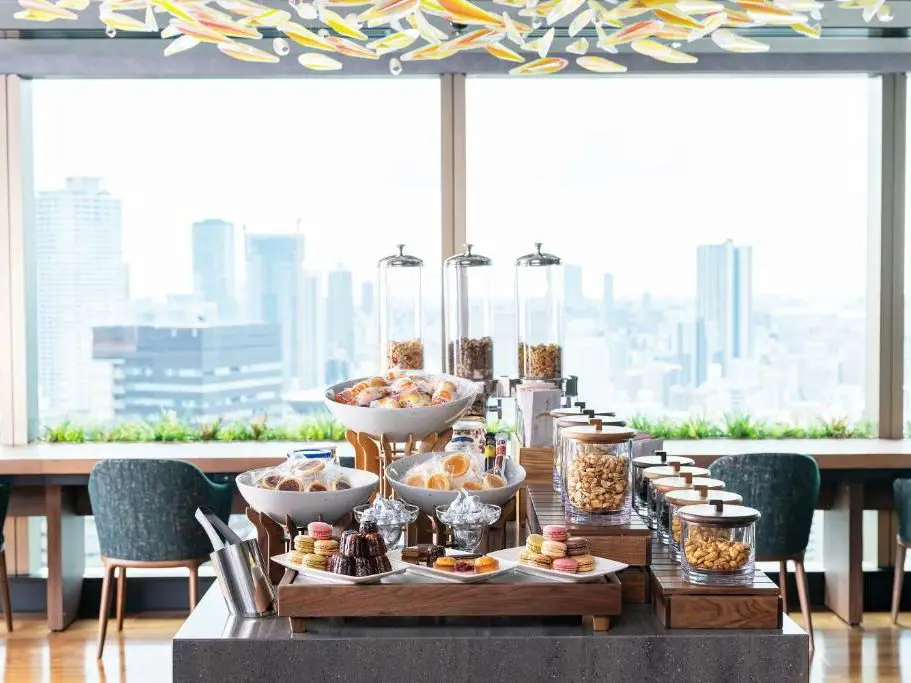
| 8. Hotel Hankyu GRAN RESPIRE OSAKA Best New Hotel with Breakfast ⭐⭐⭐⭐ Location: Directly connected to Osaka Station, 4-minute walk to Grand Front Osaka Mall Guest Reviews: 120-dish buffet at MAISON VERTE with takoyaki fresh from the griddle, kushikatsu, chirashi sushi and a table-served fluffy egg sandwich Best Room: Corner Twin Price: From USD $105 – $200 per night |
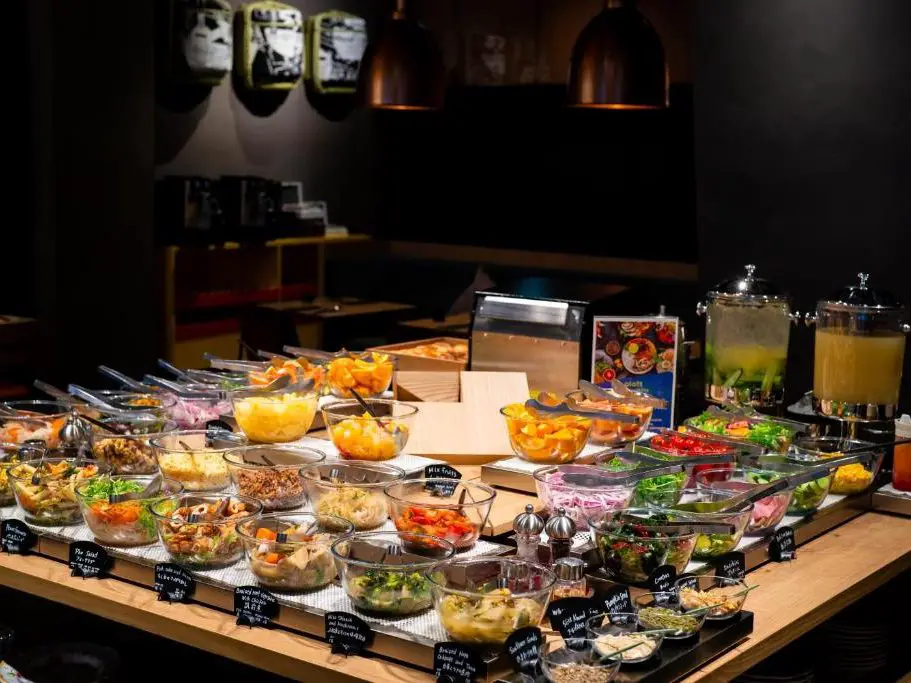
| 9. Aloft Osaka Dojima ⭐⭐⭐⭐ Location: 10-minute walk to Osaka Station, 5-minute walk to Higobashi Station Guest Reviews: Japanese and Western buffet at THE WAREHOUSE, spacious loft-style rooms, excellent staff, lively bar scene Best Room: Loft, 1 Queen Bed, City View Price: From USD $120 – $200 per night |
What Is a Japanese Breakfast?
Osaka earned its nickname “the nation’s kitchen” through centuries of ingredient trading and culinary obsession, and that spirit filters into even the first meal of the day. A Japanese breakfast follows the principle of ichiju sansai, literally “one soup, three dishes,” built around a bowl of rice so central to the meal that it doesn’t even appear in the name.
- Gohan (steamed rice) — The foundation of every washoku morning. At serious hotels, the rice is sourced carefully and cooked fresh. The difference between good hotel rice and generic hotel rice is noticeable the moment you lift the bowl.
- Miso shiru (miso soup) — Made from fermented soybean paste dissolved into a dashi broth of kombu and bonito. Varies by season and property: you might find tofu and wakame one morning, clams the next.
- Yakizakana (grilled fish) — The protein anchor of the meal, typically salmon, mackerel or sea bream, lightly salted and grilled until the skin crisps and the flesh flakes. This is the component that separates a genuine washoku breakfast from a buffet that merely nods at Japan.
- Tsukemono (pickles) — Small portions of pickled vegetables, fermented overnight or longer, designed to cut through the richness of the fish and wake up the palate.
- Tamagoyaki (Japanese rolled omelette) — Layered, slightly sweet, and nothing like a Western omelette. A breakfast staple that takes skill to make well.
- Side dishes — Natto (fermented soybeans), hijiki seaweed, ohitashi (blanched spinach in dashi), and simmered vegetables round out the spread, changing with what’s in season.
Most hotel breakfast buffets offer both Japanese and Western sections. The Japanese side is always worth prioritising.
Namba or Umeda: Which Area Makes More Sense?
Osaka divides neatly into two hubs, and which one you base yourself in shapes the whole trip. Kita (Umeda) and Minami (Namba) sit about 15 minutes apart on the Midosuji subway line, and both are well connected, but they feel different on the ground.
- Namba (Minami) — The southern entertainment district, home to Dotonbori, Shinsaibashi shopping arcade and Kuromon Ichiba Market. Staying here puts street food, nightlife and Osaka’s most iconic sights within walking distance. The Nankai Line from Namba Station connects directly to Kansai International Airport in around 40 minutes, making it the more convenient choice for arrivals and departures. It is also noisier and more tourist-facing, so look for hotels with good soundproofing on high floors.
- Umeda (Kita) — The northern business and transport hub, home to Osaka Station and connections to four major rail lines. It is the better base for day trips to Kyoto, Kobe and Nara, and the surrounding streets feel noticeably calmer than Namba at night. Grand Front Osaka and Lucua are directly attached to the station, so shopping and dining are effortless without needing to navigate busy streets.
- Shinsaibashi — Sits between the two, one subway stop north of Namba on the Midosuji Line. A solid compromise: walking distance to Dotonbori, quieter streets than central Namba, and easy access in both directions.
For first-time visitors who want to maximise time in Osaka itself, Namba is the natural base. For those using Osaka as a launch point for Kansai day trips, Umeda is the more practical call.
What to Expect from a Hotel Japanese Breakfast
A Japanese hotel breakfast is almost never included in the base room rate. It is typically an add-on, paid either at booking or on arrival, and the cost ranges from around JPY 2,500 at mid-range properties to JPY 7,500 at five-star hotels. A few points worth knowing before you arrive.
- Timing — Most hotel breakfast services run from 6:30am to 10:30am, with the last entry usually 30 minutes before close. Arriving early pays off: the most popular buffets, particularly at well-reviewed properties, fill up by 8am on weekends and during peak season. The Japanese stations tend to be at their freshest first thing, when the grilled fish comes straight from the kitchen and the rice is just cooked.
- Add at booking, not on arrival — Many hotels offer a discounted breakfast rate when booked with the room. Paying at the property on the day typically costs more, and availability is not always guaranteed during busy periods.
- The washoku station vs. the full buffet — Some hotels dedicate a separate restaurant or counter to Japanese breakfast, served as a set. Others fold the Japanese options into a larger international buffet. Both can be excellent, but the set-format washoku breakfast tends to be more curated: each dish is deliberate rather than one item among dozens.
- What to skip — Hotel breakfast spreads in Japan are generous, and it is tempting to pile a plate with everything. The Japanese side rewards restraint. Rice, fish, miso soup and two or three side dishes is how the meal is meant to be eaten, in small portions that complement each other.
When to Book and What to Know About Pricing
Room rates and breakfast queues both follow Osaka’s tourist seasons closely. Knowing when to go, and when to avoid, makes a practical difference to the experience.
- Spring (March to May) — The most popular time to visit, driven by cherry blossom season from late March through mid-April. Hotel rates peak during this window, particularly around Osaka Castle and Kema Sakuranomiya Park, and breakfast rooms fill faster. Book at least two to three months ahead and confirm whether breakfast is included or available to add.
- Autumn (October to November) — A close second to spring for popularity, with comfortable temperatures and autumn foliage peaking in mid to late November. Rates are slightly lower than spring but still elevated. October is arguably the best all-round month: crowd levels ease after the summer peak, temperatures sit in the low twenties, and hotel availability is more forgiving.
- Summer (June to August) — Hot and humid, with average highs around 33–34°C and a rainy season running through June and into July. International tourist numbers are lower than spring and autumn, which means better room availability and shorter breakfast queues. Worth considering for those who can manage the heat.
- Winter (December to February) — The quietest and most affordable period. Rates drop significantly, sometimes to less than half the spring peak, and popular breakfast buffets are rarely crowded. Osaka winters are cool rather than harsh, with temperatures between 5°C and 12°C, and the city’s illumination events in December add an unexpected draw.
Golden Week (late April to early May) and Japan’s national public holidays drive sharp spikes in demand. If your dates overlap, book as early as possible and check cancellation policies carefully.
FAQ
1. Do Osaka hotels include breakfast in the room rate?
Rarely. Most hotels in Japan price rooms without breakfast and offer it as a paid add-on at booking or on arrival. A small number of business hotels include a simple breakfast in the rate, but for the properties on this level, breakfast is almost always charged separately.
2. How much does a Japanese breakfast cost at an Osaka hotel?
Prices vary by hotel tier. Mid-range properties typically charge JPY 2,500 to JPY 3,500 per person. At four and five-star hotels, expect JPY 4,000 to JPY 7,500. Booking the breakfast with your room rather than paying on the day often saves money.
3. What is the difference between a Japanese breakfast and a Western breakfast at a hotel?
A Western hotel breakfast centres on bread, eggs, pastries and coffee. A Japanese breakfast follows the ichiju sansai format: steamed rice, miso soup, grilled fish, pickles and several small side dishes. Both are typically available side by side at the buffets served by most Osaka hotels, and nothing stops you from combining elements of each.
4. Is a Japanese hotel breakfast worth the extra cost?
At hotels where the breakfast is taken seriously, yes. Grilled fish cooked to order, fresh rice and house-made miso soup made from real dashi bear little resemblance to the instant or reheated versions found at cheaper properties. The experience is also unhurried in a way that most restaurant breakfasts in Japan are not.
5. Can I get a Japanese breakfast in Osaka outside of a hotel?
Yes, though options are more limited than in the evening. A handful of specialist breakfast spots serve traditional washoku morning sets, and some kissaten (traditional coffee shops) offer simple morning sets from early in the day. Convenience stores also stock onigiri, miso soup cups and tamagoyaki at low cost, which is a perfectly reasonable fallback for early departures.
6. Which area of Osaka is better for a Japanese breakfast hotel stay, Namba or Umeda?
Both areas have strong options across different price points. Namba puts you closer to Dotonbori and the Kuromon market, and the Nankai Line gives direct airport access. Umeda has better connections for Kansai day trips and a generally calmer street atmosphere. The breakfast itself does not differ meaningfully by area, so the decision is really about how you plan to spend the rest of your time.
7. Do Osaka hotels cater for vegetarians at Japanese breakfast?
Traditional Japanese breakfast is built around fish and dashi, which contains bonito. Strict vegetarians and vegans should inform the hotel in advance, as most properties can adapt with notice, substituting grilled tofu or vegetable dishes for the fish course. This is less reliably managed at buffet-format breakfasts than at set-menu properties where the kitchen prepares dishes individually.
8. When is the best time to visit Osaka to avoid crowds at hotel breakfasts?
October and the winter months of January and February see the lowest demand. Breakfast rooms are quieter, queues are shorter and room rates are at their lowest. Spring cherry blossom season and the Golden Week holiday in late April to early May are the most congested periods.