
Silom sits at the intersection of Bangkok’s two main transit lines, which means you can be at the Grand Palace, Chatuchak Market, or the riverside in under 30 minutes without touching a taxi. It’s a neighbourhood that works hard in the daytime — financial district, street food, temples tucked between office towers — and loosens up considerably after dark, with everything from rooftop bars to the famous night market at Patpong a short walk from your door. The hotels here range from sharp design properties that would hold their own in any major city to reliable mid-range options that leave you more budget for eating and exploring. Here are the best places to stay if it’s your first time in Bangkok and you want a base that makes the city easy.
Quick answer: Book The Standard, Bangkok Mahanakhon. It’s directly connected to Chong Nonsi BTS, so your first-day Skytrain rides start in the building.
Table of Contents
Silom Hotels
Best Value Stay
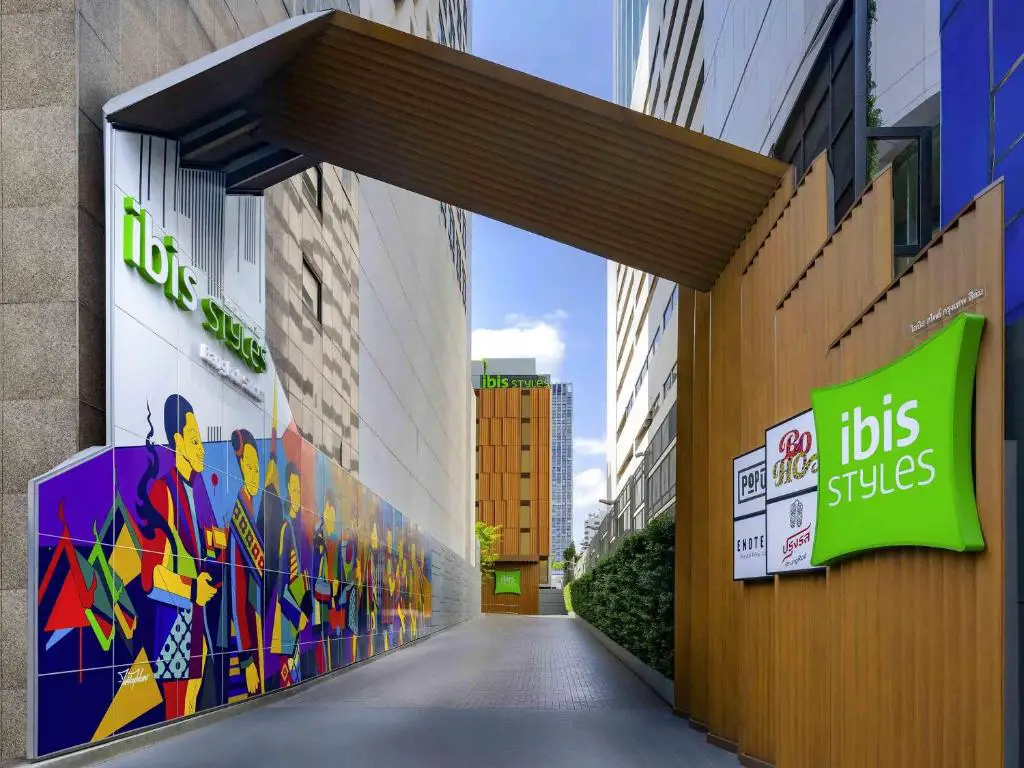
1. ibis Styles Bangkok Silom
Rating: ⭐⭐⭐
Location: 2-minute walk to Sala Daeng BTS and MRT Silom station
Guest Reviews: Rooftop pool with city views, glass-walled rain showers, spotless rooms, breakfast variety praised
Best Room: Superior Room, 1 King Bed
From USD $50 – $95 per night
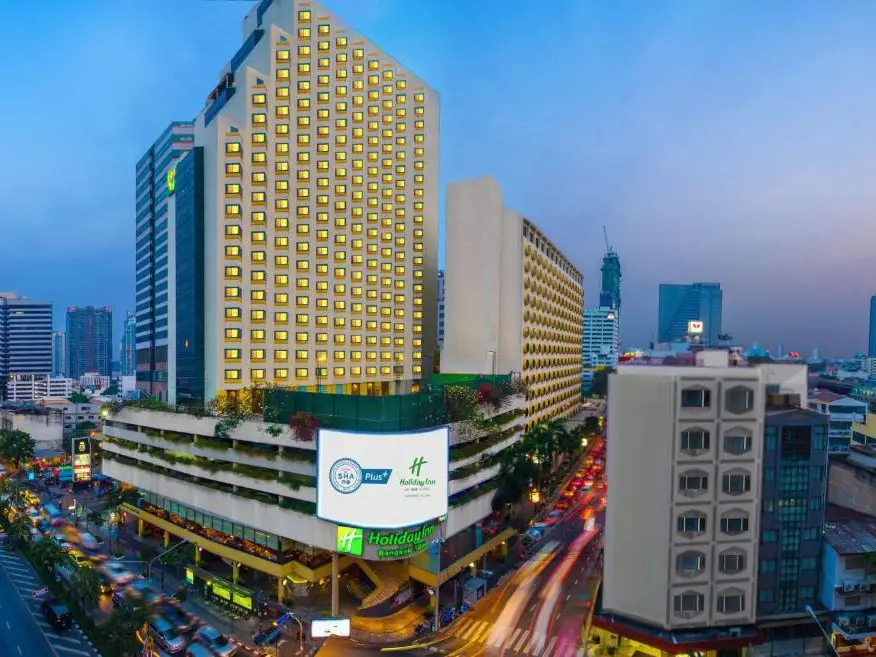
2. Holiday Inn Bangkok Silom by IHG
Rating: ⭐⭐⭐⭐
Location: 7-minute walk to Surasak BTS Station
Guest Reviews: Outdoor tennis courts, Indian cuisine at Tandoor restaurant, pool with Jacuzzi, spacious rooms with bathtubs
Best Room: Premium Room, 1 King Bed, Non Smoking, City View
From USD $90 – $150 per night
Best Rooftop Pool
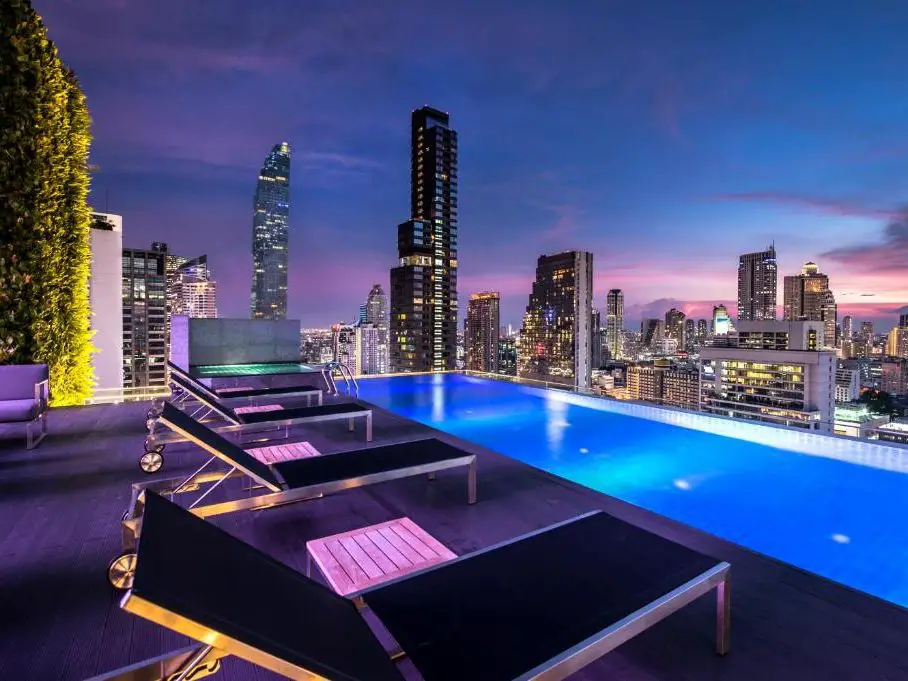
3. Amara Bangkok
Rating: ⭐⭐⭐⭐
Location: 8-minute walk to Chong Nonsi BTS Station
Guest Reviews: Rooftop infinity pool with Bangkok skyline views, rain showers and bathrobes, helpful multilingual staff, wide breakfast variety
Best Room: Executive Room, 1 King Bed
From USD $80 – $155 per night
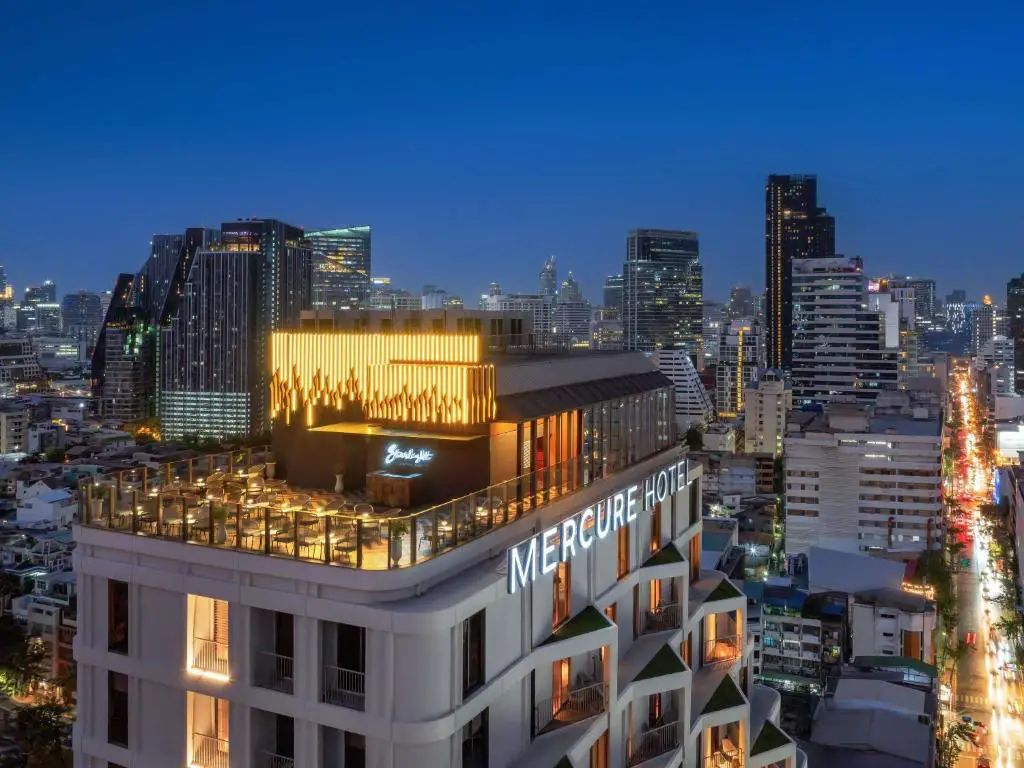
4. Mercure Bangkok Surawong
Rating: ⭐⭐⭐⭐
Location: 9-minute walk to Chong Nonsi BTS Station
Guest Reviews: Rooftop bar with city views, clean modern rooms, attentive staff, authentic Chinese restaurant on-site
Best Room: Superior Room, 1 King Bed
From USD $45 – $95 per night
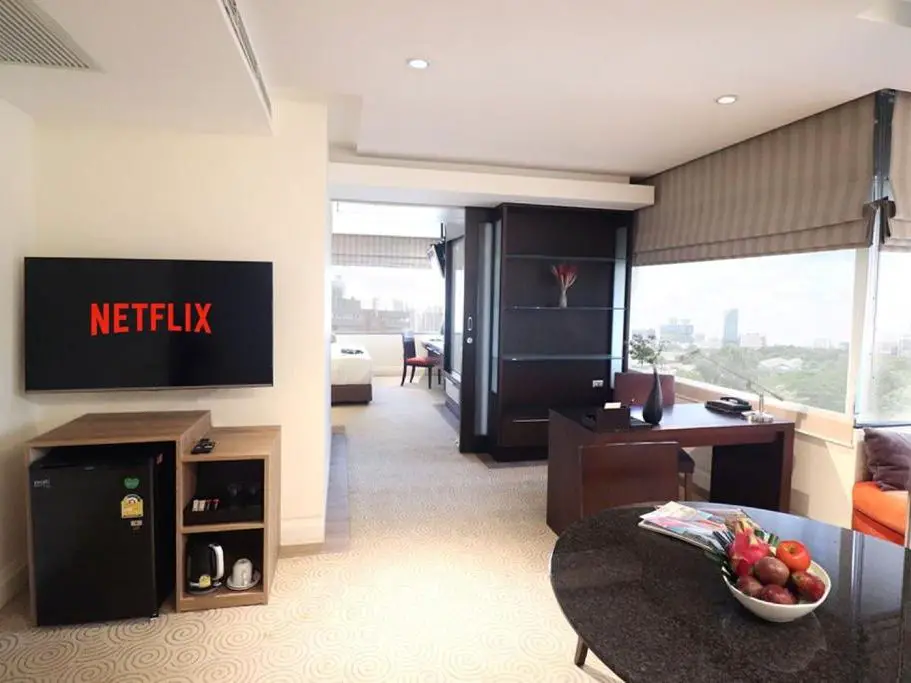
Best for Families
5. The Quarter Saladaeng by UHG
Rating: ⭐⭐⭐⭐
Location: 9-minute walk to Sala Daeng BTS Station
Guest Reviews: Apartment-sized rooms with full kitchens, free kids’ club and playground, full-service spa, poolside bar
Best Room: Deluxe Room, 1 Bedroom
From USD $50 – $105 per night
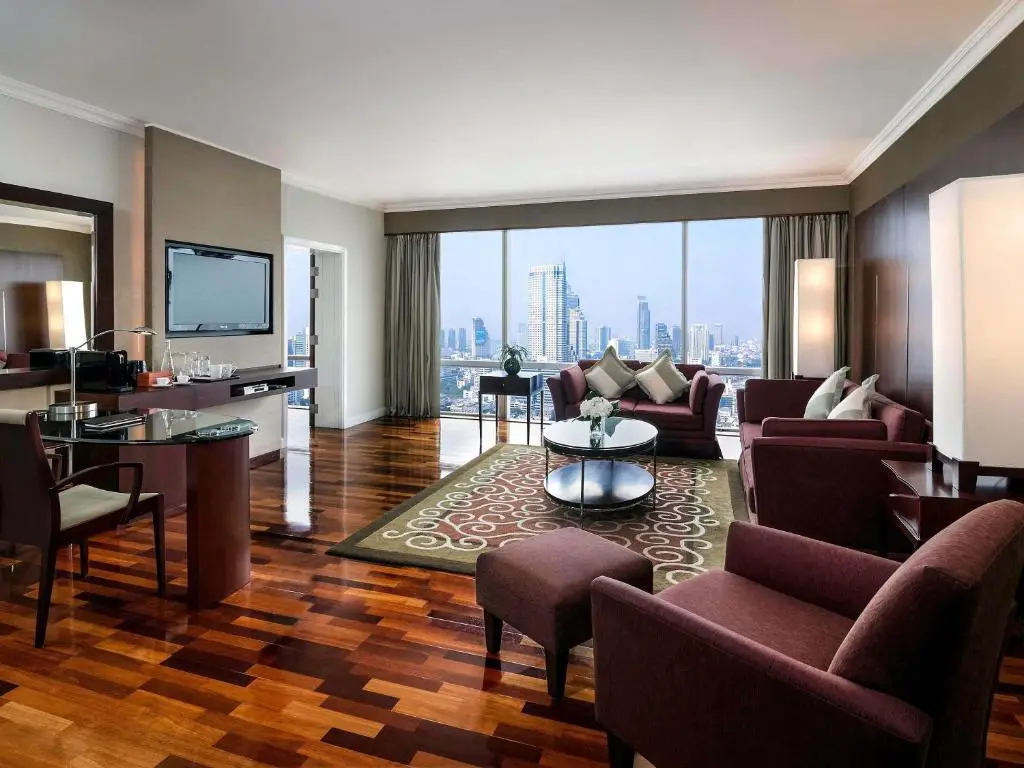
Best 24-Hour Dining
6. Pullman Bangkok Hotel G
Rating: ⭐⭐⭐⭐⭐
Location: 5-minute walk to Chong Nonsi BTS Station
Guest Reviews: Floor-to-ceiling city views from every room, 24-hour burger bar, Scarlett rooftop wine bar on the 37th floor, Anne Semonin spa
Best Room: Deluxe Room, 1 King Bed (G)
From USD $65 – $160 per night
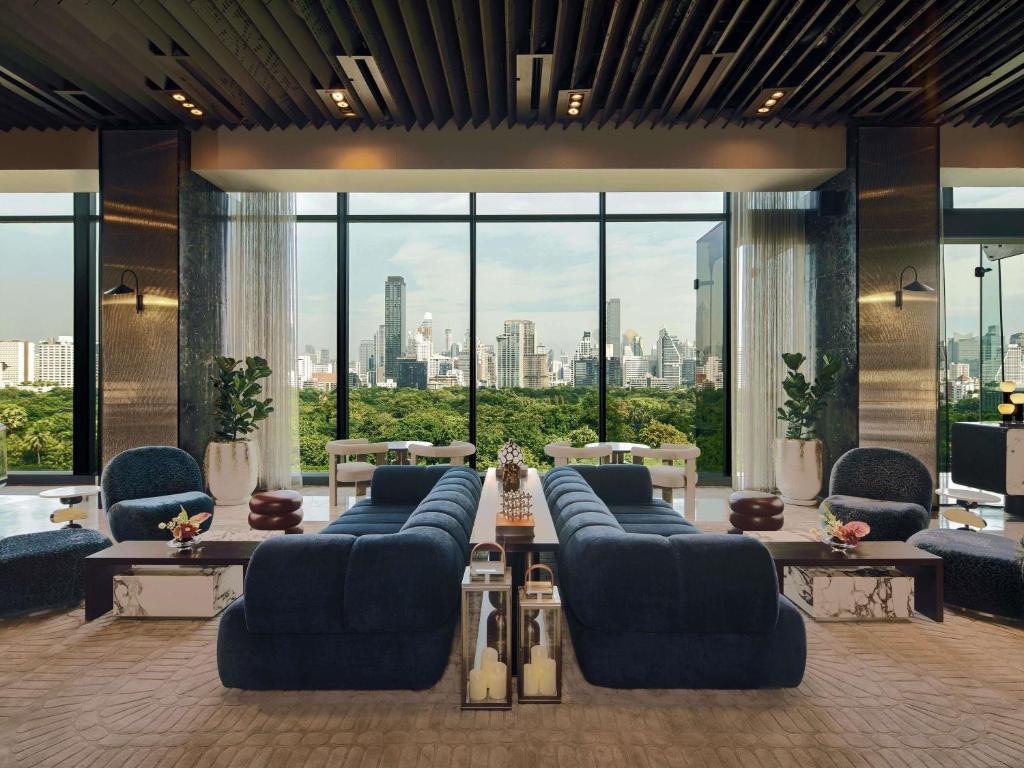
Most Distinctive Design
7. SO/ Bangkok
Rating: ⭐⭐⭐⭐⭐
Location: 2-minute walk to Lumphini Park, 5-minute walk to Lumpini MRT Station
Guest Reviews: Rooms themed around Asian elements with free minibar, Lumphini Park views, SoSPA body treatments, rooftop Park Society restaurant
Best Room: Room, 1 King Bed (SO Cozy)
From USD $165 – $245 per night
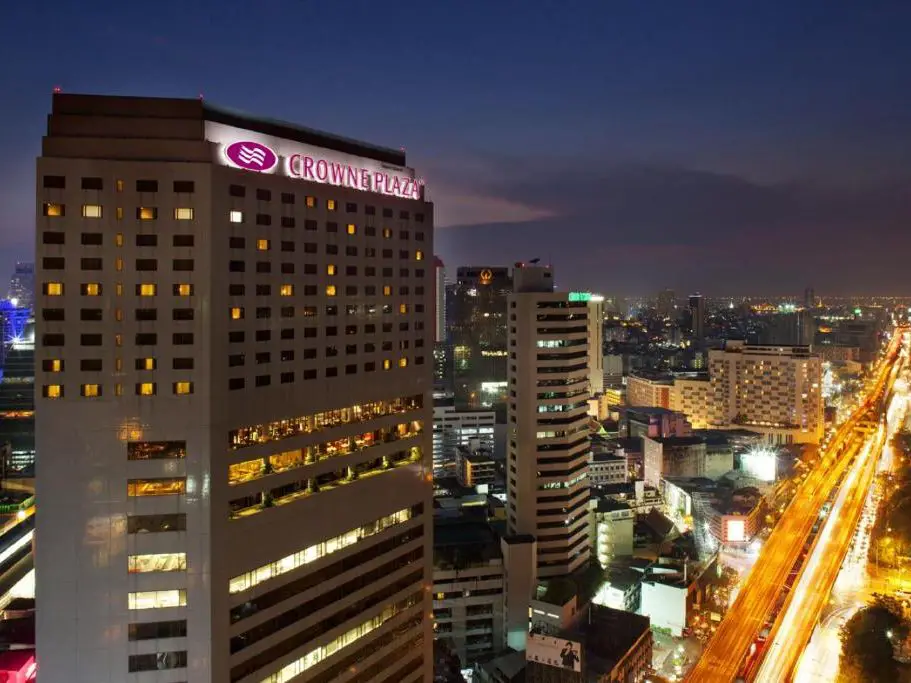
Best Transit Access
8. Crowne Plaza Bangkok Lumpini Park by IHG
Rating: ⭐⭐⭐⭐⭐
Location: 2-minute walk to both Sala Daeng BTS and MRT Silom stations
Guest Reviews: Unbeatable dual transit access, outdoor pool with city views, full-service spa with aromatherapy, consistently helpful staff
Best Room: Standard Room, 1 King Bed
From USD $55 – $155 per night
Best New Opening
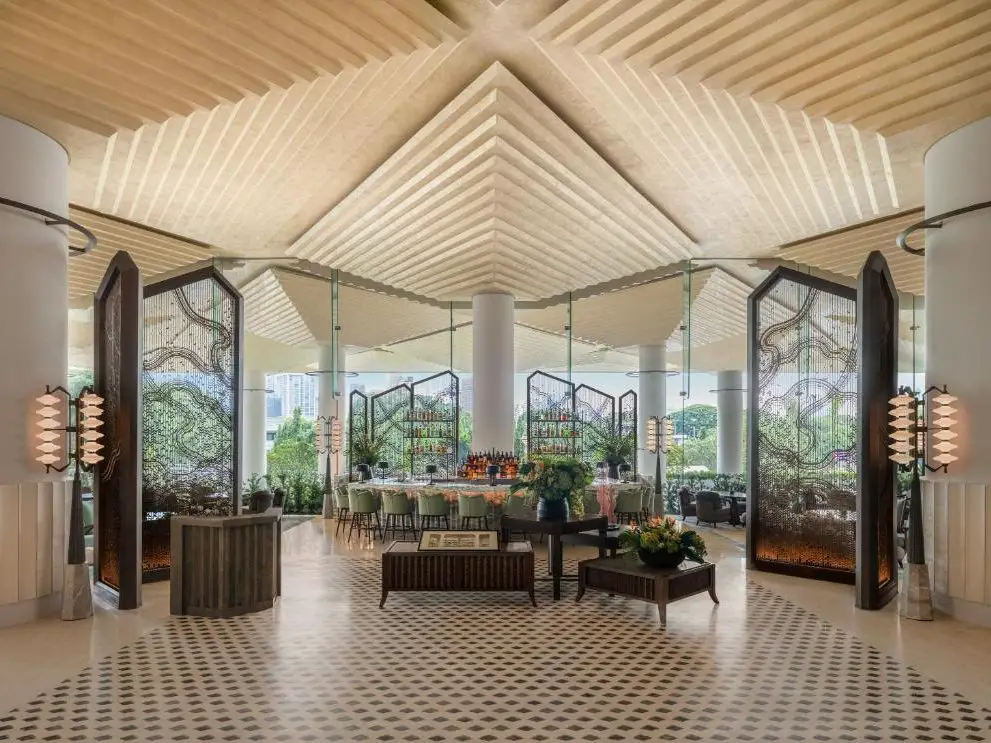
9. Dusit Thani Bangkok
Rating: ⭐⭐⭐⭐⭐
Location: 3-minute walk to MRT Si Lom Station, 5 minutes to Sala Daeng BTS
Guest Reviews: Unobstructed Lumphini Park views from every room, André Fu-designed interiors, rooftop Spire bar with 360-degree city views, Pavilion Thai restaurant
Best Room: Deluxe Room, 1 King Bed, Park View
From USD $260 – $445 per night
Best for First-Timers
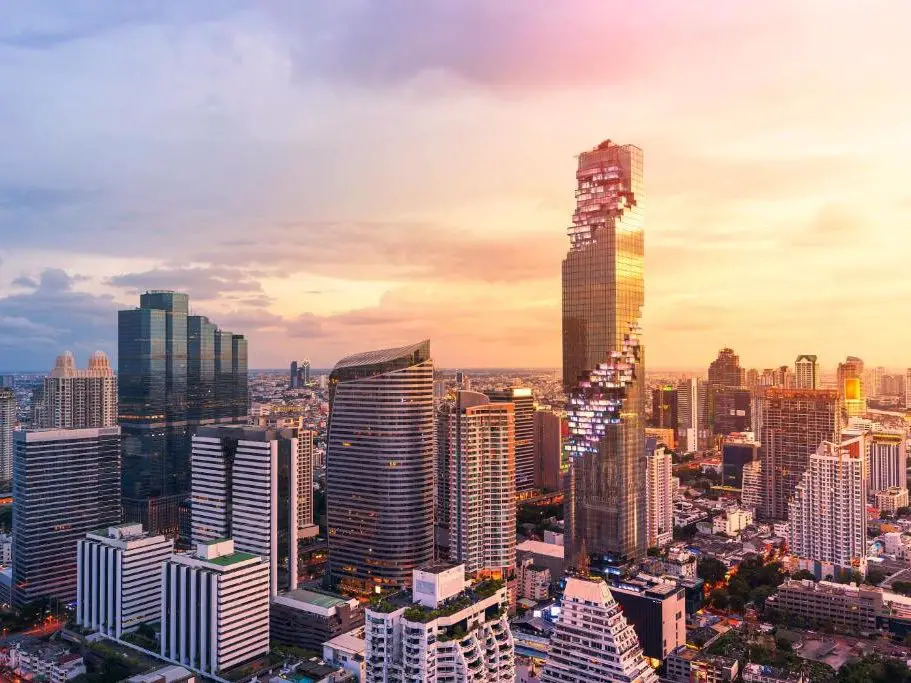
10. The Standard, Bangkok Mahanakhon
Rating: ⭐⭐⭐⭐⭐
Location: 1-minute walk to Chong Nonsi BTS Station, directly connected
Guest Reviews: Rooftop pool with Bangkok skyline views, free minibar in every room, funky design with spacious rooms, complimentary access to MahaNakhon observation deck
Best Room: Standard Room, 1 King Bed
From USD $125 – $225 per night
Best Rooftop Bars & Dining
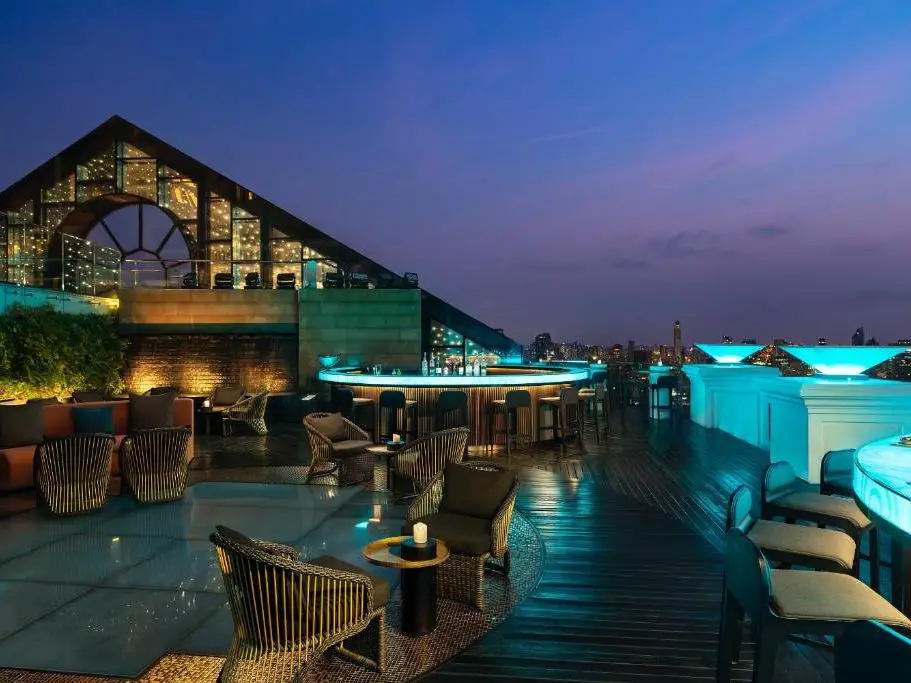
11. lebua at State Tower
Rating: ⭐⭐⭐⭐⭐
Location: 10-minute walk to Saphan Taksin BTS Station
Guest Reviews: All-suite property with private balconies and kitchenettes, Sirocco rooftop restaurant on the 63rd floor, Sky Bar with Chao Phraya River views, praised breakfast buffet
Best Room: Tower Club Suite River View with Lounge
From USD $125 – $260 per night
Silom or Sukhumvit? How to Choose for a First Trip
The Silom vs Sukhumvit debate is the most common question first-time Bangkok visitors land on, and the honest answer is that it depends on one thing more than anything else: how you want to spend your evenings.
- Sukhumvit suits you if nightlife, international restaurants, and constant activity are the priority. The area runs on momentum — bars open late, new malls appear every season, and the BTS Sukhumvit line puts dozens of options within a few stops. It’s Bangkok filtered through a global-city lens, which for some travellers is exactly what they want and for others feels like it could be anywhere.
- Silom suits you if location relative to cultural Bangkok matters more than nightlife volume. The Grand Palace, Wat Arun, Chinatown, and the Chao Phraya River are all quicker from Silom than from most of Sukhumvit. Lumphini Park is a 10-minute walk from the heart of the neighbourhood. The pace is slower and the streets have more texture — older buildings, lunch-hour street food stalls, a Hindu temple squeezed between office towers.
- The transit case for Silom is genuinely stronger. Silom is the only Bangkok neighbourhood served by both the BTS Skytrain and MRT underground with a covered walkway connecting the two interchange stations. That means north–south and east–west coverage from a single base. From Sukhumvit you get one BTS line and one nearby MRT station. From Silom you get both, which compounds over the course of a week.
- Silom is quieter after midnight — that’s a feature for some travellers and a flaw for others. Patpong and Silom Soi 4 are active until late, but the broader neighbourhood winds down earlier than Sukhumvit. If the plan is to be out until 3am most nights, Sukhumvit is more convenient. If the plan is to sightsee hard during the day and have a drink or two in the evening, Silom’s pace fits better.
- Price parity is closer than it looks. Mid-range hotels in Silom tend to offer more space and character for the same price as comparable Sukhumvit options. Luxury hotels in Silom — Dusit Thani Bangkok, The Standard, Bangkok Mahanakhon, SO/ Bangkok — are among the best-designed hotels in the city at rates that match or undercut equivalent Sukhumvit addresses.
The bottom line: Silom is the stronger base for first-timers who want to cover cultural Bangkok efficiently without feeling trapped in a tourist corridor. Sukhumvit is the stronger base for first-timers whose priority is nightlife and international food variety.
Getting Around Bangkok from Silom
Silom’s transit setup is the most underappreciated thing about the neighbourhood, and understanding it properly changes how much of the city you can reach without a taxi.
- The BTS–MRT interchange is Silom’s biggest advantage. Sala Daeng BTS and MRT Silom station are connected by a covered walkway, meaning you can switch between the two lines without going outside. The BTS Silom line runs northwest toward Siam and Chatuchak, while the MRT blue line runs through Hua Lamphong and on toward the new Lat Phrao extensions. Almost every major tourist area in Bangkok sits on one of these two lines.
- Journey times that matter for a first-timer. Siam shopping district is 3 BTS stops from Sala Daeng — about 8 minutes. Chatuchak Weekend Market is reachable by MRT in under 30 minutes with one interchange. Hua Lamphong station (gateway to the old town and Chinatown) is 2 MRT stops away. Don Mueang Airport requires a combination of MRT and the airport rail link or a taxi, typically 45–60 minutes. Suvarnabhumi Airport is 30–40 minutes by taxi or about 60 minutes via the MRT and Airport Rail Link interchange at Phaya Thai.
- The Grand Palace is best reached by river. Take the BTS to Saphan Taksin and board the Chao Phraya Express Boat northbound — it’s roughly 30 minutes by boat and significantly more interesting than a taxi through traffic. The pier at Tha Chang drops you a 5-minute walk from the palace entrance.
- Grab is the default for shorter journeys. Set a pickup point, see the price before you confirm, and pay cashless. Tuk-tuks are available and fine for short hops, but always agree the price before you get in. Motorbike taxis — the riders in coloured vests at the end of each soi — are fast and cheap for distances under 2km.
- Silom is walkable in ways Sukhumvit is not. Most hotels between the Sala Daeng end and Surawong corridor sit within a 10–15 minute walk of Lumphini Park, Patpong, Sri Maha Mariamman Temple, and a dozen street food options. In Sukhumvit, the BTS does that connective work — in Silom, your legs can.
What to Do in Silom
Silom is not a sightseeing-dense neighbourhood in the way that Rattanakosin or Chinatown are, but it has more to offer day-to-day than most first-timer guides give it credit for.
- Lumphini Park — Bangkok’s most used green space sits at the northern edge of Silom, a 57-hectare stretch of lawns, lakes, and tree-lined paths that operates differently at different times of day. Early morning it fills with joggers, tai chi practitioners, and aerobics groups doing choreographed routines to Thai pop. By late afternoon the paddle boats come out. After dark, the perimeter path is busy with walkers escaping the heat. Monitor lizards — large, slow, and completely indifferent to tourists — sun themselves near the lake edges year-round. Entry is free and it opens daily from 4:30am to 9pm.
- Sri Maha Mariamman Temple — Known locally as Wat Khaek, this vivid South Indian Hindu temple on Pan Road is one of the most visually striking buildings in central Bangkok. Built in the late 19th century and covered in hand-carved deities, it draws Thai Buddhist visitors alongside Hindu worshippers and curious tourists. Entry is free, dress respectfully, and go mid-morning before the lunch crowds.
- King Power MahaNakhon Skywalk — Thailand’s tallest building at 314 metres, connected directly to Chong Nonsi BTS. The glass-floored observation deck on the 78th floor gives a clear 360-degree view of the city on any day without heavy haze. The tilted observation tower on the roof is the city’s highest vantage point. Book tickets in advance online — queues at the desk can be long during peak season.
- Patpong Night Market — Running between Silom Road and Surawong Road from around 6pm, Patpong is a compact walking street market selling clothing, souvenirs, and electronics alongside the go-go bars the area is best known for. The market side is busier and more tourist-facing than Chatuchak or Asiatique, but it’s easy to navigate, the prices are negotiable, and the street food stalls around the perimeter are genuinely good. The go-go bars announce themselves loudly — walk past if that’s not the plan.
- Saladaeng 1 corridor — The stretch of Soi Saladaeng 1 running off Silom Road has quietly become one of the more interesting short walks in central Bangkok. The Commons Saladaeng community mall anchors the strip, with independent cafés, wine bars, a Greek restaurant, and a rotating cast of weekend pop-ups filling the lanes around it. It’s the kind of neighbourhood dining that most first-timers don’t find because no one tells them to look.
Where to Eat Near Your Hotel
Silom is a serious food neighbourhood, and unlike most tourist areas in Bangkok, a significant portion of what’s on offer is aimed at the thousands of office workers who eat here every day rather than at visitors. That’s where the value is.
- Street food on Silom Road at lunch — The stretch of pavement between Sala Daeng BTS and Silom Complex fills with vendors weekdays from around 11am to 2pm: pad kra pao, khao man gai (poached chicken on rice), boat noodles, and grilled pork skewers served at folding tables on the pavement. Prices run 50–80 baht for a full plate. By 2:30pm most stalls are gone. Skip the hotel restaurant for lunch at least once and eat here instead.
- Charoen Saeng Silom — One of Bangkok’s most quietly celebrated street food spots, this family-run stall off Charoen Krung Road has been serving braised pork in aromatic Chinese herb gravy since 1959. The recipe hasn’t changed. It opens from 7am and sells out most days by 1pm. The Michelin Guide has listed it consistently. Find it on Soi Charoen Krung 49.
- Saladaeng 1 for evenings — Beyond the Michelin-starred Le Du (contemporary Thai tasting menu, book in advance), Saladaeng 1 has accessible options at every price point: Aesop’s for Greek food and ouzo, Roots Coffee for daytime, and a cluster of wine bars and izakayas that fill up after 7pm on weekdays when the office crowd arrives.
- Noodles by Silom Complex — The shophouse noodle restaurant directly beside Silom Complex shopping mall — Nai Meng Ba Mee — serves handmade egg noodles with roast pork, shrimp wontons, and crabmeat in combinations that cost more than a street stall but significantly less than a hotel restaurant. Open daily from 8am to 9pm.
- Hotel dining worth considering — Pullman Bangkok Hotel G‘s 25 Degrees burger bar is genuinely good and open 24 hours — useful when you arrive late or want food at 1am without leaving the area. lebua at State Tower‘s Sirocco rooftop and Breeze restaurant are worth one dinner for the setting alone, though prices reflect the altitude. Dusit Thani Bangkok‘s Pavilion does the most polished Thai restaurant breakfast in the neighbourhood.
Silom’s Nightlife and What to Expect
Silom’s after-dark identity is one of the most misread things about the neighbourhood, and it’s worth being clear on what’s actually here before you arrive.
- Patpong and what it is — Patpong Road runs between Silom and Surawong, and its reputation precedes it: Bangkok’s oldest red-light district, operating since the Vietnam War era. The go-go bars are loud and persistent about drawing in customers. The market stalls and regular bars on either side are normal and accessible. Walking through is fine — it’s busy, brightly lit, and not unsafe. You are not obligated to enter any bar that approaches you. The street is worth seeing once as a piece of Bangkok history; it doesn’t need to be a recurring stop.
- Silom Soi 4 — Bangkok’s LGBTQ+ heartland — One of the most characterful bar streets in the city, Silom Soi 4 is Bangkok’s longest-established LGBTQ+ neighbourhood and completely open to everyone. The vibe is relaxed and sociable rather than club-heavy: outdoor bars with tables on the street, drag shows starting around 10pm at a handful of venues, a strong mix of Thai and international regulars. It’s the kind of street where a solo traveller can pull up a chair and talk to strangers. Silom Soi 2 next door runs bigger clubs and parties if that’s the direction.
- Rooftop bars worth seeking out — The SO/ Bangkok HI-SO rooftop has some of the best Lumphini Park views in the city for a drink; Scarlett at Pullman Bangkok Hotel G on the 37th floor is a proper wine bar with food and consistently good atmosphere. Sky Bar at lebua at State Tower is the most famous and most photographed bar in Bangkok — go once, expect a dress code, and factor in higher drinks prices for the experience.
- Silom by midnight — Beyond the Patpong and Soi 4 corridors, Silom quiets down considerably after midnight. If late-night energy is the plan, the area’s bars close earlier than their Sukhumvit equivalents. The tradeoff is that Silom hotels tend to be quieter and street noise is less intrusive — an underrated factor when you need to be up at 6am for a Grand Palace visit.
When to Book and What to Expect by Season
Bangkok has one of the more predictable seasonal patterns in Southeast Asia once you understand the trade-offs, and Silom specifically rewards careful timing.
- November to February — the sweet spot — Temperatures drop to 25–30°C with low humidity and almost no rain. Evenings are genuinely pleasant for walking. This is when hotels fill fastest and rates peak. Dusit Thani Bangkok, The Standard, Bangkok Mahanakhon, and SO/ Bangkok can sell out weeks in advance during this window. Book 6–8 weeks ahead for peak months. The upside is that Lumphini Park in December and January is the best version of itself — cool enough for a morning run.
- March and April — hot and transitional — Temperatures climb toward 35–38°C by April and the air gets thick. Songkran (Thai New Year) falls in mid-April and brings water fights, street closures around Silom Road, and a significant spike in both visitors and prices for the festival days. Arriving the week before or after Songkran gives you lower prices and an intact street grid. The heat is manageable if you plan outdoor activities for early morning and use air-conditioned transit for midday movement.
- May to October — wet season — Afternoon downpours are the norm, typically arriving between 2pm and 5pm and lasting 30–90 minutes before clearing. The city rarely floods in central Silom, and the rain genuinely cools things down. Hotel rates drop 20–40% across the board, and the properties that benefit most from this are the all-suite hotels like lebua at State Tower and The Quarter Saladaeng by UHG, which become much more accessible on wet-season pricing. The practical adjustment is simple: schedule outdoor activities for the morning, find somewhere air-conditioned for the early afternoon, and resume once the rain clears.
- Booking lead times by season — Peak season (November–February) requires 4–8 weeks advance booking for the better-rated hotels. Shoulder season (March–April, October) can be booked 2–4 weeks out comfortably. Wet season (May–September) rarely sells out more than a week ahead at any hotel on this page, and last-minute deals are genuinely available.
FAQs
1. Is Silom safe for first-time visitors?
Silom is one of Bangkok’s most well-policed and well-lit central neighbourhoods. The area around Patpong operates loudly but is not dangerous — the go-go bars use aggressive verbal marketing, not physical intimidation. Walking alone at night on the main roads is normal. Common Bangkok sense applies: agree taxi prices before you get in, keep valuables out of back pockets in crowded markets, and use Grab rather than unmarked cabs.
2. Is Silom better than Sukhumvit for a first visit to Bangkok?
Silom is better if your priority is efficient access to cultural Bangkok — the Grand Palace, riverside temples, and Chinatown are significantly closer, and the dual BTS/MRT connection is stronger. Sukhumvit is better if nightlife variety and international food are the priority. Neither is wrong; the decision comes down to how you plan to spend your days.
3. How do I get from Silom to the Grand Palace?
The most straightforward route is BTS to Saphan Taksin station, then the Chao Phraya Express Boat northbound to Tha Chang pier — total journey around 35–40 minutes and considerably more scenic than a taxi. Alternatively, a Grab from central Silom takes 20–35 minutes depending on traffic.
4. Is Silom LGBTQ-friendly?
Silom is Bangkok’s most established LGBTQ+ neighbourhood. Silom Soi 4 and the surrounding streets have operated as an open, welcoming bar district for decades. Several hotels on this page — including ibis Styles Bangkok Silom and The Standard, Bangkok Mahanakhon — explicitly promote their LGBTQ+ welcome. Public displays of affection are broadly accepted in this part of the city.
5. What is Patpong and do I need to worry about it?
Patpong is Bangkok’s oldest entertainment district and night market, operating since the 1960s. The market stalls are tourist-facing but harmless; the go-go bars are persistent but not aggressive. Walking through as a curious first-timer is fine. You are not obligated to enter any bar or spend money. Skip it if you want, visit once out of curiosity if you’re inclined — it’s a five-minute detour either way.
6. Which BTS and MRT stations serve Silom?
Sala Daeng BTS and MRT Silom station serve the upper Silom corridor and are connected by a covered walkway. Chong Nonsi BTS serves the lower Silom and Surawong corridor. Surasak BTS and Saint Louis MRT station serve the riverside end near lebua at State Tower and Holiday Inn Bangkok Silom. Which station is most useful depends on which hotel you book.
7. Is the rainy season a bad time to visit Silom?
Not particularly. Afternoon rain from May to October is predictable enough to plan around — outdoor activities in the morning, air-conditioned time mid-afternoon, evenings clear. The bigger consideration is that hotel prices drop significantly and availability is high. For travellers on a budget or those who prefer fewer crowds, the wet season makes Silom notably better value.
8. How far is Silom from Suvarnabhumi Airport?
A Grab taxi from the airport to central Silom takes approximately 35–50 minutes depending on traffic and costs around 350–550 baht. The MRT and Airport Rail Link combination via a Phaya Thai interchange takes approximately 60–70 minutes and costs under 100 baht. Most hotels on this page can arrange airport transfers at a surcharge if you prefer a fixed cost and a driver waiting on arrival.
9. Do Silom hotels fill up quickly during peak season?
Yes — particularly Dusit Thani Bangkok, The Standard, Bangkok Mahanakhon, SO/ Bangkok, and lebua at State Tower, which regularly book out during November through February. The mid-range properties (ibis Styles Bangkok Silom, Mercure Bangkok Surawong, Amara Bangkok) have more inventory but still tighten up around Christmas, New Year, and Chinese New Year. Booking 6–8 weeks ahead during peak season is the reliable approach.