
Paseo de la Reforma packs more landmark hotels into three kilometres than the rest of Mexico City combined. The Angel of Independence rises from a roundabout in the middle of it, Chapultepec Park anchors one end, and the historic centre sits a flat half-hour walk from the other. Base yourself here and you can reach most of the city’s big sights on foot, then finish the day at a rooftop pool with the skyline spread out below. These are the stays that make the avenue worth choosing.
Table of Contents
Paseo de la Reforma Hotels
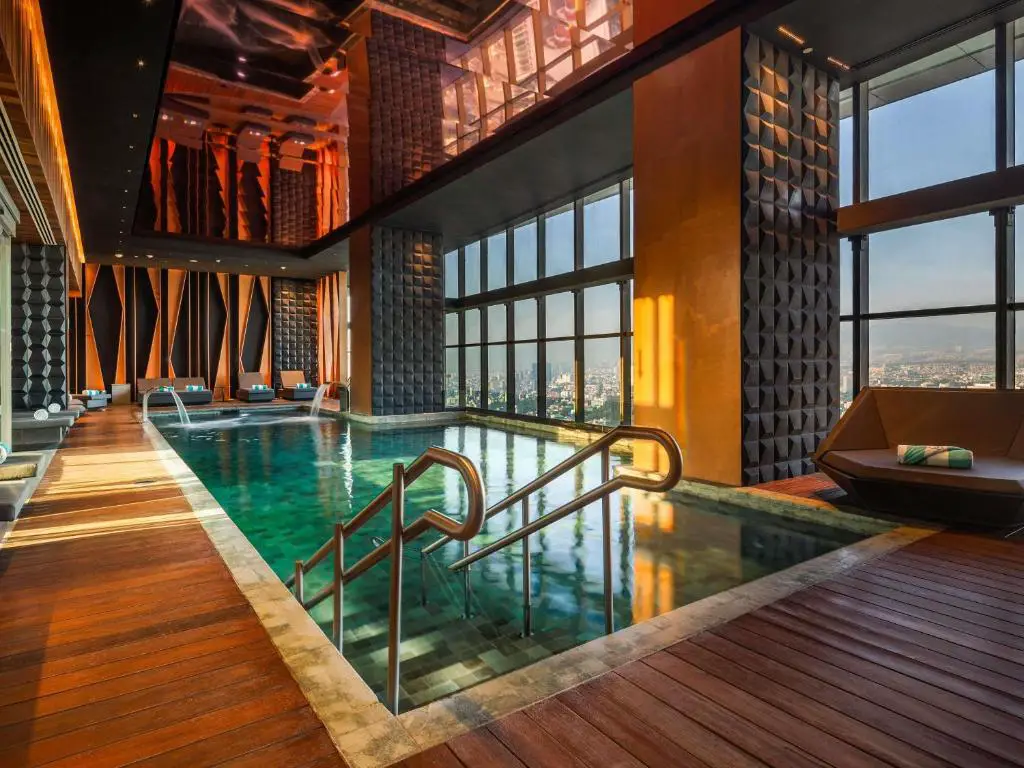
| 1. Sofitel Mexico City Reforma Best Rooftop Pool Rating: ⭐⭐⭐⭐⭐ Location: 5-minute walk to the Angel of Independence Guest Reviews: 38th-floor saltwater pool, Angel views from bathtubs, Balta breakfast, croissant-tamal at the cafe Best Room: Prestige Suite Price: From USD $360 – $550 per night |
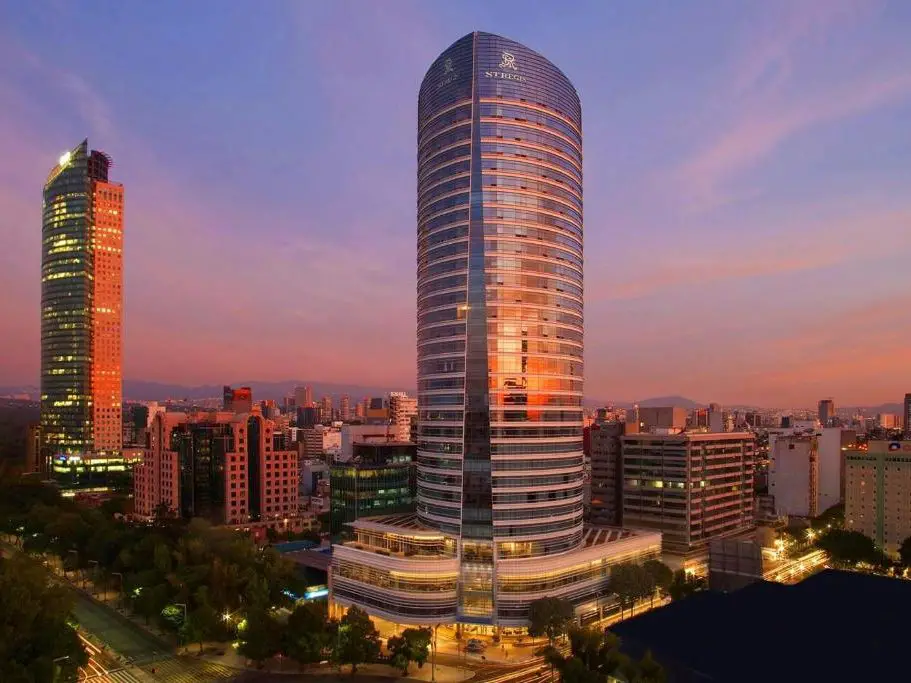
| 2. The St. Regis Mexico City Best for Families Rating: ⭐⭐⭐⭐⭐ Location: 8-minute walk to the Angel of Independence Guest Reviews: Butler service, indoor pool overlooking Reforma, King Cole Bar cocktails, weekend candy trolley for kids Best Room: St. Regis Suite Price: From USD $500 – $900 per night |
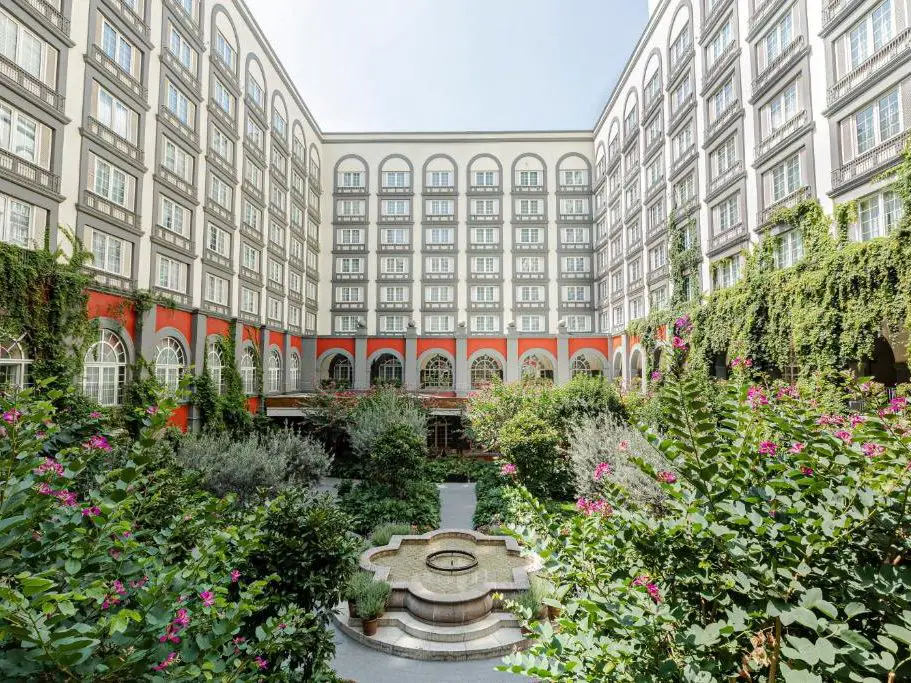
| 3. Four Seasons Hotel Mexico City Rating: ⭐⭐⭐⭐⭐ Location: 5-minute walk to Chapultepec Park Guest Reviews: Courtyard fire pit, Fifty Mils cocktails, Zanaya garden dining, complimentary early-morning pastries Best Room: One-Bedroom Suite Price: From USD $650 – $1,100 per night |
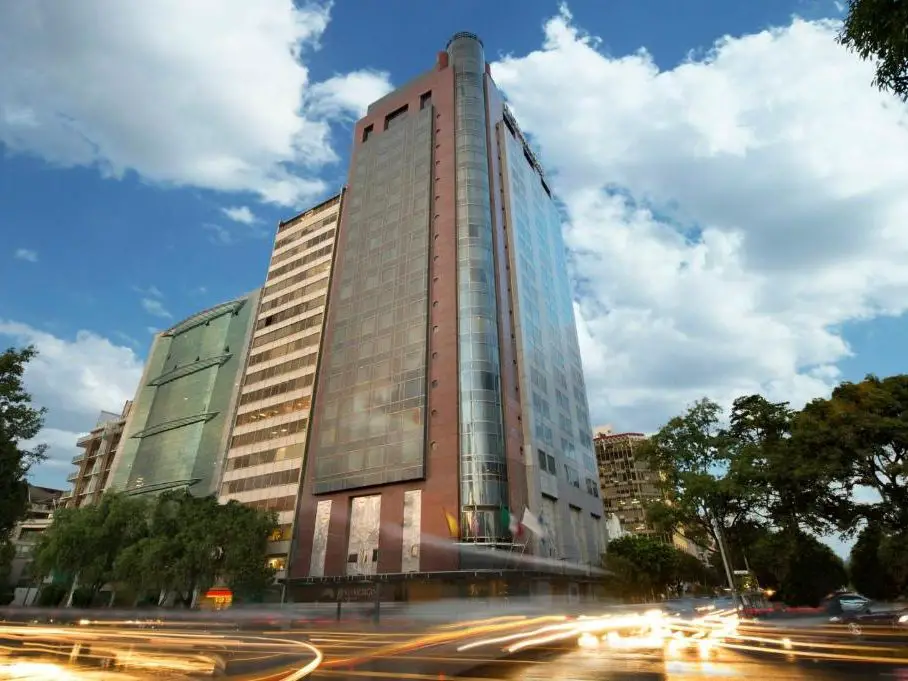
| 4. Grand Fiesta Americana Chapultepec Rating: ⭐⭐⭐⭐⭐ Location: 5-minute walk to Chapultepec Park Guest Reviews: Castle views from premium rooms, Grand Club canapés, Spa 19th hydrotherapy, Azur breakfast Best Room: Grand Club Room Price: From USD $200 – $350 per night |
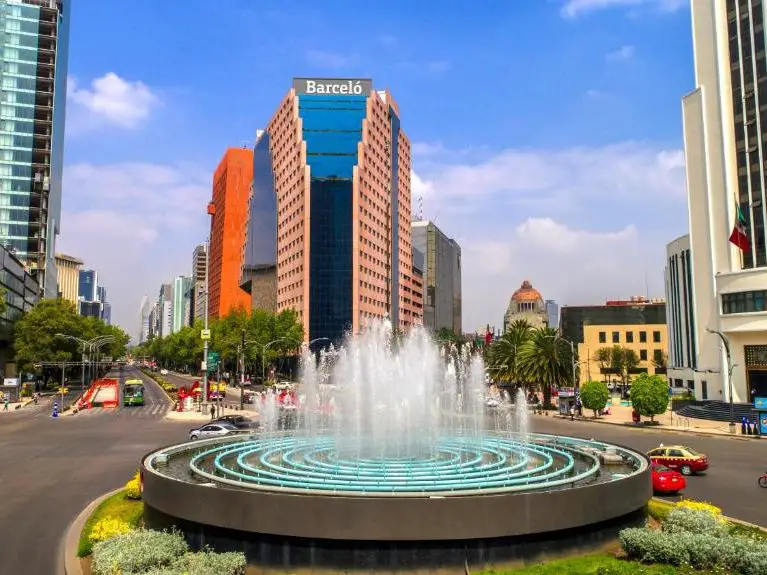
| 5. Barceló México Reforma Best Value Rating: ⭐⭐⭐⭐⭐ Location: 5-minute walk to the Monument to the Revolution Guest Reviews: Premium Level lounge views, on-site tequila museum, heated pool, oversized rain showers Best Room: Premium Level Room Price: From USD $140 – $250 per night |
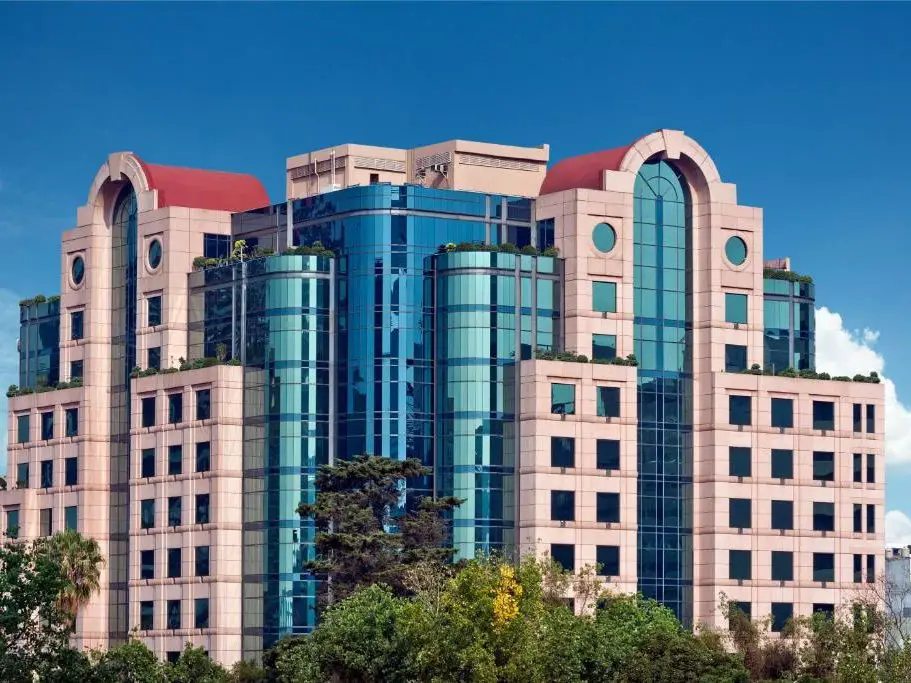
| 6. Hotel Marquis Reforma Rating: ⭐⭐⭐⭐⭐ Location: 8-minute walk to the Angel of Independence Guest Reviews: Art Deco Sky Suites, hydrotherapy spa circuit, weekend jamón ibérico breakfast, pool overlooking Chapultepec Best Room: Sky Suite Price: From USD $150 – $300 per night |
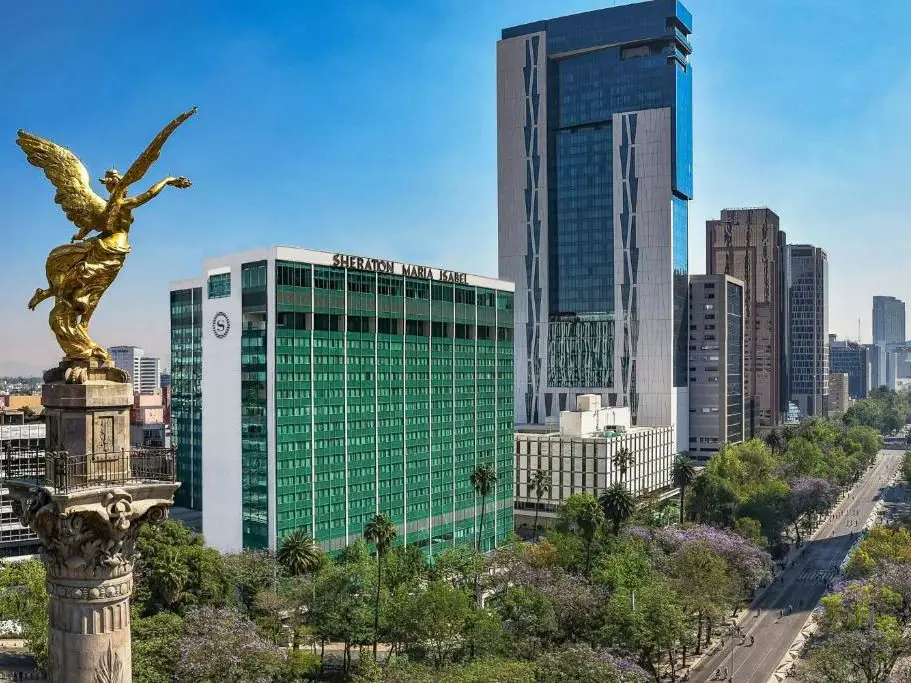
| 7. Sheraton Maria Isabel Mexico City Reforma Best Location Rating: ⭐⭐⭐⭐⭐ Location: 2-minute walk to the Angel of Independence Guest Reviews: Heated outdoor pool, live mariachi at Jorongo bar, Club Lounge snacks, tennis court Best Room: Corner Suite Price: From USD $130 – $250 per night |
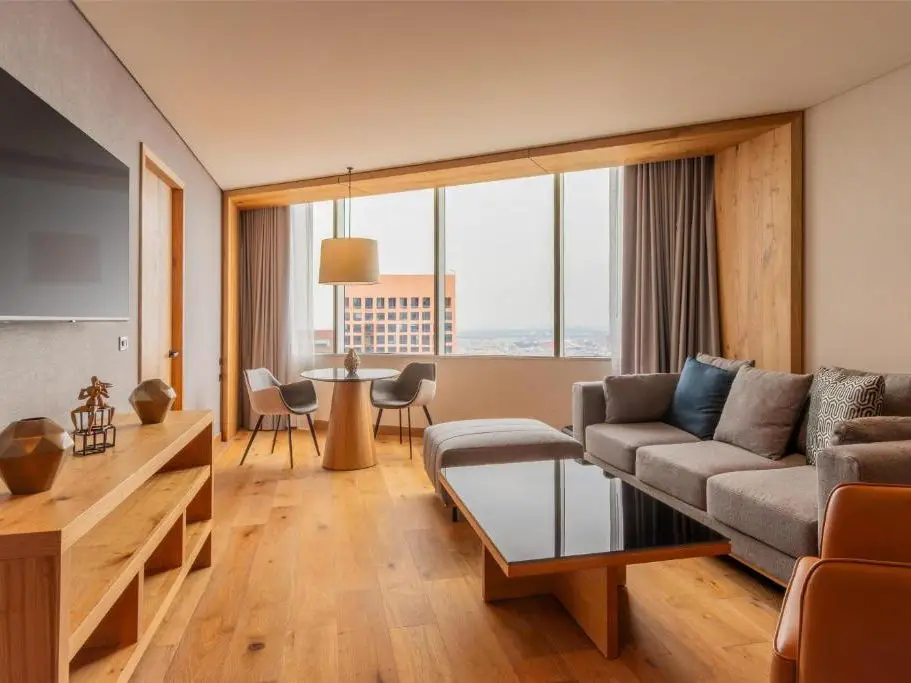
| 8. Hilton Mexico City Reforma Rating: ⭐⭐⭐⭐ Location: 3-minute walk to Alameda Central Guest Reviews: Rooftop pool skyline views, El Cardenal breakfast, executive lounge happy hour, in-room hot tubs Best Room: King Master Suite Price: From USD $130 – $250 per night |
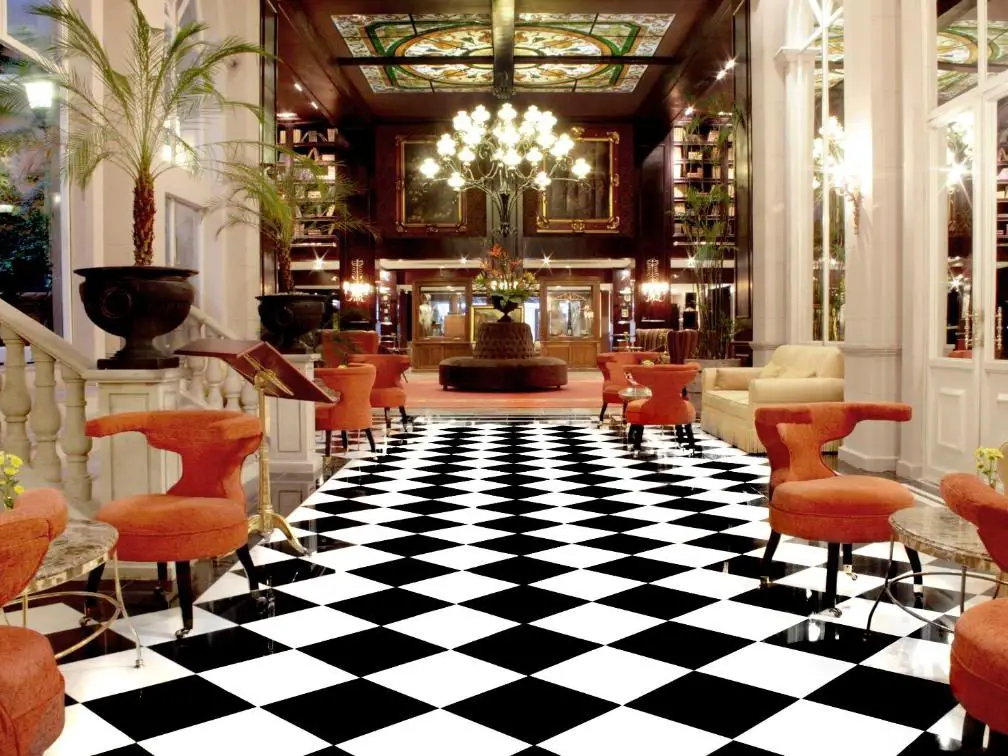
| 9. Hotel Geneve CD de Mexico Most Unique Stay Rating: ⭐⭐⭐⭐ Location: 10-minute walk to the Angel of Independence Guest Reviews: 1907 building with Churchill plaques, vertical-garden breakfast room, 1960s-style Phone Bar, free parking Best Room: Classic Suite Price: From USD $90 – $180 per night |
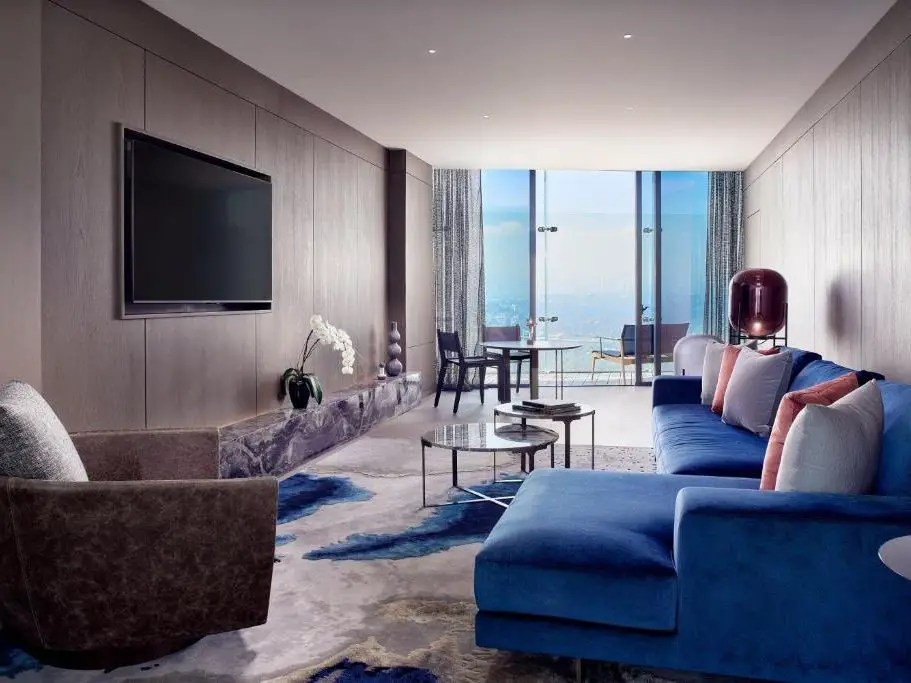
| 10. The Ritz-Carlton, Mexico City Best View Rating: ⭐⭐⭐⭐⭐ Location: 5-minute walk to Chapultepec Park Guest Reviews: Chapultepec views from the 47th floor, Samos open kitchen, indoor relaxation pool, Club Lounge dining Best Room: One-Bedroom Junior Suite Price: From USD $550 – $1,000 per night |
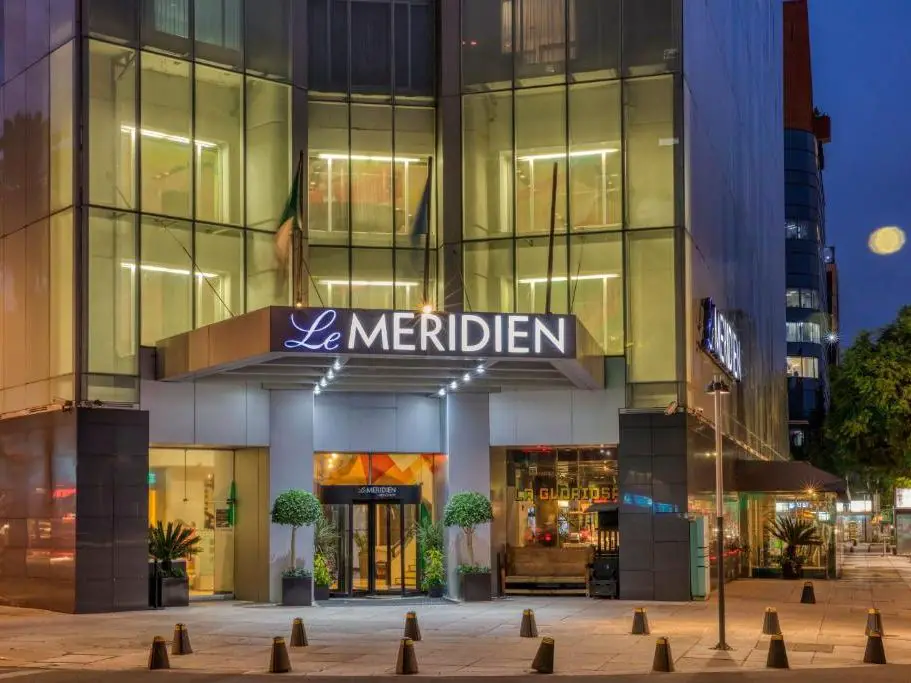
| 11. Le Méridien Mexico City Reforma Rating: ⭐⭐⭐⭐⭐ Location: 3-minute walk to the Monument to the Revolution Guest Reviews: All-suite rooms with sitting areas, indoor pool, La Gloriosa breakfast, soundproofed windows Best Room: Classic Suite Price: From USD $120 – $220 per night |
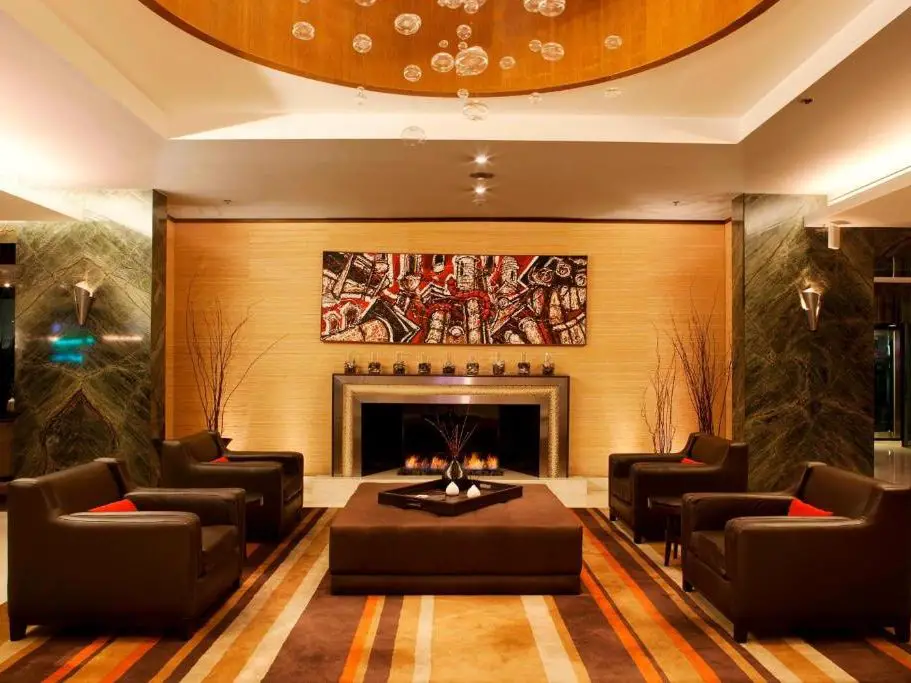
| 12. Mexico City Marriott Reforma Hotel Rating: ⭐⭐⭐⭐⭐ Location: 6-minute walk to the Angel of Independence Guest Reviews: Rooftop executive lounge, Mexican breakfast buffet, indoor and outdoor pools, marble bathrooms Best Room: Executive Room Price: From USD $140 – $250 per night |
Which Stretch of Reforma to Stay On
The avenue runs roughly three kilometres from Chapultepec Park to the edge of the historic centre, and the experience changes block by block. Pick the wrong end and you’ll spend your trip in taxis; pick the right one and almost everything you came for sits within a 20-minute walk.
- Chapultepec end (west) – The leafiest, calmest stretch, with the park, the castle, and the Anthropology Museum on your doorstep. Four Seasons Hotel Mexico City, The Ritz-Carlton, Mexico City, Hotel Marquis Reforma, and Grand Fiesta Americana Chapultepec all sit here. It suits longer stays and museum-heavy itineraries, though you’ll walk or ride 25 minutes to reach the Zócalo.
- Around the Angel (mid-section) – The postcard core of the avenue, anchored by the Angel of Independence with the US Embassy alongside. Sofitel Mexico City Reforma, The St. Regis Mexico City, Sheraton Maria Isabel Mexico City Reforma, Mexico City Marriott Reforma Hotel, and Hotel Geneve CD de Mexico cluster within a few blocks. Zona Rosa’s bars and the walkable edge of Roma Norte sit immediately south, so evenings here need no transport at all.
- Toward Alameda and the Revolution monument (east) – Prices drop and the historic centre comes within easy reach. Barceló México Reforma, Le Méridien Mexico City Reforma, and Hilton Mexico City Reforma put Bellas Artes, Alameda Central, and the Zócalo on foot. Some cross streets feel scruffy after dark, so plan on short taxi hops for late returns rather than long walks.
The honest shortcut: book the Angel mid-section for a first visit, the Chapultepec end for a slower second trip, and the eastern stretch when budget or the historic centre is the priority.
When Reforma Closes to Cars
The avenue doubles as Mexico City’s main stage, and it shuts to traffic more often than any first-time visitor expects. None of this should put you off staying here, but it will change how you plan arrivals and departures.
- Sunday mornings – The ciclovía takes over from roughly 8am to 2pm, closing the full length of the avenue to cars so cyclists, runners, and families on rented bikes can use it. It’s one of the best free experiences in the city, and hotel guests can join by renting a bike nearby. Just know that a Sunday midday airport pickup will start from a side street, not the front door.
- Marches and demonstrations – Protest routes regularly run along Reforma toward the Zócalo, and gatherings often form at the Angel of Independence or outside the US Embassy, putting Sheraton Maria Isabel Mexico City Reforma and Sofitel Mexico City Reforma closest to the action. These are almost always peaceful and well-policed, but they snarl traffic for hours. Ask the concierge each morning; staff track planned routes and will reroute your taxi before you’ve finished breakfast.
- Parades and race days – The Día de los Muertos parade in late October or early November, Independence Day celebrations in mid-September, and the city marathon in late August all use the avenue. A Reforma-facing room turns into a private grandstand on those dates, which is exactly why they sell out months ahead.
- What it means in practice – Build slack into airport transfers on Sundays and event days, accept that drivers may drop you a block away, and treat closures as a feature. Watching the avenue fill with bikes or skeleton floats from a quiet room above it beats sitting in the traffic below.
Reforma or Roma and Condesa: The Honest Trade-Off
This is the debate behind most Mexico City bookings, and both sides have a point. The avenue and the neighborhoods south of it offer two different trips, so it’s worth being clear-eyed about what each one actually delivers.
- What the avenue gets you – Big rooms, proper pools, gyms, spas, and floor-to-ceiling views, at prices that often undercut a boutique room half the size. Towers like Sofitel Mexico City Reforma and The Ritz-Carlton, Mexico City sell a skyline that no four-storey building in Roma can match. Security presence is constant thanks to the embassies, and taxis, Metrobús, and bike lanes all run past the lobby door.
- What Roma and Condesa get you – Tree-lined streets where the cafe, the mezcalería, and the taquería are all within 200 metres of your bed, plus the feeling of living in a neighborhood rather than visiting a boulevard. The cost is practical: rooms shrink, pools mostly vanish, elevators get temperamental, and weekend street noise comes free.
- The myth worth retiring – Choosing Reforma does not mean missing Roma and Condesa. From the Angel mid-section, the heart of Roma Norte is a 15-to-20-minute flat walk or a five-minute taxi, close enough for dinner there every single night. The reverse also holds: sleeping in Condesa and touring the Centro means crossing the avenue anyway.
- Where the avenue genuinely loses – Immediate atmosphere at the doorstep. Step outside Mexico City Marriott Reforma Hotel at 10pm on a Tuesday and you’ll find a quiet office corridor, not a buzzing terrace scene. Anyone whose ideal evening is wandering out in slippers to a wine bar will be happier two neighborhoods south.
The bottom line: stay on Reforma for comfort, views, and effortless logistics, and walk south for atmosphere on demand. Stay in Roma or Condesa when the neighborhood itself is the holiday and a smaller room is an acceptable price for it.
When to Book and What You’ll Pay
Reforma pricing follows business travel, not tourism, and that quirk works in your favour. The same room can swing by hundreds of dollars depending on the day of the week and the event calendar, so timing matters more here than in any other part of the city.
- Weekends beat weekdays – Most avenue hotels fill Monday to Thursday with conferences and corporate accounts, then empty out. Friday-to-Sunday rates at Barceló México Reforma, Le Méridien Mexico City Reforma, and Mexico City Marriott Reforma Hotel routinely drop 20 to 40 percent below midweek prices, the opposite pattern to beach resorts.
- The big three spikes – Día de los Muertos week (late October into early November), Formula 1 race weekend (also late October, a brutal combination), and Independence Day in mid-September push rates to their annual peaks. Reforma-facing rooms for parade dates sell out three to four months ahead, so book those the moment plans firm up.
- Jacaranda season – March and April turn the avenue purple, and demand climbs with it. Rates rise moderately rather than wildly, making spring the best balance of weather, spectacle, and cost.
- The quiet windows – Late January through February and the September rains outside fiesta week bring the softest prices of the year. Expect afternoon downpours in summer and early autumn, though mornings usually stay clear enough for sightseeing.
- What the tiers look like – Budget roughly $90 to $180 for Hotel Geneve CD de Mexico, $120 to $300 for the upscale corporate tier (Barceló, Le Méridien, Marriott, Sheraton Maria Isabel Mexico City Reforma, Hilton Mexico City Reforma, Hotel Marquis Reforma, Grand Fiesta Americana Chapultepec), $360 to $550 for Sofitel Mexico City Reforma, and $500 upward for The St. Regis Mexico City, Four Seasons Hotel Mexico City, and The Ritz-Carlton, Mexico City.
In short, a weekend stay outside the October crunch gets you five-star avenue comfort at four-star money, and that arbitrage is the single best reason to choose Reforma over the neighborhoods.
Eating and Drinking off the Avenue
Reforma itself feeds office workers, not travelers, and the avenue’s own restaurants are mostly chains and lobby dining. The good news is that the real eating starts one block off it in every direction, and each stretch of the avenue has its own food orbit.
- Colonia Cuauhtémoc, north side – The streets named after rivers (Río Lerma, Río Pánuco, Río Sena) hide the area’s best casual eating: taquerías packed at lunchtime, old-school cantinas, and a wave of specialty coffee bars. Guests at Sofitel Mexico City Reforma and Sheraton Maria Isabel Mexico City Reforma can be eating tacos de guisado five minutes after leaving the lobby.
- Juárez, south side – The blocks around Calle Havre and Marsella have quietly become one of the city’s strongest dining pockets, with natural wine bars, bakeries, and small chef-run spots filling restored townhouses. It’s the closest thing to Roma’s scene without leaving the Angel mid-section.
- Zona Rosa – Worth knowing for two things: the city’s Koreatown, where late-night barbecue and fried chicken run past midnight, and Handshake, the speakeasy that climbs world’s-best-bar lists, a short walk from Hotel Geneve CD de Mexico. The main pedestrian drags are touristy; the side streets carry the quality.
- Near the eastern hotels – From Barceló México Reforma or Hilton Mexico City Reforma, churros at El Moro and the historic cantinas of the Centro sit within a 15-minute walk, and the Sunday-morning hot chocolate run is a ritual worth building a lazy morning around.
- When to stay in – Breakfast is the one meal the avenue hotels genuinely win, from the Grand Club spread at Grand Fiesta Americana Chapultepec to weekend jamón at Hotel Marquis Reforma, so eat the first meal in and every other meal out.
Treat the hotel as a base, not a food destination, and let each stay’s nearest side streets set the dinner plan.
Getting Around From a Reforma Base
The avenue is the city’s transit spine, which is the quiet logistical argument for sleeping on it. Almost every way of moving through Mexico City either runs along Reforma or crosses it, so the hotels here turn the whole central city into a short hop.
- Walking covers more than expected – The avenue has wide, flat, well-lit pavements rare in this city. Chapultepec Park to the Angel takes about 20 minutes, the Angel to Alameda Central about 25, and the full stretch to the Zócalo is a pleasant hour with monuments as mile markers.
- Metrobús Line 7 runs the length of the avenue – Double-decker buses with upper-deck views ply Reforma every few minutes, and a ride costs pennies on a rechargeable card sold at station machines. Sitting up top from Chapultepec to the Centro doubles as a sightseeing tour most visitors never discover by accident.
- Metro stations bracket the hotels – Sevilla and Insurgentes serve the Angel mid-section near Hotel Geneve CD de Mexico, Hidalgo sits steps from Hilton Mexico City Reforma, and Chapultepec station anchors the park end. Avoid rush hours (7 to 9am, 6 to 8pm), when carriages pack tight.
- Ride-hailing works smoothly – Uber and DiDi are cheap, reliable, and safer than hailing street cabs. A run from The Ritz-Carlton, Mexico City to a Roma dinner costs a few dollars; have the driver use the side-street entrance on event days.
- Airport transfers take longer than the map suggests – Benito Juárez sits only 10km east, but traffic stretches the ride to 30 to 60 minutes. Hotel cars from properties like Four Seasons Hotel Mexico City cost more than an Uber yet guarantee a named driver at arrivals, worth it for late-night landings.
- Ecobici fills the gaps – The bike-share docks line the avenue and a protected lane runs much of its length, making two wheels the fastest way to Roma or Condesa outside rush hour. Register in the app before arriving to skip the friction.
Base yourself anywhere on the avenue and the only transport decision most days is whether to walk, ride the top deck, or pedal.
FAQs
1. Is it safe to walk along Paseo de la Reforma at night?
The avenue itself stays well-lit and patrolled into the evening, helped by the embassy security presence around the Angel. Caution applies one or two blocks off it, particularly on the eastern stretch near Alameda, where a short taxi beats a dark side street after 10pm.
2. Which hotels feel the marches and embassy activity most?
Demonstrations tend to gather at the Angel of Independence and outside the US Embassy, which puts Sheraton Maria Isabel Mexico City Reforma and Sofitel Mexico City Reforma closest to the noise and road closures. Guests are never the target and hotel entrances stay accessible, but light sleepers can request rooms on the side facing away from the avenue.
3. Is an Angel-view or Reforma-facing room worth the extra cost?
On parade dates and during jacaranda season, absolutely, since the room becomes a private viewing platform for events people queue hours to see. On ordinary weeks the premium buys a nice backdrop and some extra traffic hum, so budget travelers lose little by facing the other way.
4. Does the altitude affect sleep at these hotels?
Mexico City sits at 2,240 metres, and many visitors notice lighter sleep, mild headaches, or breathlessness on the first night regardless of how plush the bed is. Hydrating heavily, going easy on mezcal the first evening, and booking a quiet upper-floor room all help the adjustment pass within a day or two.
5. How far ahead should I book for Día de los Muertos or the Formula 1 weekend?
Both land in late October and compress demand into the same fortnight, so avenue hotels fill three to four months out and parade-facing rooms go first. Booking by June or July for an October stay keeps the full choice of properties and rates open.
6. Can I reach Roma and Condesa from a Reforma hotel without a car?
From the Angel mid-section, Roma Norte’s restaurant streets are a flat 15-to-20-minute walk or a few minutes by Ecobici along the protected lane. Ride-hailing covers the same trip for a couple of dollars when heels or rain rule out walking.
7. Is the avenue dead on weekends since it’s a business district?
The opposite happens: offices empty out, rates drop, and the Sunday ciclovía fills the avenue with thousands of cyclists and families. Weekends are when Reforma is at its liveliest at street level and its cheapest at the front desk.
8. Are the high-rise hotels safe in an earthquake?
Towers built after the 1985 quake follow some of the strictest seismic codes in the hemisphere, and modern builds like The Ritz-Carlton, Mexico City and Sofitel Mexico City Reforma are engineered to sway rather than crack. Hotels run regular drills, post evacuation routes behind every door, and the citywide alarm gives up to a minute’s warning before strong shaking arrives.