
Bangkok’s Chinatown is one of the oldest, loudest, and most delicious parts of the city — step outside any hotel here after dark and you’re immediately in it, neon signs overhead and the smell of roasting duck following you down the street. Yaowarat Road and its surrounding sois pack more eating, trading, and temple-going into a few square kilometres than most Bangkok neighbourhoods manage in ten. The hotels below put you right in the middle of it, from atmospheric heritage houses to sharp modern properties with rooftop pools.
Quick answer: Book Shanghai Mansion Bangkok. It’s right on Yaowarat Road in a 1930s Shanghai-style building, with live jazz in the evening and the street food outside the door.
Table of Contents
Bangkok Chinatown Hotels
Best MRT Access
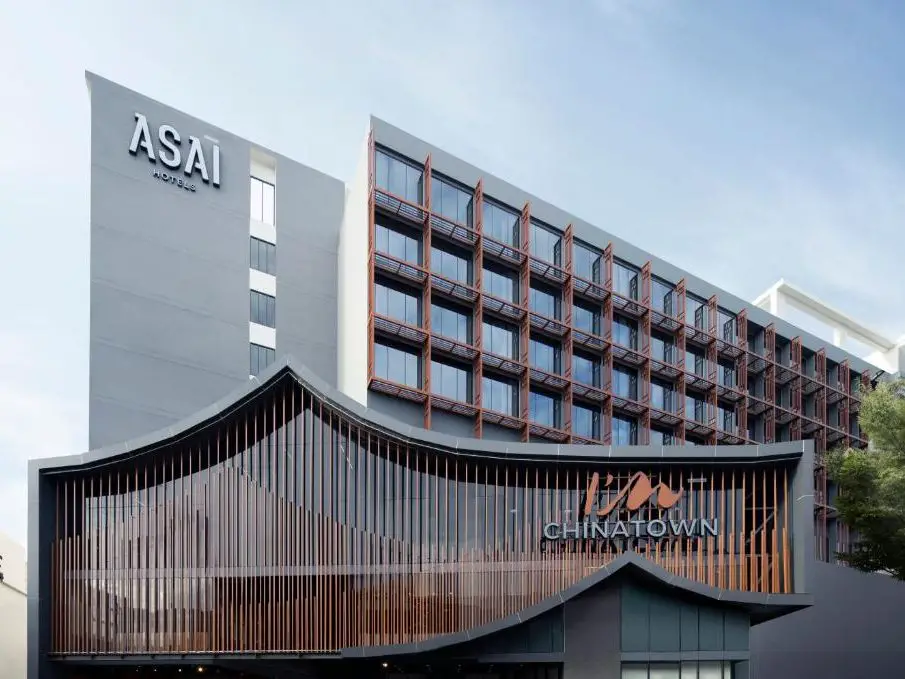
1. ASAI Bangkok Chinatown
Rating: ⭐⭐⭐⭐
Location: 2-minute walk to Wat Mangkon MRT; directly on Yaowarat Road
Guest Reviews: Clean modern rooms, excellent street food access, helpful staff, strong water pressure
Best Room: Comfy King City
From USD $40 – $85 per night
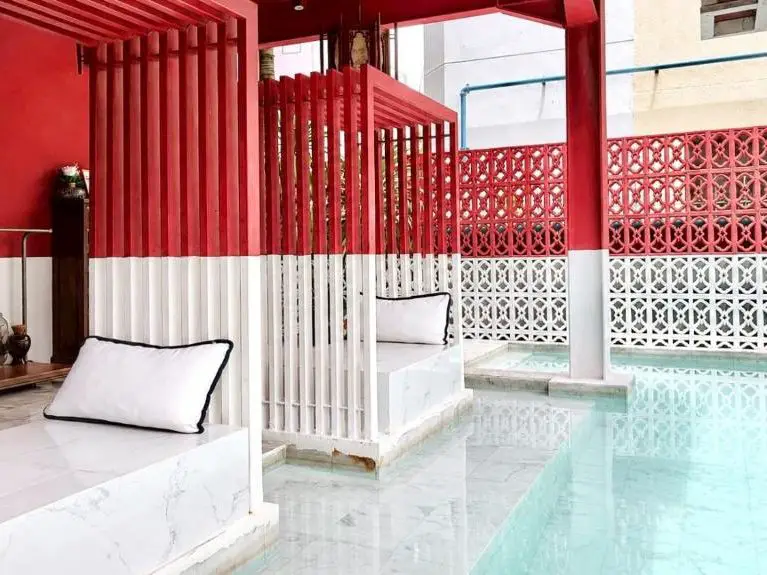
Best Rooftop Pool
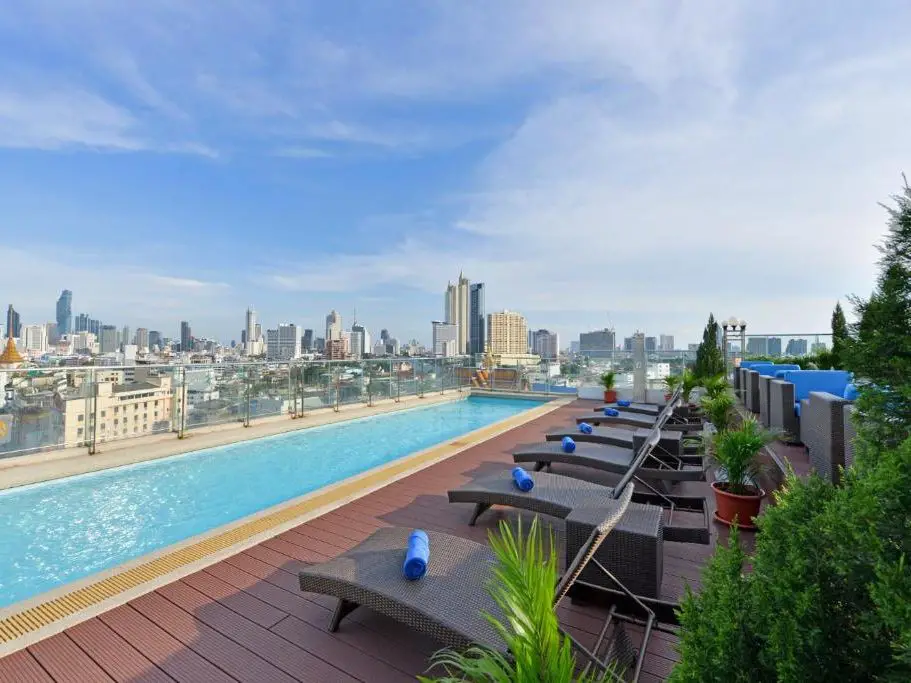
2. Hotel Royal Bangkok
Rating: ⭐⭐⭐⭐
Location: 1-minute walk to Yaowarat Road; 3-minute walk to Wat Mangkon MRT
Guest Reviews: Rooftop saltwater pool, prime Chinatown position, generous breakfast buffet, soundproofed rooms
Best Room: Premium Deluxe Room
From USD $35 – $110 per night
Most Atmospheric
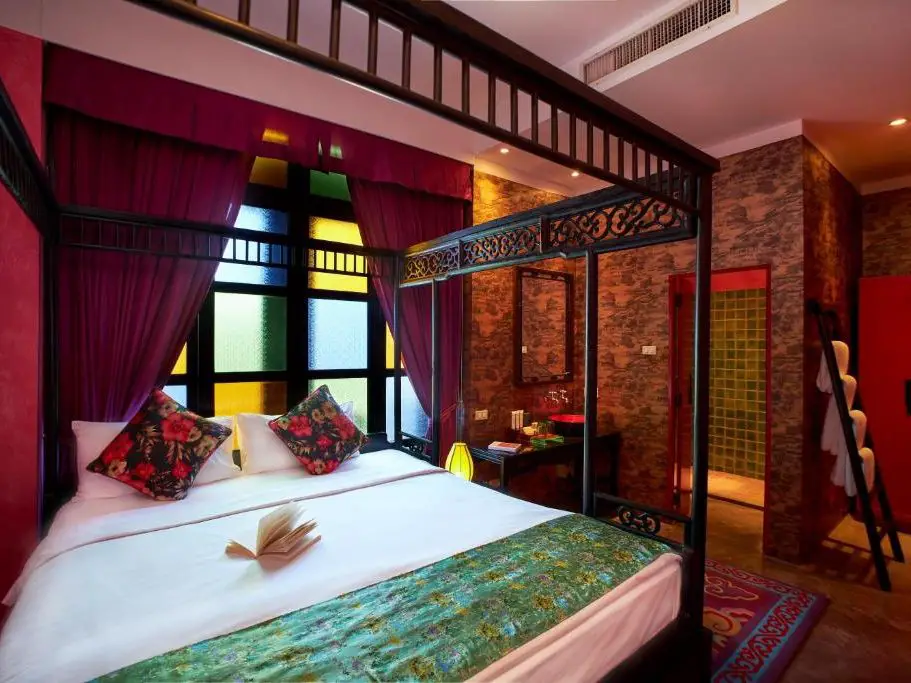
3. Shanghai Mansion Bangkok
Rating: ⭐⭐⭐⭐
Location: Directly on Yaowarat Road; 5-minute walk to Wat Mangkon MRT
Guest Reviews: Atmospheric 1930s Shanghai interiors, nightly live jazz, award-winning spa, attentive staff
Best Room: Ying Hua Deluxe Room
From USD $70 – $160 per night
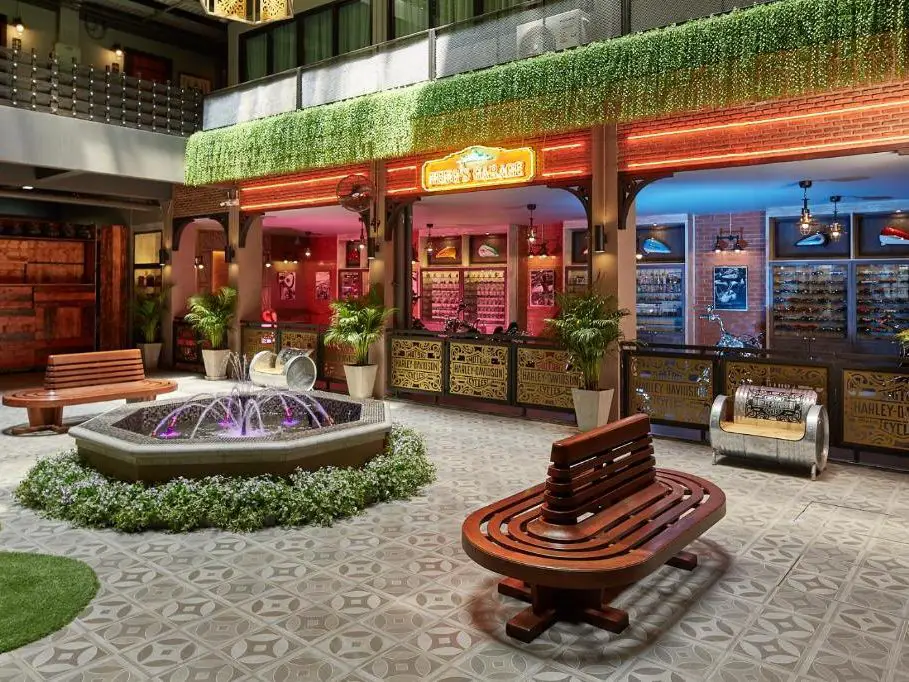
4. W22 by Burasari
Rating: ⭐⭐⭐
Location: 3-minute walk to Yaowarat Road; 5-minute walk to Wat Mangkon MRT
Guest Reviews: Excellent value, comfortable beds, friendly staff, well-designed common areas with pool table
Best Room: Superior Double Room
From USD $30 – $70 per night
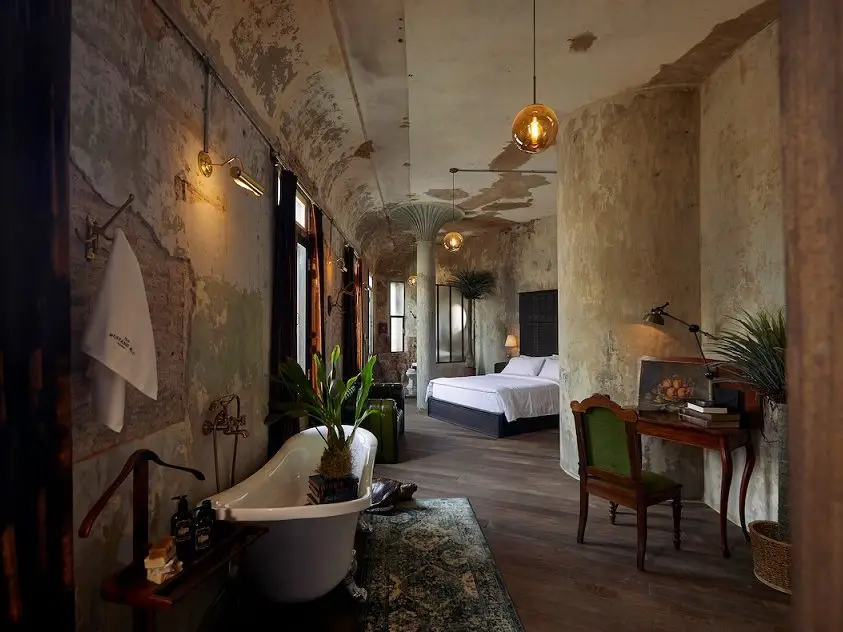
Most Unique Stay
5. The Mustang Blu
Rating: ⭐⭐⭐
Location: 5-minute walk to Yaowarat Road; 4-minute walk to Hua Lamphong MRT
Guest Reviews: Antique-filled heritage building, clawfoot baths, outstanding breakfast, meticulously curated interiors
Best Room: Deluxe Double Room with Balcony
From USD $150 – $220 per night
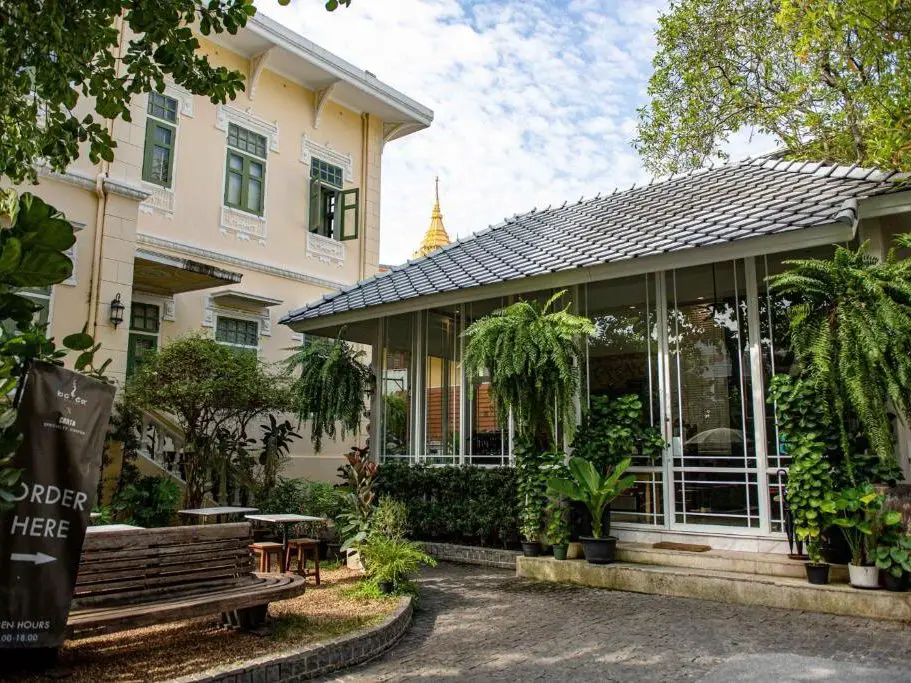
Highly Rated by Guests
6. Baan 2459 Heritage House
Rating: ⭐⭐⭐⭐
Location: 2-minute walk to Wat Mangkon; 5-minute walk to Yaowarat Road
Guest Reviews: Beautifully restored shophouse, quiet despite central position, garden terrace, exceptional personal service
Best Room: Executive Room
From USD $90 – $150 per night
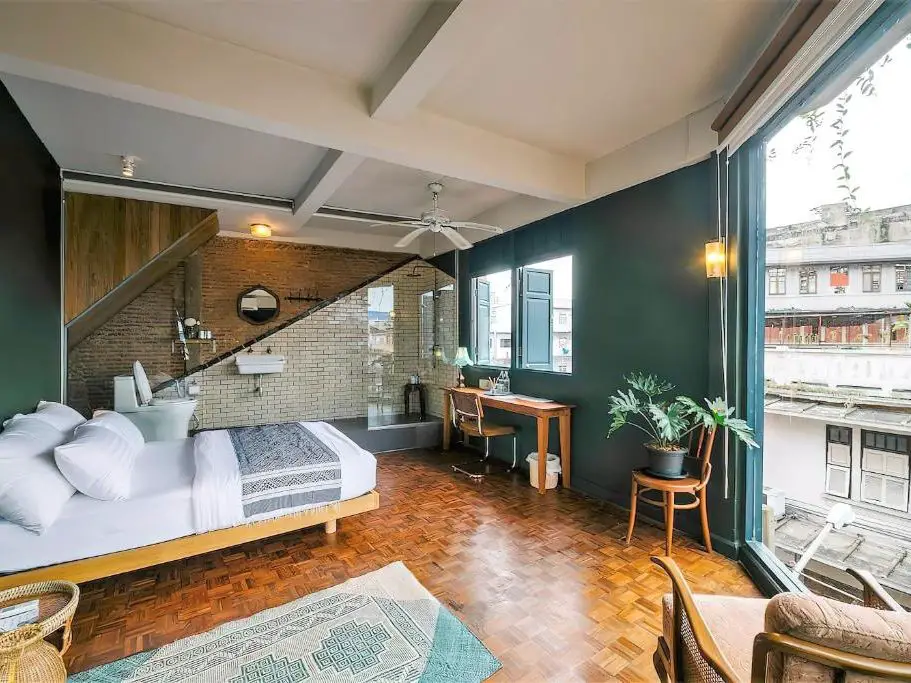
Best for Solo Travellers
7. Ba Hao Residence
Rating: ⭐⭐⭐
Location: 7-minute walk to Yaowarat Road; 5-minute walk to Wat Mangkon MRT
Guest Reviews: Stylish loft-style shophouse, excellent Nespresso and communal kitchen, buzzy ground-floor bar, temple views from balcony
Best Room: 4F Santiphap Room
From USD $100 – $150 per night
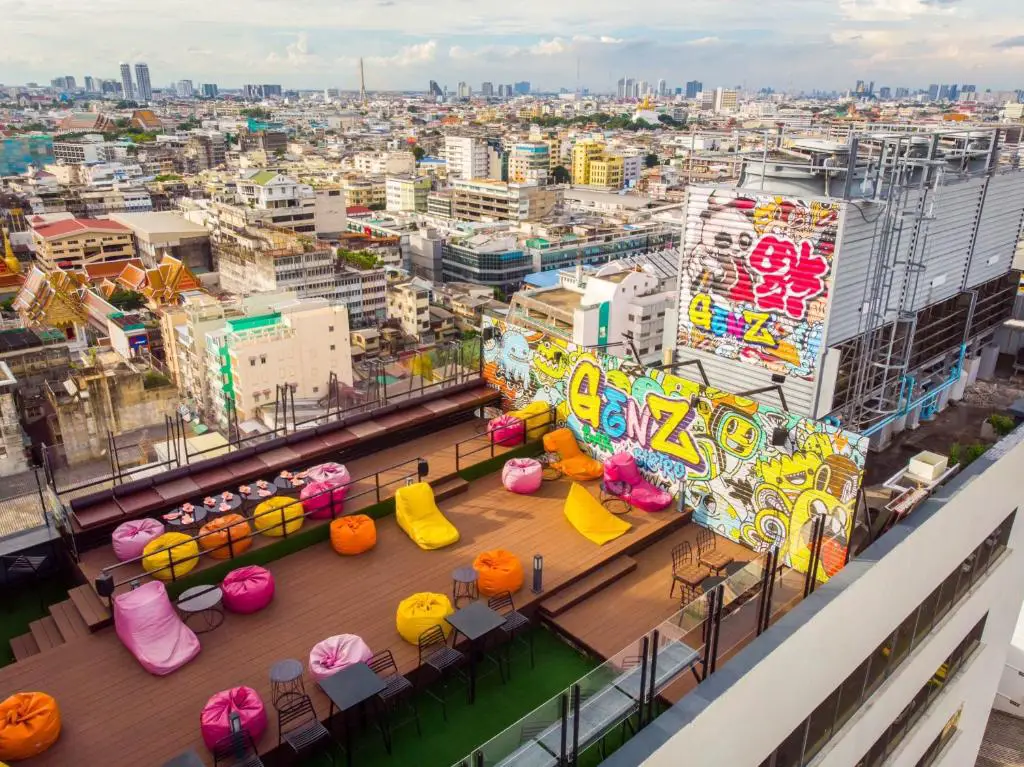
Best River Views
8. Grand China Bangkok
Rating: ⭐⭐⭐⭐
Location: Directly on Yaowarat Road; 3-minute walk to Wat Mangkon MRT
Guest Reviews: Rooftop pool with city views, revolving restaurant, free parking, generous breakfast buffet
Best Room: Superior Room, Balcony, River View
From USD $50 – $120 per night
Best for Light Sleepers
9. Talakkia Boutique Hotel
Rating: ⭐⭐⭐
Location: Talad Noi neighbourhood; 10-minute walk to Hua Lamphong MRT; 7-minute walk to Yaowarat Road
Guest Reviews: Quiet Talad Noi location, on-site art gallery, clean rooms, friendly bilingual staff
Best Room: Standard Double Room with City View
From USD $35 – $90 per night
Why Stay in Chinatown Rather Than Somewhere Else in Bangkok
Chinatown is one of the few parts of Bangkok that still feels like a working neighbourhood rather than a hospitality district built around tourists — and with the Wat Mangkon MRT station on Charoen Krung, staying here no longer means choosing between atmosphere and access. The trade-offs are real though, and worth knowing before you book.
- The MRT changes everything — Wat Mangkon station connects to the BTS Skytrain at Asok in around 20 minutes, putting Sukhumvit, Silom, and Siam within reach without a taxi. The Grand Palace and Wat Pho are a short Grab ride or a river boat from Ratchawong Pier. You are not marooned here.
- The noise is real and consistent — Yaowarat Road and the lanes around it run loud until well past midnight. This isn’t occasional — it’s structural. Hotels manage it differently, and which one you pick matters more here than in most Bangkok neighbourhoods.
- There’s no green space and no easy resort-style circuit — if your trip is built around sky bars, mall-hopping, and long taxi rides to dinner, staying in Chinatown adds friction rather than removing it.
- The upside is specific and unmatched — you walk out of your hotel in the evening and you’re immediately inside one of the world’s great street-food corridors, surrounded by gold shophouses, Chinese temples, and a neighbourhood that has been doing the same things for 200 years. That experience isn’t available anywhere else in Bangkok at this price point, and no amount of good hotel design replicates it from Sukhumvit.
The Four Areas of Bangkok Chinatown — and Which Suits You
The difference between a great Chinatown stay and a frustrating one often comes down to which pocket of the neighbourhood you’re in. The area is compact but its four main zones feel distinct.
- Yaowarat Road and Odeon Circle — the loudest, brightest, most food-dense part of Chinatown. Hotels here put you steps from the famous seafood stalls and the main neon strip, but noise after dark is unavoidable. ASAI Bangkok Chinatown, Hotel Royal Bangkok, Shanghai Mansion Bangkok, and Grand China Bangkok all sit in or immediately around this zone. Best for first-timers who want maximum immersion and don’t mind earplugs.
- Song Wat Road — one street back from the river, quieter than Yaowarat, and one of the most interesting streets in Bangkok. Old warehouses converted into coffee shops, small galleries, and specialty food spots sit alongside working wholesale businesses. No hotels from this list sit directly on Song Wat, but it’s a five-to-ten minute walk from most of them.
- Talad Noi — the southern fringe of Chinatown, hugging the river. Calmer streets, street art on old shophouse walls, mechanics’ workshops beside third-wave coffee, and a slower pace that makes it feel like a different neighbourhood entirely. Talakkia Boutique Hotel is based here. Good for lighter sleepers and anyone who wants to explore Chinatown in short bursts rather than living inside it.
- Ratchawong and the riverside edge — between the core of Yaowarat and the Chao Phraya, this zone is where Ba Hao Residence, The Mustang Blu, and Baan 2459 Heritage House sit. Less frenetic than Yaowarat Road, closer to the river ferry piers, and home to some of the most characterful buildings in the area. W22 by Burasari is also close to this corridor, on Mittraphan Road just north of Hua Lamphong.
Where to Eat in Bangkok Chinatown: Beyond the Famous Stalls
The food in Chinatown divides cleanly by time of day, and knowing which window you’re working with changes what you should be chasing.
- Morning: dim sum and old-school coffee shops — before 10am, Chinatown belongs to locals. Dim sum houses on the lanes off Yaowarat Road fill up early with regulars ordering har gow and siu mai by the bamboo basket. Tang Bak Seng on Song Wat Road is one of the best old-school kopi shops in Bangkok — dark roast coffee, kaya toast, and a ceiling fan. Get there before 9am.
- Evening: the seafood corridor on Phadung Dao Road — T&K Seafood and Lek & Rut Seafood face each other across a narrow soi and have been doing so for decades. Both serve crab curry, grilled river prawns, and steamed fish at plastic tables that spill into the road. Neither takes reservations. Arrive before 7pm or expect to wait.
- Michelin level: Potong — Chef Pam Soontornyanakij, named the World’s Best Female Chef, runs a tasting menu restaurant inside a restored apothecary on Yaowarat Road. It books out weeks ahead and requires a reservation. Worth planning around if your trip has room for one long dinner.
- Late night: roasted duck and congee — several shophouses on Yaowarat Road serve roasted duck rice and pork congee from around 9pm until the early hours. These are the meals you eat after everything else has closed. No fanfare, no English menus — point at what the table next to you is having.
When to Book — and When to Avoid
Chinatown has a more pronounced seasonal rhythm than most Bangkok neighbourhoods, and the gap between getting a room and not getting one is wider here because the hotel stock is smaller.
- Cool season (November to February) is peak — book early — temperatures drop to the low-to-mid 20s Celsius, humidity eases, and this is when Chinatown is at its most walkable. It also brings the largest crowds and the highest prices. Properties with small room counts — Baan 2459 Heritage House (4 rooms), The Mustang Blu (10 rooms), and Ba Hao Residence (2 rooms) — can sell out six to eight weeks ahead during this window.
- Chinese New Year is a separate case entirely — Yaowarat Road closes to traffic, hotel rates spike sharply across all price points, and the neighbourhood operates at a completely different intensity. If you’re visiting specifically for the festival, book three to four months ahead and accept that prices will reflect demand. If you want a normal Chinatown experience, plan around it.
- Wet season (May to October) is underrated — afternoon rain is frequent but usually short. The streets thin out, rates drop meaningfully across the board, and the food is exactly the same. If noise and budget are your primary concerns, a wet-season stay in a quieter property like Talakkia Boutique Hotel or W22 by Burasari represents strong value.
- March and April bring the heat — temperatures regularly push above 38°C and the humidity is punishing. Chinatown’s street-food culture is still there but enjoying it requires more tolerance for heat than most travellers expect. Factor in air-conditioned downtime if you’re visiting during these months.
Before You Arrive: What Chinatown Hotels Won’t Tell You
A few things that don’t make it into hotel descriptions but matter once you’re on the ground.
- Getting there from Suvarnabhumi Airport — the Airport Rail Link to Phaya Thai, then MRT to Wat Mangkon, takes around 50 to 60 minutes and costs a fraction of a taxi. From Don Mueang, a Grab or metered taxi is the most practical option — budget 45 to 60 minutes depending on traffic, and confirm the rate before you leave the rank.
- Noise management matters more here than anywhere else in Bangkok — if you’re a light sleeper, book a property with confirmed soundproofing or an inner-facing room. Baan 2459 Heritage House and W22 by Burasari both receive consistent praise for quiet rooms despite their central positions. For Ba Hao Residence, the 4F Santiphap Room faces away from the main tuk-tuk shortcut; the 3F Maitri Chit Room does not.
- Several small properties have no lift — The Mustang Blu and Ba Hao Residence both require guests to climb stairs with luggage. Neither property flags this prominently. If mobility is a factor, Grand China Bangkok, ASAI Bangkok Chinatown, and Hotel Royal Bangkok all have lifts and accessible rooms.
- Temple etiquette in the immediate area — Wat Mangkon Kamalawat and Wat Traimit are active places of worship, not tourist attractions with staged visiting hours. Covered shoulders and knees are expected. Early mornings are the best time to visit — quieter, cooler, and with more local activity than the tourist-facing afternoon window.
- Grab is your best friend after dark — tuk-tuks in Chinatown are almost universally tourist-priced and unmetered. Use Grab for anything beyond walking distance, set the pickup point a street back from Yaowarat Road if the main strip is closed to traffic, and allow extra time on weekend evenings when surge pricing is common.
FAQs
1. Is Bangkok Chinatown a good area to stay in?
It depends on what you want from a Bangkok base. Chinatown gives you immediate access to some of the city’s best street food, genuine neighbourhood character, and solid MRT connections since the Wat Mangkon station opened in 2023. The trade-off is noise — Yaowarat Road runs loud until past midnight — and limited green space. For food-focused travellers who sleep soundly, it’s one of the best areas in the city. For light sleepers or those prioritising quieter streets, it requires careful hotel selection.
2. Which part of Bangkok Chinatown is best for first-time visitors?
The Yaowarat Road and Odeon Circle area puts you closest to the main food strip, the famous temples, and the MRT. It’s the loudest part of the neighbourhood but also the most immediate experience. Talad Noi suits travellers who want Chinatown proximity with a noticeably quieter base.
3. How do you get to Bangkok Chinatown from the airport?
From Suvarnabhumi, the Airport Rail Link to Phaya Thai followed by the MRT to Wat Mangkon is the most efficient route — around 50 to 60 minutes total. From Don Mueang, a Grab or metered taxi is the practical option, typically 45 to 60 minutes depending on traffic.
4. Is Bangkok Chinatown noisy at night?
Yaowarat Road and its immediate surrounds are consistently loud until well past midnight, seven days a week. Hotels on or directly adjacent to the main strip will hear street noise regardless of air conditioning. Properties with soundproofed rooms or inner-facing aspects — Baan 2459 Heritage House, W22 by Burasari, ASAI Bangkok Chinatown — manage this considerably better than others.
5. When is the best time to visit Bangkok Chinatown?
November to February is the most comfortable — cooler temperatures, lower humidity, and the full street-food scene running at peak energy. Chinese New Year (late January or February, depending on the lunar calendar) transforms the neighbourhood into something extraordinary but also significantly more crowded and expensive. The wet season (May to October) offers lower prices and thinner crowds, with afternoon rain that rarely lasts more than an hour.
6. Are there any good restaurants in Bangkok Chinatown beyond street food?
Potong, run by Chef Pam Soontornyanakij, who was named the World’s Best Female Chef, operates a tasting menu restaurant inside a restored historic apothecary on Yaowarat Road. It requires advance booking and sits at a completely different price point from the street stalls, but represents one of the most interesting dining experiences in Bangkok.
7. Do I need to book Bangkok Chinatown hotels far in advance?
For the smaller heritage properties, yes. Baan 2459 Heritage House has four rooms, The Mustang Blu has ten, and Ba Hao Residence has two — these sell out weeks ahead during peak season (November to February) and around Chinese New Year. Larger properties like Grand China Bangkok, Hotel Royal Bangkok, and ASAI Bangkok Chinatown have more availability but still see rates climb significantly as dates approach during high season.
8. Is Bangkok Chinatown safe for tourists?
Chinatown is one of Bangkok’s safer neighbourhoods for visitors. The main risks are the standard urban ones — pickpockets in very dense crowds during peak evening hours, and unmarked tuk-tuk pricing. Use Grab rather than hailing tuk-tuks from the street, keep valuables secured during the busiest evening periods on Yaowarat Road, and you’re unlikely to encounter problems.