
Ueno packs more into walking distance than almost any neighbourhood in Tokyo — a park with nine museums, a 400-stall street market, the zoo, and a station with direct trains to Narita, Asakusa, Akihabara, and Shinjuku all within a few stops. It’s the kind of base that makes a Tokyo trip feel easy. These are the best hotels within walking distance of the station, picked for location, quality, and honest value.
Quick answer: Book Hotel Resol Ueno. It’s a one-minute walk from Ueno Station, and the rooms stay quiet despite being that close.
Table of Contents
Ueno Hotels
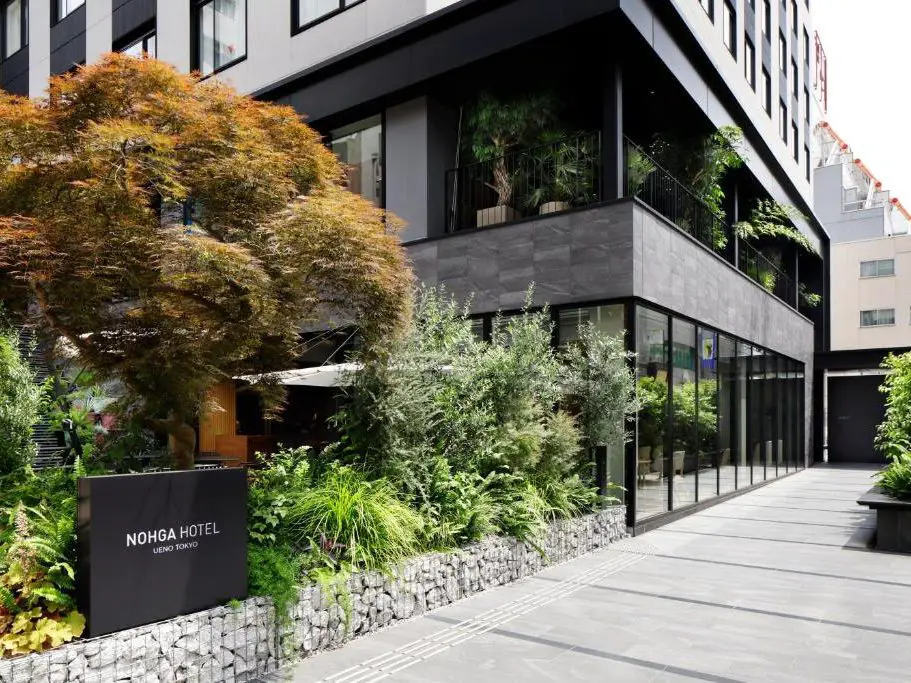
Most Stylish Stay
1. NOHGA Hotel Ueno Tokyo
Rating: ⭐⭐⭐⭐
Location: 3-minute walk to Ueno Station
Guest Reviews: Rainfall shower praised, Bistro NOHGA consistently busy, rooms spacious by Tokyo standards, staff recommendations for neighbourhood
Best Room: Deluxe Double Room, Non Smoking (Shower Booth Only, Rainfall Showerhead)
From USD $125 – $250 per night
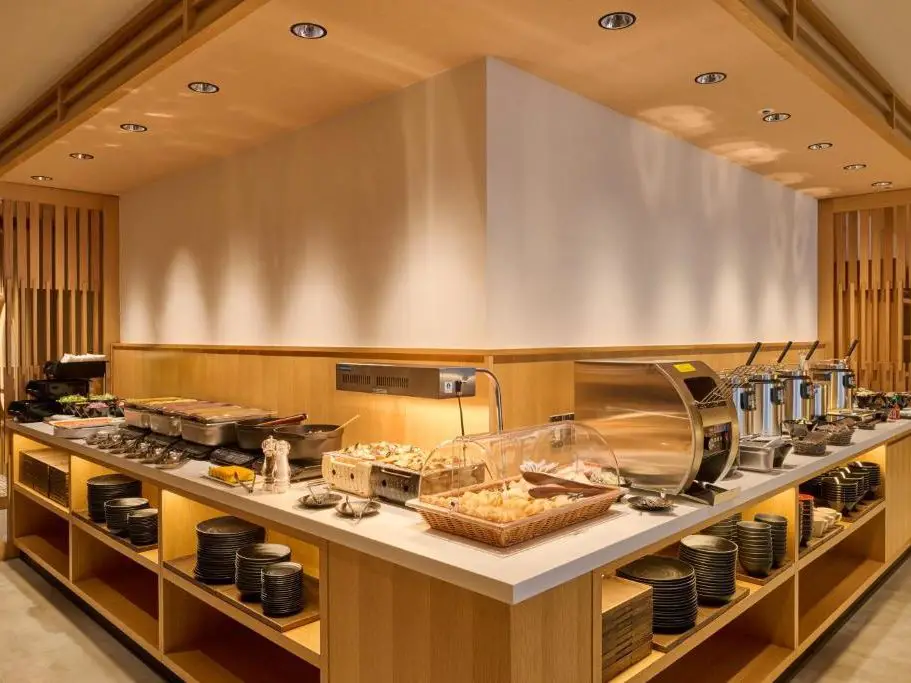
2. Tosei Hotel Cocone Ueno
Rating: ⭐⭐⭐
Location: 3-minute walk to Ueno Station
Guest Reviews: Rooftop terrace views over Ueno, Skyliner access praised, clean and quiet rooms, friendly English-speaking staff
Best Room: Japanese Modern Twin Room
From USD $70 – $150 per night
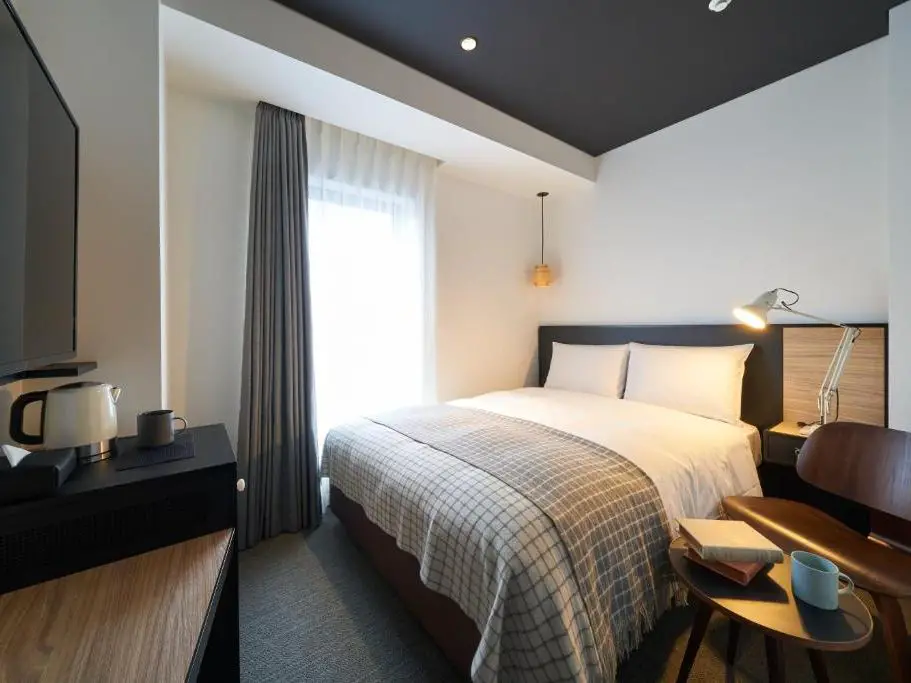
Closest to the Station
3. Hotel Resol Ueno
Rating: ⭐⭐⭐
Location: 1-minute walk to Ueno Station
Guest Reviews: Lobby free-flow coffee and croissants, separate bathtub and shower in all rooms, quiet despite station proximity, cheerful artistic decor
Best Room: [Non-Smoking] Twin Room
From USD $90 – $175 per night
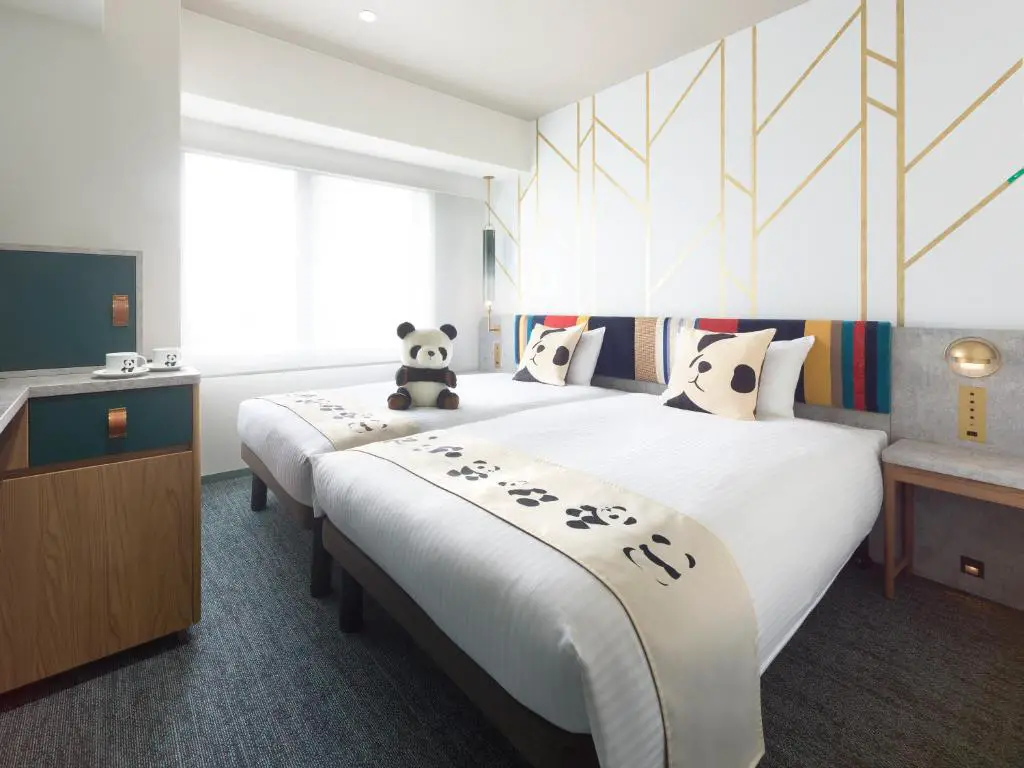
Best for Families
4. Mitsui Garden Hotel Ueno Tokyo
Rating: ⭐⭐⭐⭐
Location: 5-minute walk to Ueno Station
Guest Reviews: Bosco il Chianti breakfast buffet popular with guests, panda-themed 4th floor a hit with families, air purifier and humidifier in every room, Skytree views from upper floors
Best Room: Superior Queen Room
From USD $115 – $250 per night
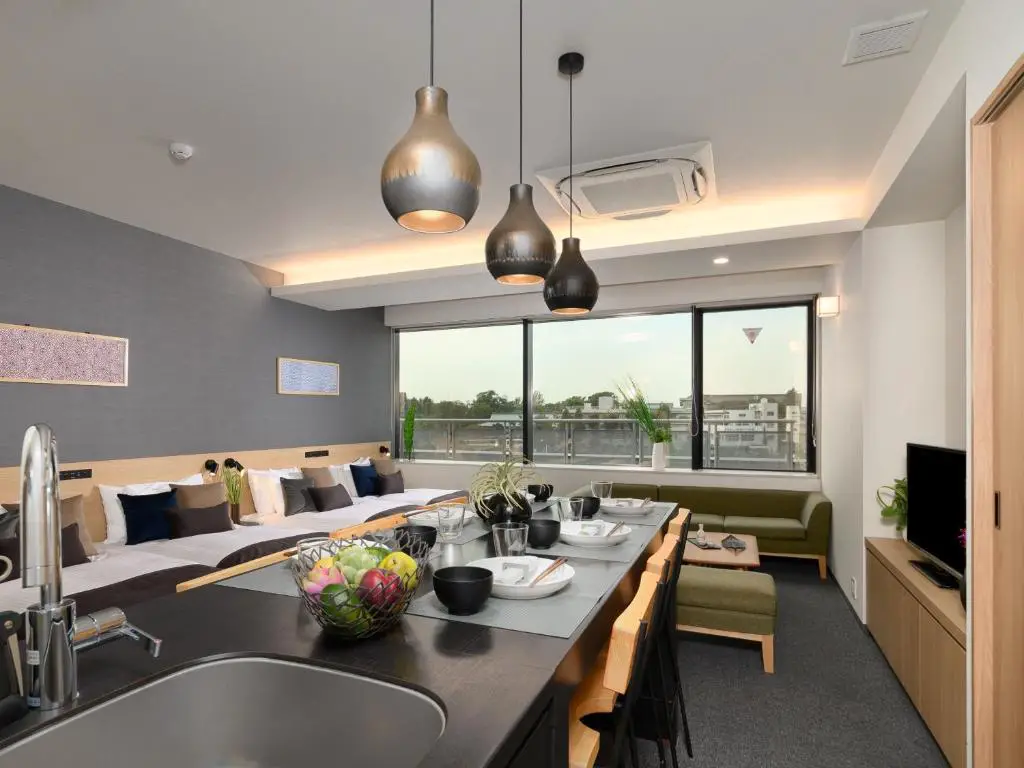
5. MIMARU Tokyo Ueno North
Rating: ⭐⭐⭐
Location: 5-minute walk to Ueno Station
Guest Reviews: Full kitchen in every apartment, train-view rooms popular with kids, lobby origami corner and crane games, spacious by Tokyo standards, multilingual staff
Best Room: Japanese-Style Premium Family Apartment
From USD $130 – $400 per night
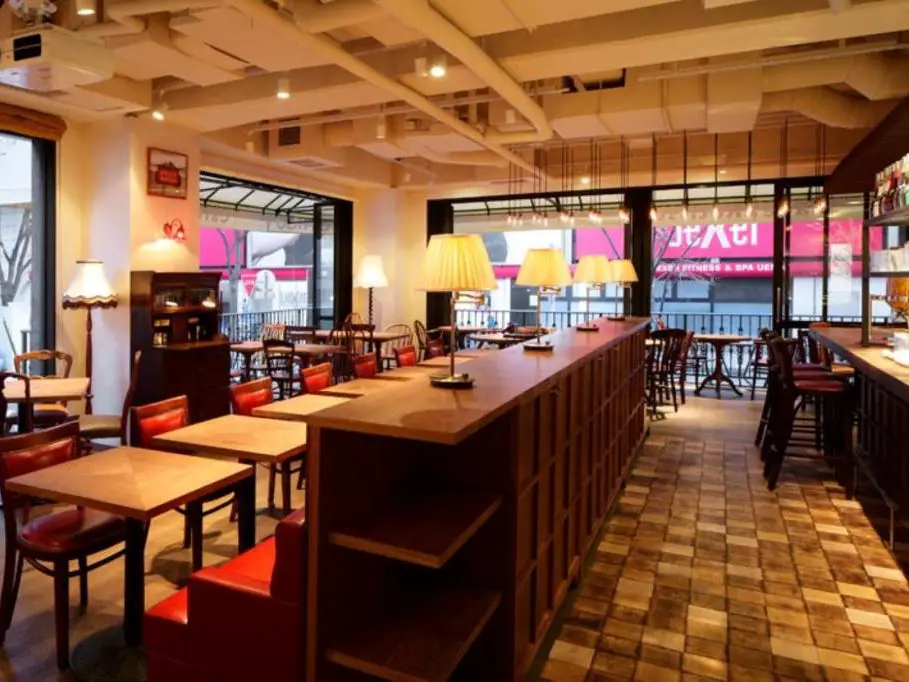
6. Hotel Sunroute Stellar Ueno
Rating: ⭐⭐⭐
Location: 2-minute walk to Ueno Station
Guest Reviews: Skyliner to Narita praised as a few minutes away, Simmons beds with Lofty pillows highlighted for sleep quality, luggage held before and after check-in, on-site restaurant LA Cocorico open for breakfast and lunch
Best Room: Deluxe Twin Room
From USD $60 – $165 per night
Best Themed Rooms
7. MIMARU Tokyo Ueno East
Rating: ⭐⭐⭐
Location: 3-minute walk to Ueno Station (Iriya Exit)
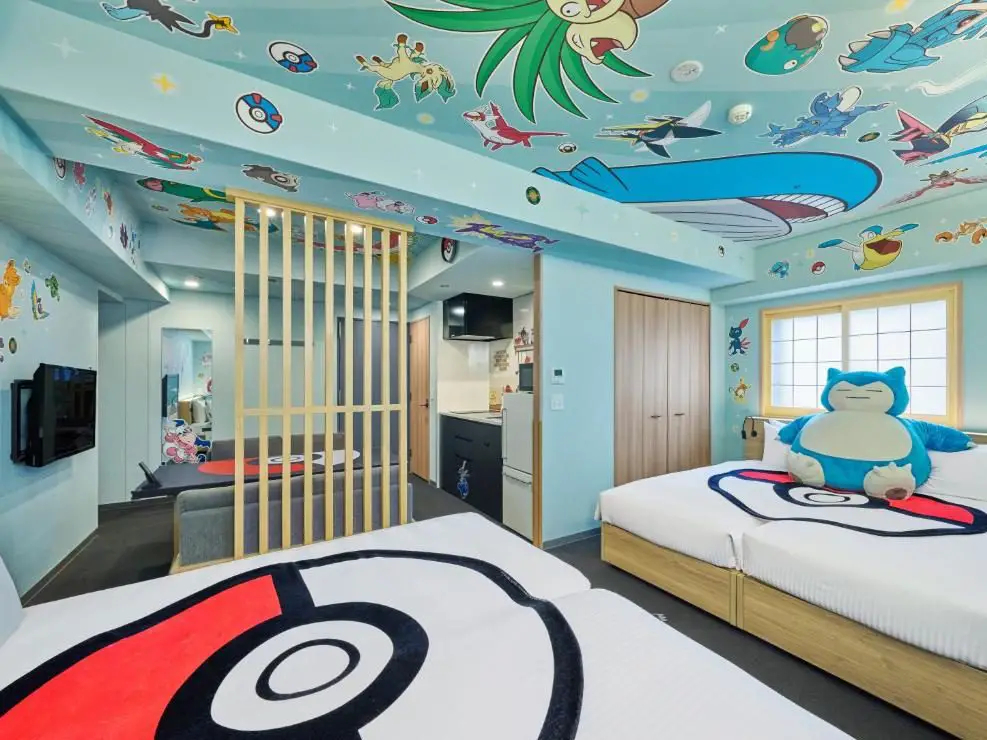
Guest Reviews: Life-sized Snorlax Pokémon room a hit with families, Apple TV and games available to borrow, rooftop terrace overlooking Ueno, connecting rooms available for large groups, staff praised for luggage transfer service
Best Room: Pokémon Room
From USD $240 – $500 per night
Most Design-Forward
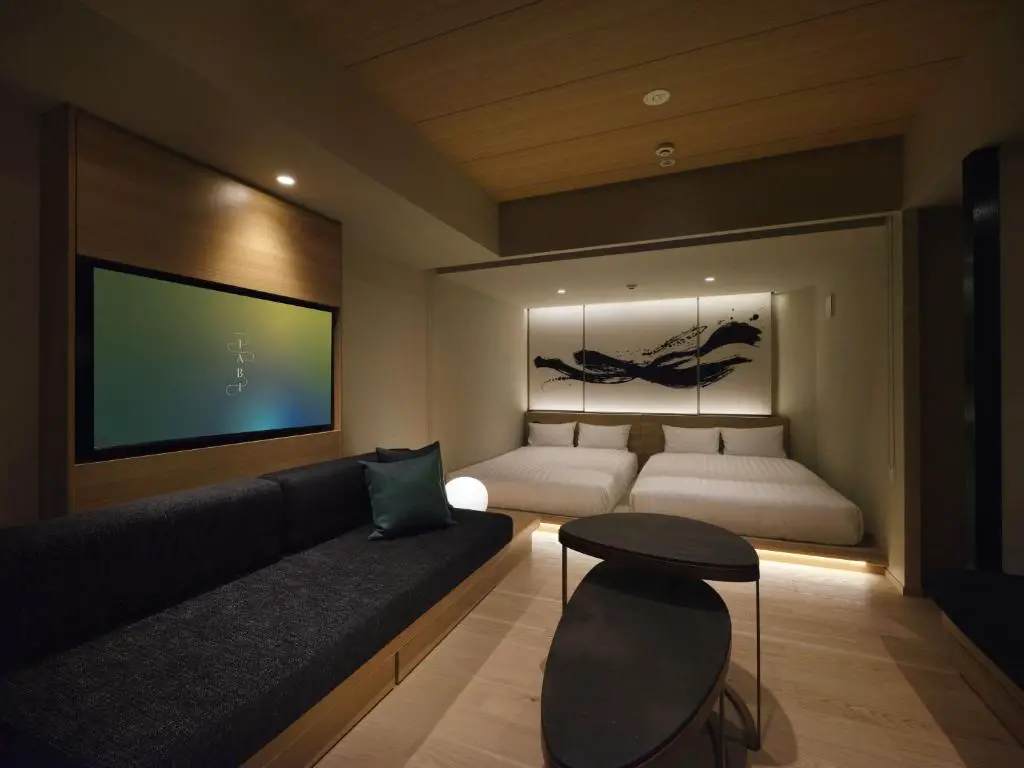
8. TABI Ueno
Rating: ⭐⭐⭐⭐
Location: 4-minute walk to Ueno Station
Guest Reviews: Zen-inspired design with tatami flooring praised, in-room washing machine a standout for longer stays, beautiful ceramics and kitchen equipment noted, staff praised for takyubin luggage forwarding service
Best Room: SORA – Sky – Japanese Modern Style Room with Private Roof Balcony
From USD $300 – $600 per night
Best Value with Onsen
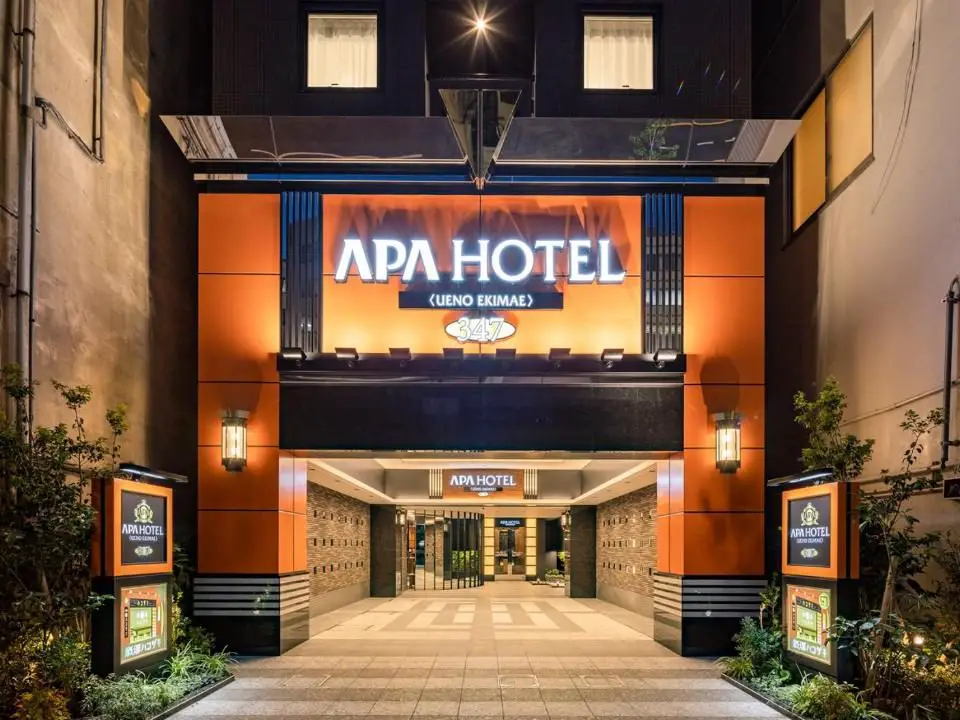
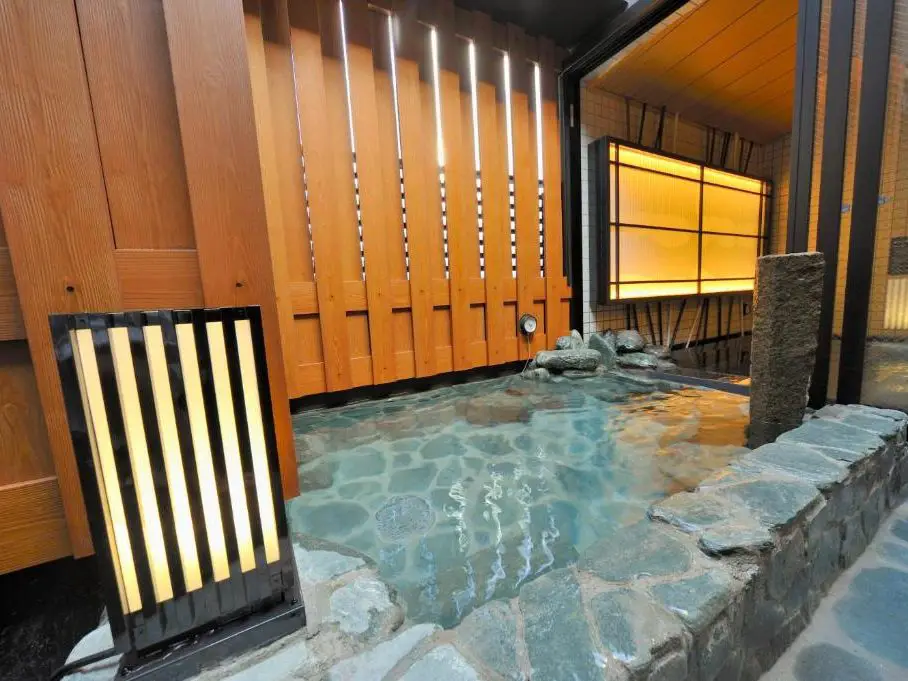
9. APA Hotel Ueno Ekimae
Rating: ⭐⭐⭐
Location: 3-minute walk to Ueno Station (Hirokoji Exit)
Guest Reviews: Open-air public bath a standout amenity, APA’s famous fried chicken at breakfast, secured per-room WiFi praised, universal power sockets in rooms, coin laundry on site
Best Room: Double Room
From USD $65 – $175 per night
Best Hotel Perks
10. Dormy Inn Ueno Okachimachi
Rating: ⭐⭐⭐
Location: 5-minute walk to Ueno Station
Guest Reviews: Top-floor natural hot spring with city views praised after long days out, free Yonaki Soba ramen noodles served nightly 21:30–23:00, free washing machines on site, Ameyoko market directly outside
Best Room: Superior Room
From USD $90 – $200 per night
Why Ueno Station Makes a Strong Tokyo Base
Most first-time visitors default to Shinjuku or Shibuya as their Tokyo base. Ueno makes a stronger case for anyone flying into Narita, planning to head north by Shinkansen, or wanting a neighbourhood that feels like Tokyo rather than a tourism monoculture.
- Narita Airport access — The Keisei Skyliner runs directly from Narita to Keisei Ueno Station in around 41 minutes, with trains every 20–40 minutes. It is the fastest point-to-point option from the airport and requires no transfers. For most international arrivals, Ueno is the easiest possible first stop in Tokyo.
- JR Yamanote Line — JR Ueno Station sits on the Yamanote Line loop, putting Akihabara (two stops), Tokyo Station (four stops), Shinjuku (eight stops), and Shibuya (ten stops) all within reach without changing trains. A day that takes in Harajuku, Shibuya, and Asakusa is straightforward from here.
- Shinkansen access — JR Ueno is a Shinkansen stop on the Tohoku, Hokuriku, and Joetsu lines. Nikko, Sendai, and Kyoto are all reachable from the station. For trips that combine Tokyo with northern Japan, Ueno removes one transfer compared to departing from Tokyo Station.
- Tokyo Metro — The Ginza and Hibiya lines run through the station, giving direct access to Ginza, Roppongi, and Hibiya without touching the JR network. Asakusa is four stops on the Ginza Line.
- Walking distance from the station — Ueno Park, the Tokyo National Museum, the National Museum of Nature and Science, Ameyoko market, and Akihabara are all reachable on foot. No neighbourhood in central Tokyo packs more into a 20-minute walk from a single station.
The honest trade-off: Ueno has no five-star luxury hotels, and the area immediately around the station is commercial and functional rather than charming. The park side is the exception — quieter and more atmospheric, particularly in the early morning.
The Two Stations Explained: JR Ueno vs Keisei Ueno
This causes more confusion than any other logistics question in Ueno. They are two separate stations operated by two separate railway companies, connected by a short walk but serving completely different lines. Booking a hotel near the wrong one — or not knowing the difference before you arrive — wastes time and luggage drag on your first day.
- JR Ueno Station — The larger of the two. Served by the Yamanote Line, Keihin-Tohoku Line, Joban Line, and Shinkansen. This is the station you want for getting around central Tokyo, heading south toward Shibuya and Shinagawa, or catching a bullet train north. It has multiple exits: the Park Exit faces Ueno Park to the west; the Hirokoji Exit and Iriya Exit face the hotels and Ameyoko to the east. When hotels describe themselves as “a 3-minute walk from Ueno Station,” they almost always mean JR Ueno and the Hirokoji or Iriya Exit.
- Keisei Ueno Station — Smaller, quieter, and located about a 5-minute walk from JR Ueno. Served only by Keisei lines, including the Skyliner to Narita and the Keisei Main Line toward Asakusa and beyond. It has two exits: the main exit faces the Shinobazu pond and Ueno Park; the Ikenohata Exit is at the rear. If you’re arriving on the Skyliner from Narita, you’ll exit here — not at JR Ueno. The two buildings are close but they are not the same building.
- Practical implication — Arrive on the Skyliner at Keisei Ueno, store your luggage in the coin lockers on B1F near the Skyliner gate, explore Ueno on foot, then check in when your room is ready. Hotels with names including “Keisei” or “Keisei Ekimae” are positioned near the Keisei station specifically — useful if Narita arrivals and departures are your priority; less useful if you’ll be commuting daily on the Yamanote.
- Walking between the two — The walk between the main JR exit and Keisei Ueno is roughly 5 minutes along a flat, well-signed street. Most hotels within this article are within comfortable reach of both.
Best Areas to Stay Around Ueno Station
Ueno is not one neighbourhood in the way that Shimokitazawa or Nakameguro feels like a single place. Where you land within five minutes of the station shapes the character of your stay considerably.
- East of JR Ueno (Higashi-Ueno) — This is where most hotels in this article sit. The streets are quieter than the Ameyoko strip, convenience stores are everywhere, and the walk to either the Hirokoji or Iriya exits is short. It suits travellers who want easy station access without being on top of the noise. MIMARU Tokyo Ueno East and TABI Ueno are both on this side, as is NOHGA Hotel Ueno Tokyo.
- South of the station, along Showa-dori — The main commercial corridor running south toward Okachimachi. More traffic noise, but direct access to Ameyoko’s food stalls and department stores, and close to both JR Okachimachi and the subway. Dormy Inn Ueno Okachimachi and APA Hotel Ueno Ekimae sit in this band.
- Immediately adjacent to the station — The tightest cluster, within 1–2 minutes of JR Ueno. Hotel Resol Ueno and Hotel Sunroute Stellar Ueno are here. Maximum convenience for Yamanote and Shinkansen connections, but slightly more ambient noise from the surrounding commerce.
- Park-side (west of the station) — Facing Ueno Park, with the museum strip and Shinobazu Pond within easy reach. Fewer hotels on this side, quieter at night, and better suited to long stays or those spending significant time in the park. The trade-off is a slightly longer walk to the main station exits used for boarding.
When to Book: Ueno’s Seasonal Pressure
Ueno has more severe booking pressure than most Tokyo neighbourhoods, for reasons that are entirely predictable once you know them.
- Cherry blossom season (late March to early April) — Ueno Park contains over 1,000 cherry trees and is consistently ranked among the top hanami spots in Japan. During peak bloom, which falls somewhere in the last week of March to the first week of April depending on the year, hotels within walking distance of the park fill faster and at higher rates than almost anywhere else in Tokyo. Forum threads from July 2025 showed guests finding Ueno hotels already sold out for May 2026 — booking pressure starts 6–10 months out for this window.
- Golden Week (late April to early May) — Japan’s extended national holiday period drives a second surge in domestic tourism. Rates across Ueno rise sharply in the last week of April and the first week of May. Combined with cherry blossom adjacency, this is the most expensive two-month window to stay in the area.
- Autumn (mid-October to mid-November) — A secondary peak, quieter than spring but still busier than summer or winter. Ueno Park’s autumn foliage draws visitors, and hotel rates tick upward from October onward.
- Best value window — July and August are hot and humid, but hotel rates drop and availability is high. January and February offer the lowest prices of the year with reliable availability, and the station crowds thin noticeably.
- Practical booking rule — For cherry blossom season, book as soon as dates become available — typically 6 months to a year out depending on the property. For everything else, 2–3 months is comfortable. Families and groups using apartment hotels like MIMARU Tokyo Ueno North or MIMARU Tokyo Ueno East should book earlier, as the larger room configurations sell first.
What to Know Before You Stay in Ueno
The practical information that makes the difference between a smooth first day and a frustrating one — and that almost no ranking page currently covers.
- Room sizes — Ueno hotel rooms run small even by Tokyo standards. Standard double rooms at business hotels in the area typically range from 11–14 square metres. If you’re travelling with two full-size suitcases, verify that luggage storage under the bed is available before booking, or plan to use the station lockers for overflow bags. The apartment-style hotels in this article (TABI Ueno, both MIMARU properties) are the exception — starting at 37 square metres, they are designed for groups and longer stays.
- Luggage storage at the station — JR Ueno Station has coin lockers at 13 locations, with a good proportion of large-size lockers suited to checked baggage. Prices range from ¥300–¥900 depending on size, payable by IC card or cash. A staffed luggage counter on the 3rd floor handles oversized items and long-term storage of up to 30 days. Keisei Ueno has additional lockers on B1F near the Skyliner gate — useful on arrival day if you want to explore before checking in.
- Ameyoko market after dark — The 400-stall street market running between JR Ueno and JR Okachimachi stations is open until around 20:00 for most stalls, with some food vendors continuing until 22:00. It is well-lit, busy, and safe at night. Hotels on the south side of the station — particularly along Showa-dori — are within a 2-minute walk of the market’s main strip, which is useful for cheap dinners and genuinely useful for picking up snacks, drinks, and everyday items without convenience store prices.
- Convenience stores — Seven-Eleven, Lawson, and FamilyMart branches are concentrated within the immediate station area. Most are open 24 hours. Several hotels in this area provide in-room kettles but no breakfast; the convenience store breakfast at ¥500–¥700 is a practical and decent alternative.
- Noise — The area directly around the station and along Ameyoko is active until around 22:00. Hotels on the east side of the station (Higashi-Ueno) are noticeably quieter than those facing Showa-dori or the market strip. All hotels in this article provide soundproofed rooms, but floor selection matters — request upper floors facing away from the street if noise is a concern.
- No luxury ceiling — Ueno’s upscale ceiling is NOHGA Hotel Ueno Tokyo, a lifestyle 4-star with a restaurant, gym, and bike rental. There is no 5-star option in the area. Travellers seeking full-service luxury are better positioned in Ginza or Tokyo Station, a short train ride south.
FAQs
1. How far is it from Narita Airport to hotels near Ueno Station?
The Keisei Skyliner covers the journey from Narita Airport to Keisei Ueno Station in around 41 minutes, with no transfers required. From Keisei Ueno Station, most hotels in this area are a 5–15 minute walk depending on location. The Skyliner runs approximately every 20–40 minutes throughout the day.
2. Is Ueno Station good for first-time visitors to Tokyo?
It is one of the better bases for first-timers arriving via Narita, particularly those planning to use the Shinkansen during their trip or wanting walkable access to museums, a major park, and a street market. It is less suited to travellers whose priorities are nightlife, high-end shopping, or the west Tokyo entertainment districts, which require a 20–30 minute train ride.
3. What is the difference between JR Ueno Station and Keisei Ueno Station?
They are separate stations operated by different companies, located about a 5-minute walk apart. JR Ueno serves the Yamanote Line and Shinkansen; Keisei Ueno serves the Skyliner to Narita and Keisei local lines. Hotels described as “near Ueno Station” almost always mean JR Ueno. When in doubt, check the exit name — Hirokoji and Iriya are JR Ueno exits; Ikenohata is Keisei Ueno.
4. When do hotels near Ueno Station sell out?
Cherry blossom season (late March to early April) is the tightest window, with some properties selling out 6–10 months in advance. Golden Week (late April to early May) is the second pressure point. For these dates, book as early as availability opens. Outside these windows, 2–3 months is generally sufficient.
5. Are there family-friendly hotels near Ueno Station?
Several. MIMARU Tokyo Ueno East and MIMARU Tokyo Ueno North offer apartment-style rooms with full kitchens, connecting configurations, and space for 4–12 guests. TABI Ueno has a rooftop suite accommodating up to 12. Mitsui Garden Hotel Ueno Tokyo has connecting rooms and is 5 minutes from JR Ueno. The proximity to Ueno Zoo, Ueno Park, and the museums makes the area well-suited to families regardless of where they stay.
6. Do hotels near Ueno Station have luggage storage?
All hotels in this article offer luggage storage, typically on arrival before check-in and on departure after check-out. The station itself has extensive coin locker facilities at 13 locations, including large-size lockers suitable for checked baggage. A staffed counter on JR Ueno’s 3rd floor handles oversized items and long-term storage.
7. How small are hotel rooms near Ueno Station?
Standard rooms at business hotels in the area run from 11–14 square metres, which is tight for two people with large luggage. Rooms at this size are functional for sleeping and can usually store one suitcase under the bed. The apartment hotels — TABI Ueno (from 37 sqm), MIMARU Tokyo Ueno East (from 38 sqm), and MIMARU Tokyo Ueno North (from 32 sqm) — offer significantly more space and are the practical choice for longer stays or anyone travelling with more than one bag per person.