
Tokyo can feel like a lot when you land with kids and luggage and no idea which train to board — but once you find your base, it clicks fast. The city is easy with children: the streets are safe, the food is varied enough to keep picky eaters happy, and the train network, once you get a feel for it, puts everything within reach. The hotels below are chosen with one priority above all others: location that makes a first trip work, with rooms that actually fit a family.
Quick answer: Book Keio Plaza Hotel Tokyo. Its Luxury Family Room has four proper beds, rare in Tokyo, and the hotel sits five minutes from Shinjuku Station.
Table of Contents
Shinjuku Hotels
Best for Disney Day Trips
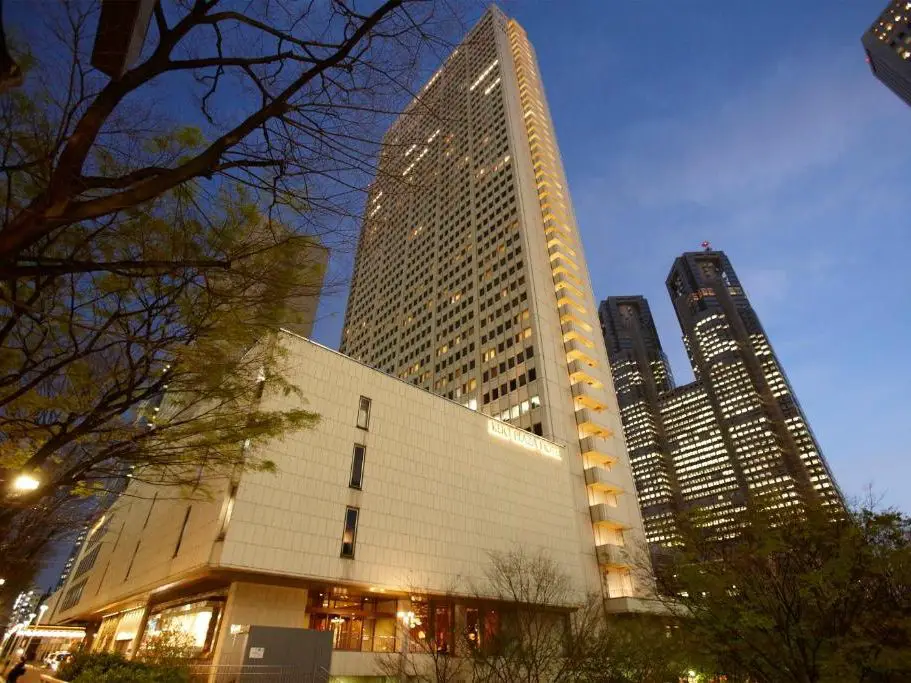
1. Keio Plaza Hotel Tokyo
Rating: ⭐⭐⭐⭐⭐
Location: 5-minute walk to Shinjuku Station
Guest Reviews: Free Disney shuttle, underground tunnel to station, child-size yukata on arrival, panoramic city views from upper floors
Best Room: Luxury Family Room
From USD $200 – $550 per night
2. Hyatt Regency Tokyo
Rating: ⭐⭐⭐⭐⭐
Location: 2-minute walk to Tochomae Station, 10-minute walk to Shinjuku Station
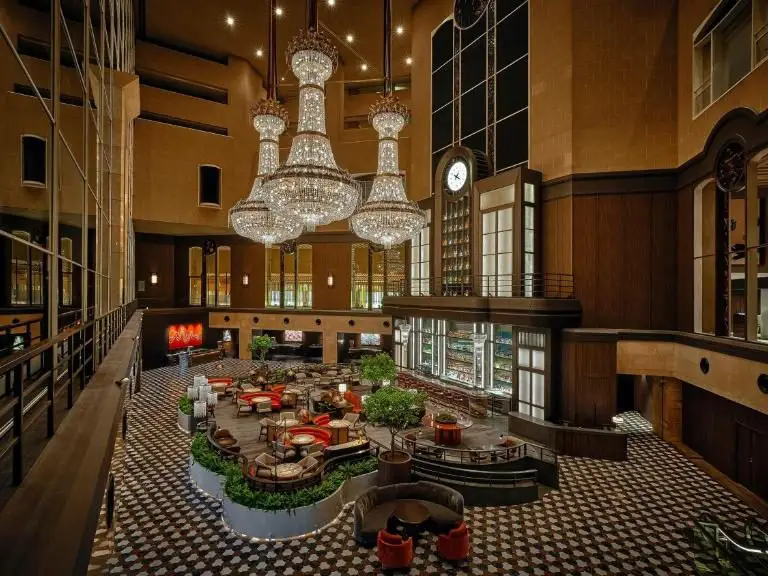
Guest Reviews: Freshly renovated rooms, Shinjuku Central Park views, 7-Eleven and Family Mart inside the hotel, six on-site restaurants
Best Room: Deluxe Twin Room with City View
From USD $250 – $500 per night
Best Value Family Rooms in Shinjuku
3. &Here SHINJUKU
Rating: ⭐⭐⭐⭐
Location: 2-minute walk to Shinjuku-sanchome Station, 10-minute walk to Shinjuku Station
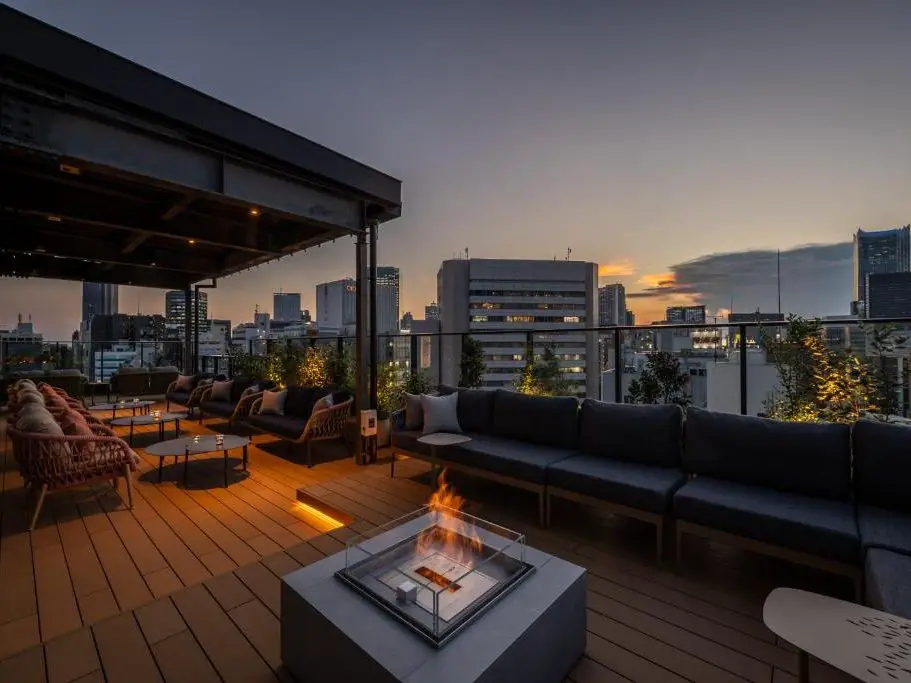
Guest Reviews: In-room washer/dryer, kitchen with fridge and microwave, rooftop terrace with city views, spacious by Tokyo standards
Best Room: Deluxe Family 2 Bed & 2 Bunk Bed Room
From USD $200 – $350 per night
4. THE KNOT TOKYO Shinjuku
Rating: ⭐⭐⭐⭐
Location: 1-minute walk to Shinjuku Central Park, 12-minute walk to Shinjuku Station
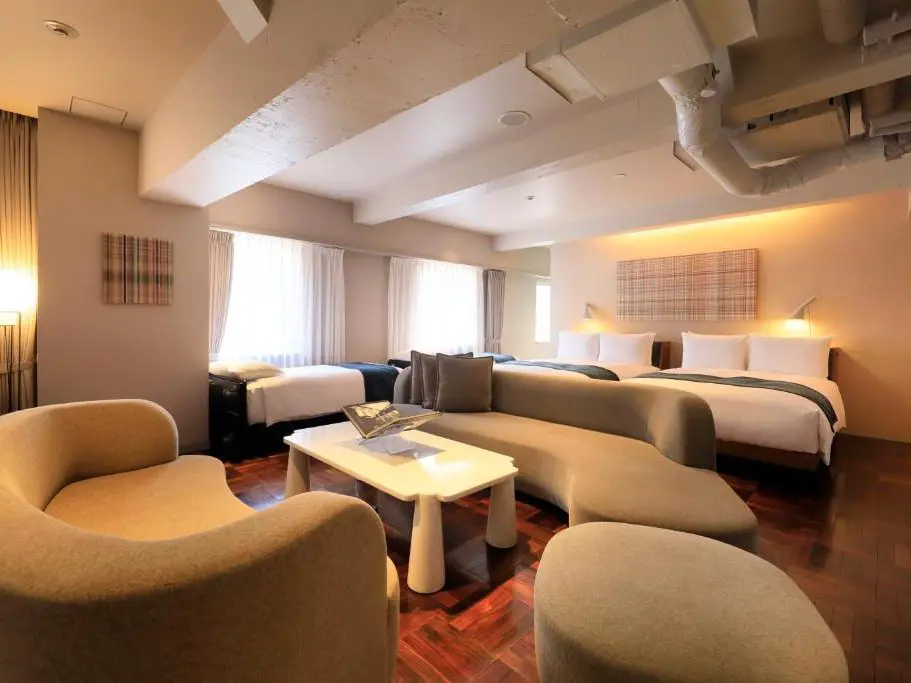
Guest Reviews: On-site bakery with fresh pastries, English-speaking staff, park views, buffet breakfast with Japanese and Western options
Best Room: Terrace Suite
From USD $150 – $400 per night
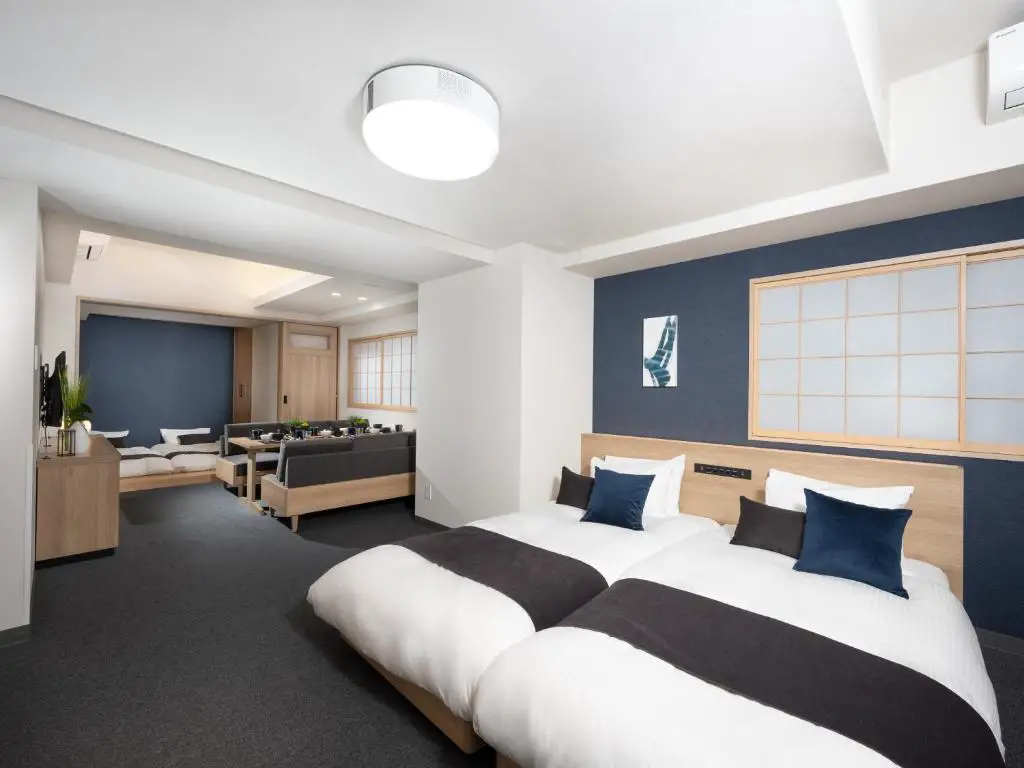
Best for Self-Catering Families
5. MIMARU Tokyo Shinjuku West
Rating: ⭐⭐⭐⭐
Location: 8-minute walk to Nishi-Shinjuku Station, 15-minute walk to Shinjuku Station
Guest Reviews: Full kitchen with fridge and microwave, bunk beds kids love, coin laundry on-site, spacious by Tokyo standards
Best Room: Family Apartment
From USD $200 – $320 per night
Asakusa Hotels
Best Location in Asakusa
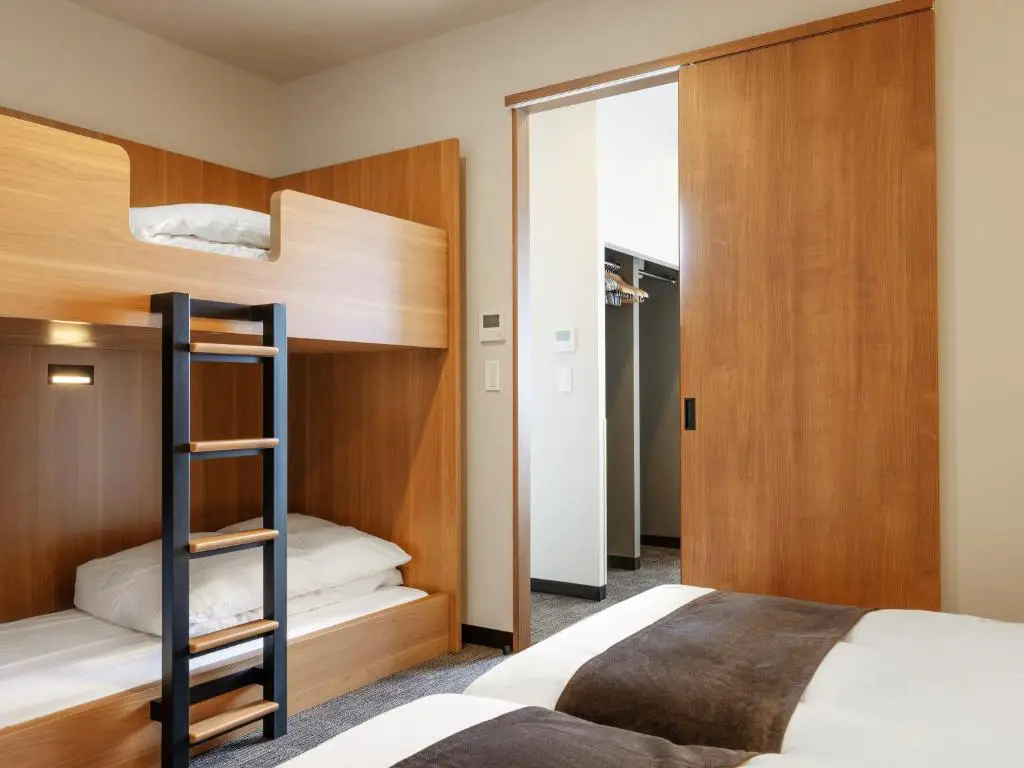
6. MIMARU Tokyo Asakusa Station
Rating: ⭐⭐⭐⭐
Location: 1-minute walk to Asakusa Station, 6-minute walk to Senso-ji Temple
Guest Reviews: Full kitchen with fridge and microwave, Sumida River views from select rooms, discounted Tokyo Skytree tickets at front desk, Family Mart directly next door
Best Room: One-Bedroom Apartment with Bunk Bed
From USD $150 – $280 per night
Best for Families Who Want Their Own Space
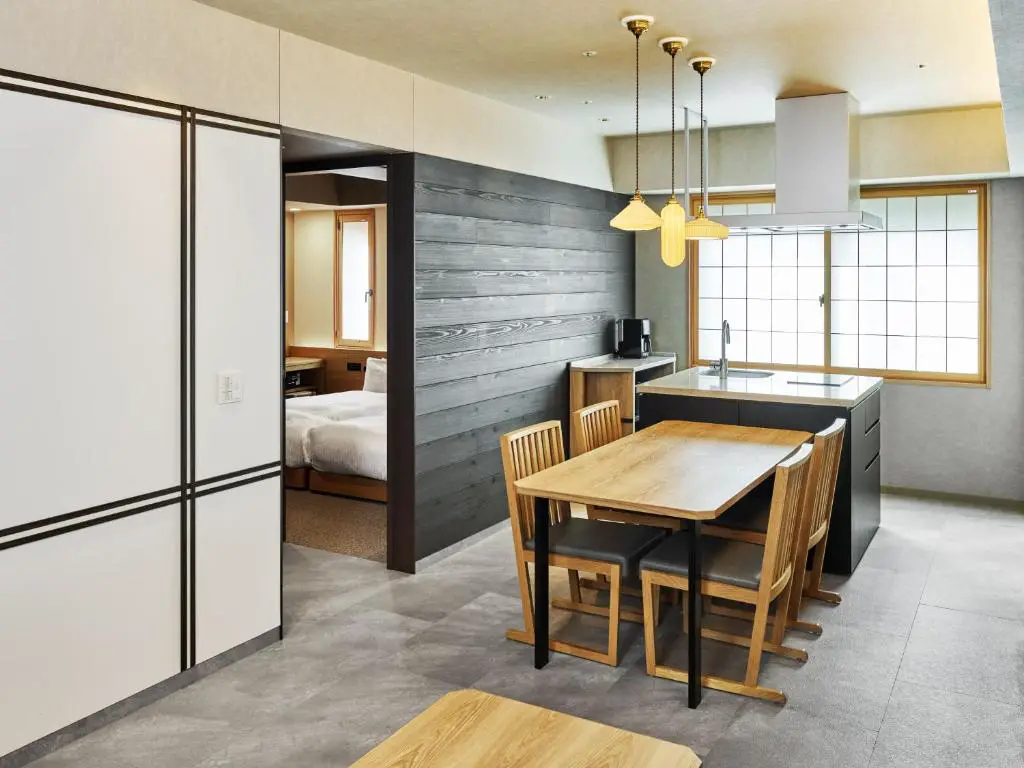
7. MIMARU SUITES Tokyo Asakusa
Rating: ⭐⭐⭐⭐
Location: 3-minute walk to Asakusa Station, 4-minute walk to Senso-ji Temple
Guest Reviews: Two separate bedrooms, in-room washer/dryer, full kitchen with IH stove and cookware, Sumida River and Tokyo Skytree views from upper floors
Best Room: Two-Bedroom Suite with Living Room Sofa
From USD $350 – $550 per night
Best Views of Tokyo Skytree
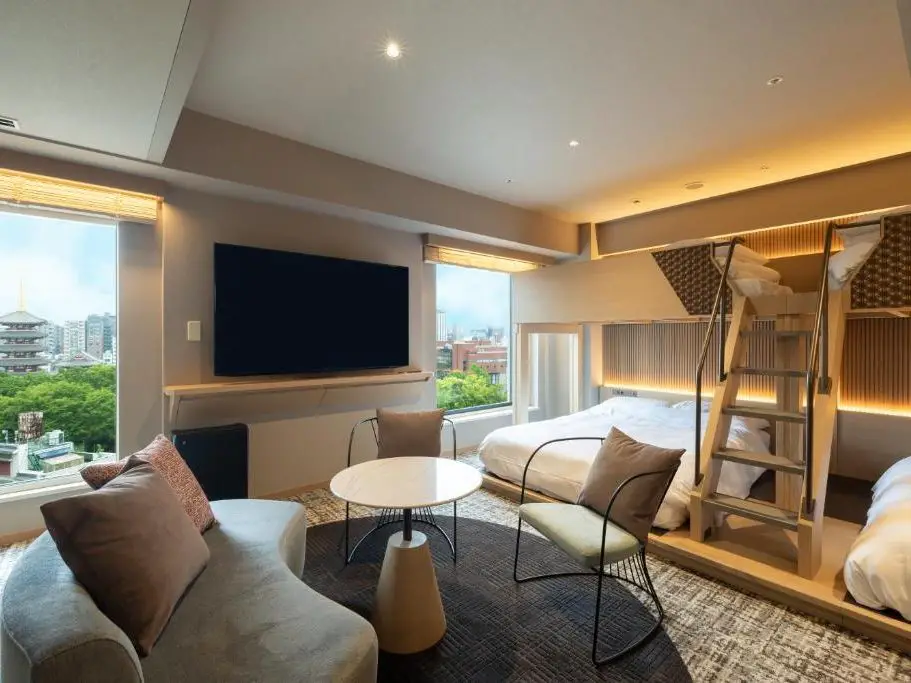
8. Richmond Hotel Premier Asakusa International
Rating: ⭐⭐⭐⭐
Location: 3-minute walk to Asakusa Station, steps from Senso-ji Temple and Nakamise Street
Guest Reviews: Tokyo Skytree views from upper floor rooms, buffet breakfast with Japanese and Western options, free coffee all day, Uniqlo and Don Quijote in the same building
Best Room: Superior Triple Room, Non Smoking
From USD $150 – $250 per night
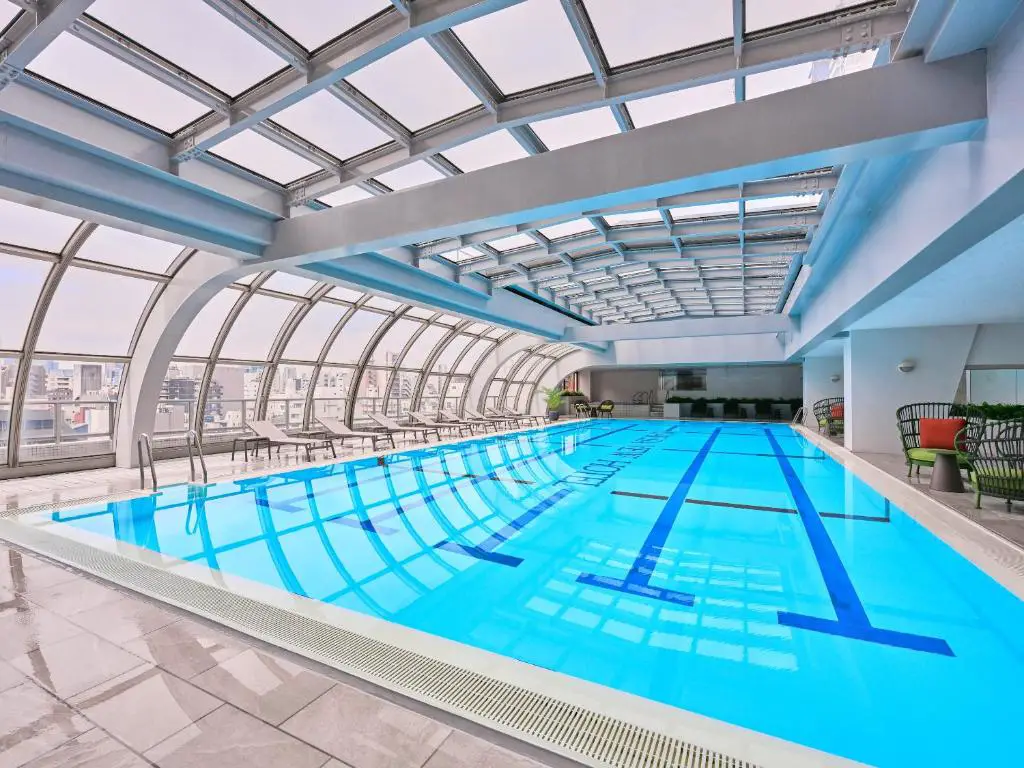
9. Asakusa View Hotel
Rating: ⭐⭐⭐⭐
Location: Directly connected to Asakusa Station (Tsukuba Express), 5-minute walk to Senso-ji Temple
Guest Reviews: Tokyo Skytree views from upper floor rooms, breakfast buffet on the 26th floor with panoramic views, airport bus directly to the hotel, spacious rooms by Tokyo standards
Best Room: Deluxe Twin Room with Skytree Side, Non Smoking with 2 Extra Beds (4 adults)
From USD $200 – $350 per night
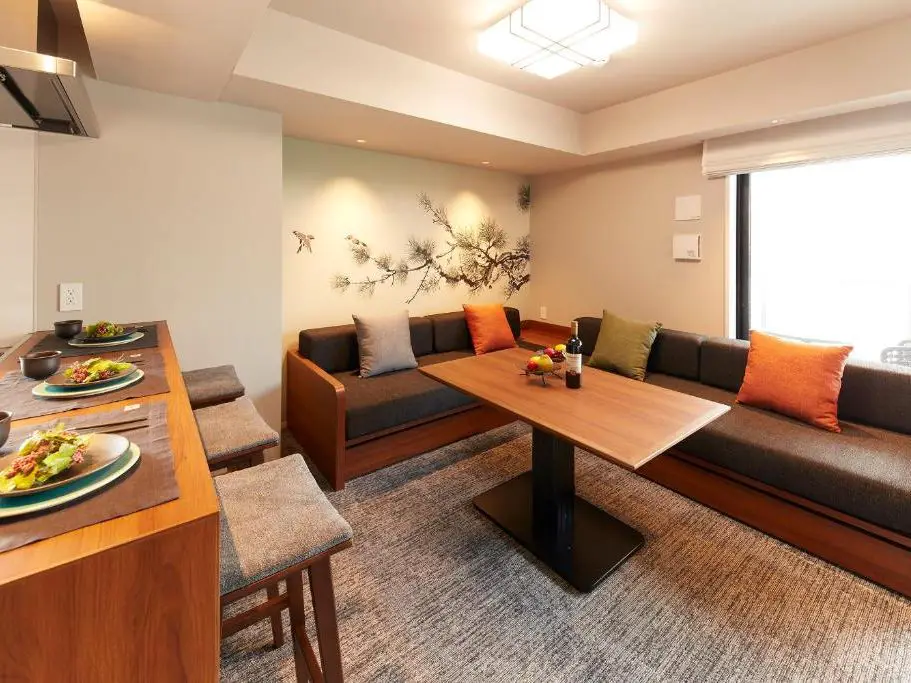
Best Balcony
10. GRAND MONday ASAKUSA
Rating: ⭐⭐⭐⭐
Location: 8-minute walk to Tawaramachi Station, 10-minute walk to Senso-ji Temple
Guest Reviews: Full kitchen with stovetop and rice cooker, private balcony, in-room washer/dryer, spacious apartment-style layout praised by families
Best Room: Suite with 10sqm Balcony, Non Smoking
From USD $165 – $300 per night
Tokyo Station Hotels
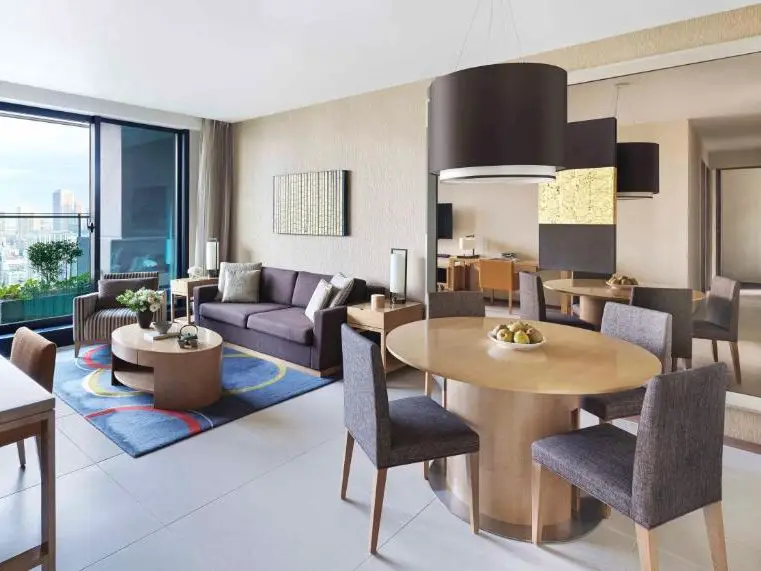
Most Spacious Rooms
11. Oakwood Premier Tokyo
Rating: ⭐⭐⭐⭐⭐
Location: 2-minute walk to Tokyo Station Yaesu North Exit, airport limousine from ground floor
Guest Reviews: Two separate bedrooms across 926 sqft, full kitchen with oven and rice cooker, in-room washer/dryer, Lawson convenience store in the building
Best Room: Two Bedroom Deluxe Apartment
From USD $500 – $800 per night
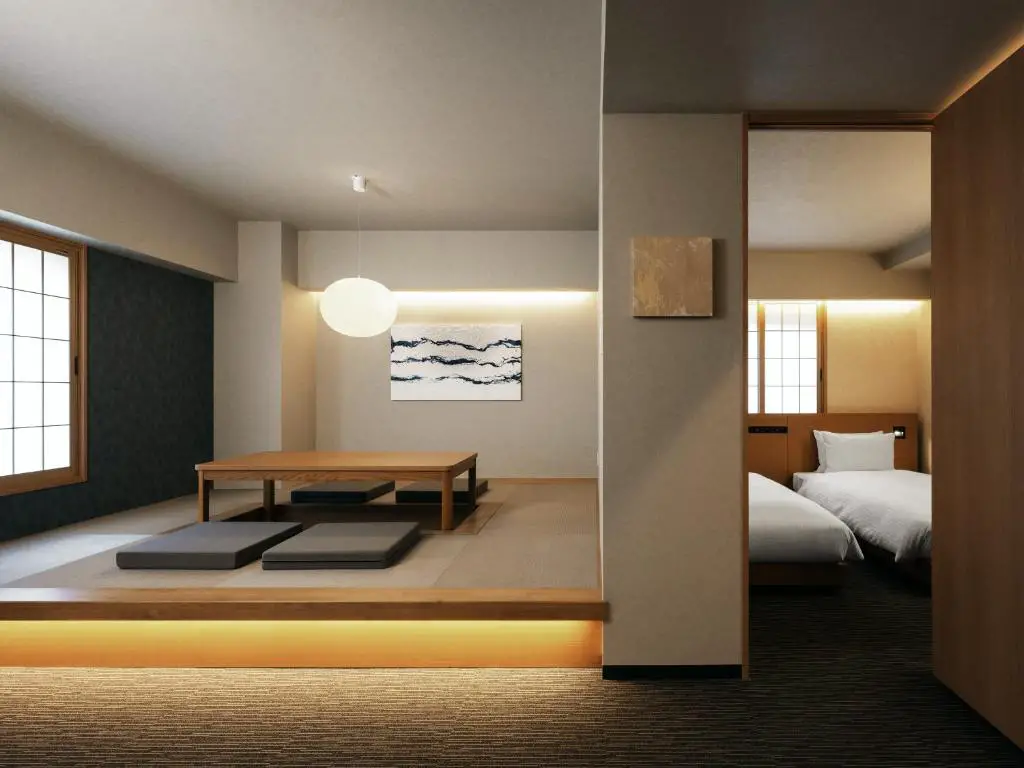
12. MIMARU Tokyo Station East
Rating: ⭐⭐⭐⭐
Location: 4-minute walk to Hatchobori Station, 10-minute walk to Tokyo Station
Guest Reviews: Bunk beds kids love, full kitchen with stovetop and rice cooker, coin laundry on-site, multilingual staff, 7-Eleven directly downstairs
Best Room: Two-Bedroom Family Suite
From USD $200 – $400 per night
Ueno Hotels
Best for Museum Days
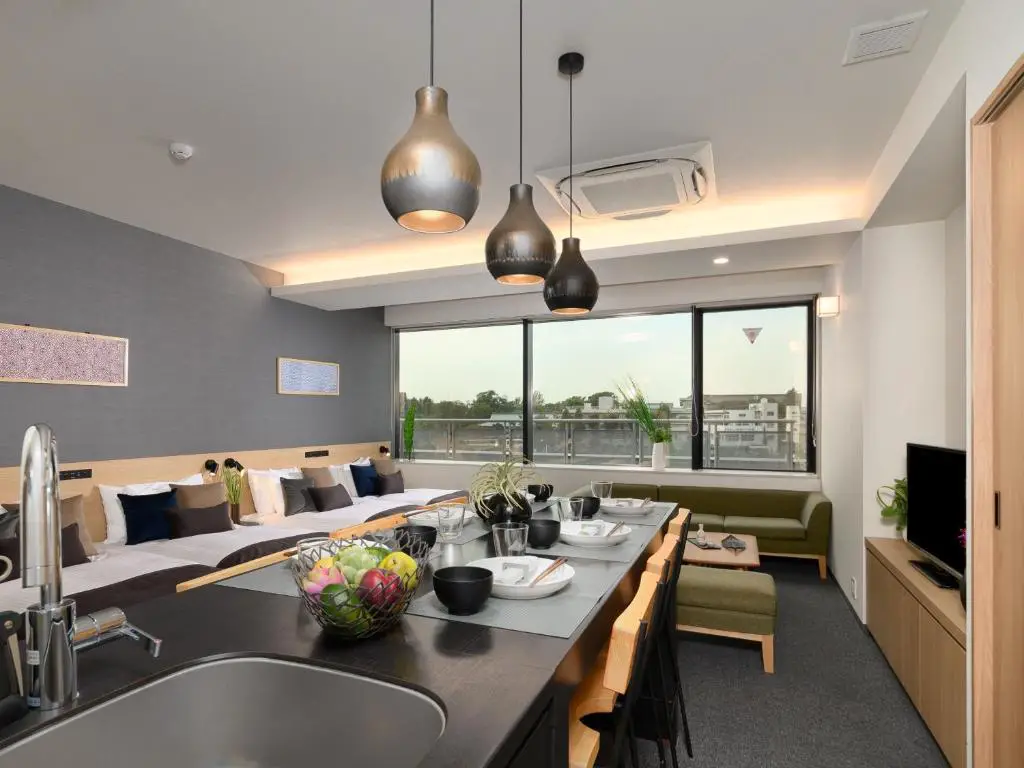
13. MIMARU Tokyo Ueno North
Rating: ⭐⭐⭐⭐
Location: 4-minute walk to Ueno Station, 9-minute walk to Ueno Zoo, 6-minute walk to Ueno Park
Guest Reviews: Bunk beds kids love, full kitchen with fridge and microwave, on-site hot tub, toys and books provided for children, quiet side street away from main station noise
Best Room: Family Apartment
From USD $200 – $350 per night
14. Minn Ueno
Rating: ⭐⭐⭐⭐
Location: 4-minute walk to Ueno Station, 7-minute walk to Ueno Park, direct Skyliner train to Narita Airport
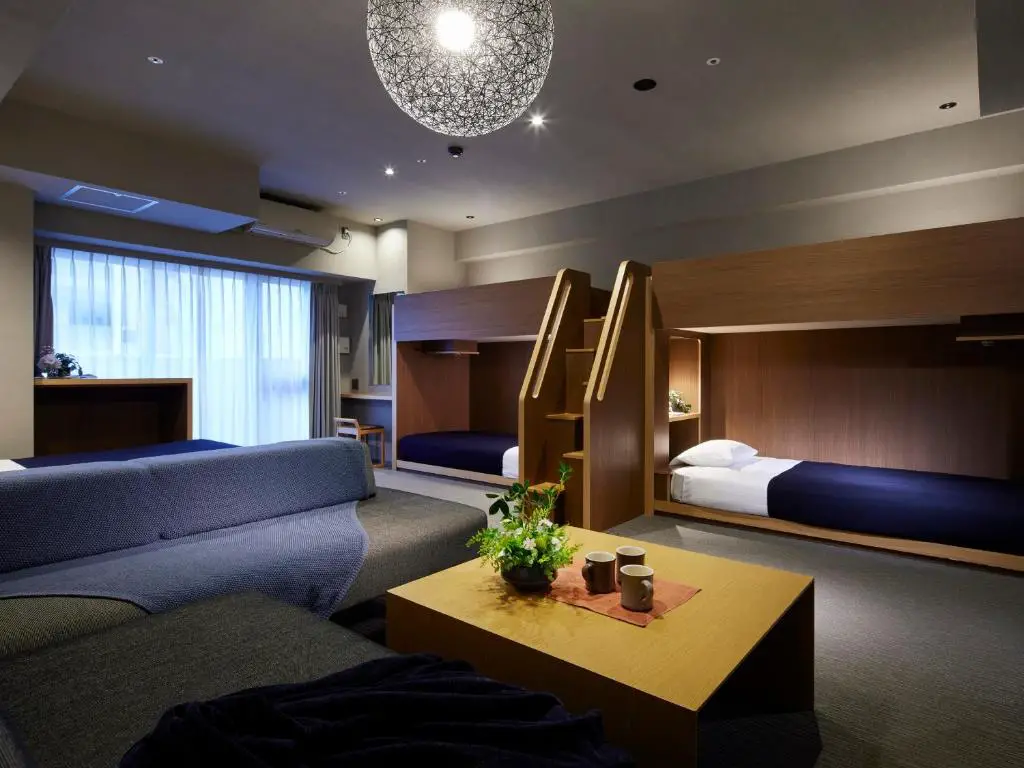
Guest Reviews: Spacious by Tokyo standards, full kitchen with stovetop and fridge, sliding doors between sleeping areas for privacy, coin laundry on-site, 7-Eleven and Family Mart around the corner
Best Room: Family Room
From USD $165 – $280 per night
Why Location Matters More Than Amenities in Tokyo
The single biggest mistake first-time families make in Tokyo is choosing a hotel based on its room or its pool and ignoring where it sits on the map. Tokyo is enormous — 23 wards, 600-plus train stations — and a badly located hotel costs a family an hour of travel time every single day. That hour compounds fast across a week-long trip, and it’s the hour when children are at their most tired and least patient.
The city is built around one loop line — the Yamanote — that connects every major first-timer destination: Shinjuku, Ueno, Akihabara, Tokyo, Shibuya, Harajuku, and Ikebukuro. A hotel on or directly connected to the Yamanote puts all of those within 20 minutes of each other. Hotels off it require a transfer, and transfers with luggage, strollers, and tired children are where Tokyo trips get difficult.
- Shinjuku — The strongest all-round base for first-timers. The station connects to everything, airport limousine buses from both Haneda and Narita stop here, and the area is dense enough that families can spend an entire day without leaving — department stores, Omoide Yokocho, the free observation deck at the Metropolitan Government Building. The trade-off is noise and crowds around Kabukicho; the hotel zone on the west side is considerably calmer.
- Asakusa — The right base for families who want traditional Tokyo. Senso-ji Temple, rickshaw rides, Nakamise Street’s snack stalls, and the Sumida River are all walkable. The area is quieter than Shinjuku at night and cheaper on average. The trade-off is that Asakusa sits on the eastern edge of the Yamanote loop, so west-side destinations like Shibuya and Harajuku take 30 to 40 minutes. For families focused on temples, museums, and Ueno Zoo, this is a non-issue.
- Ueno — The best base for museum-heavy itineraries. Ueno Park alone contains a zoo, six national museums, and cherry blossom walks along the pond. The Keisei Skyliner to Narita departs from Keisei-Ueno Station — the fastest airport connection in the city. Ueno Station sits directly on the Yamanote so everything else is accessible. The area has a lively local market (Ameyoko) and plenty of casual dining that suits families.
- Tokyo Station — The right base if you’re treating Tokyo as the start or end of a multi-city Shinkansen trip. The arrival transfer — often the most stressful moment of a first Japan trip — disappears when you’re sleeping two minutes from the platforms. The hotel pool here skews luxury and business, which is why the two properties in this section are an apartment hotel and a serviced residence rather than conventional hotels.
The Tokyo Room Size Reality
Tokyo hotel rooms are smaller than almost anywhere else in the world at the same price point, and families who don’t know this arrive shocked. A standard twin room runs 20 to 26 square metres — roughly the size of a large Western bathroom. Two adults fit comfortably. A family of four does not.
The solution is not to book two rooms, which doubles the cost and separates the family. The solution is to understand the configurations that actually work.
- Apartment-style hotels with bunk beds — MIMARU properties across Shinjuku, Asakusa, Ueno, and near Tokyo Station use bunk beds alongside twin beds to fit four people in 35 to 45 square metres without anyone sleeping on a sofa. The bunk is a proper single bed. Kids consistently cite it as a highlight of the trip.
- Tatami rooms — Traditional Japanese-style rooms solve the space problem elegantly. Futons are laid directly on the tatami mat floor, which means the entire room becomes a sleeping surface. A 30 sqm tatami room comfortably sleeps four. THE KNOT TOKYO Shinjuku and &Here SHINJUKU both offer versions of this.
- Two-bedroom suites — MIMARU SUITES Tokyo Asakusa and Oakwood Premier Tokyo offer genuine two-bedroom layouts with a separate living area, full kitchen, and in-room washer-dryer. These run 60 to 90 sqm and price accordingly, but for families who want adults and children in separate rooms, they are the clearest answer.
- Quad rooms with 4 single beds — Keio Plaza Hotel Tokyo‘s Luxury Family Room and Asakusa View Hotel‘s Deluxe Twin with extra beds provide four proper beds in a conventional hotel setting. Rarer than they should be in Tokyo, which is why they book out months in advance during peak season.
One practical note: bring fewer bags than you think you need. Even a well-chosen family room has limited floor space for open suitcases. Luggage forwarding services exist precisely for this reason and are covered in the next section.
Getting Around Tokyo with Kids
Tokyo’s train system looks intimidating on a map and is genuinely straightforward in practice, once you know three things.
- Get an IC card on arrival — Suica and Pasmo are contactless travel cards that work on every train, metro, and bus in the city. Load them at any major station. Children under six travel free. Children aged six to eleven pay half fare automatically when using a child Suica card, obtained at any JR East staffed window with proof of age. Without IC cards, buying individual tickets for a family of four at every station adds up fast in both time and money.
- Use the elevator exits — Every major Tokyo station has elevator access, but it is rarely at the main exit. Look for the blue wheelchair symbol on station maps — this is also the stroller-friendly route. Stations like Shinjuku have dedicated elevator corridors that bypass the main crowds. Google Maps defaults to step-free routes when you select the wheelchair option; use this from day one.
- Ship your luggage — Takuhaibin is one of the most useful services in Japan and almost unknown outside it. From any hotel front desk or convenience store, you can send suitcases directly to your next hotel for around 1,500 to 2,500 yen per bag, arriving the following day. On travel days, the family moves through stations carrying only a day bag. Kuroneko Yamato and Sagawa are the two main services; your hotel can arrange it. Allow one day’s lead time and confirm delivery addresses in advance.
- Stroller etiquette — Strollers are permitted on Tokyo trains and buses. Fold them during rush hour (7 to 9 AM and 6 to 8 PM on weekdays) as a courtesy; at other times you can leave them open if there’s space. Most major stations have baby rooms with nursing and changing facilities — the GoStation app locates them.
- Airport transfers — From Narita, the Keisei Skyliner reaches Keisei-Ueno Station in 41 minutes — the fastest and most straightforward option for families based in Ueno or Asakusa. The Narita Express (N’EX) runs to Shinjuku, Shibuya, and Tokyo Stations in 60 to 90 minutes. From Haneda, the Tokyo Monorail connects to Hamamatsucho on the Yamanote in 20 minutes. Airport limousine buses go directly to major hotels in Shinjuku and other areas with no stairs or transfers, which makes them the easiest option for families with heavy luggage.
Best Areas to Stay in Tokyo for First-Timers
The four areas in this guide are not interchangeable. Each makes sense for a different kind of first trip.
- Shinjuku — Choose Shinjuku if your priority is maximum connectivity and you want to cover the widest range of Tokyo in one trip. Families doing Shibuya, Harajuku, Meiji Shrine, Akihabara, Odaiba, and teamLab will spend less time in transit from here than from any other base. The area’s density of restaurants, convenience stores, and shopping means the family never has to go far for anything practical. The downside: Kabukicho at night is busy and adult-oriented, though the hotel zone on the west side is quiet.
- Asakusa — Choose Asakusa if the children are old enough to appreciate traditional Japan and you want the trip to feel different from any other city. Senso-ji at 6 AM before the crowds arrive, rickshaw rides along the river, Nakamise Street snacks — these are experiences that don’t exist in Shinjuku. Asakusa also tends to produce the holiday photos families frame. The trade-off is a longer ride to Shibuya and Harajuku.
- Ueno — Choose Ueno if the itinerary is museum and park-heavy, or if Narita is your arrival airport and you want the simplest possible transfer on a long-haul arrival day. The Skyliner gets families from Narita to Ueno in 41 minutes with no transfers. From there, Ueno Park, the zoo, and five national museums are a short walk. It’s also the quietest of the three main bases, which matters on the first and last nights of any trip.
- Tokyo Station — Choose Tokyo Station if you’re starting or ending a multi-city Japan trip by Shinkansen, or if you want the easiest arrival logistics. The trade-off is that the area is primarily a business and transit hub — less character than the other three, fewer family-oriented restaurants nearby, and the hotel options are limited. It earns its place here as a practical base, not an atmospheric one.
When to Book and When to Go
Tokyo has four seasons and four genuinely different experiences for families. The honest version:
- Cherry blossom season (late March to early April) — The most searched time to visit and the hardest to plan. Peak bloom lasts seven to ten days and shifts by a week or more depending on the year, making it nearly impossible to guarantee. Hotel prices double or triple at family-sized properties, and rooms in Shinjuku and Ueno sell out six months in advance. If this is the goal, book the moment cherry blossom forecast dates are announced — typically in January — and accept the possibility of missing peak bloom by a few days. Ueno Park is one of the finest viewing spots in the city and walkable from the Ueno hotels here.
- Golden Week (late April to early May) — A cluster of national holidays that creates the busiest domestic travel week of the Japanese calendar. Shinkansen seats sell out months ahead, theme parks hit maximum capacity, and hotel rates spike sharply. Visiting during Golden Week is manageable but requires planning six months or more in advance. The week before or after is significantly calmer and cheaper.
- Summer (July to August) — Hot, humid, and busy. Temperatures regularly reach 35°C with high humidity, which is difficult with young children on full sightseeing days. The compensation: indoor attractions are excellent, hotel prices are moderate outside Obon (mid-August), and teamLab Planets in Toyosu operates year-round and suits families with children aged four and above. Plan around air-conditioned mornings and outdoor evenings. Ueno Zoo opens early and is best visited before 10 AM.
- Autumn (October and November) — The most underrated season for families. Temperatures are comfortable (15 to 25°C), crowds are lighter than spring, and autumn foliage in Shinjuku Gyoen and Ueno Park provides its own visual moment without the pricing frenzy of cherry blossom season. Hotel rooms are available at standard rates. For first-timers with flexibility, this is the best window.
- Winter (December to February) — Cold but manageable, with the lowest hotel prices of the year outside New Year. January and February offer the best availability and value. Christmas illuminations around Shinjuku and Omotesando are a draw for families with younger children. New Year (December 31 to January 3) is the opposite — hotels fill with domestic travellers and prices spike, but Senso-ji’s Hatsumode (first shrine visit of the year) is one of the most atmospheric events in the city if you can tolerate the crowds.
Day Trips Worth Planning From Your Base
Tokyo is a strong enough destination to fill ten days without leaving the city. For families who want to go further, three day trips work well with children and are straightforward on public transport.
- Tokyo Disneyland and Tokyo DisneySea — Located in Maihama, 15 minutes by JR Keiyo Line from Tokyo Station or around 40 minutes from Shinjuku by train with one transfer. Both parks are within the same resort and require separate tickets. DisneySea exists only in Japan and has no equivalent elsewhere, making it the more distinctive of the two; it suits children aged seven and above best. Disneyland caters particularly well to younger children. Keio Plaza Hotel Tokyo runs a complimentary shuttle from Shinjuku, removing the train journey entirely. Book park tickets online before arriving in Japan — same-day entry is now lottery-based and not guaranteed.
- Nikko — Around two hours from Ueno or Shinjuku by limited express, Nikko holds some of Japan’s most elaborate shrine architecture alongside waterfalls, cedar forests, and the Toshogu mausoleum. The main shrine complex is compact — the core visit covers 1 to 2 km — though the surrounding area rewards families who stay longer. Best for children aged eight and above who can manage uneven stone surfaces and steps.
- Kamakura — An hour from Shinjuku on the JR Shonan-Shinjuku Line, Kamakura’s Great Buddha is one of the most immediately legible sights in Japan and takes seconds to explain to a child. The town is walkable, the beach at Enoshima is a short detour, and Hase-dera temple’s garden works for children and adults alike. This is the easiest and most family-friendly day trip from any base in this guide and suits children from age four upwards.
Feeding Picky Eaters in Tokyo
Tokyo has a deserved reputation as one of the world’s great food cities, which is reassuring for adults and occasionally alarming for parents of children who eat only five things. The practical reality is more manageable than it looks.
- Convenience stores — 7-Eleven, FamilyMart, and Lawson in Japan are nothing like their Western equivalents. Rice balls (onigiri), hot meat buns (nikuman), sandwiches, pasta, fruit cups, and a wide range of snacks are available around the clock at genuine quality. Locals eat from them daily. For families in apartment hotels, these stores handle breakfast, late-night snacks, and emergency meals without a second thought.
- Family restaurant chains — Gusto, Saizeriya, Denny’s Japan, and Royal Host are sit-down chains aimed at families, with picture menus, children’s sets, high chairs, and prices well below tourist-area restaurants. Saizeriya operates a full Italian menu — pasta, pizza, gratin — for 300 to 600 yen per dish, which directly solves the problem of a child who won’t eat Japanese food. Branches are found in every area covered by this guide.
- Department store food halls (depachika) — Every major department store in Shinjuku, Ueno, and the broader Tokyo Station area has a basement food hall stocking prepared meals, sushi, bento boxes, pastries, and hot food. The variety is exceptional and the quality consistently high. For families who want something more substantial than a convenience store but no interest in a sit-down restaurant, a depachika dinner back at the hotel is one of the smartest moves in Tokyo.
- Hotel kitchenettes — Every MIMARU property, Oakwood Premier Tokyo, &Here SHINJUKU, GRAND MONday ASAKUSA, MIMARU SUITES Tokyo Asakusa, and Minn Ueno includes a kitchen or kitchenette with a stovetop, rice cooker, microwave, and basic cookware. Supermarkets like Life, Hanamasa, and Maruetsu stock familiar produce within walking distance of all four areas. Cooking a simple breakfast or dinner in the room solves the picky-eater problem entirely and reduces daily food costs significantly over a week-long stay.
FAQs
1. What is the best area to stay in Tokyo for first-time families?
Shinjuku is the strongest all-round base — central, well-connected, and practical for a wide range of sightseeing. Asakusa suits families who want traditional Tokyo over convenience. Ueno is the best choice if the itinerary focuses on museums and the zoo, or if Narita is the arrival airport.
2. Are Tokyo hotel rooms big enough for a family of 4?
Standard rooms are not — they typically run 20 to 26 square metres, which is too small for four people. The answer is to book a dedicated family room, an apartment-style hotel, or a tatami room configured for four. All hotels in this guide have confirmed family configurations; standard doubles will be cramped.
3. How do you get from the airport to Tokyo with kids?
From Narita, the Keisei Skyliner to Ueno takes 41 minutes and involves no transfers — the simplest option for families based in Ueno or Asakusa. From Haneda, the Tokyo Monorail to Hamamatsucho takes 20 minutes. Airport limousine buses go directly to major hotel areas with no stairs and no transfers, making them the easiest option for families with heavy luggage regardless of which airport they arrive at.
4. Is Tokyo safe for children?
Tokyo consistently ranks among the safest major cities in the world. Children are welcomed in virtually every public space, street crime is rare, and the city’s infrastructure — stations, parks, public toilets — is maintained to a high standard. Older children who can use a translation app can navigate independently with very little concern.
5. Can I visit Tokyo Disneyland as a day trip?
Both Tokyo Disneyland and Tokyo DisneySea are viable day trips from any of the four areas in this guide. From Tokyo Station, the JR Keiyo Line takes 15 minutes. From Shinjuku, Keio Plaza Hotel Tokyo runs a complimentary shuttle directly to the resort. Book tickets well before arriving — same-day entry is lottery-based and not guaranteed.
6. What age do children travel free on Tokyo trains?
Children under six travel free on all trains and metros in Tokyo. Children aged six to eleven pay half the adult fare using a child IC card (Suica or Pasmo), obtained at any JR East staffed window with proof of age. Children twelve and above pay the standard adult fare.
7. Is Tokyo family-friendly?
Genuinely so. Japanese culture welcomes children in almost every setting, and the infrastructure supports families well — baby rooms in major stations, high chairs in most restaurants, and an abundance of parks, interactive museums, and hands-on experiences suited to children of all ages. The streets are safe, clean, and easy to navigate on foot.
8. How far in advance should I book family rooms in Tokyo?
For cherry blossom season (late March to early April) and Golden Week (late April to early May), book six months in advance at minimum — MIMARU properties and Keio Plaza Hotel Tokyo sell out fastest in these windows. For other times of year, two to three months is sufficient for most hotels here, though the two-bedroom suites at MIMARU SUITES Tokyo Asakusa and Oakwood Premier Tokyo sell out faster year-round due to limited room counts.
9. What is the best time of year to visit Tokyo with kids?
Autumn (October and November) is the most practical choice — comfortable temperatures, lighter crowds than spring, and hotel availability at standard rates. Spring is the most atmospheric if cherry blossom timing works out, but it requires the most advance planning and carries the highest prices of the year.