
Staying in Kusatsu for the baths? Sleep within a few minutes of Yubatake. Every bus from the station or from Tokyo stops at the bus terminal, and from there it’s a 5 to 6 minute walk to the hot spring field. Take off silver rings before your first soak: Kusatsu’s acidic water turns them black almost at once. Here’s where I’d book, from rooms facing the steam to inns with their own spring bath.
Quick answer: Book Kusatsu Onsen Hotel Ichii. Only 20 of its rooms look over Yubatake, so ask for that view by name when you book.
At a glance, per night from
Table of Contents
Kusatsu Onsen Hotels Near Yubatake
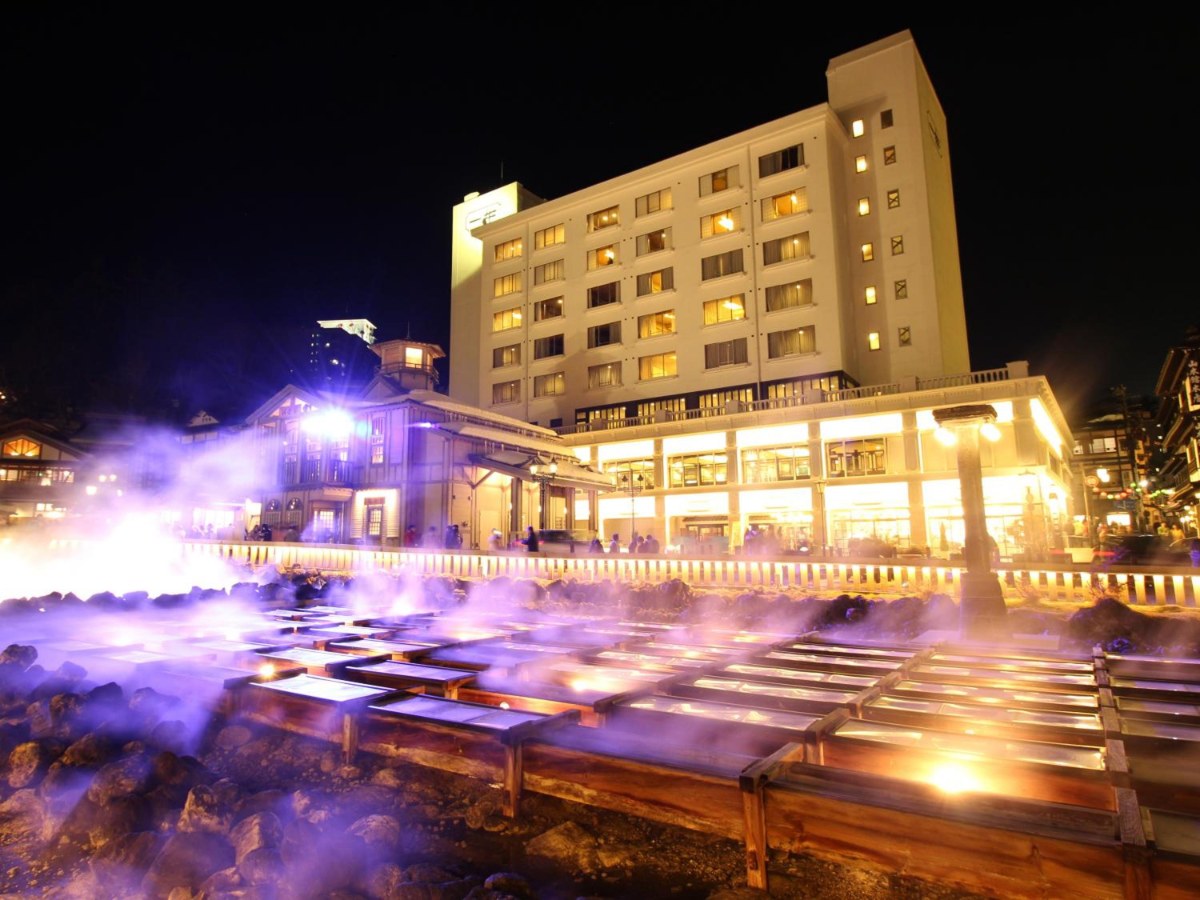
Closest to Yubatake
1. Kusatsu Onsen Hotel Ichii
Rating: ⭐⭐⭐⭐
Location: Faces Yubatake
Highlights: Shirahata and Bandai spring baths, open-air bath, Yuun live-kitchen buffet, Joshu beef, Lounge Sakura
Best Room: Yubatake side Executive room – shower only
Good to Know: Executive rooms are shower-only; the annex hot spring baths are a short indoor walk.
From USD $250 – $850 per night
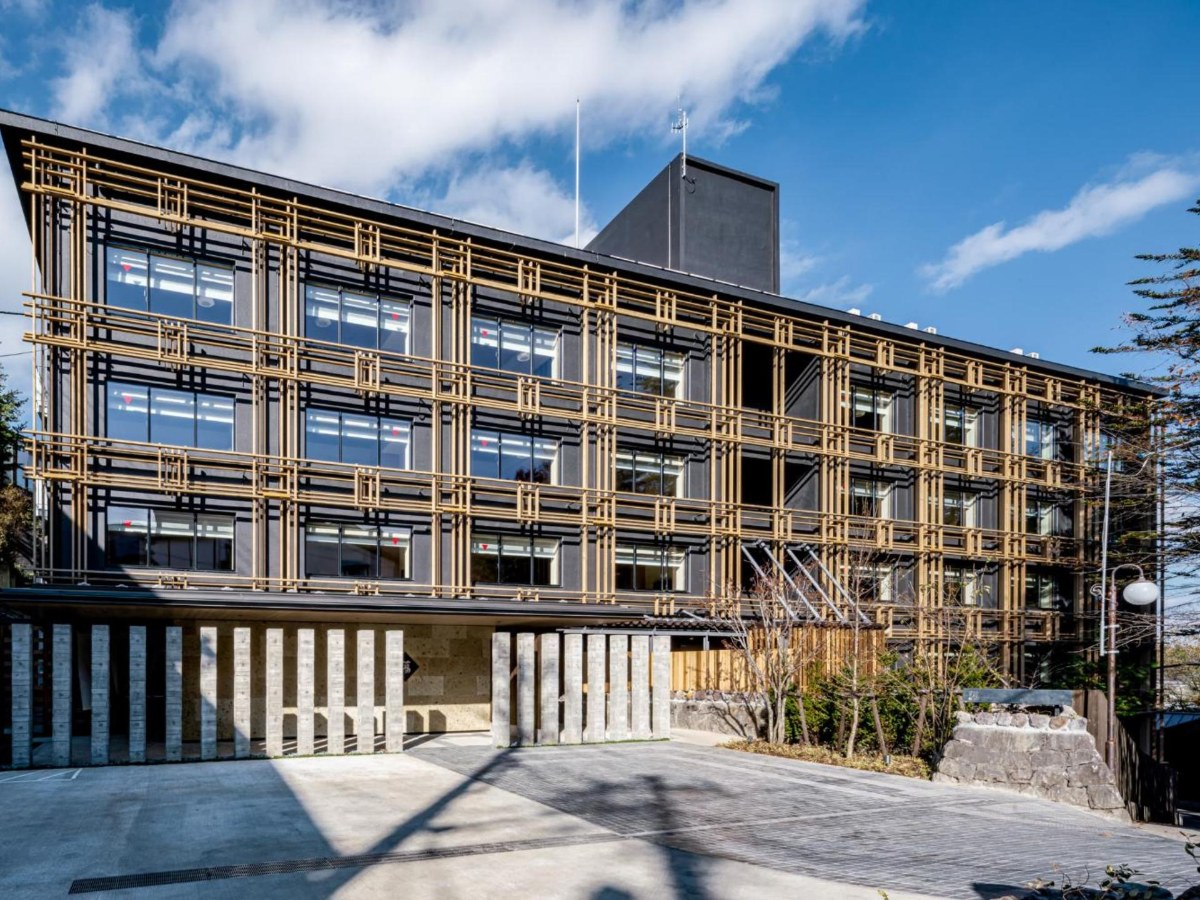
Jizo-Source Hot Spring Baths
2. Urakusatsu TOU
Rating: ⭐⭐⭐⭐
Location: 4-minute walk to Yubatake
Highlights: Rooftop private open-air bath, Kusatsu kaiseki dinner, ReFa hair dryers, yukata and haori, guest bar overlooking Jizo Plaza
Best Room: Japanese and Western styles room with private hot spring room
Good to Know: Only four rooms have their own hot spring bath; book early, others are shower-only.
From USD $330 – $640 per night
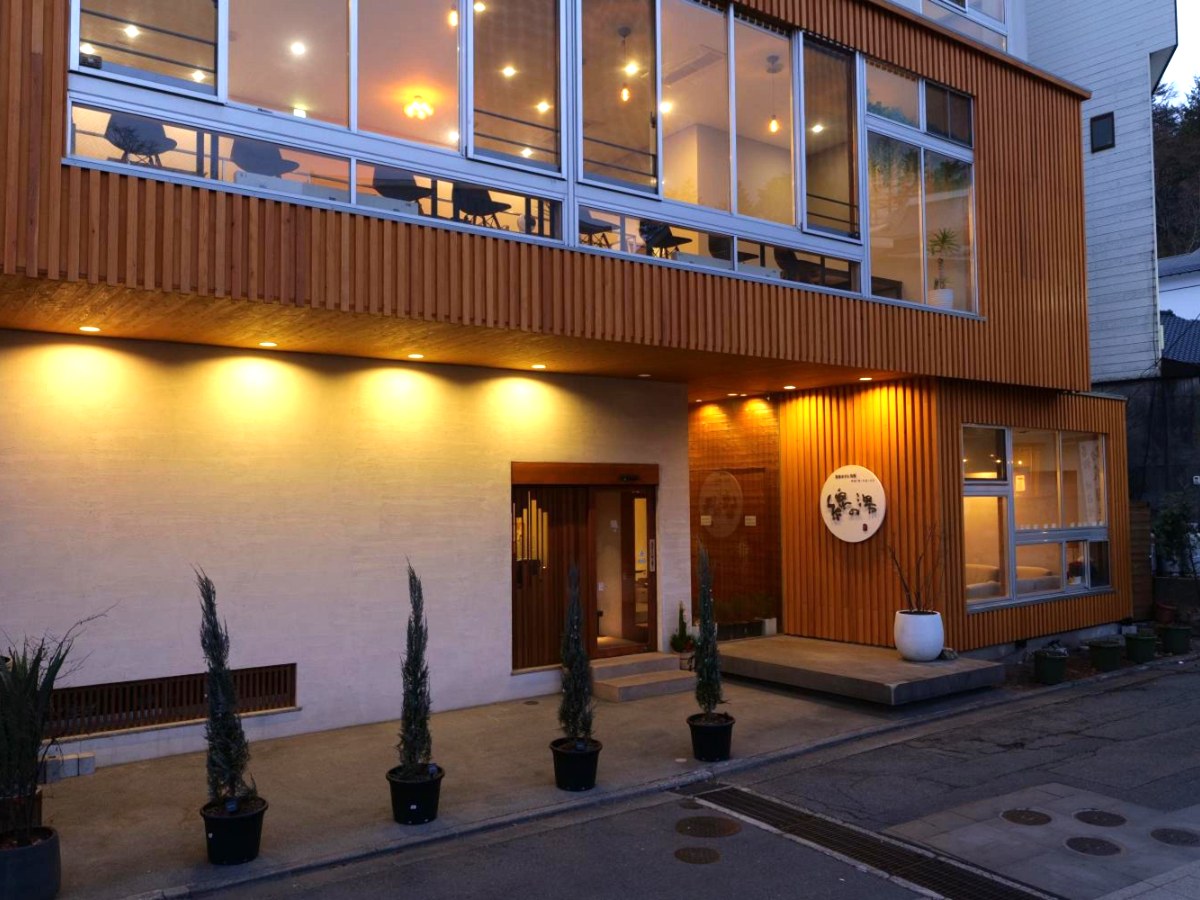
Third-Floor Hot Spring Foot Bath
3. Kusatsu Hotel Bekkan Wata no Yu
Rating: ⭐⭐⭐
Location: 6-minute walk to Yubatake
Highlights: Wata no Yu and Bandai-ko hot spring baths, sauna with cold plunge, Joshu beef tataki
Best Room: Twin Room with Bathroom
Good to Know: No bus-terminal pickup here: walk about 7 minutes or take a short taxi.
From USD $195 – $335 per night
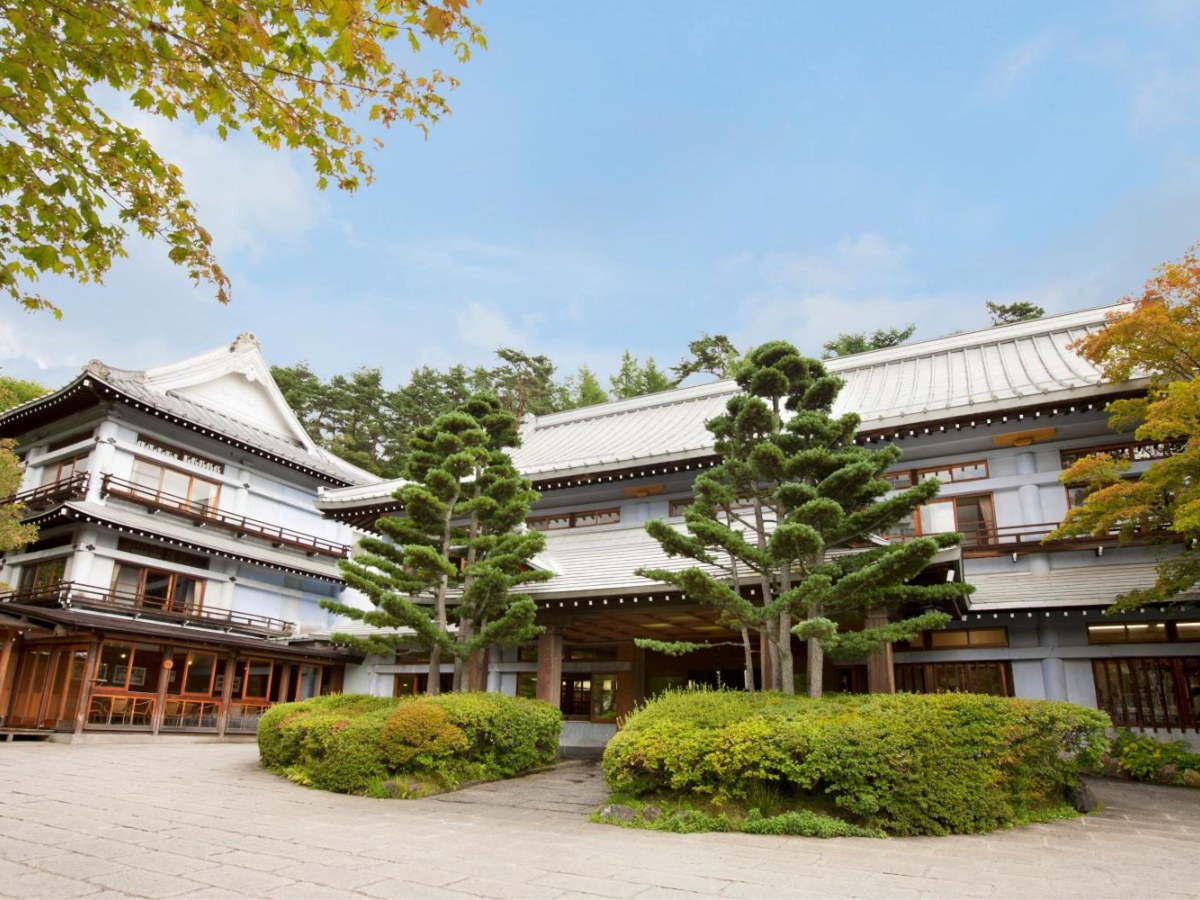
Century-Old Wooden Building
4. Kusatsu Hotel 1913
Rating: ⭐⭐⭐⭐
Location: 6-minute walk to Yubatake
Highlights: Open-air baths from two sources, kaiseki dinner in the Okuniwa dining hall, lobby café terrace, foot bath, three private baths, Kataoka Tsurutaro artwork
Best Room: Hoshitukiyo Twin Room With Hot Spring Bath
Good to Know: No lift in the wooden building: pack light, as main-building rooms are up stairs.
From USD $195 – $335 per night
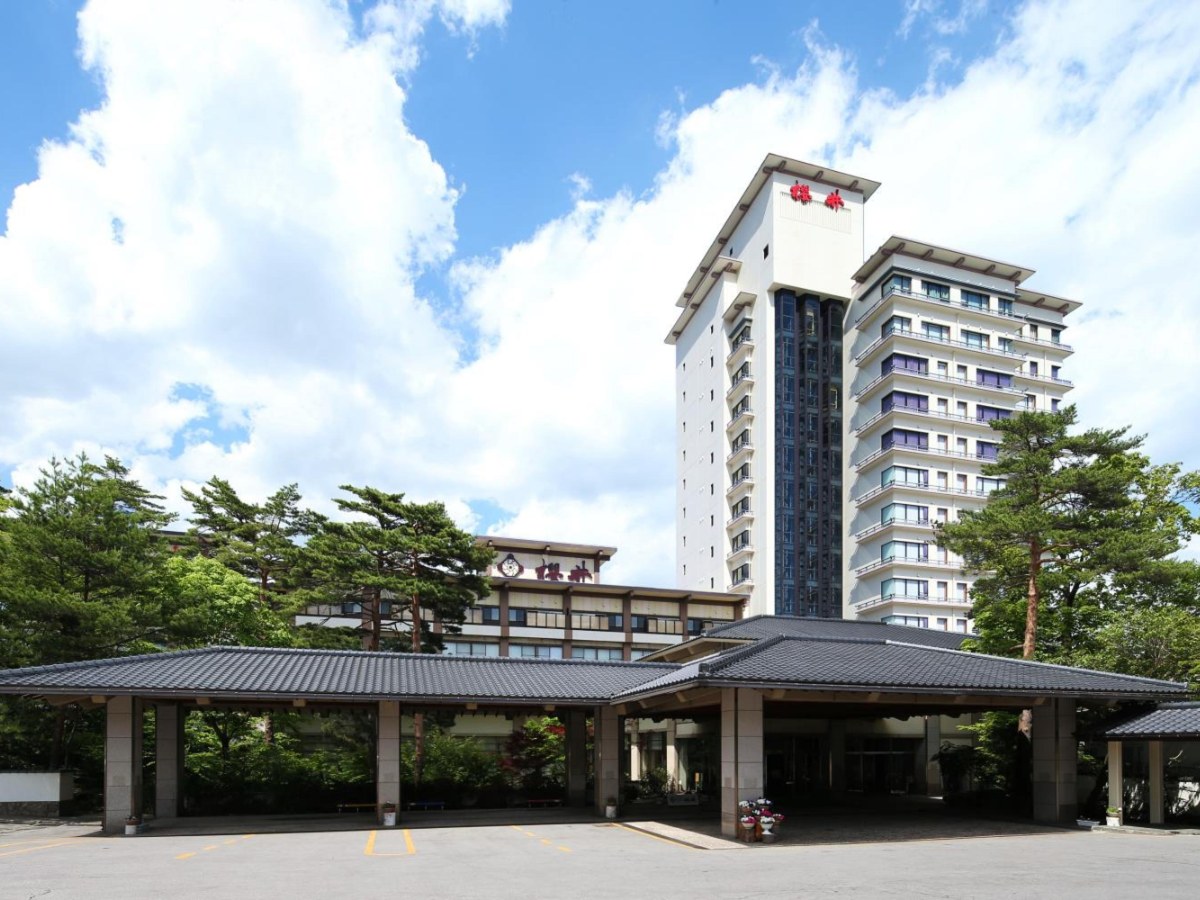
30-Metre Indoor Hot Spring Bath
5. Kusatsu Onsen Hotel Sakurai
Rating: ⭐⭐⭐⭐⭐
Location: 8-minute walk to Yubatake
Highlights: Rock open-air bath, nightly yumomi and taiko drum shows, live-kitchen dinner buffet, beef tongue stew, breakfast pancake machine
Best Room: Japanese-Style Suite – Annex – Non-Smoking
Good to Know: Book the bus-terminal shuttle ahead; it runs by reservation only.
From USD $350 – $530 per night
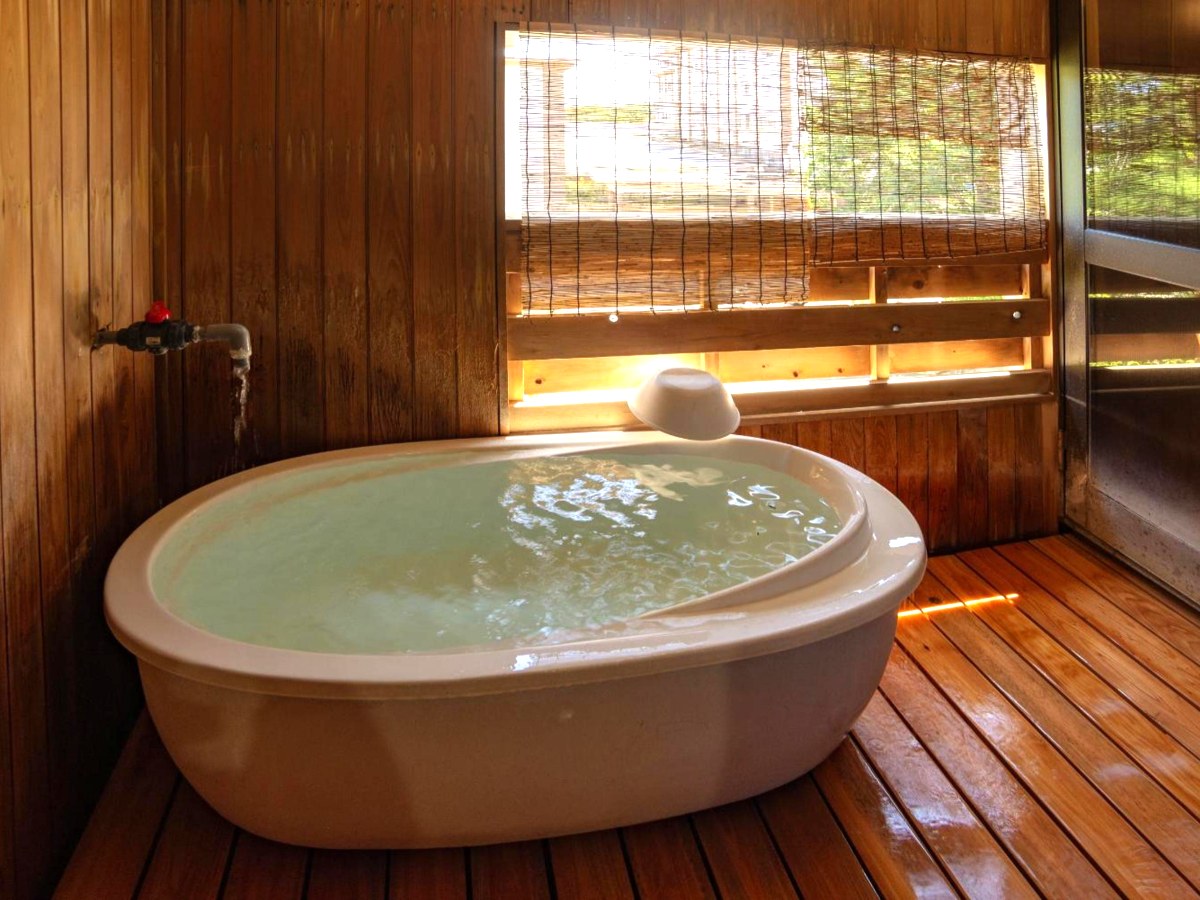
6. Kusatsu Onsen Yado Eidaya
Rating: ⭐⭐⭐
Location: 11-minute walk to Yubatake
Highlights: In-room free-flowing hot spring baths, Bandai-source baths, three private baths, Japanese set breakfast, shokado bento dinner
Best Room: Type B Twin Room with Private Hot Spring Bath
Good to Know: The walk from the bus terminal climbs; ask for the inn’s free pickup.
From USD $175 – $310 per night
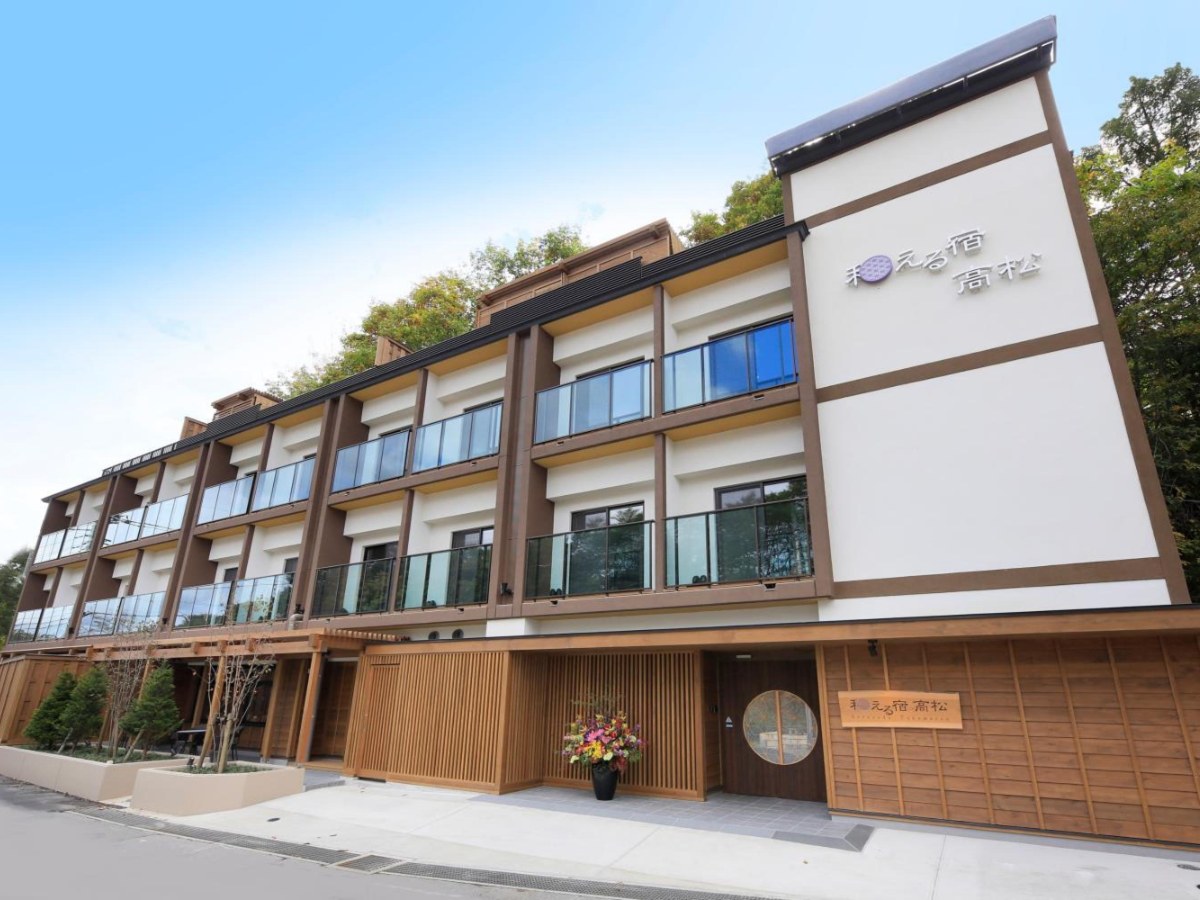
Top-Floor Open-Air Bath Rooms
7. Aeruyado Takamatsu
Rating: ⭐⭐⭐⭐
Location: 6-minute walk to Yubatake
Highlights: Yubatake-source baths, hot-stone bedrock bath, sauna, in-room open-air baths, Joshu wagyu kaiseki dinner, half-buffet breakfast, low beds on tatami
Best Room: Superior Twin Room with Open-Air Bath
Good to Know: Dinner is served at sister inn Yorokobinoyado Takamatsu, a one-minute walk away.
From USD $290 – $360 per night
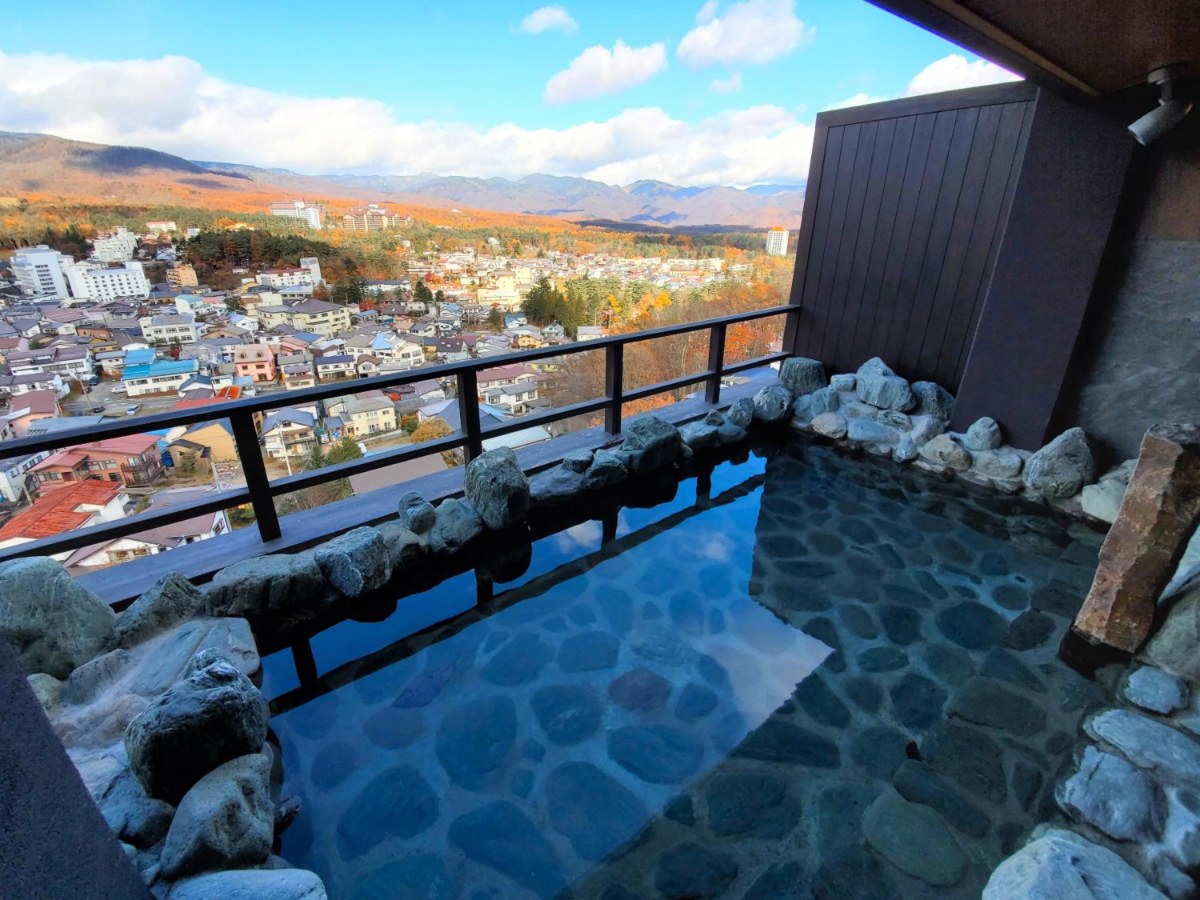
Private Onsen Bath in Every Room
8. La Vista Kusatsu Hills
Rating: ⭐⭐⭐⭐
Location: 9-minute walk to Yubatake
Highlights: Rooftop view bath, four private baths, Western-style course dinner, fairy-tale themed rooms, six-storey atrium waterfall
Best Room: Deluxe Twin Room with Open-Air Bath, Non Smoking
Good to Know: Ride the hotel’s shuttle from the bus terminal instead of walking with bags.
From USD $330 – $455 per night
Where to Stay in Kusatsu Onsen: Which Side of Yubatake?
The town is compact but hilly, with slopes, stone steps and cobbles around Yubatake. Pick the side first, then the hotel.
- Right on the Square: Sleeping on Yubatake puts the steam and its evening light-up outside your window. It also means the shortest walk to Netsunoyu and Gozanoyu, which both sit beside the field.
- Sainokawara Side: Sainokawara-dori is a narrow cobbled lane of inns, shops and restaurants that runs from Yubatake to Sainokawara Park. Kusatsu Hotel Bekkan Wata no Yu sits by the park entrance, and Kusatsu Hotel 1913 is on the same western side.
- Behind Yubatake, in Jizo: The Jizo quarter sits just behind the hot spring field, around the free Jizonoyu bath. Urakusatsu TOU is the hotel to book on this side.
- Arriving at the Bus Terminal? Every bus into town ends at Kusatsu Onsen Bus Terminal, a short walk from Yubatake. The town’s one-coin bus won’t take big suitcases, so bags go on foot, by taxi or by hotel pickup.
First night in Kusatsu? I’d book a room facing Yubatake and walk Sainokawara-dori to the park the next morning.
How to Get to Kusatsu Onsen From Tokyo
Every route ends at the bus terminal, so the only question is how you get there.
- By Limited Express: A direct limited express runs from Ueno to Naganohara-Kusatsuguchi in 2 hours 15 minutes to 2 hours 35 minutes. JR buses timed to meet it climb to the bus terminal in 25 to 30 minutes.
- Highway Bus From Shinjuku: Direct highway buses run from Busta Shinjuku and Tokyo Station to the bus terminal in 4 to 5 hours, with a rest stop on the way. Several companies serve Kusatsu, so check the departure terminal printed on your ticket.
- Coming From Karuizawa? Ride the Hokuriku shinkansen to Karuizawa, then take the bus over the hills to Kusatsu. That leg runs 75 to 80 minutes.
Short on time? Take the train and bus. Carrying a lot? The highway bus gets you there with no change.
Kusatsu Onsen Water: How Acidic Is It?
The water is the reason to come, and it’s strong.
- Biggest Flow in Japan: Kusatsu has the largest natural flow of hot spring water in Japan, more than 30,000 litres a minute. Yubatake alone runs at around 4,000 litres a minute.
- Around pH 2: The Yubatake, Shirahata, Jizo, Sainokawara and Nikawa sources sit around pH 2.1. Bandai is the sharpest, at pH 1.6 to 1.7.
- Which Source Feels Softest? Bandai has the biggest flow of the six and feeds many inns, and it tingles the most. Yubatake water feels softer on the skin.
Sensitive skin? Rinse with fresh water after each soak and start on a softer source.
Public Baths Near Yubatake
A hotel near Yubatake puts the town’s own baths on your doorstep.
- Free Community Baths: Shirahatanoyu by Yubatake, Chiyonoyu and Jizonoyu are free and open to visitors. Each holds 2 to 6 people and draws a different source, and they belong to locals, so act like a grateful guest.
- Sainokawara Rotenburo: This open-air bath in Sainokawara Park covers about 500 square metres, split into men’s and women’s pools. Each side takes around 100 bathers.
- Gozanoyu Beside Yubatake: A wooden bath and a stone bath swap between men and women each day. Upstairs, a tatami rest room looks over the hot spring field.
- Where Can You Soak Your Feet? Free foot baths sit next to Yubatake, outside the bus terminal and in Sainokawara Park. They’re the easy fix between check-out and the bus.
Staying near Yubatake? Try one free bath before dinner and Sainokawara the next morning.
Netsunoyu Yumomi Show: How It Works
The town’s signature sight sits right beside Yubatake.
- What You See: Women in kimono stir the too-hot spring water with long wooden boards while they sing. The paddling cools the water without diluting it.
- Show Times: Shows run several times a day, in the morning and the afternoon, and the winter schedule differs. Check the day’s times at the Netsunoyu building when you arrive.
- No Reservations: Tickets sell only at the Netsunoyu box office shortly before each show, and shows sell out. A hotel a few minutes away lets you queue early.
- Have a Go Yourself: On some days visitors can take a board and try yumomi after the show. Ask at the box office.
Staying overnight? Catch the first morning show before the day-trip buses arrive.
Best Time to Visit Kusatsu Onsen
Kusatsu sits about 1,200 metres up, so each season feels different from Tokyo.
- Summer at Altitude: Summer days run 5 to 8°C cooler than central Tokyo, with highs around 25°C. Weekends and the mid-August Obon break are busy.
- Autumn Colour: The leaves turn from mid-October to mid-November. Midweek, the queues at Netsunoyu and the public baths are shorter.
- Snow Season: Snow lies from December into March, nights drop to around -10°C, and room rates climb. Kusatsu Onsen Ski Resort sits above town for beginners and intermediates, linked by a free shuttle bus.
- On Icy Streets: From late December the stone paving freezes. Skip the geta and wear non-slip shoes on the slopes around Yubatake.
Want snow on the rooftops and a quieter Netsunoyu? Book a winter weeknight.
Ready to book? Per night from
FAQs
1. Do all ryokan in Kusatsu have their own hot spring baths?
Many do, because Kusatsu’s sources are piped to inns as well as to the public baths. Bandai, the most acidic source, feeds many inns and hotels, and Yubatake water goes to others. Shared baths are the norm, and only some rooms come with their own hot spring bath. Ask the inn which source it uses if you care how soft or sharp the water feels. Compare onsen hotels across Japan if Kusatsu is one stop of several.
2. Is it safe to bathe several times a day in Kusatsu’s acidic water?
Keep it to about three baths a day. The water sits around pH 2, strong enough to dry out and irritate skin with repeated soaking. Rinse off with fresh water afterwards, pat dry and moisturise, and start with a foot bath if your skin is sensitive. Skip bathing with open cuts, and rest between baths.
3. Do Kusatsu ryokan pick you up from the bus terminal?
Plenty do, free, from Kusatsu Onsen Bus Terminal: Kusatsu Onsen Hotel Ichii, Kusatsu Hotel 1913 and Aeruyado Takamatsu all run a pickup. It matters most for hotels on the far side of the slopes. Ask for it when you book and give your bus arrival time. Phone the hotel from the terminal when you arrive if they ask you to.
4. Can you visit Kusatsu Onsen as a day trip from Tokyo?
You can, but it’s a long day. The journey takes 3 to 5 hours each way, which leaves a few hours in town. You’d miss Yubatake after dark, when the wooden channels and steam are lit up. Bags can go in coin lockers at the bus terminal while you walk around.
5. Can you drive to Kusatsu Onsen in winter?
Only with winter tyres or chains, and four-wheel drive makes it easier. Mountain roads into Kusatsu get snow and ice, and Route 292 over the Shiga-Kusatsu pass closes for the winter. From central Tokyo the drive takes 3 to 3.5 hours on the Kan-Etsu Expressway in good conditions. Parking near Yubatake fills up, so check your hotel has spaces.
6. Is there a tourist information centre in Kusatsu?
There’s a tourist information office on the ground floor of Kusatsu Onsen Bus Terminal, run by the Kusatsu Onsen Tourist Association. It’s the first thing you pass off the bus from the station or from Tokyo. Coin lockers and free Wi-Fi are in the same building. Pick up a town map there before walking to Yubatake.
7. Is there free Wi-Fi in Kusatsu Onsen?
Free Wi-Fi covers most of the town centre around Yubatake. Most inns and hotels, many restaurants and gift shops, and the bus terminal all offer it, so a local SIM isn’t essential for a night or two. Up at Manza Onsen it’s different: Wi-Fi there is only in the hotels. Download maps and bus times before you leave town.
8. Can you find a room in Kusatsu without booking ahead?
Midweek, sometimes, but don’t count on it in winter. Kusatsu’s own visitor figures put March at the top of the year and June at the bottom, and winter weekends at the ryokan fill weeks ahead. Book early for snow-season weekends, the autumn leaves and the mid-August Obon break. A weeknight in early summer is the easiest time to find a room at short notice.