
The Platinum Coast earns its name. This narrow strip of west-facing shoreline running from Bridgetown north through Holetown to Speightstown has the calmest water on the island, the finest sand, and a concentration of small luxury hotels that rivals anywhere in the Caribbean. Sunsets here are watched from the water rather than the shore — the coast faces directly west, and on a clear evening the sky turns colours that feel slightly unreal. The resorts are mostly intimate, mostly independent in spirit, and mostly the kind of place where staff remember your name by day two. Here are seven of the best.
Table of Contents
Barbados Resorts & Hotels
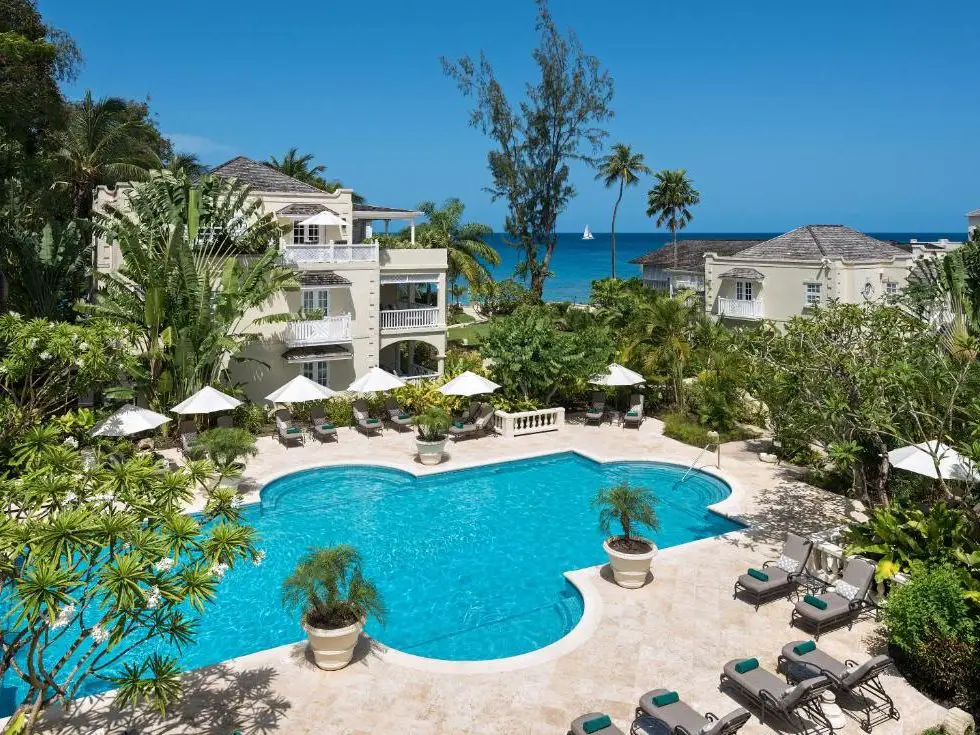
| 1. Coral Reef Club Rating: ⭐⭐⭐⭐⭐ Location: 3-minute walk to Folkestone Marine Park, Holetown Guest Reviews: Plunge pool suites outstanding, live entertainment nightly, free watersports included, garden and wildlife exceptional Best Room: Plantation Suite Price: From USD $510 – $900 per night |
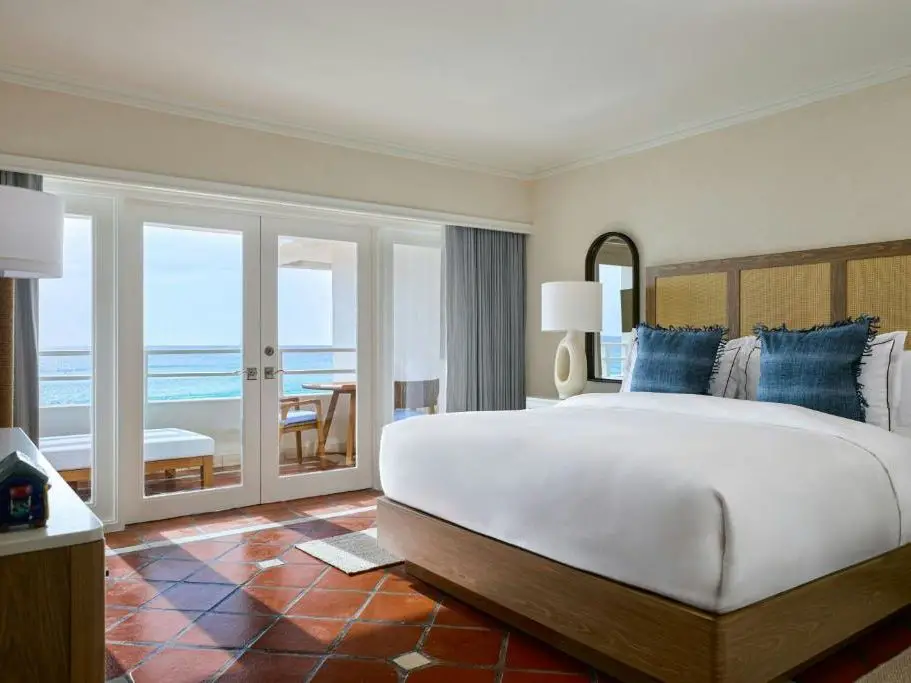
| 2. The House, An Autograph Collection All-Inclusive Resort Best All-Inclusive Stay Rating: ⭐⭐⭐⭐⭐ Location: 2-minute walk to Paynes Bay Beach, St. James Guest Reviews: Champagne breakfast daily, twice-daily housekeeping, complimentary water skiing included, ambassador service exceptionally personal Best Room: Ocean View Suite Price: From USD $950 – $1,500 per couple per night |
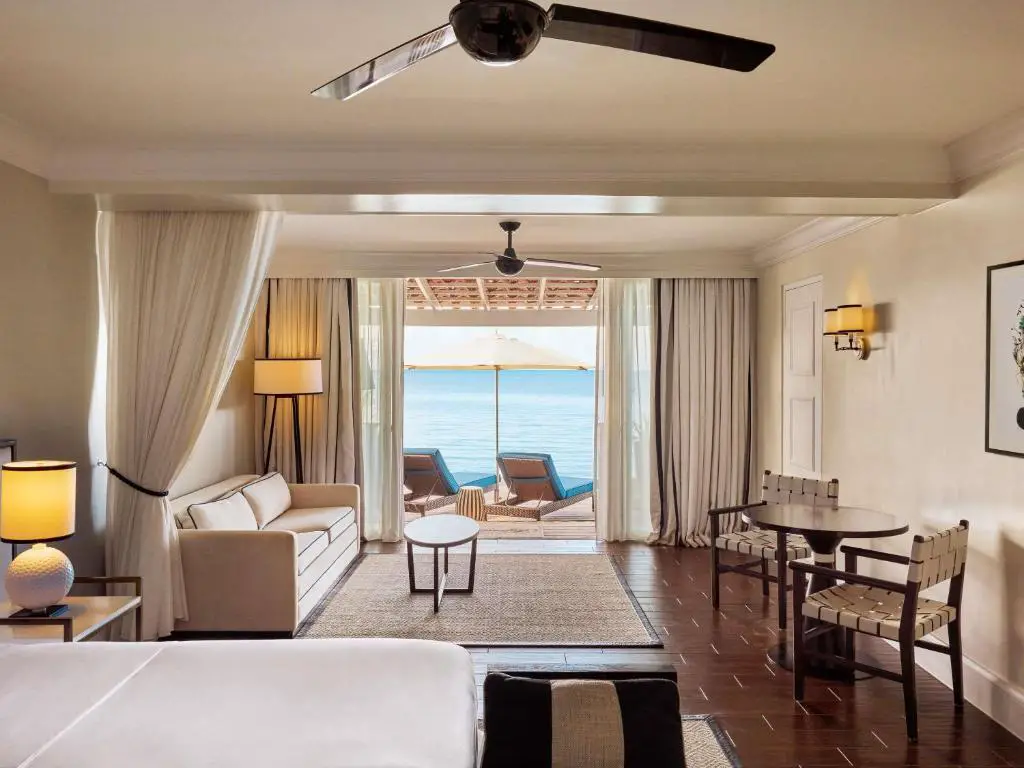
| 3. Fairmont Royal Pavilion Barbados Resort Best Beachfront Location Rating: ⭐⭐⭐⭐⭐ Location: 18-minute walk to St. James Parish Church, Porters, Alleyne’s Bay Guest Reviews: Staff warmth exceptional, afternoon tea daily, free watersports including Hobie Cat sailing, turtle swimming off the beach Best Room: Beachfront Suite Price: From USD $575 – $1,100 per night |
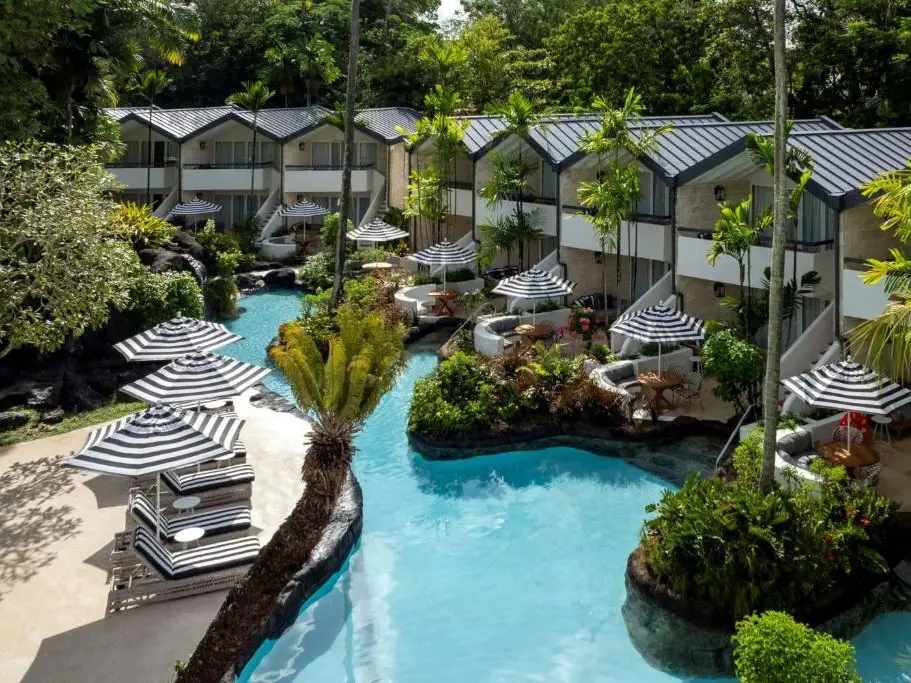
| 4. Colony Club, a Luxury Collection Resort, Barbados Best for Families Rating: ⭐⭐⭐⭐⭐ Location: 15-minute walk to Holetown Beach, Porters, St. James Guest Reviews: Lobster and jazz night a highlight, swim-up pool rooms praised, pool ambassadors attentive, complimentary full breakfast daily Best Room: Ocean View, 1 Bedroom Suite Price: From USD $700 – $1,100 per night |
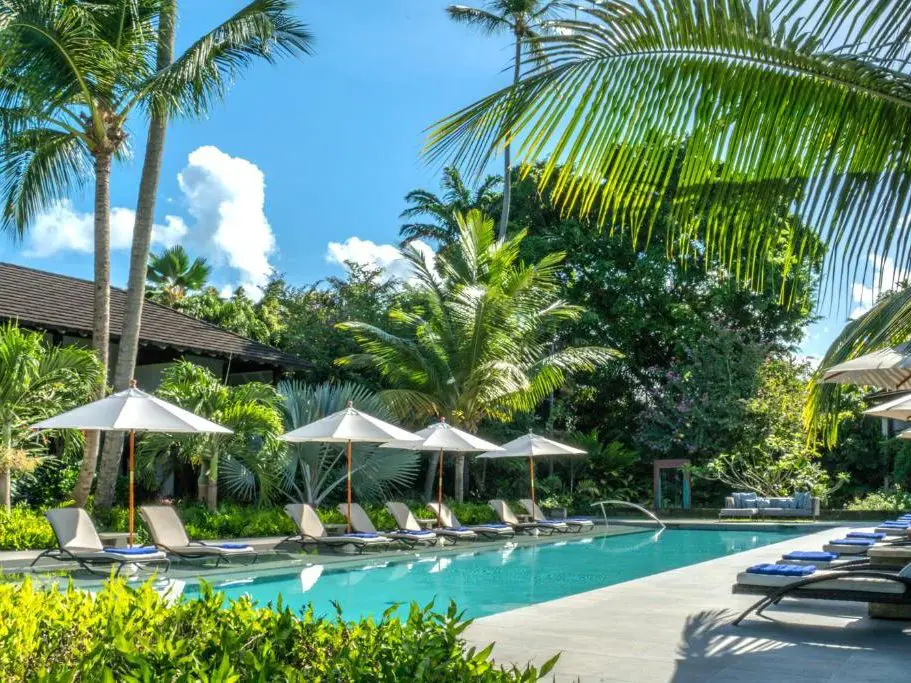
| 5. The Sandpiper Best Boutique Stay Rating: ⭐⭐⭐⭐⭐ Location: 5-minute walk to St. James Parish Church, Holetown Guest Reviews: Restaurant food outstanding, sorbet served daily on the beach, staff recognise returning guests, Harold’s Bar lunch menu excellent Best Room: Tree Top Suite Price: From USD $525 – $950 per night |
Where on the Platinum Coast Should You Stay
The Platinum Coast runs north from Bridgetown through the parishes of St. James and St. Peter, ending at Speightstown — a stretch of roughly 20 kilometres that contains most of the island’s finest hotels. Where you land within that corridor shapes the character of your stay considerably.
- Paynes Bay and the southern end — The busiest stretch of the Platinum Coast, with the most beach activity, the most watersports vendors, and the easiest access to the area’s best restaurants. Turtle encounters happen close to shore here. The House sits in this zone, offering west-facing sunsets directly from the beach. Best for first-timers who want the full Platinum Coast experience within easy reach of Holetown.
- Holetown — The commercial heart of the west coast. The Limegrove Lifestyle Centre has designer boutiques, the Holetown Festival runs each February, and the density of good restaurants — The Tides, Lone Star, Fusion Rooftop — means you can walk to dinner rather than arrange a taxi. Coral Reef Club, The Sandpiper, and Colony Club all sit within or just north of Holetown. Best for guests who want to step off the property regularly.
- Porters and the mid-coast — Quieter and more residential, where the Fairmont Royal Pavilion occupies its own half-mile of beach in near-total seclusion. The trade-off is that you’ll need a car or taxi to reach restaurants. Best for guests whose ideal day involves the beach, a spa treatment, and dinner on property.
- Speightstown and the north — The least developed part of the Platinum Coast, with a genuine fishing-town character and beaches that rarely get crowded. None of the five hotels on this list sit in Speightstown proper, but it is worth the 20-minute drive for lunch at The Fish Pot and an afternoon at Mullins Beach.
What the Platinum Coast Does Better Than the Rest of the Island
The south coast is livelier and the east coast is dramatically beautiful, but the Platinum Coast has two things neither can match: genuinely calm, swimmable water every day of the year, and the kind of dining scene that keeps guests coming back to the same tables for decades.
- Swimming conditions — The coast faces the sheltered Caribbean Sea rather than the open Atlantic, which means the water is flat, clear, and warm year-round. At Paynes Bay you can wade out chest-deep without a wave disturbing you. At Mullins Beach further north, underwater visibility regularly exceeds 80 feet on calm mornings, making it the best snorkelling beach on this side of the island without needing a boat.
- Turtle encounters — Green and hawksbill turtles feed in the waters off Paynes Bay and Batts Rock Beach year-round. Tour operators depart from the beach daily, but you can also encounter them independently if you swim out about 250 metres from Paynes Bay’s northern end with a mask and snorkel. Turtles nest on west-coast beaches from May to October — the same window when rates drop and crowds thin.
- Folkestone Marine Park — Located just off Holetown, this is the only officially protected marine park on the island. Snorkelling directly from the beach gives you access to an artificial reef, small wrecks, and more marine life than most Caribbean destinations put in front of you without a dive boat. Free to enter.
- The dining scene — The concentration of serious restaurants within a short drive of any Platinum Coast hotel is unlike anywhere else on the island. The Cliff now operates under Michelin-starred chef Matt Worswick and serves a two or three-course dinner overlooking the sea below the restaurant’s famous clifftop terrace. The Tides in Holetown specialises in fresh seafood with live music on Tuesday, Thursday and Sunday evenings. Lone Star, between Sandy Lane and Holetown, is open all day — breakfast through dinner — with a 1950s beach-club atmosphere and a menu that runs from tuna tartare to cottage pie. Fusion Rooftop sits above the Limegrove shopping centre with the roof open to the night sky, serving a mix of Caribbean, Thai and sushi dishes to a reliably sophisticated crowd.
When to Visit
No month on the Platinum Coast is a bad choice, but the honest picture looks like this:
- December to April (peak season) — The driest and most settled weather of the year, with almost no rain and low humidity. Room rates are at their highest, and the most popular properties — particularly Coral Reef Club and The Sandpiper — fill months in advance. Book by September for a January stay. The water is calm and clear, and the dining scene is at full capacity, with the best live-music evenings running nightly.
- May to June (best value window) — The shoulder season opens immediately after Easter. Water conditions are at their glassiest — the north swells that occasionally push through in winter have subsided, and the rainy season hasn’t fully arrived. Rates drop by 30 to 50 per cent at most properties, the beaches thin out, and restaurants are easier to book without a week’s notice. This is the window most worth targeting if your dates are flexible.
- July to October (rainy season) — Rain comes in short, sharp afternoon bursts rather than all-day downpours. The west coast stays sheltered from the Sargassum seaweed that can affect the south and east coasts heavily in summer — 2025 and 2026 have seen record Sargassum loads in the Caribbean, so this distinction matters more than usual if clear water is a priority. Coral Reef Club closes from mid-August to mid-October annually — confirm dates before booking. Hurricane risk is real but Barbados sits south of the main hurricane belt and direct hits are rare.
- November — An underrated month. Rain is easing, rates are still lower than peak, and the island is relaxed. Properties are beginning to prepare for the high season, which means service levels are strong without the crowds that follow in December.
Where to Eat on the Platinum Coast
Every hotel on this list has a strong restaurant, but the dining landscape beyond the gates is part of what makes the Platinum Coast worth leaving the beach for.
- The Tides, Holetown — Sits directly on the waterfront in the centre of Holetown with an art gallery lining the walls and live music three evenings a week. The kitchen specialises in fresh seafood — a seafood tower for two is among the better ways to spend an evening on the island — alongside Caribbean-inflected dishes using locally sourced ingredients. Book at least three days ahead in high season.
- The Cliff, St. James — The island’s most dramatic dining setting, with tables on a series of terraces carved into a clifftop above the sea. Now operating under Michelin-starred chef Matt Worswick, the two and three-course menus lean toward refined Caribbean-European cooking with bold flavours and local ingredients. Reserve two to three weeks out in peak season — it fills fast.
- Lone Star, St. James — Open all day from breakfast through dinner, with a retro beach-club setting just south of Holetown. The menu covers a wide range comfortably — from tuna tartare and grilled lobster to cottage pie and fish and chips. The terrace lunch on a weekday, when it is quieter, is one of the more enjoyable ways to spend a west-coast afternoon.
- Fusion Rooftop, Holetown — Perched above the Limegrove Lifestyle Centre with the roof open to the sky. The cooking moves between Caribbean, sushi, Thai, and broader Asian influences without feeling scattered. A good choice for guests who want something stylish and modern rather than a classic Bajan seafood experience.
- Sea Shed, Mullins Beach — Casual and beachfront at Mullins Beach, about 20 minutes north of Holetown. Known for catch-of-the-day dishes, wood-fired pizzas, and a Sunday evening fire show. The least formal option on this list and the best for a long lunch with your feet near the sand.
Getting Around
The Platinum Coast is easy to navigate but not particularly walkable between hotels and restaurants unless you are based in Holetown itself.
- Hire a car — The most practical option for anyone staying more than three nights. Car hire is available from the airport and from several operators in Holetown. Highway 1 runs the length of the west coast and is well-maintained. Driving is on the left. Parking is generally available at all major restaurants and beaches. Budget around $50 to $70 per day for a standard car from the airport.
- Use the bus for short hops — The public buses run the length of Highway 1 and are extremely cheap — fares are fixed regardless of distance. They stop on request rather than at fixed points, so you simply wave one down from the roadside. Useful for the Holetown to Paynes Bay run or north to Speightstown, but timing is unpredictable and they stop running in the early evening.
- Book taxis through your hotel — All five hotels on this list can arrange reliable taxis to restaurants and beaches. Fares are fixed by distance and your hotel will confirm the going rate before you travel. Worth using for dinner at The Cliff or The Tides when you want to drink freely. Budget around $20 to $30 USD return for most Holetown-area restaurants from any of the properties on this list.
- Airport transfers — Grantley Adams International Airport sits on the south coast, roughly 30 to 40 minutes by road from most Platinum Coast hotels depending on traffic. All five hotels can arrange private transfers. Confirm the rate before arrival — costs typically run $40 to $60 USD each way for a private car. Confirm current rates at time of booking as these are subject to change.
FAQs
1. Is the Platinum Coast the right choice if I want calm water for swimming every day?
The west coast is the most reliably swimmable stretch of coastline in Barbados. Because it faces the sheltered Caribbean Sea rather than the open Atlantic, wave action is minimal year-round. Even during the winter months when north swells occasionally push through, conditions on the west coast rarely become rough enough to stop swimming entirely.
2. How far is the Platinum Coast from Grantley Adams International Airport?
Most Platinum Coast hotels are 30 to 40 minutes from the airport by road, depending on traffic and your exact location on the coast. Holetown is at the lower end of that range; properties further north toward Speightstown sit closer to 40 minutes. All five hotels on this list can arrange private transfers.
3. Do I need a car to stay on the Platinum Coast?
Not strictly, but it makes a meaningful difference. Guests based in or near Holetown can walk to a reasonable selection of restaurants and beaches. Guests at more secluded properties like Fairmont Royal Pavilion will rely on taxis or car hire for almost every off-property meal. If you plan to explore the island beyond the coast — Harrison’s Cave, Bridgetown, the east coast — a car is the more practical choice.
4. What is the best beach on the Platinum Coast?
Paynes Bay is the most popular, with calm water, good snorkelling off the reef near Treasure Beach, and easy access to beach bars and watersports. Mullins Beach further north is wider, less crowded during the week, and has better underwater visibility for snorkelling. Folkestone, just off Holetown, is the pick for dedicated snorkellers — it is a protected marine park with artificial reefs and a greater density of marine life.
5. Can I swim with turtles from Platinum Coast beaches without booking a tour?
At Paynes Bay, yes. Hawksbill and green turtles feed in the waters offshore year-round, and experienced swimmers with a mask and snorkel can encounter them by swimming out 200 to 250 metres from the northern end of the bay. Tours are available if you prefer a guide and a boat, and are worth booking in advance during peak season as they fill quickly. Avoid operators that feed the turtles — it disrupts their natural behaviour.
6. What is the difference between the Platinum Coast and the Gold Coast?
The two names refer to the same stretch of coastline. Gold Coast was the original term used locally for the west coast of Barbados. Platinum Coast came into wider use as the area’s reputation for luxury hotels and high-end villas grew. Both names appear on maps and in travel writing — they are interchangeable.
7. Is the Platinum Coast good for families or is it mainly couples?
Both. Colony Club actively caters to families with a kids’ club, a children’s aqua school, and interconnecting room configurations. Coral Reef Club welcomes families for most of the year, though it restricts children under 12 during the peak adult season in late January and February. Fairmont Royal Pavilion offers interconnecting rooms and a family villa. The Sandpiper and The House lean more naturally toward couples and adults.
8. Which Platinum Coast hotel has the best restaurant?
The Sandpiper’s restaurant is singled out repeatedly by guests as among the best food on the island — not just the best hotel restaurant. The kitchen serves eclectic Caribbean-influenced dishes with the kind of consistency that keeps the same guests returning year after year. Coral Reef Club’s restaurant, with its open-air terrace above the beach and nightly entertainment, is a close second.
9. When do Platinum Coast hotels fill up and how far in advance should I book?
High season runs from December to April, and the most sought-after properties — Coral Reef Club, The Sandpiper, and Fairmont Royal Pavilion in particular — book out two to four months ahead for January and February dates. If your dates fall in peak season, booking by October gives you the best room selection. The shoulder season from May to June offers more flexibility, with rooms available closer to travel dates and rates considerably lower.