
Montreal has one of the most European streetscapes on the continent, and nowhere does that feel more true than in Vieux-Montréal, where 17th-century stone buildings and cobblestone laneways give way to some of the city’s finest restaurants, bars, and cultural institutions. Staying here puts you within walking distance of the Notre-Dame Basilica, the Old Port waterfront, and a dining scene that punches well above the city’s weight. These hotels cover the full range — from intimate heritage B&B-style properties to design-forward luxury addresses with rooftop terraces and full-service spas.
Table of Contents
Old Montreal Hotels
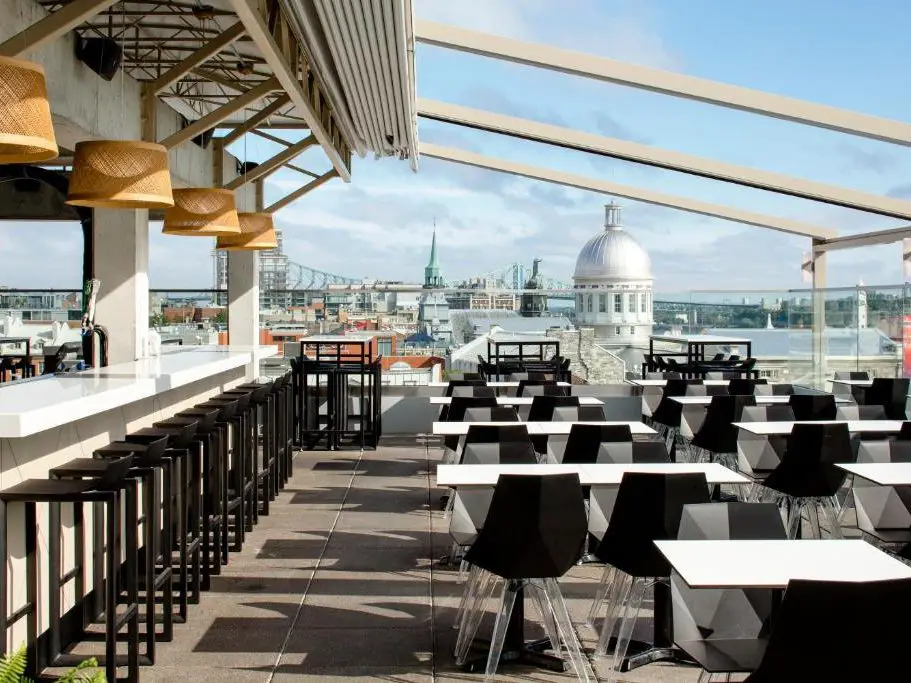
| 1. William Gray by Gray Collection Best Spa in Old Montreal Rating: ⭐⭐⭐⭐ Location: 2-minute walk to Place Jacques-Cartier Guest Reviews: Rooftop views over Old Port, multi-jet rain showers, Le Labo bath products, staff warmth at check-in Best Room: Deluxe King Room with View Price: From USD $125 – $450 per night |
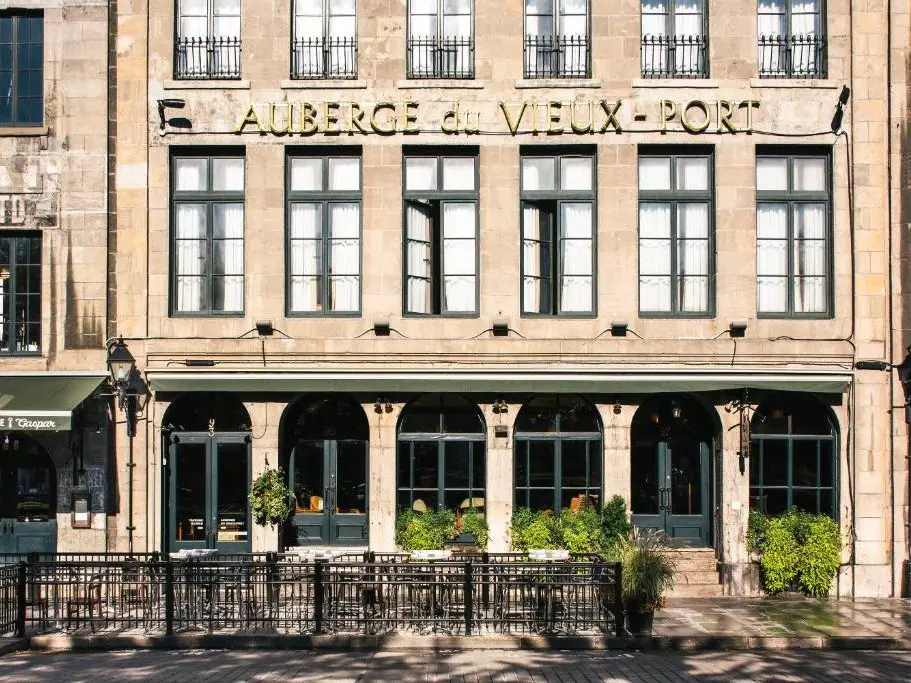
| 2. Auberge du Vieux-Port by Gray Collection Best River Views Rating: ⭐⭐⭐⭐ Location: 5-minute walk to Notre-Dame Basilica, directly on the Old Port waterfront Guest Reviews: Exposed wood beams and brick walls, floor-to-ceiling river-view windows, turndown chocolate and bottled water, rooftop terrace fireworks views in summer Best Room: Signature Room, 1 King Bed (River Front) Price: From USD $160 – $500 per night |
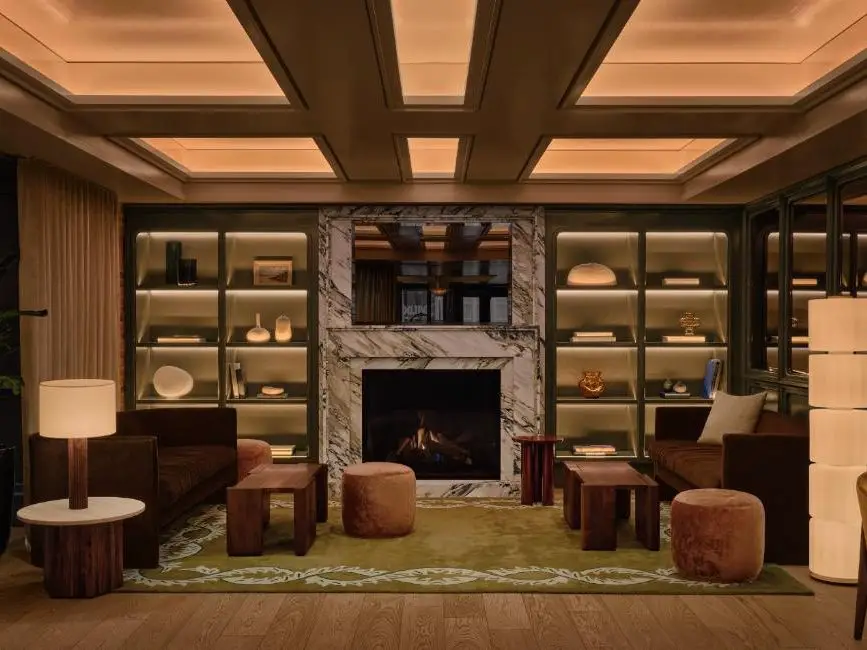
| 3. Hotel Nelligan Rating: ⭐⭐⭐⭐ Location: 2-minute walk to Notre-Dame Basilica Guest Reviews: Heated bathroom floors, exposed brick walls, Terrasse Nelligan rooftop brunch, Le Labo amenities throughout Best Room: Suite (Petite) Price: From USD $175 – $480 per night |
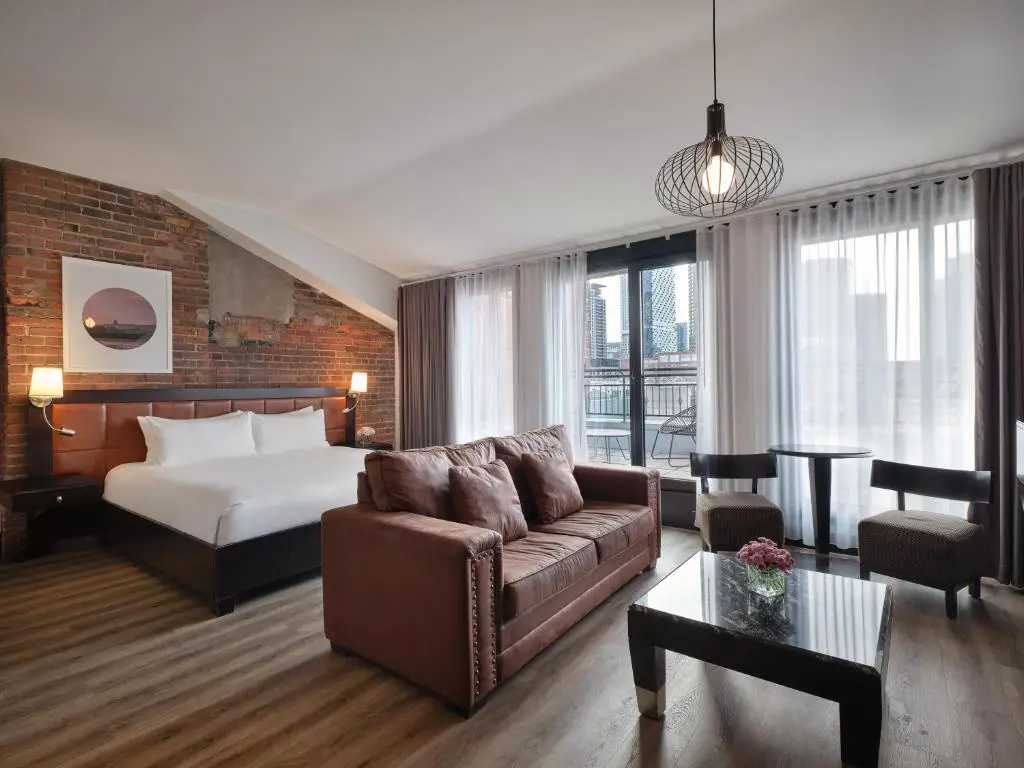
| 4. Hotel Place d’Armes Best Historic Address Rating: ⭐⭐⭐⭐ Location: 1-minute walk to Notre-Dame Basilica Guest Reviews: Brick walls and arched windows, Rainspa hammam, Brasserie 701 French breakfast, twice-daily housekeeping with turndown Best Room: Junior Suite Price: From USD $140 – $550 per night |
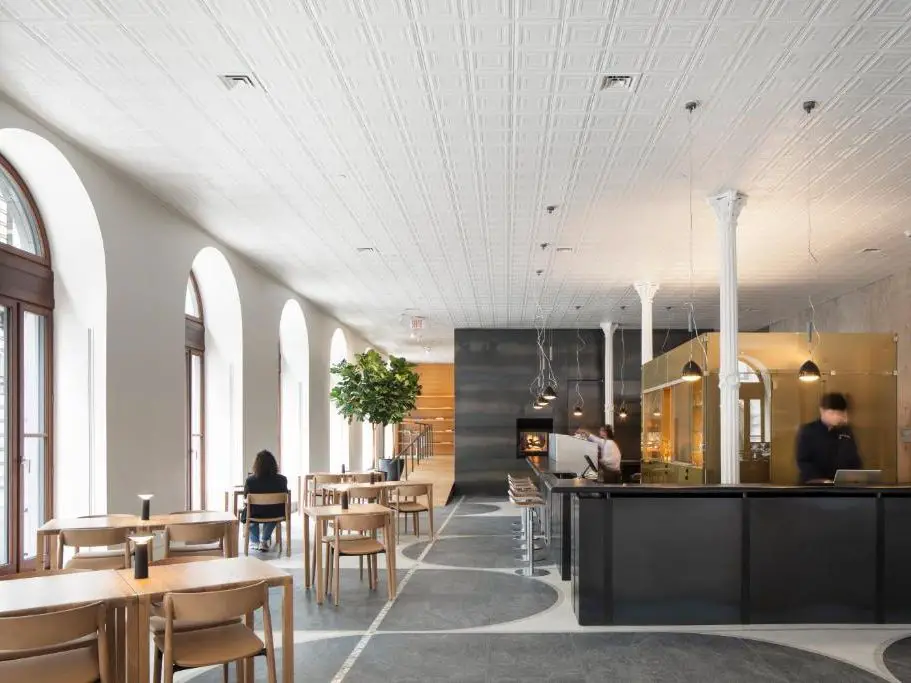
| 5. Hotel Gault Best Design Hotel Rating: ⭐⭐⭐⭐ Location: 5-minute walk to Notre-Dame Basilica Guest Reviews: Enormous French windows flooding rooms with light, heated bathroom floors, Molton Brown toiletries, classical music playing on arrival Best Room: Deluxe Loft Price: From USD $200 – $475 per night |
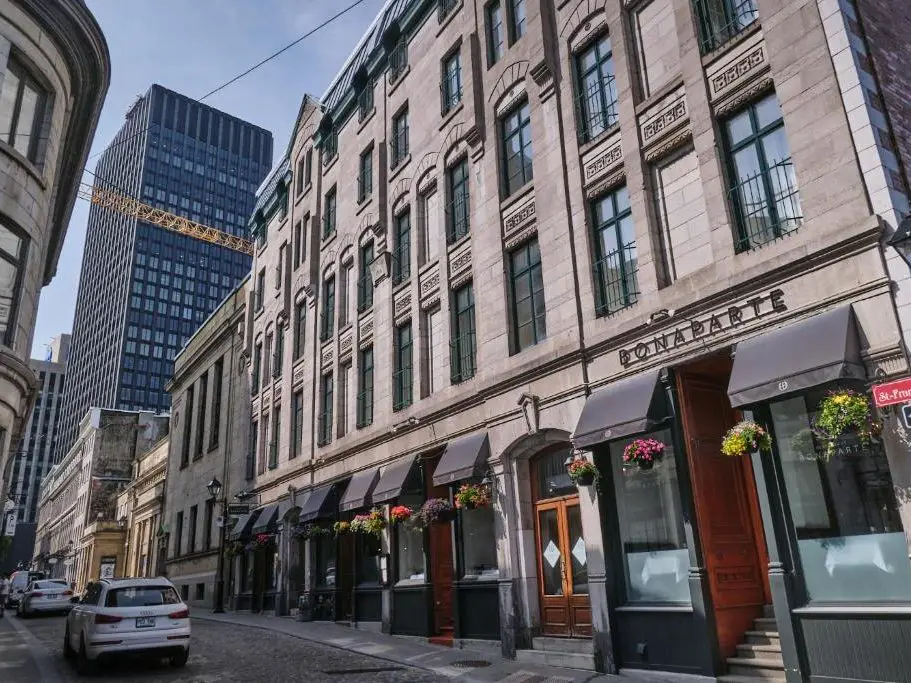
| 6. Hotel Bonaparte Best Value for Money Rating: ⭐⭐⭐⭐ Location: 2-minute walk to Notre-Dame Basilica Guest Reviews: Free a la carte breakfast delivered to the room, courtyard garden views, hardwood floors and exposed brick, concierge bookings for local theatre and carriage rides Best Room: Prestige Suite Price: From USD $120 – $400 per night |
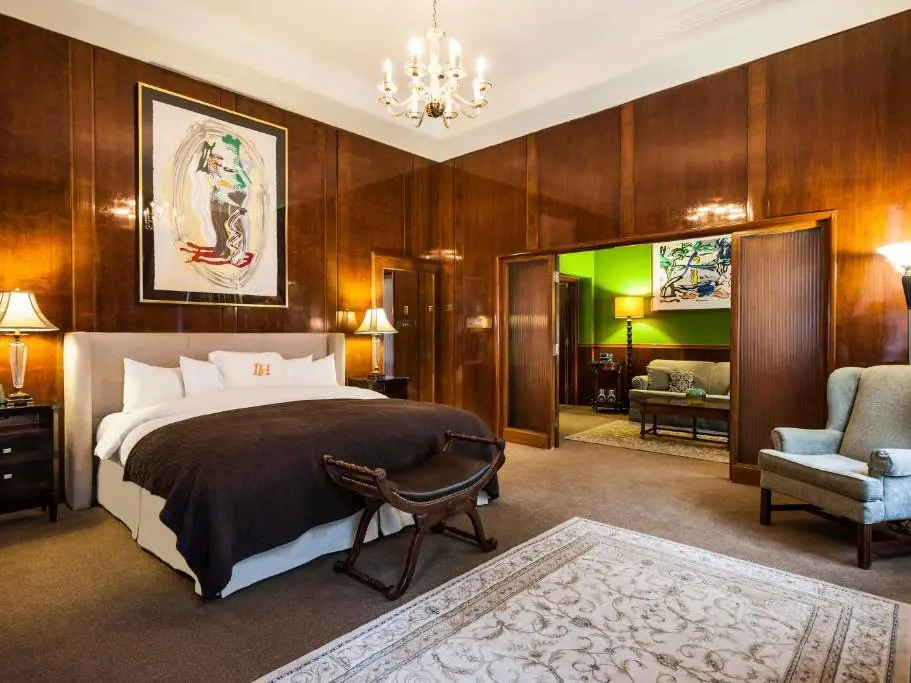
| 7. LHotel Montreal Best Art Collection Rating: ⭐⭐⭐⭐ Location: 3-minute walk to Notre-Dame Basilica Guest Reviews: Original works by Warhol, Botero, and Lichtenstein in the suites, lofty ceilings with large windows, Winter Garden breakfast, Botero Wine Bar private imports by the glass Best Room: Executive Suite, 1 King Bed with Sofa bed Price: From USD $115 – $400 per night |
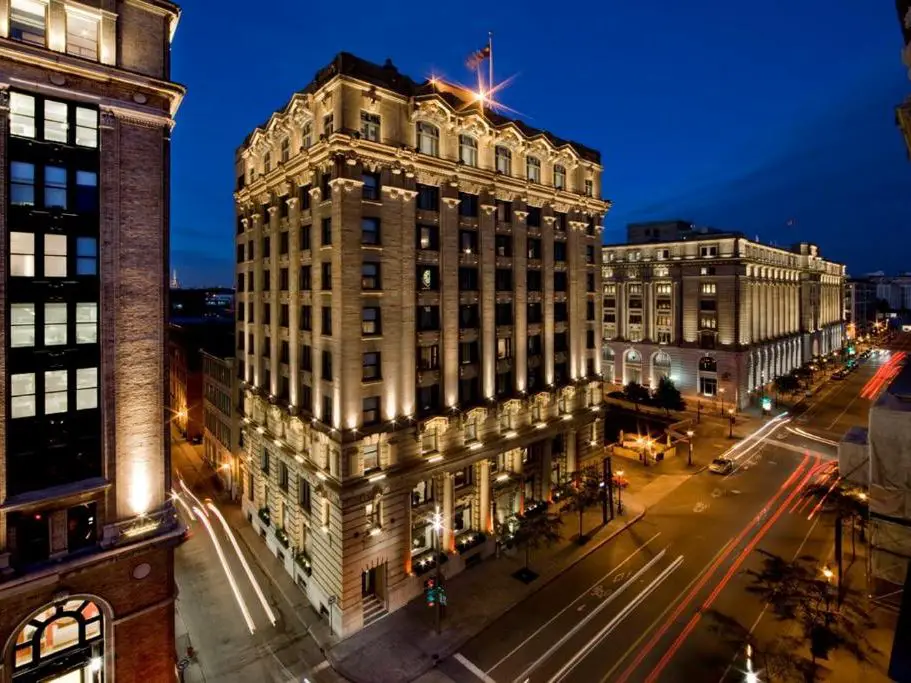
| 8. Hotel St. Paul, Montreal, a Member of Design Hotels Rating: ⭐⭐⭐⭐ Location: 5-minute walk to Old Port of Montreal Guest Reviews: Beaux-Arts building with high ceilings and oversized soaking tubs, Yubari omakase counter and sake bar, cashmere throws on beds, marble-and-mosaic bathrooms Best Room: Deluxe Suite Price: From USD $170 – $580 per night |
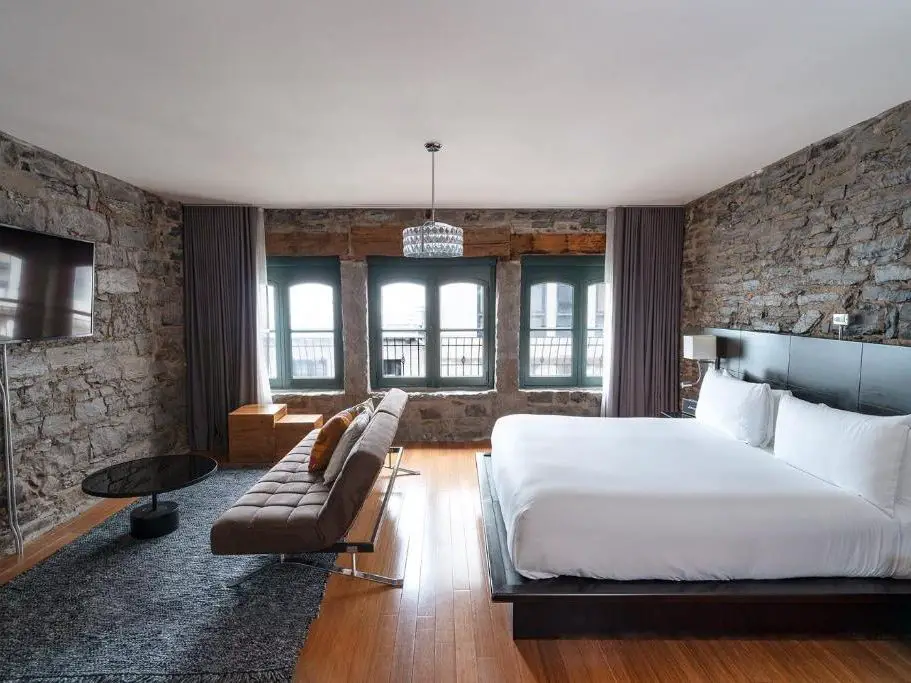
| 9. Le Petit Hôtel Vieux-Montréal — Saint-Paul by Gray Collection Best Boutique Stay Rating: ⭐⭐⭐ Location: 3-minute walk to Notre-Dame Basilica Guest Reviews: All-day barista coffee and Montreal bagels at breakfast, exposed stone walls, hydromassage shower heads, personalised welcome from staff by name Best Room: Deluxe Room (Extra Large) Price: From USD $150 – $400 per night |
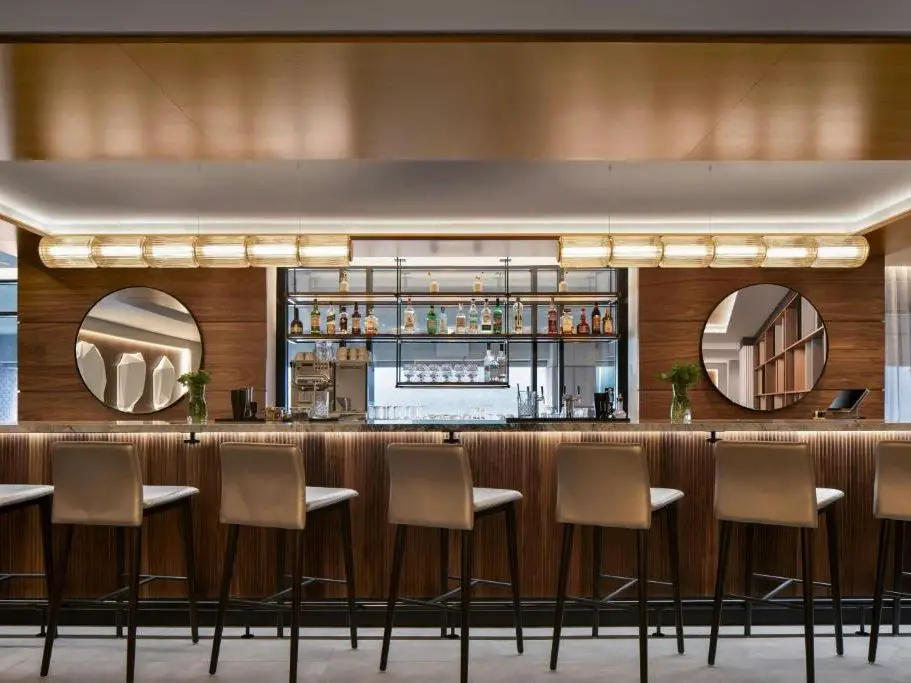
| 10. AC Hotel by Marriott Old Montreal Best for Families Rating: ⭐⭐⭐⭐ Location: 3-minute walk to Notre-Dame Basilica Guest Reviews: Spacious all-suite layouts with sofa beds and microwaves, indoor pool and Avie Spa on site, AC Lounge Spanish-inspired tapas and Gin Tonic cocktails, self-service lavender sachet cart in the elevator lobby Best Room: Suite, 1 Bedroom, City View (Corner) Price: From USD $130 – $450 per night |
Why Old Montreal Is Worth Staying In (Not Just Visiting)
The question that comes up on every travel forum is whether Old Montreal justifies the premium over downtown. The honest answer is yes — but only if you use it right.
- The walkability density is unmatched anywhere else in the city — Notre-Dame Basilica, the Old Port waterfront, Pointe-à-Callière, Place Jacques-Cartier, and Bonsecours Market are all within a 10-minute walk of any hotel in the neighbourhood. No other part of Montreal packs that concentration of things worth seeing into a single square kilometre.
- The after-dark shift is what the premium is actually buying — after the day-trippers leave, Rue Saint-Paul’s stone buildings are lit from below, horse-drawn calèches move through cobblestone lanes, and the neighbourhood settles into something more intimate and atmospheric. Staying here means you step directly into that, rather than catching a metro home before it starts.
- The restaurant and bar scene is dense enough to sustain a multi-night stay — Rue Saint-Paul alone has enough good kitchens, wine bars, and independent cafés to fill several evenings without doubling back. Place Jacques-Cartier runs terrace dining until late in summer and candlelit quiet in winter.
- The historic hotels here are embedded in the architecture, not adjacent to it — converted warehouses, merchant mansions, and 19th-century bank buildings mean the character of the neighbourhood extends into the rooms themselves, something no downtown property can replicate.
Best Areas to Stay Within Old Montreal
Old Montreal covers about one square kilometre but the feel shifts significantly depending on which street your hotel is on. The three micro-zones below suit different types of traveller.
- The waterfront strip (Rue de la Commune and the Old Port side) — the most scenic position in the neighbourhood, with direct views over the St. Lawrence River and immediate access to the Old Port boardwalk. Auberge du Vieux-Port sits directly on this strip. It’s lively in summer when the boardwalk fills with cyclists and festival crowds, and genuinely beautiful at any time of year after dark when the Pont Jacques-Cartier lights up across the water. Street noise from Rue de la Commune is worth asking about when booking — request a higher floor for quieter sleep during summer weekends.
- The historic core (Place d’Armes and Rue Saint-Paul) — the densest cluster of hotels in the neighbourhood, and the most convenient position for first-time visitors. Hotel Bonaparte, Hotel Nelligan, Hotel Place d’Armes, and Le Petit Hôtel Vieux-Montréal are all within a short walk of Notre-Dame Basilica and the best of Rue Saint-Paul’s dining. This is also where noise is most variable — Place Jacques-Cartier draws street performers and crowds until late on summer evenings, so rooms facing the square run louder than those facing inward or to quieter side streets.
- The quieter western fringe (Square-Victoria end, Rue Sainte-Hélène) — Hotel Gault sits here, one street removed from the main tourist grid. The Square-Victoria metro station is a five-minute walk, making downtown easily accessible, and the neighbourhood feels more like a working city and less like a set piece. It’s the right base for people who want Old Montreal’s character without its peak-season crowds, and the side streets off Rue McGill and Rue Saint-Jacques have some of the neighbourhood’s best under-the-radar restaurants. LHotel Montreal and Hotel St. Paul occupy a similar position on the western edge, close to the Convention Centre and the business district as well as the historic core.
When to Book and What to Expect by Season
Montreal has four genuinely distinct seasons, and Old Montreal feels different in each of them. The choice of when to visit involves real trade-offs between weather, price, and crowd levels.
- Summer (June–August) is the peak, but two specific events require extra planning — the Canadian Grand Prix falls in late May, pushing hotel prices across the neighbourhood to two or three times their standard rate for race weekend. The Montreal International Jazz Festival runs late June through early July, drawing over two million visitors to the broader city. Hotels book out months ahead for both periods, and rates reflect it. Book four to six months ahead if your dates overlap with either event, or adjust your travel window to avoid them.
- The International Fireworks Competition (late June through July) is a genuine reason to book a river-facing room — held at La Ronde on weekend evenings through summer, the fireworks are visible from the Old Port waterfront and from Auberge du Vieux-Port’s rooftop terrace. Hotels with river views charge a premium for these dates, but it’s one of the more distinctive summer experiences the neighbourhood offers.
- September and October are the practical sweet spot — temperatures sit between 15 and 22°C, fall colours arrive from mid-October, hotel rates drop 20–25% from summer peaks, and the neighbourhood is noticeably quieter without losing its energy. Terrasse restaurants are still open, museums are fully operational, and walking the cobblestone streets is significantly more comfortable than in the July heat.
- Winter (December–February) has its own case — Old Montreal is at its least crowded and most affordable, with hotel rates falling 30–40% below summer highs. The stone buildings are striking in snow, some of the neighbourhood’s best restaurants are easier to get into, and the AURA light show at Notre-Dame runs year-round. The trade-offs are real: the Old Port outdoor attractions largely close, cobblestones require appropriate footwear, and temperatures regularly drop to -15°C or below. Lean into the indoor attractions — the Basilica, Pointe-à-Callière, and the cafés — rather than trying to replicate a summer itinerary.
- Spring (March–May, excluding Grand Prix weekend) is the value window — prices are at their lowest in March, the city shakes off winter steadily from April, and by May the terrasses are starting to open. It’s a quieter, more affordable version of what Old Montreal looks like in peak season.
Getting Around: What You Can Walk to and When You Need the Metro
Old Montreal is one of the most walkable neighbourhoods in North America, and for most visitors staying here the metro is optional rather than essential. A few practical points make the difference between navigating it well and wasting time.
- The entire historic core is walkable from any address in the neighbourhood — Notre-Dame Basilica, Place Jacques-Cartier, Bonsecours Market, Pointe-à-Callière, the Old Port waterfront, and Rue Saint-Paul are all within a 10-minute walk of the furthest hotels in the area. Transit is not needed for any of those.
- Three metro stations serve the neighbourhood — Place-d’Armes (Orange Line) sits at the northern edge near Hotel Place d’Armes and Hotel Bonaparte, and is the most useful for reaching downtown and the Plateau. Champ-de-Mars (Orange Line) sits at the eastern edge near Hotel William Gray and provides a direct connection to the East End. Square-Victoria–OACI (Orange Line) serves the western edge near Hotel Gault, LHotel Montreal, and Hotel St. Paul, and connects to downtown in a single stop. A single metro fare runs CAD $3.75; a 24-hour pass is CAD $11.50.
- Driving into Old Montreal is strongly discouraged — street parking is nearly impossible, the streets are narrow and partly pedestrianised, and paid garages charge up to CAD $20 for a full day. If you arrive by car, most hotels offer valet parking for a nightly fee (typically CAD $35–42). Once checked in, leave the car for the duration of your stay.
- Bixi bike share is the fastest way to reach adjacent neighbourhoods — the Lachine Canal bike path starts at the western edge of the Old Port and runs 14 kilometres west, and Bixi stations are well distributed throughout Old Montreal. A single ride costs approximately CAD $1.50–$1.60 to unlock plus around $0.20 per minute; confirm current rates on the Bixi website before your trip. It’s the most practical way to reach Griffintown, Saint-Henri, and the Canal without a car.
- The Underground City connects the western edge to downtown — access points near Square-Victoria link into the 33-kilometre underground pedestrian network, which becomes genuinely useful in winter when temperatures drop significantly. It’s not a tourist attraction in itself, but a practical way to reach shopping, restaurants, and connecting metro lines without going outside.
Beyond the Basilica: Experiences Worth Building Your Stay Around
The Notre-Dame Basilica is the obvious starting point, but the experiences that make Old Montreal worth two or three nights rather than half a day are more specific than the postcard version. These are worth planning around.
- AURA at Notre-Dame Basilica — a permanent after-dark immersive light show created by Montréal studio Moment Factory, using the Basilica’s interior as a canvas for projections, lasers, and the 7,000-pipe Casavant organ. It runs several evenings per week year-round and lasts approximately 35 minutes. Tickets start from CAD $25 per adult and should be booked ahead through the Basilica’s website; the show has drawn over a million visitors since opening. A combination ticket covering both the daytime visit and the evening show is available and worth considering.
- Bota Bota spa — a thermal spa installed across two converted ferry boats moored at the western edge of the Old Port. The water circuit moves from hot pools through cold plunge and steam, with views of the historic district from the deck. It’s a 10-minute walk from Hotel Gault and roughly 15 minutes from Hotel Nelligan and Hotel Bonaparte. Book a timeslot in advance for weekends; the restaurant on board makes it easy to make an afternoon of it.
- Pointe-à-Callière Museum — an archaeology and history museum built directly above the archaeological ruins of the city’s founding site, with exhibits running through real dig sites preserved beneath street level. It’s the most distinctive museum in Old Montreal and gives the neighbourhood’s history concrete form in a way that walking the streets alone doesn’t. Allow two to three hours. The museum sits at the intersection of Rue de la Commune and Place d’Youville, a few minutes’ walk from Hotel Bonaparte and LHotel Montreal.
- The Old Port boardwalk at dusk and after dark — Rue de la Commune runs along the waterfront and the boardwalk stretches from the Clock Tower Quay to the Alexandra Quay. In summer this is where Montrealers come to cycle, skate, and watch the fireworks. In any season it’s the best vantage point for the city’s skyline and the Pont Jacques-Cartier, which is illuminated by an interactive light installation visible from the water after dark. It costs nothing and takes about 20 minutes to walk the full stretch at a relaxed pace.
- Rue Saint-Paul dining — the street has enough range to anchor multiple evenings without repetition. Le Club Chasse et Pêche on Rue Saint-Claude, one block off Saint-Paul, is one of the most respected kitchens in the city — a Michelin-recognised address known for seasonal fish and red meat with precise, inventive sauces. For a morning or lunch stop, Olive et Gourmando on Rue Saint-Paul Ouest has been drawing daily queues for over 25 years with its house-made paninis, ricotta, and pastries. For a terrace dinner in summer, the restaurants around Place Jacques-Cartier are the natural choice, though booking ahead on Friday and Saturday evenings is necessary.
- A Bixi ride along the Lachine Canal — often overlooked by visitors staying in the neighbourhood, the Lachine Canal bike path starts five minutes from the western edge of the Old Port and runs through Griffintown and Saint-Henri to Atwater Market, where a year-round farmstand-style market operates. The full 14-kilometre path takes under an hour at an easy pace and offers a genuinely different view of Montréal — residential, industrial, and local — that is hard to access on foot from Old Montreal.
FAQs
1. Is Old Montreal safe to walk around at night?
Old Montreal is one of the safer neighbourhoods in the city for evening walks. The main streets — Rue Saint-Paul, Place Jacques-Cartier, and Rue de la Commune — stay busy with restaurant and bar crowds until late. Standard urban awareness applies on quieter side streets, but most visitors report no issues walking between restaurants and their hotel after dinner.
2. How many nights should I spend in Old Montreal?
Two nights is enough to cover the main sights and have one good evening in the neighbourhood. Three nights lets you pace things more comfortably, explore the Old Port at different times of day, and get to Pointe-à-Callière without rushing. If Montreal is your sole destination for a longer trip, a third or fourth night based elsewhere — the Plateau or Mile End — gives a better sense of how locals actually use the city.
3. Is it worth staying in Old Montreal vs downtown?
Old Montreal puts you inside the historic neighbourhood rather than commuting to it, and the character of the buildings and streets extends into the hotels in a way that downtown properties can’t match. The trade-off is that the restaurant and bar scene, while good, is narrower than what you find in the Plateau or downtown, and hotel rates run higher. For first-time visitors who want to experience the city’s most distinctive neighbourhood at its most atmospheric, it’s worth the premium.
4. Do I need a car to get around from Old Montreal?
No. The neighbourhood is walkable for sightseeing, three Orange Line metro stations sit at its edges for reaching the rest of the city, and Bixi bike share handles longer distances efficiently. Driving into Old Montreal is actively inconvenient — parking is scarce and expensive, and the narrow cobblestone streets are not designed for cars. If you’re renting a car for a day trip outside the city, ask your hotel about garage rates before you arrive.
5. What is the AURA experience at Notre-Dame Basilica?
AURA is a permanent after-dark light and sound show created by Montréal studio Moment Factory, projected onto the interior of Notre-Dame Basilica using lasers, high-definition projectors, and the Basilica’s 7,000-pipe Casavant organ. It runs several evenings per week year-round and lasts about 35 minutes. Tickets start from approximately CAD $25 for adults and are available through the Basilica’s website. It’s separate from the standard daytime visit and a combination ticket covers both.
6. When should I avoid booking Old Montreal hotels?
The Canadian Grand Prix (late May) and the Montreal International Jazz Festival (late June through early July) push hotel rates significantly above normal — sometimes double or triple — and availability disappears months in advance. The International Fireworks Competition on summer weekends also drives up prices for river-facing rooms. If your dates overlap with any of these, book as early as possible or consider adjusting your travel window to the shoulder period before or after.
7. Can I walk to Old Montreal from downtown?
Yes. The walk from the heart of downtown — around Sainte-Catherine Street — to Rue Saint-Paul takes 15 to 20 minutes on foot. The Orange Line metro cuts that to one or two stops if the weather makes walking less appealing. The neighbourhood sits at the southern edge of the city’s central core, and most downtown hotels describe themselves as a short walk from Old Montreal, which is accurate.