
Jiaoxi sits about an hour from Taipei by train, but the moment you step off the platform you’re in a different world — one where hot spring water flows so freely it bubbles up through the streets. The springs here are a rare sodium bicarbonate type, colourless and odourless, known locally as “beauty water” for leaving skin soft and clear. Some hotels channel that water into private in-room tubs; others offer shared outdoor pools, rooftop baths, or spa facilities — and the best ones give you both. Here’s where to stay to make the most of it.
Table of Contents
Jiaoxi Hot Spring Hotels
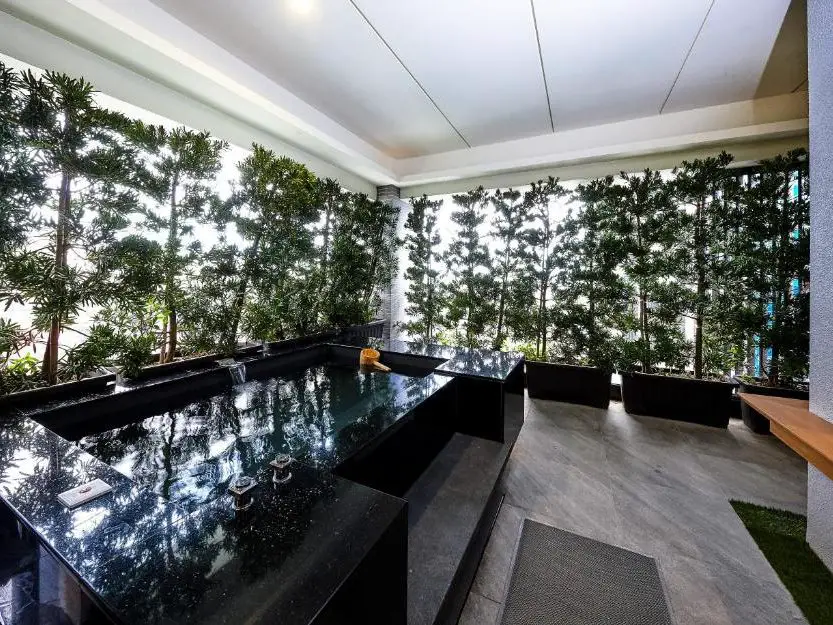
| 1. Yamagata Kaku Hotel & Spa Rating: ⭐⭐⭐⭐ Location: 2-minute walk from Jiaoxi Railway Station Guest Reviews: Natural stone in-room onsen tub, free stocked minibar, mountain or city views, rooftop public hot spring pools Best Room: Yamagatakaku Suite Price: From USD $185 – $240 per night |
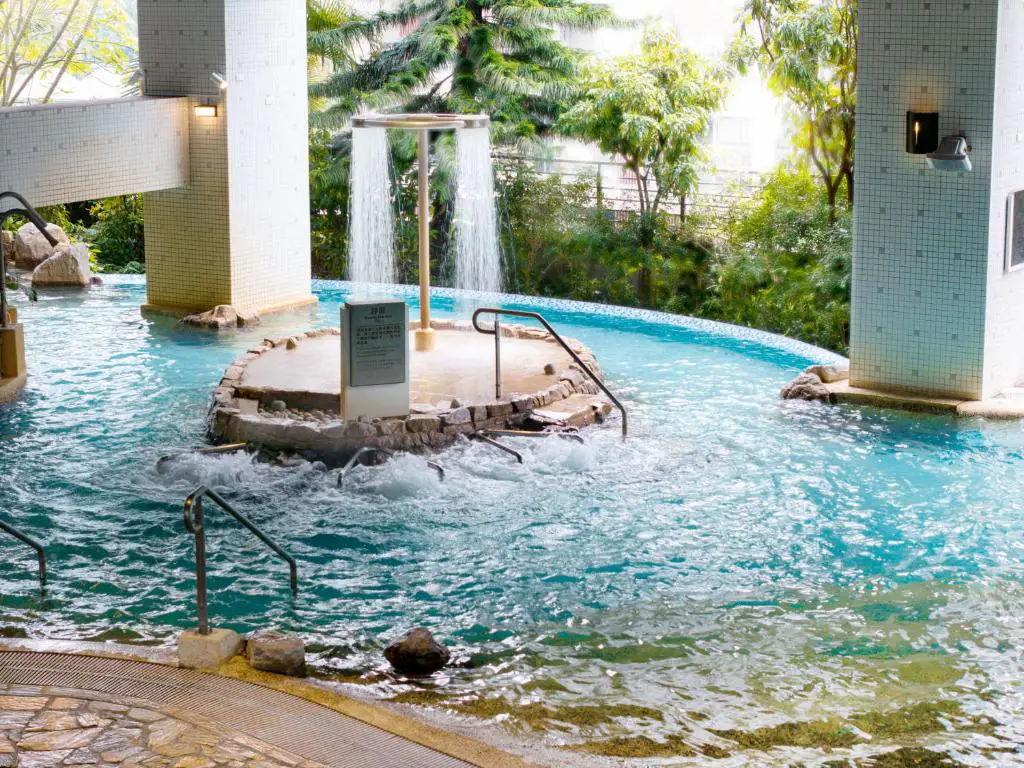
| 2. Evergreen Resort Hotel – Jiaosi Only Hotel with Rooftop Nude Onsen Rating: ⭐⭐⭐⭐⭐ Location: 15-minute walk from Jiaoxi Railway Station; 5-minute walk to Jiaosi Hot Springs Park Guest Reviews: Rooftop naked onsen bath, 6 spa hot tub pools, Lanyang Plain mountain views, Laurel Buffet Restaurant praised for cherry duck and sashimi Best Room: Japanese Suite Price: From USD $165 – $320 per night |
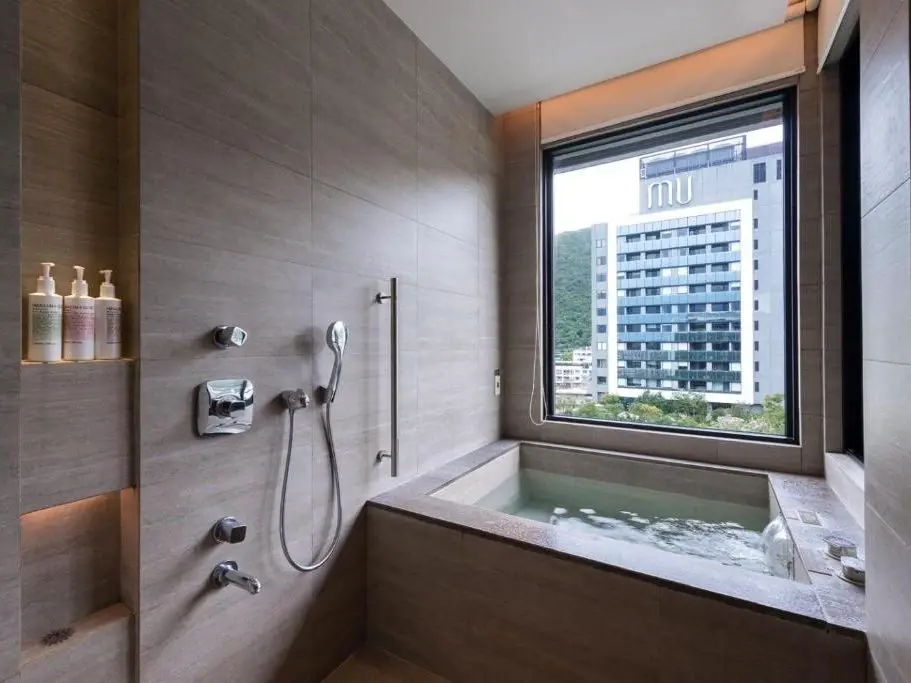
| 3. MU Jiaoxi Hotel Best for Families Rating: ⭐⭐⭐⭐⭐ Location: 4-minute walk to Jiaoxi Hot Springs Park; 6-minute walk to Tangweigou Hot Spring Park Guest Reviews: In-room hot spring tub with terrace, outdoor pool with waterslide, free stocked minibar with Malin+Goetz toiletries, kids’ playground and Nintendo Switch consoles Best Room: Twilight Deluxe Patio Room Price: From USD $195 – $310 per night |
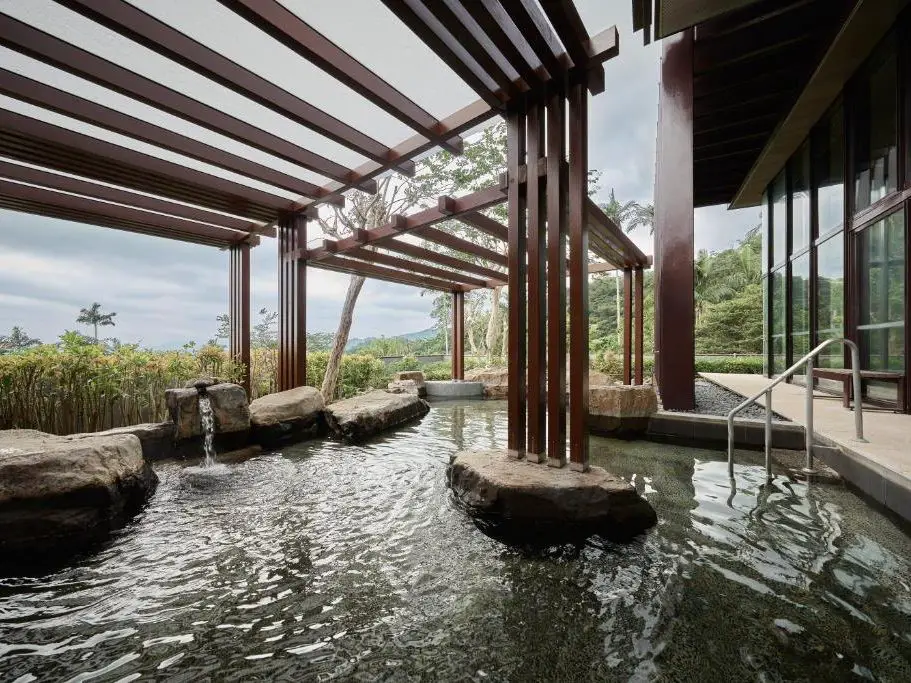
| 4. Hotel Royal Chiao Hsi Most Established Hot Spring Resort Rating: ⭐⭐⭐⭐⭐ Location: 10-minute drive from Jiaoxi Railway Station; free shuttle provided. Set in forested grounds overlooking Lanyang Plain. Guest Reviews: Indoor and outdoor gender-segregated communal hot spring baths, in-room spring water tub on tap, Zen Garden Fusion restaurant with sushi bar, mini golf and landscaped grounds Best Room: Japanese-Style Room Price: From USD $285 – $430 per night |
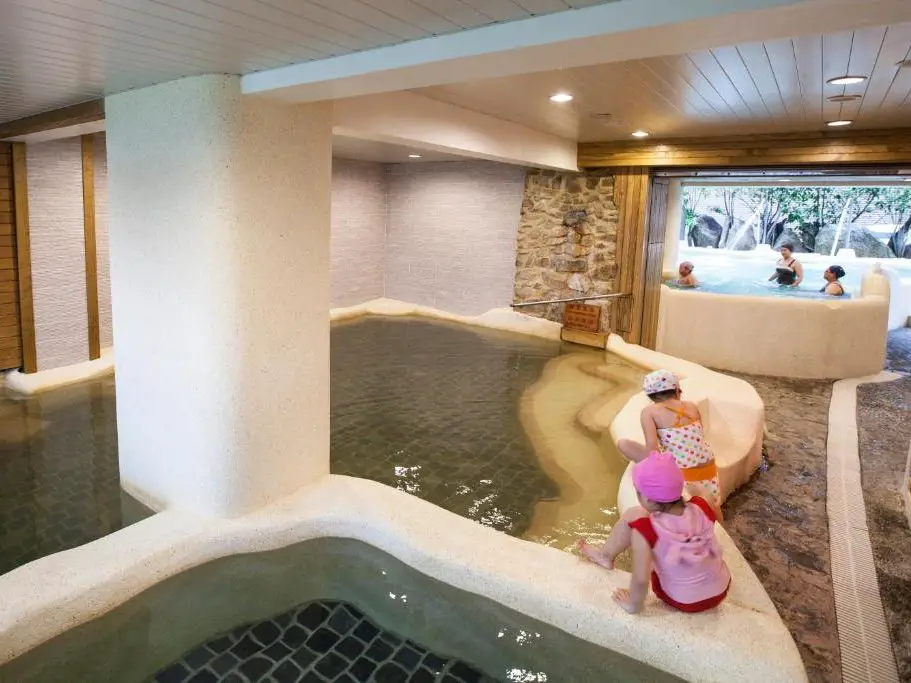
| 5. Hua Ge Hot Spring Hotel Rating: ⭐⭐⭐ Location: 7-minute walk from Jiaoxi Railway Station; directly opposite Jiaoxi Hot Springs Park Guest Reviews: Outdoor hot spring pool with sauna, in-room onsen tub, top-floor attic breakfast room, good value for Jiaoxi Best Room: Deluxe Room Price: From USD $65 – $130 per night |
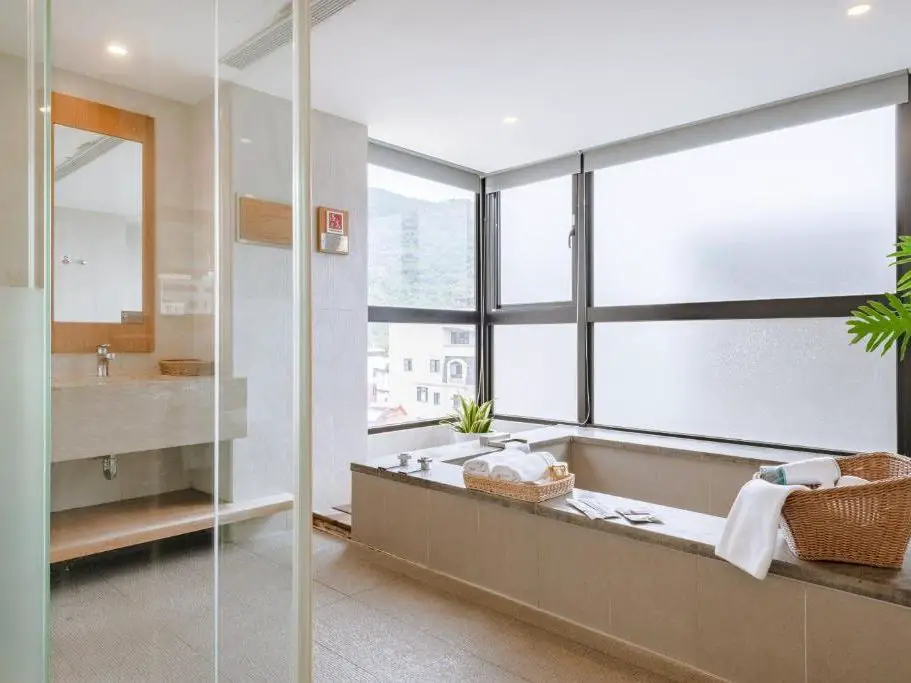
| 6. Ispavita B&B Resort Best Boutique Stay Rating: ⭐⭐⭐⭐ Location: 7-minute walk from Jiaoxi Railway Station; 6-minute walk to Tangweigou Hot Spring Park Guest Reviews: Certified in-room hot spring with large soaking tub, private elevator room access, suite terraces with outdoor foot bath, mountain views from upper floors Best Room: Deluxe Executive Suite Price: From USD $110 – $190 per night |
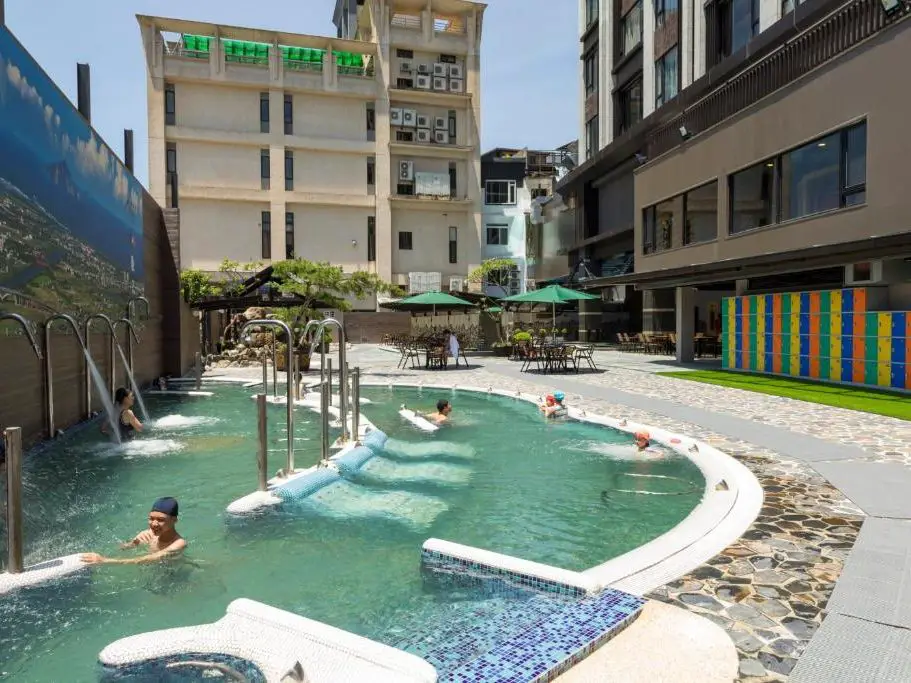
| 7. Chuang-tang Spring Spa Hotel Most Themed Hot Spring Pools Rating: ⭐⭐⭐⭐ Location: 3-minute walk from Jiaoxi Railway Station; 300 metres from Tangweigou Hot Spring Park Guest Reviews: Six themed hot spring pools including sulphur, lavender, milk and tea, kids’ water slide area, indoor and outdoor spa open until 1am, spacious rooms Best Room: Deluxe Double Room Price: From USD $130 – $195 per night |
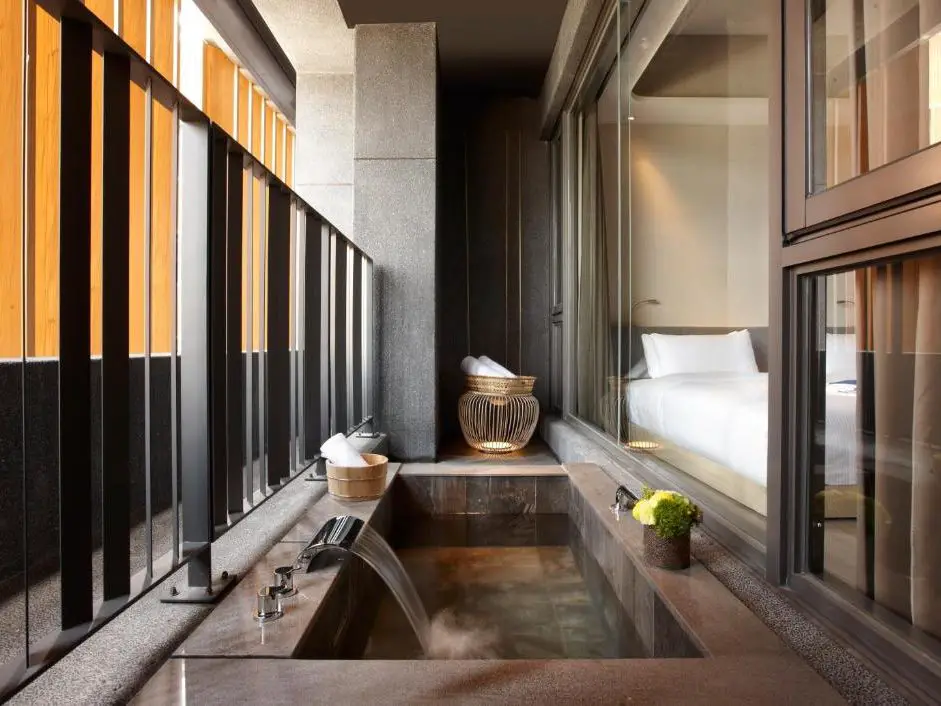
| 8. Wellspring by Silks Jiaoxi Best Balcony Onsen Design Rating: ⭐⭐⭐⭐⭐ Location: 3-minute walk from Jiaoxi Railway Station; 5-minute walk to Tangweigou Hot Spring Park Guest Reviews: Private outdoor onsen tub on every room balcony, daily happy hour with complimentary drinks, rooftop open-air cinema, Red Dot Design Award interiors with Yilan ceramics and wood tones Best Room: Suite Price: From USD $160 – $260 per night |
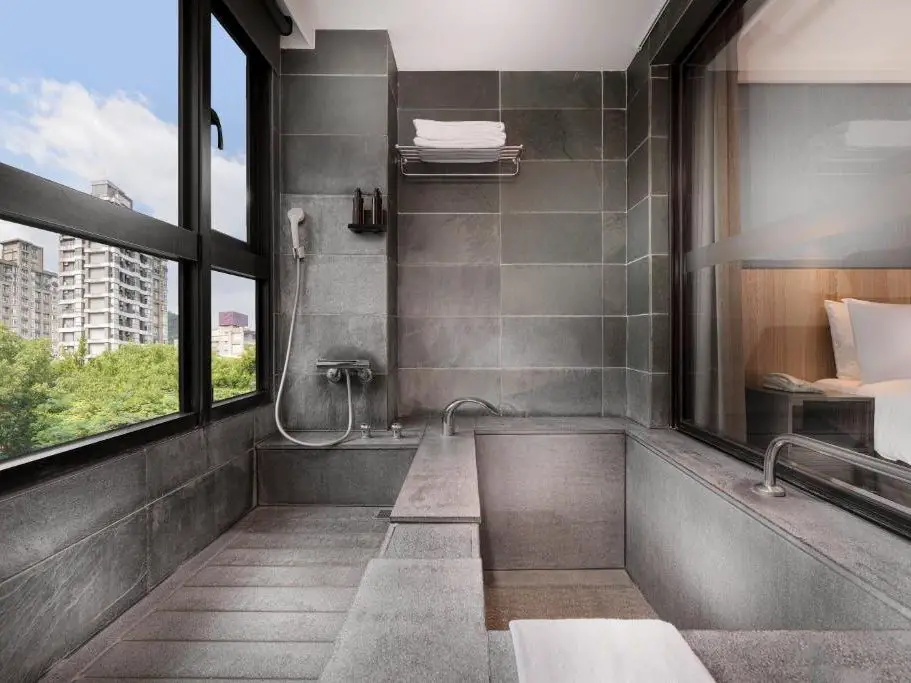
| 9. Four Points by Sheraton Yilan Jiaoxi Only International Brand Resort Rating: ⭐⭐⭐⭐ Location: 9-minute walk from Jiaoxi Railway Station; steps from Tangweigou Hot Spring Park Guest Reviews: Private in-room hot spring in every room, rooftop infinity pool with Lanyang Plain views, afternoon tea and late-night snacks included, Chushixuan restaurant’s Yilan cherry duck Best Room: Deluxe Room, 1 Double Bed, City View Price: From USD $150 – $230 per night |
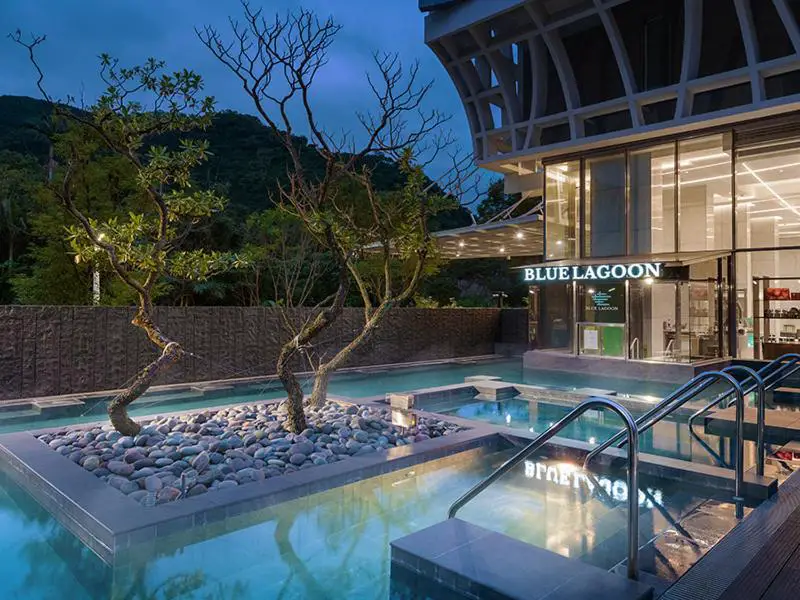
| 10. Orient Luxury Hotel-Jiaoxi Best Mountain Forest Views Rating: ⭐⭐⭐⭐ Location: 16-minute walk from Jiaoxi Railway Station; 5-minute walk to Jiaosi Hot Springs; 200 metres from Tangweigou Hot Spring Park Guest Reviews: Private balcony hot spring tub with mountain forest views, AI room control system, breakfast served until 1:30pm, complimentary tofu pudding and welcome drinks daily Best Room: Double Room with Mountain View Price: From USD $155 – $250 per night |
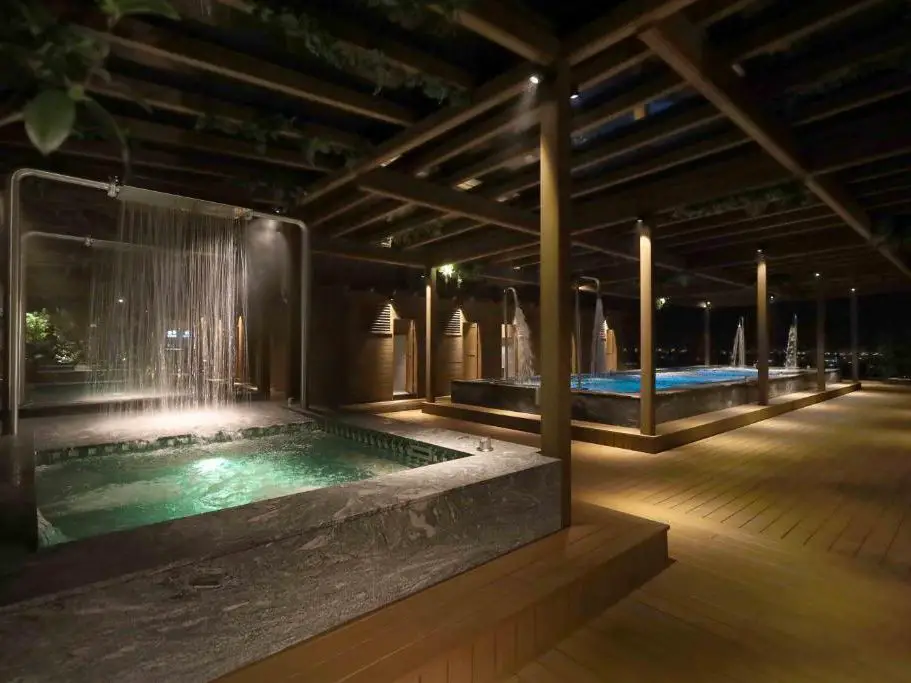
| 11. Gamalan Star Hotel Best Location Rating: ⭐⭐⭐⭐ Location: 6-minute walk from Jiaoxi Railway Station; 5-minute walk to Tangweigou Hot Spring Park Guest Reviews: Eight rooftop hot spring pools including Vichy bath, hamam and sauna, free breakfast buffet with onsen egg cooking vouchers, fish foot spa on 2nd floor, in-room hot spring tub Best Room: Classic Double Room, City View Price: From USD $200 – $300 per night |
What Makes Jiaoxi’s Hot Springs Different
Most hot spring towns in Asia are built around sulphur springs — the kind that smell faintly of eggs and colour the water milky or yellow. Jiaoxi is different. The water here is a sodium bicarbonate spring, geologically rare and particularly prized: colourless, completely odourless, and mildly alkaline at around pH 7.5. It contains calcium, magnesium, potassium, and sodium carbonate ions that react with the skin during a soak, leaving it genuinely smoother and softer in a way that’s immediately noticeable after you dry off. Locals call it “beauty water,” and the claim is less marketing than chemistry — the alkaline minerals bind to proteins on the skin surface in a similar way to a gentle exfoliant.
The other thing that makes Jiaoxi unusual is its geology. Most hot spring towns sit in mountains or valleys, fed by springs that bubble up through rock fissures in remote terrain. Jiaoxi sits on a flat agricultural plain. The springs here percolate through the fault zone at the base of the mountains bordering the Lanyang Plain, heat up underground, and push back to the surface right through the town. That means the water is literally underfoot — hotels don’t have to pipe it from a distant source, it flows from their foundations. Free foot-soaking channels in the streets and a public park with free baths exist because the resource is simply that abundant.
The spring water also irrigates local crops, which is why Jiaoxi produce — particularly its green onions, water spinach, and cherry tomatoes — has a distinctive sweetness and minerality that you won’t find in the same vegetables grown elsewhere. Eating at a restaurant near the hot spring park, you’re often tasting the same water you soaked in the night before.
Hotels in Jiaoxi offer hot spring experiences in three broad formats, and understanding the difference before you book saves a lot of confusion.
- In-room private tub — the most common setup at the hotels on this list. Your room includes a bath filled directly from the hot spring supply, usually on a private balcony or in a semi-open bathroom area. You soak alone or with whoever is sharing your room. No swimwear needed, no etiquette stress, no queues. This is the best option for first-timers, couples, or anyone who values privacy. The trade-off is that you’re limited to one tub and one temperature.
- Shared pools with swimwear — most larger hotels also have communal hot spring facilities: rooftop pools, themed mineral pools, spa pools with jets and waterfalls. These require swimwear (and usually a swim cap) and are mixed-gender. The Chuang-tang Spring Spa Hotel’s six coloured and scented pools, Gamalan Star Hotel’s eight rooftop hot spring pools, and Evergreen Resort Hotel’s fifth-floor spa complex are strong examples. The experience is livelier and more varied than a single in-room tub, though you share the space with other guests.
- Gender-separated nude communal baths — the traditional Japanese onsen format. A handful of hotels offer these, including Evergreen Resort Hotel’s rooftop facility. The public Jiaoxi Hot Spring Park Forest Bath (NT$200 entry, no time limit) also runs this format. You enter without clothing, the spaces are divided by gender, and the atmosphere is quiet and meditative. For visitors unfamiliar with communal bathing culture this can feel intimidating, but it is genuinely one of the more relaxing ways to use the springs — the focus is entirely on the water, and nobody pays any attention to anyone else.
For families with young children, in-room tubs or the swimwear pools with a kids’ area are the practical choice. For couples on a dedicated relaxation trip, in-room tubs are the most seamless. For anyone wanting the full cultural experience, adding a session at a communal bath to an overnight hotel stay covers both formats in a single trip.
Hot Spring Etiquette in Jiaoxi — What to Know Before You Soak
The rules are simpler than they look, and most of them come down to keeping the water clean for everyone.
- Shower before entering any shared pool. Every facility provides shower stations before the pool entrance. Rinsing off sunscreen, sweat, and products is mandatory, not optional. Skip this and you’ll get a pointed look from staff.
- Swimwear vs nude depends on the pool type. Mixed-gender pools always require swimwear. Gender-separated communal baths (the traditional onsen format) do not allow swimwear — this is also a cleanliness rule, as fabric introduces detergent residue. The signage is usually clear, but when in doubt ask at the front desk before you undress.
- Bring a swim cap for shared pools. Most swimwear pools require one. They’re sold at the entrance for a small fee if you don’t have one. Long hair entering the water is the main issue — it clogs filters. Caps are not required for in-room private tubs.
- Soak in short sessions. The sodium bicarbonate springs at Jiaoxi are genuinely effective, which also means they’re active on your cardiovascular system. Ten to fifteen minutes per session, followed by a break to cool down and rehydrate, is the standard recommendation. Two or three sessions across an evening is better than one long unbroken soak. Staying in for forty minutes at 40°C will leave most people light-headed regardless of fitness level.
- Tattoo policy is relaxed. Unlike some Japanese onsen facilities, Jiaoxi hotels and public baths generally do not restrict guests with tattoos from using communal facilities. This applies at all the hotels on this list. The one exception worth confirming directly: if you’re visiting a facility that follows traditional Japanese practices specifically, call ahead. For in-room private tubs the question doesn’t arise.
- What to bring. For an overnight hotel stay with an in-room tub, you need nothing — towels and toiletries are provided. For public facilities or hotel spa areas: a conservative swimsuit (board shorts and bikinis with loose ties are sometimes flagged), a swim cap, a small towel to sit on between pools, and a larger towel for drying off. Most facilities do not provide towels for shared use.
The Free Hot Springs Worth Knowing About
Staying at one of the hotels on this list doesn’t mean you need to spend every waking hour in your room tub. The town has genuinely good free options that add a different texture to the trip.
- Tangweigou Hot Spring Park (湯圍溝公園) — the most central and accessible option, a few minutes’ walk from the main hotel district. There are free outdoor foot-soaking channels open 24 hours, lined with benches and lit at night when steam rises visibly into the air. The fish spa stations here charge around NT$80 for a session where small fish nibble away dead skin from your feet — a standard Jiaoxi experience that’s genuinely ticklish and oddly satisfying. The atmosphere is lively rather than peaceful, particularly on weekends, with families, older locals, and vendors selling snacks alongside the pools.
- Jiaoxi Hot Spring Park Forest Bath (礁溪溫泉公園) — slightly larger and more serene than Tangweigou, set in a wooded area about 500 metres from the station. Free outdoor foot baths run 24 hours. The paid indoor facility (NT$200 per visit, no time limit) runs the traditional gender-separated nude format in a Japanese forest-bath style, with indoor and outdoor pools in a garden setting. This is the best free-to-low-cost communal soaking experience in town.
- Foot baths at the train station — easy to miss but worth knowing: there are public foot-soaking troughs right outside Jiaoxi Railway Station, open all hours. Good for a ten-minute soak while waiting for a train or after a hike.
All three are worth building into your schedule alongside hotel facilities, even if only briefly. The combination of a private in-room soak at night and a visit to a public park in the morning gives a much fuller picture of how the springs are actually used day-to-day.
When to Visit and How to Book
The honest answer on timing is: Jiaoxi is a domestic weekend escape, and the experience you have depends enormously on when you show up.
- Best months are October through March. Soaking in hot water when it’s cool outside is a different proposition from doing the same in Taiwan’s humid summer. Winter — particularly December through February — is peak hot spring season for exactly this reason. The contrast between cold air and hot water on an outdoor rooftop bath is genuinely hard to describe. The Lanyang Plain weather is also milder than Taipei in winter, with temperatures rarely dropping below 12°C.
- Weekdays are significantly better than weekends. Jiaoxi is less than 90 minutes from Taipei, which makes it the standard weekend escape for the city’s 2.7 million residents. Friday evenings and Saturdays are the busiest days of the year. Hotel prices can jump 40–60% from weekday to weekend rates. The public baths queue, the food street fills up, and some pools hit capacity by evening. A Tuesday or Wednesday night stay in winter is a materially different trip from a Saturday in July — quieter, cheaper, and more relaxed.
- Avoid public holidays entirely if you can. Dragon Boat Festival, Chinese New Year, Golden Week, and National Day holidays see Taipei empty out into Yilan. The Xueshan Tunnel — the main road connection — can back up for hours on Sunday evenings as everyone returns to the city simultaneously. If you’re driving, plan to either leave Jiaoxi before 3pm on your last day or stay an extra night and drive back Monday morning.
- Book hotel rooms at least two to three weeks in advance for weekends, and further ahead for any holiday period. The better-rated hotels on this list — particularly Hotel Royal Chiao Hsi, Wellspring by Silks, and MU Jiaoxi Hotel — sell out on peak weekends well in advance. Weeknight availability is generally much more flexible.
Getting to Jiaoxi from Taipei
Train is the default for good reason.
- By train — take any express service from Taipei Main Station or Songshan Station to Jiaoxi Station. The Puyuma or Taroko express takes about 75 minutes; local trains run slower. The station drops you right at the edge of the hot spring district. Fares start from around NT$200 one-way. Use your EasyCard directly at the gate — no advance booking needed for off-peak travel, though weekend trains fill up fast and seat reservations are worth making a day or two ahead.
- By bus — highway buses (Kuo-Kuang, Capital Bus, and Kamalan Bus lines) run from Taipei Bus Station and Taipei City Hall Bus Station. The journey is around 60 minutes via Xueshan Tunnel. Buses drop you at Jiaoxi Transfer Station, just north of the main hotel area. This is slightly faster door-to-door than the train if you’re coming from the east side of Taipei, and runs more frequently on some routes.
- By car or taxi — around 50–60 minutes from central Taipei via National Highway 5 and the Xueshan Tunnel. Free parking is available at most hotels on this list. The critical warning: the tunnel is notoriously congested on Sunday afternoons when half of Taipei drives home simultaneously. Leaving Jiaoxi after 3pm on a Sunday and arriving in Taipei four hours later is a real scenario. Leave by 1pm or stay until Monday morning.
- From Taoyuan Airport — the Kuo-Kuang U1661 bus runs three times daily directly from the airport to Jiaoxi Transfer Station (departing at 7:30am, 10:30am, and 3:30pm). Journey time is around 80 minutes. This makes Jiaoxi a viable first or last stop on a Taiwan trip if you’re connecting through Taoyuan.
What to Eat and Do Beyond the Hot Springs
Jiaoxi is primarily a soaking destination and there’s no point pretending otherwise. But it has enough going on outside the water to fill a full day without boredom.
- Hot spring onion cakes (蔥油餅) — the local specialty you’ll see on every corner. Jiaoxi green onions are grown in mineral-rich spring water and have a sweeter, milder flavour than regular onions. The flatbreads here are made fresh, chewy in the middle, crisp at the edges, and cost around NT$35–50 each. Buy one from a street vendor near the food street rather than from a hotel kitchen.
- Hot spring vegetables — restaurants around town serve water spinach, cherry tomatoes, and bamboo shoots grown in spring-irrigated soil. Order a plate of stir-fried water spinach (空心菜) alongside whatever you’re having — the mineral quality shows.
- Cherry duck (鴨賞) — Yilan’s most distinctive meat product, a cured and dried duck preserved with salt and aromatics. Four Points by Sheraton’s Chushixuan restaurant serves it as a proper set dinner and it’s worth trying once. Alternatively, buy a whole preserved duck from the shops near the train station as a souvenir.
- Hot spring ramen — the Leshan Hot Spring Ramen chain near the station lets you eat noodles while soaking your feet in a trough built into the table. The food is decent, the gimmick is genuinely fun, and the broth (which does not contain spring water, despite appearances) is better than you’d expect from somewhere this photogenic.
- Wufengqi Waterfall (五峰旗瀑布) — a three-tier waterfall about three kilometres west of town, past Hotel Royal Chiao Hsi. The trail is easy to moderate, well-marked, and takes about 45 minutes one way. Closed briefly in 2025 after earthquake damage but reopened in January 2026. Vendors at the entrance sell peanut brittle ice cream rolls and preserved kumquats — standard Yilan snacks worth trying. Take a taxi from the station (around NT$150–200 each way) rather than walking the full distance along the road.
- Shengmu Trail (“Matcha Mountain”) — a longer, harder hike than Wufengqi, starting from Dezikou near the Catholic sanctuary and gaining significant elevation through forested terrain. The name comes from the vivid green hillside visible from town. Experienced hikers can do it in 3–4 hours return; it is not suitable for casual visitors in sandals. The views over the Lanyang Plain from the upper trail are worth the effort if you’re up for it.
FAQs
1. Do I need to be naked in the hot springs at Jiaoxi?
It depends on the type of facility. In-room private tubs in your hotel room require nothing — wear whatever you like or nothing at all. Shared mixed-gender pools in hotels require swimwear. Traditional gender-separated communal baths, including the Jiaoxi Hot Spring Park Forest Bath, do not allow swimwear — you enter without clothing, which is the standard practice inherited from Japanese onsen culture. The distinction is always clearly marked at the facility entrance.
2. Can I visit Jiaoxi as a day trip from Taipei?
You can, and many people do. The train journey is around 75 minutes, and Tangweigou Park’s free foot baths are available the moment you step off the train. A day trip gives you the food street, the public parks, and a session at one of the communal bath facilities. What it doesn’t give you is the experience of soaking in a private in-room tub at night, which is genuinely different from a daytime visit. One overnight stay covers both.
3. Do I need to bring a swimsuit?
Bring one if you plan to use shared hotel pools. Most hot spring hotels on this list have communal pool areas that require swimwear. If you’re only using your in-room tub, you don’t need one. A swim cap is also useful for shared pools — facilities usually sell them at the entrance for around NT$30–50 if you don’t have one.
4. Are there restrictions for guests with tattoos?
Jiaoxi is considerably more relaxed about this than traditional Japanese onsen towns. The hotels and public facilities in Jiaoxi generally do not restrict tattooed guests from communal areas. In-room private tubs carry no restrictions whatsoever. If you’re planning to use a specific facility and have visible tattoos, a quick call ahead is always worth doing, but refusal is uncommon here.
5. How long should I soak for?
The recommended limit is 10–15 minutes per session for the hot pools (typically around 40–42°C), followed by a rest period of similar length before re-entering. Two or three sessions across an evening is the normal pattern for a regular visitor. Pushing beyond 20 minutes in hot water will likely leave you dizzy and dehydrated regardless of how well you feel in the moment. Drink water between sessions.
6. What’s the difference between Jiaoxi and Beitou for hot springs?
Both are good. Beitou, in Taipei’s northern suburbs, is connected by MRT and easier to slot into a short city itinerary. Its springs are sulphur-based — more therapeutic for skin conditions, but with a distinct smell and often tinted water. Jiaoxi is further away but the springs are sodium bicarbonate — odourless, clear, and gentler on the skin. Beitou has more heritage bathhouse architecture and is better for a half-day trip. Jiaoxi has more hotel variety, more food around the spring area, and a better overnight hotel scene. If you have time for only one, Jiaoxi rewards an overnight stay more.
7. Is Jiaoxi worth visiting in summer?
Yes, though the experience is different. Soaking in hot water when it’s 30°C outside is less immediately appealing than doing the same in winter, but most hotels keep their shared pools air-conditioned or offer cold spring options alongside the hot. The town is also less crowded on summer weekdays than in peak winter season. The Wufengqi Waterfall hike and the food street are enjoyable year-round. Summer typhoon season (July–September) can disrupt outdoor activities and occasionally affects train services — worth monitoring if you’re visiting then.
8. Which hotels on this list are best for families with young children?
MU Jiaoxi Hotel has the most comprehensive children’s facilities — indoor playground, battery-powered car rides, outdoor waterslide, and Nintendo Switch consoles, with in-room hot spring tubs so young children don’t need to navigate communal areas. Evergreen Resort Hotel offers a similar range with its spa pools, game room, and kids’ programming. Four Points by Sheraton is also family-focused, with building block-themed rooms and a children’s play area. All three have in-room hot spring tubs, which makes the logistics of bathing with small children significantly easier than shared pool facilities.