
Bangkok has more Michelin-starred restaurants per square kilometre than almost anywhere else in Southeast Asia, and a handful of the city’s best hotels have quietly folded that credibility into their room rate. These are places where the tasting menu is not an afterthought bolted onto a lobby — it is the reason the hotel exists at all, shaped by chefs who hold their stars year after year. From a riverside villa that once topped the World’s 50 Best Hotels list to a glass tower above the Chao Phraya with two separate starred kitchens, the options span every price point in Bangkok’s luxury tier. The hotels below each have at least one Michelin-starred restaurant on-site, bookable the same night you check in.
Table of Contents
Bangkok Hotels
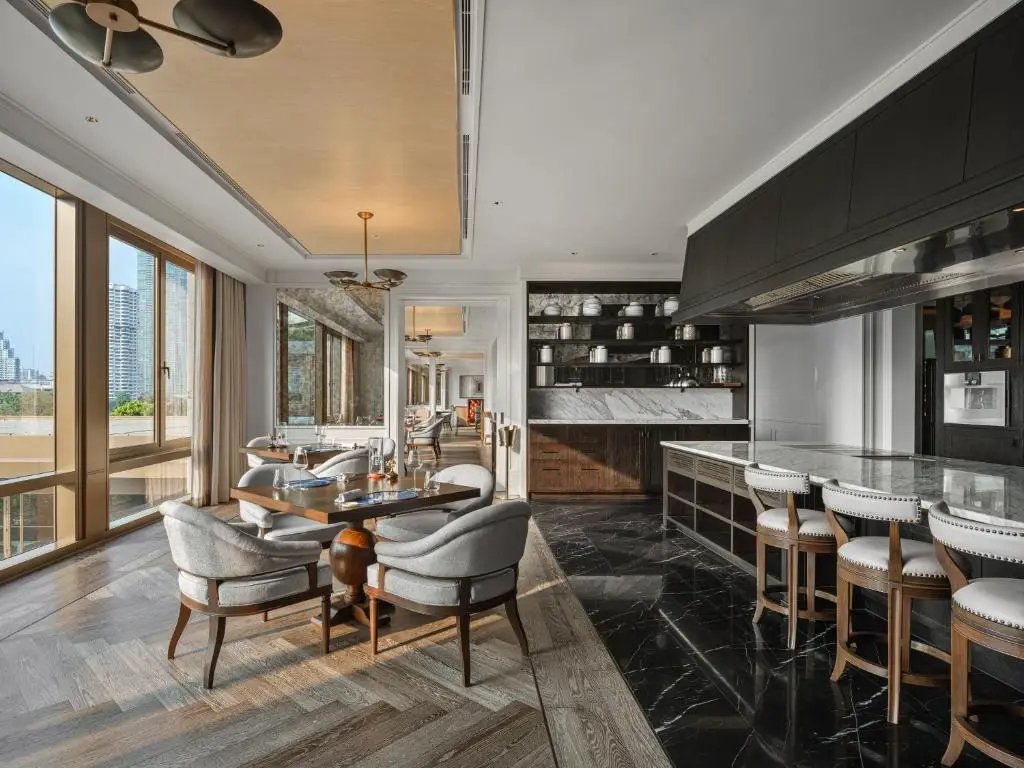
| 1. Capella Bangkok World’s #1 Hotel (2024 World’s 50 Best) Rating: ⭐⭐⭐⭐⭐ Location: 2-minute drive to Asiatique The Riverfront; 7-minute drive to ICONSIAM. Yan Nawa, Sathon riverside. Guest Reviews: Daily-changing tasting menu, riverside terrace breakfast, private boat shuttle, plunge pool villas. Best Room: Premier Room, 1 King Bed (Riverfront) Price: From USD $700 – $1,100 per night |
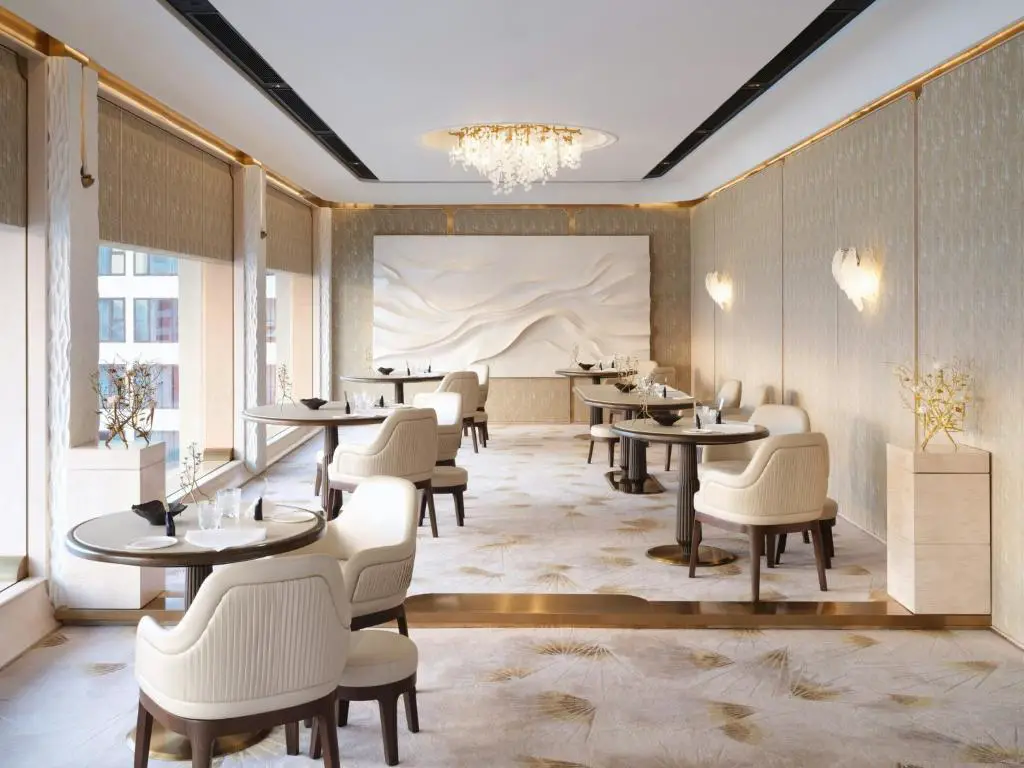
| 2. Mandarin Oriental, Bangkok Most Historic Starred Kitchen Rating: ⭐⭐⭐⭐⭐ Location: 10-minute walk to Surasak BTS Station; 5-minute walk to Oriental Pier. Bang Rak riverside. Guest Reviews: Lobster tasting menu with river views, butler service, Oriental Spa river sundeck, free area shuttle. Best Room: Deluxe Premier Room King Price: From USD $400 – $700 per night |
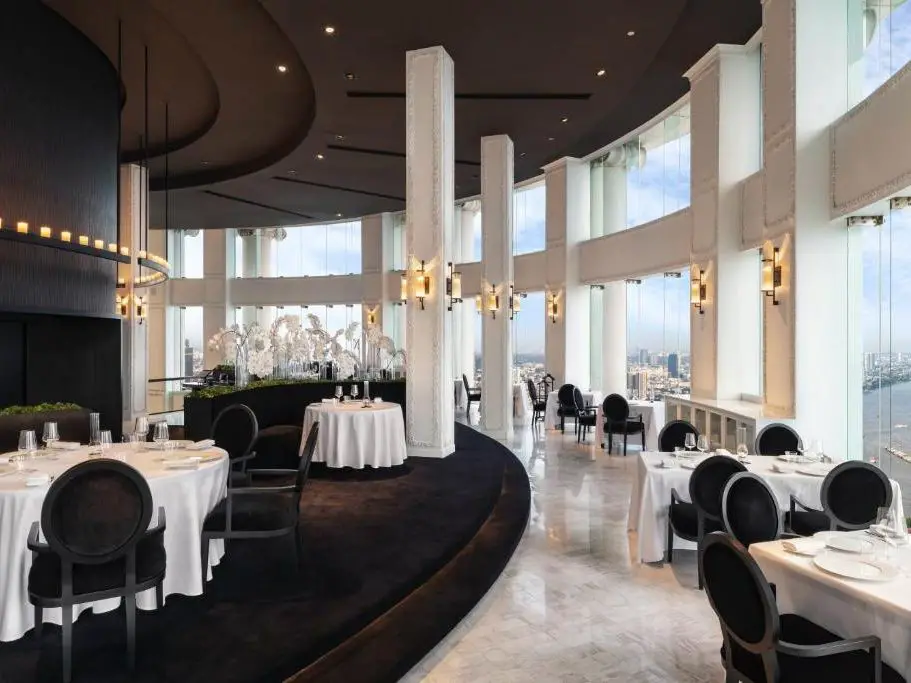
| 3. Tower Club at Lebua Most Michelin Stars Under One Roof Rating: ⭐⭐⭐⭐⭐ Location: 5-minute walk to Saphan Taksin BTS Station. Silom, Bang Rak. Guest Reviews: Two separate seven-course tasting menus on floors 61 and 65, open-kitchen counter seats, seasonal cheese trolley, panoramic Bangkok skyline from every table. Best Room: Tower Club Suite River View with Lounge Price: From USD $200 – $450 per night |
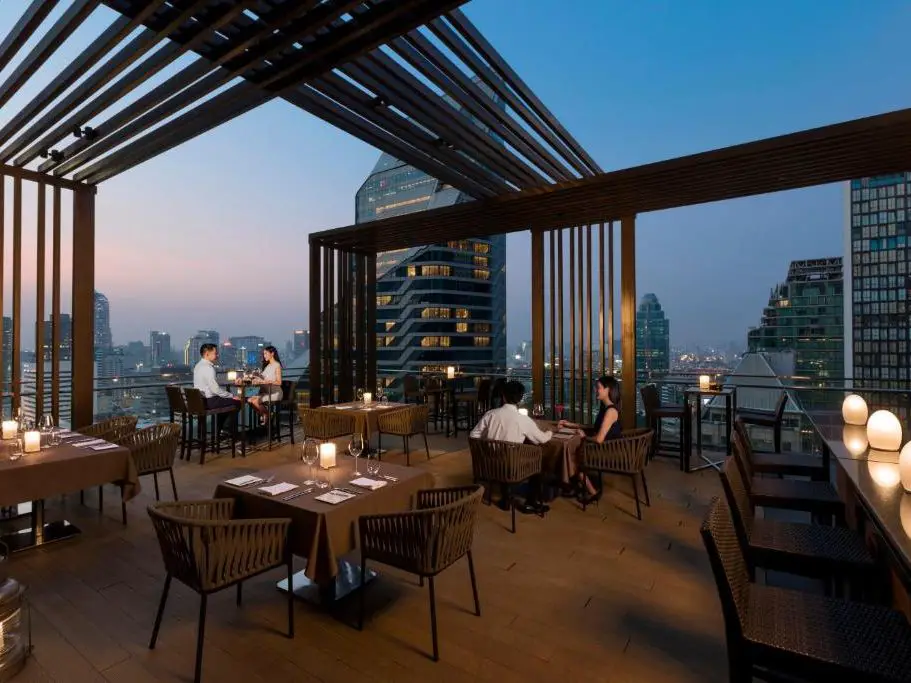
| 4. The Okura Prestige Bangkok Best for Solo Dining Rating: ⭐⭐⭐⭐⭐ Location: 5-minute walk to Chit Lom BTS Station; connected to Central Embassy shopping complex. Pathum Wan. Guest Reviews: French-Japanese tasting menu with Wagyu option, open-kitchen counter seats, 25th-floor infinity pool, house-brewed kombucha pairing. Best Room: Prestige Club, 1 King Bed Price: From USD $170 – $350 per night |
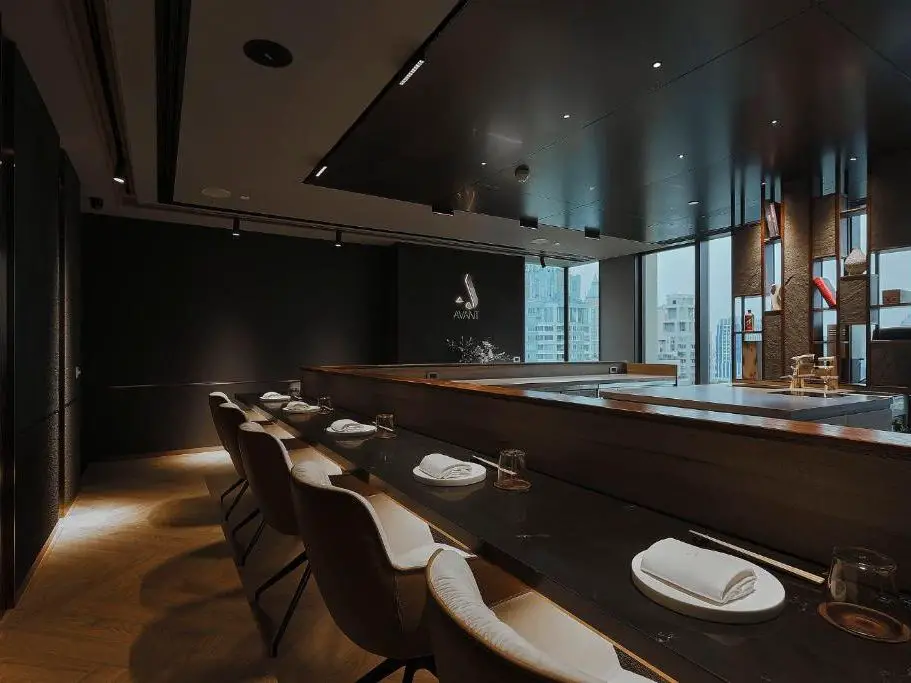
| 5. Kimpton Maa-Lai Bangkok Rating: ⭐⭐⭐⭐⭐ Location: 5-minute walk to Ratchadamri BTS Station; adjacent to Lumphini Park. Pathum Wan. Guest Reviews: Counter-only chef’s table tasting menu on the 30th floor, city skyline views from every seat, infinity pool, Amaranth spa. Best Room: Grand Room, 1 King Bed (Premium) Price: From USD $210 – $360 per night |
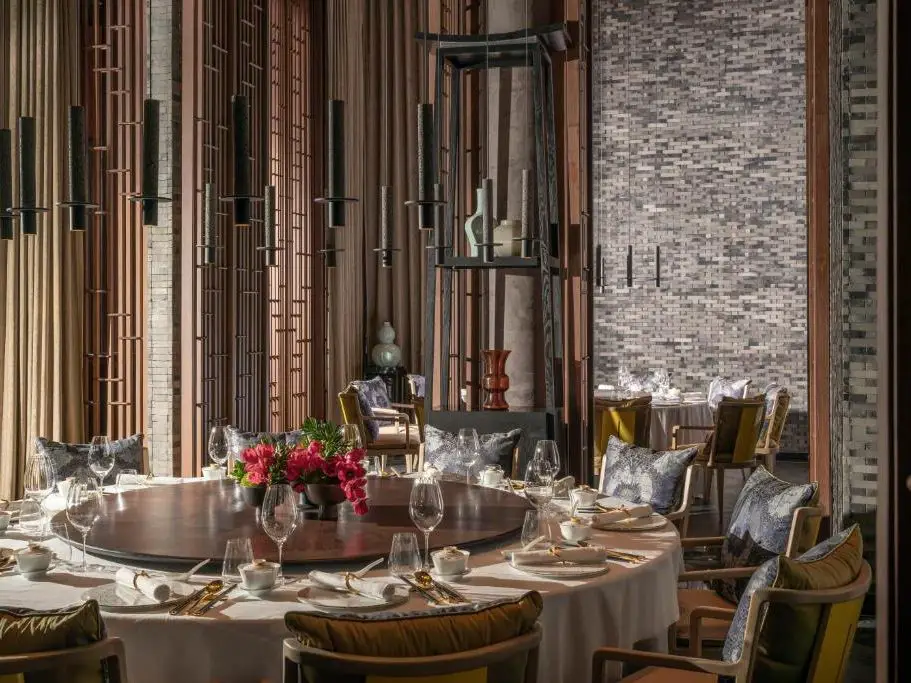
| 6. Four Seasons Hotel Bangkok at Chao Phraya River Best for Dim Sum Lovers Rating: ⭐⭐⭐⭐⭐ Location: 2-minute drive to ICONSIAM; 7-minute drive to Asiatique The Riverfront. Yan Nawa, Sathon riverside. Guest Reviews: Dim sum lunch beside the reflective pool, modern Cantonese tasting menu, three outdoor pools, complimentary children’s club. Best Room: Premier Room, 1 King Bed (Balcony) Price: From USD $350 – $650 per night |
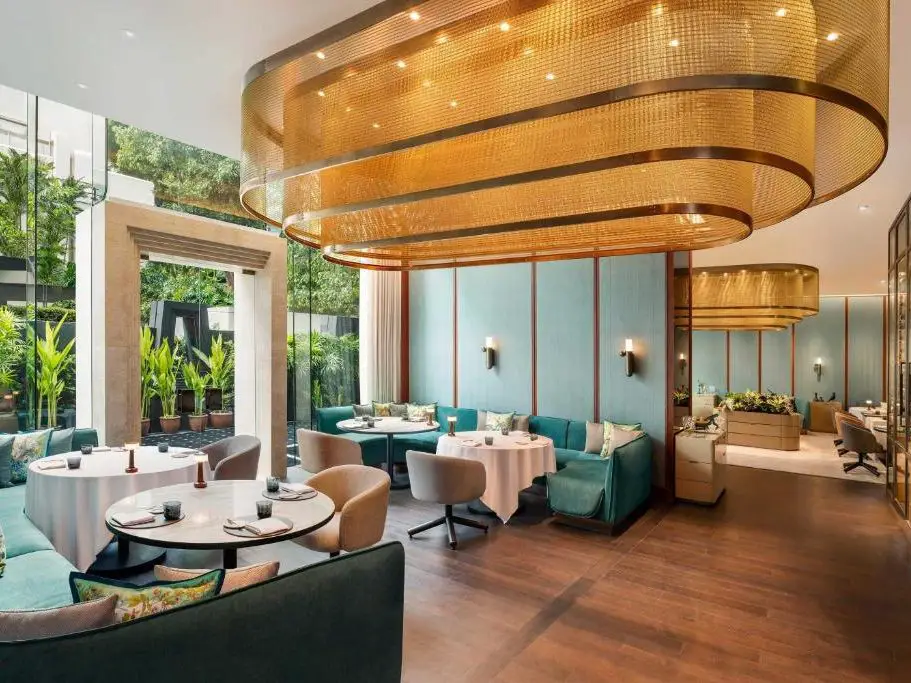
| 7. The St. Regis Bangkok Rating: ⭐⭐⭐⭐⭐ Location: 5-minute walk to Ratchadamri BTS Station; 5-minute walk to Gaysorn Plaza. Lumphini, Pathum Wan. Guest Reviews: Sharing-style Swiss tasting menu with dishes arriving simultaneously, Art Deco dining room, butler service for all rooms, Elemis Spa. Best Room: Metropolitan Suite, 1 King Bed Price: From USD $295 – $500 per night |
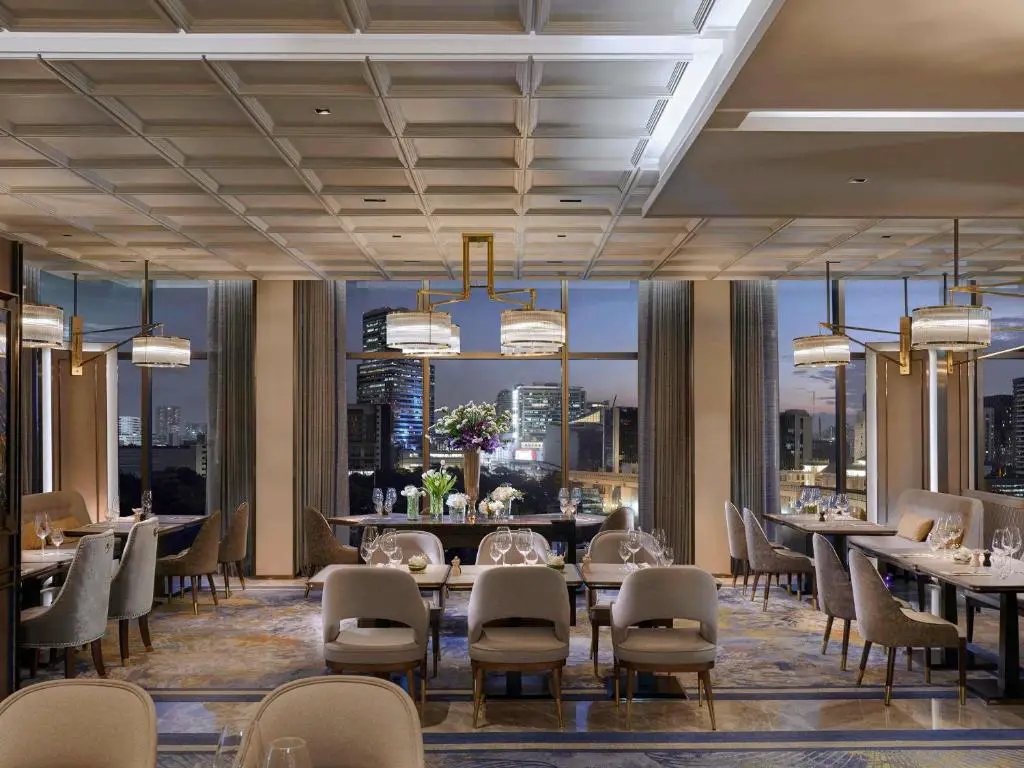
| 8. VIE Hotel Bangkok, MGallery Collection Best Value Michelin Experience Rating: ⭐⭐⭐⭐⭐ Location: 5-minute walk to Ratchathewi BTS Station; 10-minute walk to Siam Paragon and MBK Center. Ratchathewi. Guest Reviews: Seasonal French tasting menu with Loire Valley herbs and edible flowers, Art Deco dining room with open kitchen, rooftop poolside bar, nightly sushi omakase. Best Room: Executive Suite, Piano Club Privilege, 1 King Bed Price: From USD $110 – $250 per night |
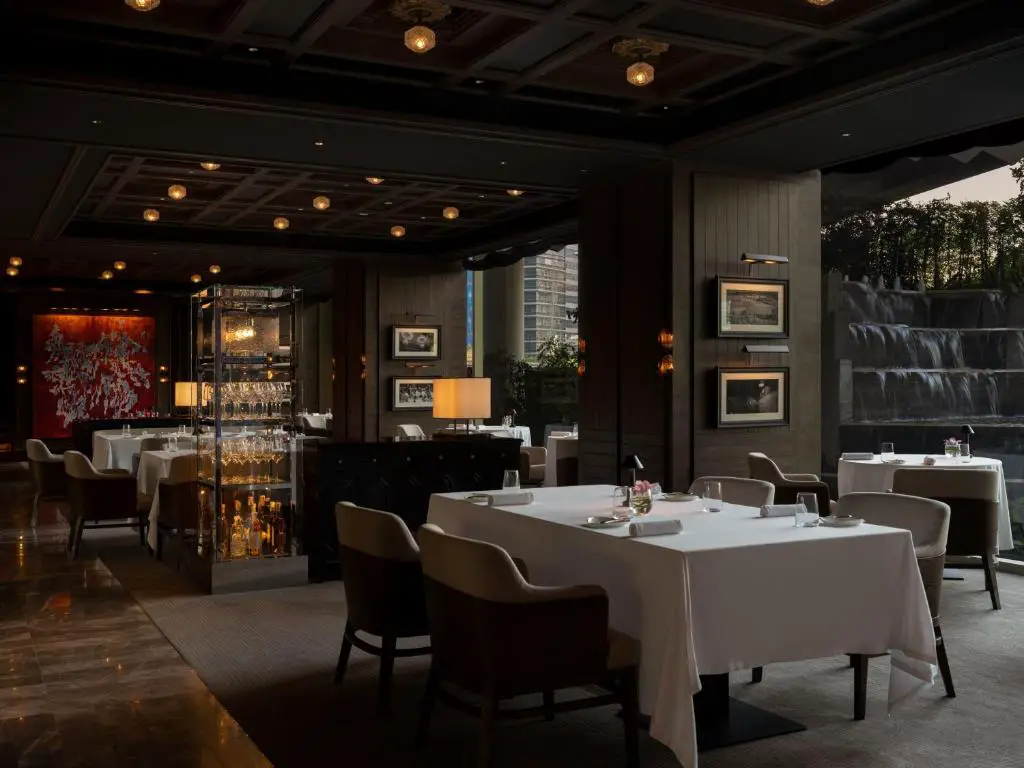
| 9. Dusit Thani Bangkok Thailand’s First Michelin-Starred Italian Restaurant Rating: ⭐⭐⭐⭐⭐ Location: 2-minute walk to Lumphini Park; 5-minute walk to Sala Daeng BTS Station. Silom, Bang Rak. Guest Reviews: Full dinner Italian tasting menu beside an indoor waterfall, 350-label wine cellar, Spire rooftop bar with 360-degree city views, outdoor pool overlooking Lumphini Park. Best Room: Club Room, 1 King Bed, Park View (High Floor) Price: From USD $260 – $450 per night |
Why the Hotel-Restaurant Combination Changes the Experience
Bangkok has more than 30 Michelin-starred restaurants, and most of them have nothing to do with where you sleep. The hotels here are different: the kitchen earning the star is inside the building, which changes the nature of the evening in ways that go beyond convenience.
- Reservations — Concierge teams at these hotels can contact the restaurant directly on your behalf and, in most cases, have an established relationship with the reservations desk. This does not guarantee a table, and the restaurants operate independently with their own bookings, but a well-timed call from the hotel concierge carries more weight than an online form submitted by a stranger from overseas. For the two-star restaurants in particular, where demand regularly outpaces availability, this matters. Book your room first, contact the concierge as soon as you check in, and ask them to handle the restaurant reservation if you haven’t already secured one.
- The post-dinner walk — A tasting menu at a two-star restaurant runs between two and a half and four hours. At the end of it, full, wine-poured, and with nowhere to be, the difference between a ten-minute taxi through Bangkok traffic and a lift to your floor is not trivial. The riverside hotels here — Capella Bangkok, Mandarin Oriental Bangkok, and Four Seasons Hotel Bangkok at Chao Phraya River — also offer private boat transfers to and from the pier as a standard amenity, which turns the pre-dinner journey into part of the experience rather than a logistical problem to solve.
- The morning after — Tasting menus at this level are built around wine pairings, and these hotels offer the kind of breakfast spread that makes the next morning genuinely comfortable rather than punishing. For multi-night stays, that rhythm — arrive, dine, sleep, recover well — is part of what makes a food-focused trip to Bangkok work.
- Table access and view seating — Several of these restaurants have specific tables that guests consistently request: the river-facing windows at Mandarin Oriental Bangkok‘s fifth-floor dining room, the skyline counter seats at Tower Club at Lebua, the open-kitchen counter at Kimpton Maa-Lai Bangkok. None of the hotels can guarantee these seats, and the restaurants assign them independently, but an in-house concierge request noting a special occasion gives you a better starting position than an anonymous booking made three weeks before arrival.
The Two-Star Options: What Sets Them Apart
Three of the nine hotels here hold two-star kitchens, and they represent three genuinely different propositions. Choosing between them is not a question of which is better — it is a question of what kind of evening you want.
- Capella Bangkok — Two restaurants hold stars here, not one. Côte by Mauro Colagreco is the headline act: Mediterranean and Riviera-inspired, with a menu that changes daily based on what arrived in the kitchen that morning. The nine-course Carte Blanche dinner is the full experience, but the four-course Escapade lunch — same kitchen, same two stars — is one of the better value propositions in Bangkok fine dining at roughly a third of the dinner price. The riverside setting on the second floor, with the Chao Phraya running past the windows, makes lunch here as considered a meal as dinner. Phra Nakhon next door also holds a star and serves Thai food on a terrace directly above the river.
- Mandarin Oriental Bangkok — Le Normandie has been in this building since 1958, making it the oldest French fine dining restaurant in Thailand. The room was fully renovated in 2025 when Anne-Sophie Pic — the female chef holding the most Michelin stars in the world — took over the kitchen alongside Japanese head chef Tamaki Kobayashi. The result jumped the restaurant from one star to two in the 2026 guide. The river-view windows on the fifth floor are the most requested seats in the restaurant; book early and note the preference clearly. The seven-course Voyage tasting menu at dinner is the primary format, with a more concise lunch available Wednesday through Sunday.
- Tower Club at Lebua — This is the only hotel in Bangkok where you can choose between two separate two-star restaurants in the same building on the same night. Mezzaluna on the 65th floor is the original: a seven-course French-Japanese tasting menu under a Japanese chef, with panoramic city views and a six-night-a-week schedule. Chef’s Table on the 61st floor runs an open kitchen format with a French contemporary menu and an expert sommelier curating pairings course by course, including a cheese trolley sourced from artisan producers. The two restaurants have different personalities — Mezzaluna is more formal and view-driven, Chef’s Table more kitchen-focused — and experienced diners sometimes book both across two evenings of the same stay.
Best Areas to Stay and What You Can Reach
The nine hotels split across three distinct parts of Bangkok, and geography shapes the stay as much as the room does.
- Riverside: Charoenkrung and Sathon — Capella Bangkok, Mandarin Oriental Bangkok, and Four Seasons Hotel Bangkok at Chao Phraya River all sit on or directly beside the Chao Phraya. The neighbourhood is Charoenkrung, Bangkok’s oldest road, which has developed over the past decade into one of the city’s most interesting areas for independent restaurants, galleries, and bars. ICONSIAM is a short boat ride away for daytime shopping. The BTS is accessible via Saphan Taksin station, though these hotels typically run private boat shuttles that make the river the more natural way to move. Tower Club at Lebua and Dusit Thani Bangkok sit just north of this cluster in Silom and Bang Rak — both within five minutes of Saphan Taksin or Sala Daeng BTS, with Patpong Night Market and Lumpini Park both walkable.
- Pathum Wan and Lumphini: The Central Cluster — The Okura Prestige Bangkok, The St. Regis Bangkok, Kimpton Maa-Lai Bangkok, and VIE Hotel Bangkok, MGallery Collection all sit in the Pathum Wan to Ratchathewi corridor, within walking distance of Chit Lom, Ratchadamri, or Ratchathewi BTS stations. This puts you adjacent to CentralWorld, Siam Paragon, Central Embassy, and Gaysorn — Bangkok’s main luxury shopping strip — and gives you the easiest BTS access of the three clusters for reaching standalone starred restaurants in Sukhumvit and Silom.
- Silom and Bang Rak: The Food Neighbourhood — Dusit Thani Bangkok sits at the junction of Silom and Rama IV, two minutes from Lumpini Park and five from Sala Daeng BTS. This is the densest cluster of Michelin-starred restaurants in Bangkok by neighbourhood, with the Silom-Sathorn corridor holding a significant share of the city’s starred addresses. For a stay built entirely around eating, the Dusit Thani’s location gives you the most starred restaurants within a ten-minute taxi ride of any hotel.
When to Book: Restaurants, Rooms, and Seasons
- High season: November to February — Bangkok’s cool season brings the best weather: temperatures drop to a relatively comfortable 25–30°C, skies stay clear, and the city is at its most lively. It also brings peak hotel rates and the tightest restaurant availability of the year. December and January are the most pressured months, with Christmas and New Year driving room prices to their highest and restaurant bookings filling weeks in advance. For the two-star restaurants, aim for a minimum of four weeks’ notice for dinner during this period; six weeks is safer. Book the hotel room first, then the restaurant — trying to align them in real time during high season frequently ends in compromise on one or the other.
- Shoulder season: March to May and October — Room rates drop, the city is quieter, and restaurant reservations are meaningfully easier to secure. The heat is intense from March through May, which makes the post-dinner walk to your room from an air-conditioned restaurant feel like a genuine benefit. October sits at the tail end of the rainy season but is generally manageable in Bangkok, where rain typically comes in short afternoon bursts rather than all-day weather.
- Low season: June to September — Prices fall across the board, and this is the window for the best room rates at these hotels. The one concrete restriction to plan around: Le Normandie at Mandarin Oriental Bangkok closes annually for approximately three weeks in July — confirm exact dates directly with the hotel before booking around that window. No other restaurant on this list has a confirmed seasonal closure, but kitchen teams at this level do take breaks, so check before finalising travel dates.
- Reservation lead times by restaurant — The two-star restaurants require the most forward planning; four to six weeks for dinner is the practical minimum, longer during high season. One-star hotel restaurants — Elements at The Okura, IGNIV at The St. Regis, Yu Ting Yuan at the Four Seasons, Signature at VIE, AVANT at Kimpton, Cannubi at Dusit Thani — are generally bookable two to three weeks out for most dates. Yu Ting Yuan, as the first Chinese restaurant in Thailand to hold a star and with a loyal following for its dim sum lunch, fills quickly at weekends; book that one on the longer end.
What to Expect from the Tasting Menu Format
First-time visitors to this tier of dining sometimes arrive uncertain about the practicalities. A few things worth knowing before you sit down.
- Duration — Budget between two and a half and four hours for a full tasting menu dinner at a two-star restaurant. One-star tasting menus typically run two to two and a half hours. These are not rushed meals; courses arrive with pauses built in, and the kitchen sets the pace. Plan the evening around the restaurant, not the other way around.
- Course count and format — Most menus run between seven and ten courses, with amuse-bouches and pre-dessert additions that make the actual number of things arriving at the table higher than the stated course count suggests. IGNIV at The St. Regis Bangkok operates a sharing format — multiple dishes arrive simultaneously for the table to divide — which is the most sociable and least formal of the formats here. AVANT at Kimpton Maa-Lai Bangkok is counter-only seating, meaning every diner faces the open kitchen. Both are worth knowing before you book, because they suit different occasions differently.
- Dress code — Smart casual applies across the board. In practice this means collared shirts and closed shoes for men, no shorts, no flip-flops. None of the restaurants here enforce a jacket requirement, though Mezzaluna and Le Normandie attract a dressier crowd by nature. Bangkok’s heat makes the dress code lighter in spirit than equivalent restaurants in Europe; a well-pressed short-sleeved shirt is appropriate at all of them.
- Wine pairings — Every restaurant here offers an optional wine pairing at additional cost, and at the two-star level the sommelier teams are genuinely strong. Elements at The Okura Prestige Bangkok also offers a house-brewed kombucha pairing as a non-alcoholic alternative — the only restaurant on this list to do so. If budget is a consideration, most restaurants are happy for one person at the table to take the pairing while the other orders a single bottle; ask when booking.
- Window and view tables — River view seating at Mandarin Oriental Bangkok and the 65th-floor city panorama at Tower Club at Lebua are the most requested arrangements at these restaurants. Neither can be guaranteed, and both are assigned by the restaurant rather than the hotel. Note the request clearly when booking — a concierge request from an in-house guest, specifying a special occasion, improves the odds without guaranteeing anything. Arriving for lunch rather than dinner at the riverside restaurants gives better light on the Chao Phraya and typically less competition for the window seats.
The Cuisine Range Across These Hotels
The assumption — reasonable given Bangkok’s Michelin history — is that hotel fine dining here means French. The reality across these nine hotels is considerably more varied.
- Cantonese — Yu Ting Yuan at Four Seasons Hotel Bangkok at Chao Phraya River was the first Chinese restaurant in Thailand to earn a Michelin star, and it remains the only Cantonese kitchen in a Bangkok hotel with the distinction. The dim sum lunch is the most accessible entry point, with individual dishes available rather than a fixed tasting format. The dinner tasting menu takes a more contemporary approach to Cantonese cooking, with seasonal Thai ingredients woven in.
- Italian — Cannubi by Umberto Bombana at Dusit Thani Bangkok is the newest addition to this list and made history as the first Italian restaurant in Thailand to receive a Michelin star, awarded in the 2026 guide. The kitchen follows the philosophy of chef Umberto Bombana — known internationally for his Hong Kong flagship — in letting exceptional ingredients carry the menu, with classically rooted dishes refined through contemporary technique.
- Swiss-European sharing format — IGNIV at The St. Regis Bangkok takes its name from the Romansh word for nest, and the sharing format — multiple dishes arriving simultaneously — is deliberate. The concept comes from three-Michelin-star Swiss chef Andreas Caminada, and the Bangkok kitchen executes it with the precision you would expect from that lineage. It is the most convivial dining format of the nine hotels and works particularly well for tables of three or four.
- Loire Valley French — Signature at VIE Hotel Bangkok, MGallery Collection is the least talked-about restaurant on this list and one of the most interesting. Chef Thierry Drapeau brings his philosophy of cuisine du terroir — cooking grounded in place and soil — to a rotating seasonal menu built around imported herbs and edible flowers from the Loire Valley. The Flower Bouquet tasting menus are available at a price point that undercuts every other starred restaurant in this set by a meaningful margin.
- French-Japanese and contemporary French — The remaining hotels cover the terrain that defines Bangkok’s Michelin identity: French technique with Japanese precision at Mezzaluna (Tower Club at Lebua), contemporary French-Mediterranean at Côte (Capella Bangkok), classic French with river history at Le Normandie (Mandarin Oriental Bangkok), and French-inspired with Japanese influences at Elements (The Okura Prestige Bangkok). AVANT at Kimpton Maa-Lai Bangkok sits outside any single tradition, with a Singaporean chef working across techniques from both cultures at a counter that seats the whole restaurant.
Bangkok’s hotel Michelin scene is more varied in cuisine, price, and format than it first appears. The French dominance in the city’s broader starred restaurant list does not carry through to this specific group.
FAQs
1. Do hotel guests get priority access or easier reservations at the on-site restaurant?
The restaurants operate their reservations independently and do not formally prioritise hotel guests over outside diners. In practice, a concierge request made directly on a guest’s behalf — particularly for a special occasion — tends to receive a warmer response than an anonymous online booking. The advantage is real but not guaranteed, and it works best when combined with advance notice of at least two to three weeks.
2. Is it worth paying hotel room rates just to be close to the restaurant, or can I book the restaurant as an outside diner?
Every restaurant here is open to outside diners, and you do not need to stay in the hotel to eat at any of them. Staying at the hotel makes sense when you want the full evening — pre-dinner drinks at the hotel bar, the meal itself, and a short walk to your room afterwards with no car to arrange. For a single dinner without broader interest in the hotel, an outside reservation works fine. The combination earns its cost most clearly for tasting menu dinners at the two-star level, where the evening runs three hours or more.
3. What is the dress code for these restaurants?
Smart casual applies across all nine. In practice: collared shirts and closed shoes for men, nothing too casual for women, no shorts or flip-flops anywhere. None of the restaurants enforce a jacket requirement. Mezzaluna and Le Normandie tend to attract dressier crowds than the others, but neither will turn away a well-dressed guest without a tie.
4. How far in advance do I need to book the restaurant?
For the two-star restaurants — Côte, Mezzaluna, Chef’s Table, Le Normandie — allow four to six weeks minimum for dinner, and longer during November through February. One-star hotel restaurants are generally bookable two to three weeks out. Yu Ting Yuan and Mezzaluna fill quickly at weekends year-round, so extend that lead time for Friday and Saturday evenings regardless of season.
5. Can I request a window or river view table, and is it guaranteed?
No view table is guaranteed at any of these restaurants. The riverside seats at Le Normandie and the city-facing tables at Mezzaluna are the most requested and the least available on short notice. State the request clearly when booking, note a special occasion if applicable, and ask the hotel concierge to include it in their communication to the restaurant. Booking a lunch service rather than dinner at the riverside restaurants improves the odds and gives better natural light on the river.
6. What is the best time of year to visit Bangkok for this kind of trip?
November through February offers the most comfortable weather — drier, cooler, and clearer than the rest of the year. The trade-off is peak hotel rates and tighter restaurant availability. October and March are good alternatives: shoulder season pricing, better room availability, and restaurant bookings that are meaningfully easier to secure. Avoid planning around Le Normandie in July, as the restaurant typically closes for several weeks during that month.
7. Are there lunch options at these restaurants, and are they better value than dinner?
Several restaurants here offer a lunch service that uses the same kitchen and the same starred credentials at a lower price point. Côte at Capella Bangkok runs a four-course Escapade lunch at roughly a third of the dinner price. Le Normandie offers a three-course lunch from Wednesday through Sunday. Yu Ting Yuan’s dim sum lunch is the most affordable way to experience that kitchen. Elements at The Okura Prestige Bangkok and IGNIV at The St. Regis Bangkok also offer weekday lunch menus. Lunch is generally the better value entry point for first-time visitors to this tier of dining.
8. Which of these hotels is best suited to solo diners?
AVANT at Kimpton Maa-Lai Bangkok is explicitly designed for solo dining — the counter seats the entire restaurant, and solo visitors are the intended guest rather than an afterthought. Chef’s Table at Tower Club at Lebua also suits solo diners well, with counter seating facing the open kitchen that makes the experience more interactive than a table set for one. Elements at The Okura Prestige Bangkok also notes solo dining as a feature of its counter-adjacent seating.