
A full day at Universal Studios Japan ends with tired legs, overstimulated kids, and the near-universal parent fantasy of being back in a hotel room in under ten minutes. The hotels here all sit close enough to the park entrance that you can walk back mid-afternoon if little ones need a break, and still make it to the evening show without scrambling for a train. Here is where to stay to make the most of every hour.
Table of Contents
Universal Studios Japan Hotels
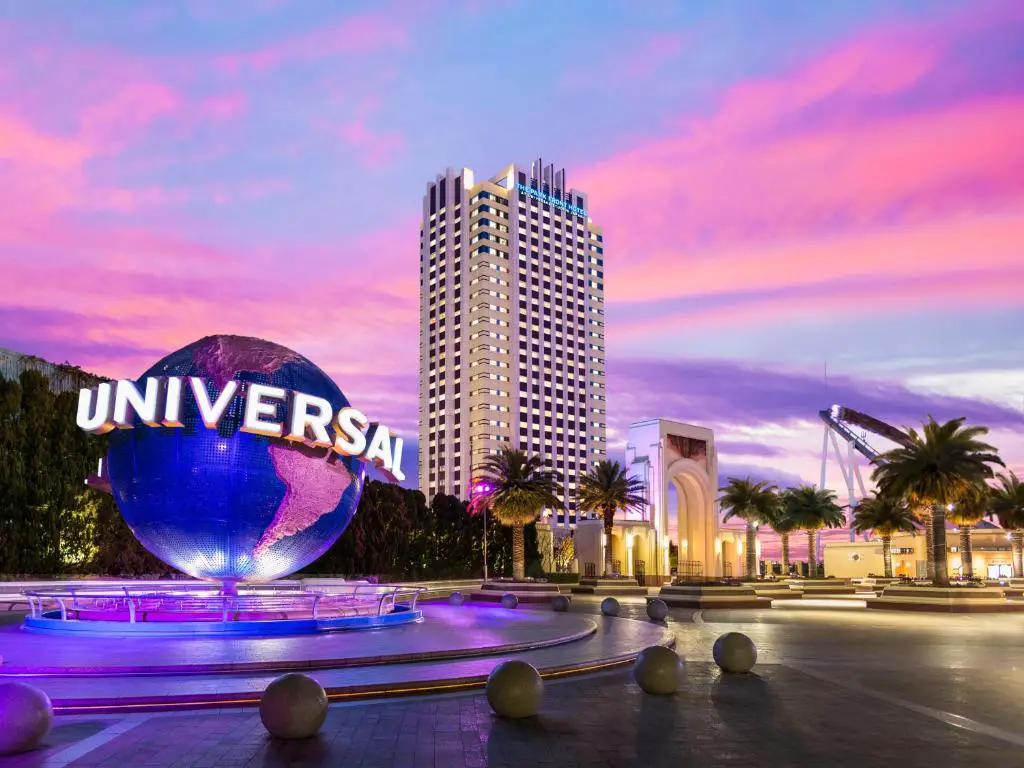
| 1. The Park Front Hotel at Universal Studios Japan Closest to the Park Gates Rating: ⭐⭐⭐⭐ Location: 1-minute walk to USJ main entrance Guest Reviews: Deep-soak bathtubs, park views from room, spacious four-bed layout, laundry machines on every floor Best Room: Premium Superior Park View Family Twin Price: From USD $150 – $280 per night |
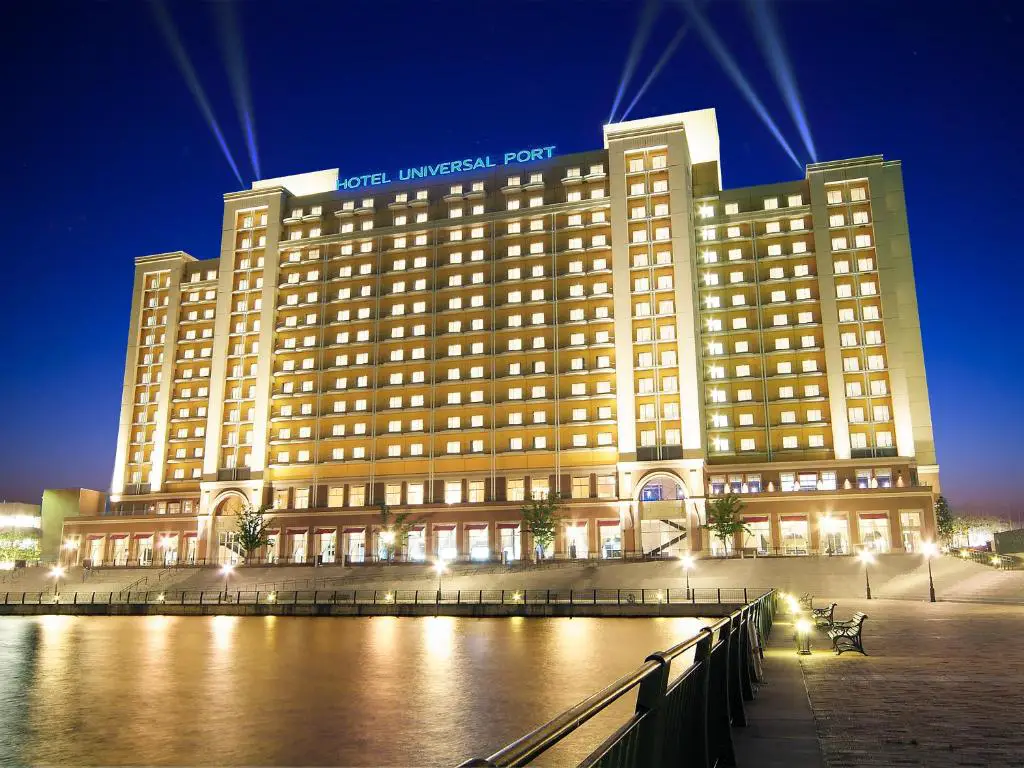
| 2. Hotel Universal Port Rating: ⭐⭐⭐⭐ Location: 7-minute walk to USJ main entrance Guest Reviews: Minion-themed lobby, spacious bay-view rooms, buffet breakfast with takoyaki, luggage storage after checkout Best Room: Family Room Price: From USD $110 – $200 per night |
| 3. Hotel Universal Port Vita Best for Minion Fans Rating: ⭐⭐⭐⭐ Location: 5-minute walk to USJ main entrance Guest Reviews: Separate bath and toilet, Minion-themed decor, microwave and ice machine on every floor, Lawson convenience store on ground floor Best Room: Deluxe Quadruple Room, Non Smoking Price: From USD $120 – $220 per night |

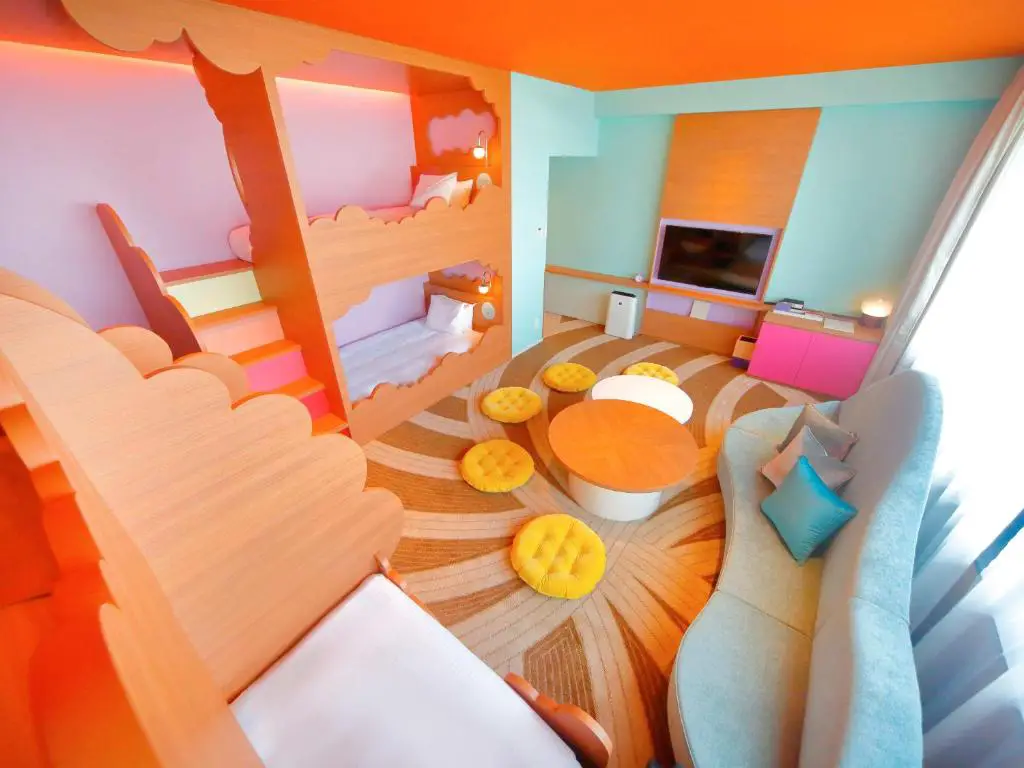
| 4. Hotel Keihan Universal Tower Best Onsen View Rating: ⭐⭐⭐⭐ Location: 2-minute walk to USJ main entrance Guest Reviews: Bunk beds for kids, 31st-floor onsen with city views, Rifa hair tools in every room, Lawson on ground floor Best Room: Bunk Bed Superior (For 6 People), Non Smoking Price: From USD $120 – $250 per night |
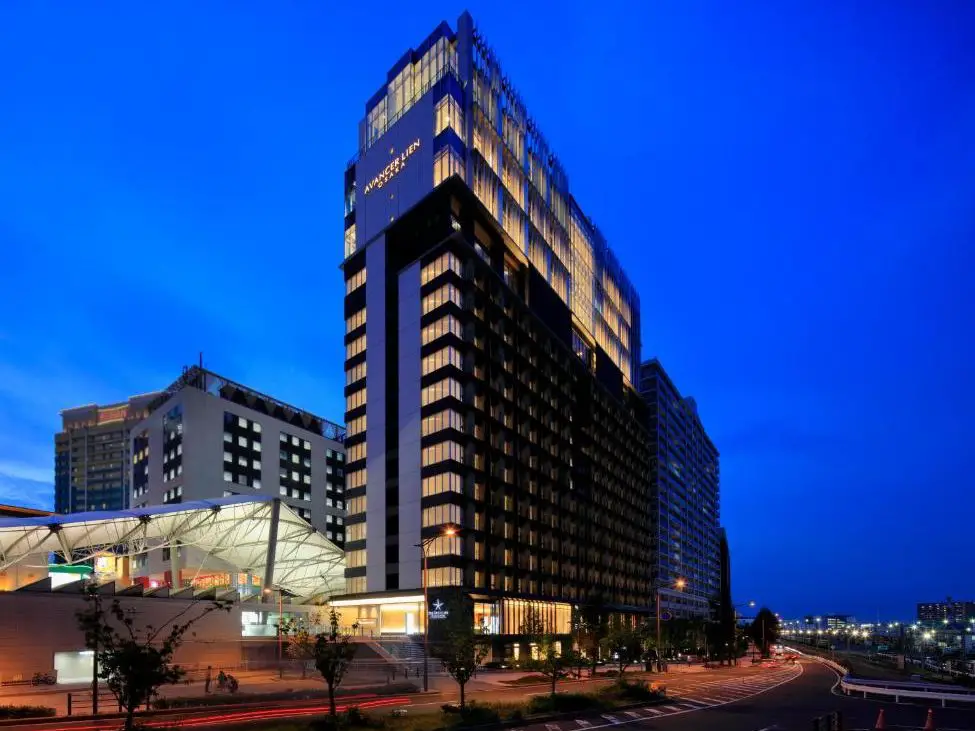
| 5. The Singulari Hotel & Skyspa at Universal Studios Japan Rating: ⭐⭐⭐⭐ Location: 3-minute walk to USJ main entrance Guest Reviews: Free rooftop open-air spa, Simmons mattresses, station-connected entrance, panoramic bay views from high floors Best Room: Corner Twin Room with Sofa Bed, High Floor, Non Smoking Price: From USD $140 – $280 per night |
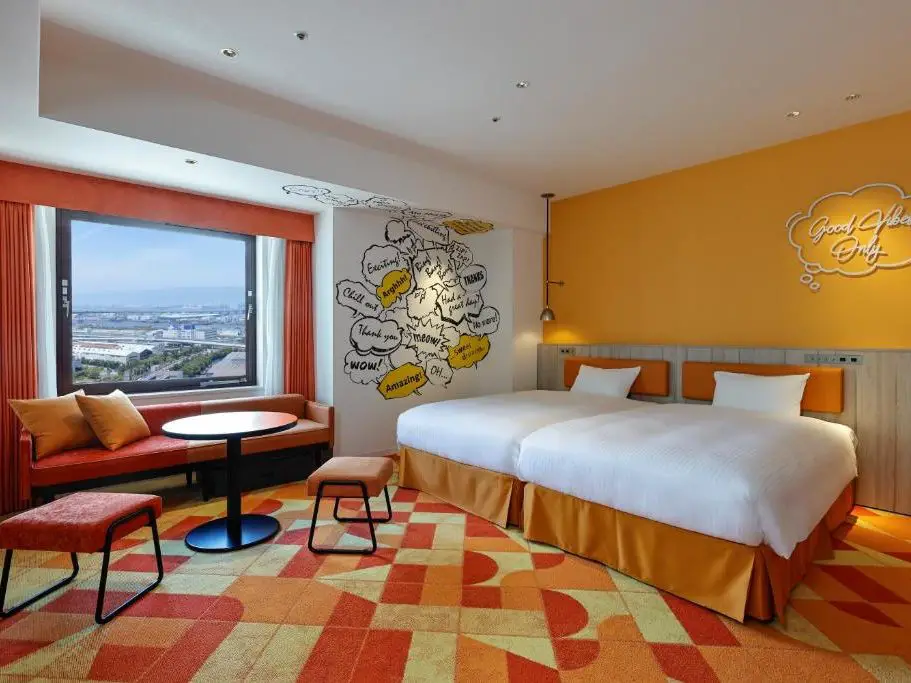
| 6. Hotel Kintetsu Universal City Best Themed Rooms Rating: ⭐⭐⭐ Location: 1-minute walk to USJ main entrance Guest Reviews: Sesame Street design floors, park view from corner rooms, coin lockers free before check-in, on-site USJ merchandise store Best Room: Triple Room, Non Smoking Price: From USD $100 – $200 per night |
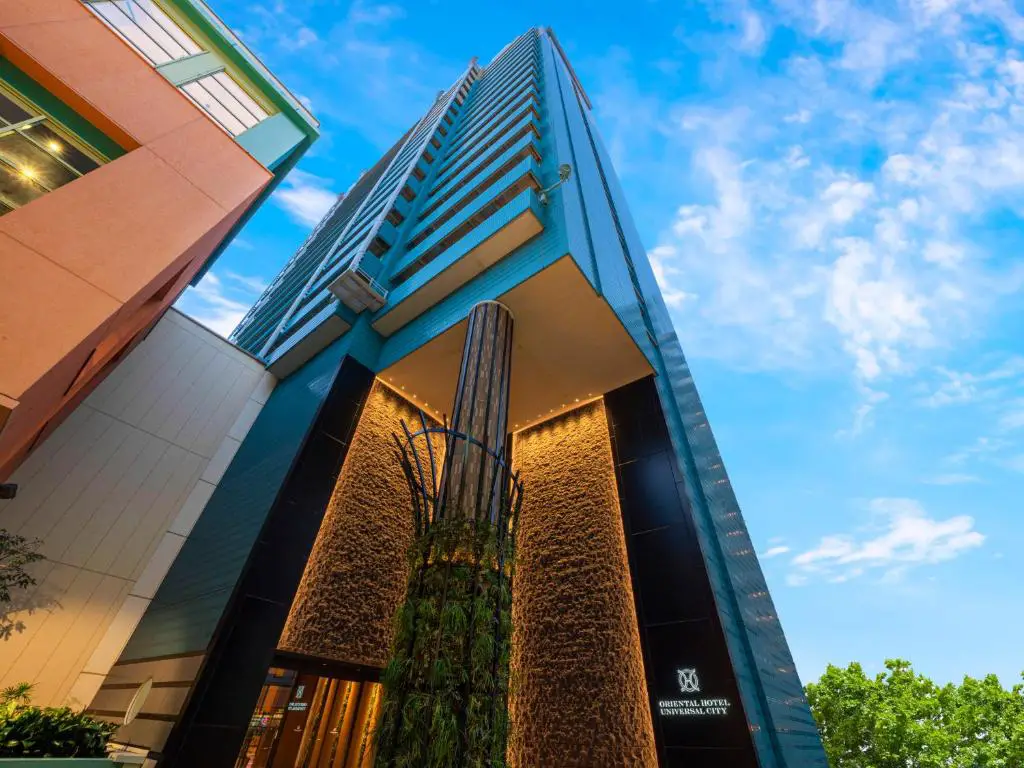
| 7. Oriental Hotel Universal City Best Welcome Perks Rating: ⭐⭐⭐⭐ Location: 5-minute walk to USJ main entrance Guest Reviews: Free soft-serve ice cream and hot dogs at Welcome Lounge, fresh orange juice machine at breakfast, four single beds in family rooms, EMS foot machine in rooms Best Room: Deluxe Triple Room, Non Smoking(for 5 people) with Welcome Lounge Access Price: From USD $150 – $250 per night |
Why Walking Distance Changes the Whole Trip
USJ enforces a strict no re-entry policy. Once you exit through the main gate on a standard Studio Pass, your ticket is void — there is no stepping out for a convenience store lunch, no mid-afternoon hotel break, no retrieving anything from the car. Annual pass holders are the only guests permitted to re-enter. For families without young children, this is a manageable constraint. For families with toddlers or under-fives, it changes the calculus entirely.
- The no re-entry rule in practice — A standard Studio Pass allows entry once. Leaving for any reason ends your park day. Plan every meal, nappy change, and rest break to happen inside the park, or time your exit for the end of the day. The only food exception is sealed drinks under 500 ml per person and baby food for infants.
- The mid-day break advantage — Children under seven reliably hit a wall between 1 and 3 PM. A hotel within a five-minute walk makes a genuine mid-day exit viable: leave, rest, eat something outside the park, return refreshed for the afternoon and evening show. From a hotel connected by train, that same break becomes a 45-minute round trip that eats most of the rest window.
- Early arrival without the commute — The single most effective crowd strategy at USJ is arriving 45 to 60 minutes before the gates open. Families staying in Universal City can do this unhurried, with a proper hotel breakfast, without navigating platforms or rushing a toddler. Families commuting from central Osaka need to factor in travel time on top of that early start, which on a busy morning means leaving the hotel before most children want to be awake.
- The 1.5-day and 2-day pass calculation — Many families find USJ genuinely needs more than a single day to cover Super Nintendo World, the Wizarding World, Minion Park, and Universal Wonderland without exhaustion. Staying walking distance makes a second morning effortless — breakfast, five-minute walk, first in the timed-entry queue. Commuting twice adds friction that compounds quickly with young children.
Walking distance matters most for families with children under seven, families spending two days at the park, and anyone visiting during peak season when heat and fatigue compound faster.
How to Pick the Right Hotel for Your Family
These properties split into three clear groups once children’s ages, the importance of themed immersion, and the kind of evening parents want after a long park day are taken into account.
- For families with toddlers and under-fives — The Park Front Hotel at Universal Studios Japan, Oriental Hotel Universal City — Both offer separate bath and toilet areas, a practical necessity with young children in Japanese hotel bathrooms, along with luggage storage before check-in and after checkout. The Park Front Hotel has laundry machines on almost every floor, a 24-hour Lawson built into the ground level, and child amenities including cots, bottle warmers, and children’s sleepwear available to rent. Its one-minute walk to the gate makes a mid-day exit and return genuinely realistic. Oriental Hotel Universal City adds the free Welcome Lounge — hot dogs, soft-serve ice cream, waffles, and drinks available from 2 PM through the evening — which serves as a useful decompression zone between leaving the park and dinner, particularly for overtired children.
- For families who want themed immersion — Hotel Universal Port, Hotel Universal Port Vita, Hotel Kintetsu Universal City — Hotel Universal Port carries Japan’s only dedicated Minion rooms alongside bunk bed configurations and an ocean-themed lobby with aquariums throughout; the Minion atmosphere starts the moment you walk in and extends through the corridor decor and room fittings. Hotel Universal Port Vita takes a subtler approach — Minion-patterned accents, yellow tones, character amenities in the room — which suits families who want the USJ atmosphere without full immersion. Hotel Kintetsu Universal City runs the deepest theming of the three: dedicated Sesame Street design floors where the wallpaper, elevator doors, and room interiors all carry the characters, making it the strongest option for young Sesame Street fans. Note that Kintetsu’s themed rooms are available via the hotel’s own booking system and some Japanese travel platforms, but not through all third-party channels.
- For families wanting a calm base after a big day — The Singulari Hotel & Skyspa, Hotel Keihan Universal Tower — Both sit directly beside or seconds from Universal City Station, both have quieter, less visually stimulating interiors than the Minion and Sesame Street properties, and both offer onsen facilities that parents can use once children are in bed. Hotel Keihan Universal Tower‘s 31st-floor natural hot spring onsen at 110 metres above ground is the most dramatic parent recovery facility of any hotel in this cluster; children must be at least three years old to enter. The Singulari Hotel‘s rooftop open-air spa on the 14th floor offers panoramic bay views; children under three and those still in nappies are not permitted in the baths.
Room capacity is worth checking carefully before booking. Many standard rooms at these hotels sleep two adults and two children, but bunk bed configurations, connecting rooms, and sofa-bed additions are available at several properties and change the practical options for larger families significantly.
Best Areas to Stay Around USJ
Universal City sits on the Osaka Bay waterfront, around 15 minutes by direct train from Osaka Station. It is a purpose-built visitor district: the park, CityWalk Osaka, and the hotel cluster form one connected precinct with a train station at one end and the park gate at the other.
- The Universal City hotel cluster — The stretch of hotels between Universal City Station and the park entrance is where every hotel covered in this piece sits. It is compact, walkable, and entirely oriented around the park. Restaurants, convenience stores, and a pharmacy are accessible through CityWalk, and the JR Yumesaki Line back to central Osaka runs frequently when you want a night in the city. The trade-off is that Universal City is not a conventional neighbourhood: dining variety is limited beyond CityWalk, and prices for everything from breakfast to a post-park drink reflect the location.
- Central Osaka versus Universal City — Staying in Namba, Shinsaibashi, or near Osaka Station is the better call when USJ is one day within a longer Osaka itinerary. The JR Yumesaki Line from Osaka Station to Universal City Station takes 12 to 15 minutes and runs frequently, with direct trains that remove the need to transfer. For a family spending two or more days at the park, or travelling with young children who benefit from a mid-day break, the daily commute costs more in time and energy than the hotel price difference justifies.
- Osaka Bay Bayside (Sakurajima area) — One train stop beyond Universal City Station, this area offers slightly lower hotel rates and identical train access to the park. It suits families prepared to add a two-minute ride each morning in exchange for a more affordable nightly rate.
For most families making USJ the centrepiece of their Osaka stay, Universal City is the practical base. For families working USJ into a broader Osaka itinerary with multiple days elsewhere, central Osaka gives more flexibility for evenings and non-park days.
When to Book and When to Go
USJ draws consistent crowds year-round. The difference between a manageable day and a genuinely difficult one for families with young children comes down almost entirely to date selection.
- Avoid: Golden Week (late April to early May) — The busiest period of the year by volume. Every major attraction runs multi-hour queues, timed entry for Super Nintendo World fills in the first minutes after opening, and Express Passes sell out weeks in advance. Hotels in Universal City book out months ahead and prices peak sharply.
- Avoid: Obon (approximately August 10–18) — Japan’s major summer holiday travel period. Crowds rival Golden Week, temperatures are at their most intense, and the combination of full sun and long exposed queues is particularly hard on young children.
- Approach with care: Halloween Horror Nights evenings (mid-September through October) — The park runs evening horror events through this period that are designed for adults and older teens, not young children. Daytime park hours remain family-appropriate, but the atmosphere shifts after dark and standard park hours may be shortened on event nights. Confirm the specific schedule for your dates before booking.
- Good: June (rainy season) — Consistently the least-visited month of the year. Crowds drop noticeably once the rainy season begins, queues shorten across the park, and a family with rain gear and flexible timing can cover more ground in a single day than in almost any other season. Hotel rates also soften.
- Good: November weekdays — After Halloween events wind down and before year-end school holidays begin, November weekdays are among the quietest days of the year. Weather is cool and comfortable for walking, and queue times at headline attractions are manageable without an Express Pass on lower-demand dates.
- Good: January and February weekdays — Outside the New Year holiday stretch, these months are the calmest of the year. Cold weather reduces visitor numbers, but the park’s indoor attractions and covered queue areas make it workable for families who dress accordingly.
- Book hotels well ahead regardless of season — The Park Front Hotel and Hotel Keihan Universal Tower in particular fill months ahead for weekends, school holidays, and any period coinciding with themed seasonal events. Booking as soon as travel dates are fixed is standard practice for this hotel cluster, not caution.
Getting the Most Out of Your Park Day as a Family
USJ rewards preparation more than almost any other theme park because its crowd management systems — timed entry, digital reservation, and height requirements — require active decisions throughout the day.
- Arrive before the gates open — USJ typically opens between 8:30 and 9 AM, but families targeting Super Nintendo World should be at the security queue 45 to 60 minutes before the official opening time. Timed entry tickets for the area are distributed via the official USJ app and on busy days they are gone by around 10:15 AM. Download the app, create an account for every member of the party, and ensure it is working before the day of your visit.
- Do not update the USJ app inside the park — Updating the app while inside the park can erase timed-entry and Yoyakunori ride reservation tickets already secured. If this happens, find a crew member at the relevant ride or area — they can verify your booking in the system.
- Super Nintendo World: enter and complete before leaving — Donkey Kong Country sits inside the Super Nintendo World zone. Once you enter, complete everything you want to do in both areas before exiting, because you cannot re-enter during the same timed-entry window. There are no toilets inside Donkey Kong Country — use the facilities in the main Mario area first.
- Height requirements by age — The 92 cm threshold opens Yoshi’s Adventure, Flight of the Hippogriff, Freeze Ray Sliders, and the Snoopy rides with an adult companion. At 102 cm, Minion Mayhem opens with an adult. At 107 cm, Mine-Cart Madness, Mario Kart: Koopa’s Challenge, and Jurassic Park: The Ride open with an adult — note that many sources incorrectly list Mine-Cart Madness at 102 cm; the actual requirement confirmed on the official USJ site is 107 cm. Harry Potter and the Forbidden Journey requires 122 cm with no accompanied-adult exception below that threshold. Hollywood Dream and The Flying Dinosaur require 132 cm. Measure children with shoes on; USJ is strict at the ride gate.
- Child Switch — When a child cannot meet a ride’s height requirement and one adult wants to ride, both adults wait in the queue together and take turns at the boarding point. The second adult rides without re-queuing. Ask a crew member at the ride entrance to activate it. It applies to most height-restricted attractions including Mario Kart and Forbidden Journey.
- Universal Wonderland for under-fives — The indoor area housing Snoopy Studios and Hello Kitty’s Fashion Avenue is the best zone for children too small for the headliners. Big Bird’s Big Top Circus has no height restriction and accommodates babies. The Sesame Street Fun Zone within Wonderland closed permanently in May 2026.
- Front-load the headline rides, rest properly mid-afternoon — Children under seven reliably flag between 1 and 3 PM. The most common family mistake at USJ is pushing through this window and finishing the day early through exhaustion. A sit-down meal or show during this period is more productive than attempting another queue.
- Express Pass — Not mandatory, but the gap between an Express Pass day and a standard day is significant on weekends and school holidays. For families with children meeting the height requirements, Express Pass 4 covering Mine-Cart Madness and Jurassic Park is typically the most efficient bundle. Check the specific attractions included for your visit date before purchasing — contents vary by date and not every version covers Super Nintendo World or Donkey Kong Country access.
- Stroller rental — Available at the counter to the right of the park entrance for ¥1,100 per day, for children from 1 month to 48 months. Cannot be reserved in advance; collect one immediately on entry if needed. Strollers must pass through the security check at the entrance.
- Baby care facilities — Three Family Services rooms with nursing areas, nappy-changing stations, microwaves for baby food, and hot water for formula are located near the main entrance, inside Universal Wonderland, and in the San Francisco Area. Pureed baby food dishes are available at Discovery Restaurant, Lost World Restaurant, and HAPPINESS Café. Baby food and sealed drinks under 500 ml per person may be brought into the park.
Getting to USJ
Universal City Station sits on the JR Yumesaki Line, also called the JR Sakurajima Line. The park entrance is a five-minute walk from the station exit along a single straight, well-signposted path.
- From central Osaka (Osaka Station / Umeda) — Direct trains on the JR Yumesaki Line reach Universal City Station in 12 to 15 minutes, with a fare of approximately ¥180 using an IC card. Many trains run through without a transfer; if one is not immediately available, change at Nishikujo Station onto the Yumesaki Line for one stop. Trains run frequently throughout the day and increase in frequency on busy park days.
- From Namba — Take the Osaka Metro Sennichimae Line to Nishikujo Station, then transfer to the JR Yumesaki Line to Universal City. Allow approximately 30 minutes in total.
- From Kansai International Airport (KIX) — Two practical options: the JR airport rapid train to Nishikujo Station then the Yumesaki Line to Universal City (approximately 75 minutes, around ¥1,180); or the direct airport limousine bus operated by KATE to the Universal City Bus Terminal (approximately 70 minutes, around ¥1,800). For families with heavy luggage or young children, the bus removes stairs and transfers and is generally the easier journey. Buses run approximately hourly; check current timetables as these change seasonally.
- From Itami Airport (Osaka International Airport) — The Hankyu Kanko limousine bus runs directly to USJ in approximately 40 minutes and costs around ¥940. The train route requires multiple transfers with luggage and is significantly more complex; the bus is the recommended option from Itami.
- Luggage rules — Large suitcases and trunks are not permitted inside the park. Store them at hotel luggage storage or in the large-size coin lockers outside the park entrance before entering. If arriving at USJ directly from the airport before hotel check-in, confirm luggage storage arrangements with the hotel in advance — all hotels covered here offer this service.
- IC card — An ICOCA card, or Suica from elsewhere in Japan, works across all JR lines and Osaka Metro services and removes the need to buy separate tickets for each leg of the journey. It can be loaded and used immediately upon purchase at any major JR station.
FAQs
1. Can I re-enter Universal Studios Japan if I leave during the day?
Standard Studio Passes do not permit re-entry. Once you exit through the main gate for any reason, your ticket is void. Annual pass holders are the only guests allowed back in on the same day.
2. Do I need an Express Pass for USJ, and is it worth it for families?
It depends heavily on the day and your children’s heights. On peak days — weekends, school holidays, Golden Week — Express Passes reduce queuing substantially and are worth it for most families. On quiet weekdays in June, November, or January, an early arrival strategy achieves similar results without the extra cost. For families with children who meet the 107 cm threshold, Express Pass 4 covering Mine-Cart Madness and Jurassic Park is typically the most balanced option; always confirm the specific ride inclusions for your visit date before purchasing, as these vary.
3. What is the best age to take children to Universal Studios Japan?
The park works well from around age four upwards, once children clear the 92 cm threshold for family rides with an adult companion. Children at 107 cm or taller access most of the family highlights including Mine-Cart Madness and Mario Kart. Toddlers and under-threes have access to Universal Wonderland, character meets, and shows, but limited ride options. Babies can visit, but the park experience at that age is primarily for the accompanying adults.
4. How early should I arrive at USJ to avoid queues?
Aim to be at the security check 45 to 60 minutes before the official opening time, particularly on weekends and during school holidays. On busy days, free timed-entry tickets for Super Nintendo World are gone through the USJ app by around 10:15 AM. Families staying in walking-distance hotels reach the security queue without the pressure of a morning commute, which makes early arrival considerably less stressful.
5. Can I take a stroller into Universal Studios Japan?
Yes. Strollers are permitted and can be rented at the counter to the right of the park entrance for ¥1,100 per day, suitable for children from 1 month to 48 months. They cannot be reserved in advance, so collect one immediately on entry if needed. Strollers must go through the security check at the entrance along with all other belongings.
6. What is the Child Switch system at USJ?
Child Switch lets two adults take turns on a ride when a child cannot meet the height requirement. Both adults wait in the queue together; one rides while the other stays with the child, then they swap without re-queuing. Ask a crew member at the ride entrance to activate it. It applies at most height-restricted attractions including Mario Kart: Koopa’s Challenge and Harry Potter and the Forbidden Journey.
7. Are the hotels in Universal City worth the premium over staying in central Osaka?
For a single USJ day within a longer Osaka trip, staying centrally and commuting out once is the more practical and cost-effective choice. The journey is straightforward and central Osaka offers far more variety for evenings and non-park days. For families spending two or more days at the park, or travelling with young children who benefit from a mid-day exit and rest, the walking-distance advantage justifies the premium — the no re-entry rule is the key variable, and a hotel two minutes from the gate turns a hard constraint into a workable option.